



 After the initial phase of building legal frameworks and piloting traceability systems in selected commodity sectors, Viet Nam’s agricultural, forestry, and fisheries sectors are now entering a far more complex challenge: organizing and operating data across the entire production chain. From farming areas and cooperatives to exporting enterprises, growing demands for transparency are forcing many parts of the agriculture sector to rethink management practices and operational models that have remained largely unchanged for years.

The weakest link remains data at the farm level
Following the initial phase of building a legal framework and piloting traceability systems in selected commodity sectors, Viet Nam’s agriculture sector is now entering a far more complex stage: organizing and managing data generated from actual production activities.
In earlier years, many localities primarily focused on issuing planting area codes, certifying packing facilities, or developing standalone management platforms. However, once traceability began to be implemented across the supply chain, the requirement was no longer simply to “have data,” but to ensure that data are complete, standardized, and verifiable. This issue has also been repeatedly highlighted by specialized agencies during the development of the Plan for the Implementation of Traceability Systems for Agricultural, Forestry, and Fishery Products for the 2026–2030 period.
According to the Department of Science and Technology under the Ministry of Agriculture and Environment, data serving traceability purposes remain fragmented across multiple systems, while information sharing and interoperability among regulatory agencies, businesses, and local authorities remain limited. Meanwhile, in many production areas, data recording still relies heavily on manual documentation or fragmented data entry at individual stages of the production process.
As a result, cross-chain verification and product tracing remain difficult whenever quality incidents occur or importing markets request origin verification.
At a working session chaired by Dr. Nguyen Van Long, Director General of the Department of Science and Technology, on March 10, 2026, many companies participating in pilot programs stated that the primary challenge was not technology itself, but rather the organization and standardization of data collected from production areas.
Representatives from several enterprises noted that many farmers in raw-material zones have yet to establish consistent practices for maintaining production logs, while inconsistent recordkeeping significantly complicates data consolidation and verification.
This is also why many enterprises have had to adjust their implementation approaches during the rollout of traceability systems.
According to Nafoods Group Joint Stock Company, which shared its experience during the meeting, the company repeatedly redesigned its user interface and data-entry procedures to better match farmers’ operational capacity before ultimately adopting information updates through Zalo messages and image submissions to reduce technical complexity.
Practical experience from implementation shows that traceability is not simply a matter of technology or software development. Rather, it involves reorganizing data management practices at the production level itself.
And when upstream data remain inconsistent, the entire downstream traceability chain inevitably faces limitations in accuracy and verification capacity.
International experience points to data-driven supply chain governance
Experience from many developed economies demonstrates that traceability is not treated merely as a standalone labeling or product-identification tool, but rather as an integral component of agricultural supply chain governance systems. A common feature across these approaches is that data must be managed continuously from initial production through circulation and distribution, while remaining verifiable whenever risks arise or regulatory authorities request trace-back information.
According to the Food and Agriculture Organization of the United Nations (FAO), many countries now use traceability systems as tools for food safety control, quality management, product legality verification, and rapid incident response within supply chains. Effective systems require the ability to identify and monitor products throughout all stages, from production and processing to distribution.
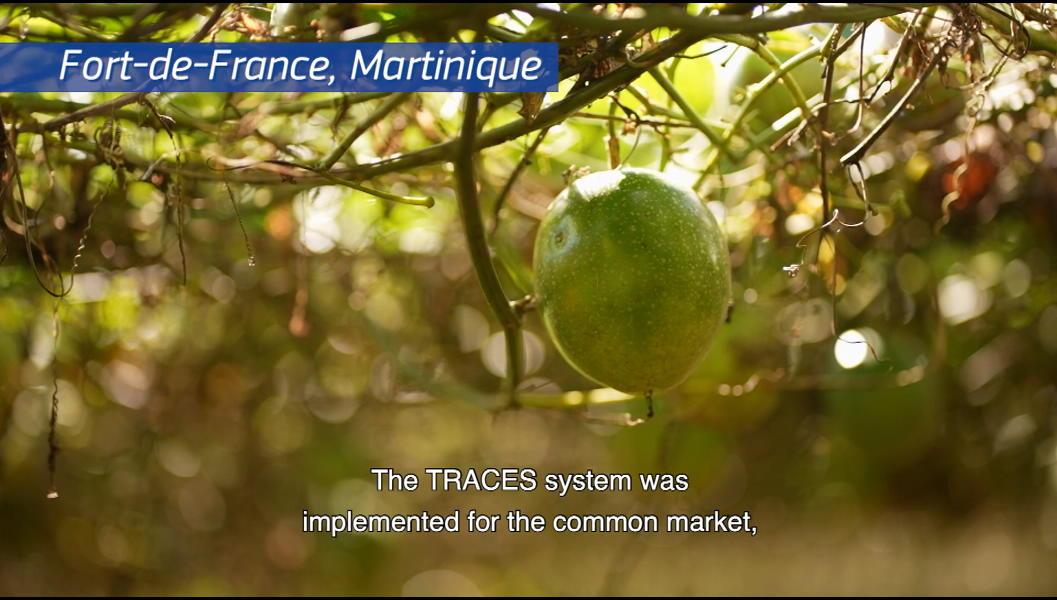
Within the European Union, traceability has become an official component of agricultural and food chain governance. The European Commission currently operates TRACES (Trade Control and Expert System), an electronic platform used to manage, monitor, and control the movement of animals, food products, agricultural commodities, and other agricultural goods across the bloc.
One notable feature of the system is that it serves not only regulators, but also allows businesses and inspection authorities to operate on a unified data platform. Shipment data are updated electronically throughout the circulation process, enabling authorities at destination points to access information before goods arrive for inspection and verification.
According to the European Commission, more than 113,000 users across over 90 countries are currently connected through the TRACES system.
Japan, meanwhile, is considered one of the earliest adopters of traceability systems integrated with information technology applications in agriculture and food production.
A study by the Asian Development Bank Institute (ADBI) on Japan’s traceability experience found that the country places particular emphasis on coordination mechanisms among regulators, businesses, and farming households in organizing production data. Traceability systems there not only support food safety management but also strengthen consumer confidence and improve supply chain governance efficiency.
The study further emphasized that coordination between the public and private sectors is a decisive factor in the success of traceability systems, particularly in agricultural contexts involving large numbers of smallholder farmers.
In New Zealand, traceability systems are implemented in conjunction with legal requirements governing food and fisheries management. Under national regulations, businesses must ensure product traceability based on the “one step back, one step forward” principle, meaning they must be able to identify both the origin of inputs and the next destination of products within the supply chain.
International experience suggests that effective traceability systems do not begin with the creation of isolated technology applications. Rather, they depend on the ability to organize data consistently and establish clear accountability across every link in the production chain.
This is also the direction currently being pursued by Viet Nam’s agriculture sector, which is moving toward interoperable traceability systems connecting regulators, local authorities, and enterprises, instead of maintaining fragmented systems separated by commodity groups or local jurisdictions.
Viet Nam prepares for mandatory chain-based traceability
Unlike earlier periods, which mainly involved pilot models or fragmented local implementation, the Ministry of Agriculture and Environment plans to begin applying chain-based traceability mechanisms to several key export agricultural commodities starting July 1, 2026.
According to the Department of Science and Technology, the initial rollout will focus on durian, dragon fruit, bananas, and mangoes—commodities currently facing growing pressure from importing markets regarding data transparency and origin verification.
The objective at this stage is not only to enable product tracing when incidents occur, but also to gradually establish a digital data-based governance mechanism capable of supporting both forward traceability and backward tracing throughout the supply chain, from production areas to export.
To prepare for official implementation, since early 2026 the Department of Science and Technology has been working continuously with Netacom Company and related stakeholders—including during the Lunar New Year holiday period—to finalize the Ministry’s shared traceability system.
According to technical reports, approximately 30 operational procedures have been developed to support traceability management for agricultural products intended for export and domestic consumption. These procedures cover planting area registration, production management, packing supervision, testing, shipment verification, and circulation monitoring.
One particularly significant aspect of the new system is that it has been designed based on the principle that “data are generated once but used for multiple management purposes.”
In practice, this means that traceability data will no longer operate as isolated information systems, but will gradually be integrated with quarantine, customs, taxation, and other government management databases.
According to the Department of Science and Technology, the Ministry has also selected the CheckVN platform—developed through a previous research project under the former Ministry of Agriculture and Rural Development—as the official traceability platform after July 1, 2026.
At the same time, the agriculture sector is developing an “electronic farmer diary” system in coordination with the Plant Production and Protection Department, aiming to gradually establish original-source data at the starting point of the production chain.
According to estimates by specialized agencies, the system is expected to cover approximately 9.3 million agricultural, forestry, and fishery-producing households nationwide.
This is considered a critical data foundation for production area verification, shipment batch management, and end-to-end supply chain traceability in the coming years.
In parallel with the development of technical infrastructure, the Ministry of Agriculture and Environment is also preparing the necessary legal and organizational conditions for implementation.
According to the roadmap developed by the Department of Science and Technology, prior to July 1, 2026, the Ministry will finalize a Circular guiding traceability implementation for agricultural, forestry, and fishery products; establish data connection standards; issue guidance on shipment batch management and dynamic QR codes; and pilot data integration between quarantine and customs systems for durian exports.
Training and capacity-building programs for local authorities, businesses, and producers regarding declaration procedures and system operation are also being organized concurrently.
Under the current plan, electronic traceability declarations will become mandatory for exported durian shipments after July 1, 2026.
This is viewed as the first major transition from an administrative document-based management model toward digital data-driven supply chain governance.
According to the Department of Science and Technology, if implemented according to schedule, the new traceability system will not only strengthen quality control and origin verification, but also help reduce duplicate declarations, lower compliance costs for enterprises, and improve the operational capacity of state management agencies.
During the next phase, from 2027 to 2028, the Ministry of Agriculture and Environment plans to expand traceability requirements to all officially exported agricultural products and imported agricultural goods, while also studying the integration of data analytics and AI technologies to support risk monitoring within agricultural supply chains.
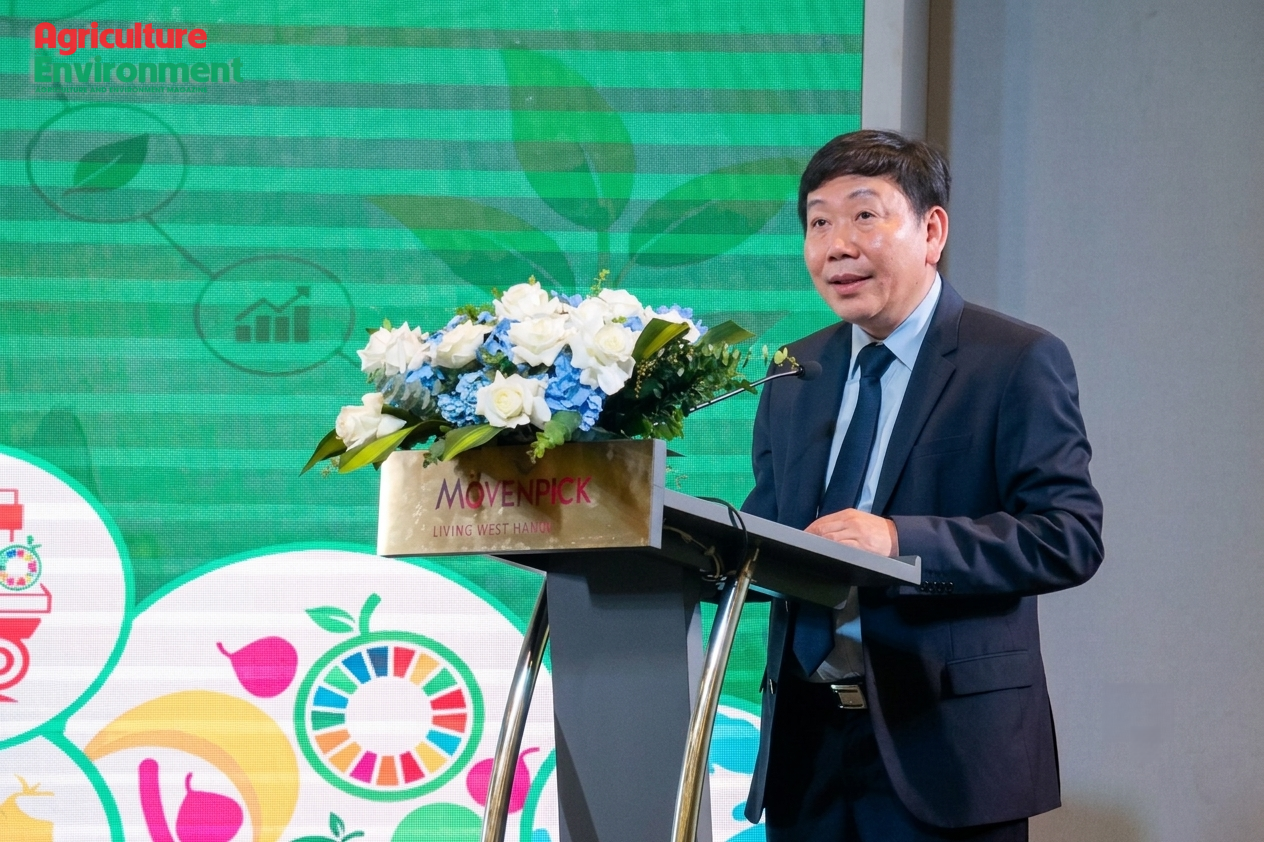
Ensuring food security, adapting to climate change and delivering on sustainable development commitments have become increasingly interconnected policy priorities for Viet Nam. Against this backdrop, food systems transformation is emerging as a key pillar of the country's long-term development agenda.

In recent years, the One Health has become an increasingly important approach for addressing complex health challenges worldwide. The growing frequency of zoonotic disease outbreaks, rising antimicrobial resistance (AMR), food safety incidents, environmental pollution, and the impacts of climate change are gradually blurring the traditional boundaries between the health, agriculture, and environmental sectors.
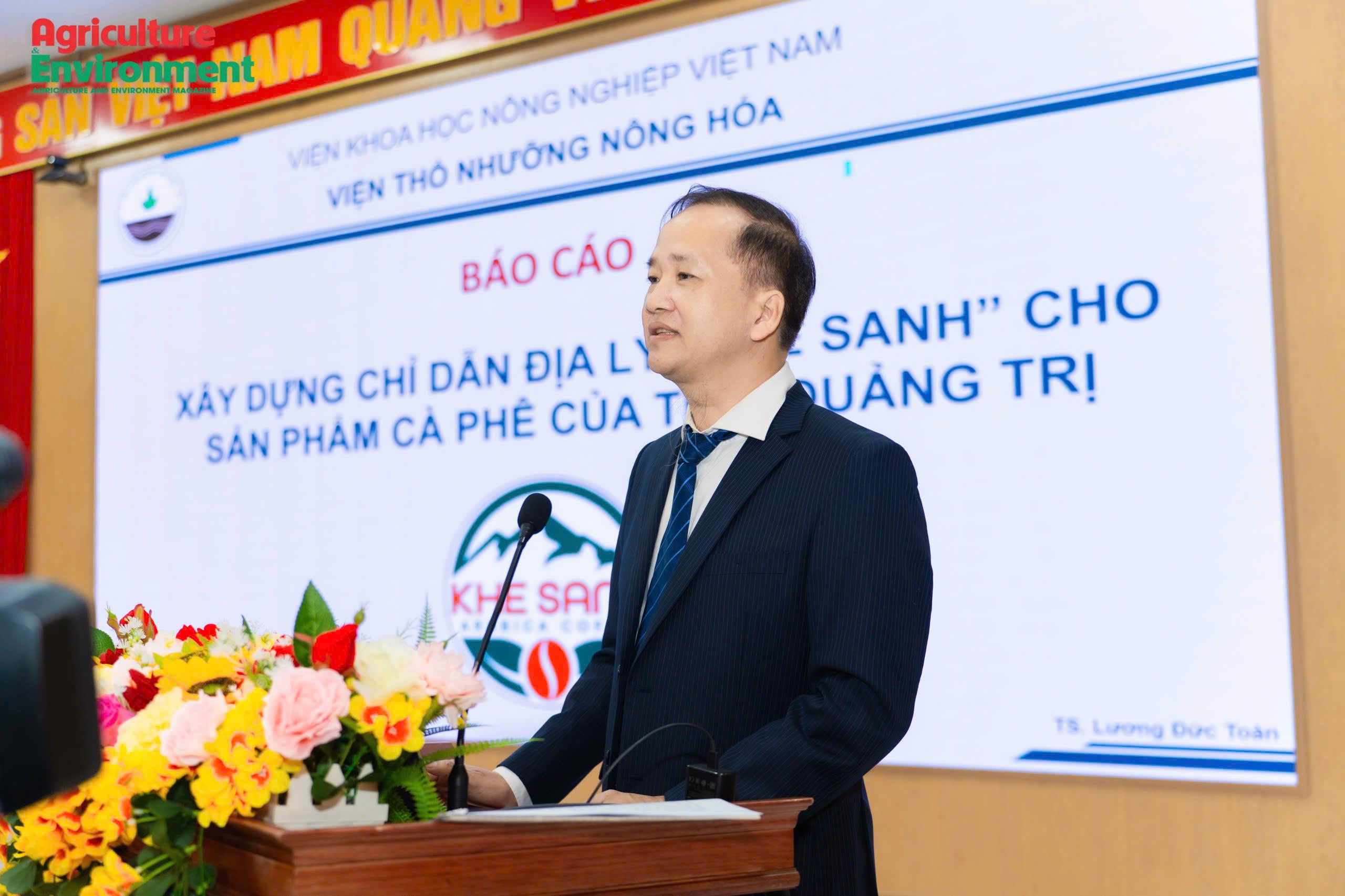
As Viet Nam’s agricultural sector shifts from a production-driven model toward one centered on value creation, geographical indications (GIs) are emerging as an increasingly important tool for strengthening the competitiveness of local agricultural products. Beyond intellectual property protection, GIs are helping regions build distinctive identities, reorganize production along more professional lines and lay the groundwork for more sustainable agricultural development.

As green standards increasingly become mandatory requirements in global trade, green transition is no longer an option but a development imperative. In Quang Tri province, this transition is being advanced through science and technology, digital transformation, and low-carbon circular economy models. In this context, Agriculture and Environment Magazine interviewed Tran Quoc Tuan, Director of the Department of Agriculture and Environment of Quang Tri province.
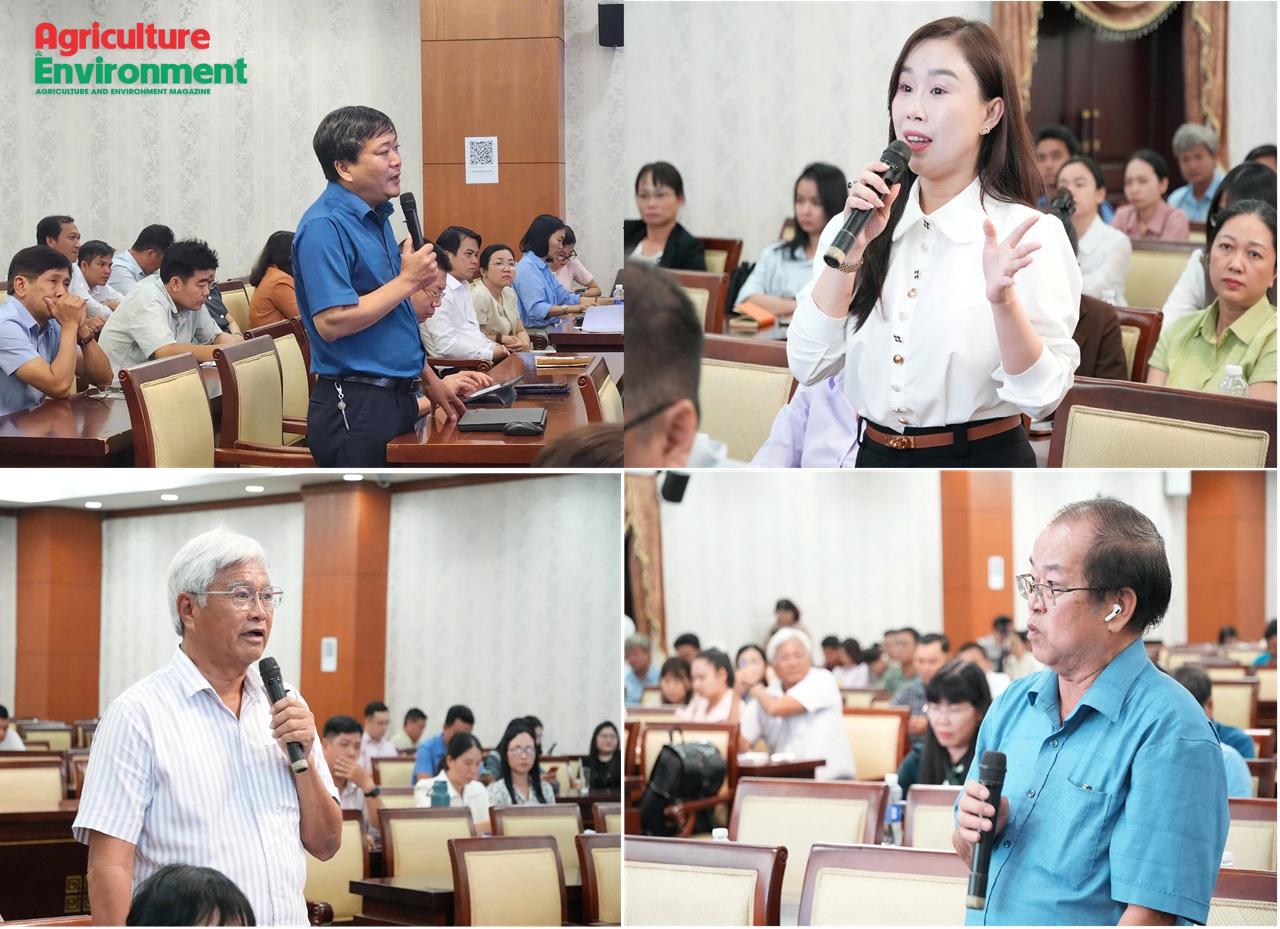
China’s official market access approval for fresh Vietnamese pomelos and lemons has been widely regarded as a major opportunity for the fruit and vegetable sector following years of technical negotiations. However, at the conference on implementing the Protocol on phytosanitary requirements for these two commodities, held on May 14 in Ho Chi Minh City, representatives from regulatory agencies, enterprises, and local authorities emphasized that the greatest challenge now lies not in market access itself, but in the capacity to organize standardized production systems starting at the farm level.