



 During the first nine months of 2026, the Ministry of Agriculture and Environment focused its legal affairs work on improving legislation, reforming administrative procedures and responding to voters’ petitions. The work was carried out in line with state management requirements while seeking to facilitate activities by people and businesses.
Building a more coherent legal framework
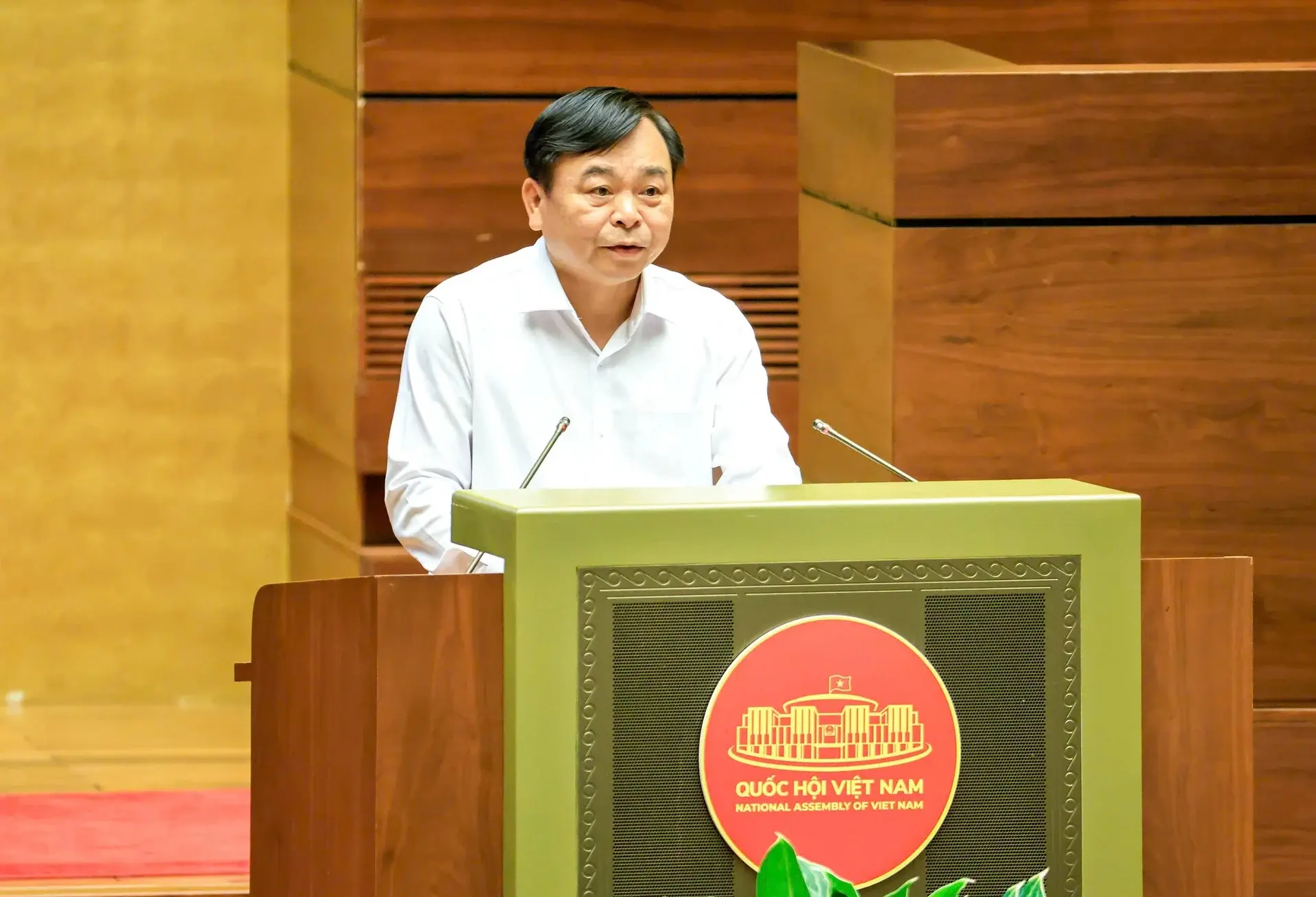
At a conference reviewing third-quarter legal affairs work, assessing results for the first nine months and outlining key tasks for the fourth quarter of 2026, Phan Tuan Hung, Director of the Department of Legal Affairs, said the Ministry had prepared and submitted four draft laws to the Government since the beginning of the year. The Ministry also submitted 43 legal documents for issuance by the Government and the Prime Minister, comprising 32 decrees, six Government resolutions and five Prime Minister’s decisions. The Minister of Agriculture and Environment issued 38 circulars.

The documents covered state management across multiple sectors while giving effect to decentralization and delegation of authority, administrative reform, and investment and business conditions.
A major development was the National Assembly’s passage on August 24, 2026, of a law amending and supplementing several provisions of 10 laws related to administrative procedures and investment and business conditions in agriculture and environment. Law No. 21/2026/QH16 will take effect on January 1, 2027.
The 10 amended laws are the Law on Crop Production; Law on Plant Protection and Quarantine; Law on Animal Husbandry; Law on Veterinary Medicine; Law on Fisheries; Law on Geology and Minerals; Law on Water Resources; Law on Irrigation; Law on Hydro-Meteorology; and Law on Dikes.
The amendments cover areas ranging from agricultural production to resource management, irrigation and disaster prevention and control. Amending the laws concurrently provides a legal basis for reducing and simplifying administrative procedures and business conditions, in conjunction with decentralization and delegation of authority under the two-tier local government model.
For the three remaining draft laws, the Ministry continued to finalize the dossiers for the Law Amending and Supplementing Several Provisions of the Law on Environmental Protection, the amended Law on Marine and Island Resources and Environment, and the amended Land Law. Under the planned schedule, relevant units are concentrating resources on drafting, revising and completing the dossiers for submission to the National Assembly for consideration and passage at its second session.
These areas are closely linked to economic development, resource use and environmental protection. Lawmaking therefore requires coordination between the Department of Legal Affairs and specialized units, covering policy research, assessment of practical implementation, and the review, explanation and finalization of draft legislation.
Alongside the preparation of draft laws, the development of detailed regulations and implementing guidance has been identified as a key task. Coordinated preparation provides agencies with a basis for implementation while making it easier for people and businesses to access and comply with new regulations.
Legal review and administrative reform
Work to improve the legal framework has been carried out alongside a comprehensive review of legal documents under the Ministry’s management. The review follows a plan issued under Decision No. 1400/QD-BNNMT dated April 20, 2026.
According to the Department of Legal Affairs, as of June 30, 2026, 933 legal documents that were either in force or not yet in force fell within the scope of the Ministry’s comprehensive review.
Based on the review, the Ministry proposed measures to amend, supplement, replace or partially repeal 276 documents; fully repeal 124 documents; and issue 13 new documents. The proposed measures cover a total of 413 documents.
The proposals are intended to further improve the legal system in accordance with the prescribed authority and procedures. The review enables agencies to identify provisions requiring adjustment while examining consistency among legal documents and their application in specific sectors.
One measure resulting from the review was Circular No. 32/2026/TT-BNNMT, dated July 17, 2026, which fully or partially repealed a number of legal documents issued under the authority of the Minister of Agriculture and Environment. Streamlining the system of legal documents makes them easier to locate, apply and enforce.
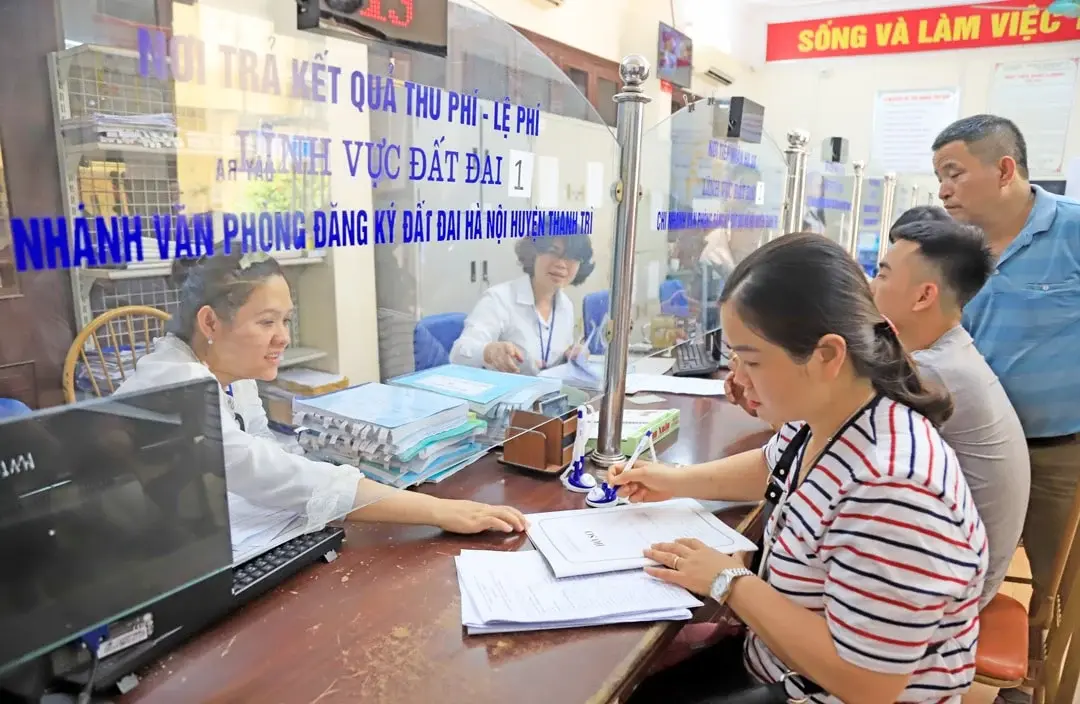
Administrative procedure reform has continued in parallel with the drafting and amendment of legal documents. Proposed simplifications need to be incorporated into regulations so that agencies handling administrative procedures have a consistent legal basis for implementation.
In the third quarter, the Ministry issued Decision No. 2926/QD-BNNMT dated July 29, 2026, announcing a list of administrative procedures subject to process restructuring. The decision requires relevant units to review and restructure six procedures, with a focus on simplifying documentation requirements and reducing steps in the digital environment.
The work links administrative reform with the use of data in management. The restructuring process requires a review of documentation requirements and processing steps to make procedures more convenient for users.
For the remaining months of the year, the report calls for tighter control of administrative procedure requirements during the drafting and issuance of legal documents, particularly procedures affecting people and businesses. New procedures should be necessary, simple, clear and easy to implement.
The Ministry will also continue finalizing regulations to implement measures for reducing and simplifying procedures in production and business activities. The work is directly linked to improving the quality of public services and facilitating development activities across the sector.
Voters’ petitions as a policy input
Alongside drafting and reviewing legal documents, responding to and addressing voters’ petitions was another area covered in the Department of Legal Affairs’ report. Such petitions provide additional information on practical issues for policymakers when developing policies, guiding implementation and enforcing legislation.
According to the report, the Ministry received 129 voters’ petitions forwarded by the Committee on People’s Petitions and Supervision and the Government Office following the first session of the 16th National Assembly. By August 28, 2026, the Ministry had responded to all 129 petitions within the required timeframe.
The petitions covered a wide range of areas, including land, environment, minerals, agriculture, forestry, fisheries, irrigation, disaster prevention and control, processing, market development and the cooperative economy.
The petitions were classified for handling according to their content and the relevant authorities. Some were addressed through the issuance of legal documents or implementation of policies, while others were considered according to established roadmaps or answered through explanations and information on existing regulations.
Completing the responses on schedule reflected coordination among the Ministry’s units in compiling, reviewing and providing information to voters. The responses also provide a basis for monitoring tasks that remain to be implemented under established roadmaps.
For lawmaking, information from voters and local authorities provides additional evidence for assessing practical needs. Policy-related issues are considered during the drafting and amendment of legal documents, while questions concerning implementation are addressed through explanations and guidance in accordance with existing regulations.
In the final months of 2026, the Department of Legal Affairs and other units under the Ministry will continue to focus on finalizing draft laws, detailed implementing regulations and the report on the comprehensive review of the legal document system. The report also calls for closer coordination with the Government Office, the Ministry of Justice and relevant agencies to ensure the progress and quality of legal drafting.
The first nine months of the year saw the Department of Legal Affairs and specialized units contribute to policy advice, legislative drafting and implementation. Continued coordination, attention to practical conditions and adherence to responsibilities will remain central to completing the year’s tasks and improving state management and public services for people and businesses in the agriculture and environment sector./.

Politburo Resolution No. 26-NQ/TW, dated August 22, 2026, sets out a strategic development direction: to make tourism a truly spearhead economic sector while shifting decisively from volume-driven growth toward a model based on quality, green development, smart solutions, innovation and cultural identity. With its long-established culture, diverse natural landscapes, extensive coastline and dynamic society, Viet Nam is sending the international community a clear message: it is an open, responsible destination ready for deeper global integration.

Decentralization and delegation of authority can achieve their intended outcomes only when accompanied by strong implementation capacity at the local level. Recognizing this, the Ministry of Agriculture and Environment has gone beyond transferring responsibilities by working closely with provincial and local governments through training, technical guidance, digital transformation, and the development of sectoral databases. One year into implementation, the initial results not only demonstrate tangible progress but also highlight areas that require further improvement to support the country's development objectives in the next phase.
As a multi-sector ministry responsible for a broad range of functions closely linked to local governments, Viet Nam's Ministry of Agriculture and Environment (MAE) moved swiftly during the first year of implementing the two-tier local government model to streamline its organizational structure, strengthen the legal framework, and redefine the allocation of administrative authority. Initial results underscore the Ministry's proactive efforts to translate the Party and State's reform agenda into governance mechanisms suited to the sector's operational needs.
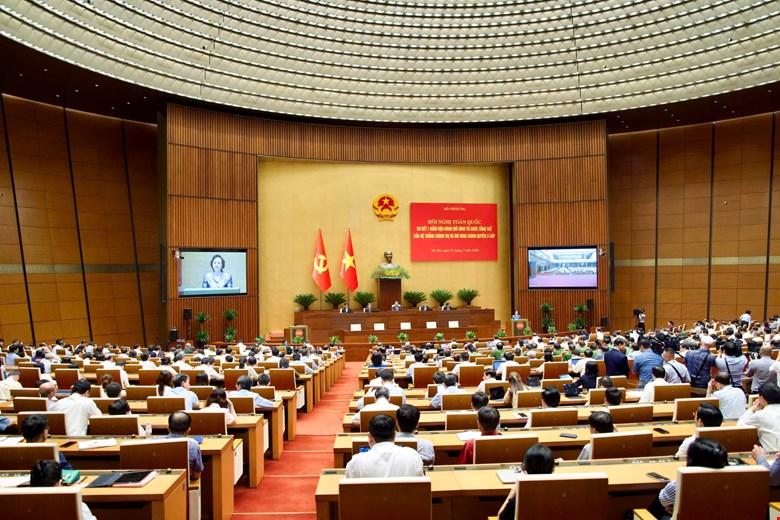
One year after the nationwide implementation of Viet Nam's two-tier local government model, initial results suggest that the reform represents far more than an administrative restructuring. It marks a significant shift in the country's governance philosophy. By streamlining the administrative structure, advancing decentralization and the delegation of authority, accelerating administrative reform, and promoting digital transformation, the new model is laying the foundation for a modern public administration that is efficient, effective, accountable, and responsive to the country's development needs in a new era.
The Ministry of Agriculture and Environment has issued Circular No. 22/2026/TT-BNNMT dated May 19, 2026, amending and supplementing several circulars related to decentralization and the reduction and simplification of administrative procedures under the ministry’s state management authority. The document, signed by Deputy Minister Nguyen Hoang Hiep, marks a further step in Viet Nam’s institutional reform efforts and the modernization of governance in the agriculture and environment sectors.