



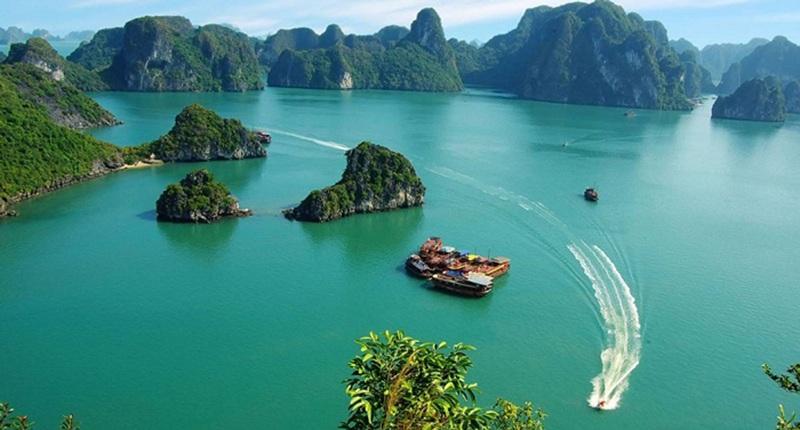
 During 2023–2024, a research team from the Institute of Biology (Vietnam Academy of Science and Technology – VAST), in collaboration with the Graduate University of Science and Technology (VAST) and the Center for Technology and Nature Conservation, carried out an extensive survey to document the fish species composition in freshwater bodies, as well as tung and ang (karst sinkhole lakes and semi-enclosed lagoons) on the islands of Bai Tu Long Bay and Ha Long Bay. This represents one of the few dedicated studies on these semi-isolated karst water systems—often considered “forgotten biological refugia” within the World Heritage landscape.
Led by researchers Nguyen Dinh Tao, Le Hung Anh, and Hoang Anh Tuan, the study generated significant findings and contributed valuable baseline data for the conservation of island and cave ecosystems in Quang Ninh province.
A comprehensive biodiversity profile: 48 species, 38 genera, 31 families
Across numerous field trips to the islands of Quan Lan, Minh Chau, Ngoc Vung, Ban Sen and several major tung–ang systems such as Ang Cai Lim, Ang Cai De, and Tung Soi Nhu, the researchers collected fish specimens through multiple sampling methods, including hook-and-line fishing, traps, gillnets, cast nets, electric fishing, and hand nets.
The survey documented 48 species, belonging to 38 genera, 31 families, and 18 orders. Perciformes was the dominant order, with 11 species (22.9%), underscoring the ecological prominence of coastal–brackish fish in the region’s semi-enclosed systems. Gobiiformes followed with 9 species (18.7%), and Acanthuriformes with 4 species (8.3%). Other orders—such as Cypriniformes, Mugiliformes, Clupeiformes, and Siluriformes—were represented by only one to three species each.
Importantly, the species composition clearly reflects the transitional ecological nature of tung–ang, where freshwater, brackish, and marine conditions interact within confined, isolated karst basins.
Comparing the two bays: Bai Tu Long shows higher diversity
One of the most notable outcomes of the study is the distinct difference in species richness between the two regions:
- Bai Tu Long Bay: 40 species
- Ha Long Bay: 32 species
Freshwater streams and lakes on the islands: only 8 species.
These numbers indicate that the tung–ang systems in Bai Tu Long Bay experience fewer disturbances and provide more heterogeneous habitats, particularly in substrate composition, water movement, and salinity variation.
In contrast, the freshwater bodies on the islands hosted only a few highly adaptable species such as Macropodus opercularis, Misgurnus anguillicaudatus, Channa striata, Gambusia affinis, and Oreochromis niloticus. These habitats also showed clear signs of pressure from invasive species, especially Gambusia affinis and Oreochromis niloticus, which pose severe competition to native fish communities.
Fifteen economically valuable species – key resources for coastal livelihoods
Among the 48 recorded species, the research team identified 15 economically important species (31.3%), which play an essential role in the livelihoods of island communities.
Representative species include: Siganus guttatus (Golden rabbitfish), Sillago sihama (Silver sillago), Acanthopagrus berda (Black seabream), Moolgarda crenilabis (Crenulated mullet), Monacanthus chinensis (Fan-bellied leatherjacket)
These species maintain stable harvest levels, enjoy strong consumer demand, and are vital to local fisheries. However, the authors emphasize the urgent need for science-based management and long-term monitoring to secure sustainable exploitation.
An endangered species recorded – a warning for the region’s biodiversity
A critical finding of the study is the presence of Evynnis cardinalis, an Endangered (EN) species listed in both the IUCN Red List (2025) and the Vietnam Red Data Book (2024).
Once widely distributed along northern Vietnam’s coastal waters, the species has sharply declined due to overfishing, habitat alteration, pollution, and climate change. Its occurrence in semi-enclosed tung–ang highlights the role of these systems as ecological refuges that offer shelter from large-scale fishing pressures.
Emerging threats: invasive species and climate change
Field data show that many tung–ang systems are under increasing stress:
Invasive species (Oreochromis niloticus, Gambusia affinis)
These species reproduce rapidly, compete aggressively for food, and disrupt native fish assemblages. In several island freshwater bodies, Oreochromis niloticus appears to be becoming dominant.
Pollution and climate change: Many sites showed signs of heavier sediment accumulation, irregular salinity and temperature fluctuations, and a decline in benthic algae and macrophytes—key food sources for several economic species. Such changes make local fish populations more vulnerable to ecological disturbances.
Ecological significance: Contributing 10.4% of the region’s total fish fauna
According to Kimura et al. (2018), Ha Long Bay hosts approximately 460 fish species. The new study demonstrates that tung–ang and island freshwater bodies alone account for about 10.4% of the total regional fish fauna. This underscores the unique ecological role of these karst systems, which serve as transitional habitats between freshwater, brackish, and marine environments and act as important corridors for species within the Indo–West Pacific biogeographic region.
The study also identified several specimens not yet resolved to species level within the genera Ambassis, Gerres, Stolephorus, Eubleekeria, Leiognathus, Acentrogobius, and Rhinogobius, suggesting potential avenues for future research into morphological variation or unidentified taxa.
Valuable baseline data for conservation and sustainable management
The survey conducted by the Institute of Biology and its partner institutions has produced the most comprehensive baseline dataset to date on the fish assemblages of tung–ang and island freshwater systems in Bai Tu Long–Ha Long. These findings will: support more effective conservation planning; inform ecotourism development aligned with ecosystem protection; provide scientific evidence for environmental impact assessments; create a foundation for advanced research in the future.
Amid the challenges of climate change and pressures from tourism and resource exploitation, reliable scientific data such as these are critical to safeguarding the unique biodiversity of Vietnam’s world-renowned natural heritage region.
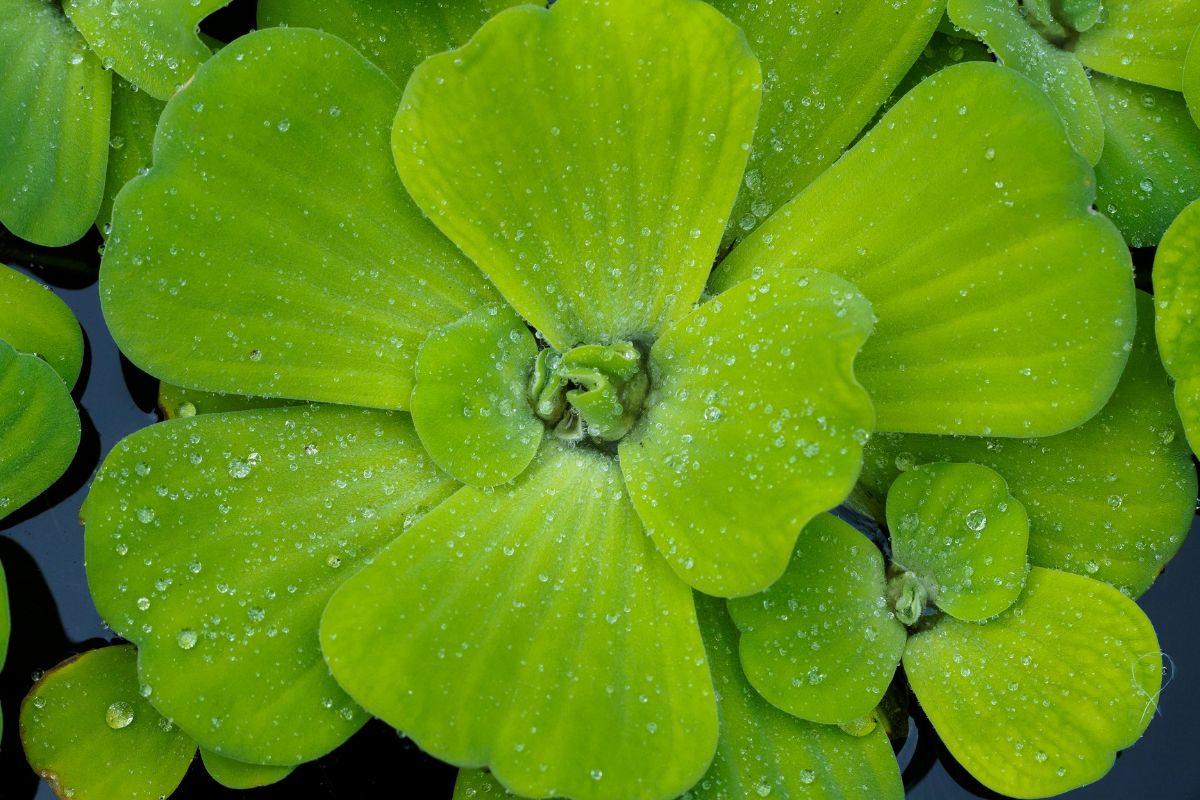
A scientific study by An Giang University, Vietnam National University, Ho Chi Minh City, and the An Giang Center for Rural Clean Water and Environmental Sanitation has demonstrated the potential of water lettuce (Pistia stratiotes) for treating piggery wastewater under natural conditions. The findings show that treatment performance varies with the initial biomass density and the pollutant being targeted. The approach offers a low-cost, environmentally friendly biological treatment option with potential for application by pig farms and household producers in Viet Nam.
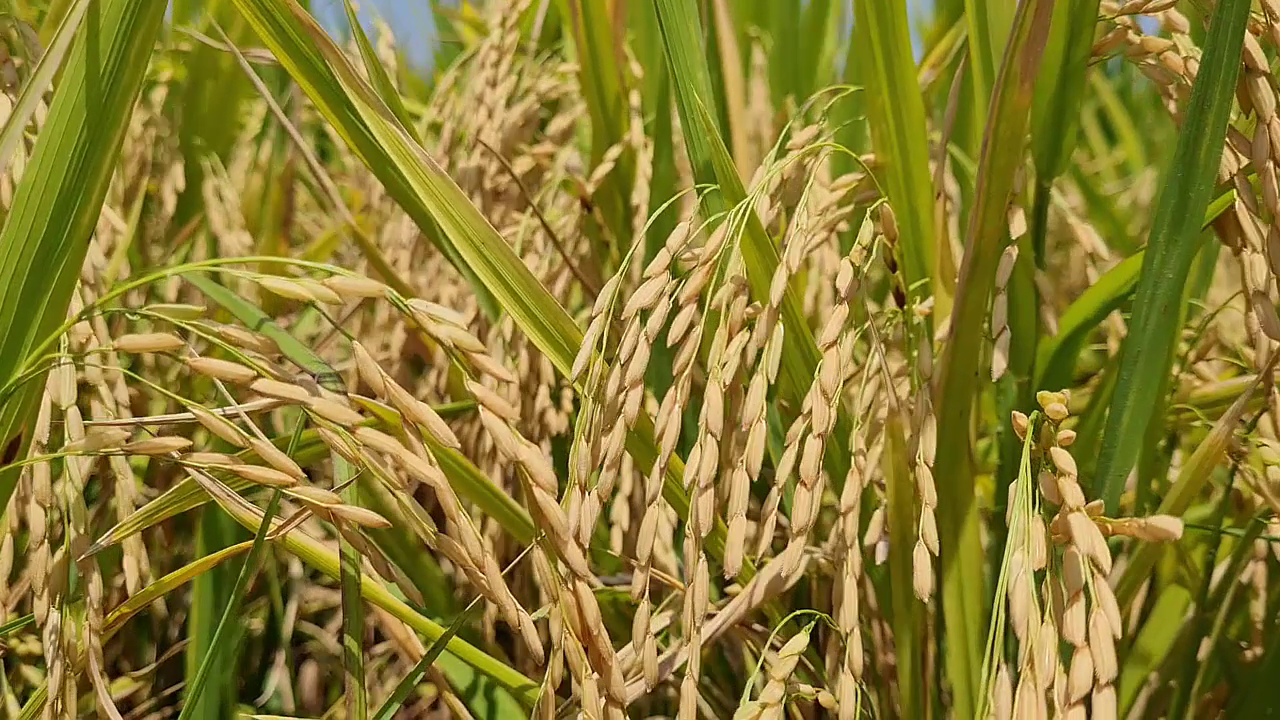
A study of 180 local rice accessions conserved at the Plant Resources Center revealed diversity in subspecies classification and grain quality traits. Within this germplasm collection, researchers identified eight accessions with promising characteristics, including aroma, low amylose content, and low to intermediate gelatinization temperatures, providing additional genetic resources for conservation and the breeding of high-quality rice varieties.
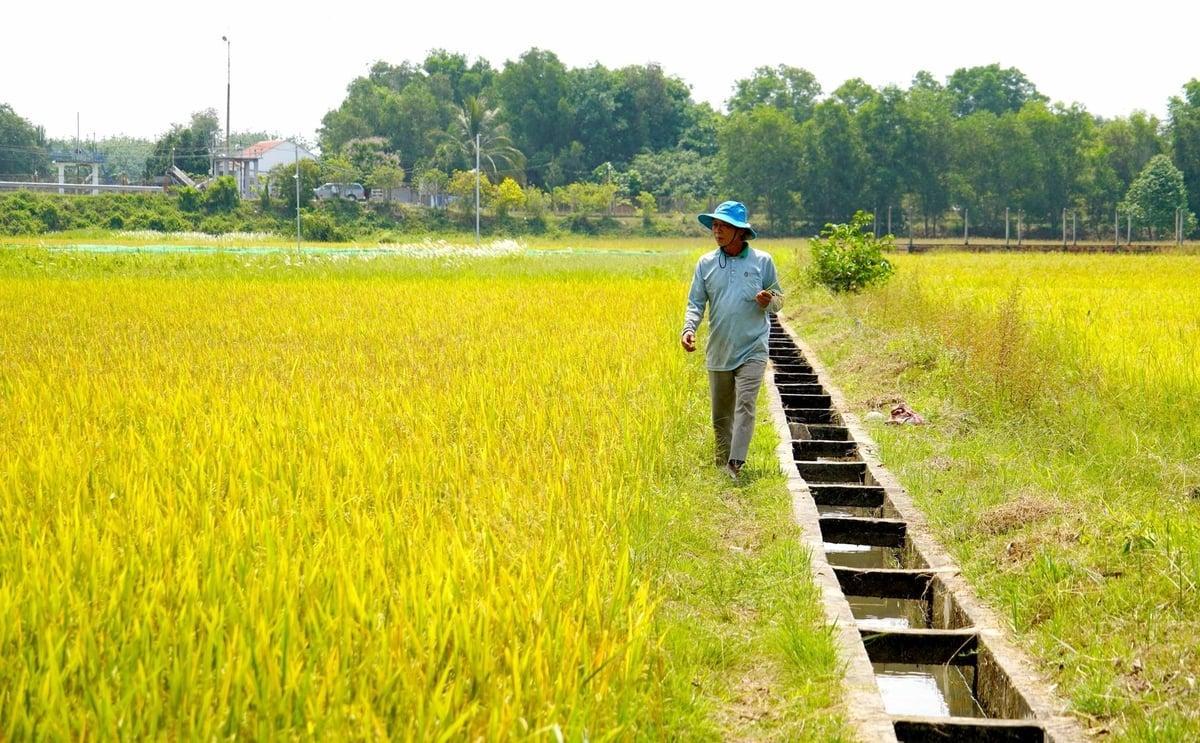
In low-lying areas of the former Cu Chi district, located in northwestern Ho Chi Minh City, seasonal flooding occurs alongside agricultural production and urbanization, creating various pressures on soil quality and its capacity for recovery. A study by Nguyen Thi Oanh, Phan Lieu, Truong Vinh Hai, and Tran Minh Tien found clear differences in soil health among rice cultivation, vegetable farming, and fruit orchards, with distinct patterns of chemical and biological degradation. The integration of multiple indicators through Principal Component Analysis (PCA) not only helped identify these differences but also provided a scientific basis for guiding soil management and restoration measures in peri-urban agricultural wetlands.
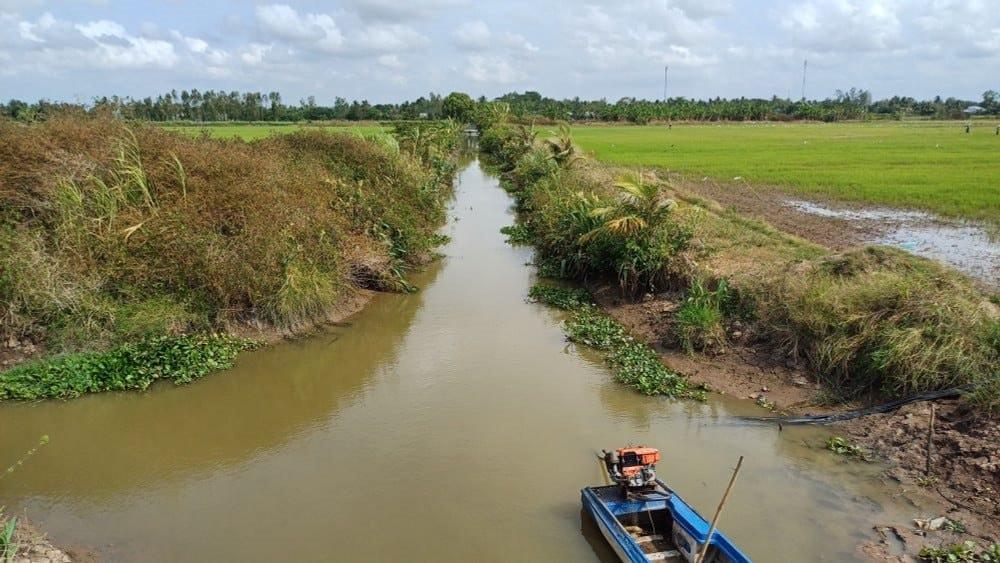
Saline intrusion is posing growing challenges to agricultural production in the lower Hau River region, where agricultural land use is closely linked to water availability. A study conducted in the former Soc Trang province, now part of Can Tho city, assessed saline intrusion risk to agricultural land use in 2024 under the RCP 4.5 and RCP 8.5 climate change scenarios for 2030 and 2050. The results show that the area of rice cultivation affected by higher salinity levels tends to increase, providing an additional scientific basis for land use planning and the selection of appropriate adaptation-oriented farming systems.
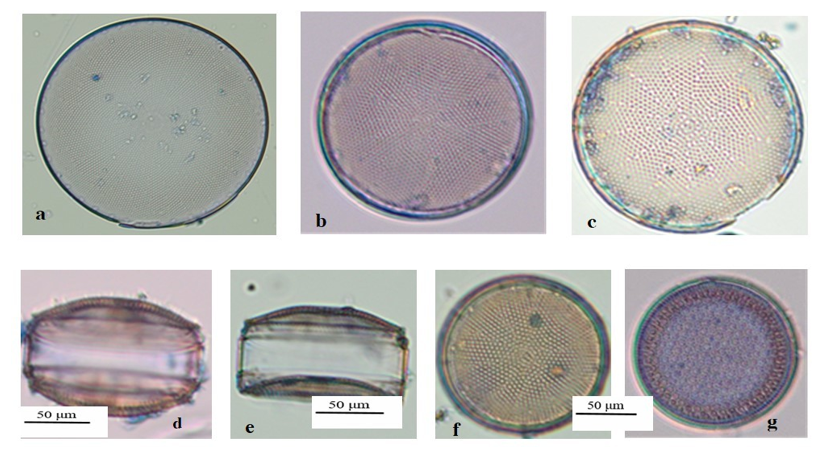
A study of phytoplankton samples collected from various marine areas of Viet Nam between 2015 and 2025 identified 21 species belonging to the genera Coscinodiscus and Coscinodiscopsis. Notably, Coscinodiscus reniformis and Coscinodiscopsis sp. were recorded and described in detail based on their cellular morphological characteristics, providing additional data for the identification and taxonomic classification of these diatom groups in Vietnamese waters.