




 Against the backdrop of increasingly complex climate change and growing demands for green, low-emission agriculture, protecting soil health should be considered a strategic priority for Vietnam's agricultural sector. To gain a broader perspective, Agriculture and Environment Magazine interviewed Nguyen Quang Hai, PhD, Deputy Director in charge of the Soils and Fertilizers Institute under the Vietnam Academy of Agricultural Sciences (VAAS).
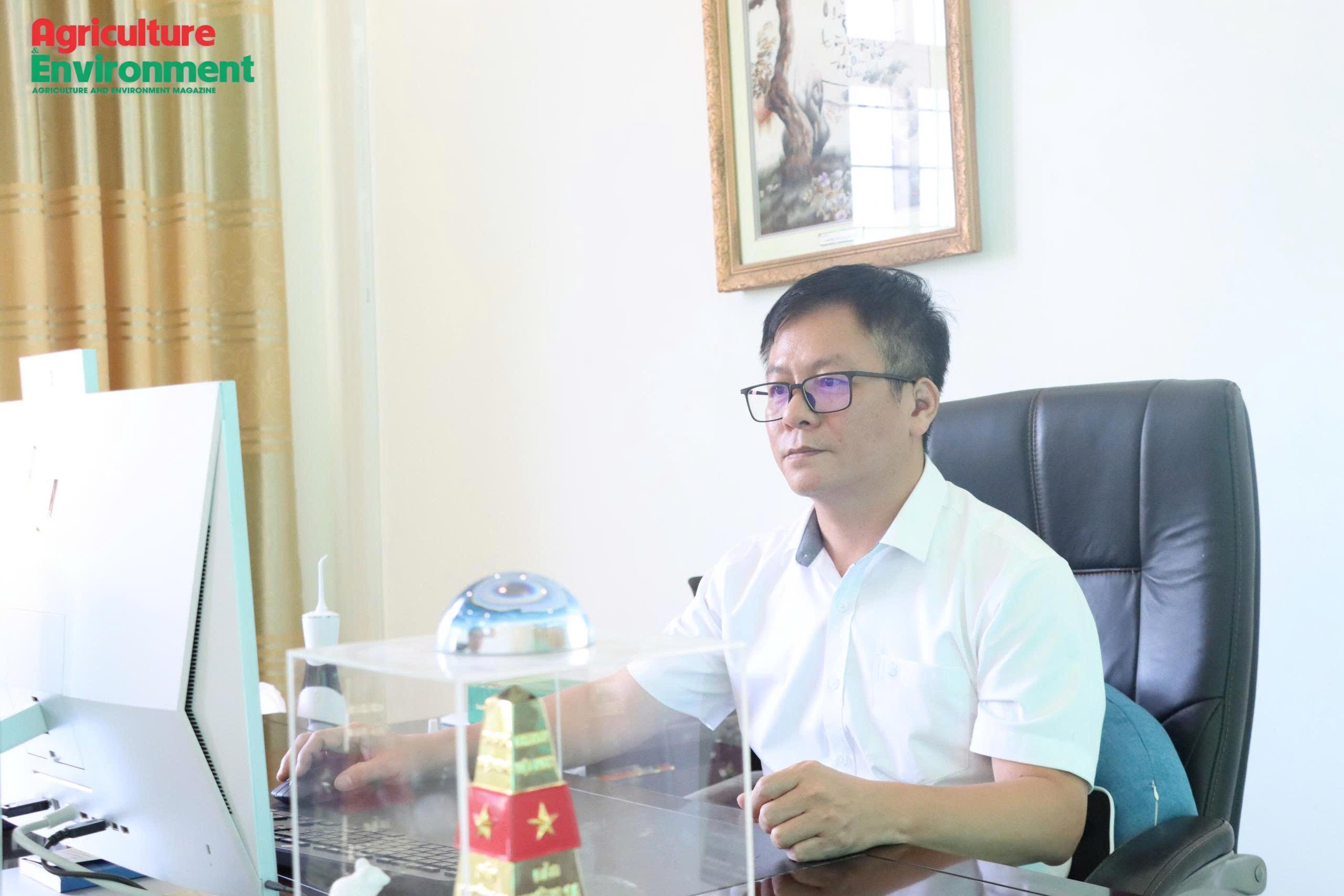
How do you assess the current state of agricultural soil health in Viet Nam?
Dr. Nguyen Quang Hai: Many studies have shown that after 20–30 years of cultivation, a large proportion of agricultural soils in Viet Nam have become more compacted and acidic, while organic matter content has declined by 20–50%. Their water- and nutrient-holding capacities have also deteriorated, while harmful agents such as pathogenic fungi, nematodes and heavy metals have tended to increase in many intensive production areas.
At present, soil health in Viet Nam is being affected by multiple forms of degradation, most notably erosion, acidification, salinization, nutrient imbalance and declining soil biodiversity. These manifestations occur across most agricultural ecological zones, from mountainous areas to deltas and from specialized industrial-crop production areas to major rice-growing areas.
In the midlands and mountainous areas, where sloping terrain accounts for a large share of agricultural land, erosion and leaching are the leading causes of declining soil quality. Continuous cultivation on sloping land without adequate conservation measures has resulted in the loss of topsoil, leaving soils increasingly acidic, nutrient-poor and less capable of retaining water. Many studies in the Central Highlands have shown that after years of coffee monoculture, soil pH declines significantly, organic matter content decreases by 20–40%, soils become compacted and nutrient uptake capacity deteriorates markedly. In cassava-growing areas on sloping land, organic matter content can decline by as much as 40–60% after only two to three years of cultivation, while yields may fall by 50–70% compared with the initial period following land clearing.
In addition to erosion, many delta areas are facing increasing pressure from salinization. In the Mekong Delta, under the impacts of climate change, sea-level rise and declining freshwater flows from upstream, the area of salt-affected land has tended to expand. Saltwater penetrates farther inland during the dry season, altering soil properties, reducing agricultural productivity and directly affecting crop yields. Statistics indicate that after 30 years of land use, the area of salt-affected soils in the region had increased by nearly 178,000 hectares, including an increase of nearly 200,000 hectares in moderately and slightly saline soils.
Another major concern is widespread soil degradation and nutrient imbalance. A survey conducted by the former Ministry of Natural Resources and Environment found that more than 11.8 million hectares of land nationwide had been degraded to varying degrees, of which more than 1.2 million hectares were severely degraded. Millions of hectares of agricultural land have experienced declining fertility, primarily as a result of continuous cultivation, excessive use of chemical fertilizers, limited use of organic fertilizers and inadequate soil restoration practices.
In many specialized fruit- and industrial-crop production areas, imbalanced use of fertilizers and plant protection products has significantly altered soil properties. Orange-growing soils in Tuyen Quang and Phu Tho provinces have experienced severe acidification and nutrient imbalance, with copper and zinc accumulation exceeding permissible thresholds in some areas. These conditions have also reduced beneficial soil microorganisms and increased the incidence of soil-borne diseases. Similarly, in the Central Highlands, prolonged intensive cultivation of coffee and black pepper has reduced soil porosity and organic matter content by as much as 30–50% compared with natural forest soils, while soils have become increasingly acidic and nutritionally imbalanced.
Even in the Red River Delta and the Mekong Delta — the country’s two major food-producing regions — soil health is deteriorating. Continuous cultivation of multiple crops each year, short fallow periods, declining sediment deposition due to upstream hydropower systems, and reduced use of organic fertilizers have caused soils to become compacted, reduced organic matter content, and weakened their water-holding and nutrient-exchange capacities. In addition, pollution from industrial wastewater, craft villages and irrigation water sources has contributed to declining agricultural soil quality in many localities.
Another important indicator of soil health is soil biodiversity. Studies have shown that the abundance and density of many soil organisms, particularly earthworms, have declined significantly in areas under intensive agricultural production. Prolonged use of plant protection products has altered the structure of soil-organism communities, affecting organic matter decomposition and natural nutrient cycling. As soil biological communities decline, the soil’s capacity for self-recovery also diminishes, further increasing the risk of severe degradation.
In your view, what are the main causes of agricultural soil degradation and the gradual loss of sustainable productive capacity?
Dr. Nguyen Quang Hai: Over many years, soil health in Viet Nam has shown a clear downward trend, accompanied by declining long-term productive capacity. One of the most important causes is soil erosion and leaching, which are particularly severe in hilly and mountainous areas. Approximately 75% of Viet Nam’s agricultural land is located on sloping terrain, with more than half having slopes exceeding 20 degrees. These conditions make topsoil — where most of the soil’s organic matter and nutrients are concentrated — highly vulnerable to being washed away during heavy rainfall. Once fertile topsoil is lost, soils become nutrient-poor, their water-holding capacity declines, their structure deteriorates and acidification intensifies. When this process continues over many years, soils gradually lose their capacity to provide nutrients to crops, resulting in lower agricultural productivity.
In addition to topography, unsustainable farming practices are a direct cause of declining soil health. In many production areas, farmers have maintained monocropping systems for extended periods, with limited crop rotation or intercropping. Continuous cultivation of a single crop causes the soil to lose certain groups of nutrients without receiving balanced replenishment, resulting in nutrient imbalance and declining fertility. In particular, in areas producing coffee, black pepper, oranges, cassava and rice, numerous studies have documented soil compaction, declining organic matter content, increasing acidity and reduced nutrient-exchange capacity following years of continuous cultivation.
Another contributing factor is the overuse of chemical fertilizers and plant protection products. For many years, in an effort to increase short-term yields, many production areas have relied heavily on inorganic fertilizers while making limited use of organic fertilizers. This has led to substantial declines in soil organic matter and beneficial microbial communities, while soils have become increasingly acidic. Imbalanced fertilization, with a focus primarily on nitrogen, phosphorus and potassium while neglecting secondary and micronutrients, has also caused serious nutrient imbalances. At the same time, prolonged use of plant protection products has resulted in the accumulation of harmful substances in soils, affecting soil biota and reducing the soil’s capacity for self-recovery.
The decline in soil organic matter is a fundamental factor undermining sustainable productive capacity. Organic matter not only supplies nutrients but also improves soil structure, enhances water-holding capacity and provides a habitat for beneficial microorganisms.
In addition, climate change is accelerating soil degradation. In the Mekong Delta, sea-level rise, saltwater intrusion and declining freshwater availability from upstream are expanding the area of salt-affected soils. Saltwater penetrating farther inland alters soil properties, reduces nutrient uptake and creates difficulties for agricultural production. At the same time, extreme weather, heavy rainfall and prolonged drought are increasing erosion, leaching and fertility loss across many agroecological zones.
Another equally important factor is the increasing intensity of land use. The demand for higher production has led many localities to maintain two to three cropping cycles per year, shortening fallow periods. Soils have less opportunity for natural recovery, while the amount of nutrients removed through each harvest continues to increase.
More concerningly, declining soil biodiversity is occurring across many intensive production areas. Earthworms, microorganisms and other beneficial organisms are declining in both abundance and diversity due to the effects of plant protection products and environmentally unsustainable farming practices. As these organisms decline, the decomposition of organic matter, nutrient regeneration and improvement of soil structure are also affected, causing soils to gradually lose their capacity for self-regulation and self-recovery.
Unless land management and use practices are changed promptly toward scientifically sound, balanced and environmentally friendly approaches, soil resources will continue to deteriorate, directly affecting crop productivity, farmers’ livelihoods and the goal of developing a green and sustainable agricultural sector in the future.
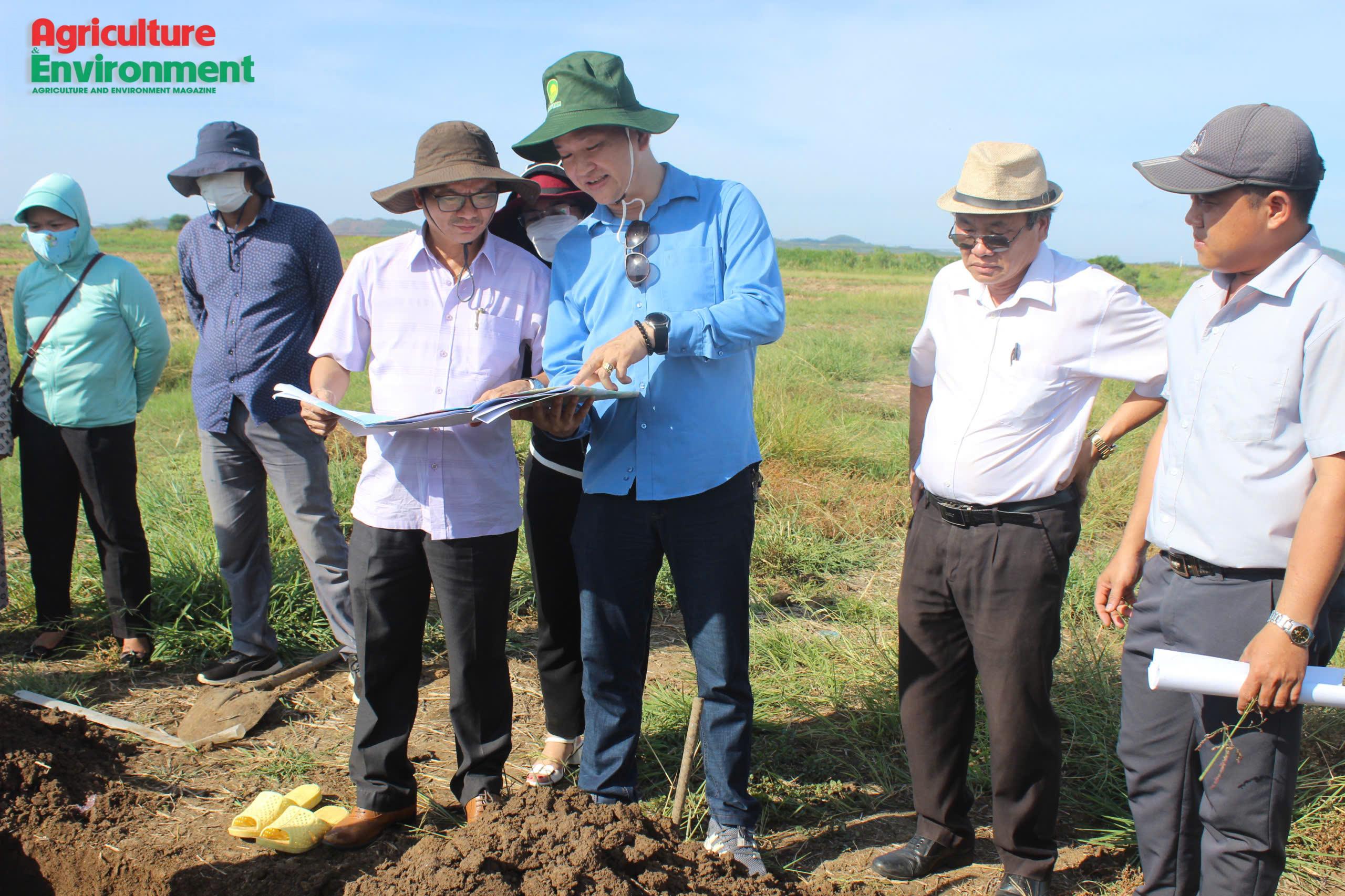
As climate change becomes increasingly complex, what priorities should guide efforts to protect soil health?
Dr. Nguyen Quang Hai: Given the declining state of soil health nationwide, establishing priorities for protecting, restoring and improving soil quality is no longer solely a responsibility of the agriculture and environment sector. It has become an urgent requirement of the national sustainable development strategy. Healthy soils not only ensure short-term crop productivity but also determine the capacity to sustain long-term production, protect the environment and enhance resilience to climate change.
The top priority is to shift the approach to soil resource management toward soil health management. For many years, soil assessment has focused primarily on fertility and crop yields, while indicators such as biodiversity, organic matter content, carbon storage capacity and the resilience of soil ecosystems have not received adequate attention. Therefore, Viet Nam needs to establish a nationwide soil health monitoring system and conduct periodic assessments of degradation levels as a basis for policymaking and organizing production appropriate to each agroecological zone.
Another important priority is to restore soil fertility and increase soil organic matter content. Organic matter is regarded as the “life source” of soil because it is a key factor determining soil structure, water and nutrient retention, and the habitat conditions for soil microorganisms. Farmers should therefore be encouraged to increase the use of organic fertilizers and microbial products and to utilize agricultural residues to return organic matter to the soil, while gradually reducing dependence on inorganic fertilizers. Developing circular agricultural models and reusing crop, livestock and agro-processing residues can contribute to sustainable improvements in soil health.
In sloping areas, priority should be given to erosion-control measures and protection of topsoil. These areas are highly vulnerable to leaching and soil degradation. Expanding agroforestry systems, planting cover crops, developing terraces, incorporating soil-protecting grasses and increasing forest cover can help limit soil loss, reduce surface runoff and protect natural nutrient resources. Experience has shown that agroforestry systems can not only reduce erosion but also improve land-use efficiency and increase incomes for people in hilly and mountainous areas.
In areas affected by saltwater intrusion and acid sulfate soils, particularly the Mekong Delta, irrigation systems should continue to be improved, water resources managed and climate adaptation measures strengthened. At the same time, appropriate crop configurations should be established, including crop rotation and intercropping, and salt- and acid-tolerant crop varieties should be adopted to improve land-use efficiency and reduce the risk of degradation.
Another indispensable priority is to transform farming practices toward ecological approaches. Instead of prolonged monocropping and excessive use of agricultural inputs, crop rotation, intercropping with legumes, increased soil cover and conservation agriculture practices should be expanded. These measures can improve soil fertility, enhance soil microbial activity, suppress pests and diseases, and reduce production costs.
|
"Unless land management and use practices are promptly shifted toward scientifically sound, balanced and environmentally friendly approaches, soil resources will continue to deteriorate, directly affecting crop productivity, farmers’ livelihoods and the long-term goal of developing a green and sustainable agricultural sector." Nguyen Quang Hai, PhD, Deputy Director in charge of the Soils and Fertilizers Institute, Vietnam Academy of Agricultural Sciences (VAAS) |
Alongside these measures, science and technology should serve as key drivers of soil health protection. Research should be intensified on next-generation fertilizers, slow-release fertilizers, microbial products, soil amendments and technologies that enhance soil carbon sequestration. At the same time, a national soil health database should be established, with digital technologies applied to monitoring, assessment and early warning of degradation risks. These measures will enable more effective soil resource management.
In addition, priority should be given to assessing soil health by production region and major crop. Each agroecological zone has different natural conditions and levels of degradation; therefore, restoration measures must also be tailored to specific conditions. Developing soil health maps and an integrated database system will help local authorities select appropriate production models, use land for its intended purposes and utilize soil resources more efficiently.
To translate these priorities into practice, close coordination is needed among the government, research institutions, businesses and farmers. The government should improve mechanisms and policies to support soil protection, encourage the adoption of sustainable production models, and strengthen communication and outreach to raise public awareness of the importance of soil health.
Amid increasingly complex climate change and the demand for green, low-emission agriculture, protecting soil health should be regarded as a strategic priority for Viet Nam’s agricultural sector. Only when soils are restored and sustainably managed can agriculture maintain long-term productivity, ensure food security, improve agricultural product quality and advance sustainable development over the coming decades.
What mechanisms and policies are needed to encourage farmers and businesses to invest in protecting, improving and restoring agricultural soils?
Dr. Nguyen Quang Hai: Soil health is the foundation of sustainable agriculture. However, while soil improvement and restoration activities require substantial investment and a long period before their benefits become evident, their economic returns cannot usually be realized within just a few cropping cycles. Therefore, relying solely on the awareness and willingness of farmers and businesses will make it difficult to achieve substantial change. To protect and restore soil resources, the government needs to establish sufficiently attractive mechanisms and policies to make investment in soil health a viable long-term investment.
First, Viet Nam should establish a national program for soil health protection and restoration with specific objectives, timelines and resources. The program should be implemented systematically from the central to local levels, clearly identifying degraded areas and prioritizing investment in areas at high risk of erosion, desertification, salinization and declining organic matter. At the same time, a periodic soil health monitoring system should be established, together with a national database to support management, planning and early warning of degradation risks. This is also an approach recommended by many experts to shift from managing land primarily by area toward managing it according to soil quality and health.
One of the most important policies is to provide financial support to producers transitioning to soil-conserving farming systems. During the initial stage, the government could subsidize part of the costs of purchasing organic fertilizers, microbial products, cover crops and soil amendments, or provide financial support for rehabilitating severely degraded areas. For farming households adopting crop rotation, conservation agriculture, organic agriculture or regenerative agriculture, support could be provided based on cultivated area or measurable improvements in soil quality. This approach would not only reduce financial burdens but also create incentives for farmers to change established production practices.
For businesses, tax and land incentives are needed to attract investment in soil health protection. Enterprises producing organic fertilizers, biological products or soil restoration technologies, as well as those investing in degraded-land restoration projects, should be eligible for corporate income tax incentives, exemptions or reductions in land rental payments, and priority access to innovation and technology-transfer programs. Encouraging greater private-sector participation would help establish value chains extending from research and production to the provision of soil restoration solutions.
A potentially important policy measure is to establish payment mechanisms for soil ecosystem services. When farmers adopt practices that increase soil organic matter, reduce emissions, retain water, control erosion or enhance soil carbon sequestration, the benefits extend beyond individual producers to society as a whole through reduced greenhouse gas emissions, water-resource protection and biodiversity conservation.
In addition, standards and certification systems for soil health should be strengthened. Production areas that maintain good soil quality, reduce chemical use and implement sustainable farming practices should be eligible for certification, creating advantages in domestic markets and exports. When markets recognize the added value of agricultural products associated with healthy soils, farmers and businesses will have stronger incentives to make long-term investments rather than focusing solely on short-term productivity.
Another important area is to strengthen scientific research and technology transfer. The government should prioritize investment in research programs on soil microorganisms, technologies for restoring degraded soils, soil amendments, cover-crop varieties and regenerative agriculture solutions. At the same time, agricultural extension networks should be strengthened to accelerate the transfer of technological advances to producers, enabling them to adopt effective and cost-efficient soil restoration practices. This is also one of the priorities emphasized in the literature for improving soil health under climate change.
Finally, public awareness of the value of soil resources needs to be strengthened. Communication, education and training should be conducted regularly so that farmers understand that investing in soil is an investment in sustainable productivity and income in the future. At the same time, inspection and enforcement of land, fertilizer and plant protection product use should be strengthened, with strict action taken against activities that cause soil pollution and degradation.
Protecting soil health is not only the responsibility of the agricultural sector but also a responsibility shared by society as a whole. A coherent policy framework combining financial support, investment incentives, scientific and technological development, and market-based mechanisms can create the conditions for farmers and businesses to actively participate in improving and restoring agricultural soils. When soils are protected and sustainably managed, they will provide a critical foundation for improving agricultural product quality, ensuring food security and advancing the development of a green, climate-resilient agricultural sector.
Thank you for your time and for sharing your insights!

As countries around the world accelerate data-driven marine governance, Viet Nam is gradually building an integrated and modern marine data platform to support marine resource management, marine environmental protection, and the sustainable development of the marine economy.
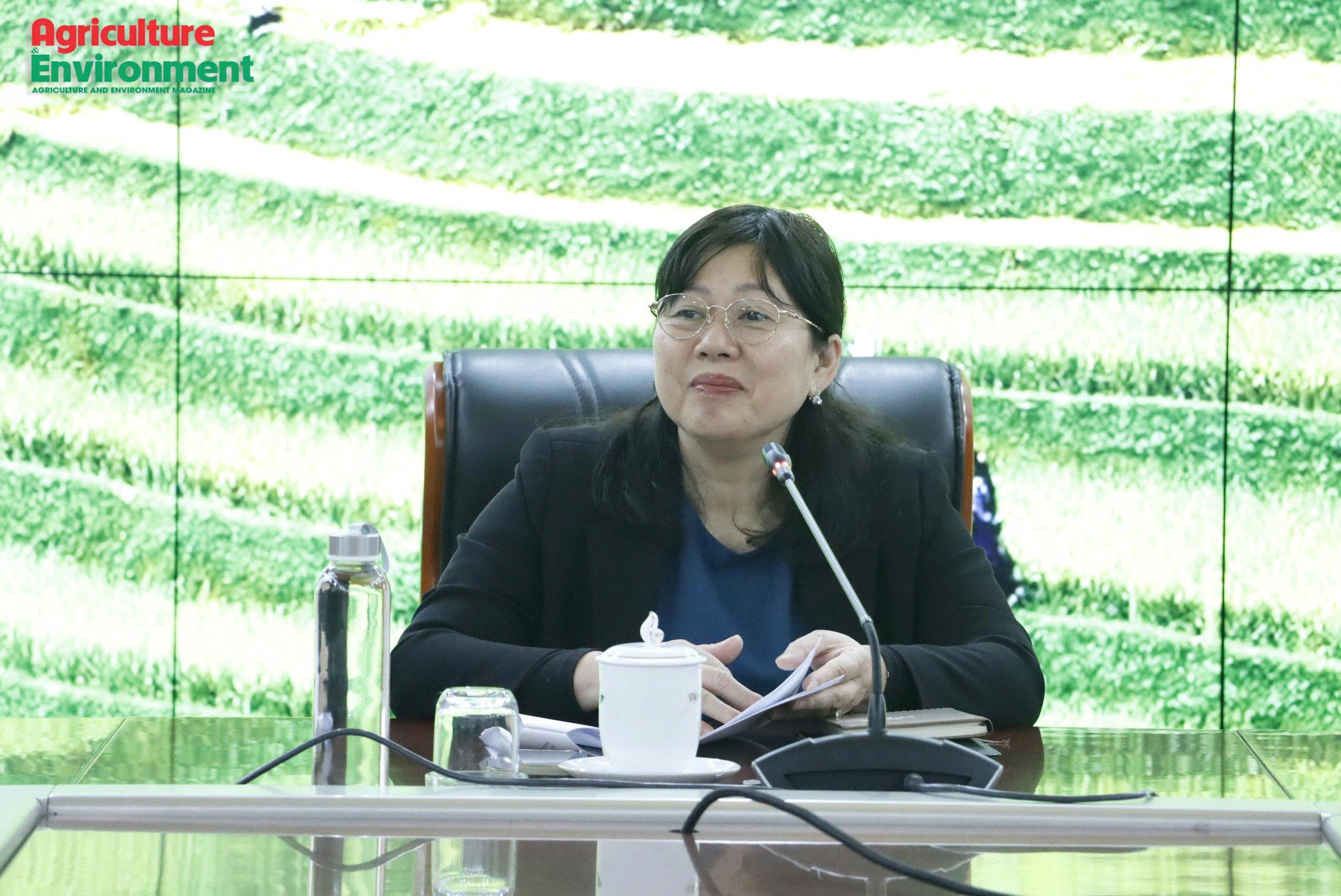
As Resolution No. 57-NQ/TW calls for more effective use of data and stronger innovation, the remote sensing sector is under growing pressure to achieve breakthroughs in technology, implementation capacity and practical application. A working session held on January 29, chaired by Deputy Minister Nguyen Thi Phuong Hoa with the Department of National Remote Sensing, clarified key directions for developing the department’s science, technology and innovation plan for 2026–2030, with a focus on addressing practical challenges in agriculture and the environment.
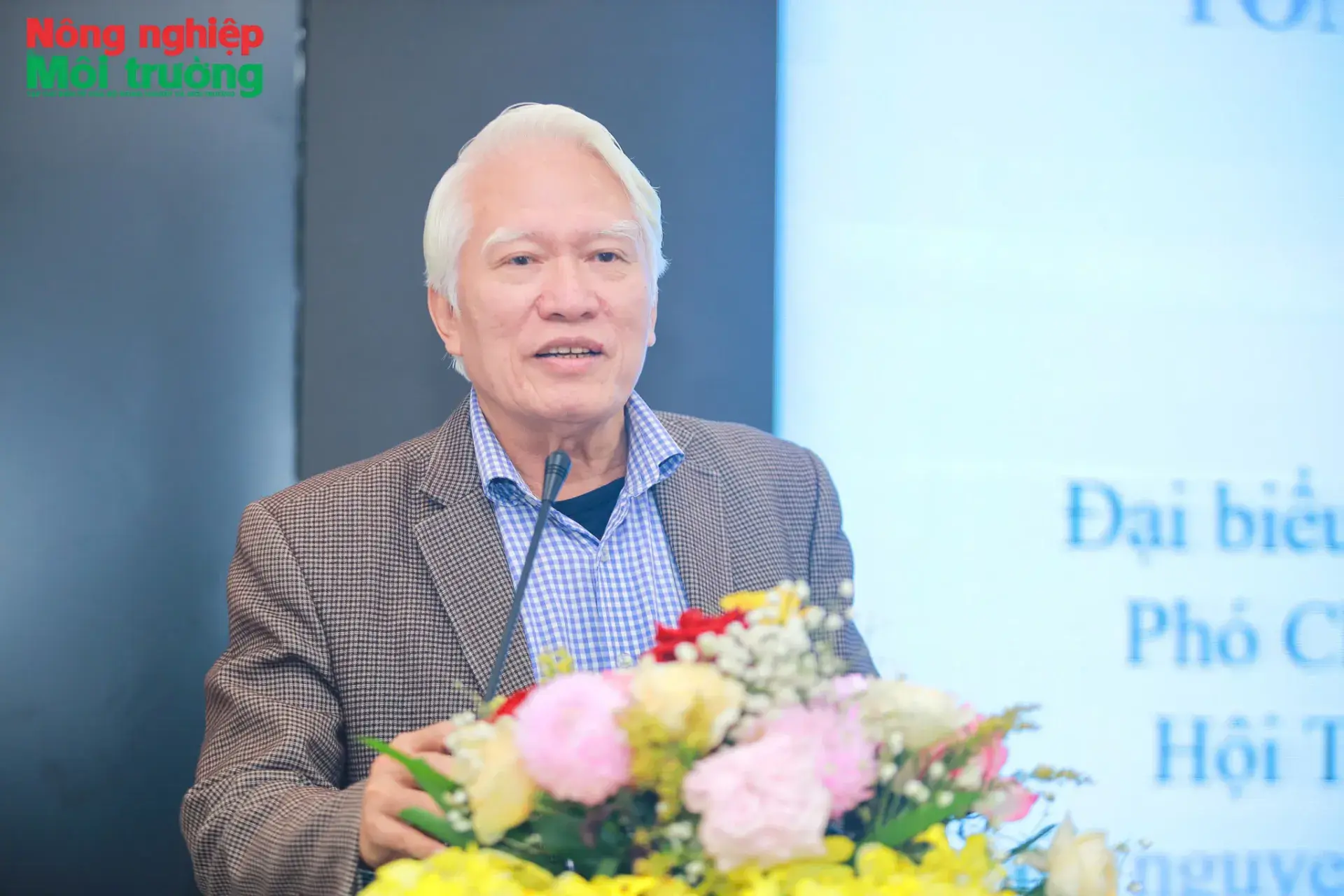
On December 17, 2025, in Quang Tri province, Agriculture and Environment Magazine, in coordination with the Quang Tri Provincial Department of Agriculture and Environment, convened the Forum on “The rational exploitation and sustainable use of Viet Nam’s marine and island resources.” The event drew strong interest from policymakers, scientists, businesses, and representatives of coastal localities.
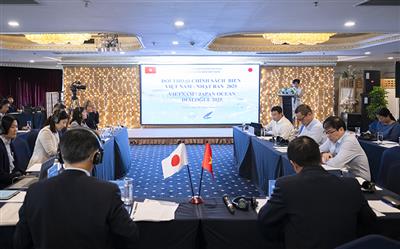
The Vietnam - Japan Ocean Policy Dialogue 2025 gathered policymakers, government officials, and experts from both countries for candid exchanges on legal frameworks, marine spatial planning (MSP), renewable energy development, and public-private cooperation. The wide-ranging perspectives from Vietnam and Japan not only underscored strong political commitment but also suggested concrete pathways toward the shared goal of building safe, sustainable, and resilient oceans.

On September 8 in Hanoi, the Vietnam - Japan Ocean Policy Dialogue 2025 was convened, continuing the annual cooperation mechanism established under the 2018 Memorandum of Cooperation. The event was co-chaired by the Vietnam Administration of Seas and Islands (Ministry of Agriculture and Environment) and the Secretariat of the Headquarters for Ocean Policy (Cabinet Office of Japan), with the participation of senior officials from both countries’ marine governance agencies, policy experts, and academic representatives.