



 Leveraging the cool microclimate of Van Son, an upland commune, a research team from the Vietnam National University of Agriculture—Nguyen Thi Ngoc Dinh, Nguyen Trong Tuynh, Nguyen Hong Hanh, and Ly Van Duong—successfully piloted an off-season organic production model for tomatoes and radishes based on a value chain approach, both certified under the Vietnamese organic standards. The results show productivity and economic returns exceeding expectations, opening opportunities for more stable incomes for farmers. At the same time, the model helps lay the foundation for a sustainable production–consumption chain, strengthening local capacity to adapt to climate change and evolving market demands.
Off-season organic vegetables: A potential shaped by upland climate advantages
As concerns about food safety and environmental protection continue to rise, organic agriculture has become increasingly attractive to producers, businesses, and consumers. Organic vegetables—particularly cool-season varieties—are gaining a stronger foothold in the market thanks to their high value and steady demand. Yet, despite rapid growth in recent years, Vietnam’s total organic farming area reached only 174,580 hectares in 2023, accounting for 1.4% of cultivated land, revealing considerable room for expansion.
Off-season organic vegetable production offers notable prospects, especially in regions with distinctive climatic conditions. Van Son—formerly part of Tan Lac district (Hoa Binh province) and now under Phu Tho province—is one of three upland communes located 600–800 meters above sea level, with average annual temperatures of 18–19°C. The consistently cool climate provides a natural advantage for cultivating temperate vegetables during the summer, a period when most lowland areas cannot meet the crop’s temperature requirements.
Developing off-season organic vegetables in Van Son aligns well with the commune’s ecological conditions while directly supporting climate adaptation goals. Organic practices have been shown to improve soil fertility and water-holding capacity, enhancing resilience to drought, flooding, and extreme weather events. In areas where farming depends heavily on natural conditions, organic cultivation not only improves crop quality but also contributes to more stable livelihoods. As domestic and international markets increasingly favor organic produce—especially from regions with clear ecological advantages—upland localities like Van Son stand to benefit significantly.
From trial plots to field application: Building an organic vegetable model that meets national standards
From March to August 2024, the research team implemented the off-season organic tomato and radish model at the production site of the Van Son Safe and Organic Vegetable Cooperative Group (Chieng Hamlet). The model was designed and monitored in accordance with Vietnamese organic standards TCVN 11041-1:2017 and TCVN 11041-2:2017, ensuring that no chemical fertilizers, synthetic pesticides, or genetically modified seeds were used. All certification procedures were carried out by an independent accredited body.
Two varieties were selected: the Savior tomato (Syngenta) and the Song Jeong radish (Korea), both cool-season varieties suited to Van Son’s moderate temperatures. Soil samples were collected and analyzed before and after the production cycle following TCVN procedures, assessing bulk density, pH, cation exchange capacity (CEC), organic matter, nitrogen, phosphorus, potassium, and heavy metals. Results showed low bulk density, high organic matter, and safe levels of heavy metals—conditions suitable for organic cultivation.
Throughout the production period, the team continuously monitored weather factors using automated thermos-hygrometers. Data indicated extremely high humidity in May, June, and July—reaching up to 95% in May—along with heavy rainfall. These are unfavorable conditions for tomatoes and radishes, increasing the risk of waterlogging, root diseases, and soft rot. Nevertheless, appropriate organic techniques adapted to upland terrain helped maintain stable crop growth.
All growth, quality, and food safety indicators were monitored rigorously. For radish, assessments included growth duration, leaf number, SPAD index, firmness, vitamin C, nitrate, sugar content, fiber, and heavy metals. For tomato, measurements covered flowering and fruit-setting time, plant height, number of fruit clusters, average fruit weight, and quality indicators such as Brix, vitamin C, nitrate, and microbial safety.
By adhering strictly to organic technical protocols and applying systematic scientific monitoring, the model provided a robust basis for evaluating the feasibility of off-season organic vegetable production in Van Son under challenging summer weather conditions.
Off-season organic vegetables prove resilient in upland conditions
Although the model was implemented during a period characterized by high rainfall and humidity—conditions that pose significant challenges to temperate crops—experimental results showed that both crops performed well and maintained stable yields.
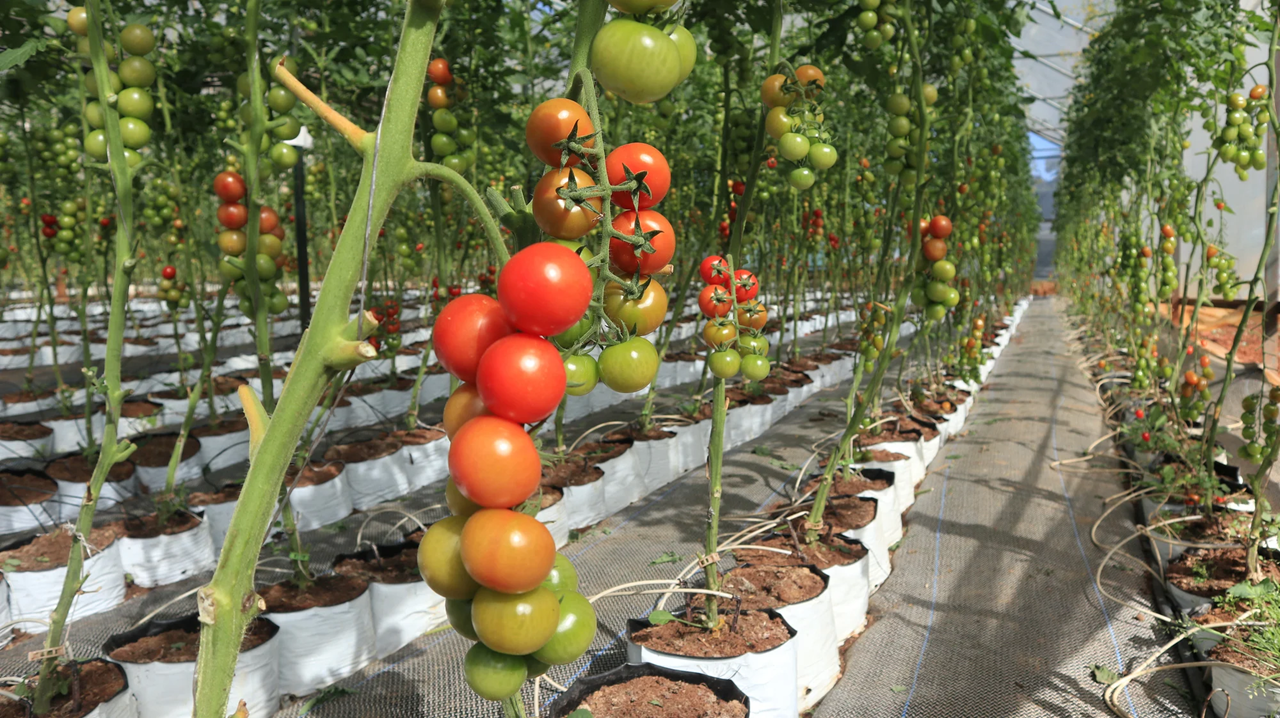
Monitoring data indicated that off-season organic tomatoes had a total growth period of 112 days; 32 days from planting to flowering, and around 70 days to fruit set. Plants reached an average height of 128.2 cm, with 35.16 fruits per plant and an average fruit weight of 100.31 g. Yield reached 34.6 tons per hectare, demonstrating strong adaptability of the Savior variety to off-season conditions in Van Son.
Tomato quality indicators also met safety standards: Brix at 4.32%, vitamin C at 17.49 mg/100g, and nitrate levels at 128.78 mg/kg—all within organic limits. Heavy metals and microbial indicators, including Pb, Cd, and E. coli, remained below permissible thresholds.
Radish, although more affected by prolonged soil moisture leading to higher soft-rot incidence, still achieved a 77-day growth duration, average root weight of 859.23 g, and yield of 36.42 tons per hectare. The SPAD index at root-swelling stage reached 34.16, indicating good physiological performance under organic conditions. Quality indicators—firmness (16.94 kgf), Brix (3.82%), total sugar (3.89%), and vitamin C (32.5 mg/100g)—were within expected ranges.
Importantly, nitrate, Pb, Cd, and E. coli levels in radish samples were all compliant with TCVN 11041 standards. These findings confirm that off-season production under fluctuating climatic conditions can still ensure crop safety and quality when organic protocols are followed strictly.
The overall results demonstrate that the model successfully “passed the test,” providing scientific evidence that off-season organic vegetable production in Vân Sơn can remain stable even under less-than-ideal weather conditions.
Strong economic gains from organic production
Beyond technical performance, economic efficiency is a key factor in determining the scalability of the model. Calculations show that off-season organic tomatoes in Van Son generated gross revenue of approximately VND 1.211 billion per hectare per crop. After deducting costs, net profit reached VND 890.92 million per hectare—substantially higher than many conventional crops in the area.
The off-season organic radish model generated VND 728.4 million per hectare per crop, with a net profit of VND 438.97 million. Although adverse weather reduced yields compared with expectations, profitability remained high, demonstrating the competitive advantage of organic production in suitable ecological conditions.
These economic outcomes reflect the added value of certified organic production. With TCVN 11041 certification and traceability in place, products gained stable pricing and improved market access thanks to compliance with stringent quality requirements. This is especially meaningful for upland farmers whose production is often fragmented and weather-dependent.
The strong economic performance illustrates that combining upland climatic advantages with organic farming and rigorous management can generate sustainable value—enhancing incomes, improving livelihoods, and strengthening community resilience to climate change.
Building a complete value chain: A foundation for sustainable development
A notable achievement of the project lies not only in productivity and economic outcomes but also in establishing a complete value chain for off-season organic vegetables in Van Son. This step ensures that the model can operate sustainably beyond the pilot stage and be replicated on a wider scale.
Baseline assessments across three upland communes revealed fragmented production, weak linkages, and the absence of a coordinating entity. In response, the project facilitated the establishment of the Van Son Safe and Organic Vegetable Cooperative Group, which now plays a central role in connecting farmers, coordinating production, and organizing access to essential inputs. This helps reduce costs and maintain unified adherence to organic standards.
Following its establishment, the research team provided technical training, guided farmers through organic practices, and assisted in preparing certification dossiers for tomatoes and radishes. The introduction of traceability labels added transparency, a prerequisite for entering formal markets.
The consumption chain now spans multiple outlets: local markets, supermarket systems, school kitchens, restaurants and hotels, as well as e-commerce platforms and online retail. For an upland locality, digital tools have proved practical for promoting products, connecting with buyers, and coordinating distribution.
Input suppliers were also engaged through economic contracts, ensuring stable access to organic fertilizers, microbial products, and technical services. The mechanism for businesses to share a portion of profits with the cooperative strengthens resources for long-term operation and encourages strict compliance with production standards.
In the long run, establishing a closed value chain—ranging from production and certification to traceability and distribution—enhances the overall value of Van Son’s off-season organic vegetables and contributes to shaping the commune’s agricultural identity around quality and sustainability. As the model expands, especially through linkages with community-based tourism and local branding initiatives, Van Son’s organic vegetables have strong potential to become a flagship value chain in the region’s climate-adaptation efforts.

A scientific study by An Giang University, Vietnam National University, Ho Chi Minh City, and the An Giang Center for Rural Clean Water and Environmental Sanitation has demonstrated the potential of water lettuce (Pistia stratiotes) for treating piggery wastewater under natural conditions. The findings show that treatment performance varies with the initial biomass density and the pollutant being targeted. The approach offers a low-cost, environmentally friendly biological treatment option with potential for application by pig farms and household producers in Viet Nam.
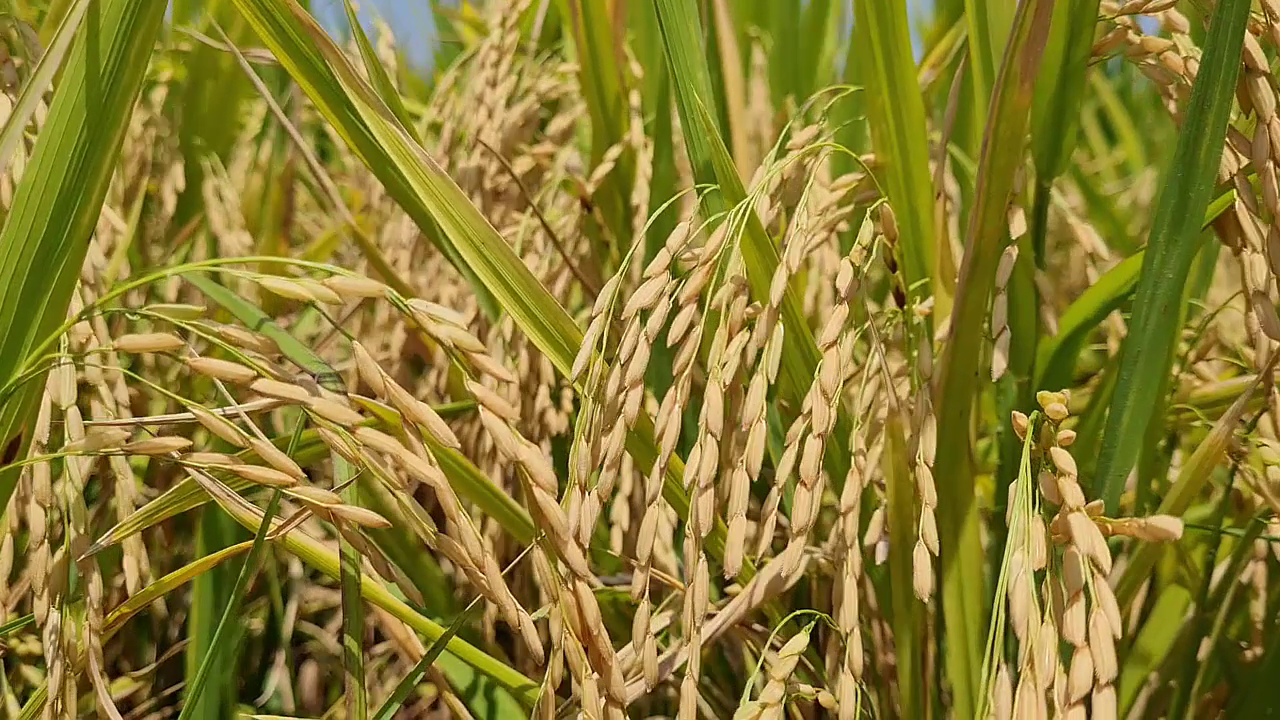
A study of 180 local rice accessions conserved at the Plant Resources Center revealed diversity in subspecies classification and grain quality traits. Within this germplasm collection, researchers identified eight accessions with promising characteristics, including aroma, low amylose content, and low to intermediate gelatinization temperatures, providing additional genetic resources for conservation and the breeding of high-quality rice varieties.
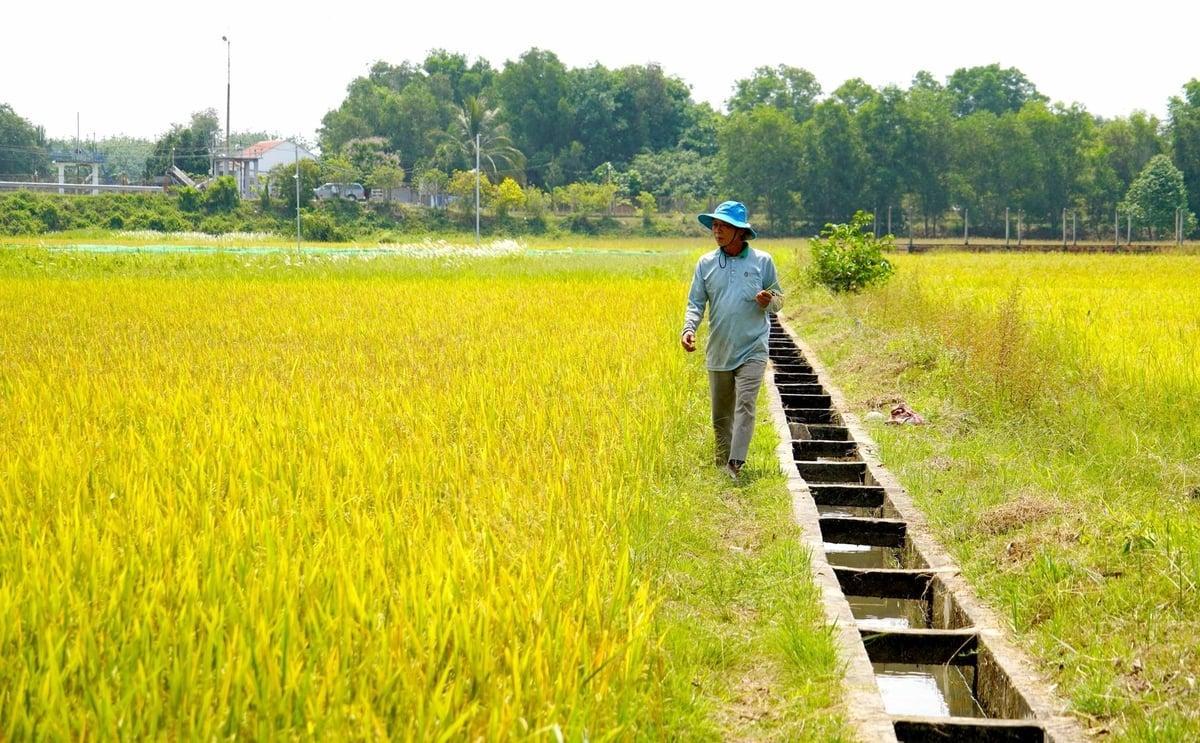
In low-lying areas of the former Cu Chi district, located in northwestern Ho Chi Minh City, seasonal flooding occurs alongside agricultural production and urbanization, creating various pressures on soil quality and its capacity for recovery. A study by Nguyen Thi Oanh, Phan Lieu, Truong Vinh Hai, and Tran Minh Tien found clear differences in soil health among rice cultivation, vegetable farming, and fruit orchards, with distinct patterns of chemical and biological degradation. The integration of multiple indicators through Principal Component Analysis (PCA) not only helped identify these differences but also provided a scientific basis for guiding soil management and restoration measures in peri-urban agricultural wetlands.
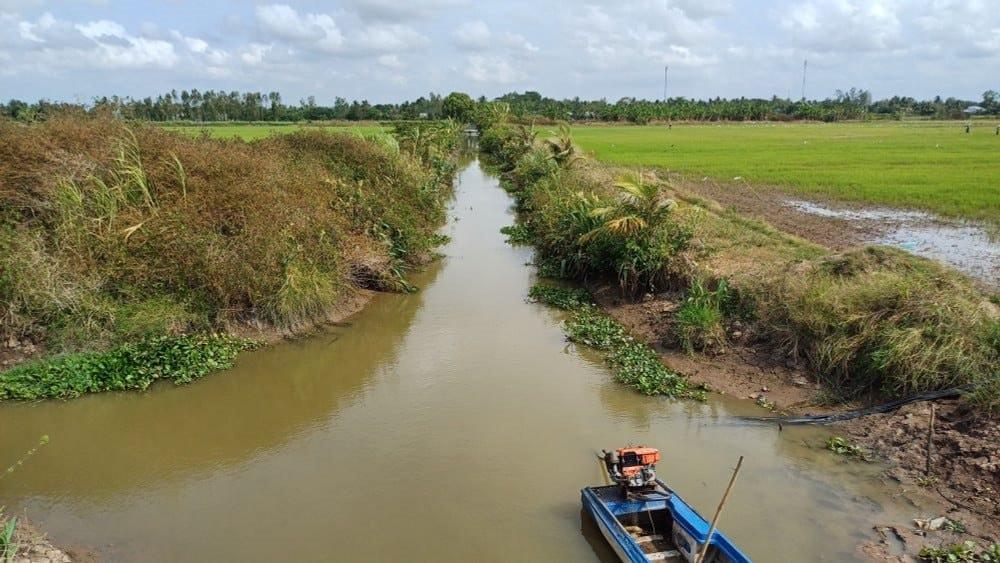
Saline intrusion is posing growing challenges to agricultural production in the lower Hau River region, where agricultural land use is closely linked to water availability. A study conducted in the former Soc Trang province, now part of Can Tho city, assessed saline intrusion risk to agricultural land use in 2024 under the RCP 4.5 and RCP 8.5 climate change scenarios for 2030 and 2050. The results show that the area of rice cultivation affected by higher salinity levels tends to increase, providing an additional scientific basis for land use planning and the selection of appropriate adaptation-oriented farming systems.
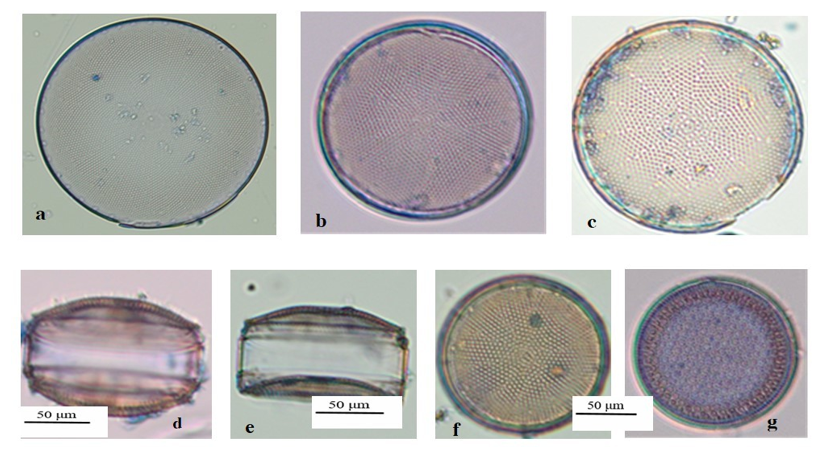
A study of phytoplankton samples collected from various marine areas of Viet Nam between 2015 and 2025 identified 21 species belonging to the genera Coscinodiscus and Coscinodiscopsis. Notably, Coscinodiscus reniformis and Coscinodiscopsis sp. were recorded and described in detail based on their cellular morphological characteristics, providing additional data for the identification and taxonomic classification of these diatom groups in Vietnamese waters.