



 On June 10, 2026, in Thai Nguyen Province, Agriculture and Environment Magazine, under the Ministry of Agriculture and Environment, in coordination with the Institute of Journalism, Communications and Interdisciplinary Sciences under the University of Sciences, Thai Nguyen University, organized a scientific seminar titled “Improving the quality of scientific journals toward Scopus indexing.” The event marked the 101st anniversary of Vietnamese Revolutionary Press Day (June 21, 1925–2026).
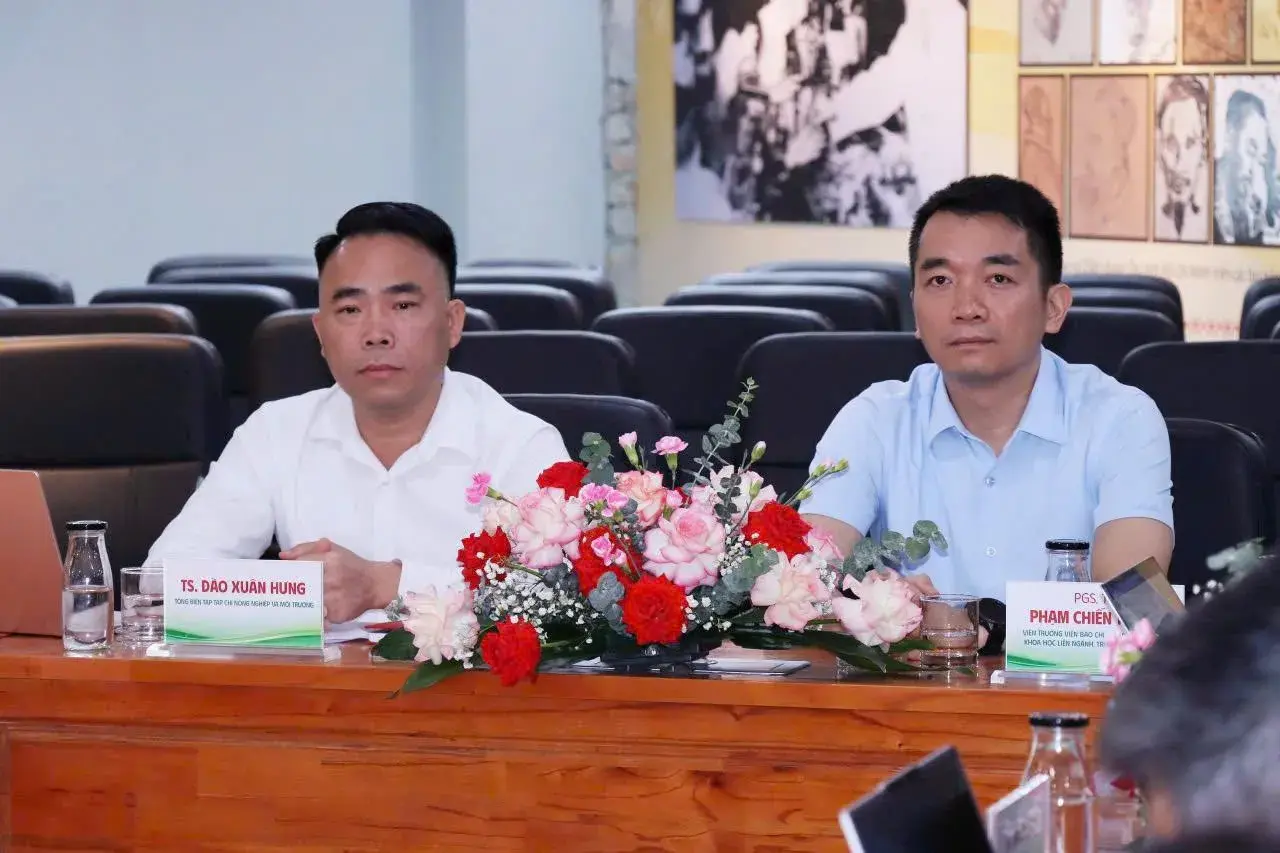
The seminar examined not only the technical criteria required by international indexing systems, but also broader issues including academic governance, human resource development, peer review quality, and digital transformation in scientific publishing.
The event was held at the Huynh Thuc Khang Journalism Training School National Historical Site, with the participation of experts, scientists, representatives of training and research institutions, as well as reporters, editors, officials, and staff of Agriculture and Environment Magazine.
The seminar was co-chaired by Dr. Dao Xuan Hung, Editor-in-Chief of Agriculture and Environment Magazine, and Associate Professor Dr. Pham Chien Thang, Director of the Institute of Journalism, Communications and Interdisciplinary Sciences.
Participants also included Associate Professor Dr. Mai Quynh Nam, former Director of the Institute for Human Studies under the Viet Nam Academy of Social Sciences, and Associate Professor Dr. Le Thanh Binh, former Director of a department, former Deputy Ambassador, and Dean of the Faculty of International Cultural Communication at the Diplomatic Academy of Viet Nam.
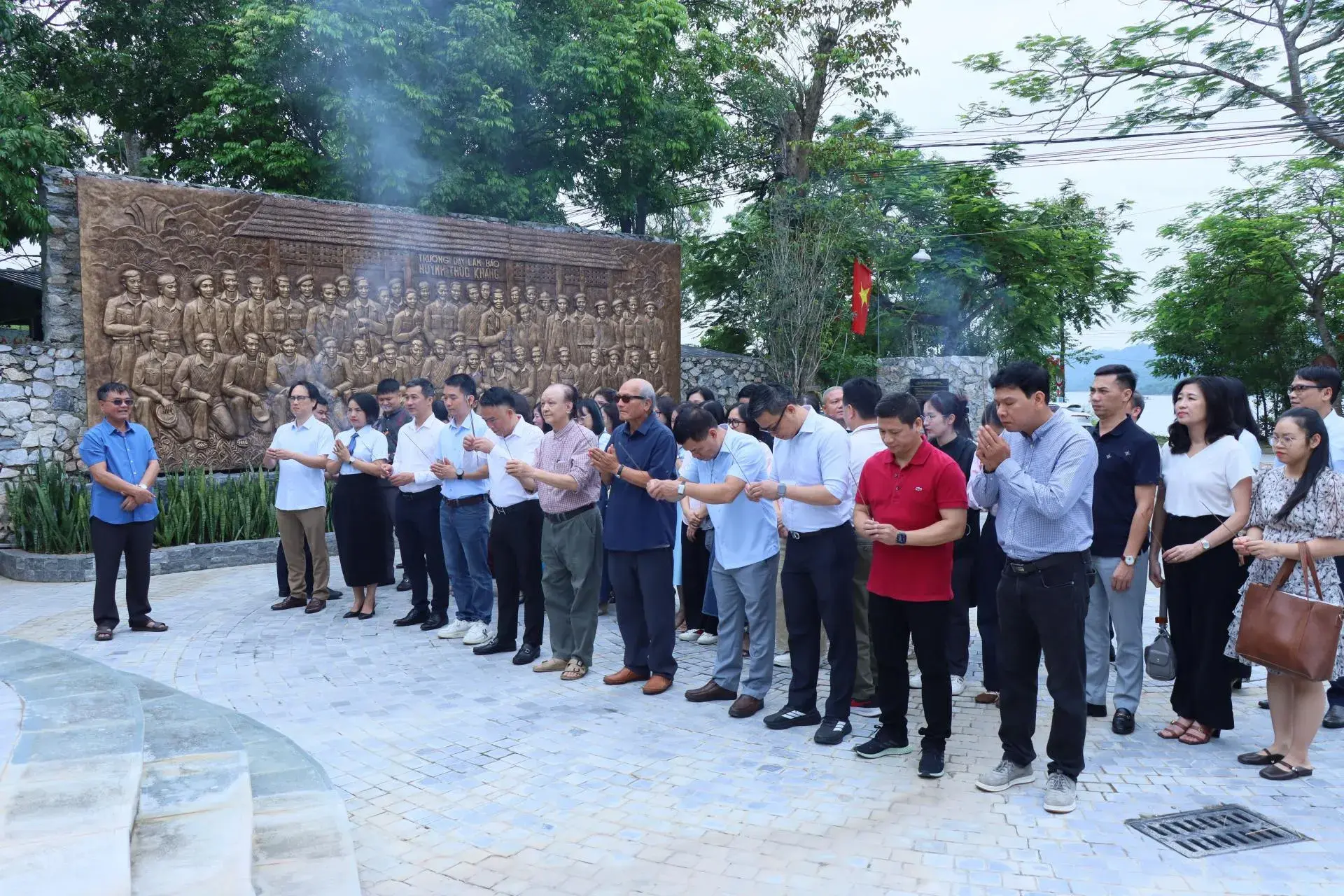
Before the seminar, delegates offered incense and flowers in tribute to journalists and revolutionary soldiers at the historical site, home to Viet Nam’s first journalism training school during the resistance period. The ceremony honored the legacy of Viet Nam’s revolutionary press and highlighted professional ethics, political responsibility, and dedication among today’s journalists.
Scientific journals seen as pillars of academic development
In his opening remarks, Dr. Dao Xuan Hung said that as Viet Nam enters a new phase of development, science, technology, innovation, and digital transformation have become key drivers of rapid and sustainable growth.
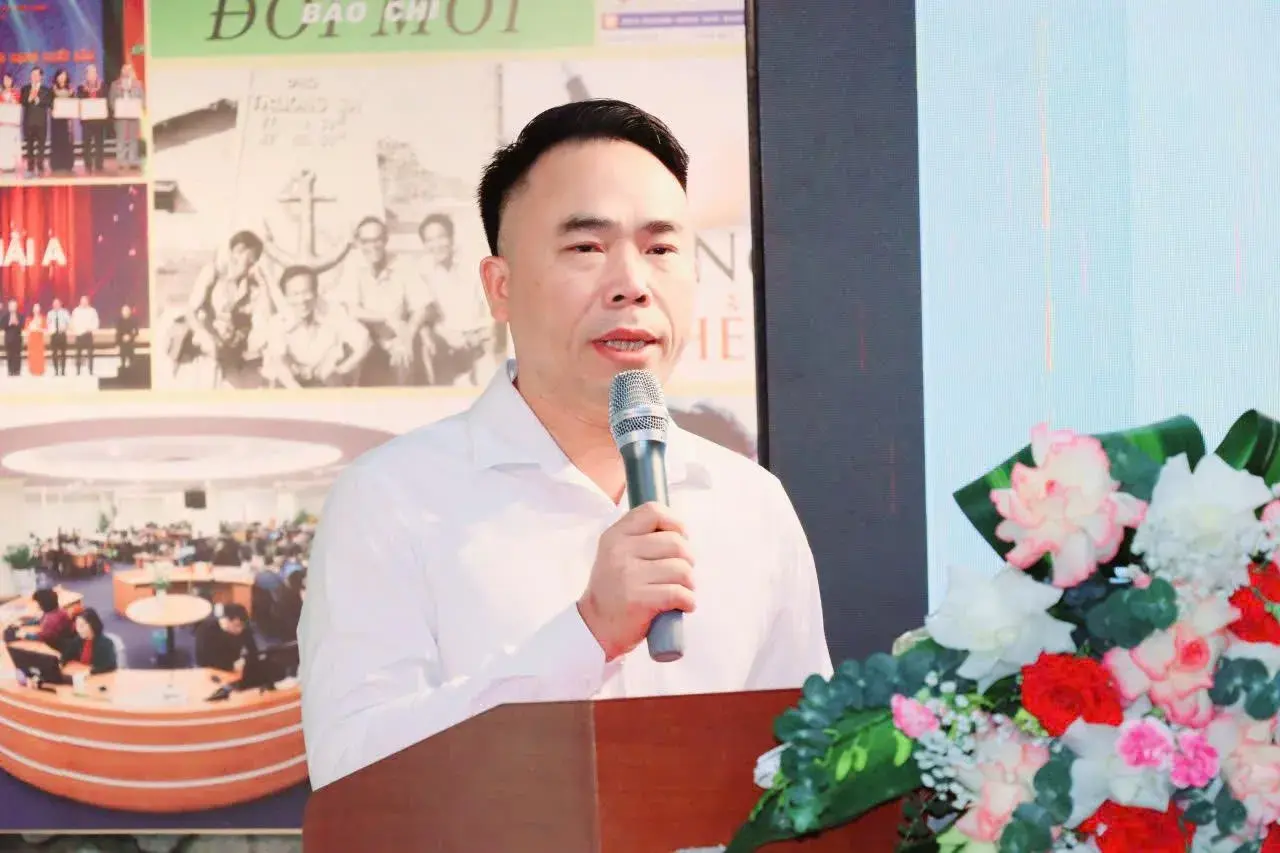
He described scientific journals as not only platforms for publishing research findings but also academic forums that shape scientific thinking, promote knowledge exchange, disseminate research value, and connect Viet Nam’s scientific community with the world.
According to Dr. Dao Xuan Hung, pursuing reputable international indexing systems such as Scopus should not be viewed merely as a technical or ranking objective. Rather, it represents a process of institutional improvement and comprehensive enhancement of scientific publishing quality, enabling deeper integration into the global academic community.
As the scientific publication of the Ministry of Agriculture and Environment, Agriculture and Environment Magazine aims to continue reforming content and operations, accelerate digital publishing, improve peer-review quality, expand cooperation with domestic and international researchers and institutions, and gradually meet international standards required for Scopus indexing.
Publishing reform seen as key to global indexing
Presenting a keynote report on standardizing editorial workflows and improving publication quality under Web of Science (WoS) and Scopus standards, Associate Professor Dr. Pham Chien Thang said Viet Nam’s scientific journal system is under growing pressure to modernize amid increasing international academic integration.
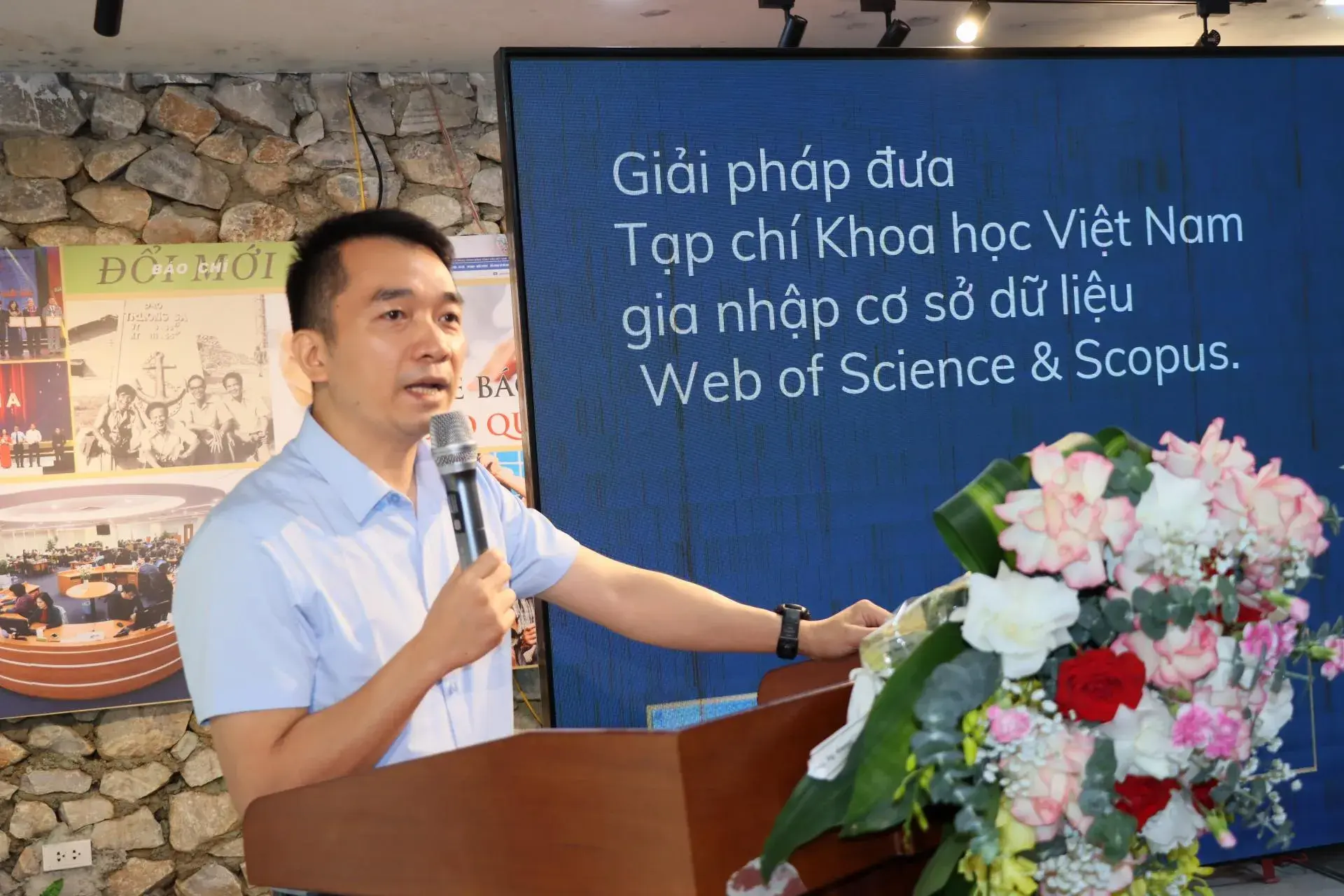
He noted that academic evaluation standards are increasingly tied to international publication systems, while many high-quality manuscripts by Vietnamese researchers are being submitted to foreign journals. This has created an urgent need to improve the competitiveness and standing of Vietnamese scientific journals.
Associate Professor Dr. Pham Chien Thang emphasized that joining reputable databases such as Web of Science and Scopus is not a short-term technical task but a comprehensive transformation requiring both academic quality and digital infrastructure. He said journals must standardize editorial processes, ensure transparent peer review, improve academic English, uphold publication ethics, and increase international diversity within editorial boards.
A key topic discussed was the adoption of a double-blind peer-review system. Under this model, manuscripts should undergo initial screening, plagiarism checks using specialized tools, independent peer review, revision and author response, and rigorous final evaluation before publication. The application of Open Journal Systems (OJS) was also highlighted as an important solution for automating and improving transparency in submission, review, editing, and publication workflows.
The report also warned of risks including predatory journals, superficial peer review, abnormal publication growth, excessive self-citation, and geographic imbalance among authors and editorial board members.
Associate Professor Dr. Pham Chien Thang proposed a three-step roadmap: building technological infrastructure and standardizing output data; expanding and standardizing editorial, peer-review, and publication ethics procedures in line with international practices; and integrating more deeply into the global academic ecosystem through cooperation with international publishers and open-access publishing models.
Closing the gap between national standards and Scopus
At the seminar, Dr. Nguyen Hoang Long, Deputy Head of the Content Division at Agriculture and Environment Magazine, presented a paper titled “From national standards to Scopus standards: Requirements for Vietnamese scientific journals in general and agriculture and environment magazine in particular.”
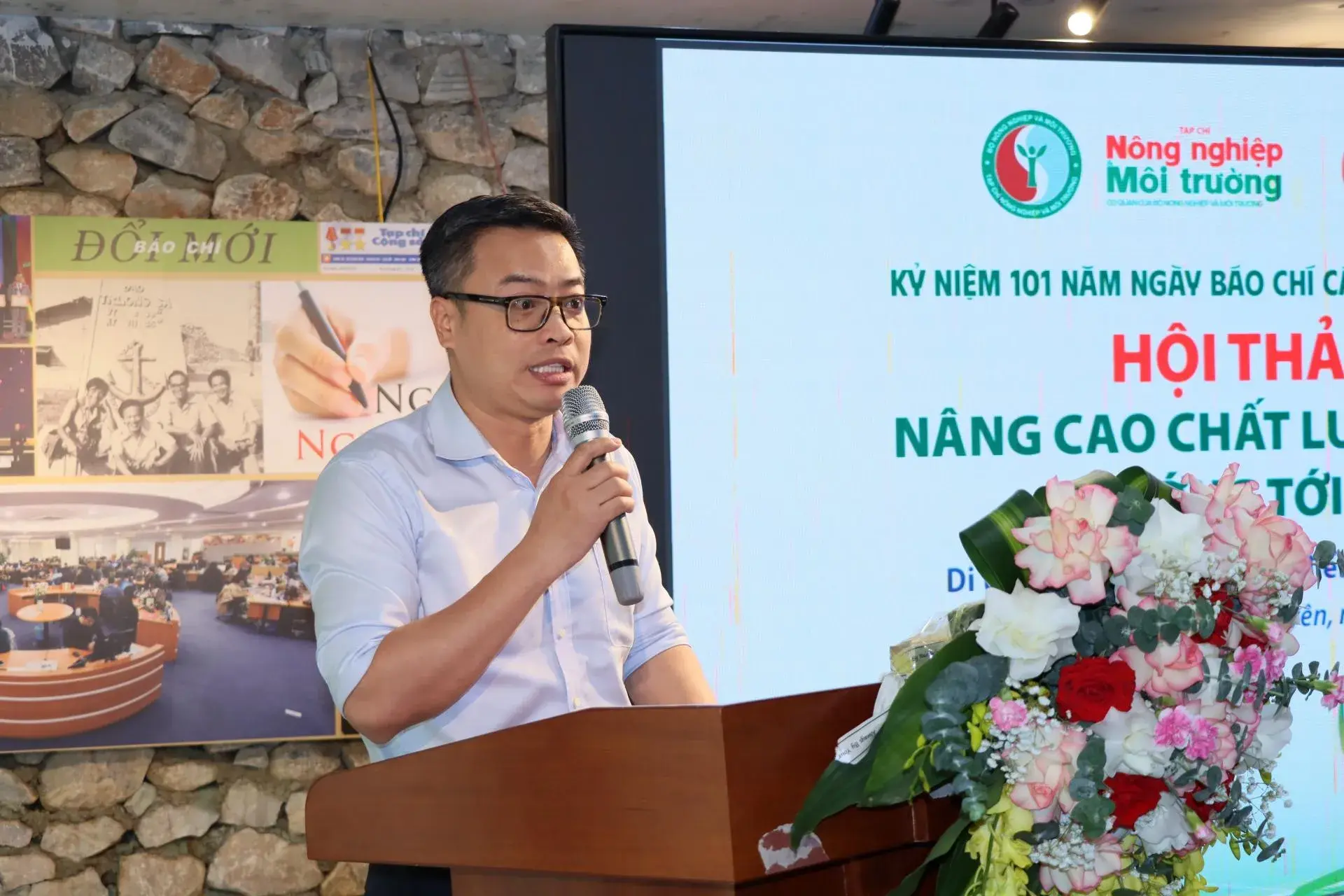
He said Viet Nam’s scientific journal system has made notable progress in recent years. Many journals now meet national scientific journal standards and are recognized by the State Professor Council, while some have entered international indexes such as Scopus and Web of Science. However, he said the gap between meeting national standards and achieving Scopus indexing remains significant.
For Agriculture and Environment Magazine, Dr. Nguyen Hoang Long said the publication already has a solid foundation: recognition as a qualified scientific journal in Viet Nam, State Professor Council scoring eligibility, a 38-member editorial board composed of leading professors and researchers, and a stable English-language edition.
However, to reach Scopus standards, the magazine still needs to internationalize its editorial board, increase foreign authorship, lower acceptance rates, improve citation performance, and upgrade its English-language website to international standards. He proposed a three-phase roadmap: groundwork in 2026–2027, operational upgrading in 2027–2029, and pursuit of Scopus indexing in 2029–2031.
Transparency seen as essential for academic credibility
Associate Professor Dr. Mai Quynh Nam said rapid advances in science and technology, along with globalization, are reshaping how knowledge is produced, shared, and evaluated.
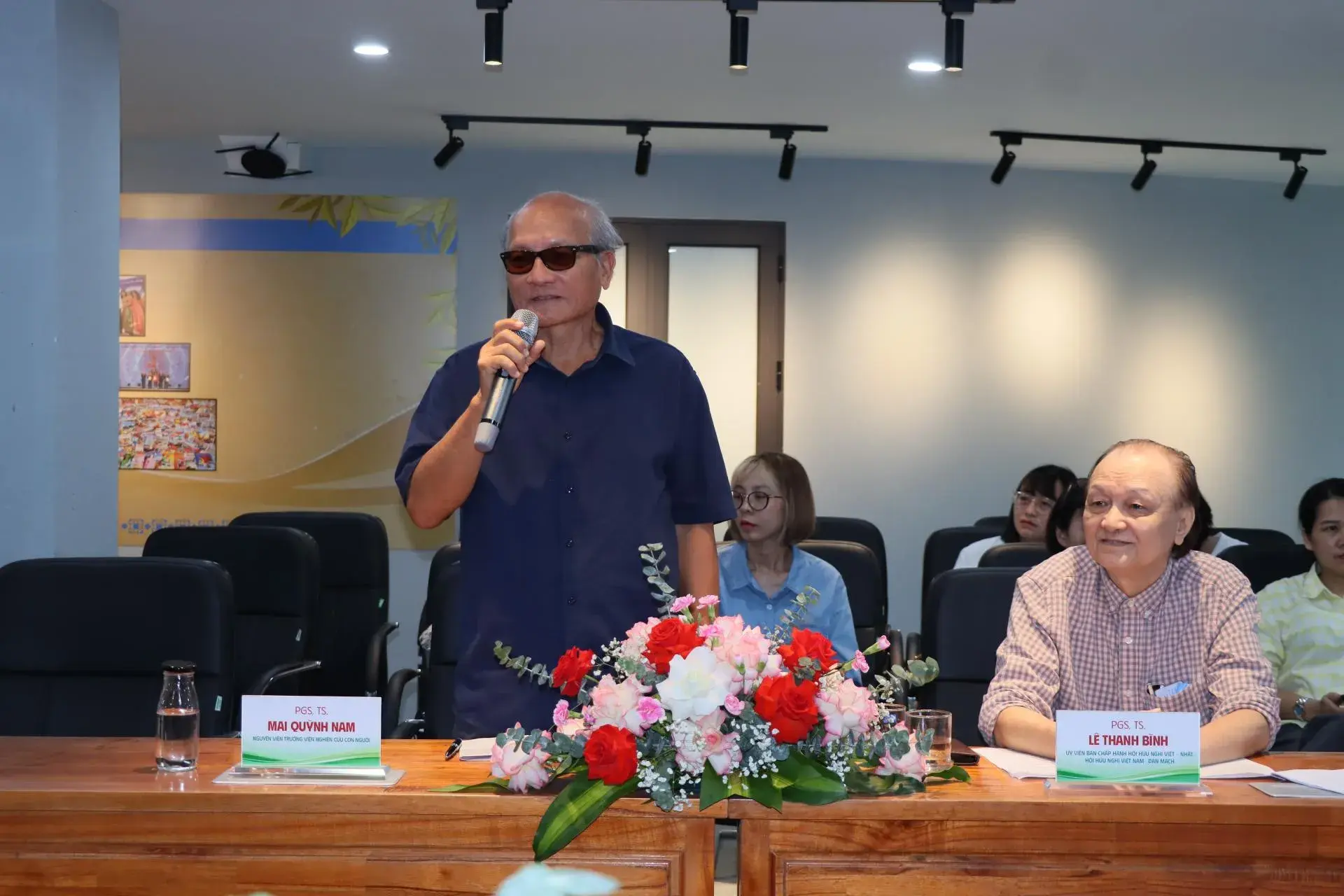
He said scientific journals are not merely publication platforms but vital academic institutions that guide scientific thinking, connect research communities, and promote academic values.
According to Associate Professor Dr. Mai Quynh Nam, moving toward international standards such as Scopus should be seen as a process of strengthening overall academic capacity—from article quality and peer review to editorial competence and international engagement.
He stressed that the ultimate goal is not simply obtaining an international certification or index, but building a professional, transparent academic environment with broad influence across domestic and international research communities.
International editorial boards seen as crucial
In a presentation on editorial boards of Vietnamese scientific journals already indexed by Scopus, Master Kieu Dang Tuyet, Deputy Editor-in-Chief of Agriculture and Environment Magazine, said editorial boards are among the most important criteria assessed by Scopus and other international indexing systems.
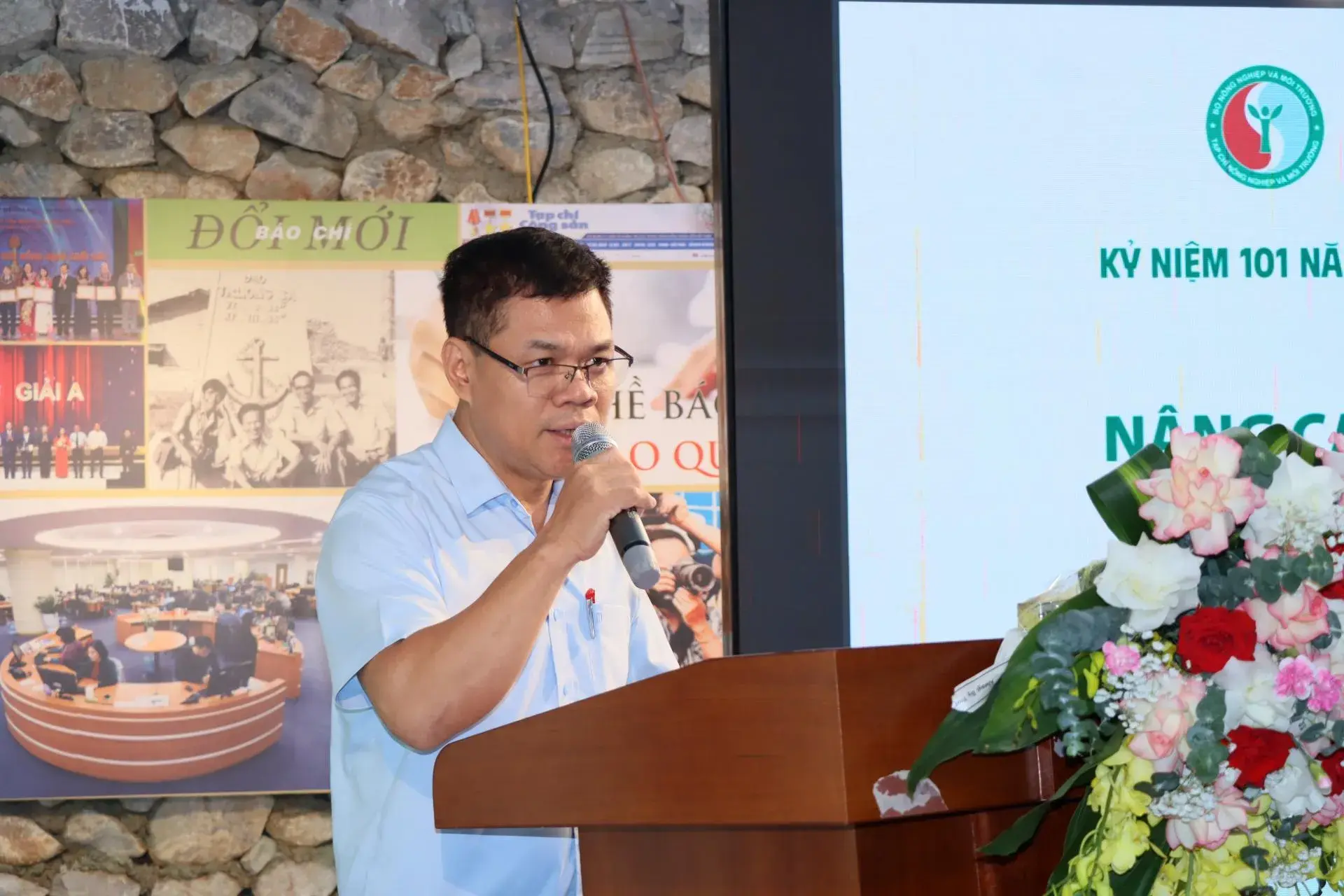
A survey of 10 Vietnamese scientific journals indexed by Scopus or recognized internationally found that successful journals typically have clear editorial structures, appropriate board size, strong international representation, members with strong research records, and meaningful involvement in peer review and strategic development.
Agriculture and Environment Magazine currently has a 38-member editorial board of respected experts and scientists, with more than half working outside the Ministry of Agriculture and Environment. However, it does not yet include foreign scholars.
The report recommended gradually restructuring the board toward a more professional and internationally integrated model, with discipline-specific editorial divisions and the phased addition of international members.
Higher-quality research papers needed for Scopus
Associate Professor Dr. Le Thanh Binh presented a paper on improving scientific article quality to meet Scopus standards in international communication and international education communication.

He said articles targeting Scopus-level publication must demonstrate originality, global relevance, strong theoretical grounding, clear research methodology, and strict compliance with research ethics.
In addition, papers should follow standard academic structure, engage with prior literature, and use appropriate citation systems.
Associate Professor Dr. Le Thanh Binh emphasized that in journalism, communications, and international education, the use of sound theoretical frameworks, modern research methods, objective academic writing, and effective responses to peer-review feedback are essential to improving article quality and strengthening journal credibility.
Skilled editorial workforce seen as essential
Master Vu Minh Ly, Deputy Editor-in-Chief of Agriculture and Environment Magazine, presented a paper on developing high-quality human resources for scientific journal governance under Scopus standards.
He said the goal of bringing the magazine’s English scientific publication into the Scopus indexing system by 2031 is challenging but achievable.
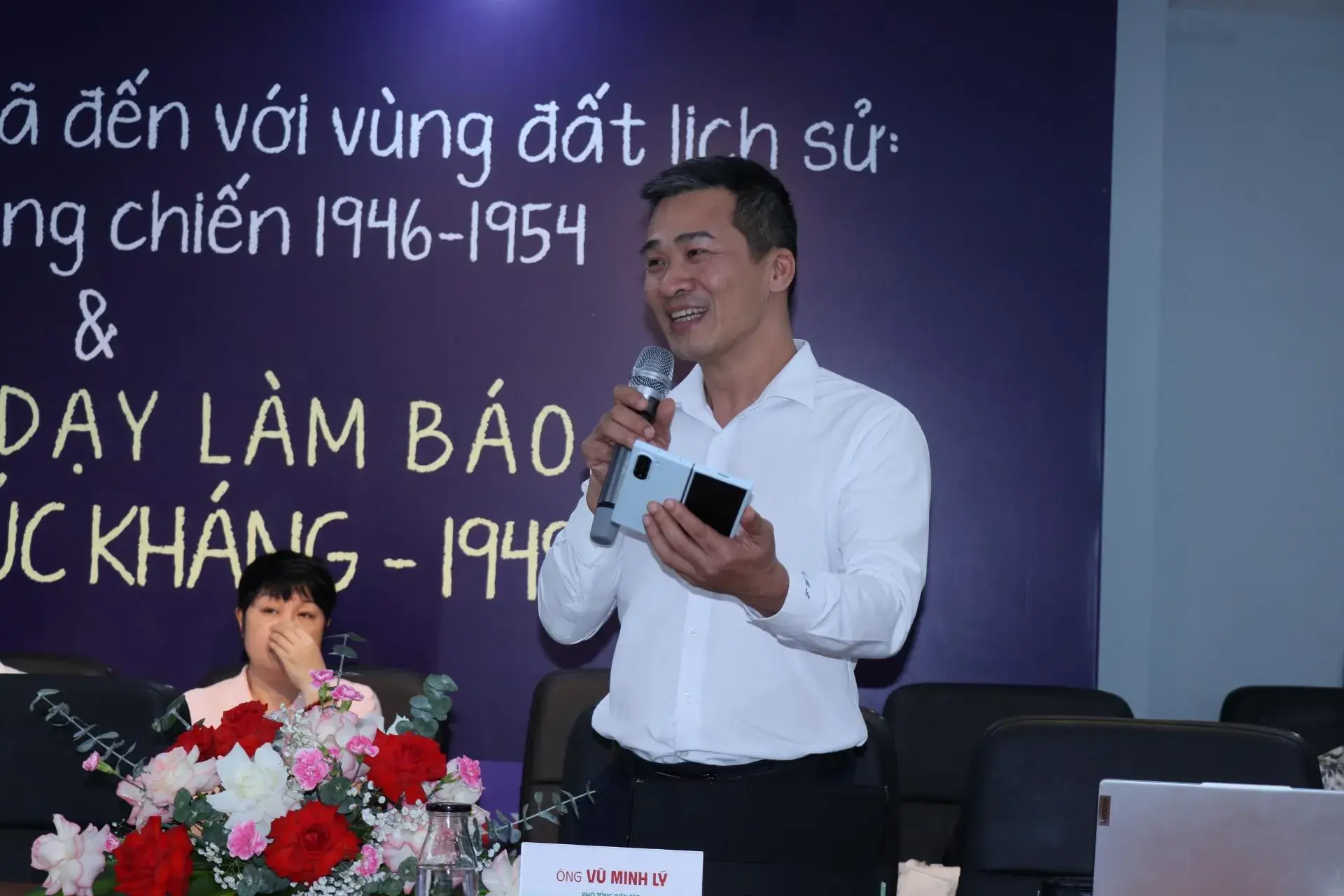
According to Vu Minh Ly, building a Scopus-standard journal depends not only on technology infrastructure, publishing procedures, or financial resources, but fundamentally on high-quality human resources.
He said the transition to a Scopus model represents a shift from “publishing a journal” to “managing an international academic ecosystem.”
He proposed three core human resource pillars: English-language editorial assistants, scientific editors and an international editorial board, and technical editors responsible for digital platform management.
Suggested measures included developing a dedicated human resource strategy, providing continuous training based on international standards, internationalizing staff, applying artificial intelligence to improve productivity, and establishing appropriate incentive mechanisms. As he put it: “To build a Scopus journal, you need Scopus-level human resources.”
Bilingual publishing seen as strategic advantage
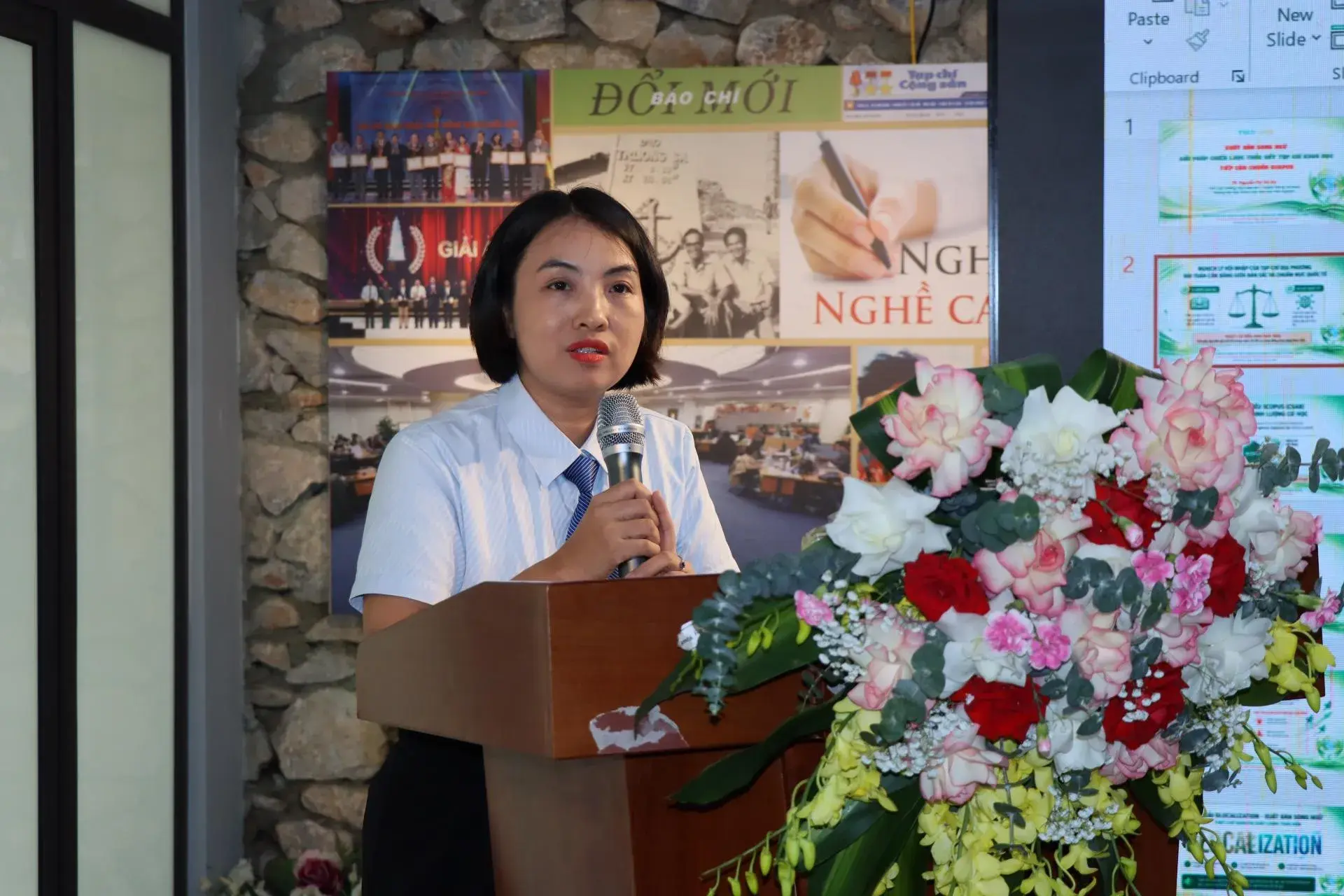
Dr. Nguyen Thi Tra My, Deputy Director, Institute of Journalism, Communications and Interdisciplinary Sciences, presented a paper on bilingual publishing as a strategic solution for helping scientific journals approach Scopus standards.
She said language is becoming a decisive factor in determining the reach and impact of scientific research amid growing internationalization of academic publishing. This remains a major challenge for many Vietnamese journals, as most content is still published in Vietnamese, limiting accessibility for international readers.
She said bilingual publishing should not be seen simply as translation from Vietnamese into English, but as a strategic approach to strengthening international academic integration. Publishing in both Vietnamese and English can broaden dissemination of research findings, increase citation potential, and improve access for international researchers and institutions to Vietnamese scientific achievements.
Bilingual publishing also helps improve academic quality by standardizing terminology, article structure, and English-language editing, thereby enhancing transparency, discoverability, and international visibility.
It can also help attract international authors, expand peer-review networks, and gradually internationalize editorial boards—criteria closely examined by Scopus and Web of Science.
Magazine targets Scopus indexing by 2031
Participants agreed that Agriculture and Environment Magazine already has a solid foundation for implementing its roadmap toward international standards. However, to achieve Scopus indexing by 2031, the magazine will need to simultaneously improve governance, article quality, editorial board capacity, human resources, digital transformation, international cooperation, and transparent academic publishing practices.
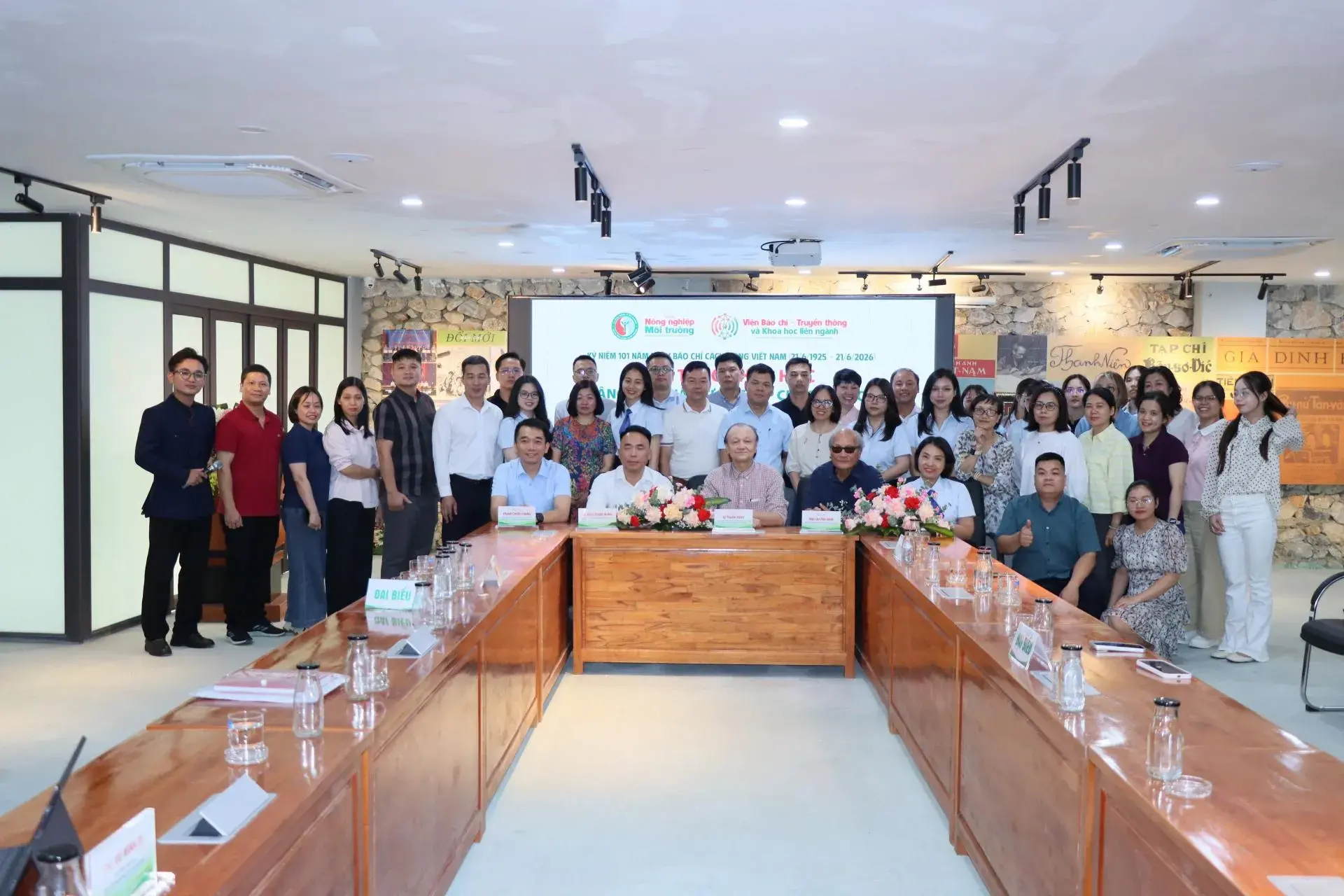
The seminar served not only as a professional event marking the 101st anniversary of Vietnamese Revolutionary Press Day, but also as an important starting point for comprehensive reform of Agriculture and Environment Magazine’s scientific publishing activities.
The magazine said it aims to improve academic quality, expand international cooperation, accelerate digital transformation, and build a reputable scientific publishing environment to support sustainable development in agriculture and environmental management.
Magazine launches new digital platforms
During the event, Agriculture and Environment Magazine officially launched a digital media ecosystem comprising a Facebook page, YouTube channel, and TikTok channel. The launch forms part of the magazine’s digital transformation strategy to expand policy communication and public access to scientific information.
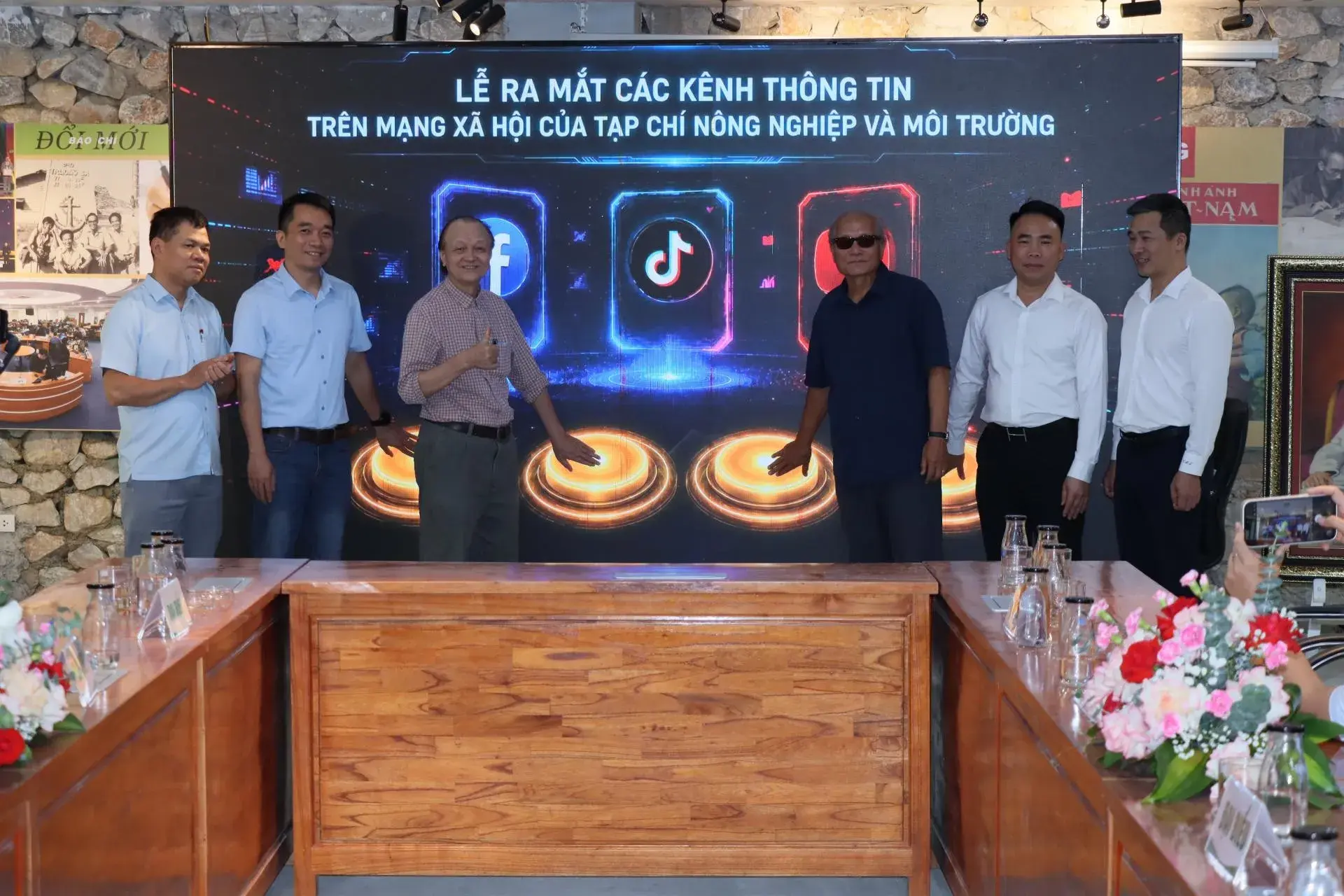
The Facebook page will serve as an interactive platform providing timely and accurate information on policies, cooperative economic models, green and circular economy practices, environmental protection, and sustainable development.
The YouTube channel is intended to provide digital knowledge resources on agriculture and environment through documentaries, in-depth reports, panel discussions, and field-based programming.
The TikTok channel will target broader public engagement, particularly younger audiences, using short-form video to communicate knowledge on sustainable agriculture, environmental protection, climate change adaptation, food safety, and sustainable lifestyles.
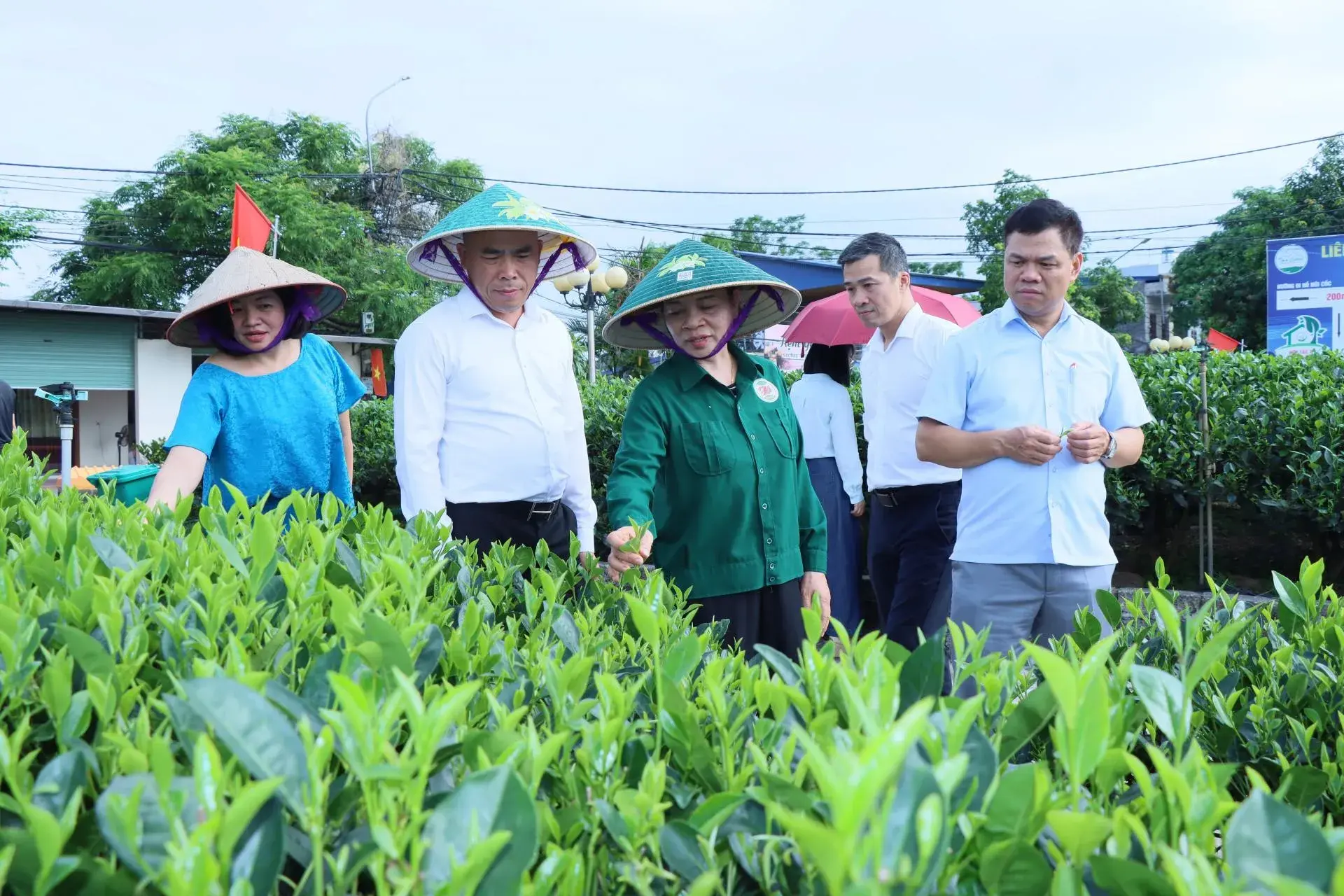
After the seminar, the delegation conducted field visits to the Thai Hai stilt house village ecological reserve and Hao Dat Tea Cooperative in Tan Cuong, Thai Nguyen Province to collect materials, images, and field data for research and communication activities related to cultural preservation, green economic development, cooperative economics, sustainable agriculture, and rural development.
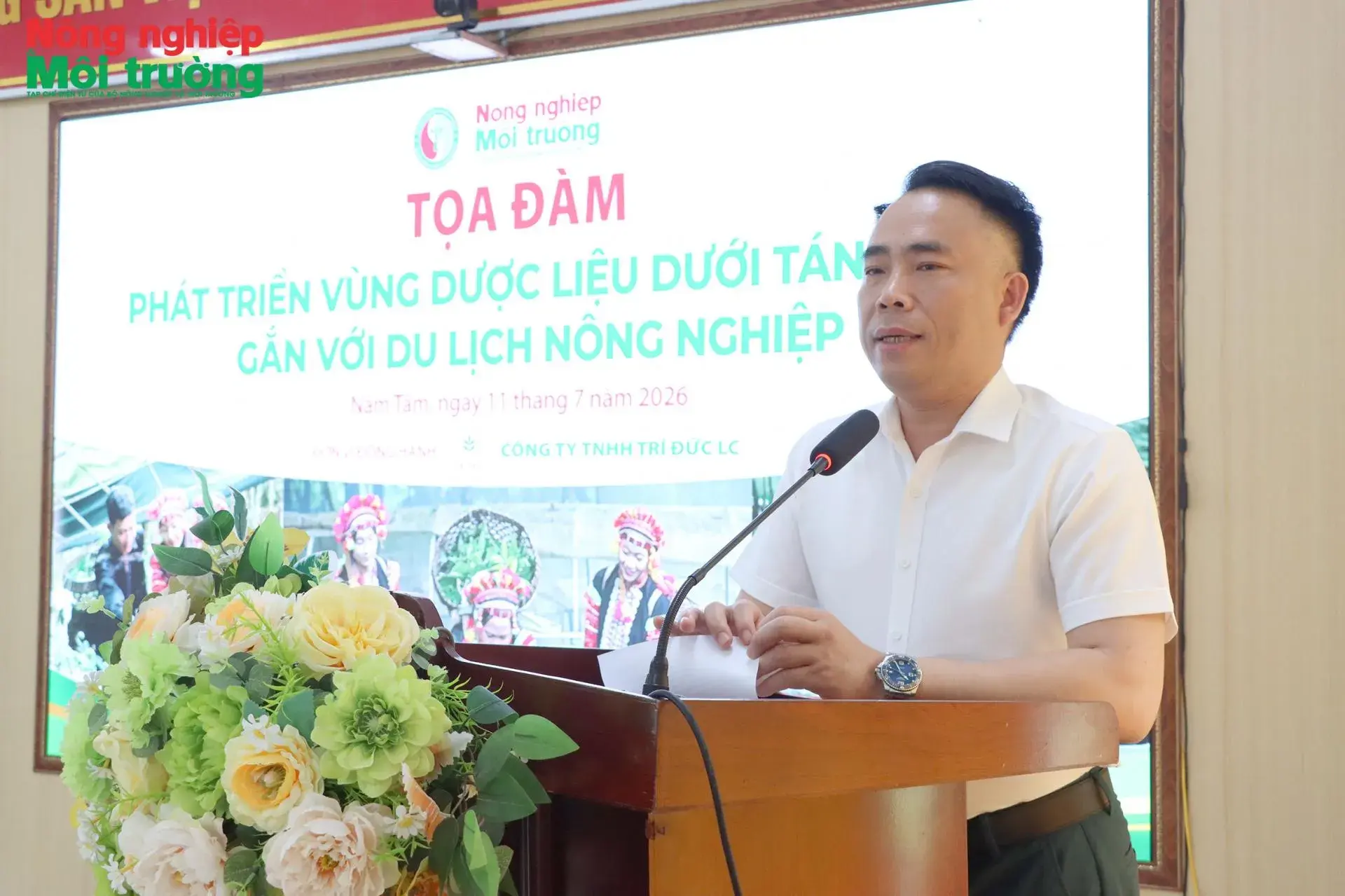
On July 11, the Agriculture and Environment Magazine, in coordination with the Nam Tam Commune People's Committee, hosted a discussion titled "Developing medicinal herb areas under forest canopies in association with agricultural tourism" in Nam Tam commune, Lai Chau province. The event brought together government officials, scientists, businesses and local residents to discuss solutions for developing forest-based livelihoods, promoting a green economy and improving incomes in upland communities. Tri Duc LC Co., Ltd. supported the event.
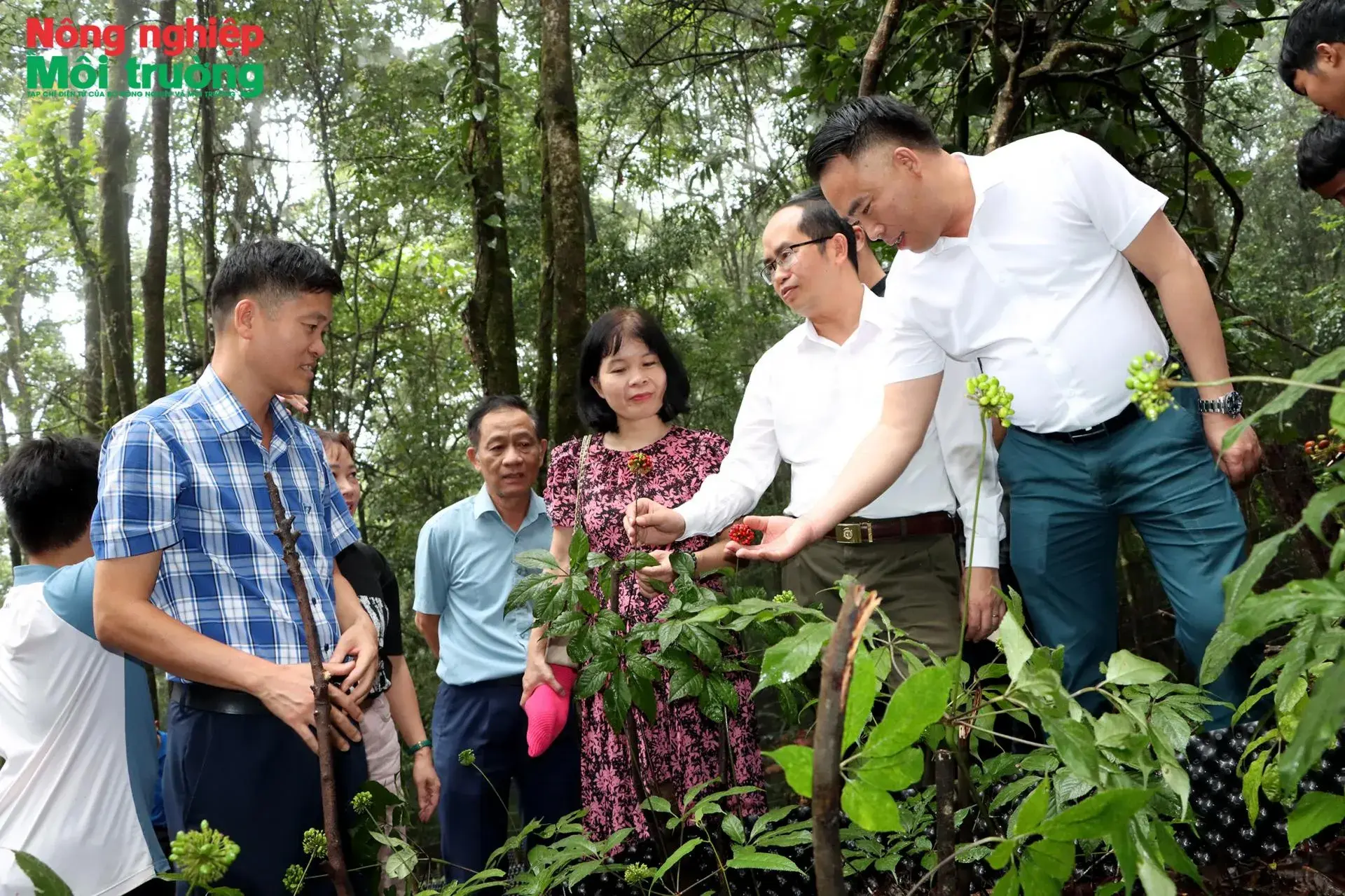
A delegation from the Agriculture and Environment Magazine, together with scientists and experts, conducted a field survey on July 11 of a medicinal herb cultivation model linked to agricultural tourism in Nam Tam commune, Lai Chau province, as part of the seminar "Developing medicinal herb areas under forest canopies in association with agricultural tourism."
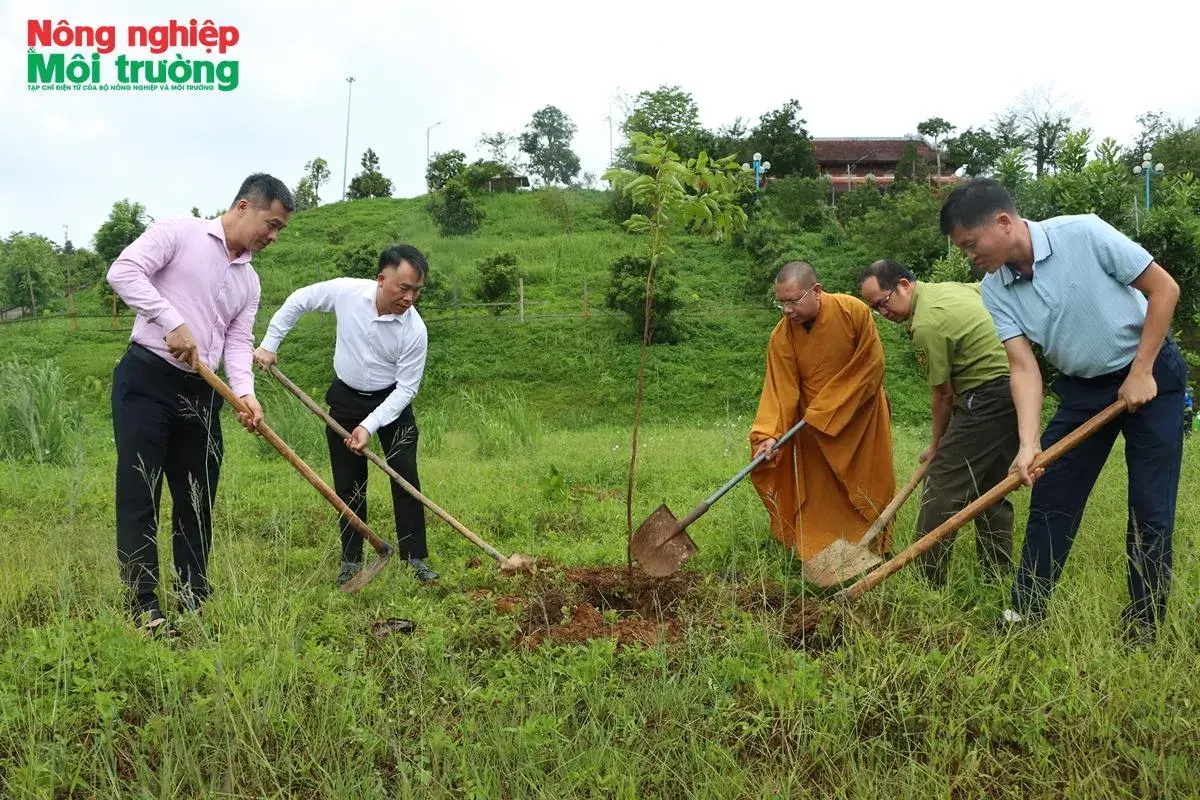
On July 10, the Agriculture and Environment Magazine planted 405 trees at Linh Son pagoda in Lai Chau province under its "Green pagoda" environmental initiative to promote environmental protection, help create greener, cleaner surroundings, and support sustainable development. The program was organized with the support of Tri Duc LC Co., Ltd.
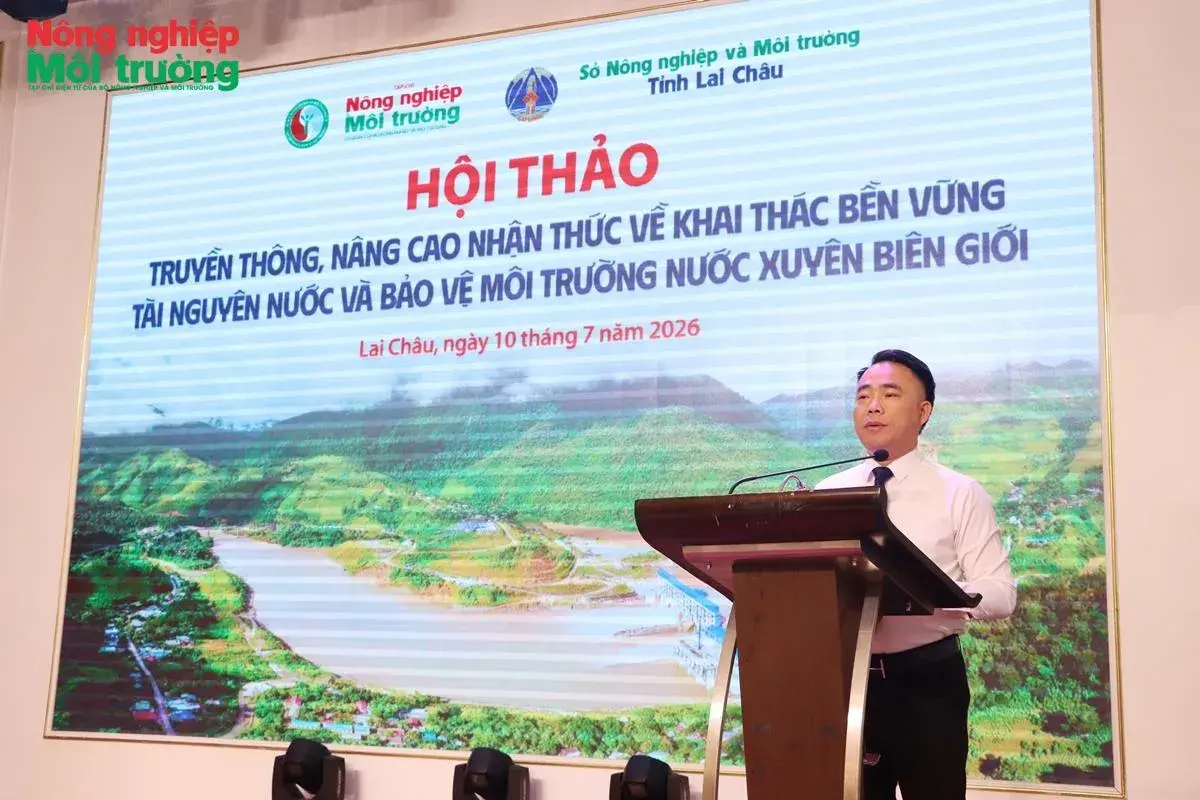
On July 10, the Agriculture and Environment Magazine, in coordination with the Lai Chau Department of Agriculture and Environment, held a seminar titled "Communication and public awareness on sustainable use of water resources and transboundary water environment protection" in Tan Phong ward, Lai Chau province.
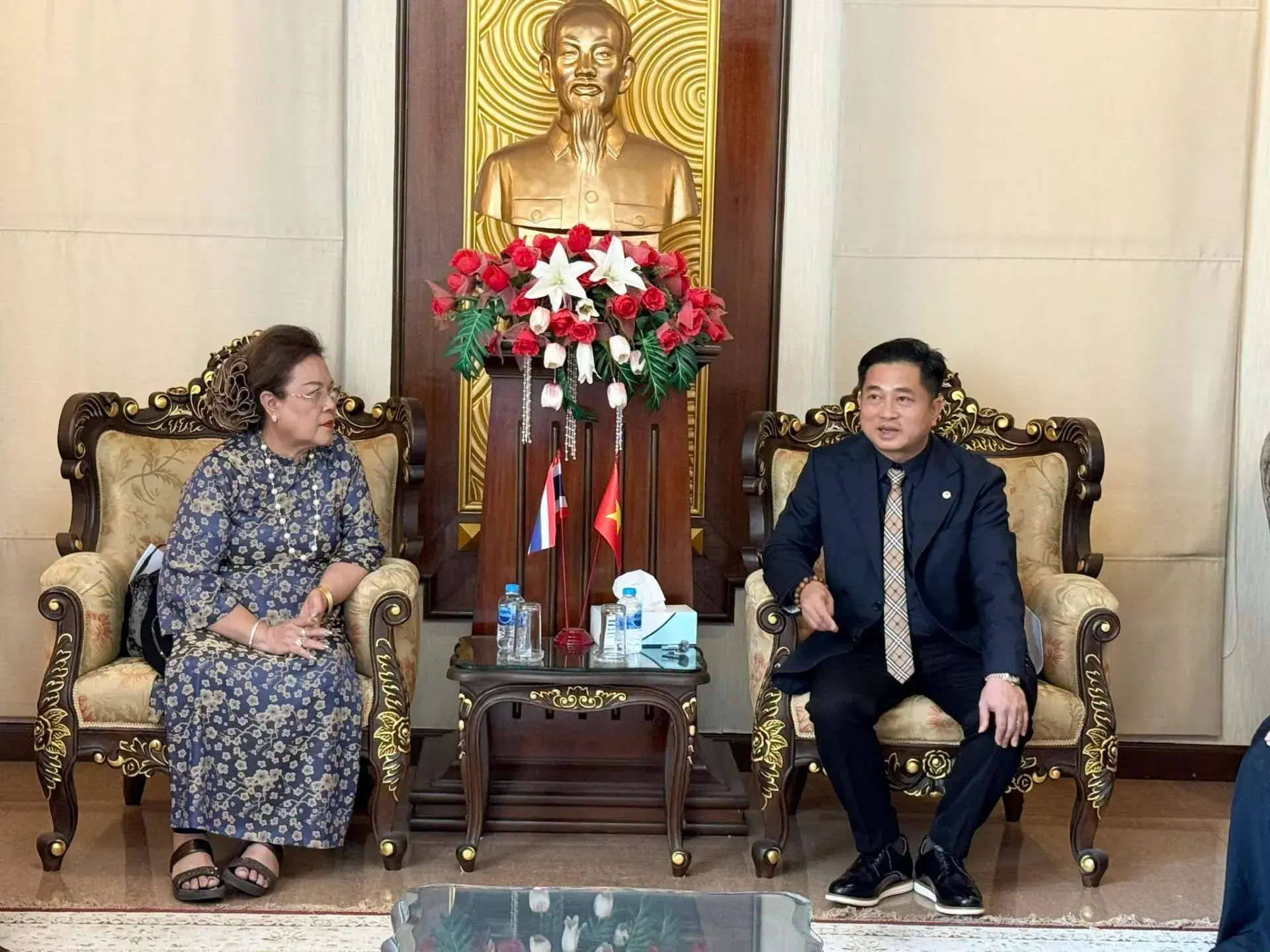
The Consulate General of Viet Nam in Khon Kaen held a working session on June 23, 2026, with the Executive Committee of the Viet Nam Ao Dai Culture Association in Thailand to discuss plans for cultural and artistic activities marking the 50th anniversary of diplomatic relations between Viet Nam and Thailand, while further promoting the role of the ao dai in showcasing Vietnamese culture and strengthening ties within the Vietnamese community in Thailand.