



 At a meeting on March 3, 2026, the Asian Development Bank (ADB) and Viet Nam’s Ministry of Agriculture and Environment agreed to accelerate cooperation in a new phase, prioritizing large-scale, integrated projects in agricultural infrastructure, climate change adaptation and food systems transformation.
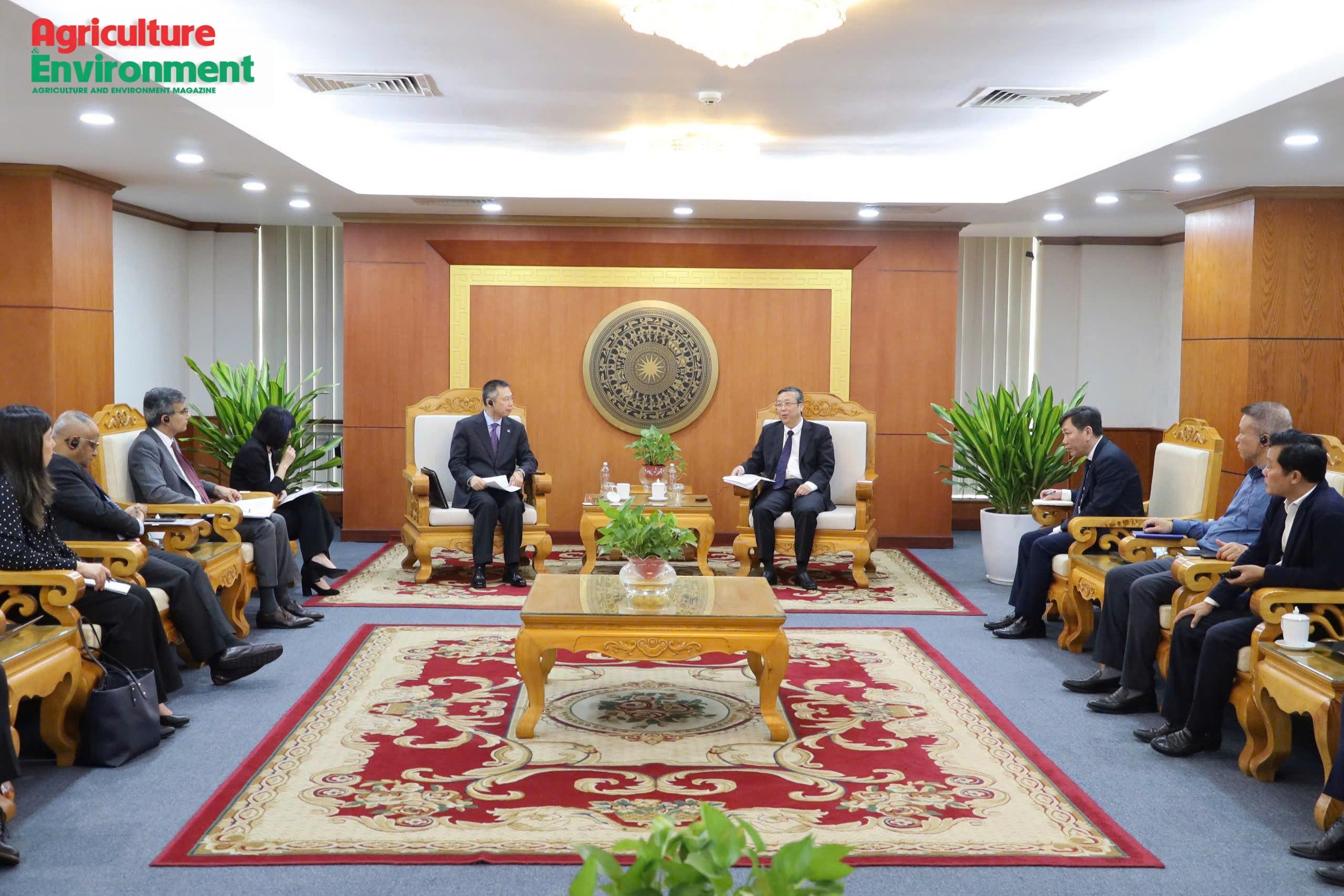
On March 3, Deputy Minister of Agriculture and Environment Hoang Trung held talks with Nianshan Zhang, Director General of the Southeast Asia Department at the Asian Development Bank.
Focus on large-scale, integrated projects
Deputy Minister Hoang Trung congratulated Zhang on his new appointment and reaffirmed that the ministry has regarded ADB as a strategic partner over more than 30 years of cooperation, particularly in sustainable agriculture, water resources management and climate change adaptation.
The ministry highly valued ADB’s timely support for disaster response and recovery efforts in central Viet Nam in recent years.
Regarding future directions, Deputy Minister Hoang Trung said the ministry will prioritize the development of large-scale, multi-sector integrated projects with broad spillover effects and transformative potential, in line with the government’s green growth orientation and transition of the development model.
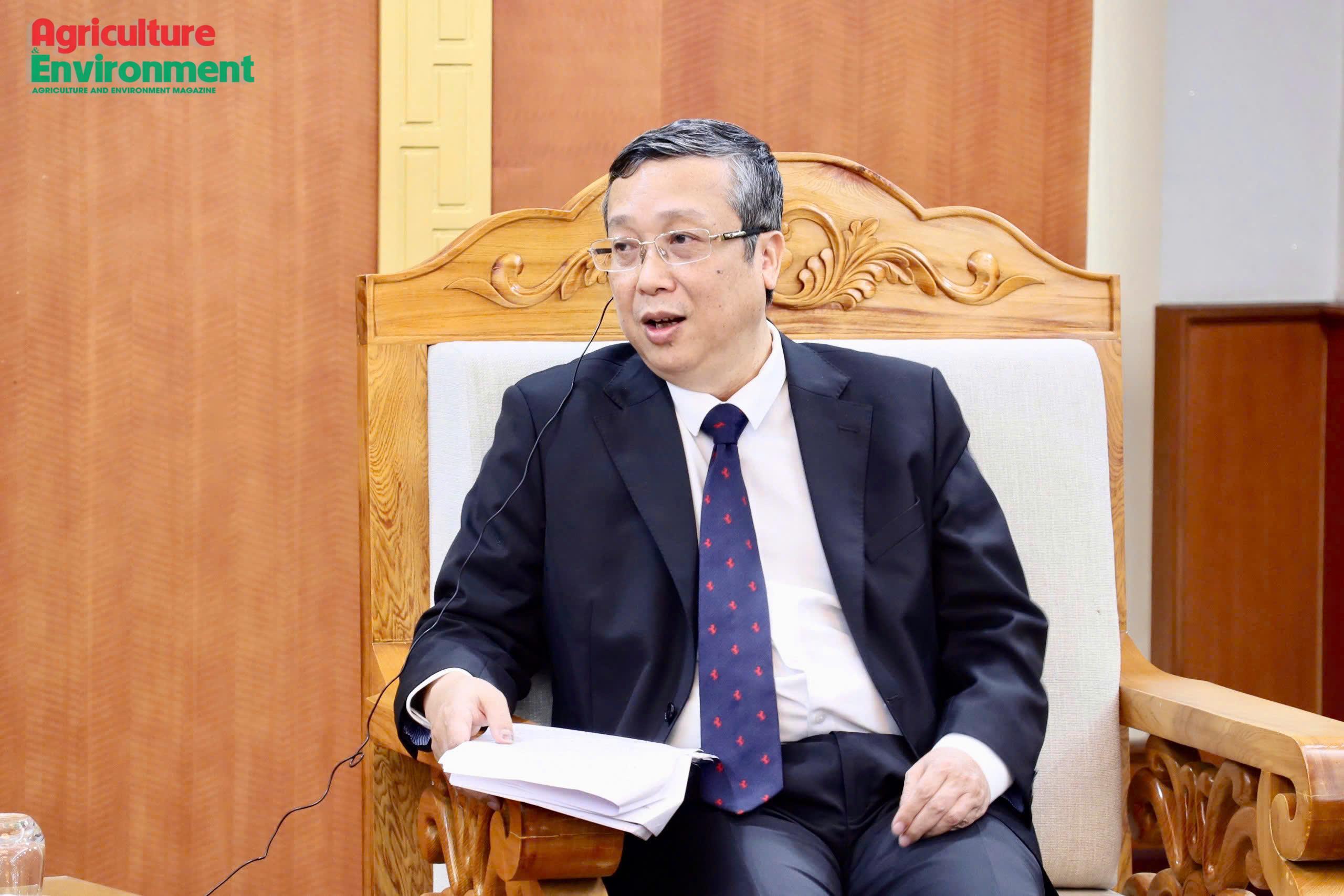
The ministry stands ready to coordinate with ADB in formulating the agriculture and environment components of the Country Partnership Strategy (CPS) for 2027–2031. It is also drafting a scheme on mobilizing, managing and utilizing official development assistance (ODA), expected to be issued in June 2026, and has invited ADB to provide input and support.
Proposed priority areas include the development of green agricultural infrastructure and renewable energy; modernization of irrigation systems and water supply in drought-prone areas; transformation of agricultural growth toward green, circular and low-emission pathways; support for enterprises and cooperatives in accessing technology and climate finance; and the development of integrated databases on land, water, climate and ecosystems to support planning and natural resource governance in line with international standards.
ADB backs Viet Nam’s food systems and climate resilience efforts
Director General Nianshan Zhang commended the ministry’s active coordination in addressing policy and procedural bottlenecks, contributing to faster approval of loan-financed projects. He said ADB’s new Environmental and Social Framework (ESF) would take effect on January 1, 2026, and expressed hope that both sides would maintain effective coordination mechanisms to ensure project quality and development impact.
Although the number of projects has declined, their scale and scope remain substantial, focusing on key sectors such as transport, agriculture, rural development, human and social development, urban infrastructure and water resources, Director General Niansahn Zhang said. The total value of potential loan projects for 2025–2028 is estimated at nearly 2.4 billion USD.
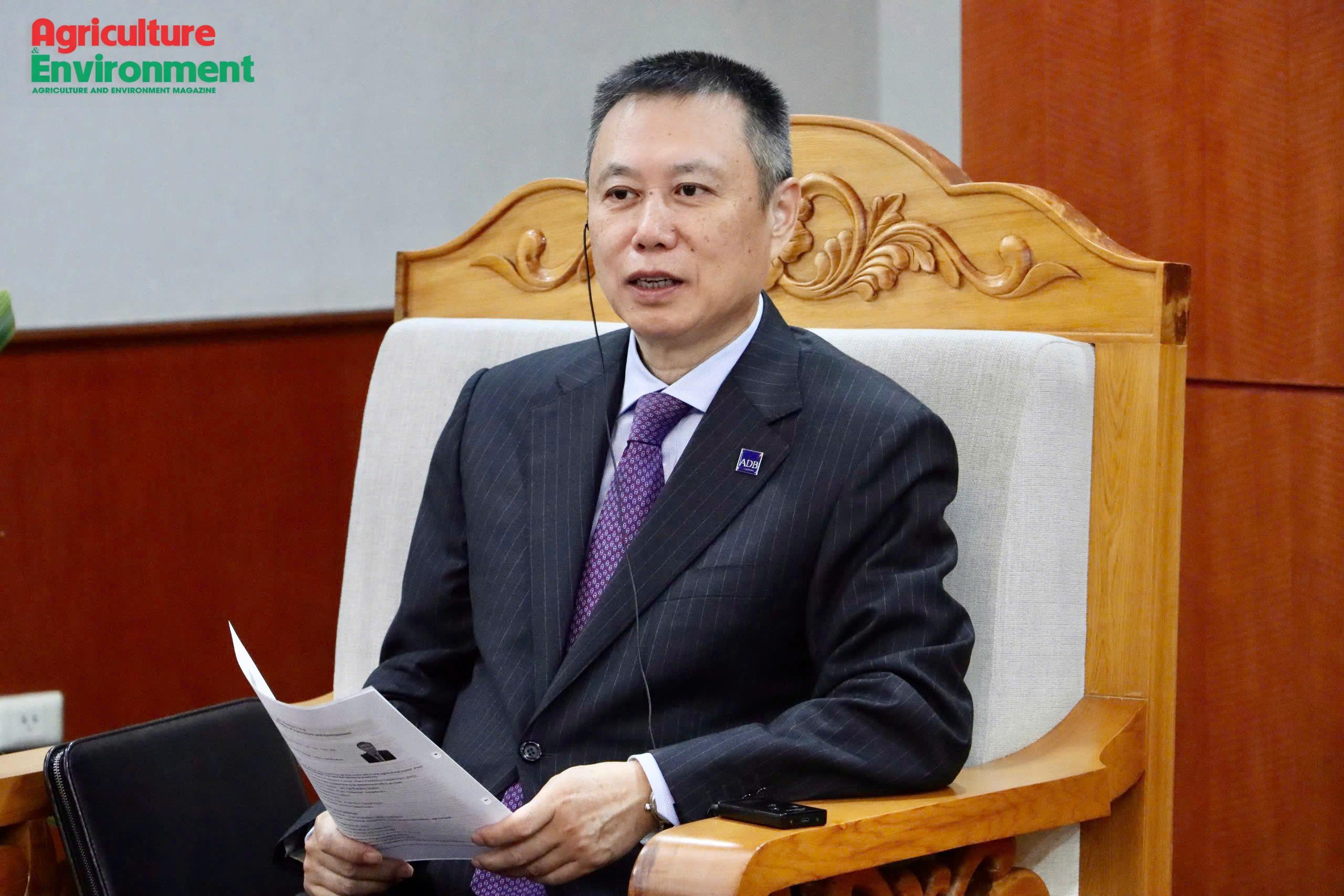
ADB reaffirmed that agricultural and rural infrastructure — a sector critical to sustainable development — will remain a priority for investment. The bank also expressed its intention to expedite the 200 million USD climate-resilient integrated flood risk management project, expected to be signed in 2027, and to coordinate in implementing the program to develop one million hectares of high-quality, low-emission rice in the Mekong Delta.
ADB reiterated its commitment to supporting Viet Nam in achieving its green growth and net-zero emissions targets through assistance in developing the updated Nationally Determined Contribution (NDC 3.0), improving air quality, managing plastic waste and water resources, and developing the carbon market.
Under the Country Partnership Strategy 2023–2026, ADB has committed to mobilizing additional financial resources to support Viet Nam’s goal of becoming an upper-middle-income country by 2030 and a high-income country by 2045. Cooperation priorities include green economy development, transformative transport infrastructure, digital transformation, private sector-led growth and the promotion of public-private partnerships.
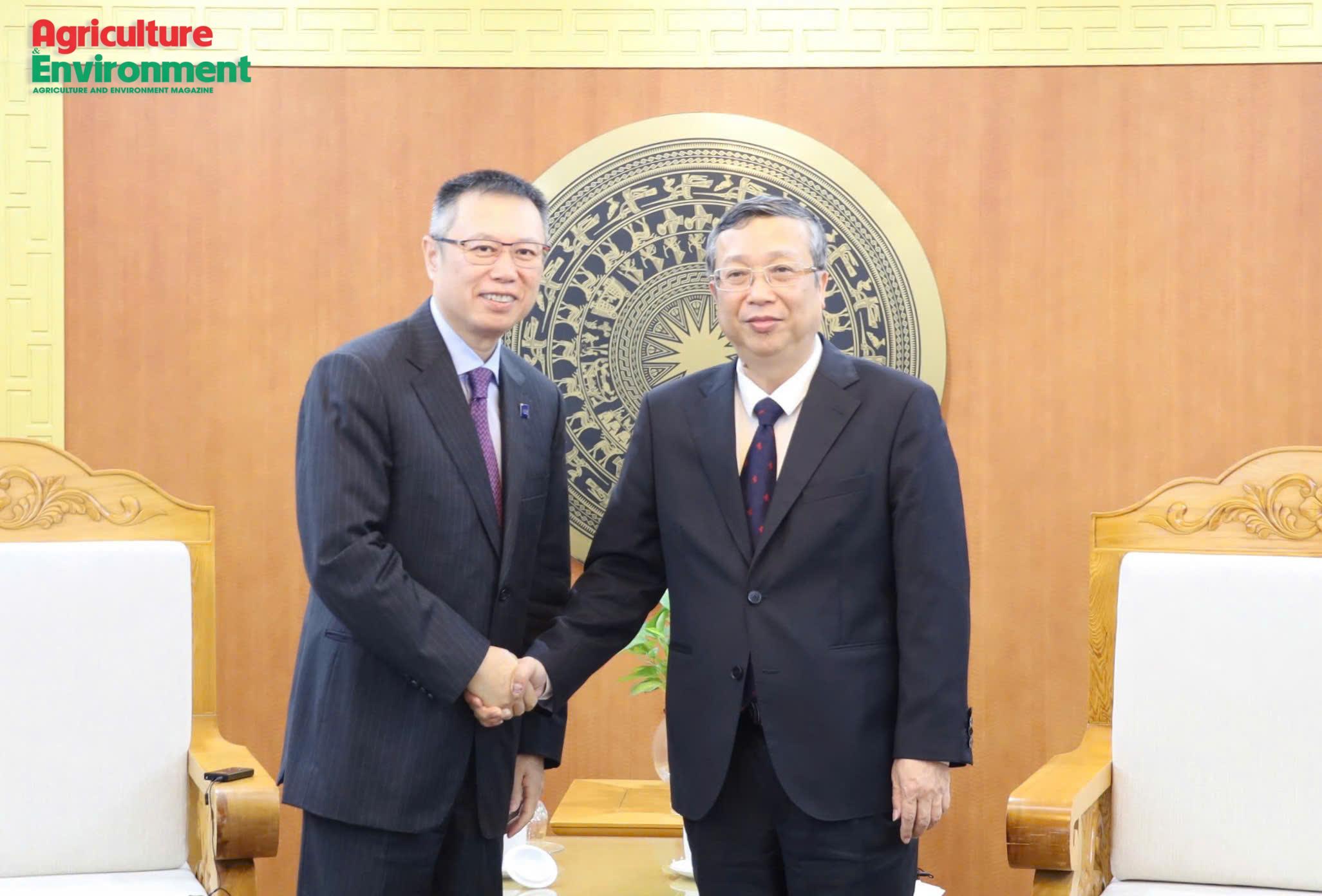
The two sides also discussed the Greater Mekong Subregion (GMS) cooperation program, which Viet Nam will chair in 2026, and planned high-level visits by ADB leaders to Vietnam this year.
Concluding the meeting, Deputy Minister Hoang Trung affirmed that the ministry will closely coordinate preparations for upcoming high-level activities and expressed confidence that bilateral cooperation will continue to expand in scale, quality and effectiveness, contributing to Viet Nam’s sustainable growth and green development objectives in the coming period.
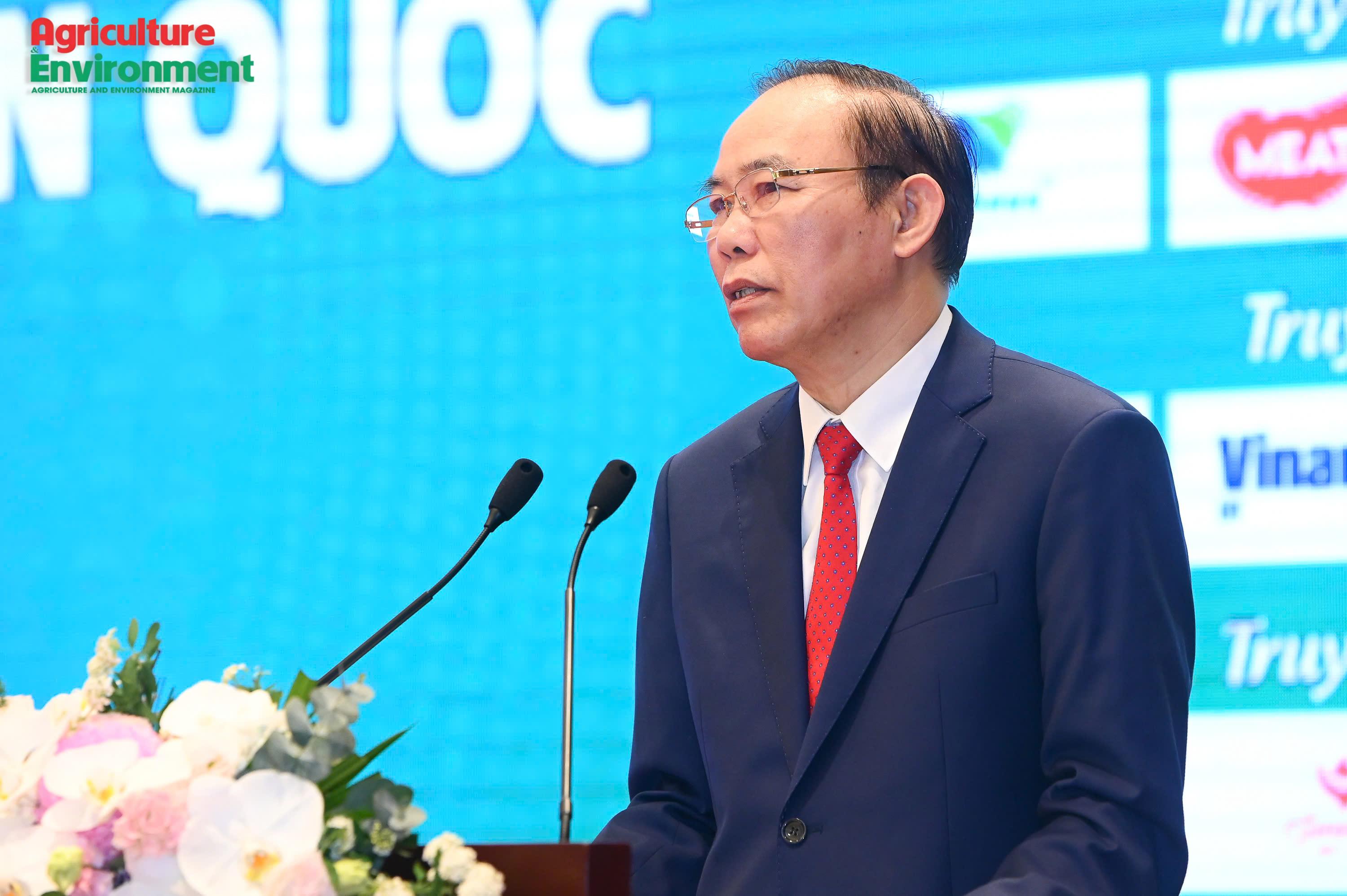
At the first National Conference on Science and Technology for Livestock and Veterinary Development, Deputy Minister of Agriculture and Environment Phung Duc Tien said science and technology are not only drivers of growth but decisive factors shaping productivity, quality and the sector’s position. He also outlined key priorities for research institutions, regulators and businesses in the coming period.
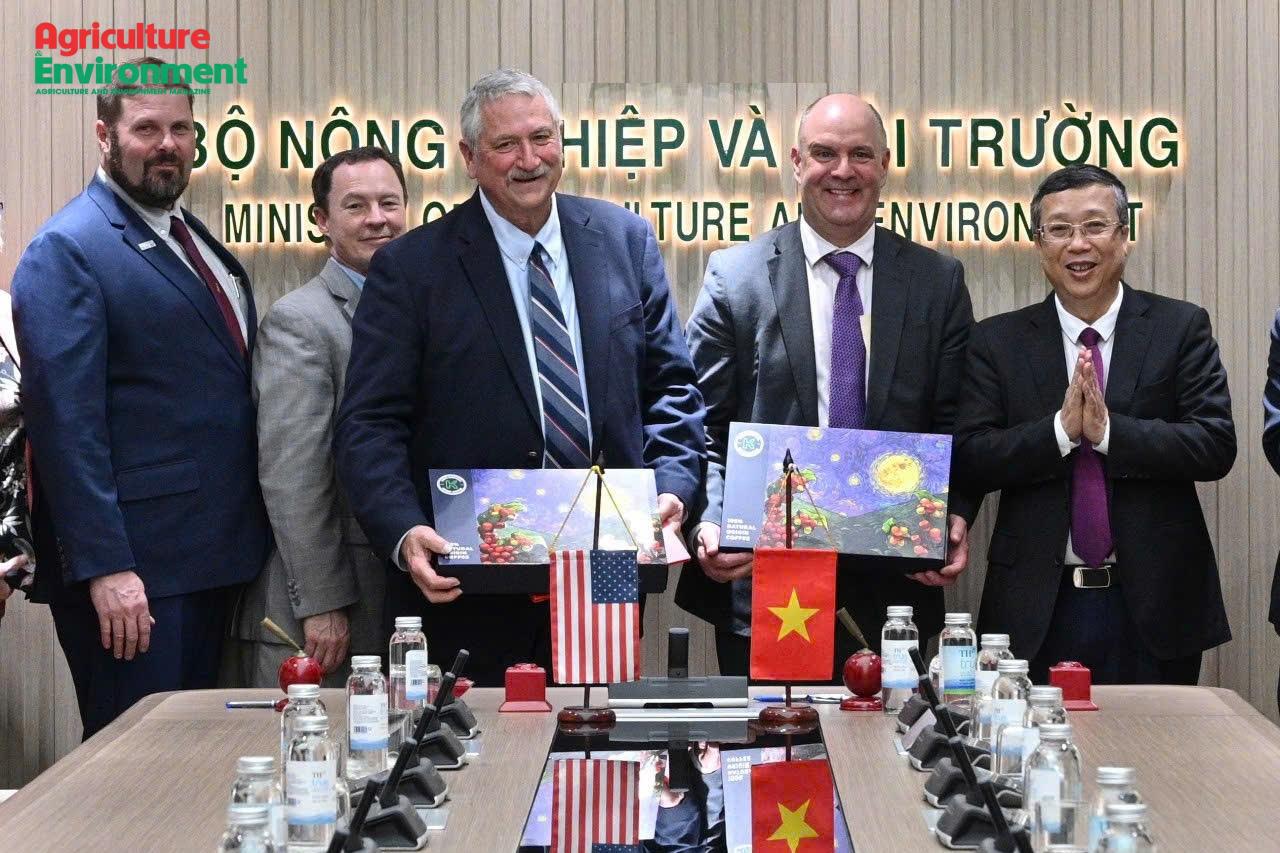
Viet Nam’s Ministry of Agriculture and Environment and partners from the U.S. state of Ohio have signed a memorandum of understanding on soybean cooperation, aiming to expand trade, secure feed supply chains, and promote technology transfer, Deputy Minister Hoang Trung said at a meeting on March 27.
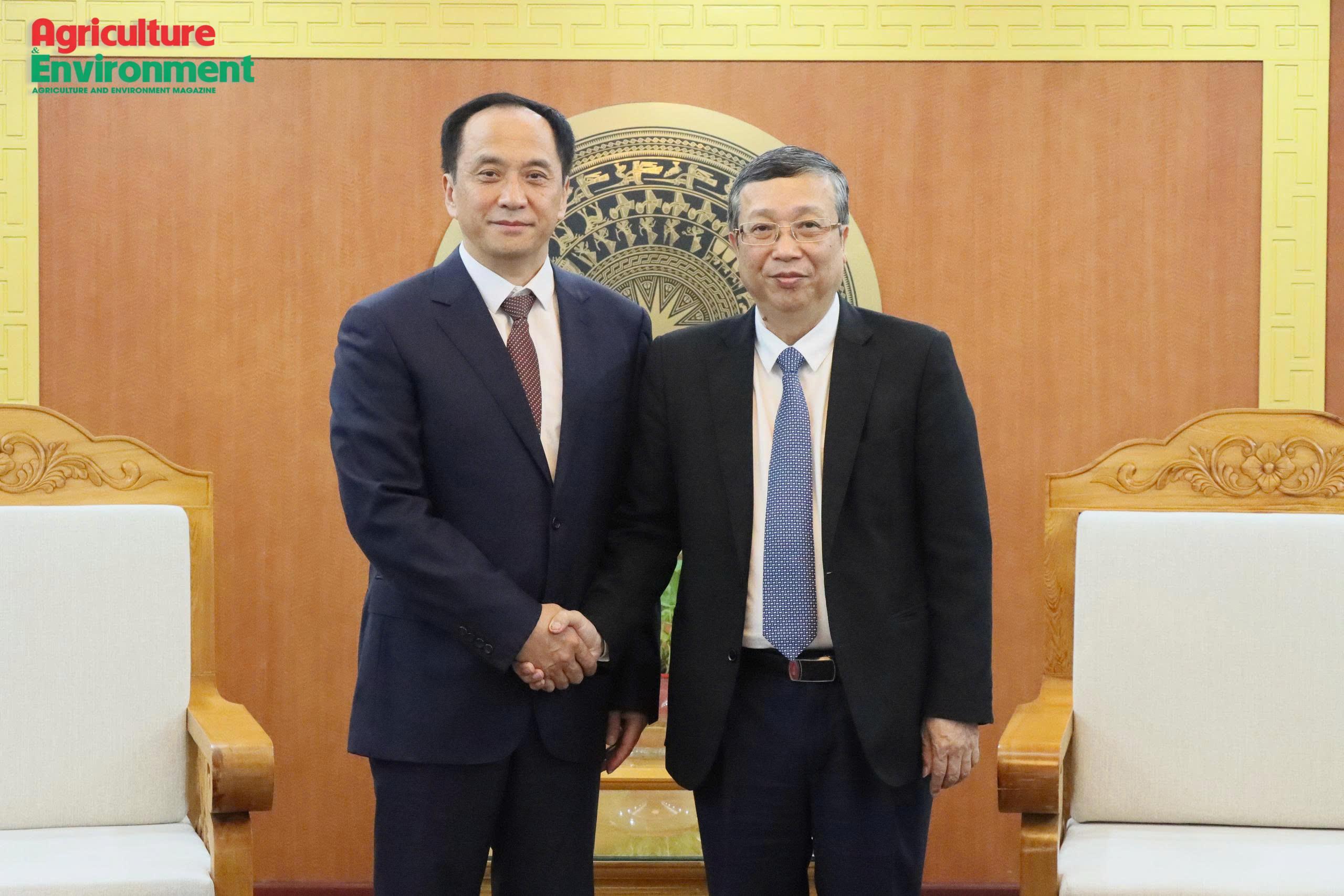
Building on a memorandum of understanding (MoU) signed in September 2023, Viet Nam and China’s Guangxi Zhuang Autonomous Region are advancing cooperation in agriculture and environment, focusing on smart agriculture, agri-product trade, fisheries, and cross-border disease control, with the aim of developing seamless and sustainable supply chains.
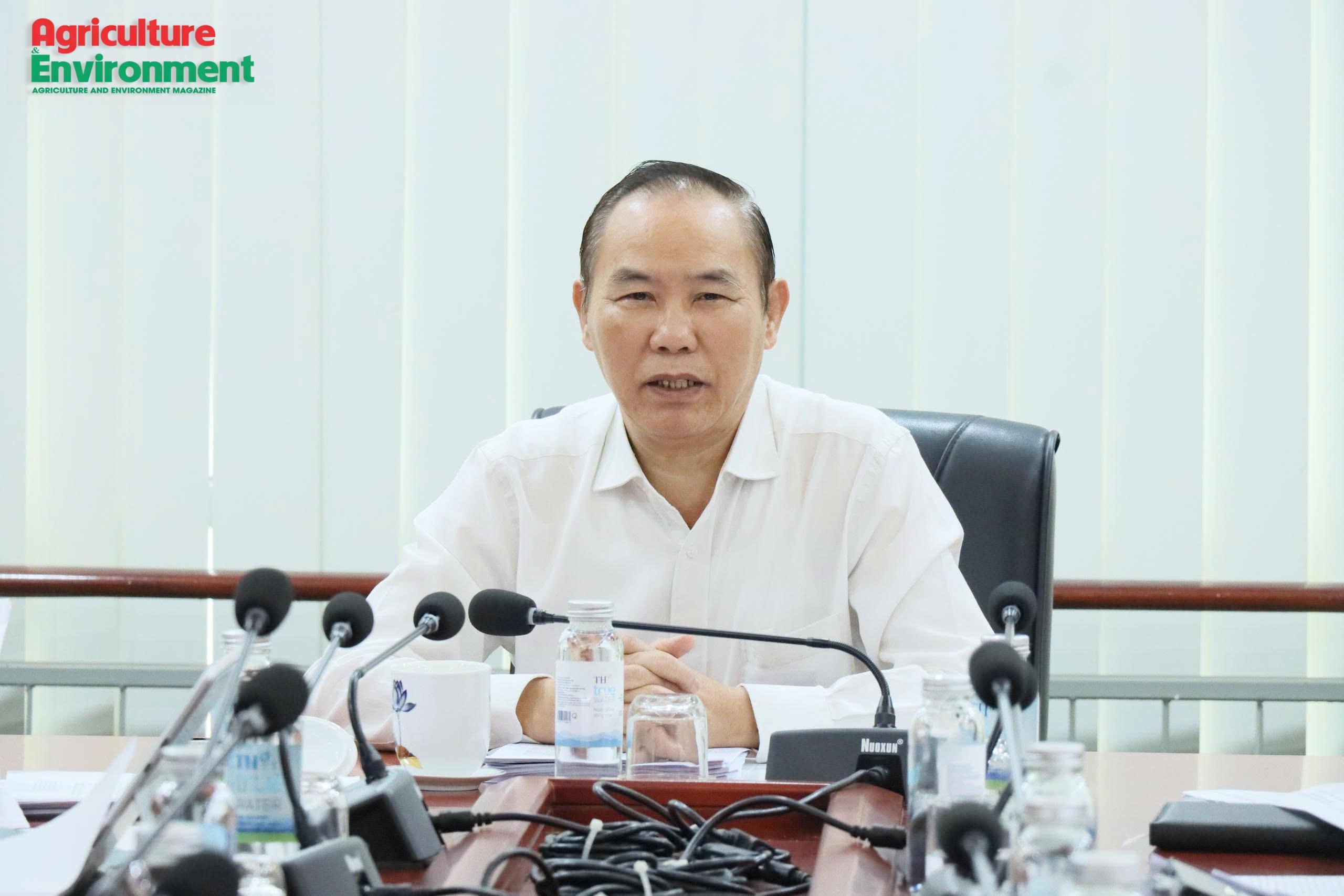
Deputy Minister Phung Duc Tien stressed that the development of science and technology programs in the fisheries sector must be grounded in practical needs and focused on key priorities, in order to deliver highly applicable and scalable results, thereby promoting innovation and supporting the sector’s modern and sustainable development.
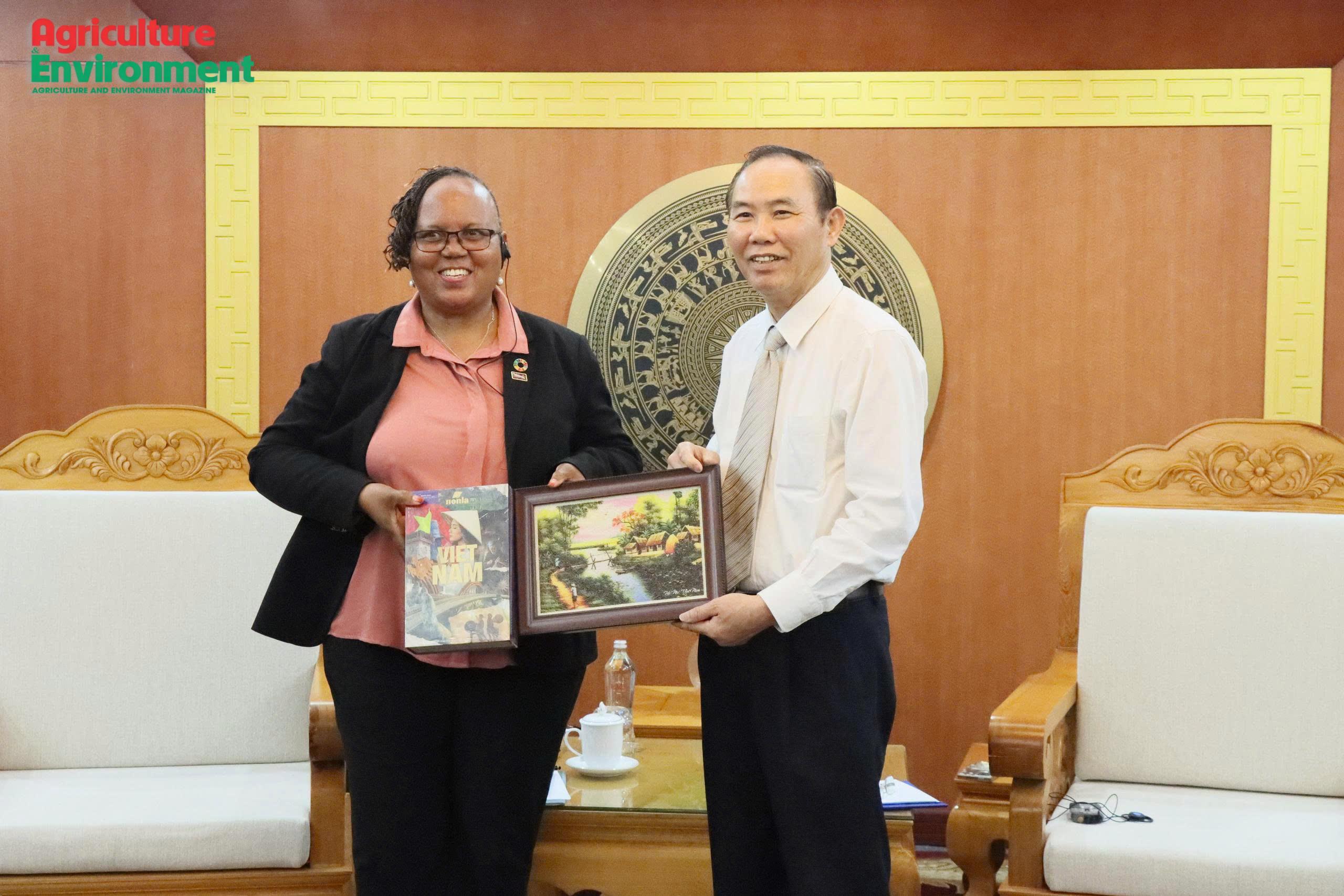
On March 23, the Ministry of Agriculture and Environment and the International Livestock Research Institute (ILRI) agreed to strengthen cooperation in sustainable livestock development, food safety, disease prevention and control, and the transformation of food systems toward modernization and climate resilience.