



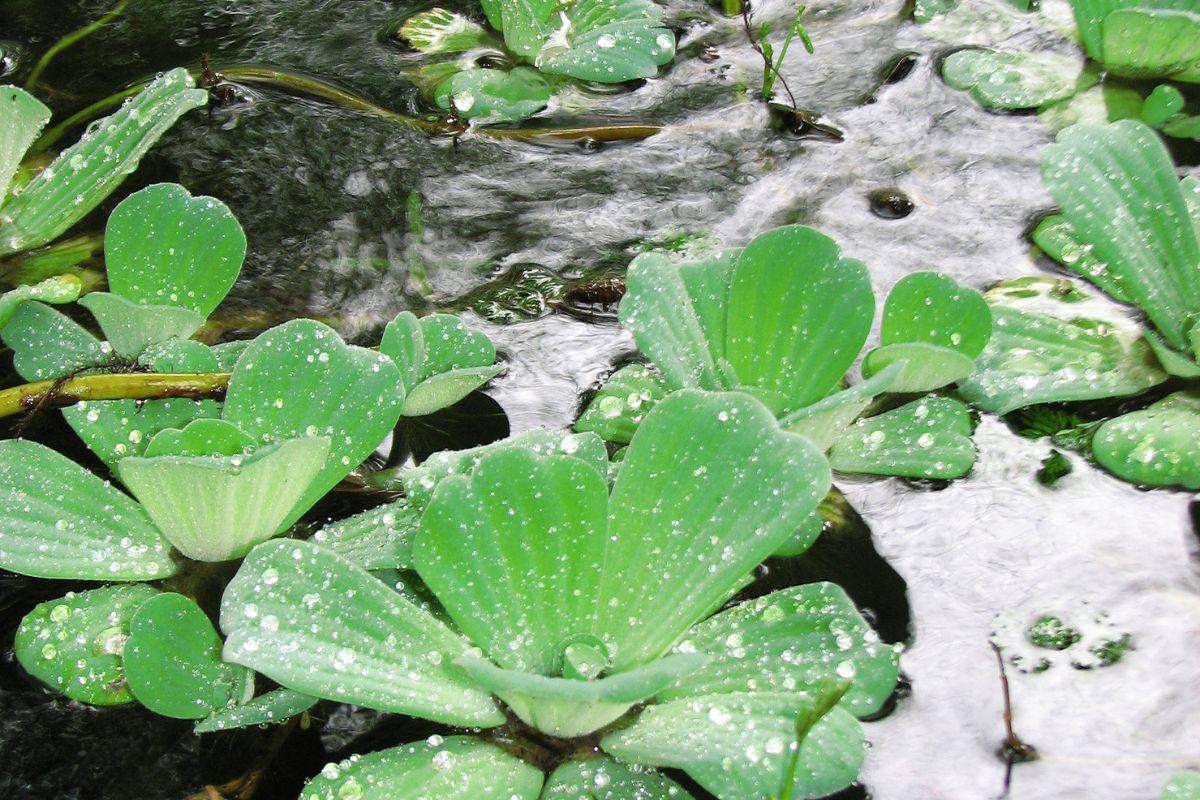
 A scientific study by An Giang University, Vietnam National University, Ho Chi Minh City, and the An Giang Center for Rural Clean Water and Environmental Sanitation has demonstrated the potential of water lettuce (Pistia stratiotes) for treating piggery wastewater under natural conditions. The findings show that treatment performance varies with the initial biomass density and the pollutant being targeted. The approach offers a low-cost, environmentally friendly biological treatment option with potential for application by pig farms and household producers in Viet Nam.
Pollution pressure from intensive pig production
In recent years, Viet Nam’s pig-farming sector has expanded rapidly toward concentrated and intensive production, contributing significantly to agricultural economic growth. However, this development has also generated increasingly large volumes of wastewater. Piggery wastewater typically contains high concentrations of organic matter, nitrogen and phosphorus. If discharged untreated or inadequately treated, it can contribute to eutrophication in receiving waters, degrade environmental quality and pose risks to public health.
According to the Food and Agriculture Organization of the United Nations (FAO), livestock waste is among the significant sources of environmental pollution in developing countries. In Vietnam, a number of studies have also shown that nitrogen and phosphorus concentrations in piggery wastewater can exceed permissible limits by several times, placing additional pressure on receiving environments.
Against this background, the use of aquatic plants in wastewater treatment has attracted attention because of its relatively low cost, ease of operation and environmental compatibility. Aquatic plants can directly absorb nutrients for biomass production while also creating favorable conditions for microbial communities, thereby contributing to the transformation and removal of pollutants.
Water lettuce (Pistia stratiotes L.) is a common floating aquatic plant in Viet Nam. It grows rapidly, adapts well to different conditions and performs well in nutrient-rich environments. Previous studies have shown that water lettuce can absorb nitrogen and phosphorus from wastewater. However, research specifically assessing its treatment performance in piggery wastewater under practical conditions in Viet Nam remains limited.
To address this gap, Tran Thi Hong Ngoc of the Faculty of Engineering-Technology-Environment, An Giang University, and Nguyen Thanh Tan of the An Giang Center for Rural Clean Water and Environmental Sanitation conducted a study to evaluate the removal of nitrogen and phosphorus from piggery wastewater using water lettuce (Pistia stratiotes L.).
Study design and experimental setup
The study was conducted under natural conditions and monitored continuously for 35 days. Wastewater was collected from a storage pond at a pig-farming household and diluted with river water at a ratio of 1:1 before being introduced into the experimental system.
The experiment used a completely randomized design comprising four treatments, each replicated three times in tanks measuring 1.0 m × 1.0 m × 0.3 m: NT1 (control), containing wastewater without water lettuce; NT2, containing 0.6 kg of water lettuce per 200 L of wastewater; NT3, containing 1.2 kg per 200 L; and NT4, containing 1.8 kg per 200 L.
Water lettuce plants of relatively uniform size were selected, with roots approximately 10 cm long, leaves approximately 5 cm long and an average density of about 80 plants per kilogram. Water samples were collected every seven days to measure key environmental parameters, including pH, chemical oxygen demand (COD), ammonium (NH₄⁺) and orthophosphate (PO₄³⁻). Biomass and other plant-growth indicators were also recorded.
Key findings: Water lettuce improved wastewater quality
After 35 days of monitoring, statistical analysis showed that water lettuce could improve several key wastewater-quality indicators, although treatment performance varied according to the pollutant and the initial biomass density.
pH remained within a suitable range
At the beginning of the experiment, wastewater pH values were relatively uniform, ranging from 7.65 to 7.68. By day 7, pH had declined slightly, reaching approximately 7.45 in NT4. This reduction may have been associated with microbial respiration and the decomposition of organic matter, which increased dissolved CO₂ and contributed to carbonic acid formation.
From day 14 to day 35, pH gradually increased and remained within a relatively stable range of 7.45 to 8.10. By the end of the experiment, NT2 recorded the highest pH at approximately 8.10, followed by NT1 and NT3 at around 8.00, while NT4 was approximately 7.98.
All recorded pH values were within the range considered suitable for water-lettuce growth (6.5–8.5) and favorable for microorganisms involved in nutrient transformation. Overall, the different water-lettuce densities did not substantially alter wastewater pH.
High COD removal was achieved during the 7–21-day period
Chemical oxygen demand (COD) is an important indicator of organic pollution. Initial COD concentrations across the treatments were approximately 185–190 mg/L.
In the unplanted control (NT1), COD declined relatively slowly and remained at approximately 140 mg/L by the end of the experiment, indicating limited natural self-purification.
By contrast, COD concentrations declined sharply in the planted treatments (NT2, NT3 and NT4). The most pronounced reduction occurred between days 7 and 21. By day 21, COD concentrations in all three planted treatments had fallen to approximately 25 mg/L, corresponding to a removal efficiency of nearly 87%.
From day 21 to day 35, COD levels largely stabilized at approximately 25–30 mg/L. The treatment trends in NT2, NT3 and NT4 were broadly similar, and statistical analysis showed no significant difference in COD-removal efficiency among the three water-lettuce densities after day 21.
These results indicate that the lowest tested stocking level, NT2 at 0.6 kg per 200 L of wastewater, was already sufficient to achieve a high level of COD removal under the experimental conditions. The dense root system of water lettuce also provides attachment surfaces for microbial communities and supports biofilm formation, contributing to the degradation of organic matter.
Ammonium removal increased with biomass, while phosphate removal remained limited
Excess nutrients are major drivers of water-quality deterioration and eutrophication. The results showed distinct treatment patterns for ammonium and phosphate, indicating that the appropriate water-lettuce biomass density depends on the pollutant being targeted.
Ammonium treatment: Initial ammonium (NH₄⁺) concentrations were approximately 15 mg/L across the treatments. During the first seven days, concentrations declined only slightly as the plants and root-associated microbial communities adapted to the wastewater environment.
The strongest removal occurred between days 7 and 21. By day 21, NH₄⁺ concentrations had fallen to approximately 4.2 mg/L in NT2, 3.8 mg/L in NT3 and 2.0 mg/L in NT4. From day 21 to day 35, the rate of decline slowed and concentrations stabilized at low levels.
By day 35, NT4, with an initial stocking level of 1.8 kg of water lettuce per 200 L of wastewater, achieved the strongest ammonium removal, reducing the concentration to approximately 1.1 mg/L, with a reported removal efficiency of 92.7%.
The results indicate that higher initial biomass density was particularly beneficial for ammonium removal. The treatment mechanism is likely associated with direct nitrogen uptake by the plants together with the activity of root-associated microorganisms involved in nitrogen transformation.
Phosphate treatment: Orthophosphate (PO₄³⁻) concentrations declined over the 35-day experiment, but the overall reduction remained comparatively limited. Initial concentrations were approximately 7.0 mg/L. By day 35, concentrations had declined to approximately 6.5 mg/L in NT1, 5.5 mg/L in NT2, 5.0 mg/L in NT3 and 3.7 mg/L in NT4.
NT4 produced the greatest reduction, lowering the concentration by approximately 3.3 mg/L over the experimental period. The NT2 and NT3 treatments showed trends broadly similar to the control, while NT4 differed significantly from the control at the end of the experiment.
Despite the stronger performance of NT4, the overall phosphate-removal capacity of water lettuce remained limited compared with ammonium removal. The findings therefore suggest that additional treatment measures may be needed where phosphorus reduction is a primary objective.
Taken together, the results show that treatment performance depends on the pollutant being targeted: a lower biomass density may be sufficient for effective COD removal, whereas a higher density is more advantageous for ammonium removal. Phosphate removal remains a limiting factor.
Water-lettuce biomass increased under nutrient-rich conditions
Changes in water-lettuce biomass over the 35-day monitoring period illustrated the ability of the plants to adapt to and grow in nutrient-rich piggery wastewater.
In NT4, which started with an initial biomass of 1,800 g, water lettuce grew rapidly, reaching approximately 2,650 g on day 21 and a peak of about 2,750 g by day 35.
In NT3, which began with 1,200 g, biomass increased steadily to approximately 1,720 g by day 35.
In NT2, which began with 600 g, biomass increased during the first two weeks before slowing and stabilizing toward the end of the experiment, reaching approximately 720 g by day 35.
Overall, biomass increased under nutrient-rich conditions, demonstrating the ability of water lettuce to adapt to the wastewater environment and take up nutrients during treatment. The growth pattern also suggests that the plants maintained relatively stable development throughout the treatment period.
Practical applications and future research
The study by Tran Thi Hong Ngoc and Nguyen Thanh Tan demonstrates that water lettuce (Pistia stratiotes) has potential as a low-cost biological treatment option for piggery wastewater. The findings also show that treatment efficiency depends on the pollutant being targeted, the initial biomass density and the treatment period.
The treatment mechanism relies on interactions between root-associated microbial communities, which contribute to the transformation and degradation of organic matter and nutrients, and the plants themselves, which absorb nutrients for biomass production.
Among the tested configurations, no single biomass density was optimal for every pollutant. For COD, the planted treatments achieved nearly 87% removal during the 7–21-day period, with no significant difference among the tested densities after day 21. For ammonium, the highest initial biomass density, NT4 at 1.8 kg per 200 L, produced the strongest removal, reducing NH₄⁺ to approximately 1.1 mg/L by day 35. Phosphate removal, however, remained comparatively limited.
Based on these results, the study puts forward several practical directions for improving and expanding the application of the technology:
Practical application: Pig farms and household pig producers could apply water lettuce at an initial stocking level appropriate to the treatment objective. For COD removal, the findings suggest that approximately 0.6 kg per 200 L may be sufficient, while a higher biomass density of 1.8 kg per 200 L may be more suitable where enhanced ammonium removal is required. A hydraulic retention time of approximately 14–21 days may also be sufficient for effective organic-matter removal.
Improved management: Routine monitoring and management procedures should be established to control insect pests, prevent harmful algal growth and maintain favorable ecological conditions for water-lettuce development.
Further research: Additional pollution indicators should be assessed, including biochemical oxygen demand (BOD), suspended solids (SS) and hydrogen sulfide (H₂S). Further studies should also test water lettuce with other wastewater streams, such as domestic wastewater and aquaculture effluent, as well as evaluate the performance of larger-scale and continuous-flow systems.
Resource recovery and the circular economy: Further research could examine the recovery and reuse of harvested water-lettuce biomass after wastewater treatment, creating opportunities for resource recovery while reducing residual biomass requiring disposal.
Overall, the use of water lettuce for piggery wastewater treatment provides a promising low-cost biological option for Vietnam’s pig-farming sector. The findings suggest that treatment systems should be designed according to the specific pollutant being targeted, with appropriate biomass density and hydraulic retention time, rather than relying on a single treatment configuration for all wastewater-quality parameters.
Resource: This article is based on the study by Tran Thi Hong Ngoc and Nguyen Thanh Tan, titled “Evaluating the efficiency of Nitrogen and Phosphorus removal from piggery wastewater using Pistia stratiotes,” An Giang University, Vietnam National University, Ho Chi Minh City, and the An Giang Center for Rural Clean Water and Environmental Sanitation.
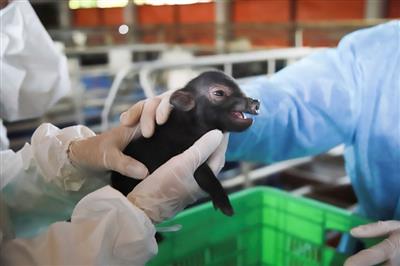
Animal cloning is the process of producing genetically identical individuals without undergoing conventional fertilization. The successful creation of cloned animals has opened up numerous potential applications in basic research, medicine, and agriculture.
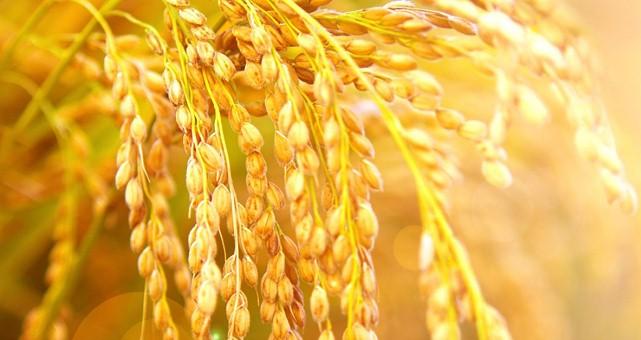
The Cai hoa vang glutinous rice variety is a well-known specialty of Thanh Hoa province, appreciated for its opaque white grains, characteristic aroma, and sticky texture when cooked—qualities that give it high economic value. However, after many years of traditional cultivation and informal seed exchange, the variety has shown signs of segregation and genetic degradation, resulting in unstable yields and inconsistent grain quality. This trend threatens not only production efficiency but also the preservation of an important local germplasm resource.
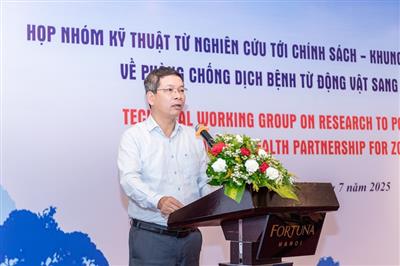
At the launch of the Research to Policy (R2P) Technical Working Group on July 28 in Ha Noi, the Ministry of Agriculture and Environment, together with international partners, delivered a clear message: Viet Nam is advancing the institutionalization of the One Health approach, grounded in scientific evidence and multisectoral dialogue. R2P is more than just a technical mechanism—it represents a new interface where science informs policy, and where research-based evidence serves as the foundation for systemic solutions linking human, animal, and environmental health.
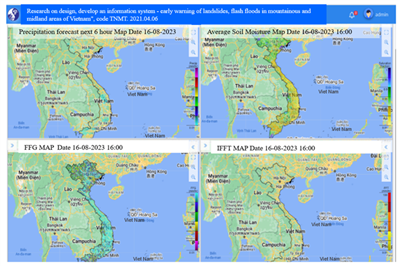
Flash floods, while small in scale, can be highly destructive. This article introduces a web portal for early warnings about flash floods and landslides, integrating real-time rainfall data, weather predictions, and SEAFFGS results. The system sends automatic alerts via email or Zalo and helps forecasters, authorities, and citizens monitor and respond to these natural disasters, reducing potential damage.
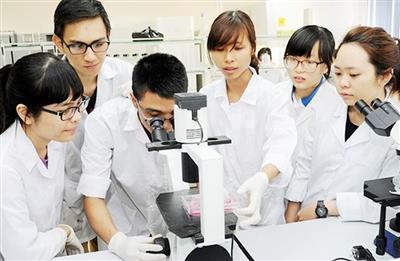
Scientific-technological research is intrinsically linked to the evolution and refinement of strategies for sustainable development in these domains. Scientific inquiry serves as a crucial step in the acquisition, analysis, and processing of information, thereby furnishing invaluable insights for governmental entities. This aids in the formulation of policies, establishment of guidelines, and delineation of strategic frameworks tailored to address practical exigencies at various developmental junctures of the nation.