



 The Department of Water Resources Management (under the Ministry of Agriculture and Envinronment) is working with the Organisation for Economic Co-operation and Development (OECD) and the Asia Water Council (AWC) to implement the National Dialogues on Water Accounting, with the aim of identifying priority areas, appropriate tools and solutions to gradually incorporate water accounting into water resources management in Viet Nam.
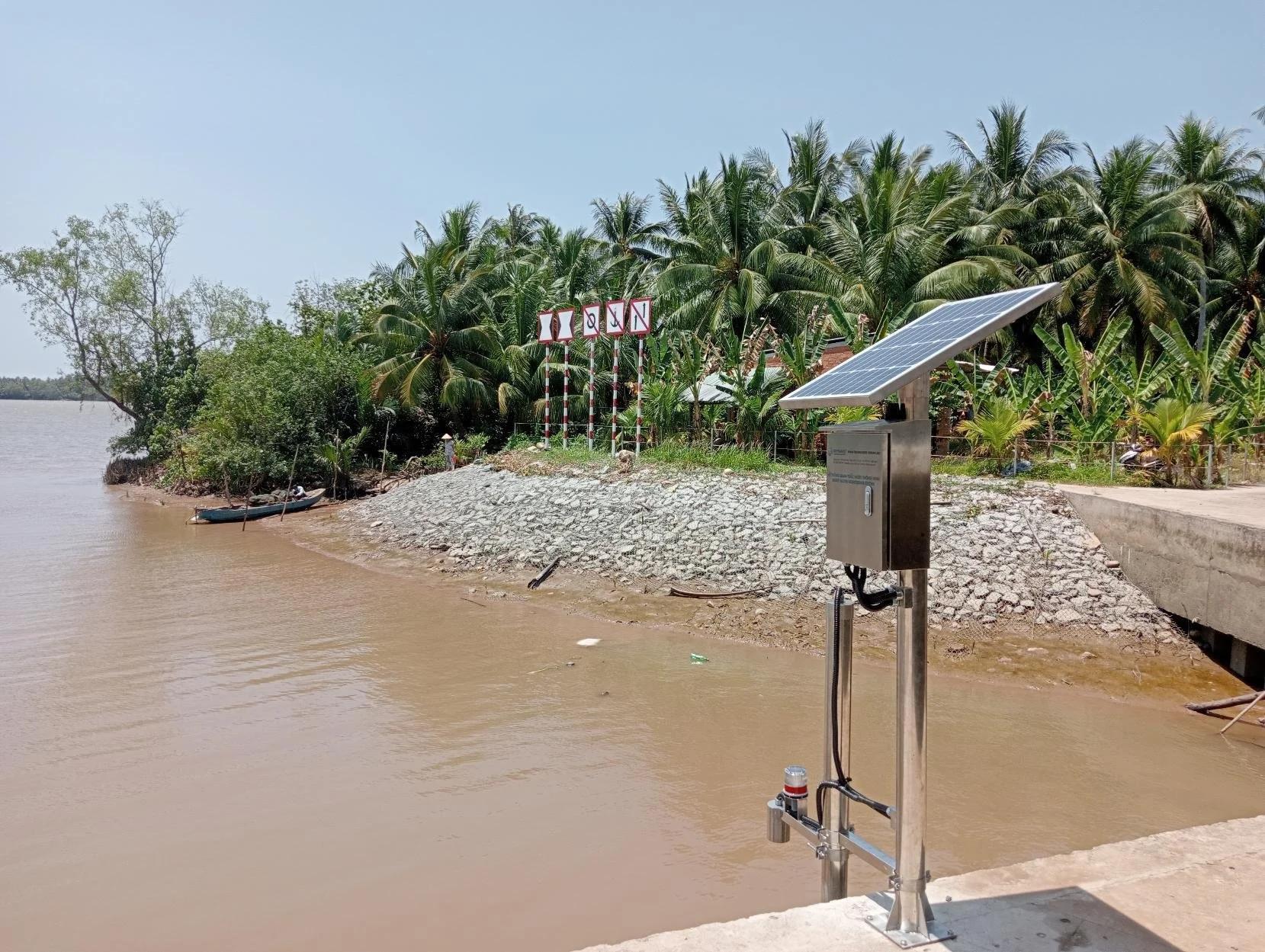
The National Dialogues on Water Accounting focus on identifying key actions suited to Viet Nam’s practical conditions and legal framework. The dialogues also provide an opportunity for Viet Nam to access international knowledge, analytical methods, policy recommendations and experience in developing information systems for water accounting.
The dialogues aim to help Viet Nam address challenges and priorities in water resources management by identifying appropriate policy, economic and technological tools, as well as innovative solutions. A key focus is determining the areas that should be prioritized for water accounting while ensuring consistency with the country’s legal framework and water resources management requirements.
The role of water accounting in resource management
Under Article 71 of the 2023 Law on Water Resources, water accounting is the process of aggregating, calculating and balancing water resources and determining the value of water resources in socio-economic activities, thereby contributing to water security.
The importance of water accounting goes beyond compiling data. It helps reflect the value of water in the exploitation and use of water resources across sectors, fields, regions, river basins and stages of development.
This approach gives management agencies a more comprehensive view of the relationship between water resources and socio-economic development, while helping identify the interdependence and linkages among sectors in the exploitation and use of water resources.
Water accounting also provides an additional information base for assessing water-use efficiency and clarifying the value generated through the allocation and use of water resources. This can help management agencies select options for regulating, allocating and using water that are more closely aligned with available water resources and development needs.
Viet Nam has taken initial steps to study and pilot the System of Environmental-Economic Accounting (SEEA) in the water resources sector. The formal inclusion of water accounting in the 2023 Law on Water Resources marked an important step forward, providing a legal foundation for implementation.
Alongside the Law on Water Resources, Articles 70 through 75 of Decree No. 53/2024/ND-CP provide a further legal basis for implementing water accounting and gradually expanding it nationwide.
When implemented in a coordinated manner, the accounting system will provide an information base for competent authorities to make decisions on water regulation and allocation, as well as the management, exploitation, use and protection of water resources on an annual and periodic basis.
A roadmap for modernizing water governance
Decree No. 53/2024/ND-CP sets out a phased roadmap for implementing water accounting.
By 2027, Viet Nam will issue technical guidelines for water accounting. By 2030, it will develop and operate software to support water accounting, while conducting water accounting and publishing the results for the Dong Nai and Vu Gia–Thu Bon river basins in the domestic water supply, agriculture, hydropower and industrial sectors.
By 2035, water accounting and publication of the results will be carried out for inter-provincial river basins and at the national level in accordance with the accounting cycle.
The roadmap shows that water accounting is not merely a statistical task but part of the broader modernization of water governance. Linking information on water resources with socio-economic activities and the value of water use can provide decision-makers with a more integrated and systematic information base.
Under the National Dialogues, Smart Water Technology & Consulting (SWT&C) has been nominated by the AWC to provide technical support. The company will study methodologies, information systems and data for water accounting and propose implementation solutions based on experience from the Republic of Korea and other countries.
Coordination among the Department of Water Resources Management, the OECD, the AWC and international partners will broaden professional exchanges and help Viet Nam gain access to relevant methods and experience. More importantly, the cooperation could help identify feasible steps suited to Viet Nam’s practical conditions and legal framework at each stage of implementation./.

Viet Nam is drafting a new Law on Marine and Island Resources and Environment to meet the requirements of marine governance in the next stage of development. The draft law seeks to establish unified management of marine space, promote efficient use of resources, protect the environment, sustain community livelihoods and expand opportunities for international cooperation. It represents an important step in strengthening the institutional framework for a green, sustainable and responsible marine economy.
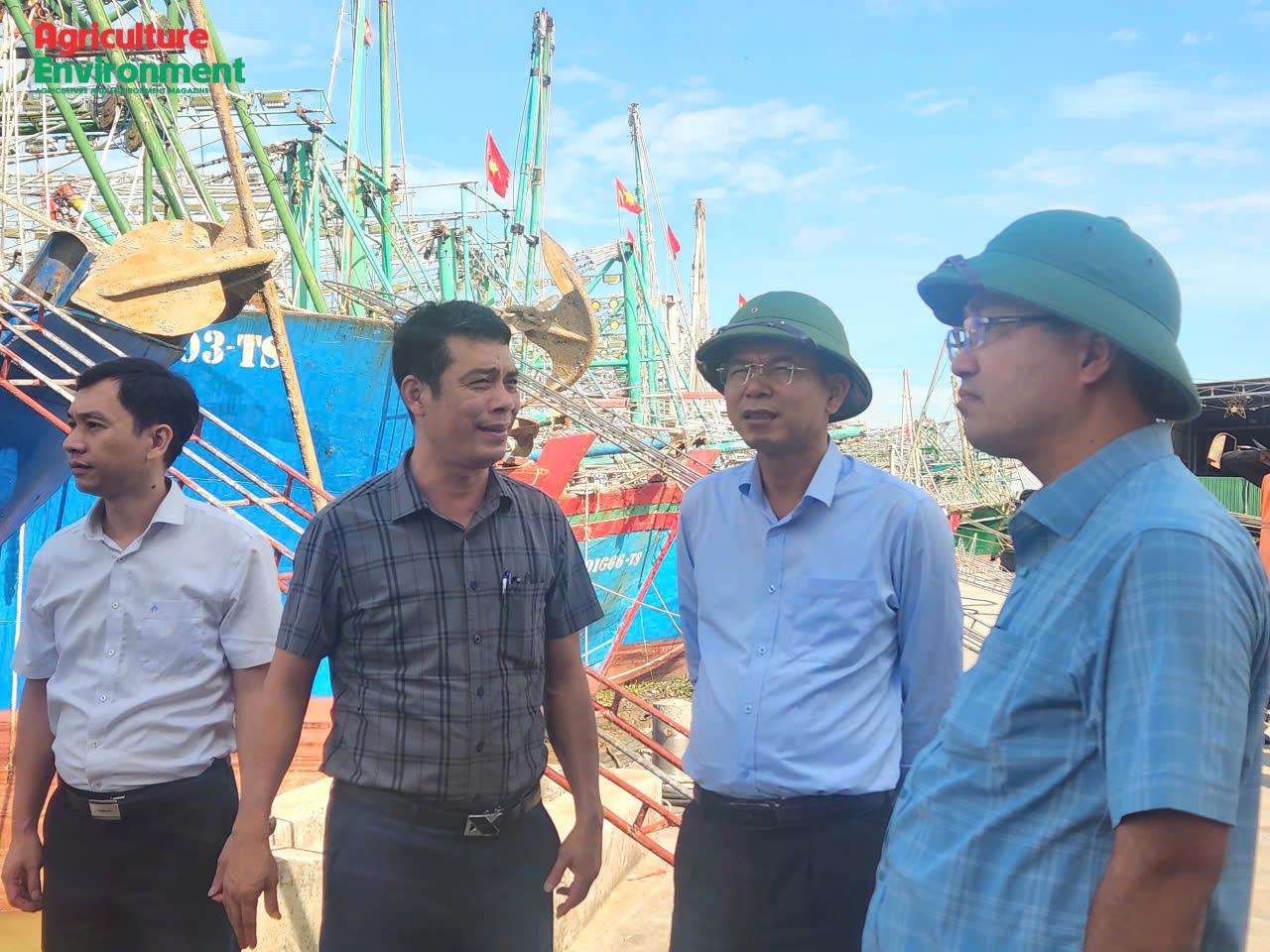
A major policy decision by the Party’s central leadership is opening up new development space and new thinking for the marine economy. However, these breakthrough policy directions also place greater demands on local governments’ governance capacity and ability to organize and implement them effectively.
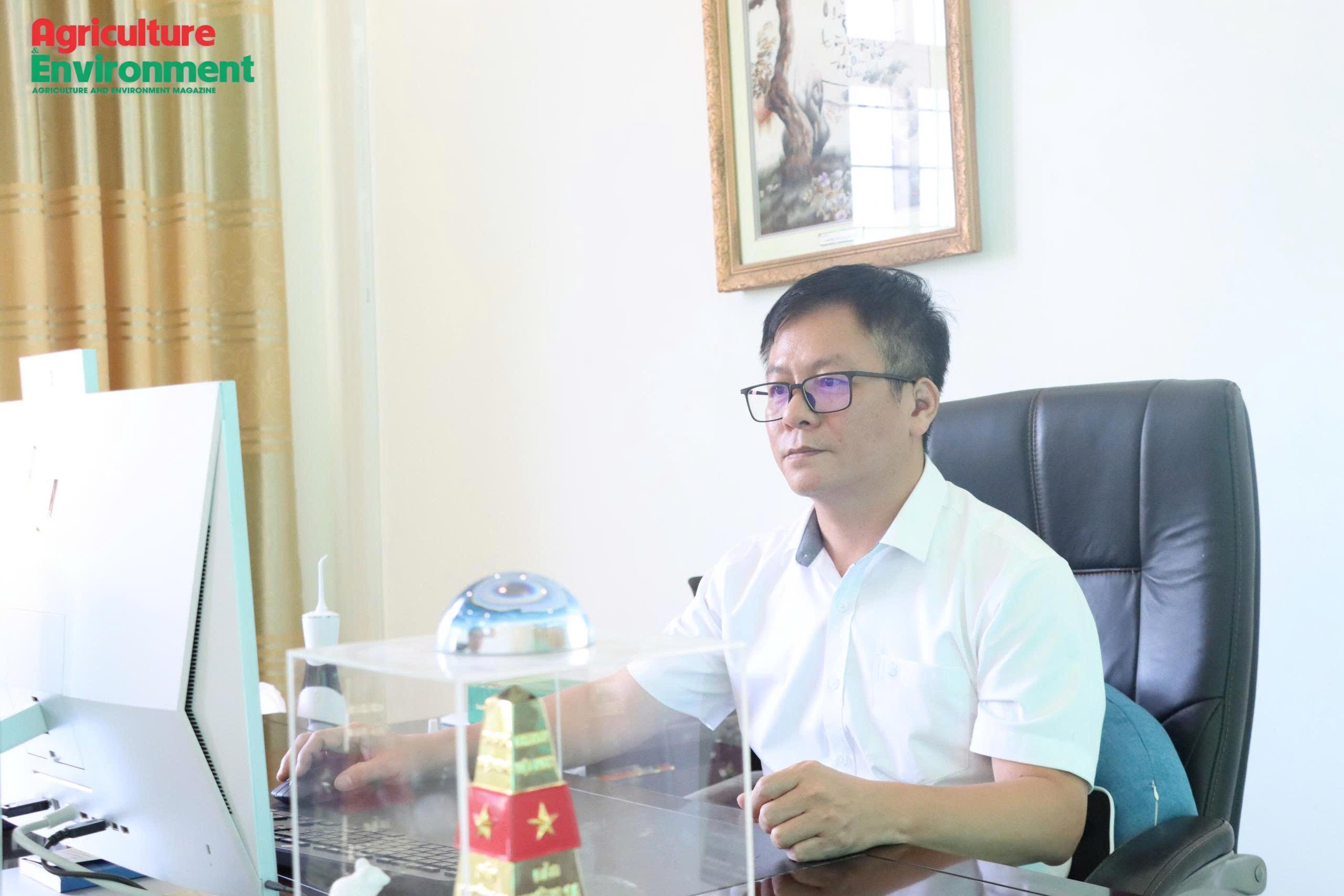
Against the backdrop of increasingly complex climate change and growing demands for green, low-emission agriculture, protecting soil health should be considered a strategic priority for Vietnam's agricultural sector. To gain a broader perspective, Agriculture and Environment Magazine interviewed Nguyen Quang Hai, PhD, Deputy Director in charge of the Soils and Fertilizers Institute under the Vietnam Academy of Agricultural Sciences (VAAS).
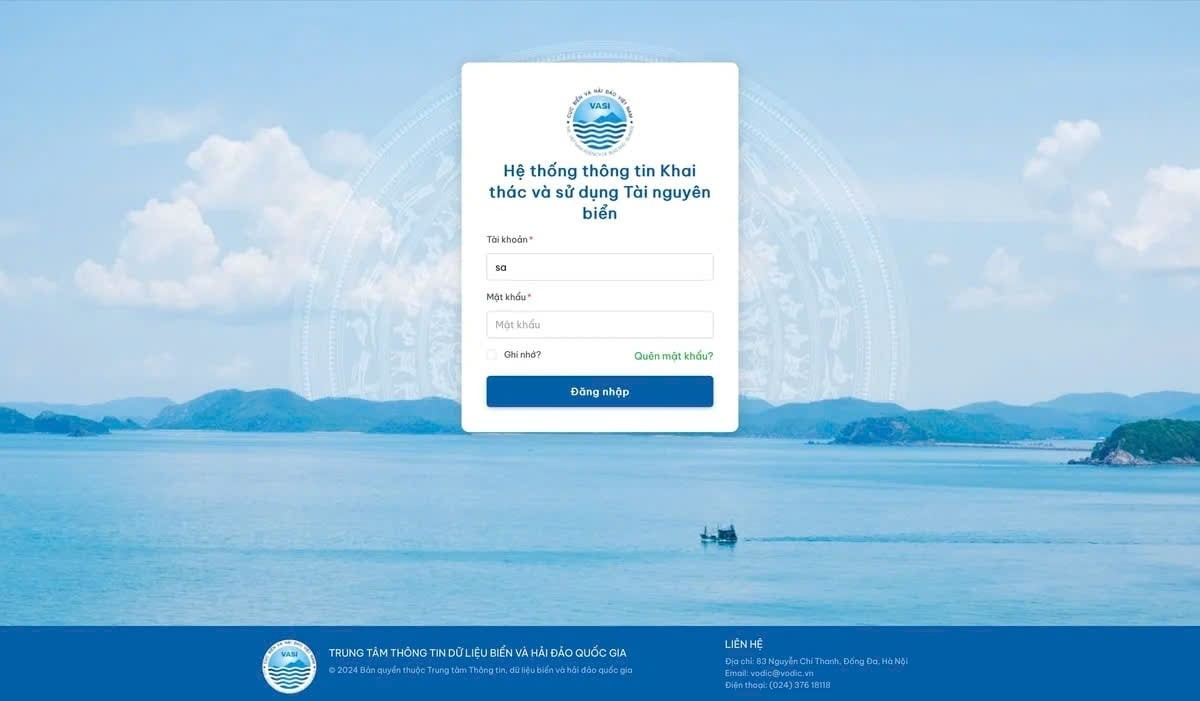
As countries around the world accelerate data-driven marine governance, Viet Nam is gradually building an integrated and modern marine data platform to support marine resource management, marine environmental protection, and the sustainable development of the marine economy.
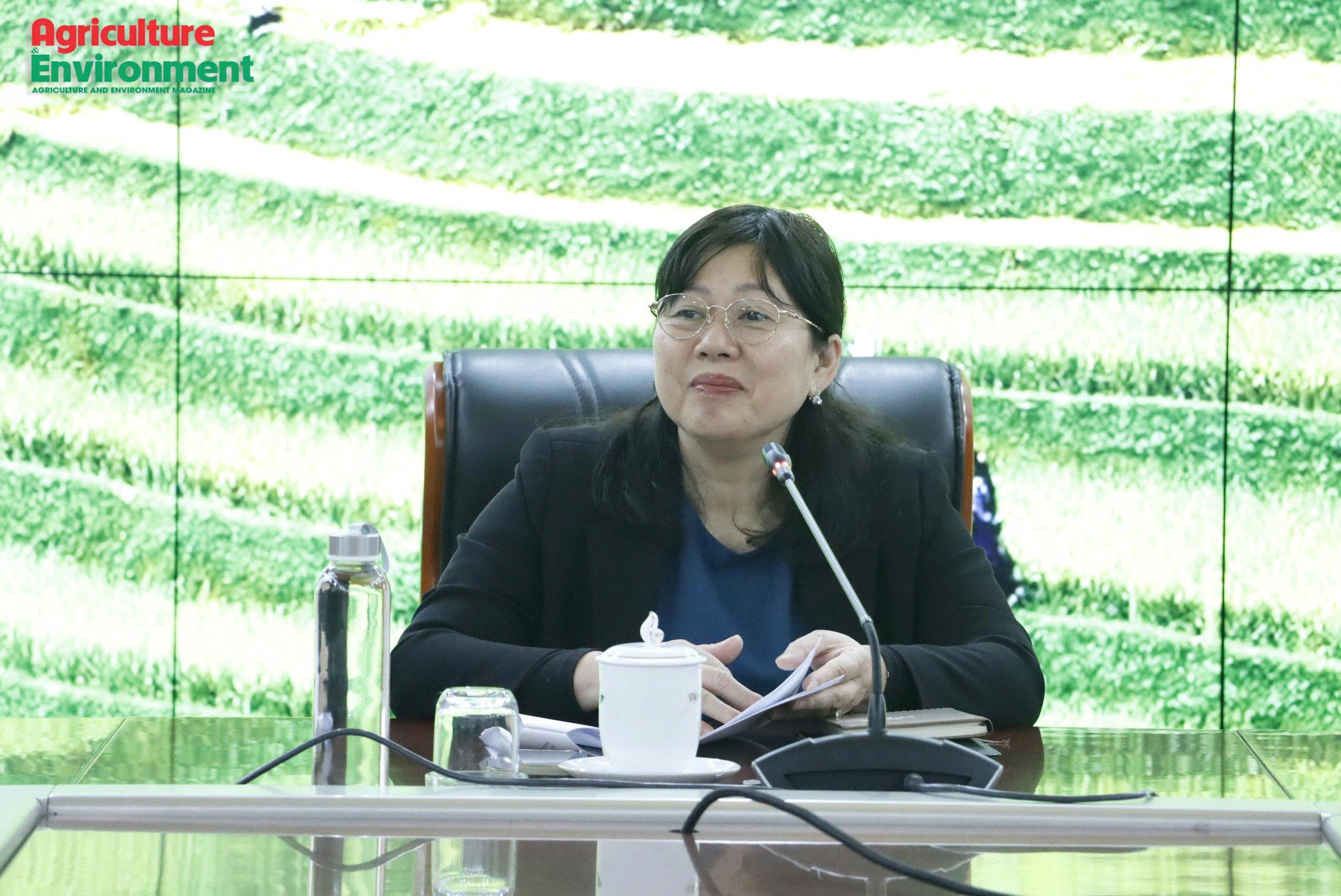
As Resolution No. 57-NQ/TW calls for more effective use of data and stronger innovation, the remote sensing sector is under growing pressure to achieve breakthroughs in technology, implementation capacity and practical application. A working session held on January 29, chaired by Deputy Minister Nguyen Thi Phuong Hoa with the Department of National Remote Sensing, clarified key directions for developing the department’s science, technology and innovation plan for 2026–2030, with a focus on addressing practical challenges in agriculture and the environment.