



 China’s official market access approval for fresh Vietnamese pomelos and lemons has been widely regarded as a major opportunity for the fruit and vegetable sector following years of technical negotiations. However, at the conference on implementing the Protocol on phytosanitary requirements for these two commodities, held on May 14 in Ho Chi Minh City, representatives from regulatory agencies, enterprises, and local authorities emphasized that the greatest challenge now lies not in market access itself, but in the capacity to organize standardized production systems starting at the farm level.
Traceability must begin with growing area codes
Nguyen Hong Yen, Head of the Crop Production and Plant Protection Sub-Department of Phu Tho Province,
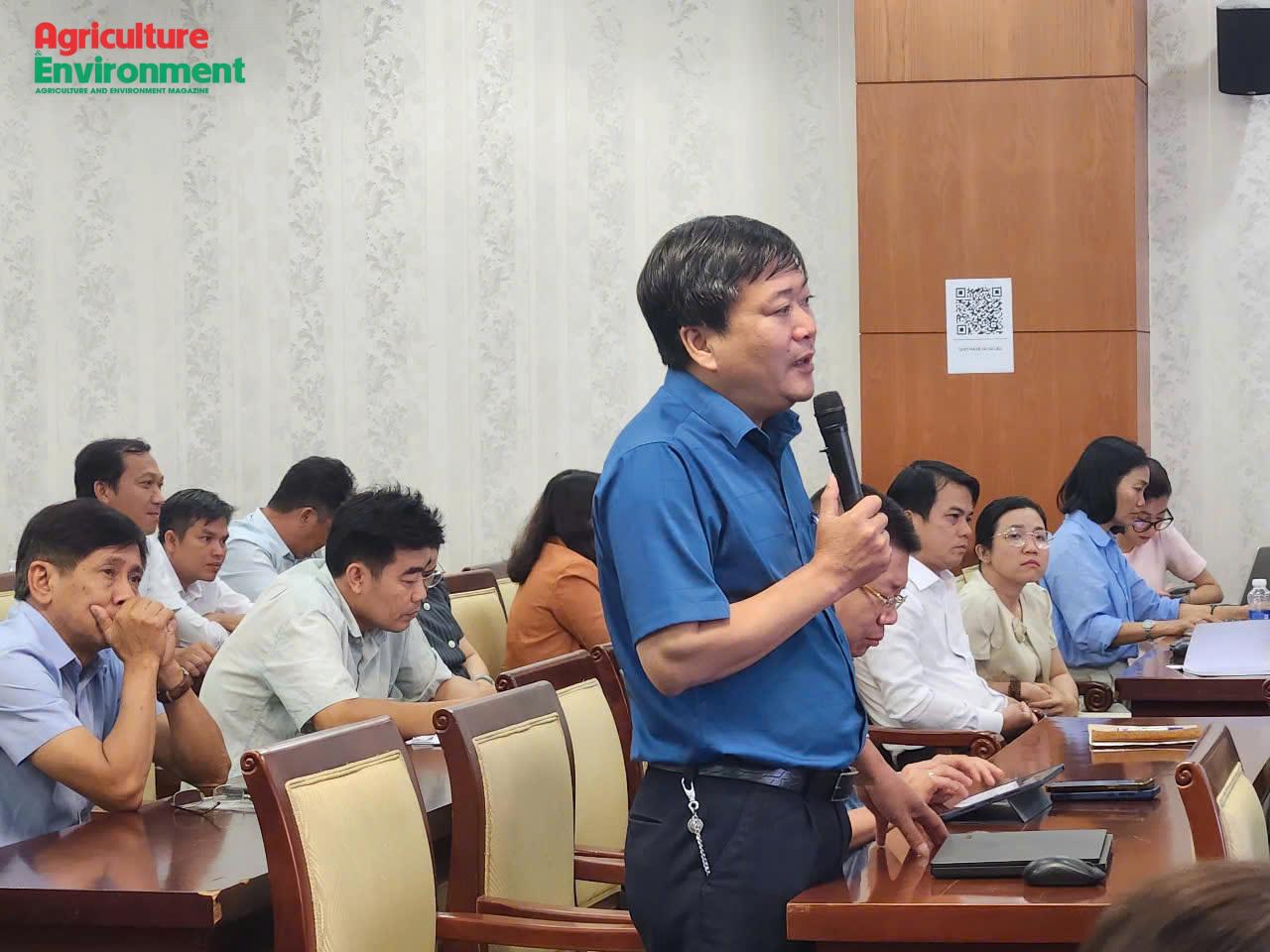
Nguyen Hong Yen stated that the province currently has 793 growing area codes covering nearly 16,000 hectares. However, compared to the province’s more than 55,000 hectares of perennial crop area, this figure remains relatively low. According to Nguyen Hong Yen, the main reason is that the issuance of growing area codes has not yet been driven by intrinsic market demand, but has largely remained incentive-based.
Drawing from local experience, he proposed that growing area codes should be treated as the “core dataset” underpinning the entire agricultural traceability system. At present, traceability efforts mainly stop at packing facilities or trading entities and do not extend fully to production areas. If all trading, processing, and export activities were required to be linked to growing area codes, producers would better recognize both the responsibility and value associated with compliance with production standards.
The representative from Phu Tho also noted that the province is encountering difficulties in administrative decentralization from the provincial Department of Agriculture and Environment to specialized sub-departments under the new regulations, resulting in prolonged processing times as many procedures continue to be handled at the provincial level. He called on the Ministry of Agriculture and Environment to issue clearer implementation guidance to enable local technical agencies to act more proactively.
In addition, Nguyen Hoang Yen recommended exploring mechanisms for the socialization of growing area assessment and verification activities. According to him, although the current local workforce remains capable of meeting demand, the rapid increase in applications could eventually overwhelm administrative capacity. Qualified third-party entities could therefore participate in assessment services, while state management agencies would retain responsibility for final verification and code issuance.
He added that Phu Tho plans to complete a comprehensive review of its growing area code system in May and will revoke codes that fail to meet regulatory requirements in order to improve data integrity and management quality.
Not only Phu Tho, but representatives from provinces such as Vinh Long and Tay Ninh also highlighted that although commercial pomelo production areas are extensive, the proportion of areas granted growing area codes remains limited, while resources for monitoring and maintaining compliance are still constrained.
Producer compliance remains the greatest challenge
Vo Quan Huy, Director of Huy Long An – My Binh Company

Vo Quan Huy emphasized that the signing of the Protocol on pomelo exports to China carries strategic significance for Vietnam’s fruit sector, particularly in the context of efforts to diversify export products and reduce excessive growth pressure on the durian industry.
According to Vo Quan Huy, with more than 100,000 hectares under cultivation and substantial production potential, pomelos have significant potential to become a major export commodity. Prior to the signing of the Protocol, the company had coordinated with technical authorities to review key phytosanitary requirements, including fruit bagging and fruit fly monitoring.
However, the business representative stressed that the most pressing challenge is not production volume, but improving producer compliance at the farm level.
“We must address standards compliance at the production-area level in order to both satisfy Protocol requirements and reduce risks for exporting enterprises,” he said.
Vo Quan Huy considered the decentralization of growing area code management under Decree No. 38/2026/ND-CP to be necessary, but noted that technical capacity at the grassroots level remains limited. He therefore recommended strengthening training programs for commune-level officials and local technical departments to better support producers in completing administrative procedures.
The enterprise representative also proposed integrating growing area code development targets into local agricultural production plans in order to encourage more systematic production practices. At the same time, he emphasized the need to establish substantive linkages among enterprises, cooperatives, and farmers to prevent opportunistic trading practices during periods of high market prices.
In addition, he called for continued improvements in logistics infrastructure, reductions in transportation costs, and more streamlined administrative procedures to facilitate enterprise investment in on-site testing systems.
According to Vo Quan Huy, if production areas are effectively organized and product quality remains stable, pomelos could replicate the export success achieved by durian and become a high-value export commodity in the near future.
Export competitiveness now depends on quality standards
Ngo Tuong Vy, Chief Executive Officer of Chanh Thu Fruit Import-Export Group Joint Stock Company

CEO Ngo Tuong Vy highlighted that the signing of the Protocol on pomelo and lemon exports to China creates major opportunities for enterprises and farmers, while also expanding prospects for Vietnam’s fruit and vegetable export target of USD 10 billion in the coming years.
According to CEO Ngo Tuong Vy, in order to capitalize on this opportunity, the sector must shift decisively from a production model focused on output volume toward one prioritizing quality and food safety in response to increasingly stringent phytosanitary requirements in importing markets.
The company representative noted that Chanh Thu will continue working with local authorities and farmers to develop standardized production areas, strengthen management of growing area codes, control quarantine pests, implement proper cultivation practices, maintain production records, and apply fruit bagging techniques in accordance with technical requirements.
Beyond production area standardization, CEO Ngo Tuong Vy emphasized that systematic investment in packaging, product presentation, and branding will also play a critical role in enhancing the value of products such as Da Xanh pomelo and Nam Roi pomelo in international markets.
The enterprise also called on relevant authorities to continue supporting localities in completing documentation for growing area codes and submitting them to Chinese authorities for approval in order to facilitate official export channels in the near future.
Standardized procedures needed across provinces
Nguyen Dinh Tung, Vice chairman of the Vietnam Fruit and Vegetables Association
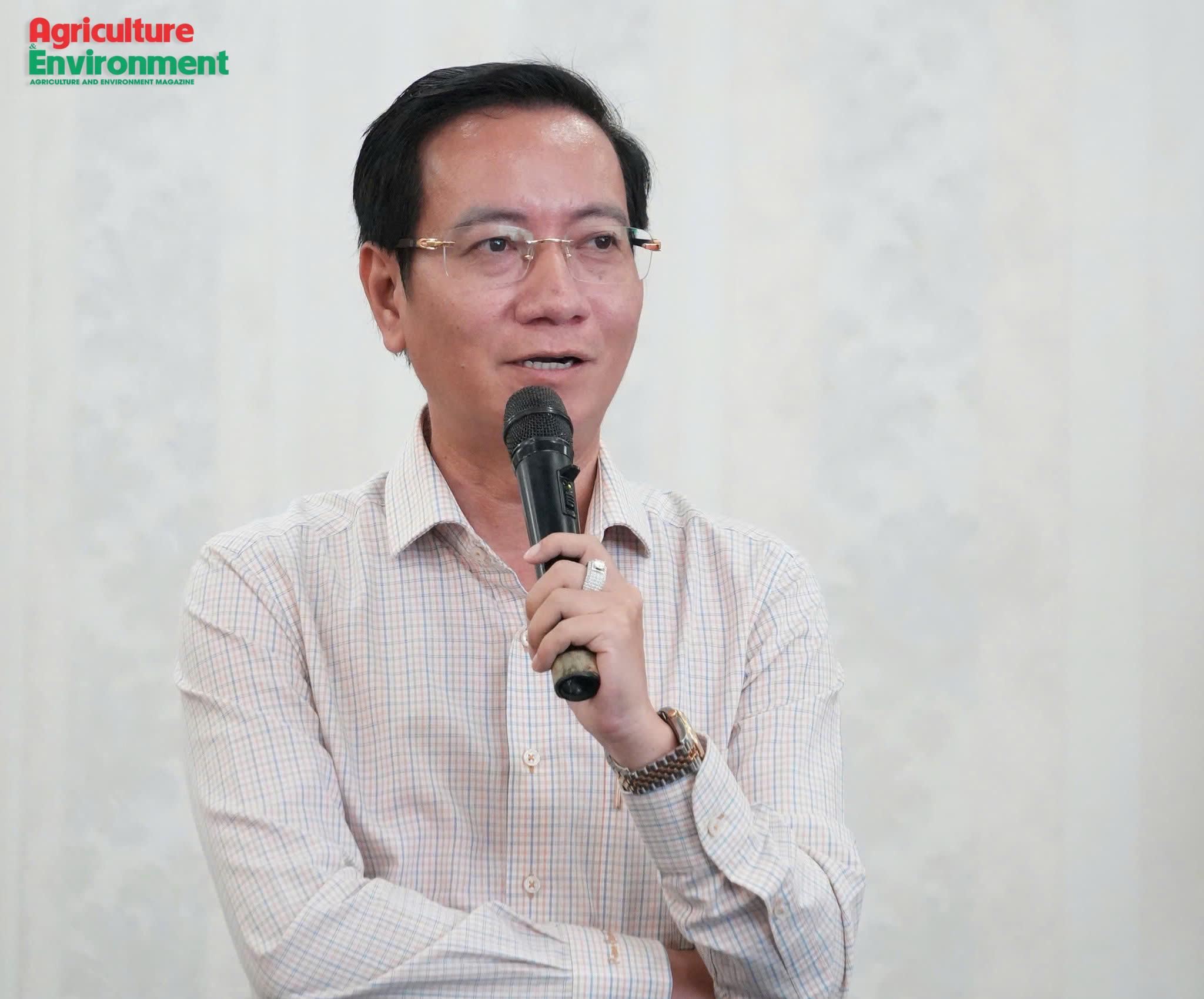
Nguyen Dinh Tung stressed that the conference had helped address a number of bottlenecks related to decentralization and delegation in the management of growing area codes and packing facility codes.
According to Nguyen Dinh Tung, if the fruit and vegetable sector is to achieve its USD 10 billion export target, procedures for issuing growing area codes must be standardized nationwide to avoid inconsistent implementation across provinces, which creates difficulties for enterprises operating across multiple localities.
The Association representative also argued that repeated inspections for reissuance of codes, even when no substantive changes have occurred, are consuming considerable resources from both enterprises and local authorities. Rather than dispersing resources in this way, priority should be given to issuing new codes to expand export-oriented production areas.
“Growing area codes should be regarded as the ‘passport’ of agricultural products,” he said, while urging local authorities to proactively support cooperatives in completing code registration procedures even before they establish partnerships with enterprises, thereby creating market opportunities for producers.
According to Nguyen Dinh Tung, strict management of growing area codes not only serves traceability purposes but also provides international partners with a basis for assessing the transparency and credibility of Viet Nam’s fruit and vegetable sector. The Association will continue coordinating with the Ministry and local authorities to ensure consistent dissemination of regulations to enterprises and association members.
Supply chain standardization is essential for maintaining export markets
Dang Phuc Nguyen, General Secretary of the Vietnam Fruit and Vegetables Association

Dang Phuc Nguyen pointed out that the signing of the Protocol on pomelo and lemon exports to China opens substantial growth opportunities for Viet Nam’s fruit and vegetable sector. However, realizing these opportunities will require rapid improvements in governance mechanisms and implementation coordination.
According to Dang Phuc Nguyen, growing area codes and packing facility codes are the “key” to ensuring stable customs clearance. Therefore, detailed guidance on decentralized inspection and supervision mechanisms for local authorities is urgently needed, along with user-friendly guidance materials to help farmers better understand technical procedures and reduce the risk of code revocation due to non-compliance.
The Association representative also called for the prompt issuance of detailed guidance regarding plant variety regulations under Decree No. 38/2026/ND-CP in order to enable enterprises to proactively plan production and export activities.
In addition, Dang Phuc Nguyen stressed the importance of establishing regular communication mechanisms among regulatory agencies, industry associations, and enterprises to promptly address problems arising at border checkpoints or production areas and to reduce operational risks for exporters.
According to him, the transition from spontaneous exports to production systems operating under Protocol-based standards will be a long-term process requiring close coordination among the State, enterprises, and producers in order to standardize supply chains and strengthen the international credibility of Vietnamese agricultural products.
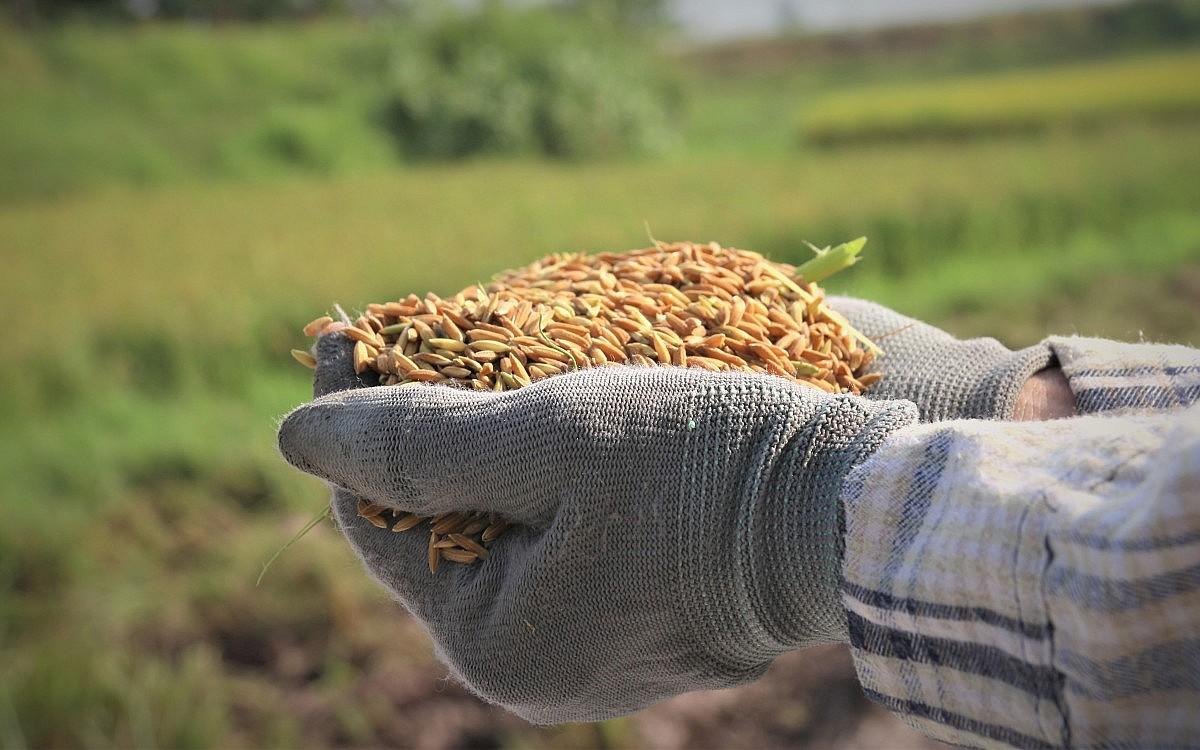
Policies achieve lasting impact only when they translate into changes in production practices. This is particularly true of efforts to reduce food loss and waste: setting reduction targets or encouraging the productive use of agricultural by-products will have limited effect unless producers can see clear economic returns and businesses have access to sufficiently stable markets.
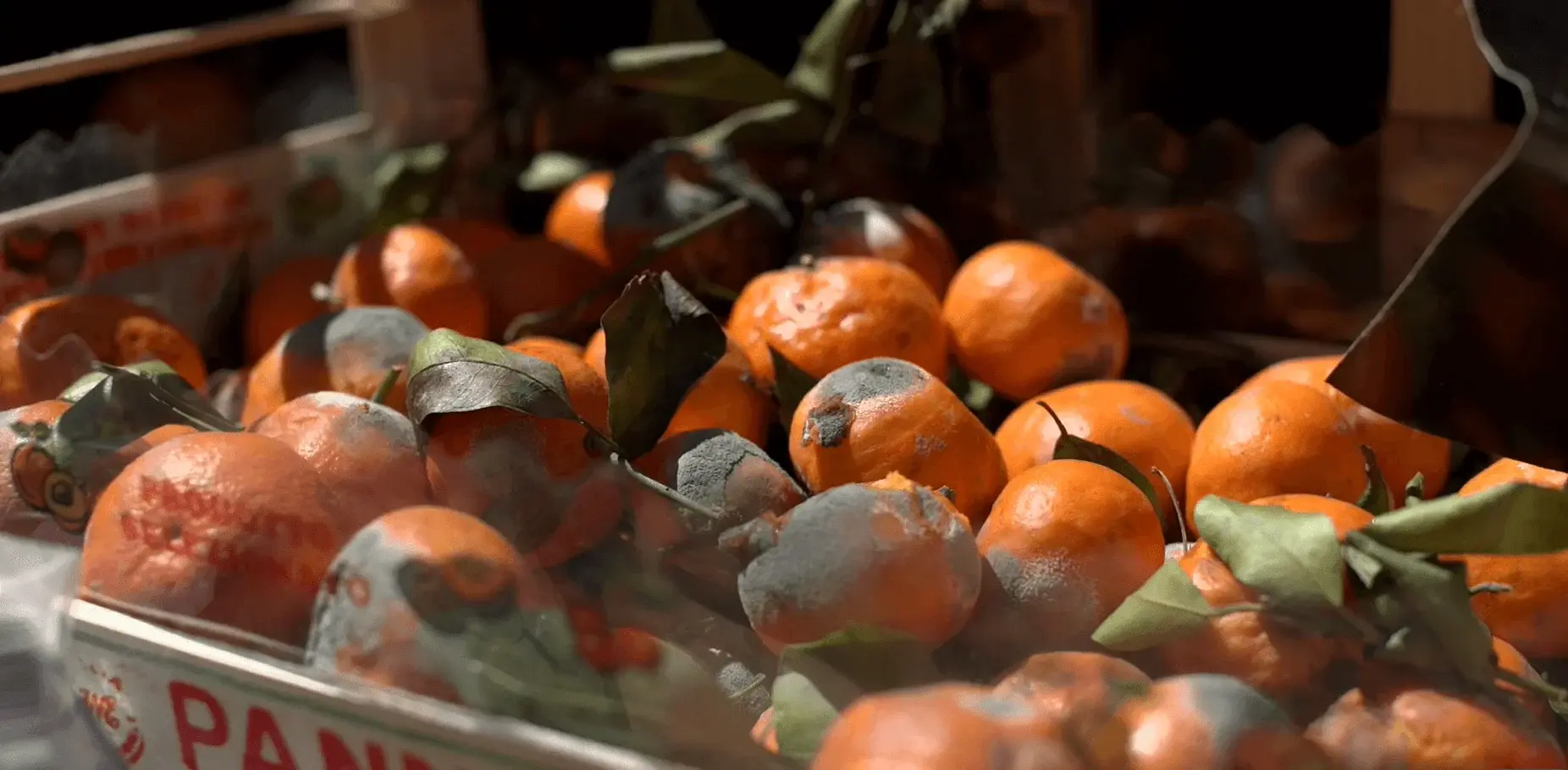
Viet Nam has gradually established a policy foundation for reducing food loss and waste (FLW), increasingly linking the issue to sustainable development, the circular economy, and food system transformation. The challenge in the next phase is therefore not to start from scratch, but to connect existing policies into a coherent, data-driven governance framework that prioritizes prevention and is supported by sufficiently strong coordination mechanisms to drive action at the national level.
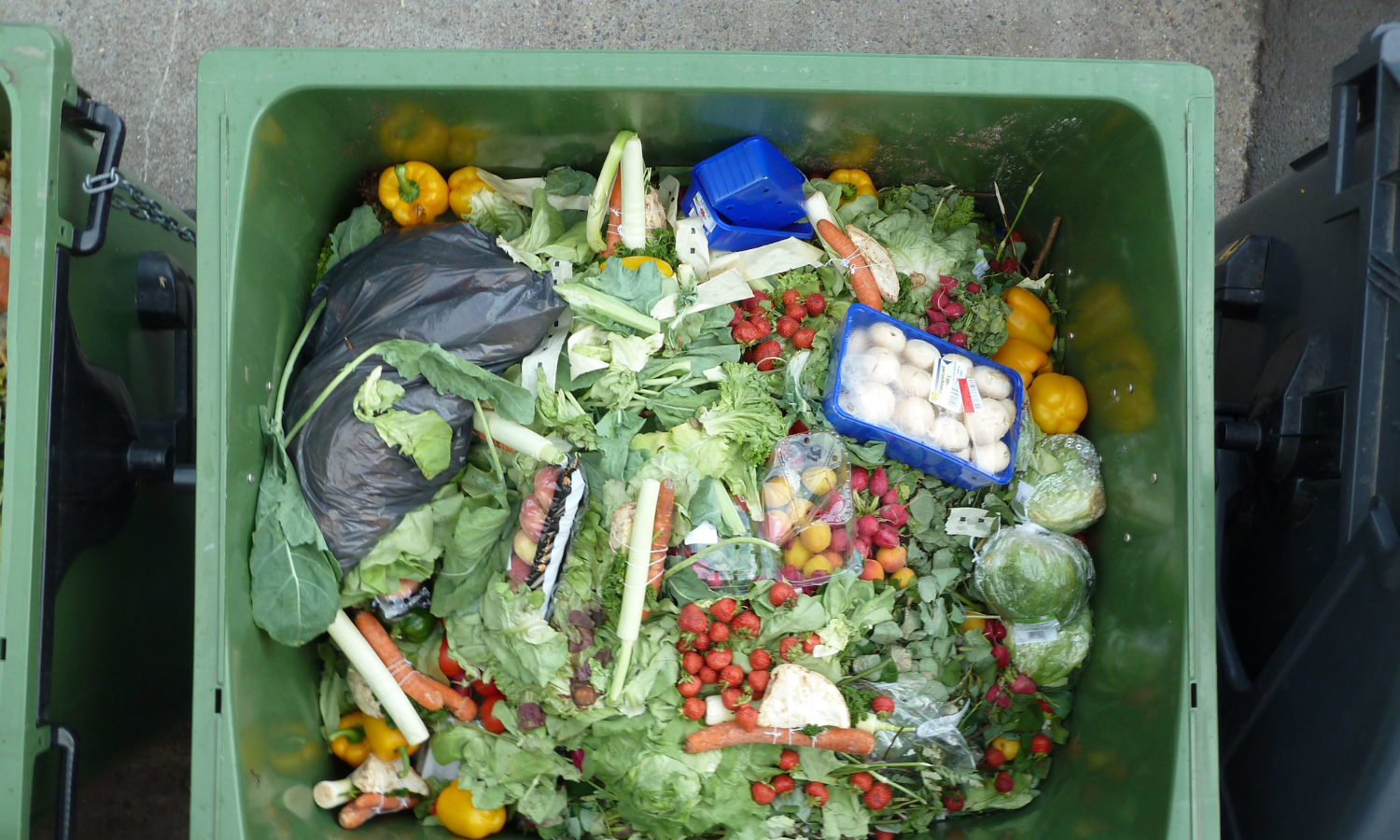
International experience suggests that food loss and waste (FLW) is not a problem that can be resolved through a single policy measure. Effective action requires institutions capable of coordinating stakeholders, data that can identify where losses occur, regulations that do not create unnecessary barriers, and mechanisms that allow businesses and communities to participate.
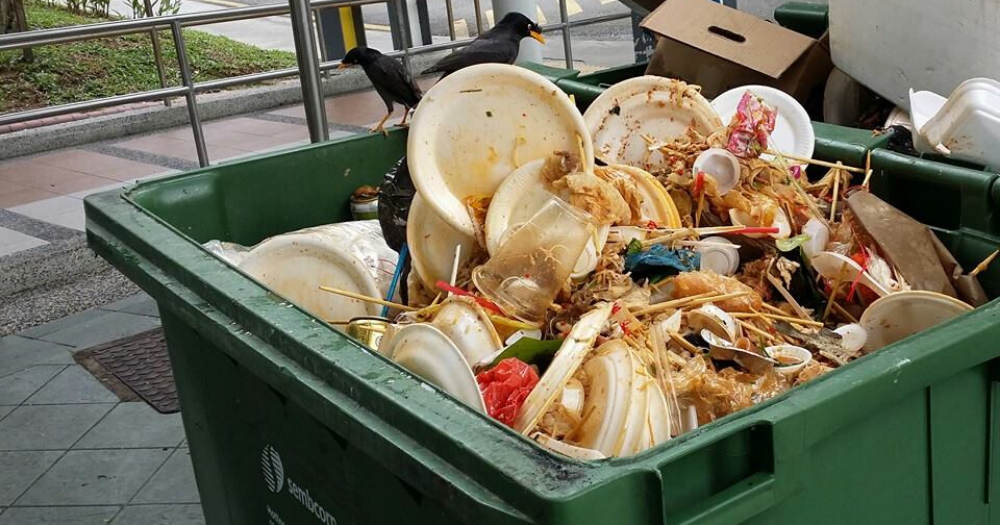
Food loss and waste are emerging as major bottlenecks in global agrifood systems, with large quantities of food lost or discarded despite the land, water, energy and labor invested in producing it. In Viet Nam, the issue not only diminishes the value of agricultural products but also generates substantial economic, environmental and social costs. Research on selected value chains shows that food losses occur throughout the chain, from production and harvesting to transportation, post-harvest handling and storage, while food waste continues to arise at the retail, food service and household levels. A clear understanding of the current situation is essential for Viet Nam to further strengthen its policies to reduce food loss, curb food waste and improve the efficiency of the agrifood system as a whole.

Resolution No. 36/2026/NQ-CP and new regulations on growing-area codes (GACs) and packing-facility codes (PFCs) are prompting changes in how these codes are managed, registered, and maintained. At a training session on implementation of the new regulations held on August 20, government officials and experts focused on procedural changes, requirements for digitizing records, and the supporting role of agricultural extension services at the local level.