



 The "Viet Nam Carbon Forum 2026: From policty to action", held in Ho Chi Minh City on August 14, highlighted the carbon market’s transition into a new phase, with the legal framework being progressively completed, the domestic carbon exchange entering pilot operation and businesses facing growing pressure to make emissions reductions part of their business strategies.
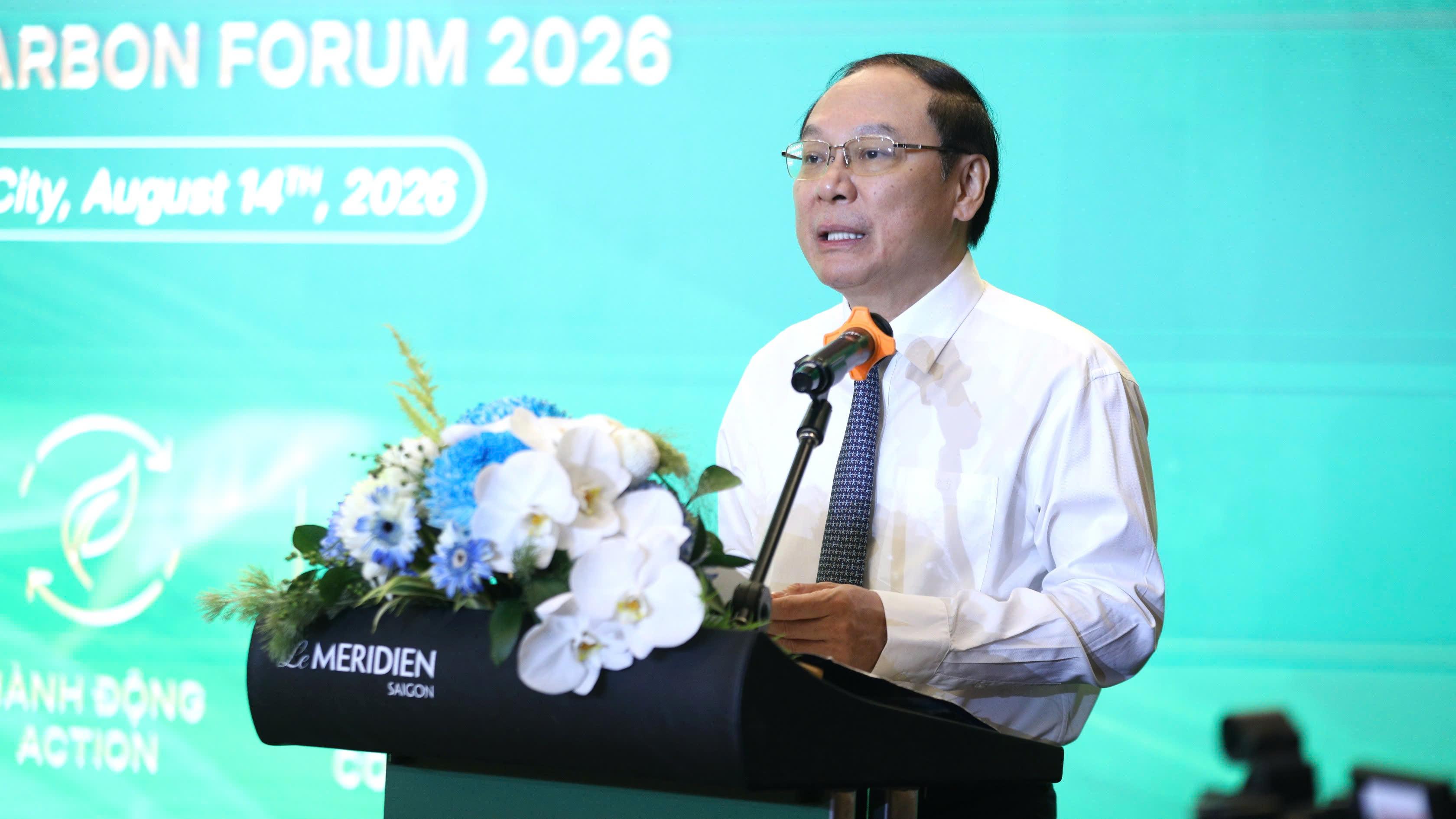
The "Viet Nam Carbon Forum 2026: From policty to action" was held in Ho Chi Minh City on August 14, organized by the Ministry of Agriculture and Environment in coordination with the Development Consulting Institute (CODE) and the International Finance Corporation (IFC), with support from the Swiss State Secretariat for Economic Affairs (SECO). The forum brought together leaders and representatives of the Ministry of Agriculture and Environment, central and local authorities, international organizations, financial institutions, industry associations, businesses, experts and consulting organizations working in carbon markets, ESG and sustainable development.
Domestic carbon exchange begins pilot operations
The global carbon market is becoming increasingly established, with carbon no longer viewed solely as an environmental issue but also as a tradable asset and an economic instrument for emissions reduction.
For Viet Nam, this process is unfolding against the backdrop of the country’s commitment to achieve net-zero emissions by 2050, creating increasingly specific requirements for industries, businesses and investment projects. Alongside the development of policies to reduce greenhouse gas (GHG) emissions, Viet Nam is gradually establishing the conditions needed to develop and operate a domestic carbon market.
The Government issued Decree No. 29/2026/ND-CP on January 19, 2026, on the domestic carbon exchange. The decree provides a legal framework for the registration, domestic coding, transfer of ownership, custody, trading and settlement of GHG emission allowances and eligible carbon credits. The Government also issued Decree No. 112/2026/ND-CP on April 1, 2026, regulating the international transfer of GHG emission reduction results and carbon credits. These measures provide a legal basis for cooperation and transactions with international partners. The Ministry’s Department of Climate Change has described Decree No. 29 as the first legal document to directly regulate the organization and operation of the domestic carbon exchange.
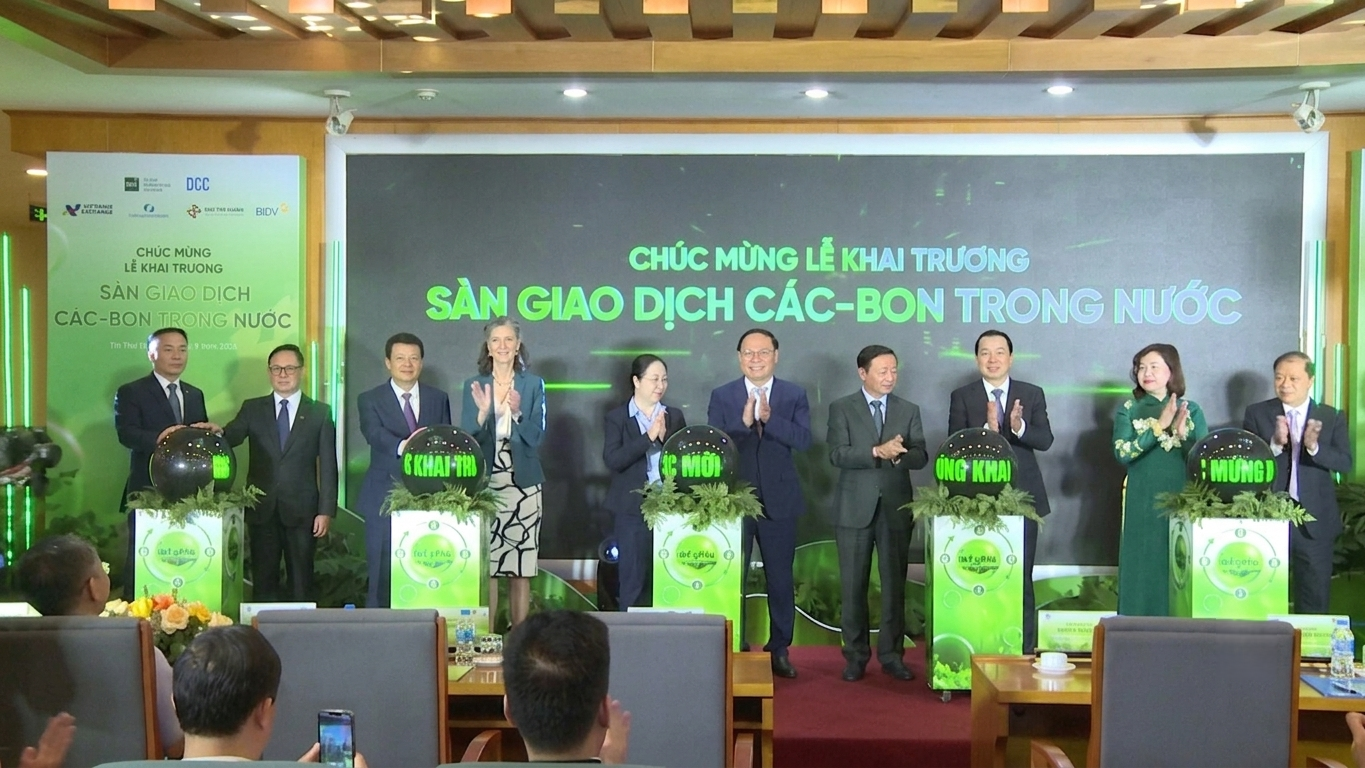
A key milestone highlighted at the forum was the launch of pilot operations of the domestic carbon exchange on June 29, 2026. According to information presented at the forum, the first commodity traded was the 2025 GHG emission allowance. More than 500 million tonnes of CO2 were included in the pilot phase, with the lowest offer price set at VND 135,000 per tonne. More than 1,200 tonnes of CO2 were traded in the opening session.
This is still the early stage of a market that is being built and tested. However, putting the exchange into operation marks a shift toward a concrete market mechanism in which carbon-related assets can be traded, rather than remaining limited to individual emissions-reduction programs, projects or commitments.
Speaking at the Viet Nam Carbon Forum 2026, Deputy Minister of Agriculture and Environment Le Cong Thanh said bringing carbon-market policies into practice must be done in a transparent, effective and responsible manner. The market, he said, would not only provide an economic instrument for emissions reduction but also help businesses identify cost-effective mitigation measures while encouraging investment in technology and low-emission production. The Ministry’s English-language materials consistently use “Deputy Minister of Agriculture and Environment Le Cong Thanh” as his official title.
Also notable was Conclusion No. 75-KL/TW, dated July 28, 2026, issued by the 14th Party Central Committee on environmental protection and proactive response to climate change in the new period. The conclusion calls for proactive participation in international cooperation mechanisms on climate finance, technology transfer, carbon market development and implementation of international climate commitments. It also calls for tighter control of GHG emissions throughout the product life cycle, completion of measurement, reporting and verification systems, and gradual development of domestic carbon credit standards aligned with international standards.
The immediate challenge for Viet Nam’s carbon market is therefore no longer simply to establish a legal framework, but to ensure that the framework can be implemented effectively and support high-quality transactions.
Emissions management becomes a business priority
One of the most significant changes associated with the development of the carbon market is the way businesses approach emissions.
Deputy Minister Le Cong Thanh said businesses must become the central actors in the transition, moving from simply fulfilling emissions-reduction obligations to proactively creating value from emissions reductions. This represents a change not only in management practices but also in business thinking.
In the past, GHG inventories, emissions measurement and other carbon-related activities may not have been viewed as essential parts of operations by many companies. As emissions allowance and carbon trading mechanisms are gradually put into operation, particularly for major emitters, the ability to measure, report and manage emissions will become increasingly important for businesses seeking to participate in the market.
The Ministry of Agriculture and Environment is currently piloting the allocation of GHG emission allowances for 2025-2026 to more than 100 businesses in three major emitting sectors: thermal power generation, cement production and steel production. The mechanism places a new requirement on businesses, as emissions are increasingly becoming a factor to be incorporated into calculations of costs and competitiveness.

This also means that emissions reductions need to be integrated more deeply into investment decisions. Upgrading technology, improving energy efficiency, switching fuels and optimizing production processes are not only measures to meet environmental requirements, but may also help reduce costs and improve productivity.
Nguyen Quang Huan, General Director of Halcom Viet Nam, said carbon credit trading should be integrated into corporate business strategies. For businesses pursuing sustainable development, carbon credits could become a new source of value, while for companies that do not generate credits, the need to reduce emissions could create an incentive to upgrade technology and improve productivity.
Nguyen Quang Huan also said ESG should be approached in line with international standards while being adapted to Viet Nam’s conditions and the characteristics of individual sectors. The issue is increasingly relevant as businesses face multiple standards, disclosure requirements and sustainability frameworks.
From a market perspective, the key requirement is that emissions reductions be measured, verified and translated into recognized value. Under such a framework, investment in cleaner technology would not simply be a cost of meeting environmental requirements but could become part of a longer-term value creation strategy.
Agriculture, forestry and energy offer carbon-credit potential
Alongside major emitting sectors, areas with potential to generate emissions reductions and sequester carbon are also gaining attention.
Forestry is a particular case because of its capacity to absorb and store carbon. Pham Hong Luong, Deputy Director General of the Department of Forestry and Forest Protection, said the establishment of the carbon exchange could create additional opportunities for forest owners and forest-dependent communities to generate tradable assets from emissions reduction results and forest carbon credits, providing additional resources for sustainable forest management.
The value of the carbon market therefore extends beyond the trading of credits themselves. If appropriate mechanisms are put in place, carbon finance could provide an additional economic incentive for forest protection, maintenance of carbon stocks and improvement of community livelihoods.
In manufacturing, the focus is also shifting toward proactive emissions accounting and reduction. TH Group said it has conducted GHG inventories since 2018 and invested in measures including biomass boilers, rooftop solar power, energy-efficient equipment and circular economy models.
According to Arghya Mandal, General Director of TH Dairy Joint Stock Company, maintaining carbon neutrality at a large-scale production facility requires a clear roadmap and sustained investment. For TH, climate action is a key pillar of its sustainable development strategy.
In the energy sector, the use of lower-emission energy sources is another component of the transition. PetroVietnam Gas Corporation (PV GAS) was presented at the forum as a company developing an LNG supply chain in Viet Nam while exploring new areas involving green hydrogen and green ammonia.
These examples indicate that the carbon market will develop alongside technological change and the transformation of energy systems. In the longer term, a sustainable supply of carbon credits will depend on emissions-reduction projects with sound measurement methodologies and adequate safeguards for environmental integrity.
Finance and international standards shape market development
A functioning carbon market cannot rely solely on regulators and businesses. Behind carbon transactions is an ecosystem involving measurement, reporting and verification, registration, custody, settlement, consulting, technology and finance.
The participation of financial institutions, securities market operators, investment funds and ESG consulting firms is therefore an important part of the broader carbon market ecosystem in Viet Nam.

Perumal Arumugam, a representative of the Secretariat of the United Nations Framework Convention on Climate Change (UNFCCC), stressed the need to balance the amount of carbon credits Viet Nam may authorize for international transfer with the amount it retains for its Nationally Determined Contribution (NDC). He also said project developers need to pay close attention to implementation timelines, as each stage of the process is subject to specific deadlines.
This has direct implications for the quality and international integration of Viet Nam’s carbon market. The value of a carbon credit depends not only on the emissions-reduction project that generates it, but also on the quality of its methodology, additionality, measurement and verification, as well as compliance with rules governing international transfers.
Deputy Minister Le Cong Thanh also stressed the need to continue developing technical infrastructure, measurement, reporting and verification systems, and data governance during the pilot phase, while strengthening consultation to address practical difficulties and obstacles faced by businesses.
The next stage of market development will therefore depend not only on the volume of carbon credits or emission allowances traded, but also on the quality of the market infrastructure and the credibility of carbon market products.
Business matching connects carbon-credit supply and demand
A notable feature of the Viet Nam Carbon Forum 2026 was that the event went beyond policy discussions to create a space for direct engagement among participants with practical market needs.
The business matching session provided carbon credit suppliers with an opportunity to engage directly with businesses seeking to purchase, exchange or offset emissions. The format reflected a shift from simply learning about the emerging market toward identifying potential partners and developing concrete areas of cooperation.

At the close of the morning session, two memorandums of understanding were signed on connecting supply and demand for emission allowances and carbon credits. The Development Consulting Institute (CODE) signed an MoU with Ngoc Vien Dong International Joint Stock Company, while Giant Barb Science & Environment Joint Stock Company and Rockpine signed a separate agreement.
The signing ceremonies were witnessed by Deputy Minister Le Cong Thanh, Nguyen Tuan Quang, Deputy Director General of the Department of Climate Change, and Pham Lien Anh, Head of the Economic Reform and Research Advisory Program for Viet Nam, Laos and Cambodia at IFC.
The agreements do not by themselves create a fully developed carbon market. Their significance lies in moving policy dialogue closer to practical cooperation by establishing partnerships, matching potential supply with demand and creating conditions for market opportunities to develop into projects and transactions.
Deputy Minister Le Cong Thanh said he expected the forum to lead to more concrete connections, more projects attracting investment and more businesses proactively building their capacity to reduce emissions and participate in the carbon market.
This will also be an important measure of the market’s development in the coming period. With the legal framework taking shape and the domestic exchange entering pilot operation, the central question is no longer simply whether Viet Nam has a carbon market, but how it will function, what value it can generate and how extensively businesses will participate.
The Viet Nam Carbon Forum 2026 brought together regulators, international organizations, financial institutions, experts and businesses, illustrating how the different components of a carbon market are gradually taking shape. For the market to operate transparently and effectively and to connect more closely with regional markets, Viet Nam will need to continue improving its institutions, standardizing data and carbon credit standards, strengthening measurement, reporting and verification capacity, and enabling businesses to become active participants in the transition.
Only when emissions reductions can be measured credibly and translated into economic value can carbon become a meaningful resource for green growth rather than simply another environmental indicator in development plans.
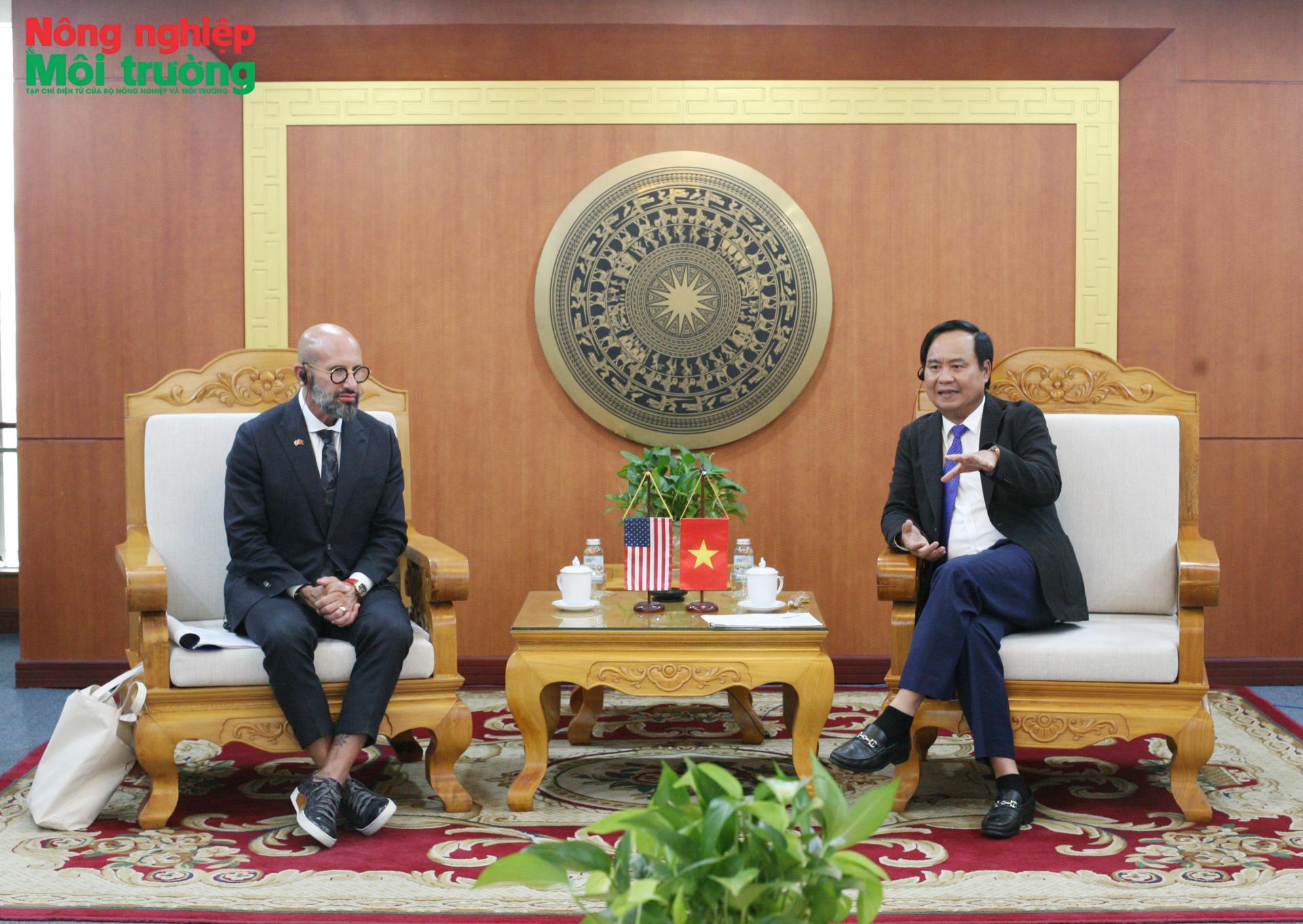
The U.S. Food and Drug Administration's (FDA) decision to establish its first ASEAN regional office in Vietnam is expected not only to strengthen cooperation between the two countries' regulatory authorities but also to support the harmonization of food safety standards, improve supply chain oversight and facilitate agricultural trade as international market requirements become increasingly stringent.
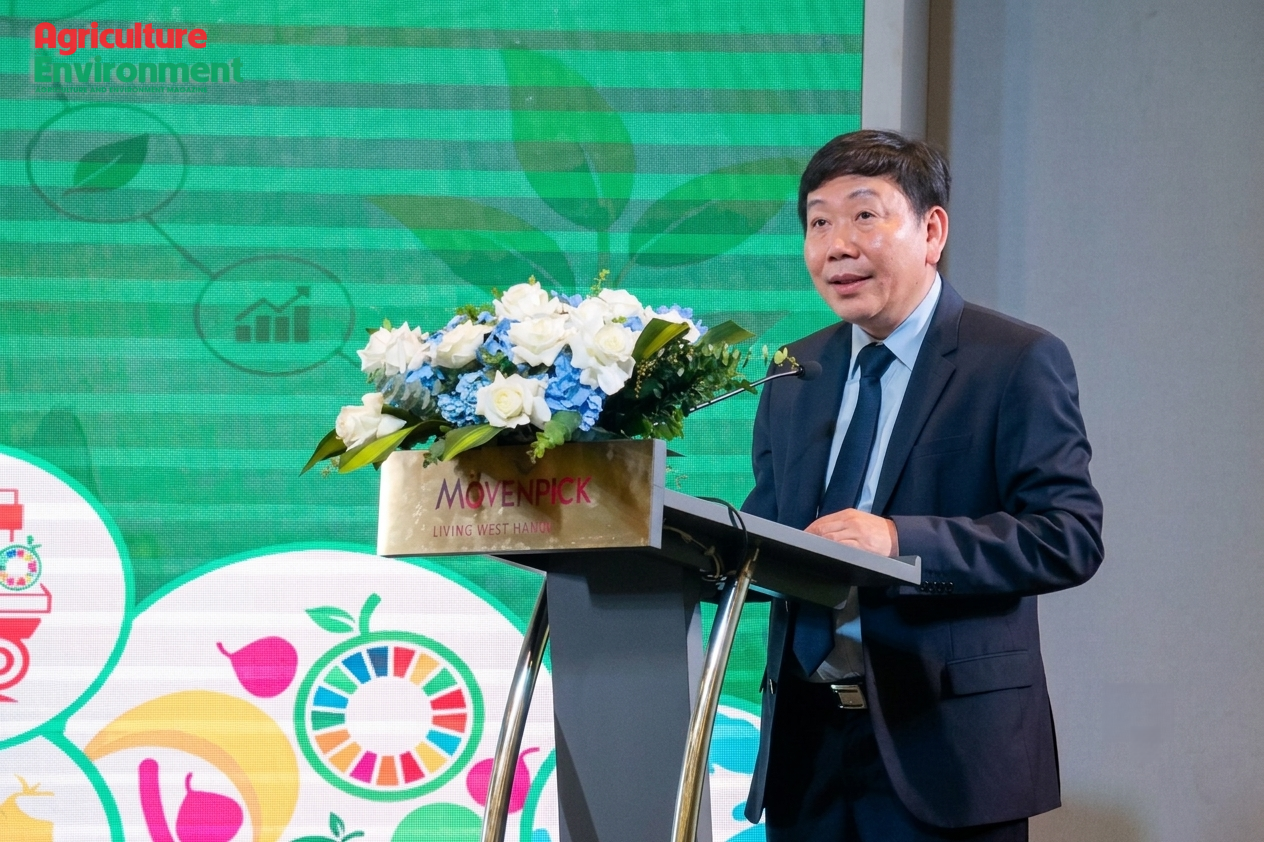
Ensuring food security, adapting to climate change and delivering on sustainable development commitments have become increasingly interconnected policy priorities for Viet Nam. Against this backdrop, food systems transformation is emerging as a key pillar of the country's long-term development agenda.
The launch of Viet Nam’s national agricultural product traceability system marks a new step in the digital transformation of the agriculture sector, supporting data-driven public administration, improving product quality management, and strengthening the competitiveness of Vietnamese agricultural products in global markets.
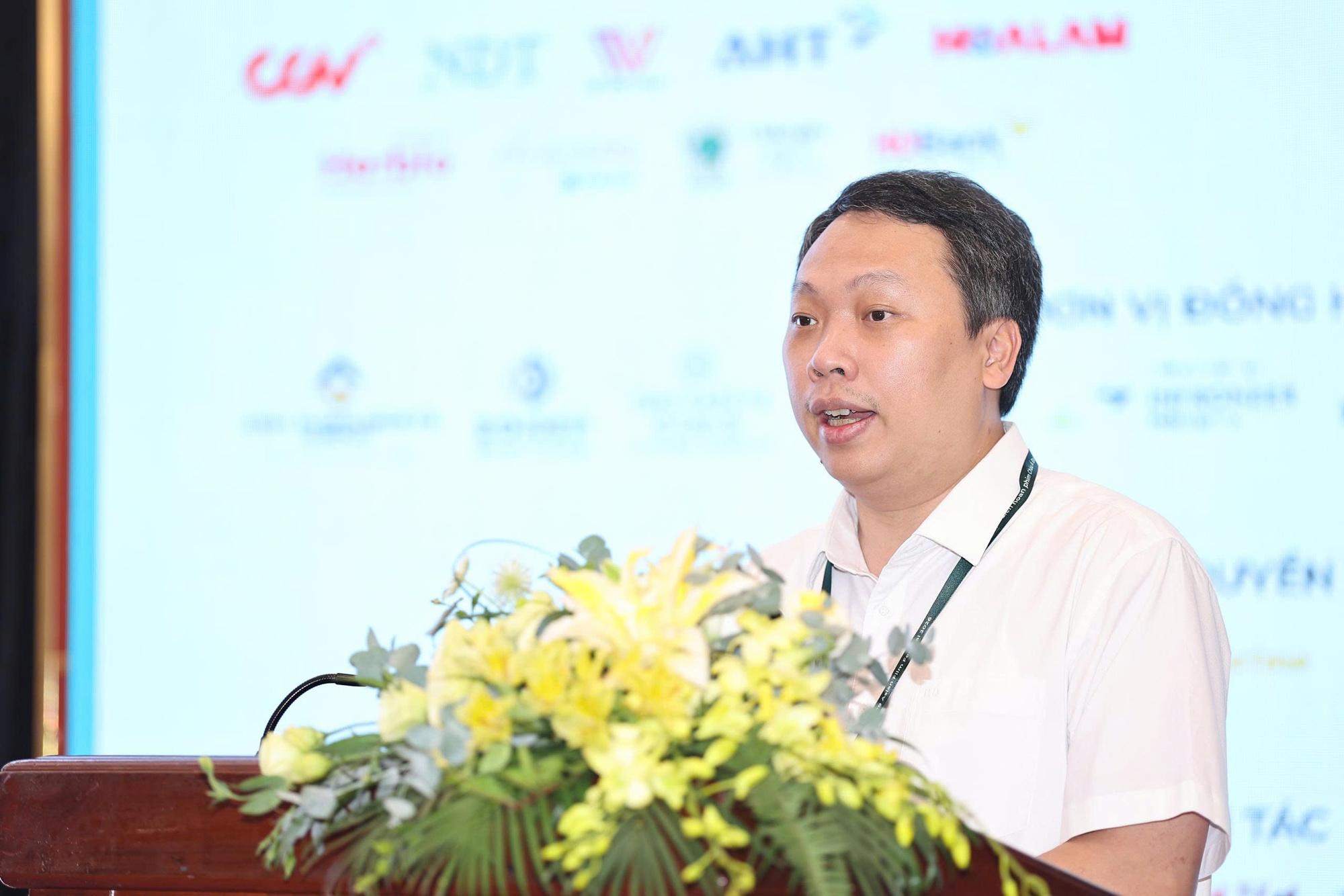
A conference titled “Artificial intelligence, digital technology and intellectual property protection in cinema” was held on June 30 in Da Nang as part of the 4th Da Nang Asian Film Festival (DANAFF IV).
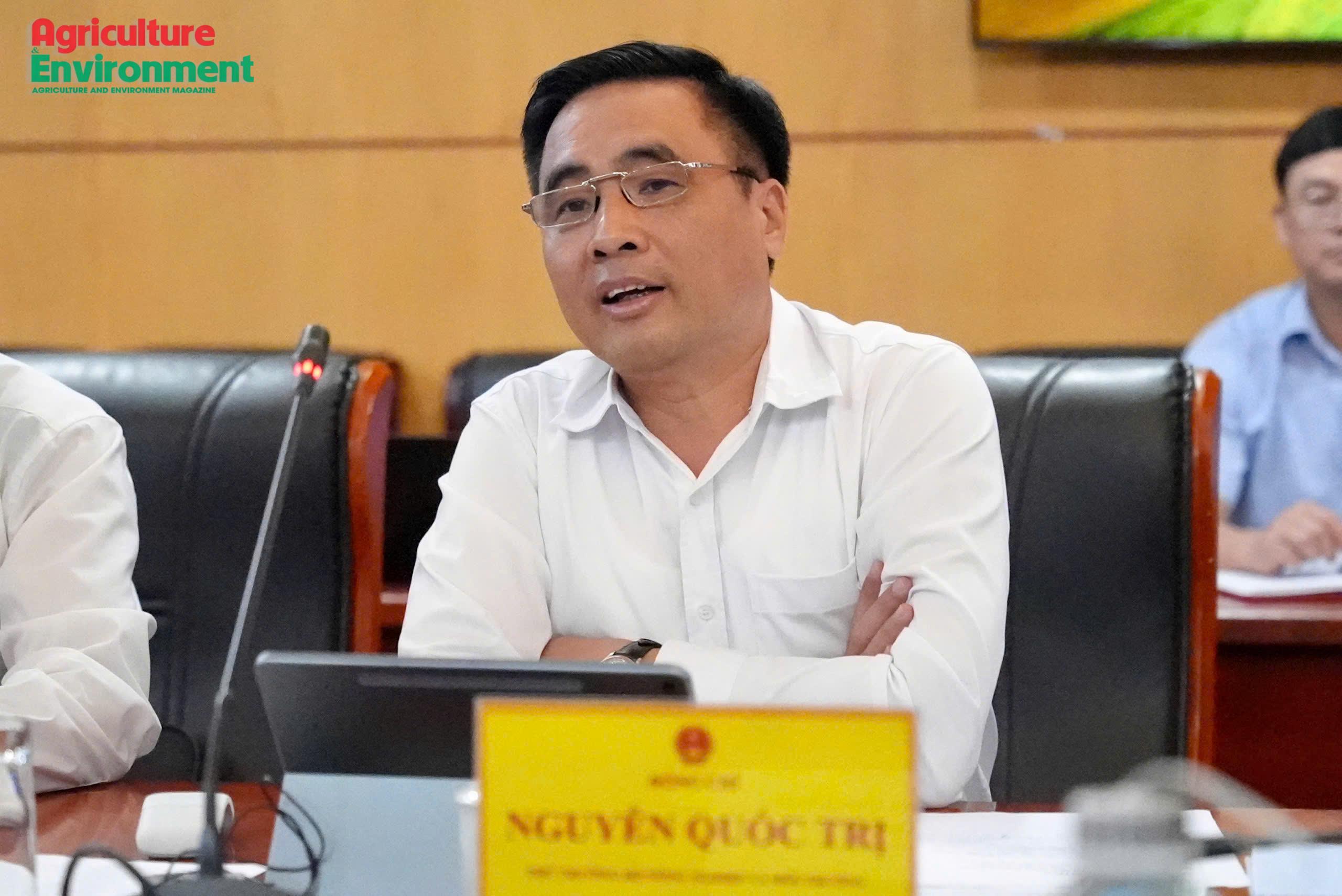
At a working session with the ASEAN Furniture Industries Council (AFIC) on June 26, Deputy Minister of Agriculture and Environment Nguyen Quoc Tri affirmed that Viet Nam is ready to support cooperative initiatives aimed at developing the ASEAN wood industry in a responsible and value-added direction.