



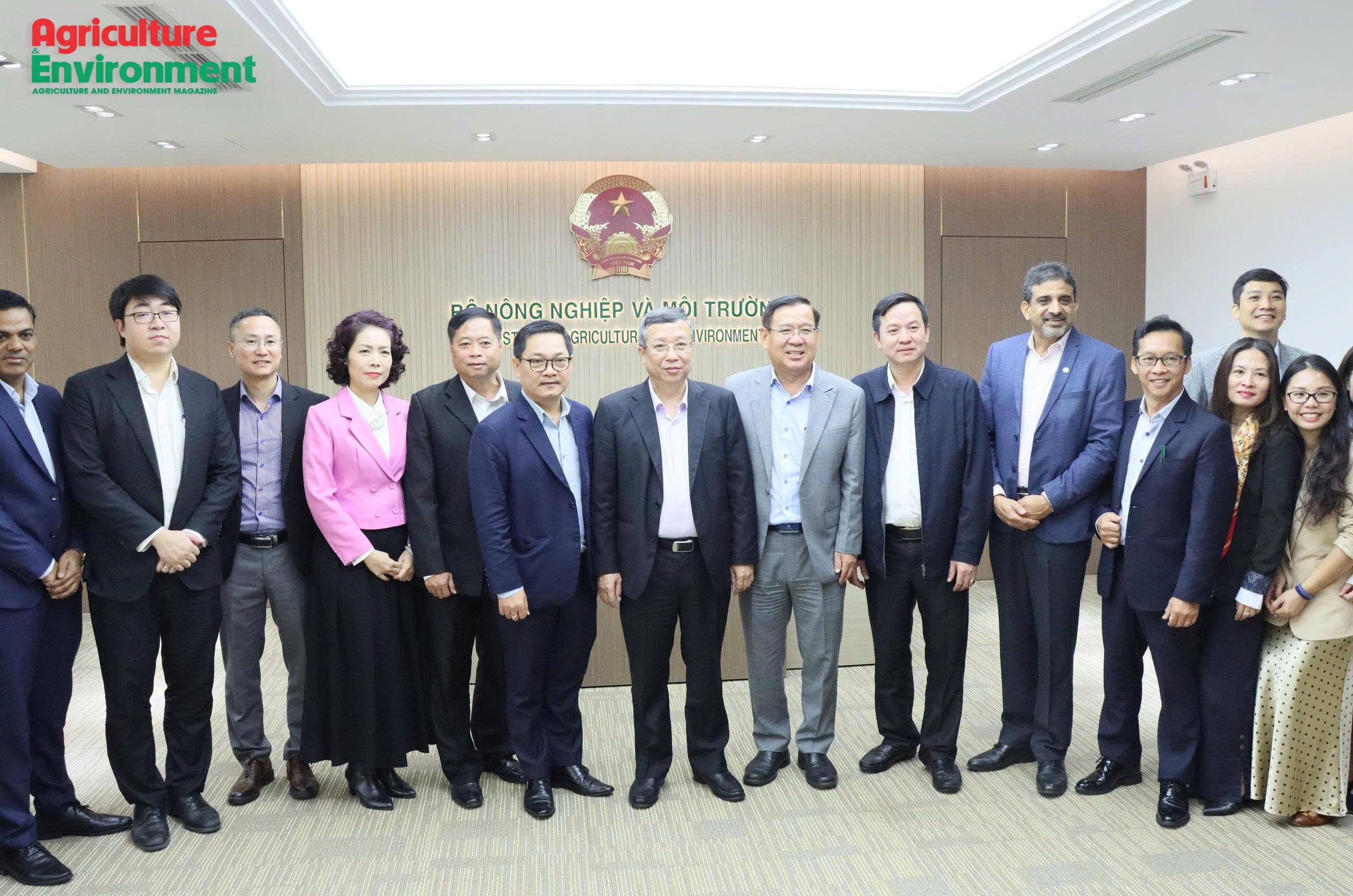
 Deputy Minister of Agriculture and Environment Hoang Trung on January 15 met with a delegation from CropLife Viet Nam to discuss cooperation on pesticide management and the application of science and technology to support sustainable agriculture.
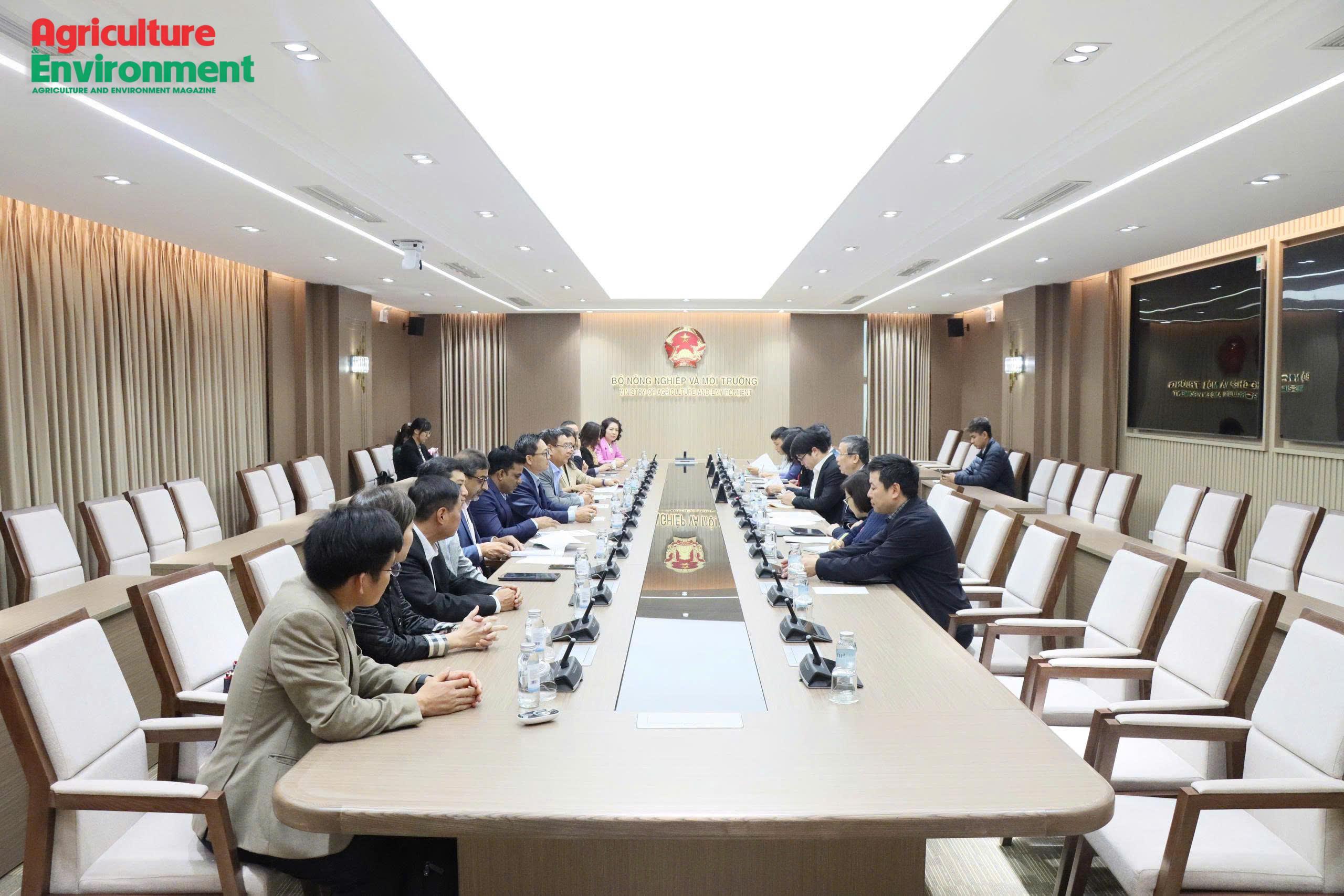
CropLife Viet Nam reaffirmed its commitment to bringing scientific and technological advances closer to farmers and to working with the Ministry of Agriculture and Environment to promote innovation in plant science in support of sustainable agricultural development.
Cooperation focuses on sustainable pesticide management
At the meeting, Chairman of CropLife Viet Nam Dang Van Bao said 2025 marked the second year of cooperation with the Plant Production and Protection Department under the “Sustainable Pesticide Management Framework.” He said the program had delivered tangible results, including specialized training courses on risk assessment for central and local officials and the completion of technical guidance manuals to support long-term implementation.
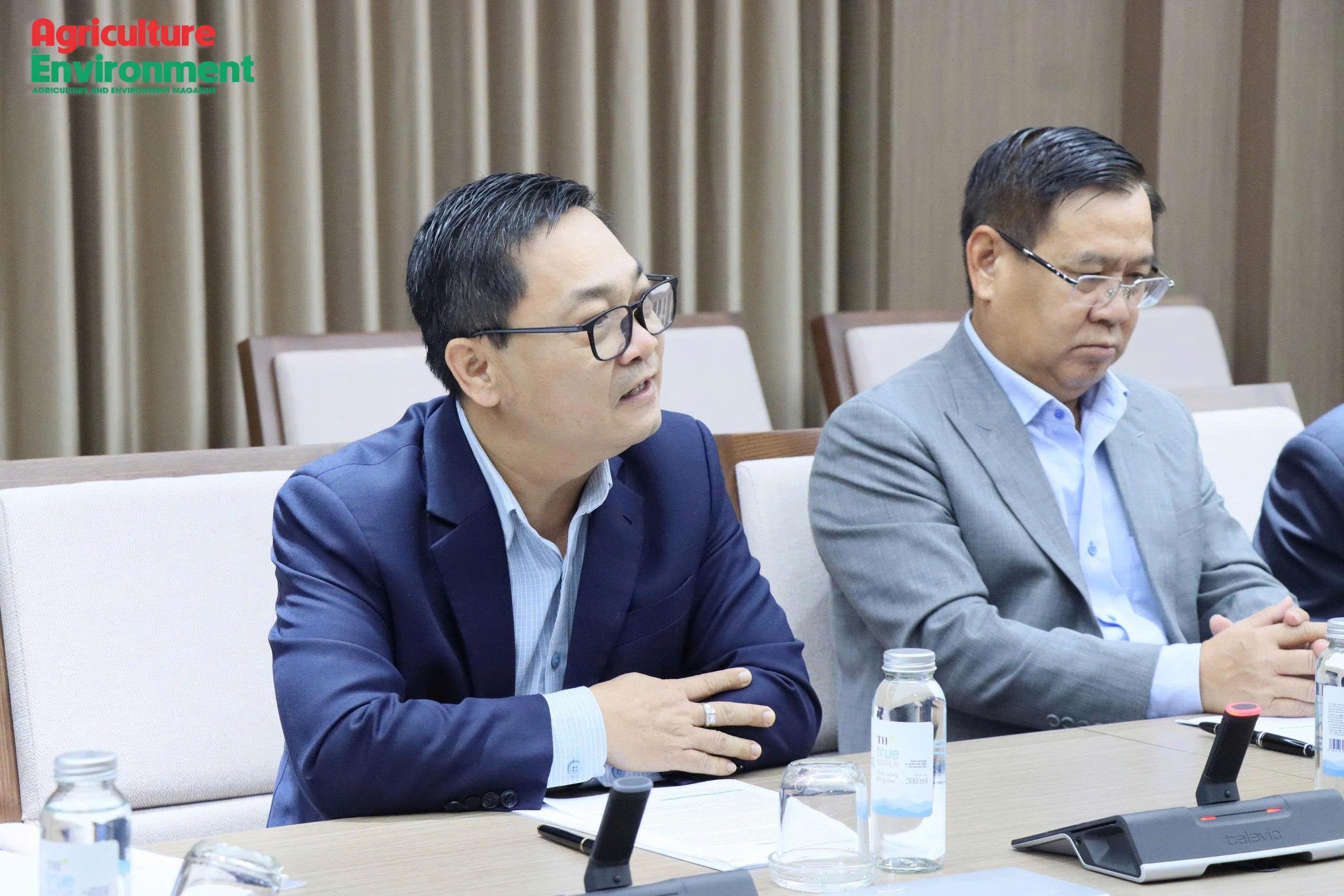
In farmer training, CropLife Viet Nam has promoted digital transformation through the development of an e-learning platform on the safe and effective use of plant protection products (pesticides). The association has also continued a public–private partnership (PPP) model in Dong Thap province involving about 1,000 farmers and more than 100 agricultural input dealers. The initiative has contributed to improved awareness and practices in pesticide use, helping reduce emissions associated with agricultural inputs.
Beyond pesticide management, CropLife Viet Nam said it has worked with international organizations and regional partners in 2025 to exchange experience in regulating next-generation plant varieties, particularly genetically modified and gene-edited crops. Vietnamese regulators and experts have been supported to attend technical workshops and policy dialogues in the United States and several ASEAN countries.
Based on the results achieved, Co-chair of CropLife Viet Nam Tran Thanh Vu suggested that the Ministry of Agriculture and Environment consider revising and supplementing regulations on pesticide management and registration for the 2026–2030 period. These include the Law on Plant Protection and Quarantine, Circular 21 and related implementing documents. He also called for continued coordination in policy review and consultation, technical capacity building and the sharing of international regulatory experience to help establish a coherent, transparent and internationally aligned legal framework.
On plant varieties and biotechnology, Mr. Tran Thanh Vu proposed the development of a long-term cooperation framework to promote the application of advanced breeding technologies, particularly new biotechnology tools. He suggested signing a new memorandum of understanding with the Plant Production and Protection Department for 2026–2030 to support technical cooperation, regulatory exchange and access to scientific advances in plant breeding for sustainable agricultural development.
Innovation in crop varieties and production highlighted
Director of the Plant Production and Protection Department Huynh Tan Dat said cooperation on pesticide management should be strengthened under new approaches, with a focus on expanding international cooperation, learning from advanced regulatory practices and gradually improving the institutional framework. He said this would also enable CropLife Vietnam to continue supporting the department in data collection and policy input for state management.

Director Huynh Tan Dat said innovation in plant varieties was another key area of cooperation. On communications, he said efforts should shift from short-term, phase-based activities to more in-depth thematic cooperation to more effectively disseminate good practices in agricultural production management.
In his concluding remarks, Deputy Minister Hoang Trung called for more substantive and focused cooperation between the ministry and CropLife Viet Nam to support the implementation of key crop production priorities in the coming period, particularly sustainable production, emissions reduction and the application of science and technology.
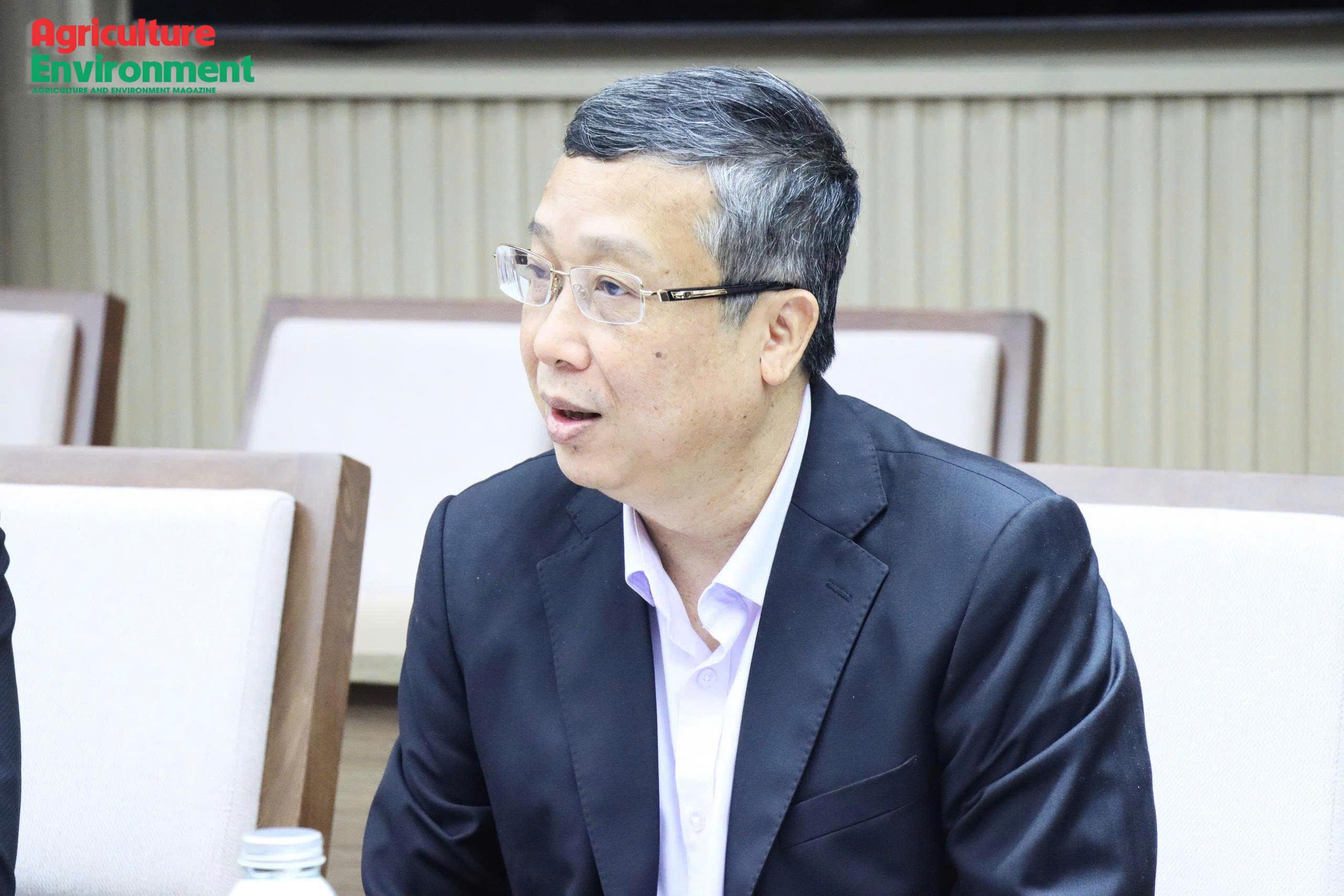
He urged CropLife Viet Nam and its member companies to actively participate in implementing the action plan under the approved project on “Low-emission production in crop cultivation for 2025–2035, with a vision to 2050.” Priorities include developing, refining and scaling up safe, sustainable and low-emission farming models linked to innovation, the circular economy and efficient use of resources and agricultural by-products.
On pesticide management, Deputy Minister Hoang Trung said both sides should strengthen coordination in reviewing and improving the legal framework, including provisions of the Law on Cultivation, the Law on Plant Protection and Quarantine and related implementing regulations, to ensure they are aligned with Viet Nam’s practical conditions and international practices. He said regulatory reform should go hand in hand with communication efforts, awareness raising and compliance capacity building for both regulators and producers.
The Deputy Minister also emphasized the need for concrete and feasible action plans with clear objectives and measurable indicators, focusing on sustainable, low-emission cultivation models tailored to specific commodities. Training, hands-on instruction and technology transfer should be strengthened to help farmers, cooperatives and businesses adapt to new production models and improve competitiveness and participation in value chains.
The ministry, he said, encourages greater application of low-emission and green technologies, artificial intelligence and digital transformation across agricultural production, processing and marketing, while supporting small and medium-sized enterprises and cooperatives in improving governance, branding and sustainable market development.
At the end of the meeting, Deputy Minister Hoang Trung asked CropLife Viet Nam to focus on implementing approved short- and medium-term activities under the FIHV implementation plan, prioritizing initiatives related to green and low-emission technologies, artificial intelligence and digitalization in the production, processing and distribution of agricultural and food products.
On September 15, in Hanoi, Acting Minister of Agriculture and Environment Tran Duc Thang met with Mr. Julien Guerrier, the European Union Ambassador to Vietnam. The meeting took place in an open and candid atmosphere, where both sides discussed new directions for cooperation in agriculture, trade, and environmental protection, aiming for sustainable development and balanced bilateral benefits.
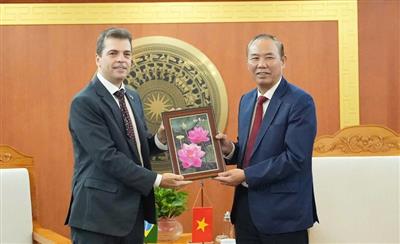
This was the focus highlighted by Deputy Minister of Agriculture and Environment Phung Duc Tien during a meeting on September 11 in Hanoi with Mr. Wilson Gambogi Pinheiro Taques, Representative of the Ministry of Agriculture and Livestock of Brazil on Embrapa’s Board (Brazilian Agricultural Research Corporation). The discussion aimed to enhance bilateral cooperation across agriculture, agricultural trade, and on-site processing, while exploring the development of a joint Vietnam-Brazil brand to increase product value and stabilize supply chains.
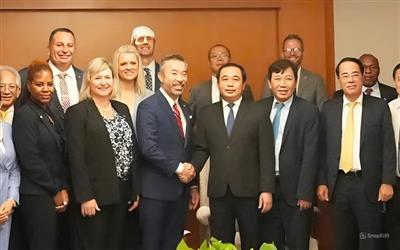
On September 9, at the headquarters of the Ministry of Agriculture and Environment, Acting Minister Tran Duc Thang received a delegation from the Oregon State House of Representatives, led by Mr. Daniel Nguyen, visiting Vietnam for official talks. The meeting provided an opportunity to deepen collaboration between Vietnam’s agricultural and environmental sectors and the state of Oregon, contributing to a stronger comprehensive partnership between Vietnam and the United States in the new phase.
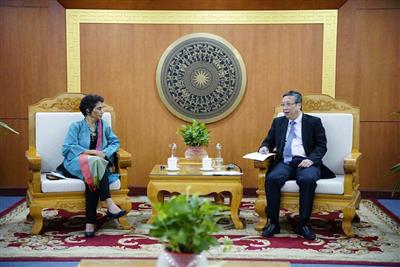
On September 4, Deputy Minister of Agriculture and Environment Hoang Trung met with Ms. Kanni Wignaraja, United Nations Assistant Secretary-General, UNDP Deputy Administrator, and Director for the Asia-Pacific Region. The meeting underscored the crucial role of UNDP in supporting Vietnam’s sustainable development goals, environmental protection, and green transition efforts. The discussions came as Vietnam is preparing to finalize its Nationally Determined Contribution (NDC 3.0) and implement programs on waste management and green energy development.
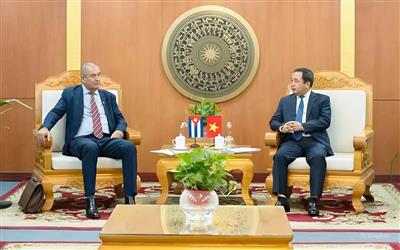
On September 3, at the Ministry of Agriculture and Environment, Acting Minister Tran Duc Thang held talks with the Cuban Minister of Agriculture, Ydael Jesús Pérez Brito. Both sides affirmed that agriculture remains a central pillar of bilateral cooperation. Building on the positive outcomes of pilot rice production models and the potential to expand into other areas, the two countries expressed their determination to deepen collaboration toward food security and sustainable development.