



 Through the launch ceremony of the Viet Nam Agricultural Product Traceability System on December 26, the Ministry of Agriculture and Environment aims to operationalize major policy orientations on digital transformation and agricultural value chain management. The initiative is designed to effectively implement the pilot traceability program for durian, raise awareness and accountability among stakeholders across production and supply chains, and promote the application of science and technology to enhance transparency, ensure food safety, and gradually expand traceability to a wider range of agricultural products.
Traceability: A mandatory requirement in global supply chains
According to the Vietnam Fruit and Vegetable Association (Vinafruit), the country’s fruit and vegetable export turnover in 2025 is estimated at approximately USD 8.59 billion, an increase of nearly 20% compared to 2024. Despite the impact of tariff policies, exports to the U.S. market recorded strong growth, reaching around USD 500 million, up 56%. Several other markets—including South Korea, Japan, Taiwan, and the Netherlands—maintained export values exceeding USD 100 million. Growth has been driven primarily by key fruit commodities such as durian, bananas, mangoes, jackfruit, coconuts, and pomelos, with durian continuing to play a leading role.
Alongside these opportunities, however, the fruit and vegetable sector is facing a growing number of technical barriers, particularly increasingly stringent requirements related to planting area codes, traceability, residue control, and food safety. This reality calls for timely and flexible responses from the Government and the Ministry of Agriculture and Environment, as well as proactive adaptation by enterprises, cooperatives, and farmers to sustain growth momentum in a sustainable manner.
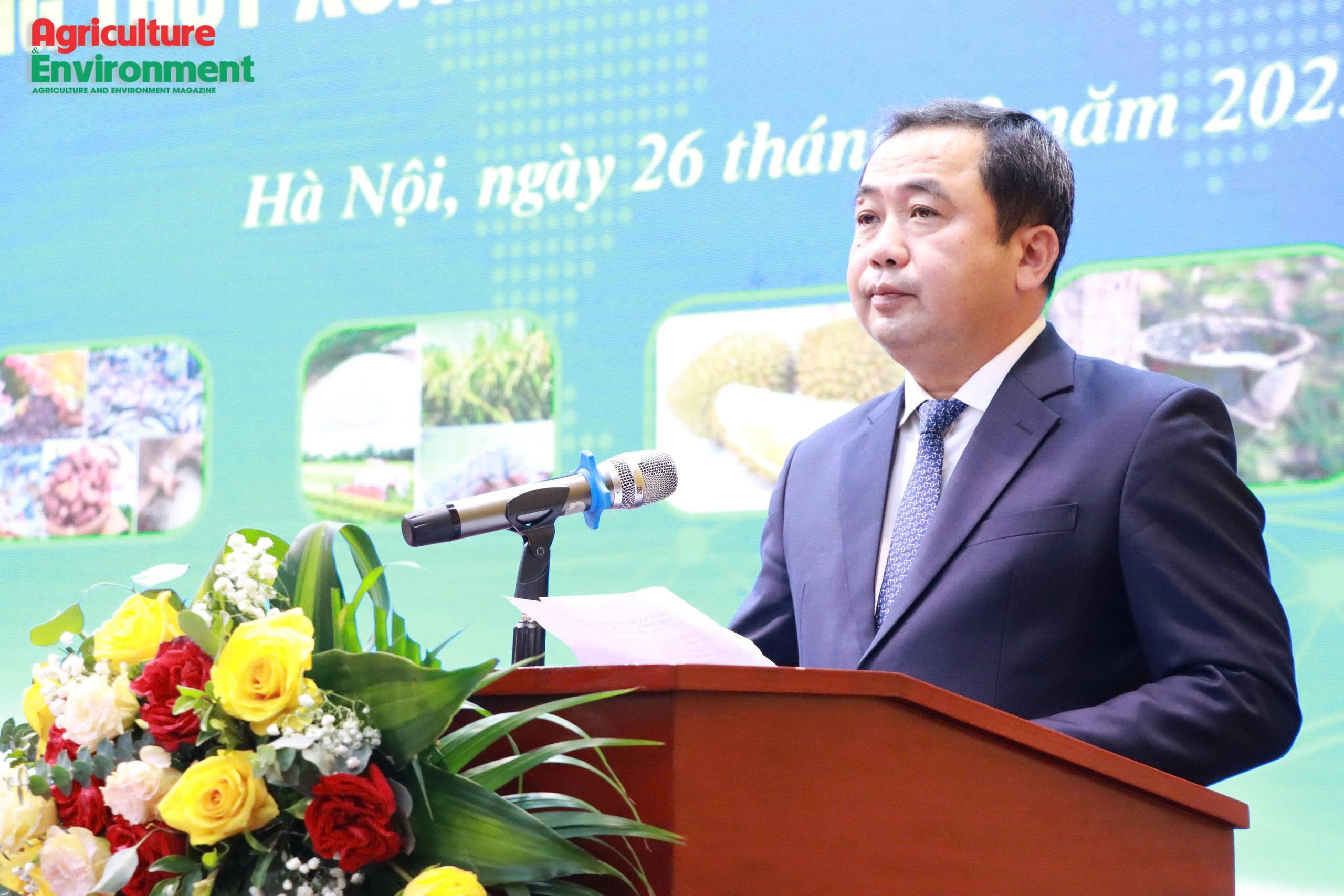
Against this backdrop, Minister of Agriculture and Environment Tran Duc Thang emphasized that traceability is no longer an option, but has become a mandatory requirement for agricultural products participating in global supply chains. Today’s consumers are concerned not only with price, but also with product origin, quality, safety, transparency, and social responsibility.
The Vietnam Agricultural Product Traceability System has been developed as a unified digital platform to record, manage, and retrieve origin-related information for agricultural, forestry, and fishery products throughout production, processing, transportation, and market circulation. Through the system, consumers can transparently verify product information, while state management agencies are equipped with a solid basis for monitoring, statistical analysis, and trace-back when necessary—thereby enhancing regulatory effectiveness, ensuring food safety, and strengthening the credibility of Vietnamese agricultural products in both domestic and international markets.

Minister Tran Duc Thang noted that Resolution No. 57-NQ/TW clearly identifies science, technology, innovation, and digital transformation as key drivers of rapid and sustainable development, with particular emphasis on the role of data, digital platforms, and national digital systems.
“The launch of the Vietnam Agricultural Product Traceability System today represents a concrete and practical step toward building a digital data infrastructure for agriculture, serving state management, production, business activities, and consumption. The system is not merely a technological solution, but a modern management tool that contributes to preventing trade fraud, counterfeit and substandard goods, while promoting agricultural production in a sustainable, responsible, and high value-added direction,” the Minister affirmed.
Durian traceability pilot lays the groundwork for sector-wide expansion
The Viet Nam Agricultural Product Traceability System comprises three main components: a system serving consumers, farmers, and businesses; a system for solution providers to update traceability information; and a system for state management agencies to conduct supervision and product trace-back.
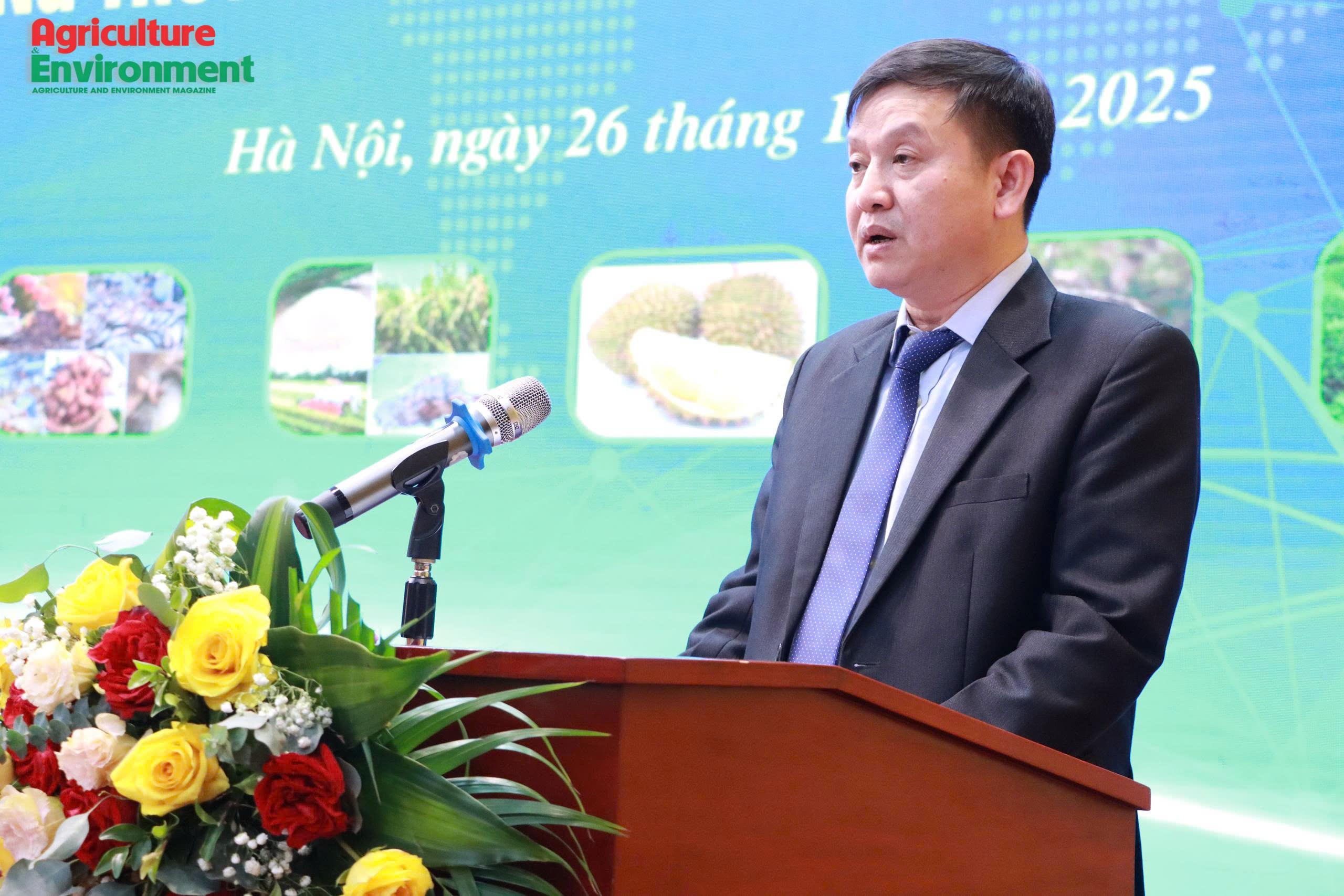
Speaking at the event, Mr. Huynh Tan Dat, Director of the Plant Production and Protection Department, stated that the system enables consumers and the public to easily access safe agricultural products with clear origins, thereby strengthening trust in domestically produced goods, promoting responsible consumption, and fostering healthy development of the domestic market.
For enterprises and cooperatives, the system serves as a critical tool to manage raw material areas, control product quality, enhance compliance, and gradually build brand reputation and sustainable added value for Vietnamese agricultural products in both domestic and international markets. At the same time, state management agencies are provided with sufficient data and tools to implement risk-based supervision, conduct rapid trace-back in the event of incidents, protect the market and consumers, and safeguard the export achievements that the sector has worked hard to attain.
Under the implementation plan, Technology Convergence Corporation (Netacom) is the provider of scientific and technological solutions and the partner responsible for coordinating the development and pilot operation of the traceability system. For the durian traceability pilot, the system is operated in a synchronized manner—from data governance and information transmission infrastructure to the traceability portal—while also establishing technical support focal points, hotlines, and coordination with relevant units under the Ministry of Public Security to integrate data into electronic authentication labels (QR/NFC/RFID), ensuring consistency and accuracy between label information and traceability data.
The pilot roadmap aims to establish a traceability data repository through the connection and integration of sector-specific databases. Data contributed by participating enterprises are digitally signed in accordance with regulations to ensure legal validity and reliability. To date, six durian-exporting enterprises have actively participated in the pilot across the entire production–supply chain, implementing the issuance and attachment of electronic authentication labels to eligible consignments.
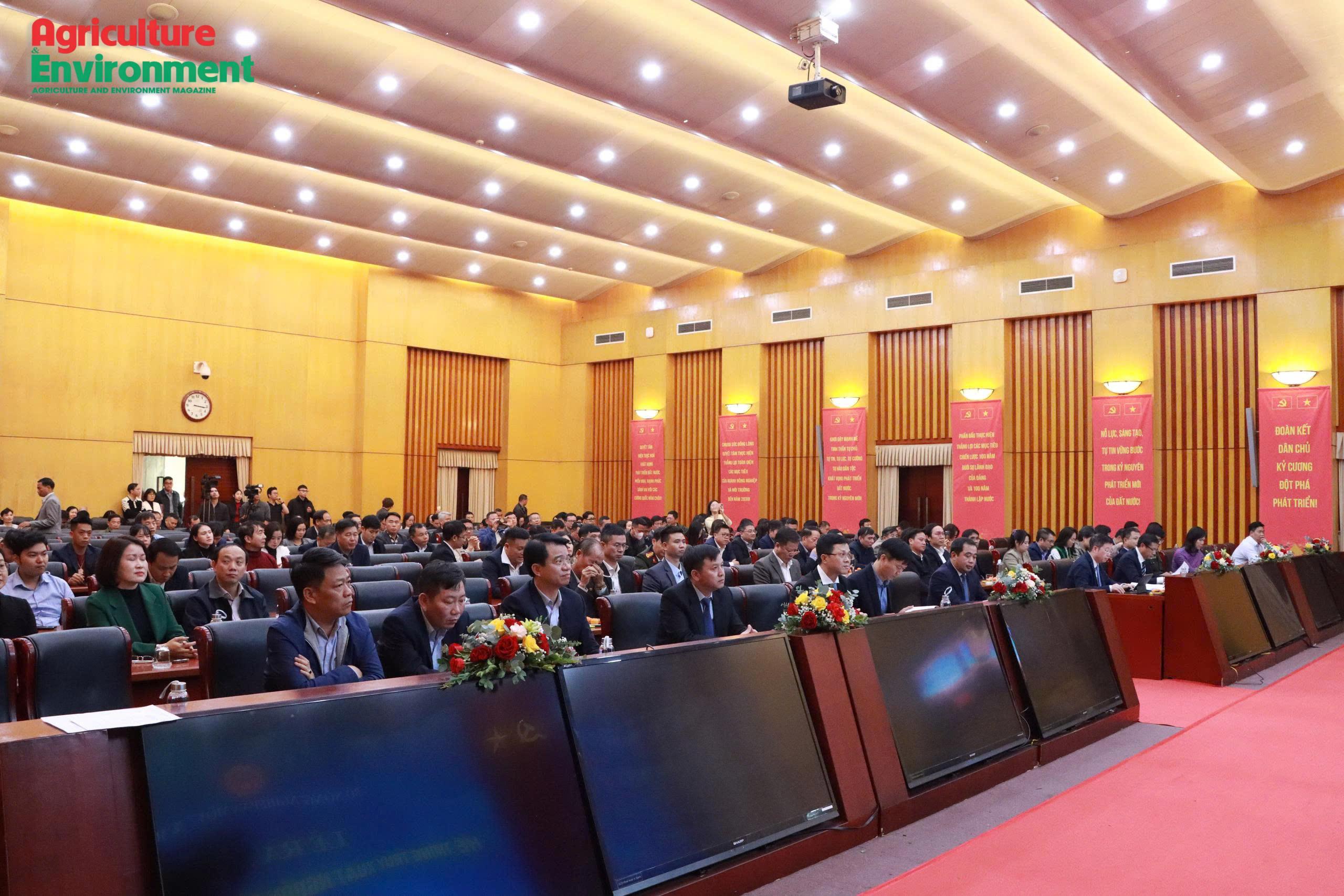
According to the Ministry of Agriculture and Environment, the pilot phase will be implemented from January 1, 2026 to June 30, 2026. Based on the pilot results, stakeholders will conduct a comprehensive assessment of data accuracy, operational convenience, costs, and benefits, providing a basis for refining technical solutions and procedures and expanding application to other agricultural products, with a view toward nationwide official implementation from July 1, 2026.
The launch of the Viet Nam Agricultural Product Traceability System marks an important shift in agricultural management and development toward a modern, data-driven, and digitally enabled approach. When implemented in a coordinated, substantive, and well-phased manner, the system is expected to help safeguard export achievements, enhance value addition, and progressively strengthen the position of Vietnamese agricultural products in domestic and international markets.
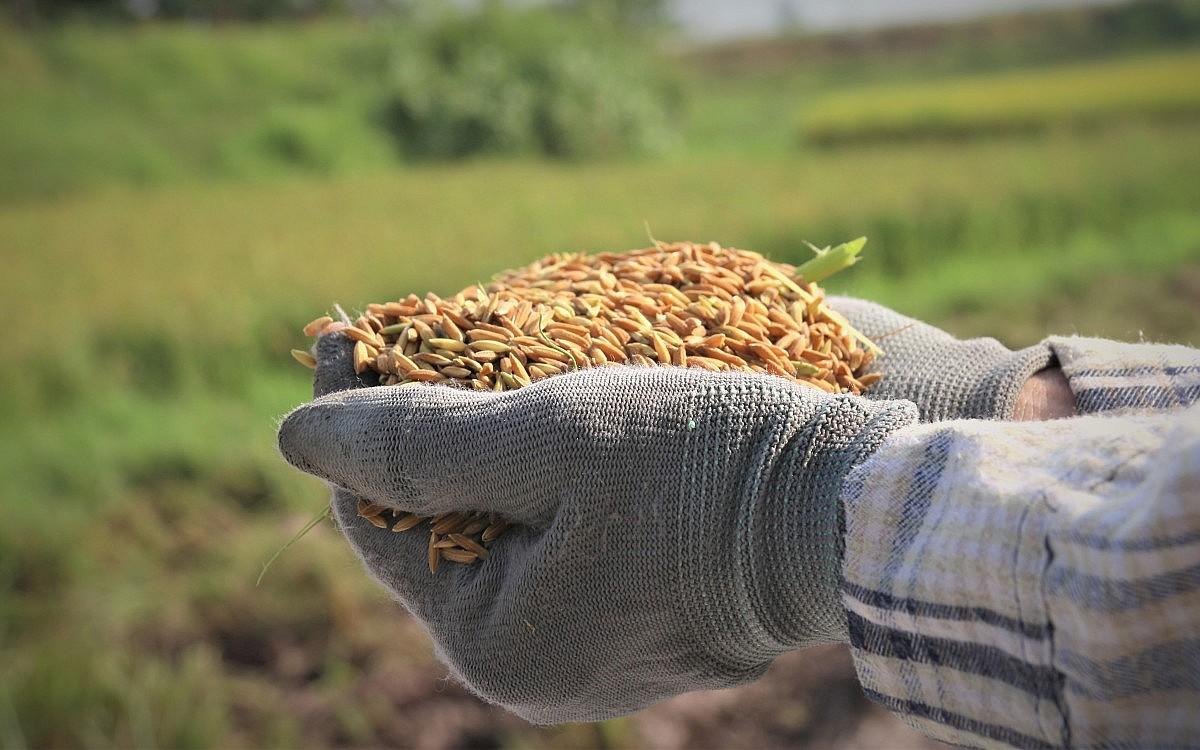
Policies achieve lasting impact only when they translate into changes in production practices. This is particularly true of efforts to reduce food loss and waste: setting reduction targets or encouraging the productive use of agricultural by-products will have limited effect unless producers can see clear economic returns and businesses have access to sufficiently stable markets.

Viet Nam has gradually established a policy foundation for reducing food loss and waste (FLW), increasingly linking the issue to sustainable development, the circular economy, and food system transformation. The challenge in the next phase is therefore not to start from scratch, but to connect existing policies into a coherent, data-driven governance framework that prioritizes prevention and is supported by sufficiently strong coordination mechanisms to drive action at the national level.
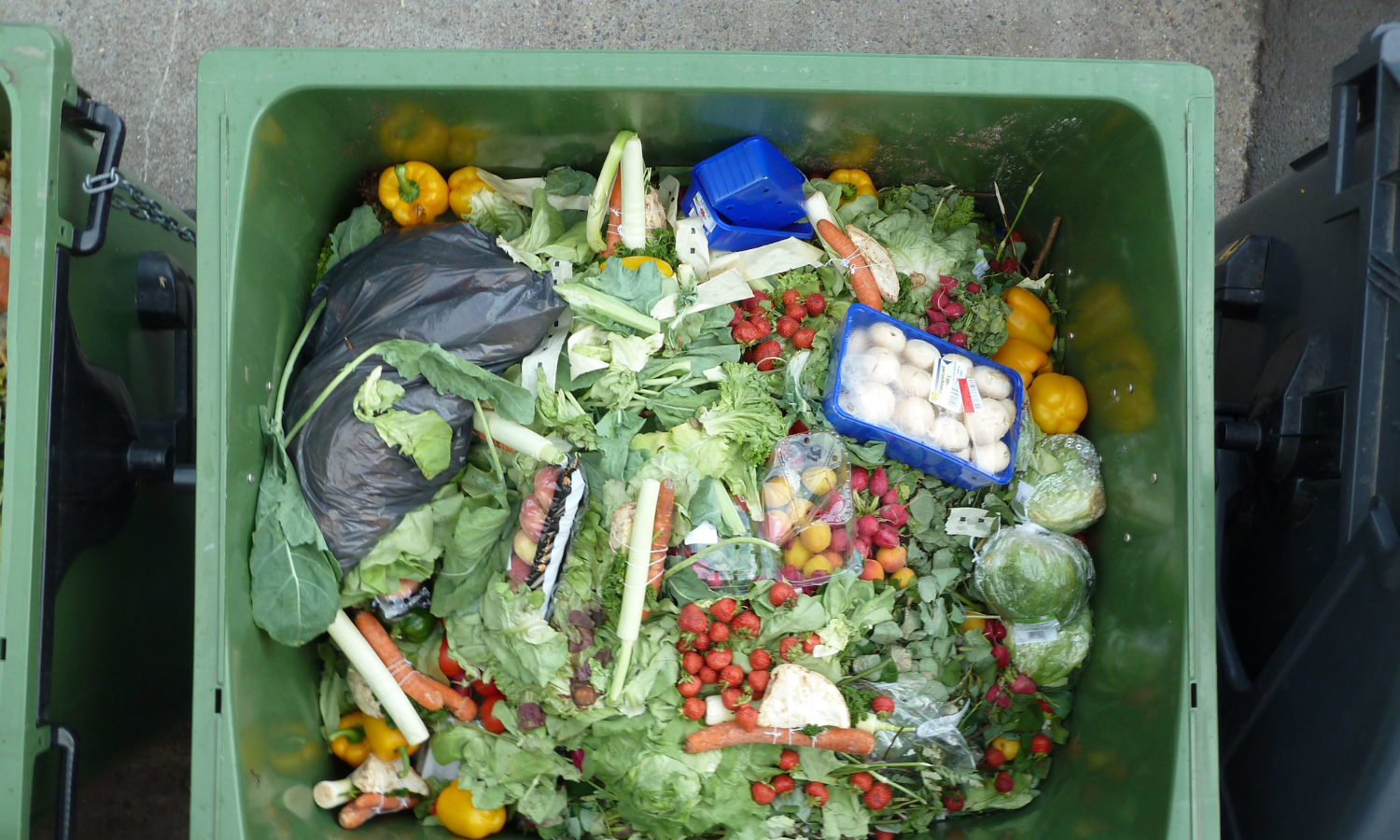
International experience suggests that food loss and waste (FLW) is not a problem that can be resolved through a single policy measure. Effective action requires institutions capable of coordinating stakeholders, data that can identify where losses occur, regulations that do not create unnecessary barriers, and mechanisms that allow businesses and communities to participate.
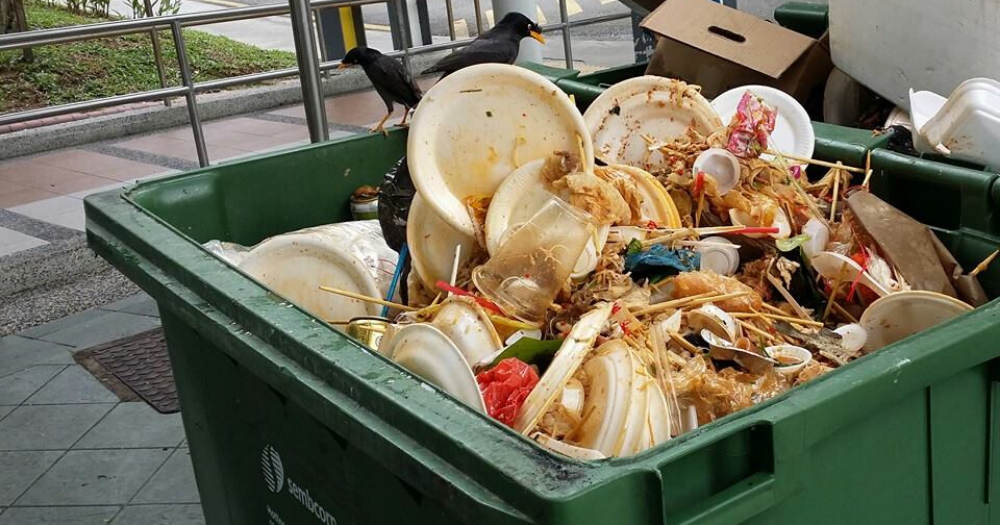
Food loss and waste are emerging as major bottlenecks in global agrifood systems, with large quantities of food lost or discarded despite the land, water, energy and labor invested in producing it. In Viet Nam, the issue not only diminishes the value of agricultural products but also generates substantial economic, environmental and social costs. Research on selected value chains shows that food losses occur throughout the chain, from production and harvesting to transportation, post-harvest handling and storage, while food waste continues to arise at the retail, food service and household levels. A clear understanding of the current situation is essential for Viet Nam to further strengthen its policies to reduce food loss, curb food waste and improve the efficiency of the agrifood system as a whole.

Resolution No. 36/2026/NQ-CP and new regulations on growing-area codes (GACs) and packing-facility codes (PFCs) are prompting changes in how these codes are managed, registered, and maintained. At a training session on implementation of the new regulations held on August 20, government officials and experts focused on procedural changes, requirements for digitizing records, and the supporting role of agricultural extension services at the local level.