




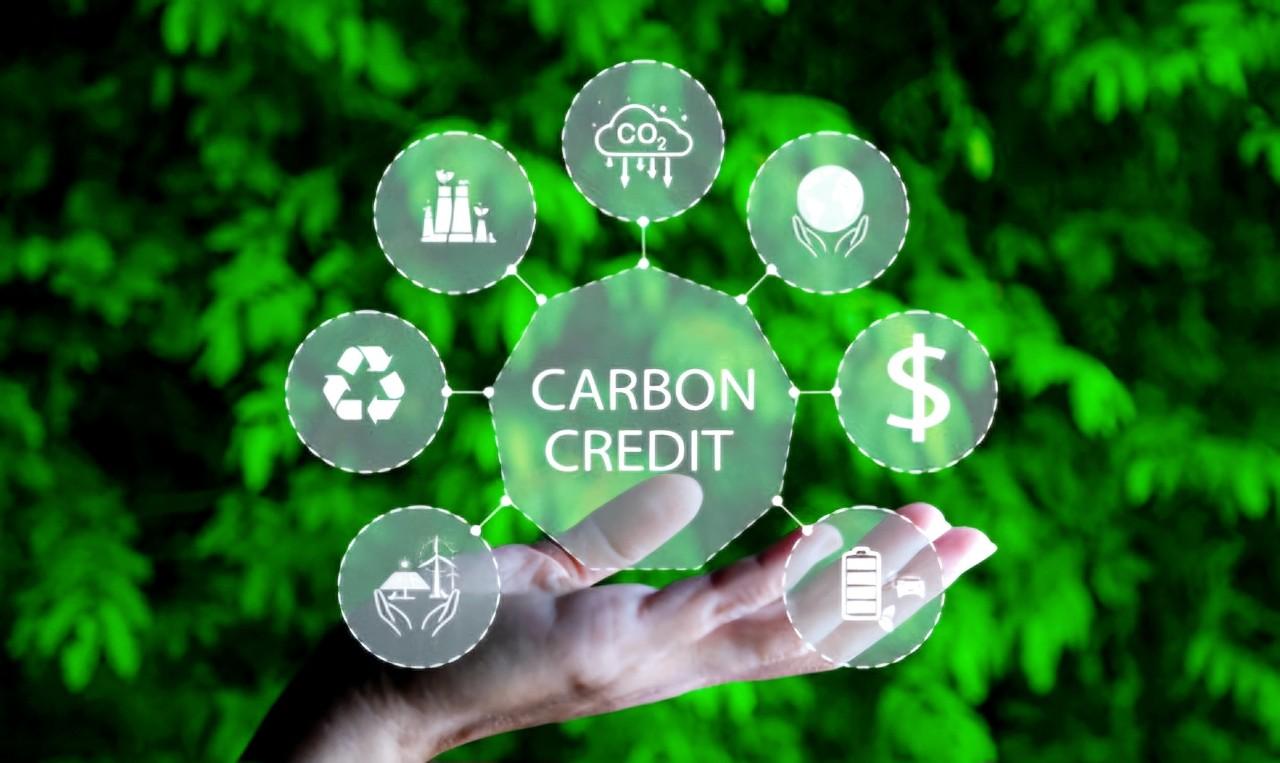
 As the global economy moves deeper into the Net Zero era, Viet Nam is emerging as one of Southeast Asia’s most ambitious countries in developing a large-scale carbon market. Beyond reducing greenhouse gas emissions, the strategy reflects a broader effort to restructure the economy toward a greener and more sustainable growth model while strengthening the country’s competitiveness in an era when carbon is increasingly becoming a new measure of value in international trade.
From Net Zero pledges to a low-carbon economy
For years, Viet Nam has been recognized as one of Asia’s fastest-growing economies. From a country once heavily affected by war, Viet Nam has evolved into a major manufacturing hub in the region, deeply integrated into global supply chains across electronics, textiles, technology, and energy industries. Yet beneath that economic transformation, another structural shift is quietly underway: Viet Nam is gradually building a low-carbon economy while moving toward the establishment of one of Southeast Asia’s most comprehensive domestic carbon market frameworks.
This is not merely an environmental initiative. It represents a broader restructuring of Viet Nam’s development model at a time when the world is entering the Net Zero era — one in which greenhouse gas emissions are increasingly treated as an economic cost shaping national competitiveness.
According to Associate Professor Nguyen Dinh Tho, Deputy Director of the Institute of Strategy and Policy on Agriculture and Environment under the Ministry of Agriculture and Environment, a carbon market is an economic mechanism that assigns a price to greenhouse gas emissions, allowing businesses to trade emission allowances and carbon credits in order to incentivize emissions reductions through market-based instruments.
Unlike traditional administrative measures, carbon markets operate on economic principles: companies that emit less than their allocated limits may sell excess allowances to higher-emitting firms. The mechanism creates financial incentives for businesses to invest in cleaner technologies, improve energy efficiency, and reduce dependence on fossil fuels.
Viet Nam formally entered the global climate transition following its commitment at COP26 to achieve net-zero emissions by 2050. The pledge is widely regarded as a strategic turning point, not only in terms of climate diplomacy, but also because it requires a long-term restructuring of the country’s economic development model.
According to Associate Professor Nguyen Dinh Tho, Viet Nam has established the legal foundation for its carbon market through the 2020 Law on Environmental Protection, Decree No. 06/2022/ND-CP, Decree No. 119/2025/ND-CP, and Decision No. 232/QD-TTg approving the national carbon market development scheme.
For the first time, Viet Nam is developing a nationwide legal framework for pricing greenhouse gas emissions. Under the current roadmap, the domestic carbon market is expected to begin official operations by the end of 2025.
What makes Viet Nam’s transition particularly notable is that it is taking place while the economy continues to expand rapidly. Unlike many industrialized economies that began reducing emissions after centuries of large-scale industrialization, Viet Nam is attempting to pursue two difficult objectives simultaneously: sustaining economic growth while lowering carbon intensity. This dual challenge is increasingly common among developing economies in the 21st century.
At the same time, the transition also presents strategic advantages. Viet Nam has an opportunity to move more quickly toward greener development pathways without facing some of the legacy transition costs borne by older industrial economies.
For decades, Viet Nam’s competitive advantage was largely defined by low labor costs and inexpensive manufacturing. In the future, however, competitiveness may increasingly depend on the ability to provide low-carbon production.
That shift is becoming more significant as major markets such as the European Union implement the Carbon Border Adjustment Mechanism (CBAM), which imposes carbon-related costs on imported goods based on their production emissions.
According to Associate Professor Nguyen Dinh Tho, carbon emissions are gradually becoming a determining factor in the export competitiveness of Vietnamese businesses. In other words, companies will increasingly compete not only on labor costs or productivity, but also on the emissions embedded in each product.
Viet Nam’s growing potential in carbon credits
One reason Viet Nam’s carbon market has attracted growing international attention is the country’s significant potential to generate high-quality carbon credits. According to Associate Professor Nguyen Dinh Tho, Viet Nam possesses several sectors capable of producing stable, long-term carbon credits, including forestry, agriculture, renewable energy, electric transportation, and waste management — a combination of advantages not widely shared across the region.
Viet Nam’s forest coverage rate currently exceeds 42 percent. At a time when global demand for high-quality nature-based carbon credits is rising, the country’s tropical forest ecosystems are increasingly viewed as strategic assets.
According to research by Associate Professor Nguyen Dinh Tho, REDD+ programs in Viet Nam’s North Central region have successfully transferred more than 10.3 million tons of reduced CO2 emissions, generating approximately $51.5 million in revenue. The results demonstrate that Viet Nam is no longer discussing the green economy solely at the policy level, but is beginning to participate directly in international carbon markets.
In agriculture, Viet Nam is also emerging as a notable case study. The government’s initiative to develop one million hectares of low-emission, high-quality rice cultivation in the Mekong Delta is considered one of Asia’s largest green agricultural transition programs.
Under the new approach, farmers are expected not only to produce food, but also to generate carbon credits through methane reduction, water-saving practices, optimized fertilizer use, and sustainable farming methods.
The implications are particularly significant for Viet Nam, where tens of millions of people still depend on agriculture for their livelihoods. If successful, the initiative could become one of the few large-scale models globally to simultaneously integrate food security, agricultural development, climate adaptation, and carbon finance.
Beyond forestry and agriculture, transportation electrification is also viewed as a promising sector. According to Associate Professor Nguyen Dinh Tho, Viet Nam could explore electric vehicle credit mechanisms similar to those implemented in California and China, where clean electricity used for vehicle charging may be incorporated into emissions reduction accounting systems under certain regulatory frameworks. In his research, Associate Professor Nguyen Dinh Tho argues that electric vehicle credits could become an important component of Viet Nam’s transportation decarbonization strategy. The prospect is particularly noteworthy given that Viet Nam is currently among Southeast Asia’s fastest-growing electric vehicle markets. If combined with renewable energy development, smart charging infrastructure, and carbon trading mechanisms, the country could gradually establish a large-scale low-carbon transportation ecosystem.
According to Associate Professor Nguyen Dinh Tho, carbon markets could also create opportunities for the expansion of green financial products, including green bonds, carbon investment funds, emissions risk insurance, and carbon-linked financial instruments. This suggests that Vietnam’s ambitions extend beyond carbon credit trading alone toward the development of a broader carbon finance ecosystem.
The biggest challenge may be market trust
Despite its significant potential, the carbon market is far from an easy undertaking. Globally, many carbon markets have faced problems ranging from low-quality carbon credits and emissions fraud to double counting, weak transparency, and speculative financial activity. As a result, market credibility has become a critical factor.
According to Associate Professor Nguyen Dinh Tho, Viet Nam still faces multiple constraints, including fragmented emissions data systems, uneven monitoring capacity, insufficient standardization in measurement practices, and limitations in technological infrastructure.
A carbon credit only holds value when international markets trust that emissions reductions have genuinely occurred. That requires robust systems for emissions inventories, monitoring, reporting, verification, and data traceability that meet international standards.
According to research by Associate Professor Nguyen Dinh Tho, Viet Nam is working toward integrated management systems combining satellite technology, IoT sensors, and digitized databases to improve transparency in future carbon market operations. The effort is increasingly important because carbon markets are no longer viewed solely as environmental instruments. They are also becoming financial and geopolitical tools.
Countries capable of building transparent and credible carbon systems are likely to attract green capital flows, international investment, and low-emission supply chains.
According to Associate Professor Nguyen Dinh Tho, if Viet Nam can meet international standards for carbon credits, the country could emerge as an important supplier to global carbon markets amid growing demand for high-quality credits.
Over the past several decades, Viet Nam has undergone multiple historic transitions — from a centrally planned economy to a market-oriented one, from a low-income country to a global manufacturing base, and from an agriculture-driven economy to an increasingly industrialized one.
Today, Viet Nam is entering another transformation: shifting from a growth model dependent on carbon-intensive development toward an economy in which carbon is increasingly priced and regulated. This is not only an environmental story. It is also a story about how a developing country is attempting to reposition itself within the emerging economic order of the 21st century. If successful, Vietnam could evolve not only into a major manufacturing center in Asia, but also into one of Southeast Asia’s leading carbon market players.
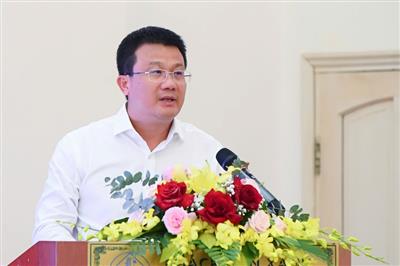
On October 15-16, a training course on “Enhancing press and media capacity for carbon neutrality” was held in Nghe An Province, gathering policymakers, experts, enterprises, and journalists. The event focused on sharing experiences, solutions, and strategies for Vietnam’s Net Zero commitments. Contributions from managers, specialists, and business representatives highlighted that achieving carbon neutrality by 2050 requires coordinated action across policy, agriculture, business, and media sectors.
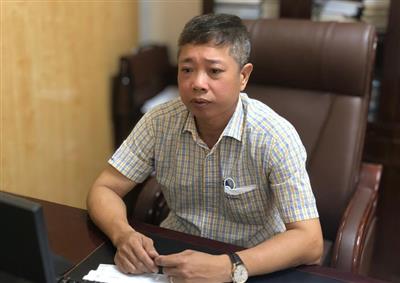
Producing low-emission rice to generate carbon credits is not only an inevitable trend but also an opportunity for Thanh Hoa farmers to enhance the value of rice grains, increase their income, and contribute to Vietnam’s commitment to achieving net-zero emissions by 2050 under COP26. Recognizing this, Thanh Hoa Province has identified low-emission rice production and carbon credit generation as both a strategic necessity and a valuable opportunity — to raise the economic value of rice, improve farmers’ livelihoods, and advance the national net-zero target.

The Emission Reductions Payment Agreement (ERPA) for the North Central Region marks a major step in piloting and scaling forest carbon finance in Viet Nam. Beyond contributing to national emission-reduction goals, ERPA delivers socio-economic benefits to local people—especially communities whose livelihoods depend on forests.

With initial achievements from sustainable cooling cooperation in several pilot cities, Vietnam now has an important opportunity to mobilize green finance, reduce energy costs, and protect public health against increasingly severe heatwaves. At the meeting on “Reviewing cooperation on climate-friendly, energy-efficient cooling solutions to address extreme heat in urban areas of Vietnam,” held on 28 August by the Department of Climate Change (Ministry of Agriculture and Environment) in collaboration with the United Nations Environment Programme (UNEP) and the Global Green Growth Institute (GGGI), experts, policymakers, and development partners shared a wide range of practical perspectives. The discussions not only identified challenges but also offered policy, financial, and partnership options to help scale up sustainable cooling solutions nationwide.
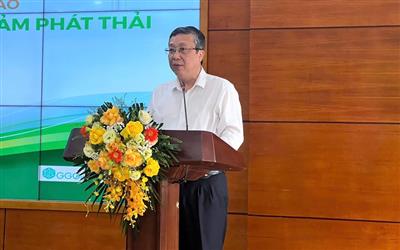
The Ministry of Agriculture and Environment is accelerating the finalization of the “2025-2030 low-emission crop production plan” to operationalize Vietnam’s roadmap toward achieving Net-Zero greenhouse gas (GHG) emissions by 2050. The Plan focuses on transforming production models to reduce emissions, enhance resource efficiency, and improve the competitiveness of Vietnamese agricultural products in an increasingly green-conscious global market.