



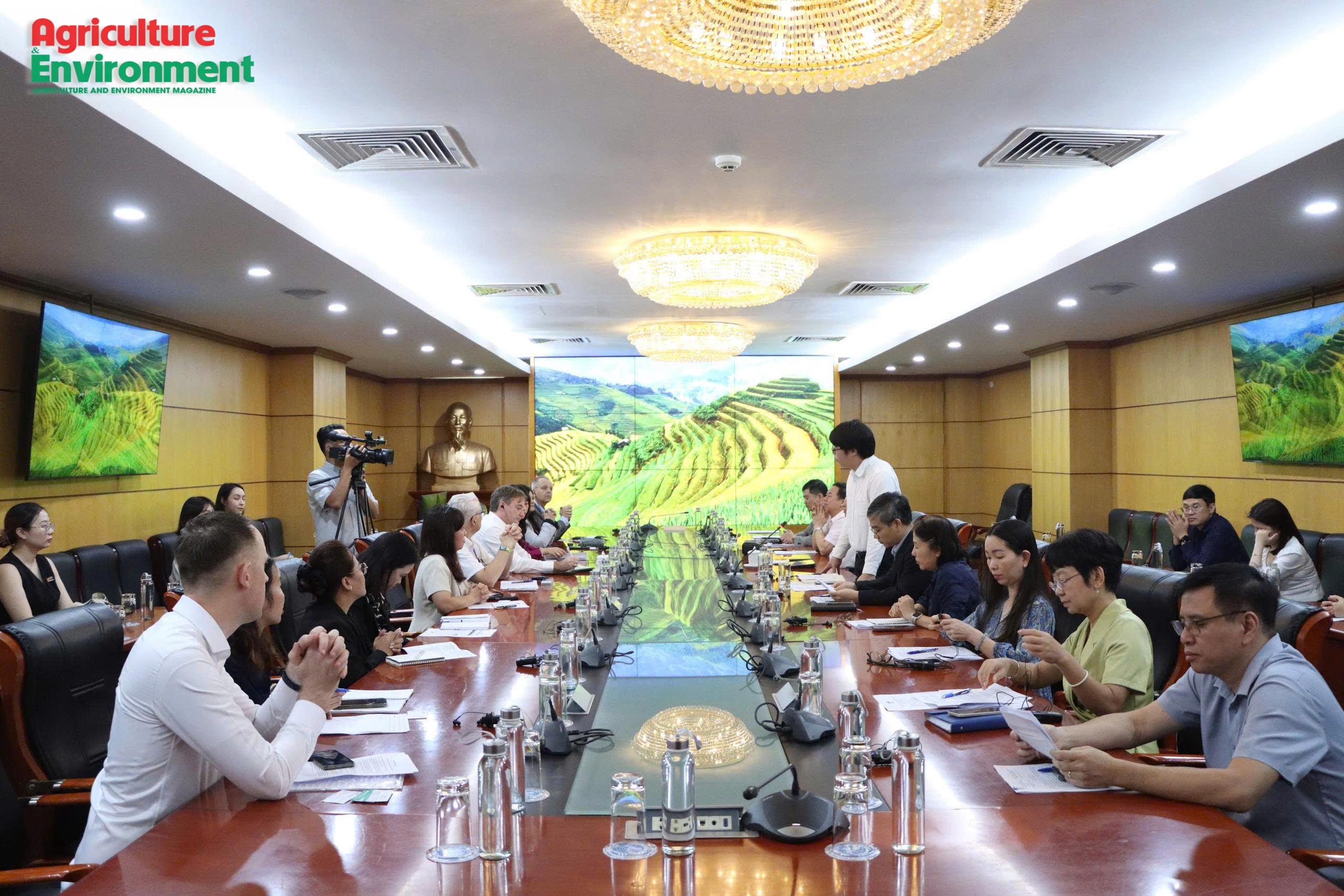
 At a meeting with the European Chamber of Commerce in Vietnam (EuroCham) on May 21, leader of the Ministry of Agriculture and Environment reaffirmed their commitment to working closely with the business community to refine policies, promote green investment, strengthen climate adaptation efforts, and advance the One Health approach in livestock production in support of sustainable development and deeper international integration.
EPR implementation and green agriculture cooperation
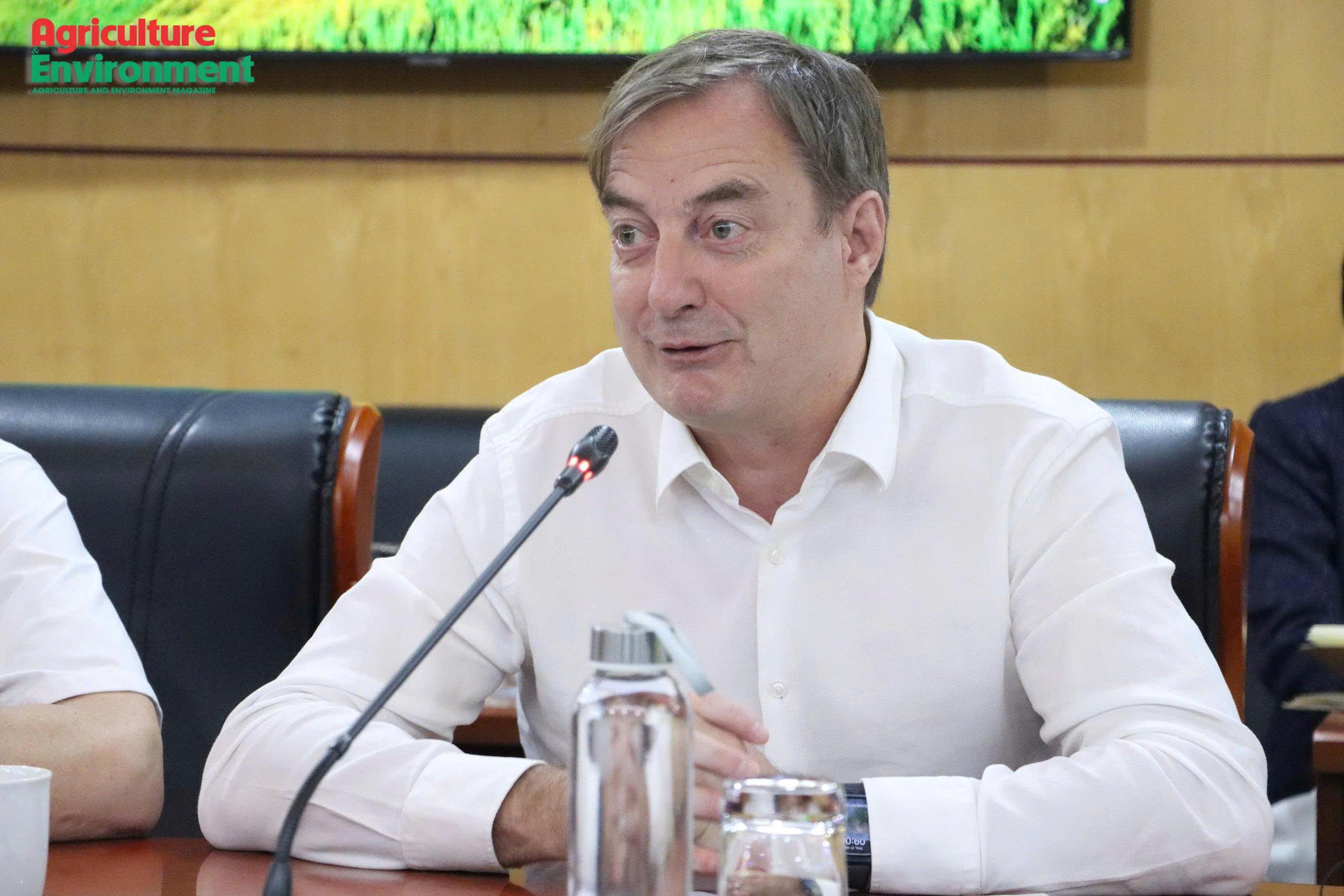
Speaking at the meeting, Bruno Jaspaert praised Viet Nam’s policy orientation toward circular agriculture, high-tech applications, and green growth, particularly the spirit of Resolution No. 19-NQ/TW on sustainable agricultural development.
According to the EuroCham chairman, many European companies are prepared to introduce technological solutions in agriculture, environmental management, and waste management to Viet Nam. However, clearer coordination mechanisms and implementation guidelines are still needed to accelerate project deployment.
Regarding the implementation of extended producer responsibility (EPR), EuroCham said businesses continue to face technical difficulties when filing declarations through the national EPR information portal, including automatic calculation errors and decimal limitations. The chamber proposed that the ministry upgrade the technical system and issue national technical guidelines to support more consistent and transparent EPR implementation.
EuroCham representatives also called for a transparent mechanism governing recycling support contributions made through the Vietnam Environmental Protection Fund to avoid creating a “double cost burden” for businesses.
Notably, EuroCham’s Wine and Spirits Sector Committee proposed a three-phase roadmap for EPR implementation. Under the proposal, the initial phase would allow companies to voluntarily combine financial contributions with self-recycling activities. The second phase would introduce minimum recycling rates, while the final phase would fully phase out financial contribution mechanisms in favor of mandatory recycling requirements.
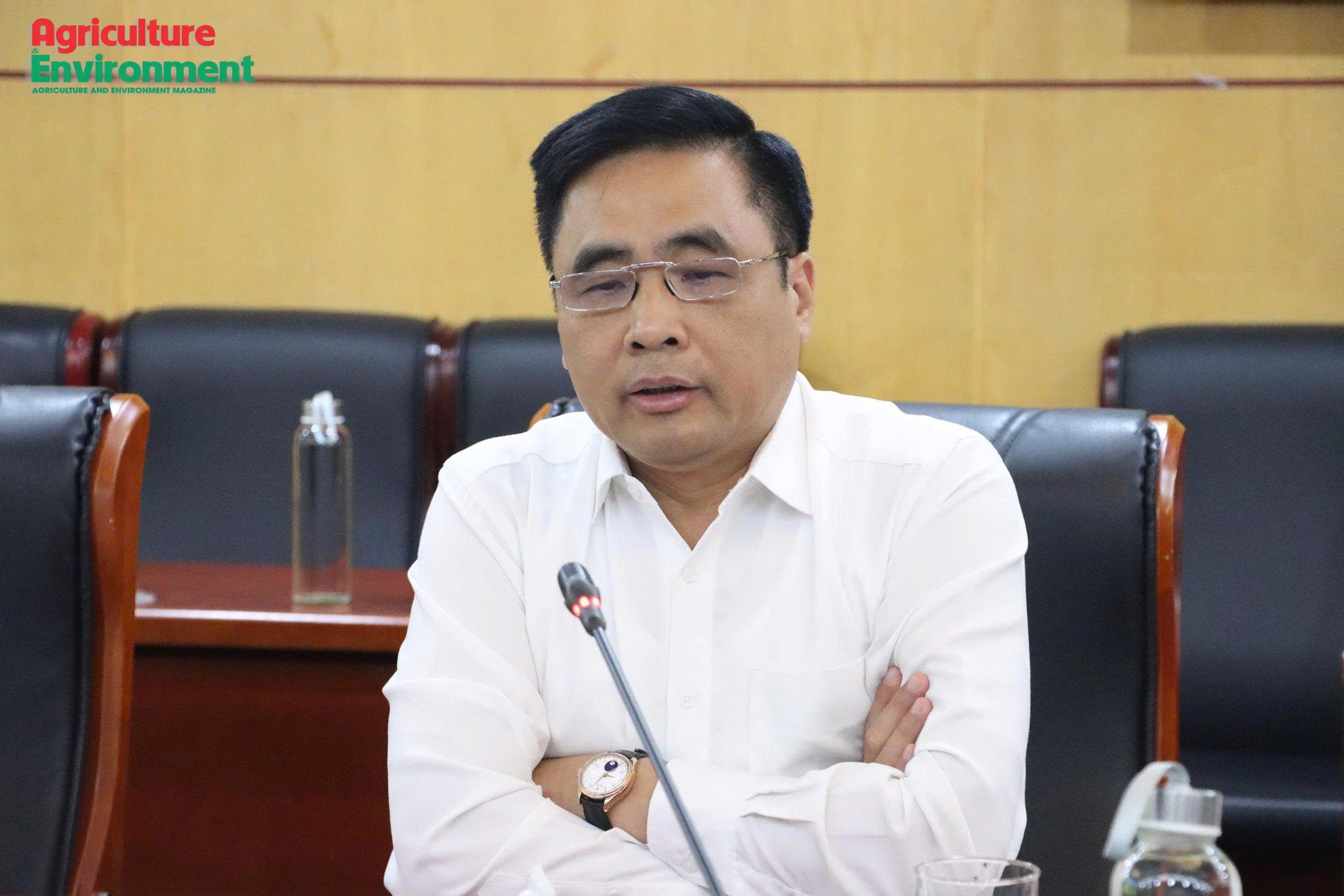
In response, Deputy Minister Nguyen Quoc Tri said the ministry would assign relevant agencies to carefully study and review the proposed EPR roadmap. “If the proposal is compatible with Vietnamese law, we will incorporate it into the implementation plan,” he said.
EuroCham’s Food, Agriculture and Aquaculture Sector Committee also proposed establishing joint working groups between European businesses and ministry working groups to implement pilot projects with Vietnamese farmers and enterprises.
Climate adaptation and green infrastructure planning
During the meeting, EuroCham expressed interest in climate-resilient urban development models such as “Sponge cities” and proposed simplifying environmental impact assessment (EIA) procedures and environmental licensing processes for green projects, green airports, and green seaports.
Addressing the issue, Mai Kim Lien, Deputy Director of the Department of Climate Change, said the Ministry of Agriculture and Environment had updated the National Adaptation Plan (NAP) for 2021-2030, with a vision to 2050, approved by the Prime Minister under Decision No. 1422/QĐ-TTg dated Nov. 19, 2024.
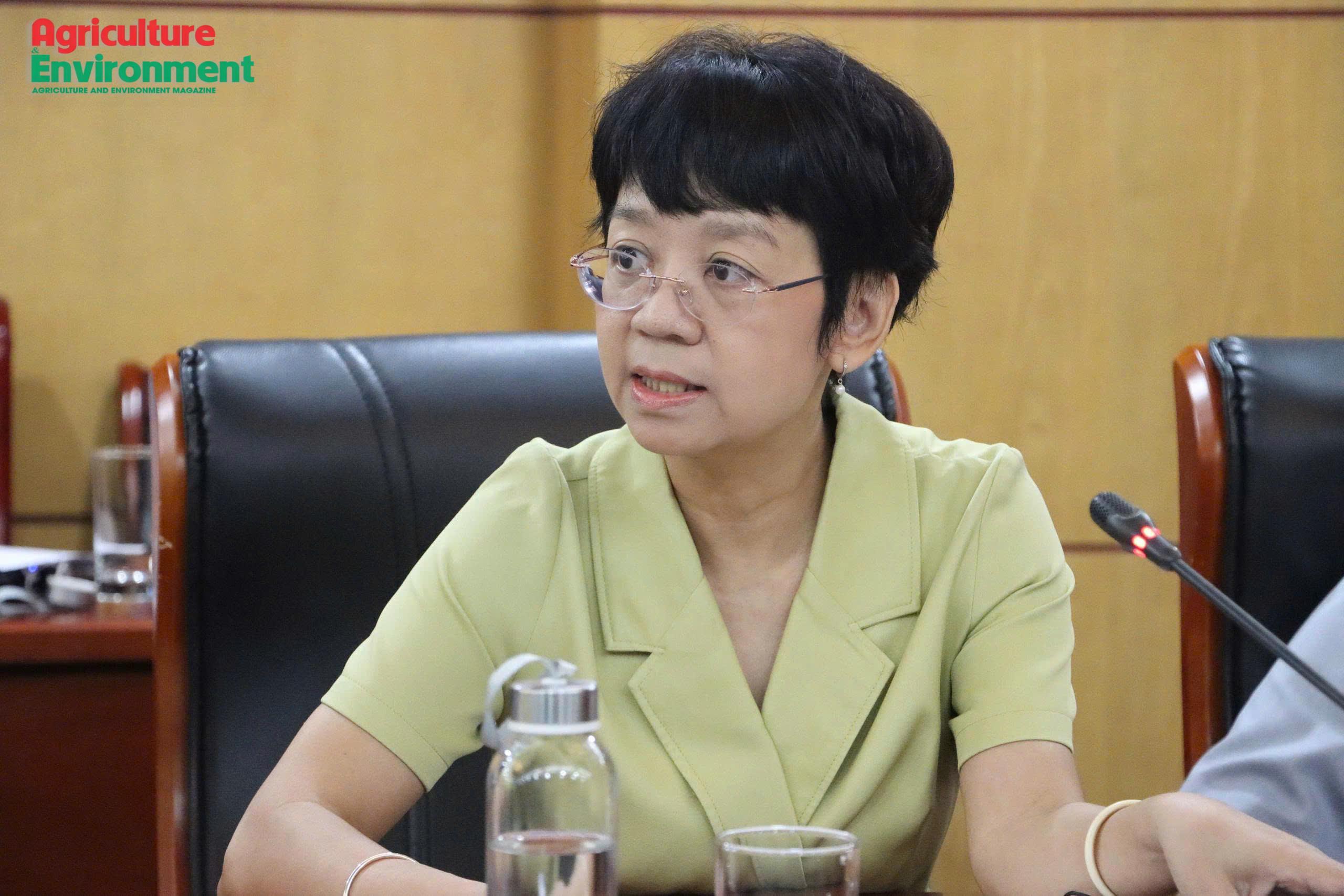
According to Deputy Director Mai Kim Lien, the updated plan identifies several key priorities, including upgrading drainage systems and flood prevention infrastructure in major urban and coastal areas, piloting technical solutions to address flooding caused by heavy rainfall, tidal surges, and sea level rise, and integrating climate adaptation measures into coastal urban planning.
Representatives of the Department of Climate Change said the ministry had also issued circulars guiding climate impact assessments, vulnerability assessments, and the integration of climate adaptation measures into strategies, planning, and infrastructure design.
“In the coming period, the Ministry of Agriculture and Environment will continue coordinating with the Ministry of Construction and local authorities to improve standards and technical regulations on climate adaptation in urban planning, infrastructure design, construction, and management,” Mai Kim Lien said.
Regarding recommendations on environmental procedures, ministry representatives said authorities are continuing to review and refine technical regulations and professional guidance to ensure environmental protection requirements while facilitating the timely implementation of green investment projects.
Antibiotic reduction under One Health approach
One of EuroCham’s key concerns focused on the roadmap for communication, implementation, and monitoring of reduced antibiotic use in livestock farming and aquaculture under the One Health approach.
At the meeting, Nguyen Thu Thuy, Deputy Director of the Department of Animal Health and Production, said the Ministry of Agriculture and Environment is intensifying communication efforts on antimicrobial resistance targeting regulators, businesses, and international partners participating in the One Health program.
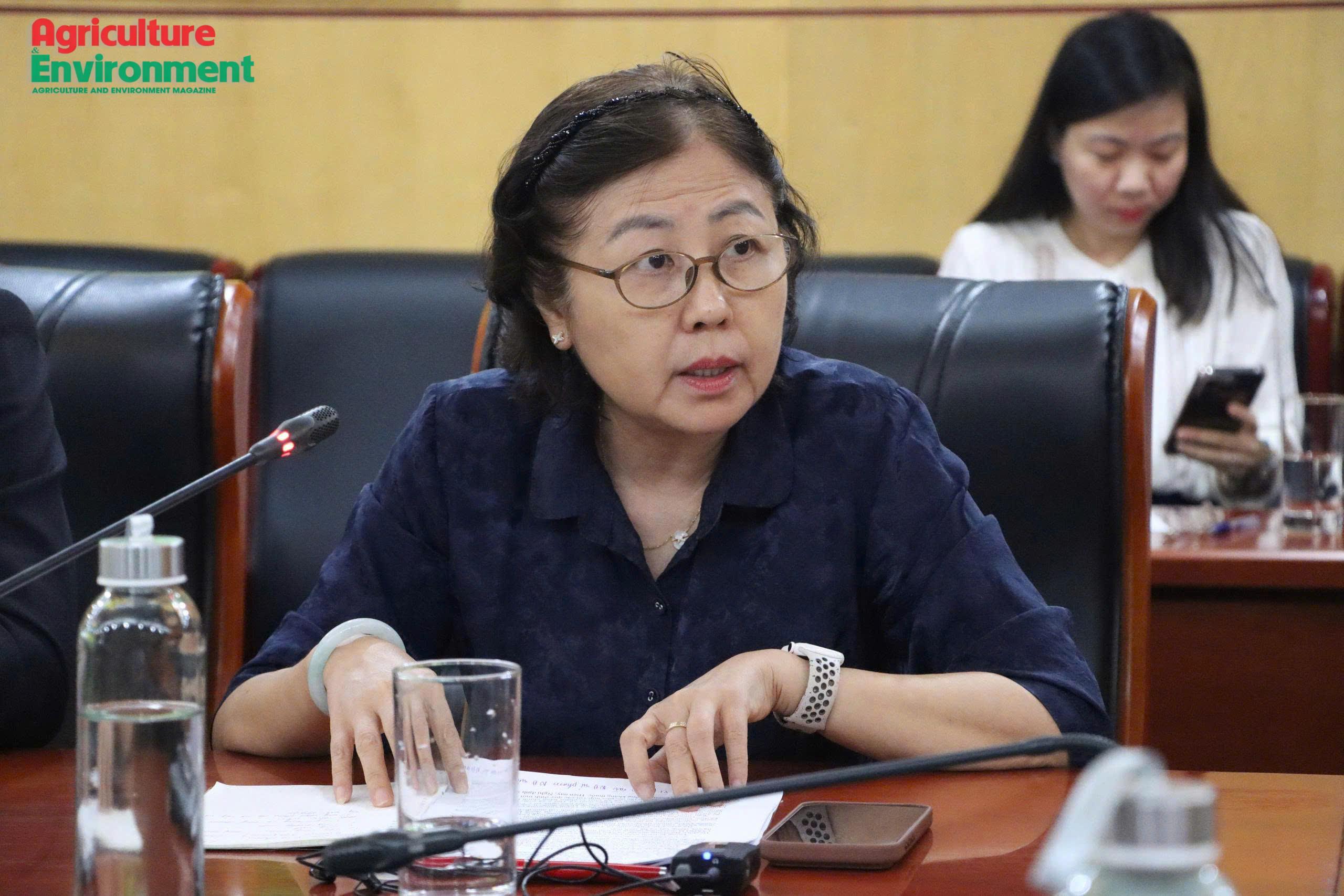
According to Deputy Director Nguyen Thu Thuy, Viet Nam’s Law on Livestock Production already bans the use of antibiotics in animal feed for growth promotion purposes. In addition, Decree No. 13/2020/NĐ-CP sets out a phased roadmap for eliminating the preventive use of antibiotics.
The ministry has tasked the Department of Animal Health and Production and the Department of Veterinary Medicine with strengthening inspections and supervision of antibiotic use in disease prevention and treatment for livestock, while implementing annual antimicrobial resistance monitoring programs in livestock farming and aquaculture based on a risk management approach focused on high-risk facilities and repeat violators.
At the same time, the ministry is reviewing and supplementing penalties related to the improper use of antibiotics in livestock production and veterinary activities to improve the effectiveness of antimicrobial resistance prevention and control.
A representative of the Department of Animal Health and Production said the agency is developing an information portal based on standards from the World Organisation for Animal Health and Codex. By 2027, the system is expected to be connected with the Ministry of Health’s database, while by 2030 it is expected to fully integrate periodic monitoring programs to facilitate comprehensive data sharing on antimicrobial resistance among regulatory agencies.
On June 27, Minister Dang Quoc Khanh received a delegation from the EU-ASEAN Business Council (EU-ABC) led by Mr. Noel Clehane, Vice Chairman of EU-ABC, and Mr. Jean-Jacques Bouflet, Vice Chairman of EuroCham Vietnam, along with representatives from several companies in the EU-ABC and EuroCham working groups. They discussed matters related to the Ministry of Natural Resources and Environment's (MONRE) areas of management.
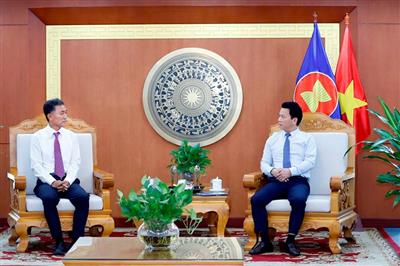
On June 24, Minister Dang Quoc Khanh met with Mr. Jung Heon Chul, Vice Chairman of Abe Invest Group, along with a delegation visiting the Ministry of Natural Resources and Environment (MONRE) to discuss wastewater treatment and the application of science and technology in environmental protection.
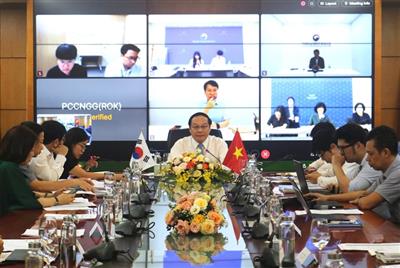
On June 20, the first online meeting of the Vietnam - South Korea Joint Working Group on Climate Change Cooperation was held. The meeting was co-chaired by Deputy Minister of Natural Resources and Envitonment of Vietnam Le Cong Thanh and Ms. Hyoeun Jenny Kim, Ambassador and Deputy Minister for Climate Change in the Ministry of Foreign Affairs of the Republic of Korea.
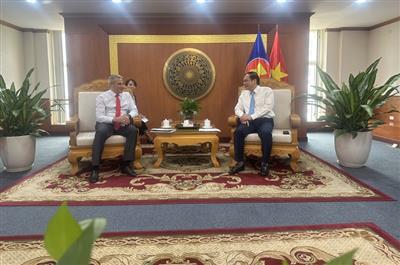
On May 29, Deputy Minister of Natural Resources and Environment (MONRE) Le Cong Thanh hosted a meeting with Mr. Ulazdimir Baravikou, the Belarusian Ambassador to Vietnam. Both sides agreed to strengthen the exchange and sharing of advanced science and technology in waste treatment and recycling, with a particular focus on future municipal solid waste management.
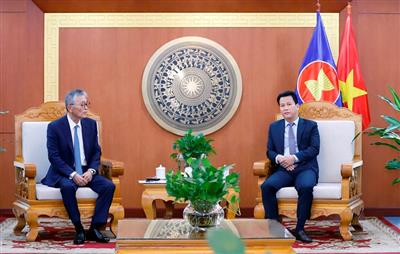
On May 24, Minister of Natural Resources and Environment Dang Quoc Khanh held a meeting with EREX Group Chairman Honna Hitoshi and the Japanese Ambassador to Vietnam Ito Naoki. The discussions focused on cooperation in developing biomass energy and the objective of reducing greenhouse gas emissions.