



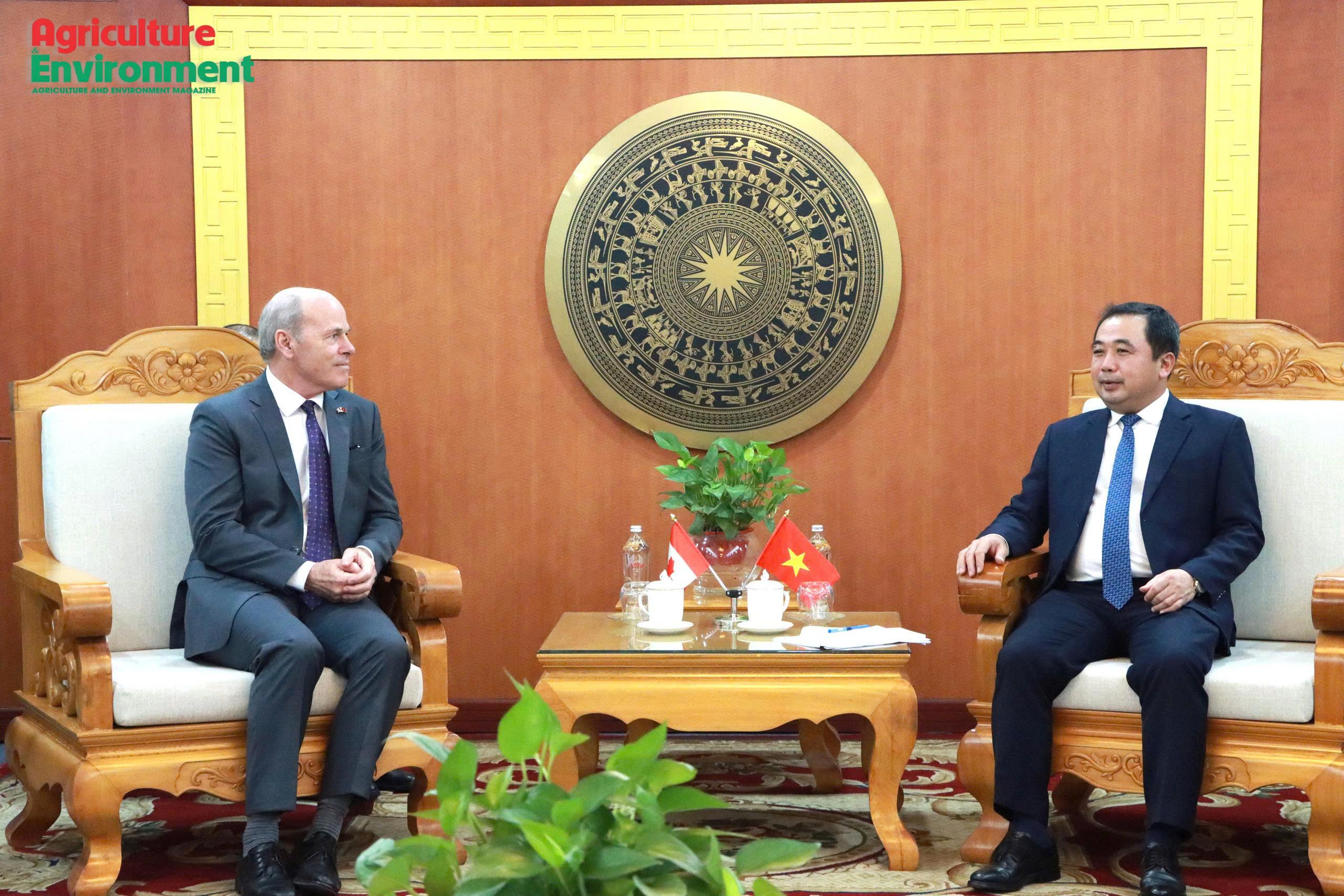
 During a working session with Ambassador Extraordinary and Plenipotentiary of Canada to Viet Nam, James Nickel, on December 17, Minister of Agriculture and Environment Tran Duc Thang affirmed that the two sides will continue to expand agricultural trade cooperation, while strengthening joint efforts toward sustainable development and effective climate change response.
Canada supports Viet Nam’s green agricultural transition and climate adaptation
At the meeting, Minister Tran Duc Thang expressed his appreciation for the Government of Canada’s long-standing and practical support for Viet Nam’s Ministry of Agriculture and Environment, particularly its timely assistance in post-disaster recovery following storms and floods. He spoke highly of the effectiveness of Canadian-funded technical assistance projects, many of which have demonstrated strong practical value and contributed meaningfully to Viet Nam’s transition toward green, organic, and low-carbon agriculture—consistent with the country’s sustainable development orientation.
On behalf of the Ministry of Agriculture and Environment, Minister Tran Duc Thang congratulated Mr. James Nickel on the commencement of his tenure as Ambassador Extraordinary and Plenipotentiary of Canada to Viet Nam. He expressed confidence that the Ambassador’s term would mark a new phase in bilateral relations, further deepening cooperation between the two countries, particularly in agriculture and environment—two key pillars of sustainable development.
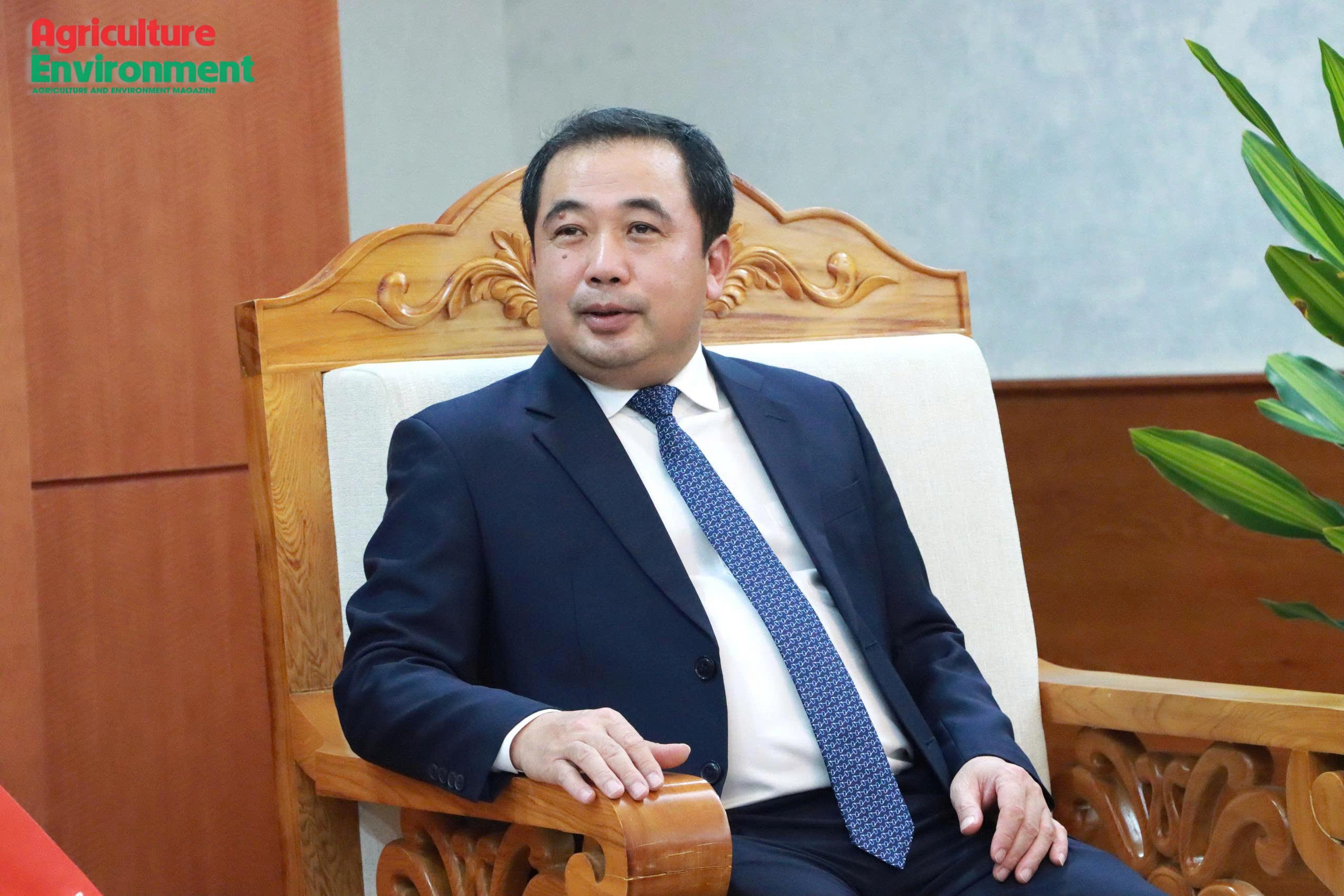
For his part, Ambassador James Nickel emphasized that agriculture and environment are priority areas of cooperation in Viet Nam–Canada relations, aligning closely with Canada’s major policy priorities. Over the years, Canada has effectively supported Viet Nam through a wide range of projects in food safety, climate-resilient livelihoods for coastal communities, sustainable agriculture, and low-emission development.
More recently, Canada has continued to accompany Viet Nam through initiatives related to carbon market development, aquatic food safety, and green transformation in agriculture. Ambassador Nickel expressed his hope that the Ministry of Agriculture and Environment would expedite the approval and implementation of the one-million-hectare high-quality, low-emission rice program in the Mekong Delta, while strengthening coordination with local authorities. He also proposed advancing forest conservation projects linked with livelihood improvement for local communities, as well as the early signing of a Memorandum of Understanding on carbon market cooperation with the Department of Climate Change.
Expanding agricultural trade and removing technical barriers
Discussing trade cooperation, Minister Tran Duc Thang affirmed that Canada is an important partner of Viet Nam, with bilateral trade turnover exceeding USD 7 billion in 2024. Nevertheless, he noted that there remains substantial untapped potential for further cooperation, particularly in agriculture. Viet Nam stands ready to facilitate Canadian enterprises in investing, operating, and doing business effectively in the country.
Ambassador James Nickel shared the view that both sides should continue to strengthen cooperative mechanisms to increase bilateral trade in a more balanced and sustainable manner. Canada highly values Viet Nam’s role in promoting agricultural trade, viewing the country as both a promising market and a reliable source of inputs for Canada’s high-quality agricultural products. According to the Ambassador, technical cooperation is a critical enabler for market access and trade expansion.
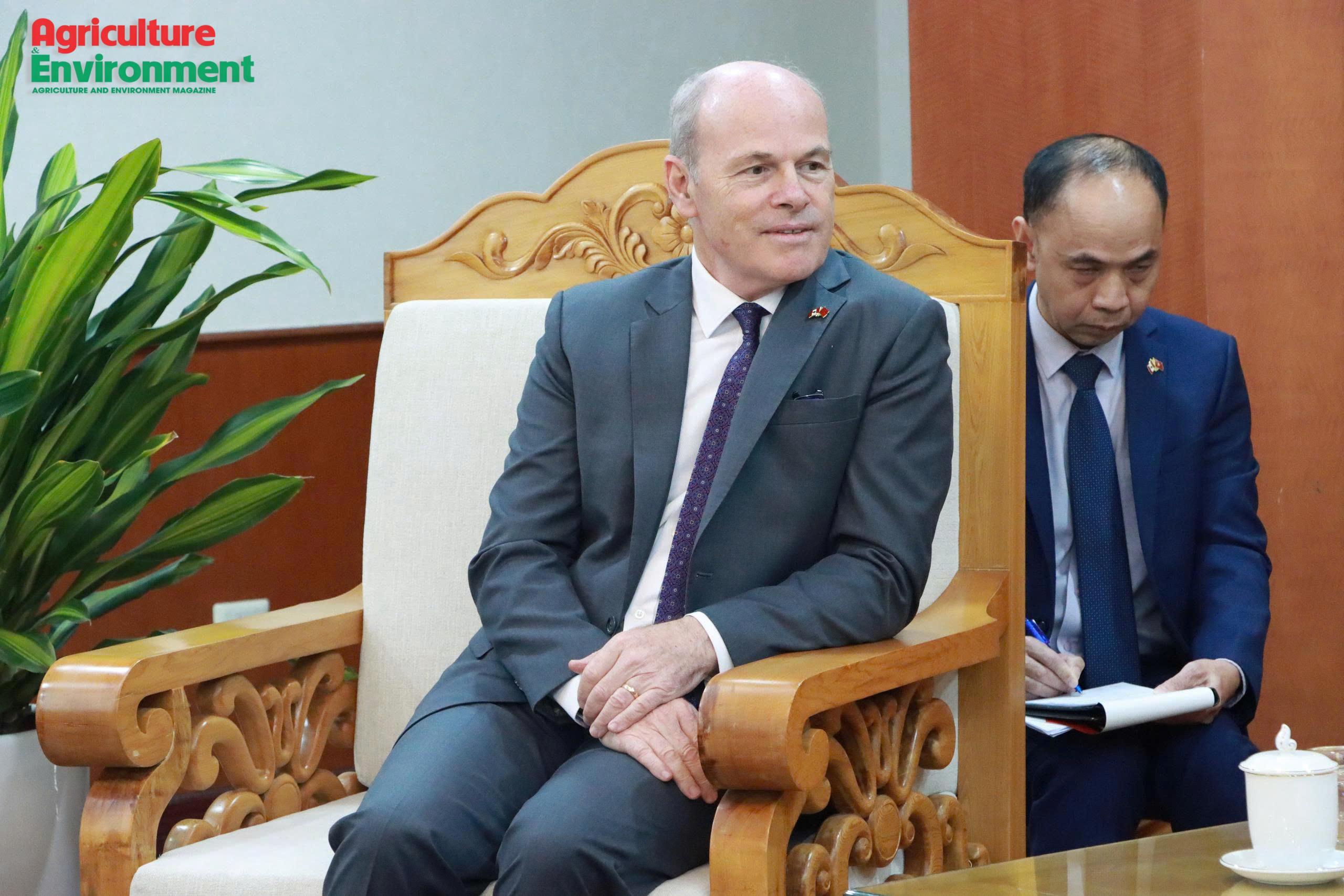
Looking ahead, Canada identified several cooperation priorities, including addressing outstanding issues related to import and export procedures; advancing certification for jellyfish products; expanding exports of Canadian salmon and animal protein inputs for the feed industry; exporting breeding pigs to Viet Nam; and harmonizing and revising relevant sanitary and phytosanitary certification templates.
In response, Minister Tran Duc Thang proposed that the two sides further strengthen cooperation between their respective animal and plant quarantine authorities to facilitate agricultural trade, remove technical barriers, and enhance business connectivity across agricultural value chains.
The Minister also underscored that Viet Nam is facing increasingly severe impacts of climate change, while agriculture remains both highly vulnerable and a significant source of greenhouse gas emissions. In line with its commitment to achieving net-zero emissions by 2050, Viet Nam is accelerating the transition toward green, organic, and low-carbon agriculture; promoting a circular economy; ensuring sustainable resource management; and conserving biodiversity—areas where Canada possesses strong expertise and experience, providing a solid foundation for expanded cooperation.
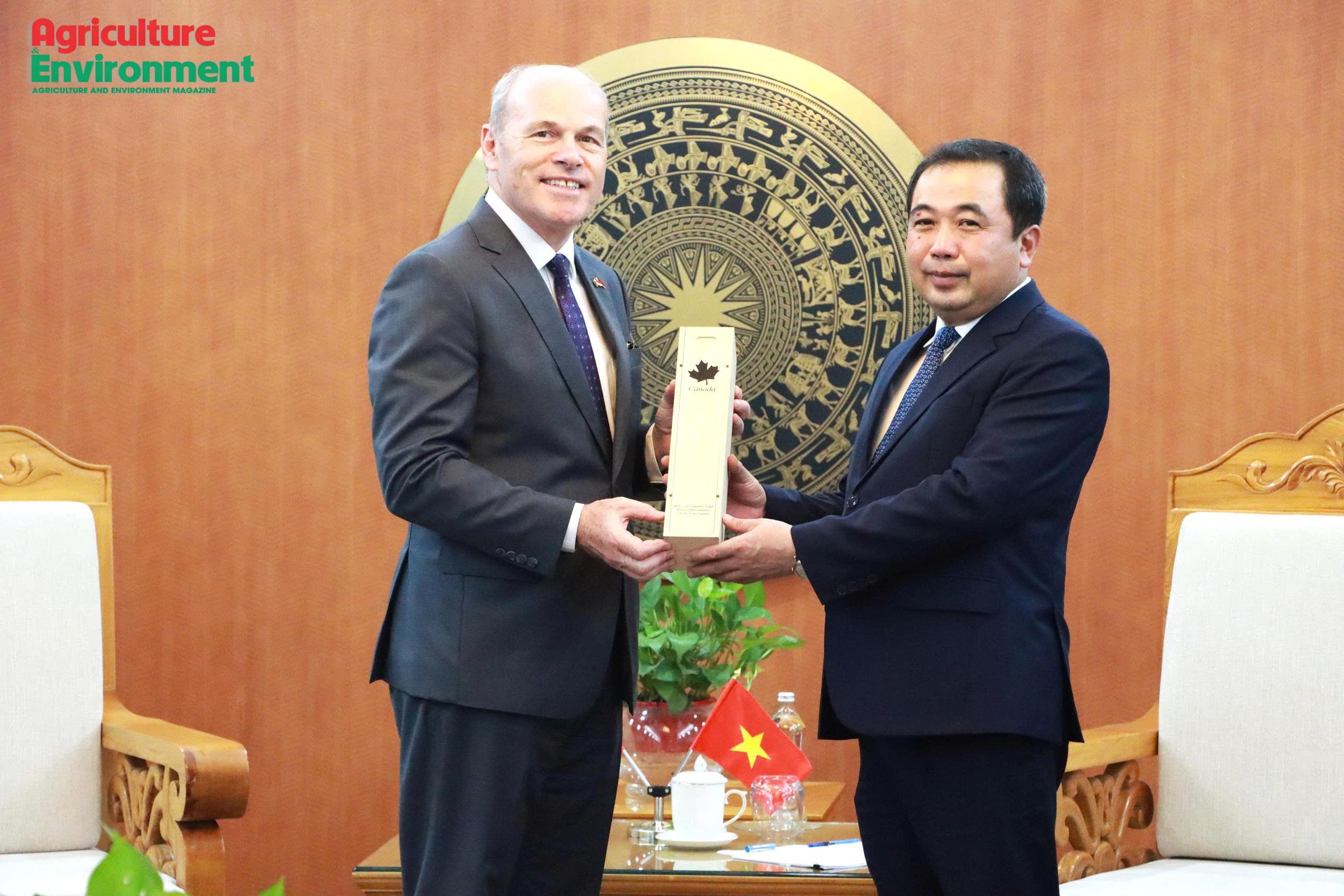
In addition, regarding environment and mining, Minister Tran Duc Thang noted that Viet Nam is open to strengthening cooperation with Canada in the extraction and processing of minerals in a modern, safe, and sustainable manner, in line with the country’s adjusted national mineral development planning. He expressed his hope that the Canadian Ambassador would continue to connect and introduce Canadian enterprises with strengths in industry, mining, and environmental technologies to explore investment opportunities in Viet Nam.
Concluding the meeting, the leadership of the Ministry of Agriculture and Environment expressed confidence that, guided by a spirit of sincere cooperation, mutual respect, and shared interests, Viet Nam–Canada cooperation in agriculture and environment will continue to deliver substantive outcomes, bringing tangible benefits to the people and the agricultural and environmental sectors of both countries.
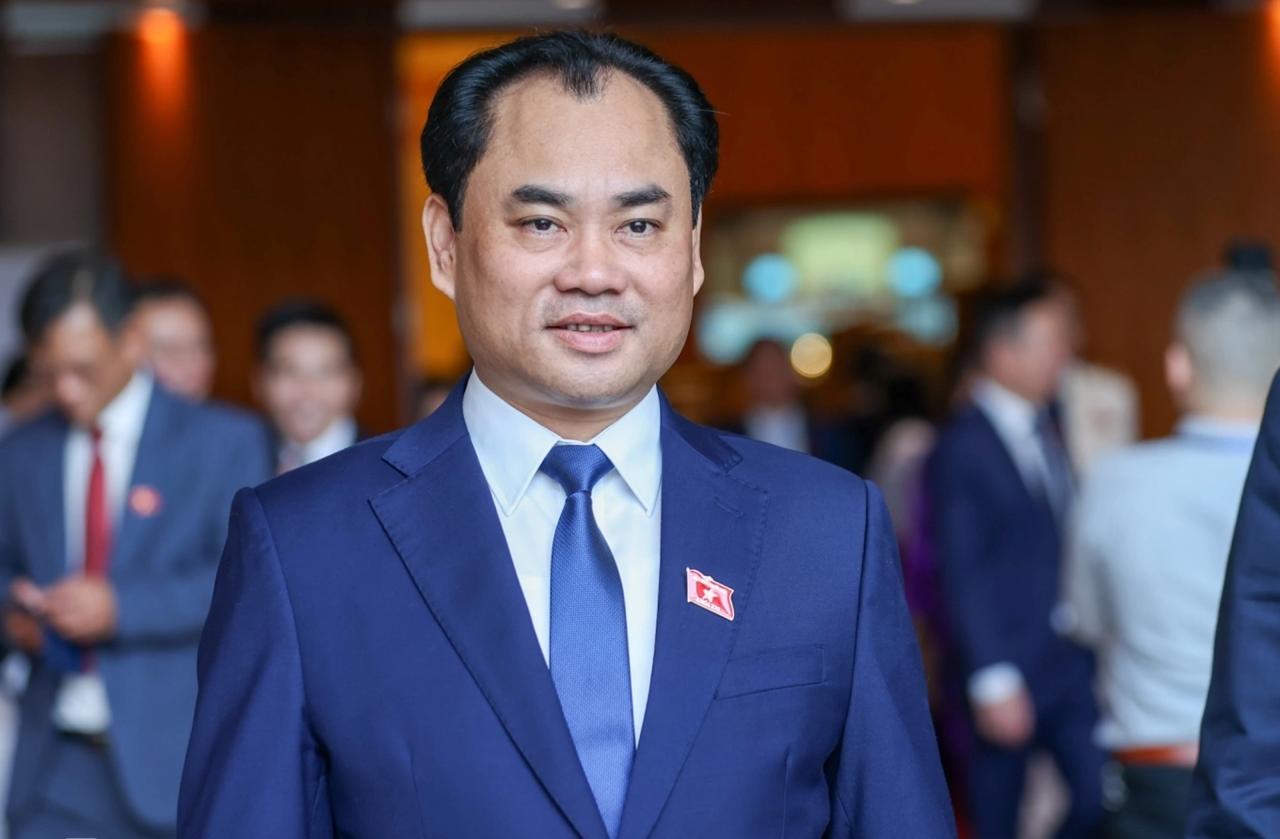
National Assembly on April 8 approved the appointment of Standing Deputy Minister Trinh Viet Hung as Minister of Agriculture and Environment for the 2026–2031 term, with all deputies present voting in favor.
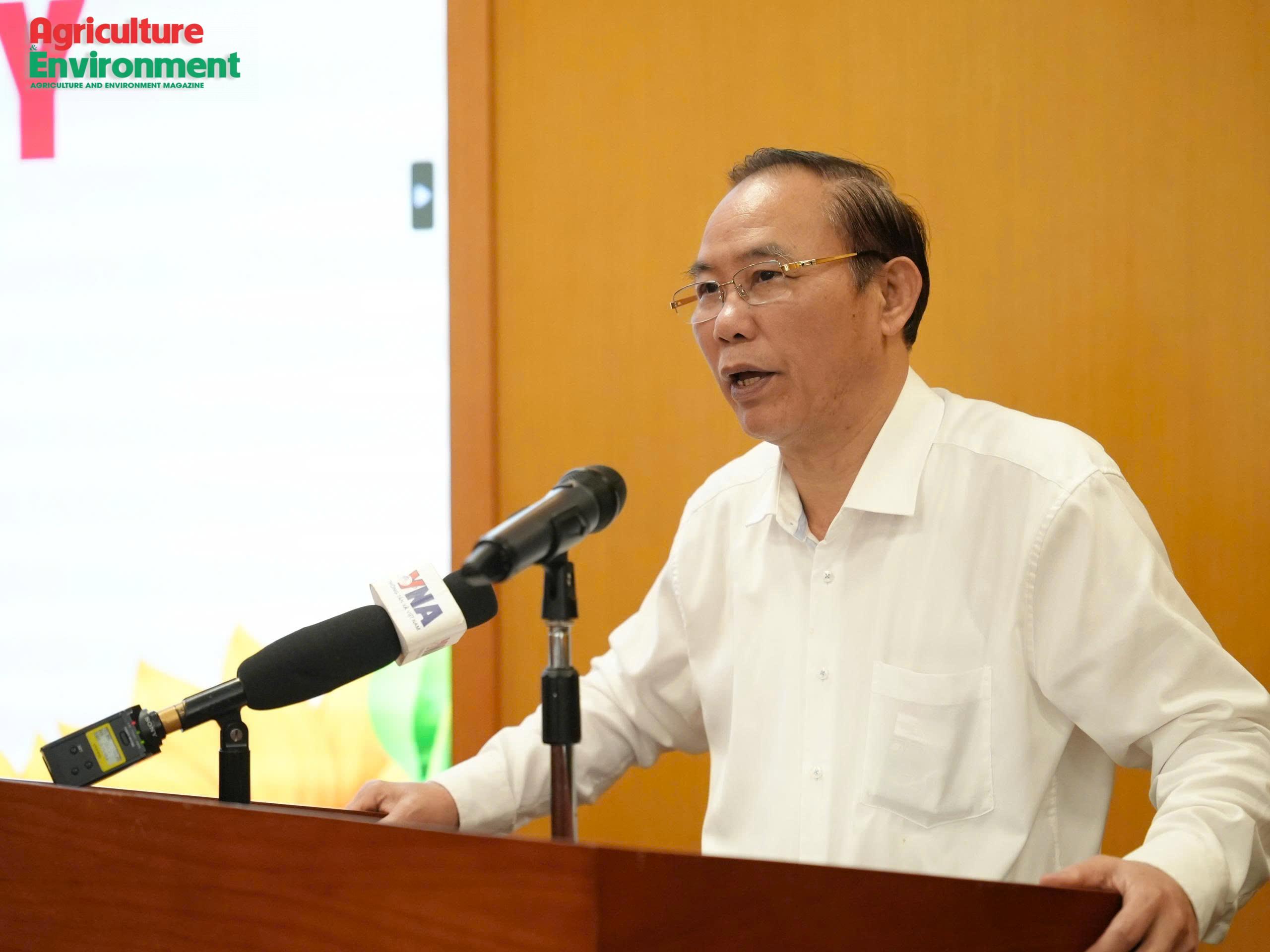
At a regular press briefing on April 1, Deputy Minister Phung Duc Tien said the Ministry of Agriculture and Environment is stepping up the application of remote sensing technology in resource and environmental monitoring to improve governance capacity, enhance early warning systems, and support policymaking. The move comes as the sector maintains growth momentum, with agro-forestry-fishery exports rising 5.9% year-on-year in the first quarter of 2026. Officials said advancing science and technology would serve as a key foundation for sustainable development in the coming period.
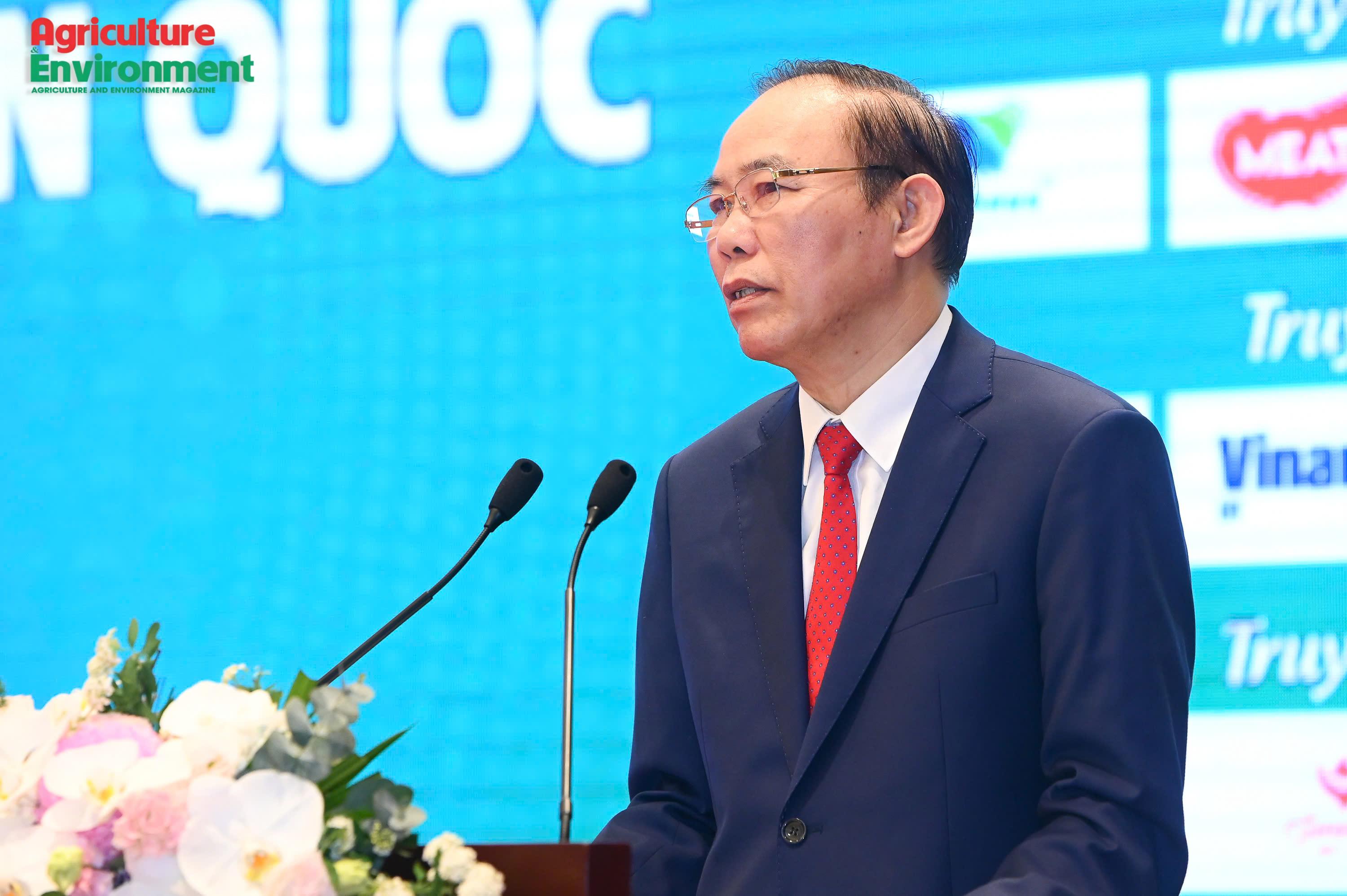
At the first National Conference on Science and Technology for Livestock and Veterinary Development, Deputy Minister of Agriculture and Environment Phung Duc Tien said science and technology are not only drivers of growth but decisive factors shaping productivity, quality and the sector’s position. He also outlined key priorities for research institutions, regulators and businesses in the coming period.
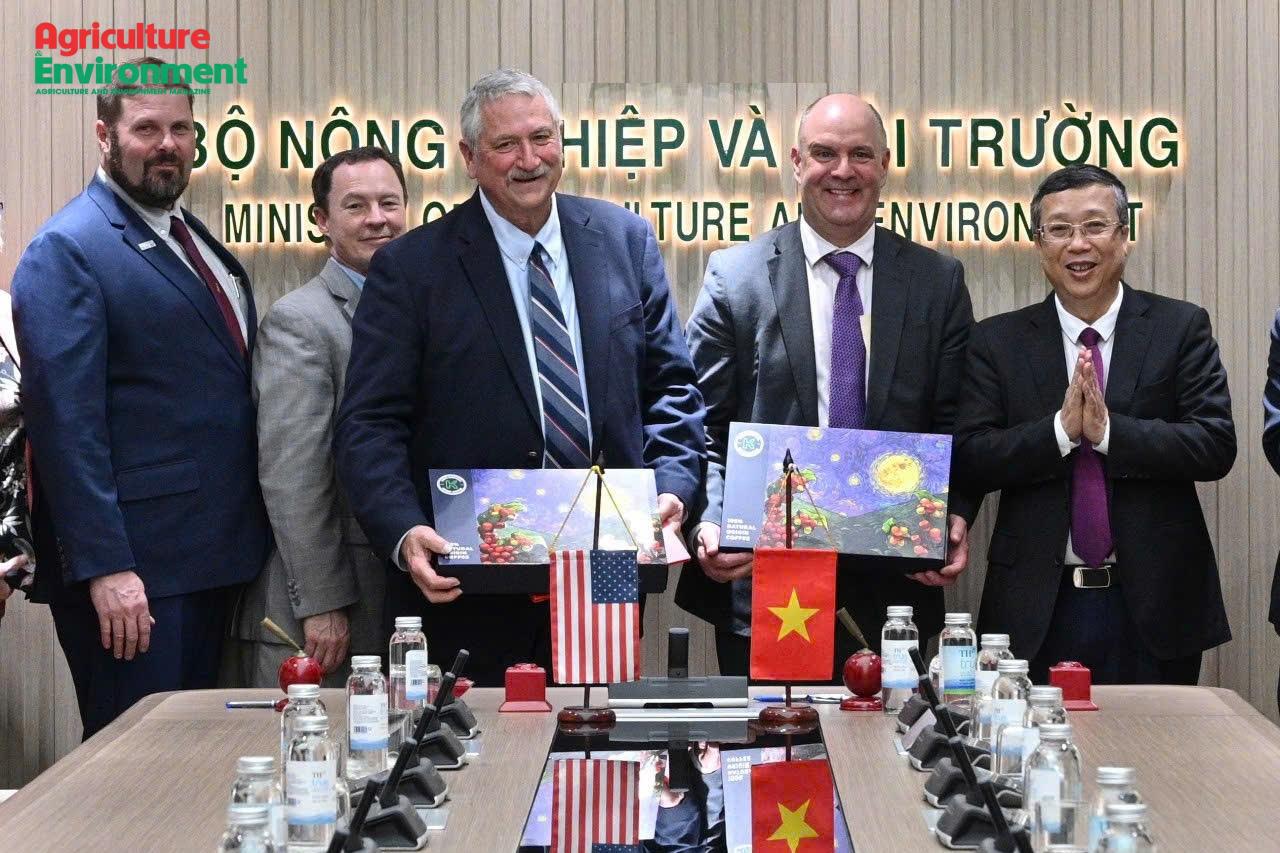
Viet Nam’s Ministry of Agriculture and Environment and partners from the U.S. state of Ohio have signed a memorandum of understanding on soybean cooperation, aiming to expand trade, secure feed supply chains, and promote technology transfer, Deputy Minister Hoang Trung said at a meeting on March 27.
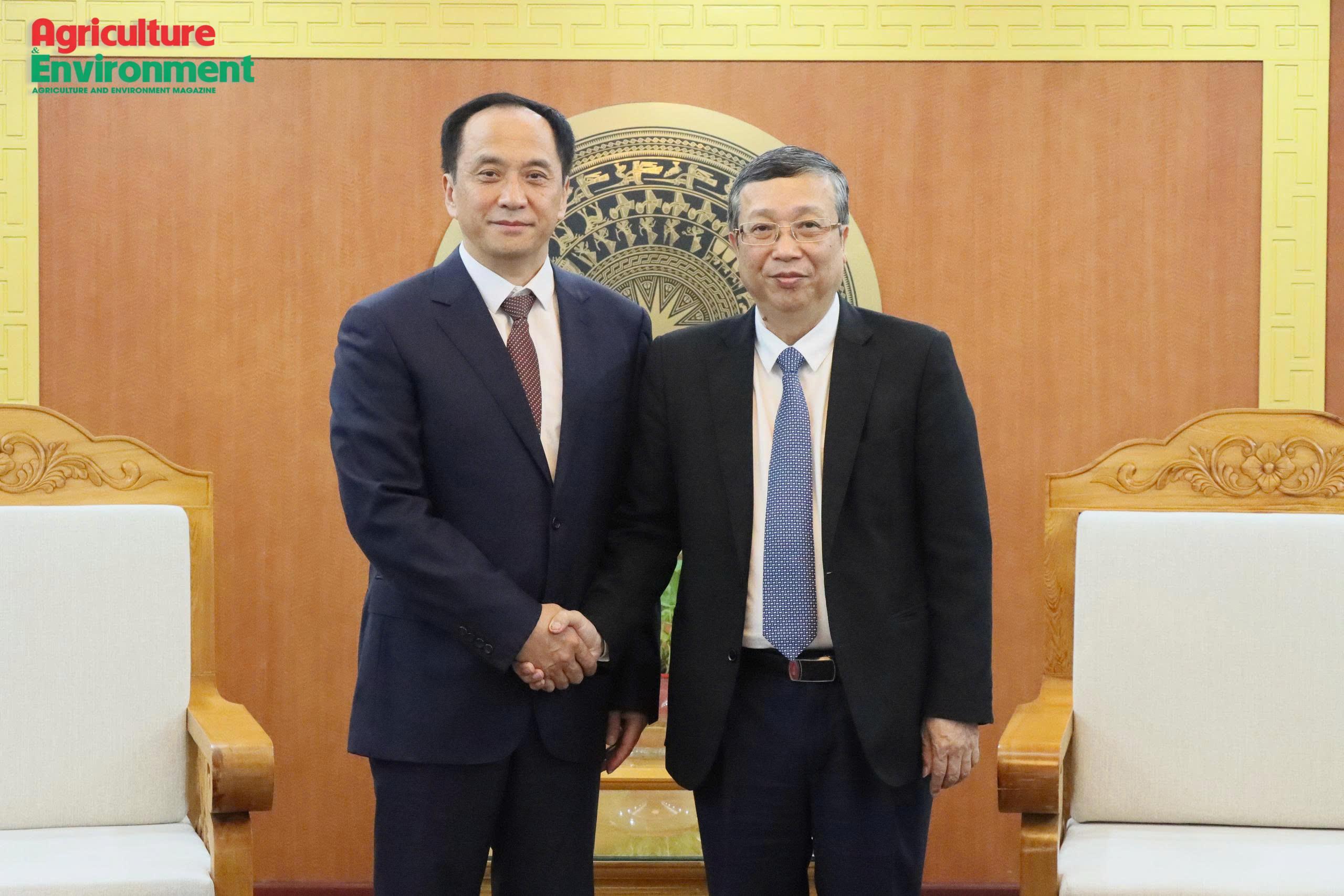
Building on a memorandum of understanding (MoU) signed in September 2023, Viet Nam and China’s Guangxi Zhuang Autonomous Region are advancing cooperation in agriculture and environment, focusing on smart agriculture, agri-product trade, fisheries, and cross-border disease control, with the aim of developing seamless and sustainable supply chains.