



 A research team from the Institute of Materials Science, Vietnam Academy of Science and Technology (VAST)—including Le Thi Hai Ninh, Pham Thi Hai Thinh, Nguyen Duc Nui, and Duong Van Nam—has carried out a study on phosphorus recovery from natural rubber processing wastewater using the struvite precipitation method.
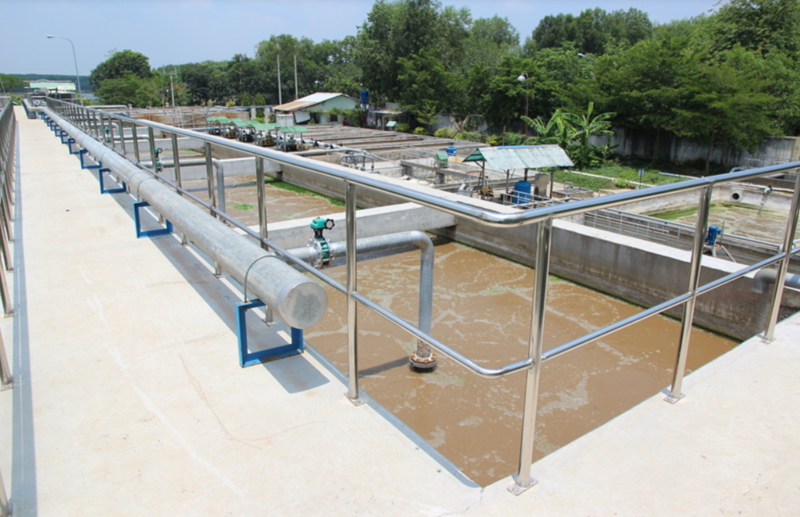
The objective of this work is to examine the feasibility of recovering phosphorus from natural rubber processing wastewater through struvite precipitation. This technology not only supports wastewater treatment but also enables the production of fertilizer from the recovered phosphorus, contributing to environmental protection and supplying nutrients for agriculture.
Phosphorus is a non-renewable element essential for plant growth. However, global natural phosphorus reserves are rapidly depleting. Recovering phosphorus from wastewater provides a sustainable solution for fertilizer production, pollution reduction, and the conservation of natural resources.
From wastewater to resource: Turning phosphorus into struvite
Struvite (MgNH₄PO₄·6H₂O) precipitation is one of the most effective techniques for recovering phosphorus from wastewater. The process occurs when magnesium (Mg²⁺), ammonium (NH₄⁺), and phosphate (PO₄³⁻) ions combine in solution to form struvite crystals. The resulting product not only removes phosphorus from wastewater but can also be used directly as a fertilizer.
The experiments were conducted using wastewater samples from natural rubber processing, which is characterized by extremely high pollutant loads, including phosphate concentrations of 420–450 mg/L. This creates significant potential for phosphorus recovery—estimated at approximately 157,625 tonnes in 2024.
Struvite shows promise: Efficiency, conditions, and key findings
Natural rubber processing wastewater contains a wide range of pollutants, with phosphorus accounting for a substantial portion. Phosphate levels can reach 420–450 mg/L, posing severe environmental risks if untreated. The study demonstrates that struvite precipitation is highly effective in recovering phosphorus from this wastewater stream.
The estimated recoverable phosphorus amount—157,625 tonnes in 2024—represents a notable resource. This recovered phosphorus could be used as fertilizer, providing an important supplementary input for Vietnam’s agricultural sector.
A new opportunity for the rubber industry’s circular future
Phosphorus recovery from natural rubber processing wastewater not only mitigates environmental pollution but also helps address fertilizer shortages in Vietnam. The recovered phosphorus can serve as a sustainable fertilizer source, reducing reliance on imported chemical fertilizers.
In addition, the approach helps lower wastewater treatment costs for rubber processing plants while generating a valuable product without creating additional pollution.
The work by Le Thi Hai Ninh, Pham Thi Hai Thinh, Nguyen Duc Nui, and Duong Van Nam demonstrates a sustainable pathway for managing wastewater from the natural rubber processing industry. Struvite precipitation offers a dual benefit: recovering phosphorus for fertilizer use and supporting environmental protection—thereby contributing to a more resilient and sustainable agricultural sector in Vietnam.

A scientific study by An Giang University, Vietnam National University, Ho Chi Minh City, and the An Giang Center for Rural Clean Water and Environmental Sanitation has demonstrated the potential of water lettuce (Pistia stratiotes) for treating piggery wastewater under natural conditions. The findings show that treatment performance varies with the initial biomass density and the pollutant being targeted. The approach offers a low-cost, environmentally friendly biological treatment option with potential for application by pig farms and household producers in Viet Nam.
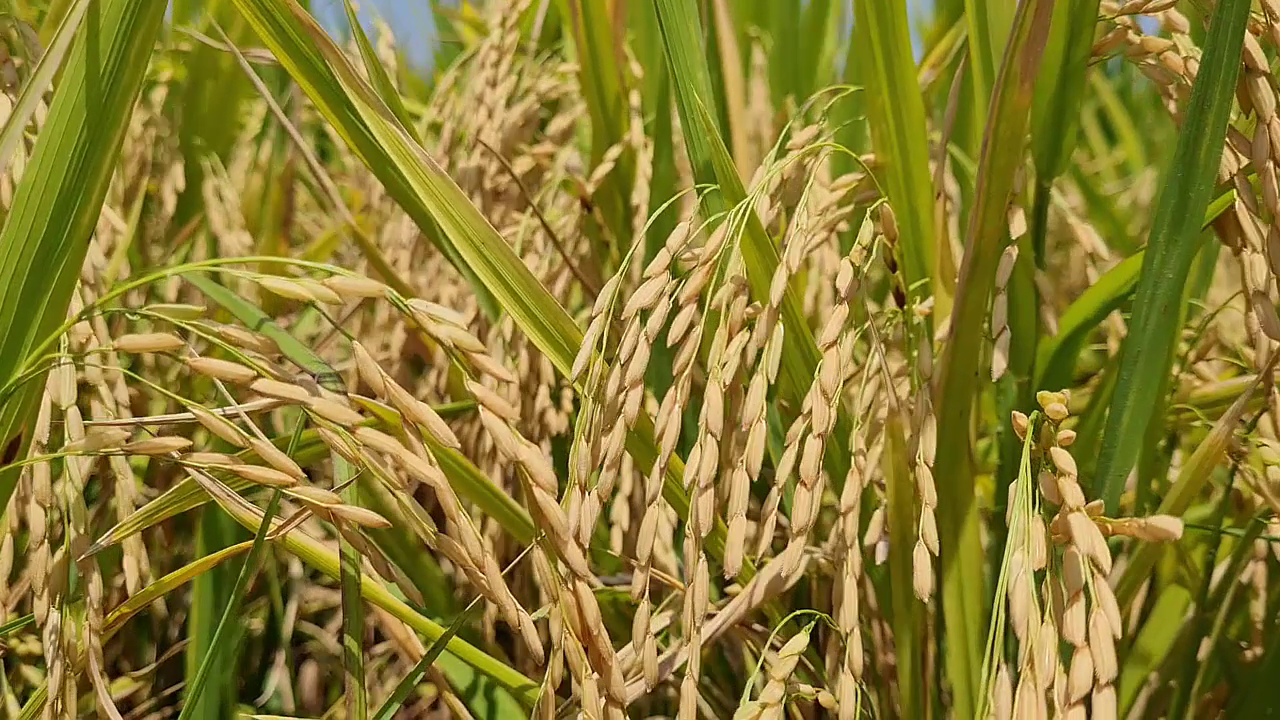
A study of 180 local rice accessions conserved at the Plant Resources Center revealed diversity in subspecies classification and grain quality traits. Within this germplasm collection, researchers identified eight accessions with promising characteristics, including aroma, low amylose content, and low to intermediate gelatinization temperatures, providing additional genetic resources for conservation and the breeding of high-quality rice varieties.
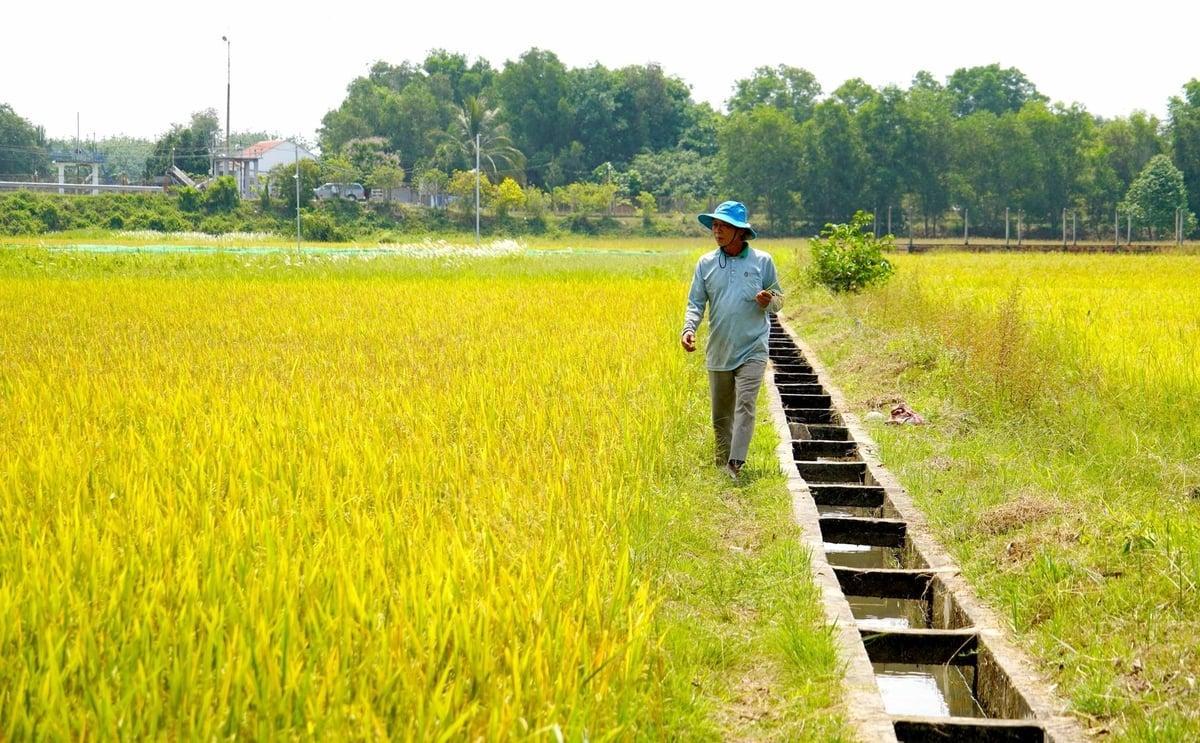
In low-lying areas of the former Cu Chi district, located in northwestern Ho Chi Minh City, seasonal flooding occurs alongside agricultural production and urbanization, creating various pressures on soil quality and its capacity for recovery. A study by Nguyen Thi Oanh, Phan Lieu, Truong Vinh Hai, and Tran Minh Tien found clear differences in soil health among rice cultivation, vegetable farming, and fruit orchards, with distinct patterns of chemical and biological degradation. The integration of multiple indicators through Principal Component Analysis (PCA) not only helped identify these differences but also provided a scientific basis for guiding soil management and restoration measures in peri-urban agricultural wetlands.
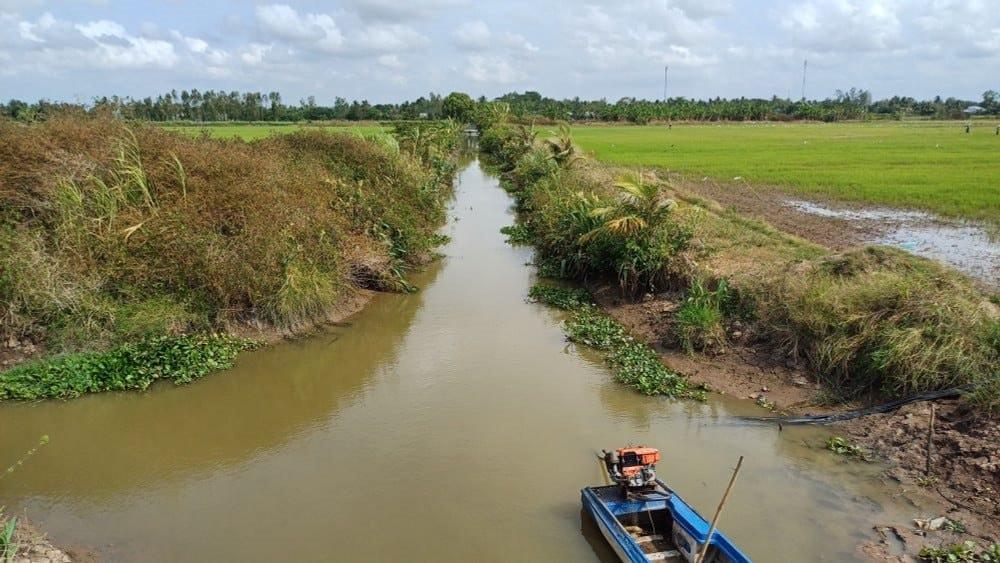
Saline intrusion is posing growing challenges to agricultural production in the lower Hau River region, where agricultural land use is closely linked to water availability. A study conducted in the former Soc Trang province, now part of Can Tho city, assessed saline intrusion risk to agricultural land use in 2024 under the RCP 4.5 and RCP 8.5 climate change scenarios for 2030 and 2050. The results show that the area of rice cultivation affected by higher salinity levels tends to increase, providing an additional scientific basis for land use planning and the selection of appropriate adaptation-oriented farming systems.
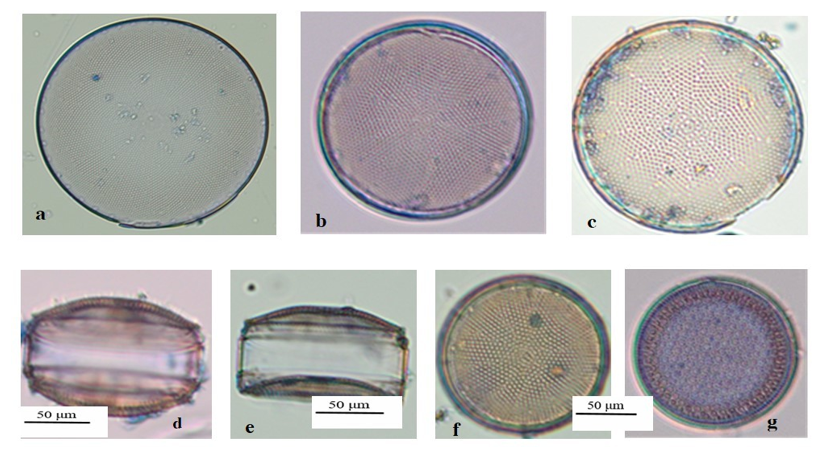
A study of phytoplankton samples collected from various marine areas of Viet Nam between 2015 and 2025 identified 21 species belonging to the genera Coscinodiscus and Coscinodiscopsis. Notably, Coscinodiscus reniformis and Coscinodiscopsis sp. were recorded and described in detail based on their cellular morphological characteristics, providing additional data for the identification and taxonomic classification of these diatom groups in Vietnamese waters.