



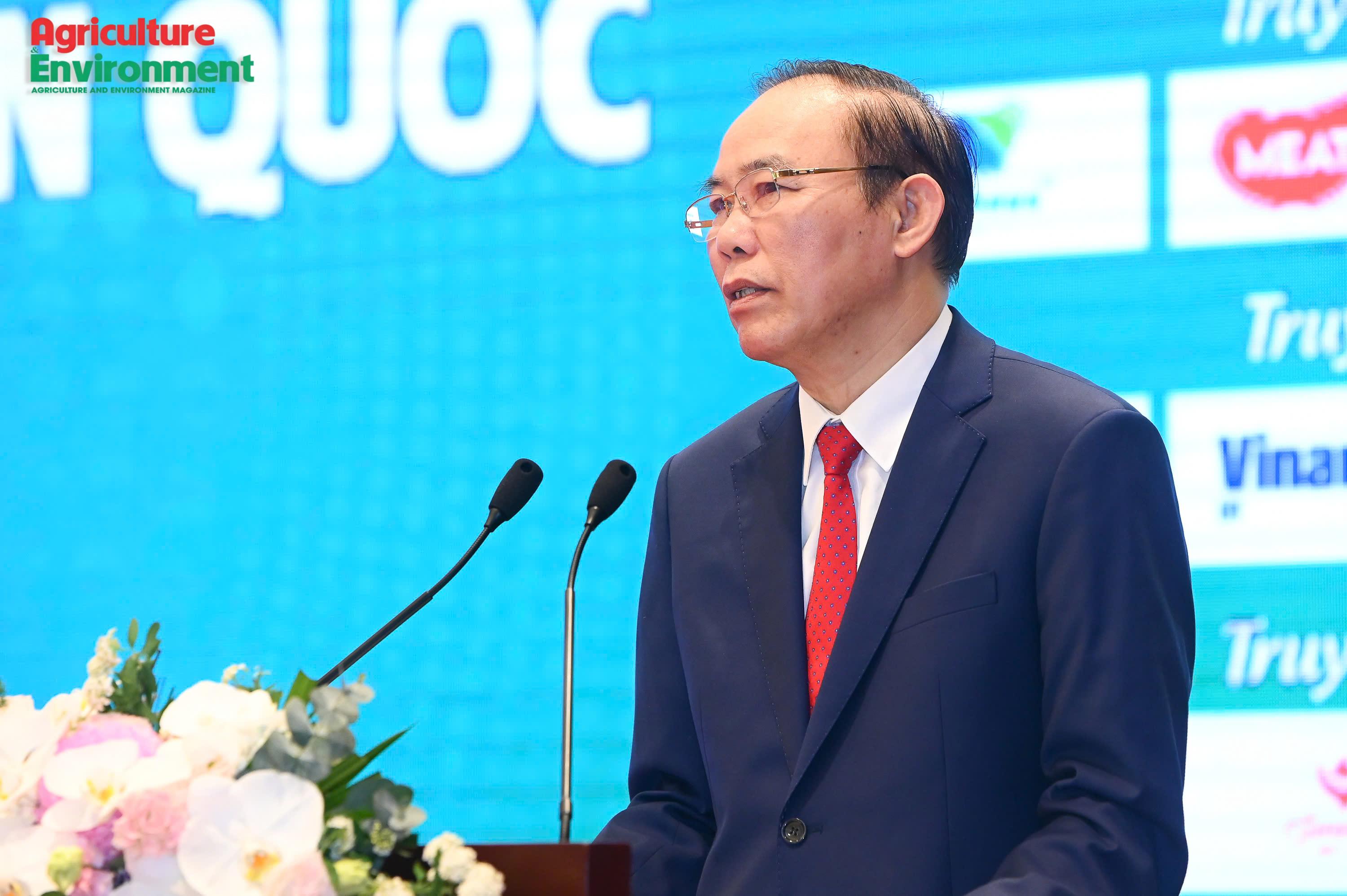
 At the first National Conference on Science and Technology for Livestock and Veterinary Development, Deputy Minister of Agriculture and Environment Phung Duc Tien said science and technology are not only drivers of growth but decisive factors shaping productivity, quality and the sector’s position. He also outlined key priorities for research institutions, regulators and businesses in the coming period.
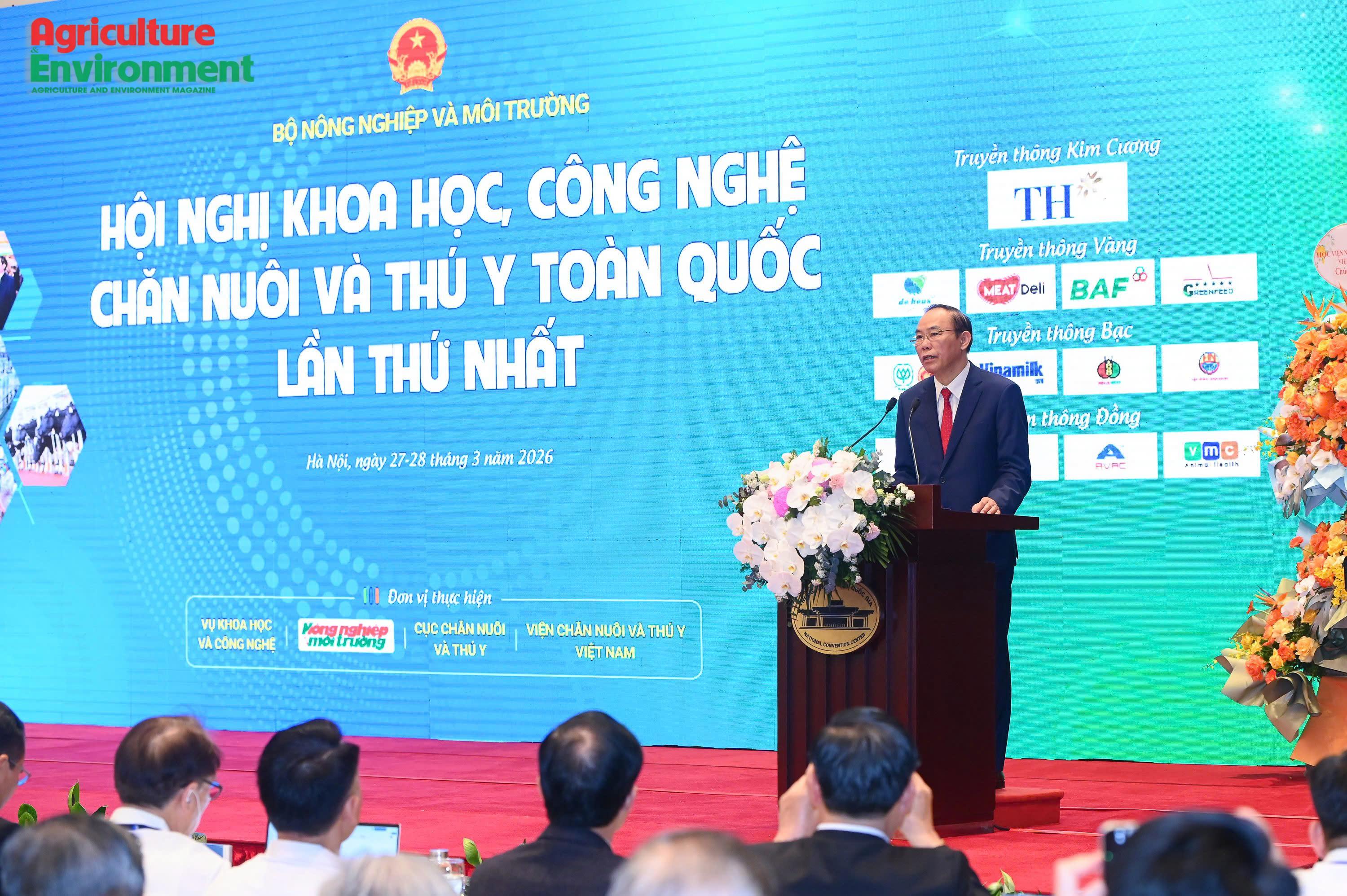
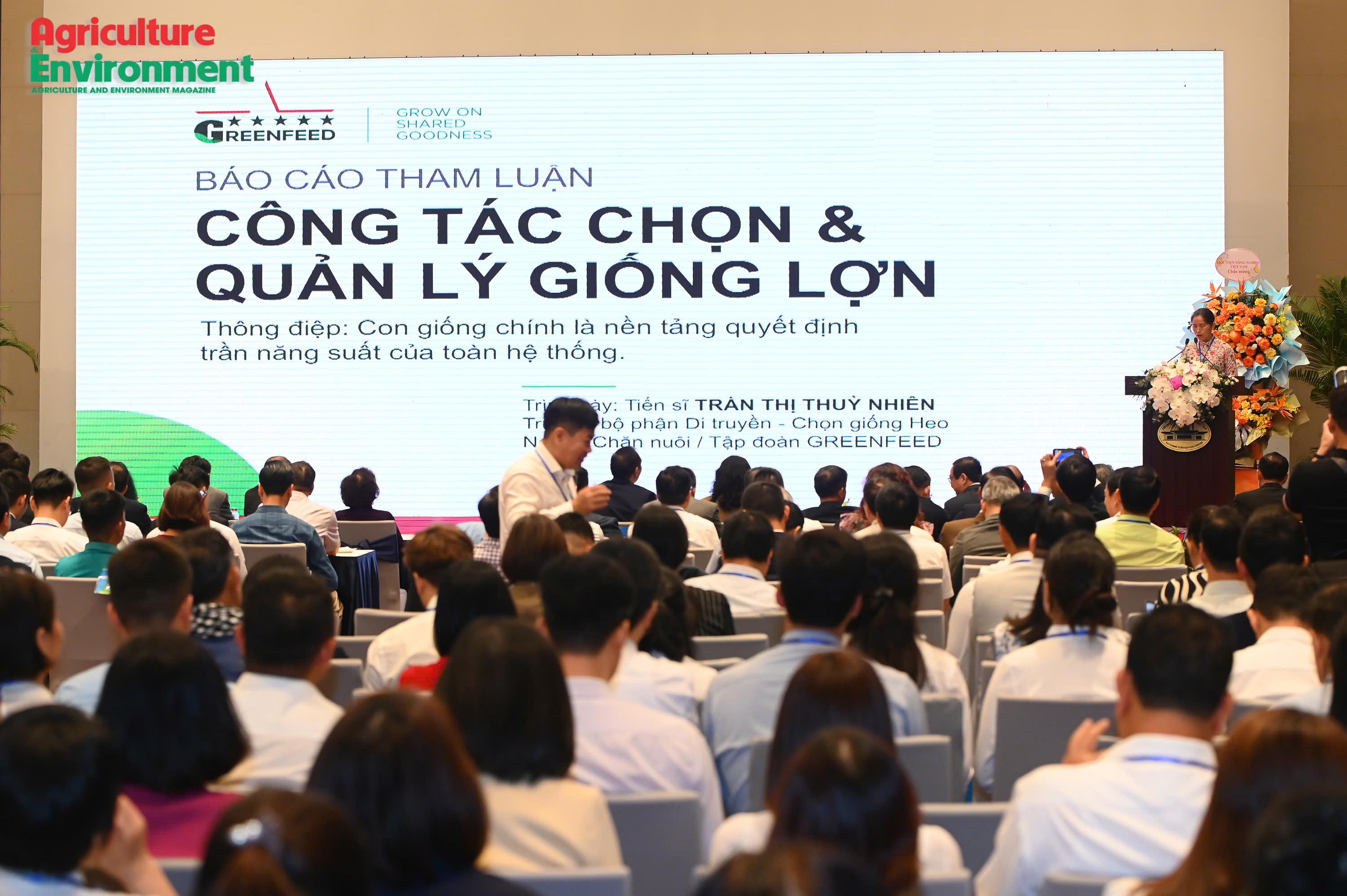
The Ministry of Agriculture and Environment on March 28 launched the first National Conference on Science and Technology for Livestock and Veterinary Development at the National Convention Center, drawing about 750 participants from central and local agencies, research institutes, universities, businesses and international organizations.
The event marked the first time a national-level scientific forum has been convened exclusively for the livestock and veterinary sectors, which account for around 27–28 percent of the country’s total agricultural output.
First national forum held to assess livestock and veterinary sectors
Speaking at the opening session, Deputy Minister Phung Duc Tien said that while scientific activities in livestock and veterinary fields have been conducted for years, they have largely remained fragmented, lacking a comprehensive platform to assess the sector as a whole and define strategic directions.
Before this conference, universities and research institutes regularly organized specialized workshops. However, these efforts were not sufficiently connected to provide an overall picture of the sector, particularly as livestock production has expanded into a major pillar of agriculture.
From a policy perspective, the absence of a unified forum has limited the ability to translate research outcomes into practice and to identify priority areas for science and technology. As a result, some studies have remained disconnected from market demand and industry needs.
The conference is therefore expected not only to showcase research findings but also to help establish stronger linkages among stakeholders — including regulators, scientists, businesses and farmers — and promote an approach in which science and technology are embedded across the value chain rather than treated as a separate component.
Sector records growth but faces rising challenges
Data presented at the conference showed that the sector has made significant progress in recent years. With an estimated value of 33–35 billion USD, livestock production plays a key role in ensuring food security, supporting macroeconomic stability and sustaining rural livelihoods.
Over the past decade, the sector has maintained annual growth of 4.5–6 percent. By 2025, total output reached 8.68 million tons of meat, 21.4 billion eggs and 1.3 million tons of fresh milk. Per capita consumption rose to more than 60 kilograms of meat and over 100 eggs per year.
In addition to meeting domestic demand, the sector has gradually expanded exports. Total agro-forestry-fishery exports reached 70.61 billion USD in 2025, with livestock products contributing more than 2.2 billion USD. Exports of animal products alone amounted to 628 million USD and continued to grow strongly in early 2026, indicating further potential.
However, these gains have been achieved amid unprecedented challenges.
The 2021–2025 period was marked by the prolonged impact of the COVID-19 pandemic, supply chain disruptions and geopolitical tensions, including the Russia–Ukraine conflict and trade frictions among major economies. These factors have increased production costs and affected market access.
Climate change and natural disasters have also taken a heavy toll. In 2025 alone, disaster-related losses were estimated at nearly 100 trillion VND (about 4 billion USD), with agriculture bearing the brunt. The livestock sector lost around 3.1 million animals, while African swine fever led to the culling of more than one million pigs. Aquaculture also suffered damage to approximately 1,500 hectares.
Structurally, the sector continues to face persistent constraints. Small-scale production remains widespread, complicating the adoption of biosecurity standards and traceability systems. Dependence on imported breeds and inputs reduces resilience and increases vulnerability to market fluctuations.
Animal health capacity at the grassroots level remains uneven, while disease risks are becoming more complex. According to estimates cited at the conference, about 70–75 percent of emerging infectious diseases originate from animals, underscoring the need for a “One Health” approach.
Antimicrobial resistance is another growing concern. The overuse of antibiotics in livestock production poses risks not only to animal health but also to human health, requiring stricter management and more targeted research.
These factors suggest that while the sector continues to grow, its current development model is under increasing pressure and requires a shift toward more sustainable and resilient practices.
Science and technology identified as key driver of productivity and competitiveness
Against this backdrop, Deputy Minister Phung Duc Tien emphasized that science and technology must move from a supporting role to a central, decisive position in the sector’s development.
Recent advances have already demonstrated their impact. Viet Nam’s livestock breeding productivity has reached about 95–97 percent of global levels. In poultry production, the time required to raise industrial chickens has been reduced from around 60 days to 37 days, with improved feed conversion efficiency.
In the veterinary field, Viet Nam has made notable progress in vaccine research and production, including the development of an African swine fever vaccine — a breakthrough achievement after years of global efforts.
However, the Deputy Minister said the key challenge lies not only in technological development but also in how research and technology transfer are organized. Moving forward, research programs need to shift from fragmented, small-scale projects to integrated approaches aligned with value chains and market demands.
This transition also requires changes in resource allocation. With increasing investment in science and technology — rising from about 25 trillion VND in previous years to an estimated 95 trillion VND — research initiatives are expected to address major, strategic challenges rather than dispersed topics.
Three groups of technologies were identified as priorities: biotechnology (including gene editing, cell and microbial technologies), digital technology (such as artificial intelligence, big data and traceability systems), and processing technology. These areas are seen as critical for enhancing value addition and competitiveness.
Priorities for research, policy and industry in focus
Beyond reviewing current conditions, the conference was positioned as a starting point for redefining the sector’s development trajectory.
Deputy Minister Phung Duc Tien outlined several key priorities for stakeholders.
First, a comprehensive assessment of the sector’s current status and future trends is needed, particularly regarding disease risks, environmental challenges, climate change and antimicrobial resistance.
Second, stakeholders should identify major scientific and technological challenges that align with practical needs. In this context, science and technology are expected to play a leading role rather than merely responding to production demands.
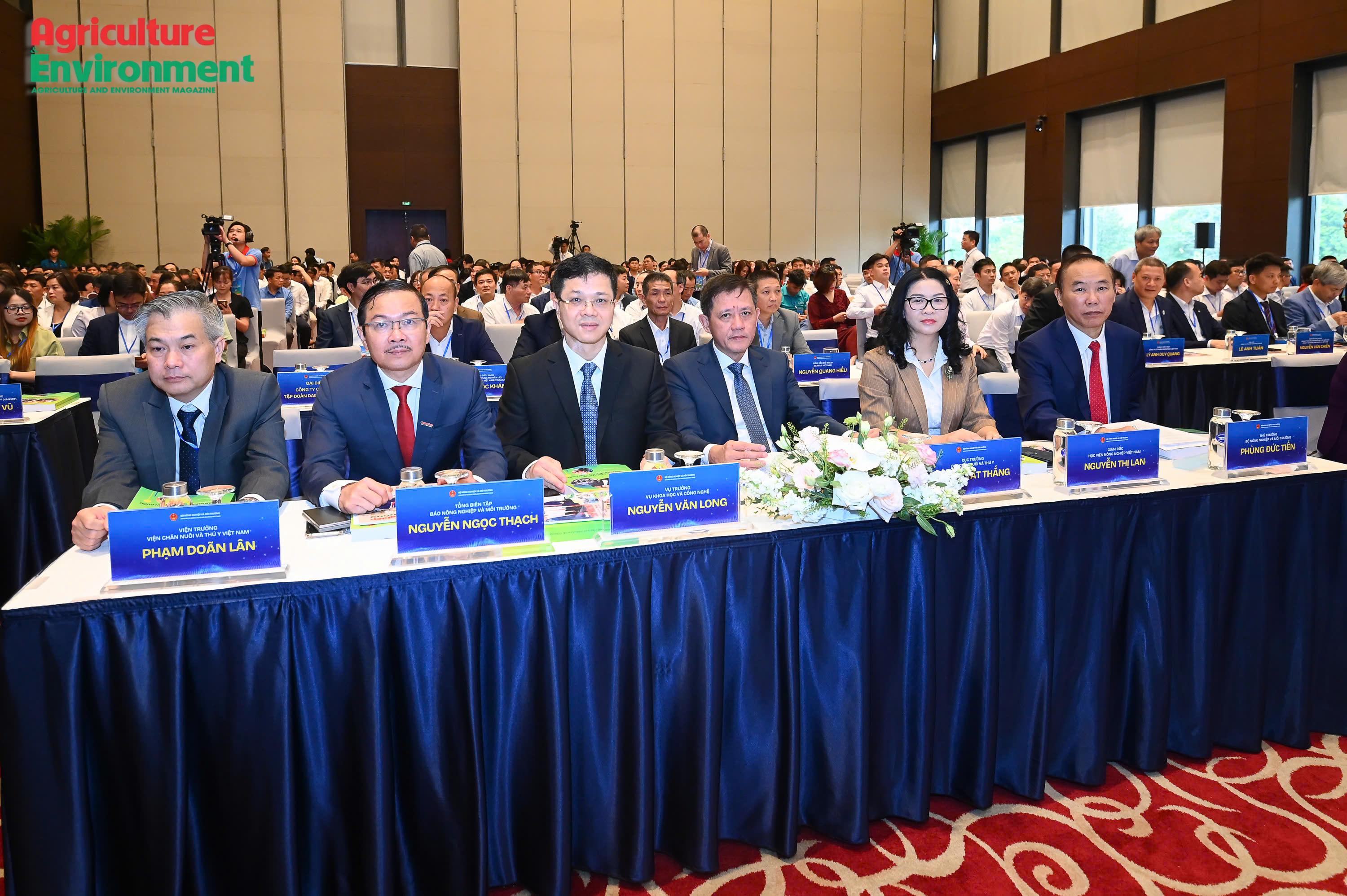
Third, policy frameworks should continue to be refined to facilitate research, innovation and technology adoption. This includes reviewing and potentially revising the Law on Animal Husbandry and the Law on Veterinary Medicine to better reflect current realities.
Fourth, stronger linkages among the State, scientists, businesses and farmers are essential to building an effective innovation ecosystem. This model has been a foundation of agricultural growth over the past decades and needs to be further strengthened.
Finally, expanding international cooperation and selectively adopting global technologies and management practices will be key to improving domestic research capacity and integration into global value chains.
The conference featured six thematic sessions covering key areas of the sector: pig production; poultry; ruminants and other livestock; animal health and disease prevention; veterinary drugs and vaccines; and antimicrobial resistance, food safety and related veterinary issues.
Discussions focused on critical issues such as high-quality breeding, animal nutrition and feed technology, disease control, vaccine development, traceability and digital transformation in production management.
According to the Ministry of Agriculture and Environment, the outcomes of the conference are expected to inform policy development, guide research priorities and strengthen linkages between science and production.
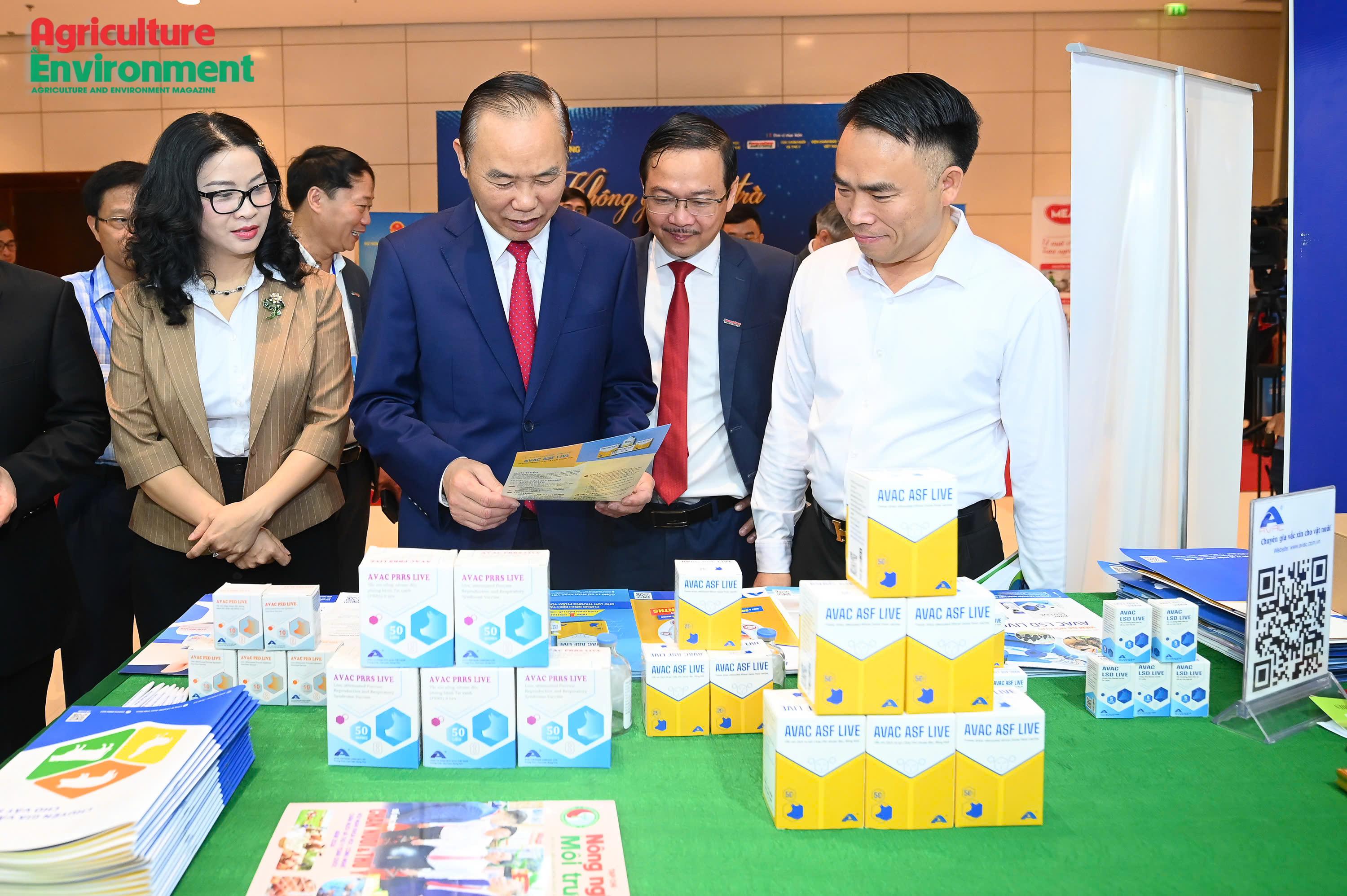
The event also included an exhibition area showcasing technologies and scientific achievements from businesses, research institutes and universities, providing opportunities for collaboration and technology transfer.
As Viet Nam’s livestock and veterinary sectors face increasing risks and stricter market requirements, placing science and technology at the center of development is seen as essential to sustaining growth and enhancing the country’s position in global value chains.
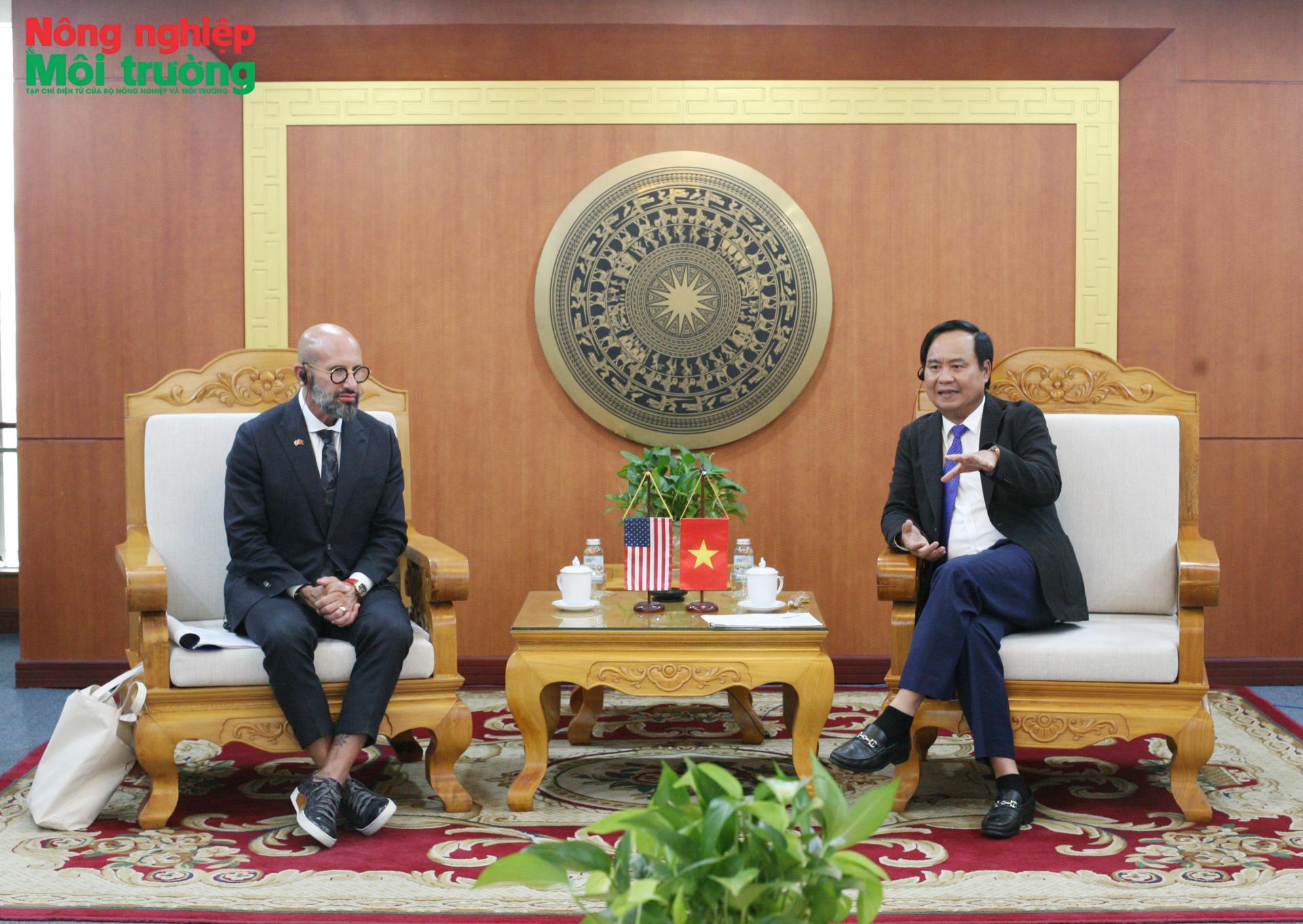
The U.S. Food and Drug Administration's (FDA) decision to establish its first ASEAN regional office in Vietnam is expected not only to strengthen cooperation between the two countries' regulatory authorities but also to support the harmonization of food safety standards, improve supply chain oversight and facilitate agricultural trade as international market requirements become increasingly stringent.
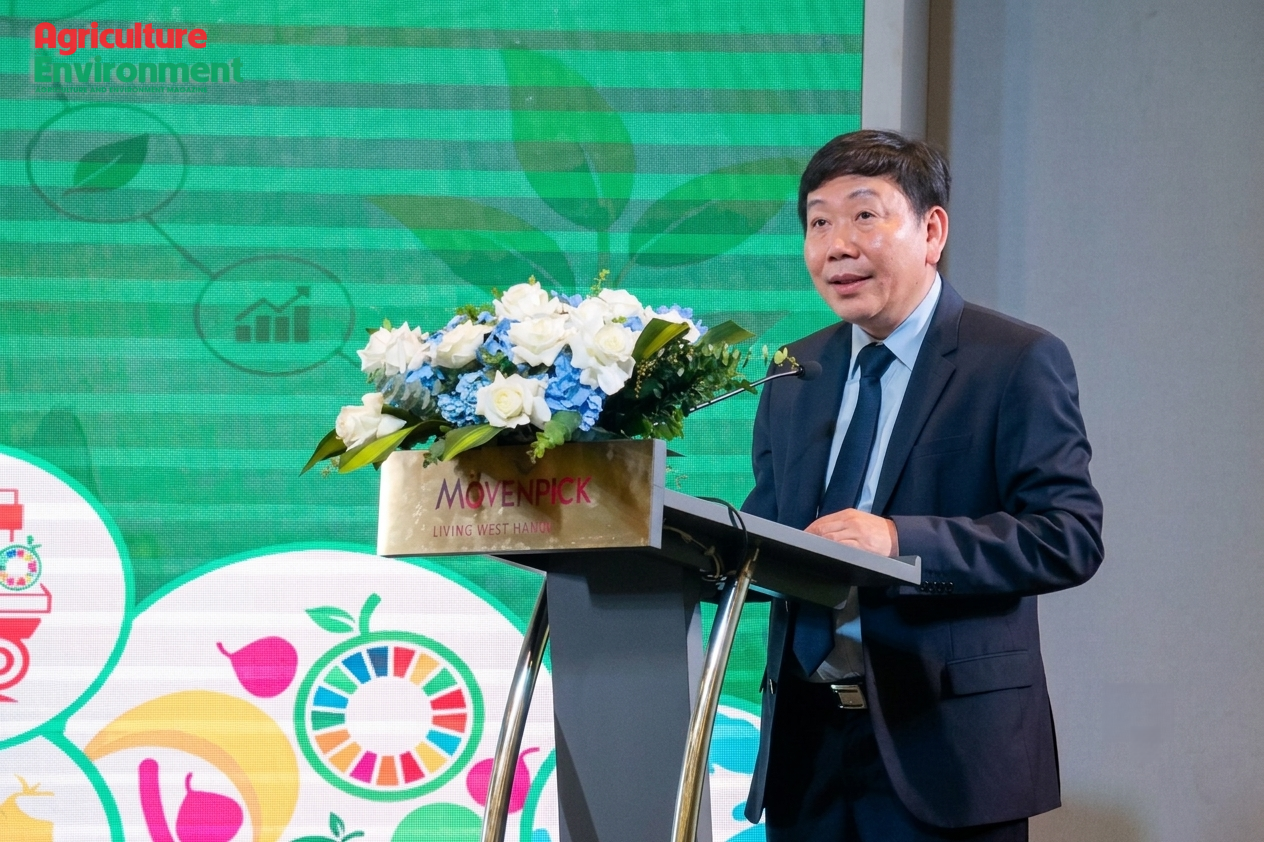
Ensuring food security, adapting to climate change and delivering on sustainable development commitments have become increasingly interconnected policy priorities for Viet Nam. Against this backdrop, food systems transformation is emerging as a key pillar of the country's long-term development agenda.
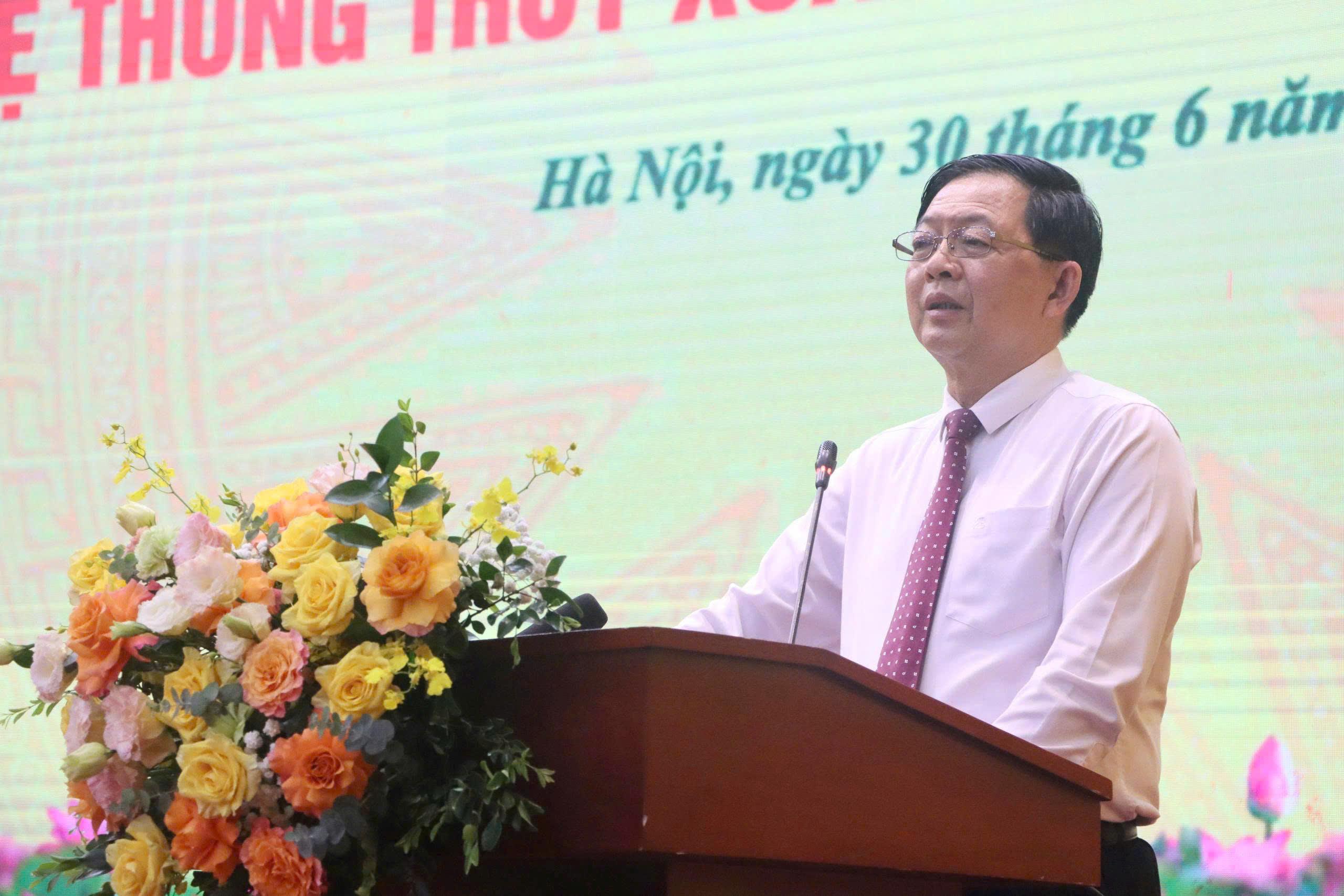
The launch of Viet Nam’s national agricultural product traceability system marks a new step in the digital transformation of the agriculture sector, supporting data-driven public administration, improving product quality management, and strengthening the competitiveness of Vietnamese agricultural products in global markets.
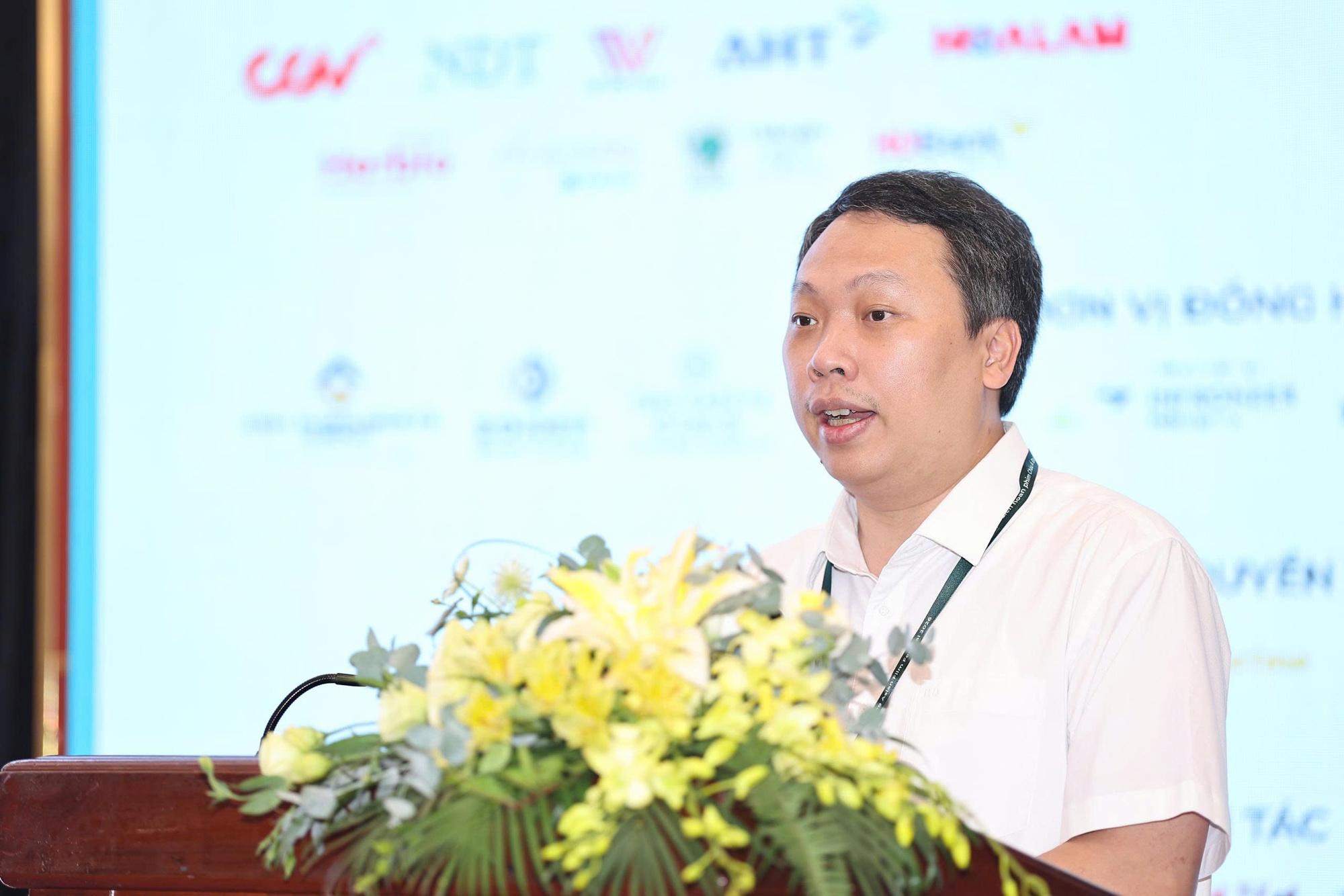
A conference titled “Artificial intelligence, digital technology and intellectual property protection in cinema” was held on June 30 in Da Nang as part of the 4th Da Nang Asian Film Festival (DANAFF IV).
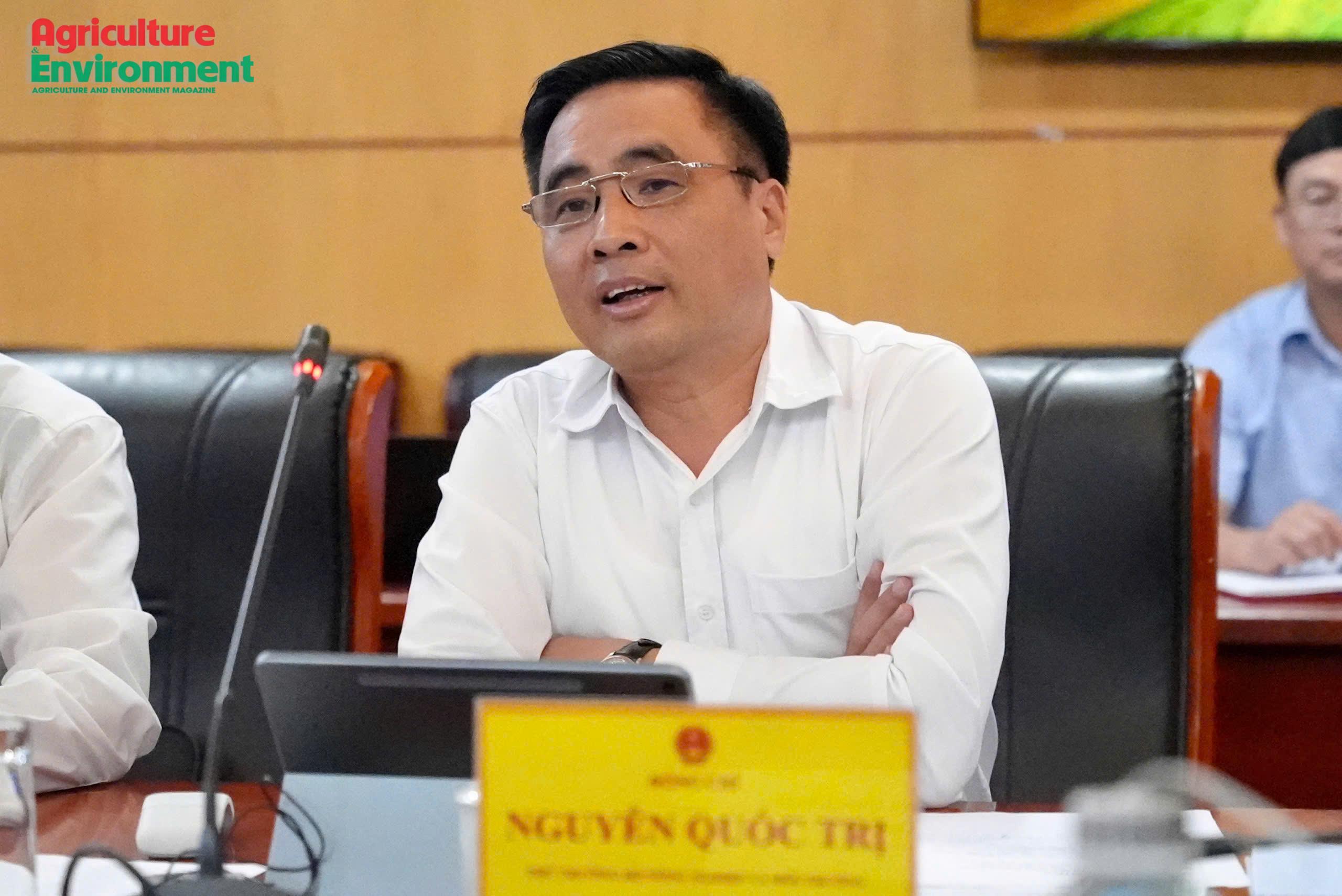
At a working session with the ASEAN Furniture Industries Council (AFIC) on June 26, Deputy Minister of Agriculture and Environment Nguyen Quoc Tri affirmed that Viet Nam is ready to support cooperative initiatives aimed at developing the ASEAN wood industry in a responsible and value-added direction.