



 A major policy decision by the Party’s central leadership is opening up new development space and new thinking for the marine economy. However, these breakthrough policy directions also place greater demands on local governments’ governance capacity and ability to organize and implement them effectively.
For Nghe An, making the sea a new driver of economic growth is not simply a matter of increasing the exploitation of existing marine resources and products. More importantly, the province must find ways to generate greater value from them. This requires the province to gradually remove existing bottlenecks and move toward building a green, modern, and competitive marine economic ecosystem.
To examine how Nghe An is translating Resolution No. 20-NQ/TW into practice, *Agriculture and Environment Magazine* spoke with Nguyen Danh Hung, Deputy Director of the Nghe An Department of Agriculture and Environment, about the province’s priorities and implementation efforts.
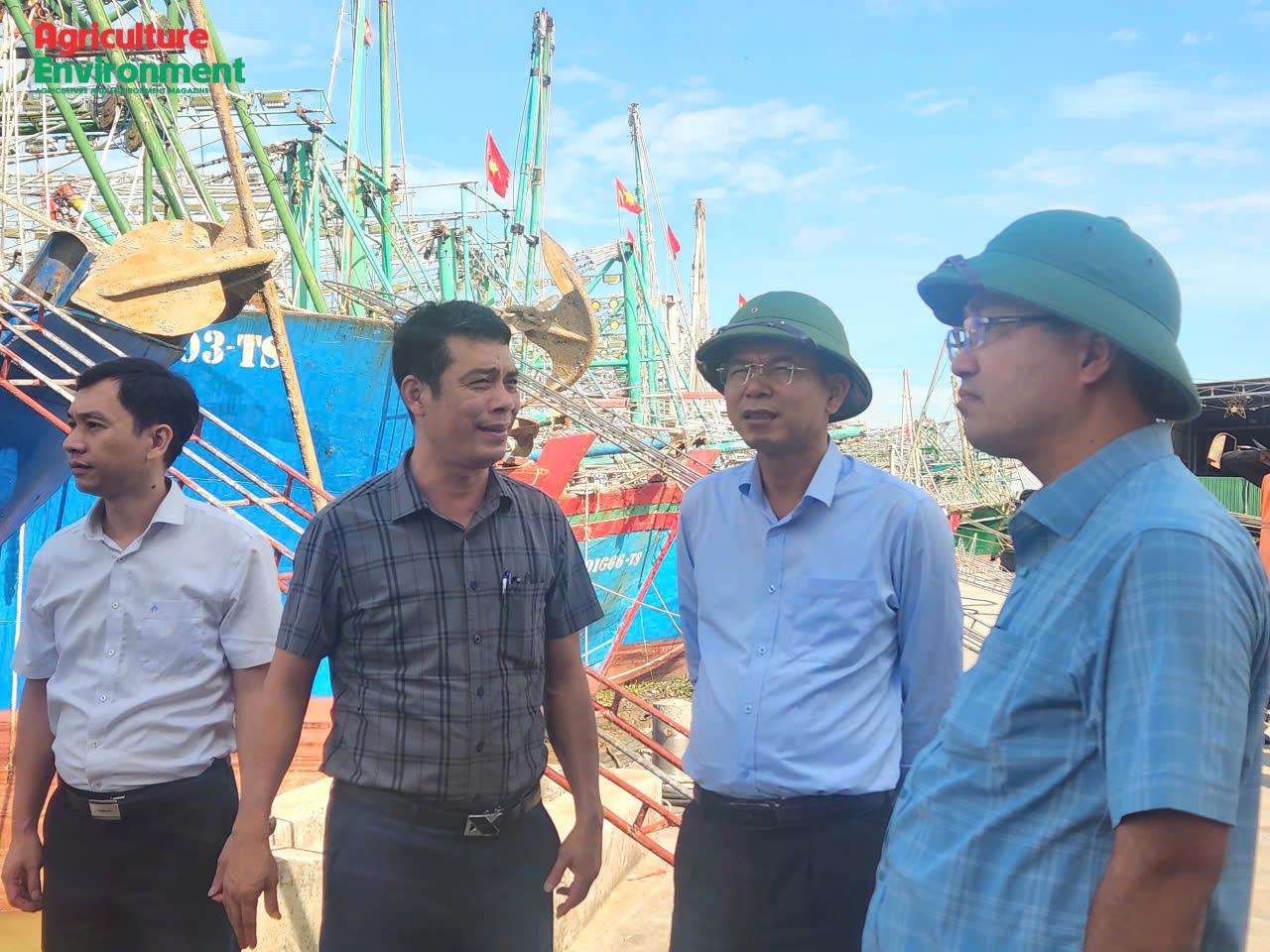
Resolution No. 20-NQ/TW is expected to open up new thinking and development space for the marine economy. From the perspective of sectoral management, which areas does the Department identify as key drivers and priorities for Nghe An to make more effective use of its marine potential and advantages in the coming period?
Nguyen Danh Hung: Resolution No. 20-NQ/TW identifies the sea as a strategic development space and a new driver of economic growth. At the same time, it calls for a fundamental shift from simply exploiting natural resources toward integrated, modern, and sustainable governance of marine space. This is also the overarching direction guiding the advisory work of the Nghe An Department of Agriculture and Environment on the development of the province’s marine economy.
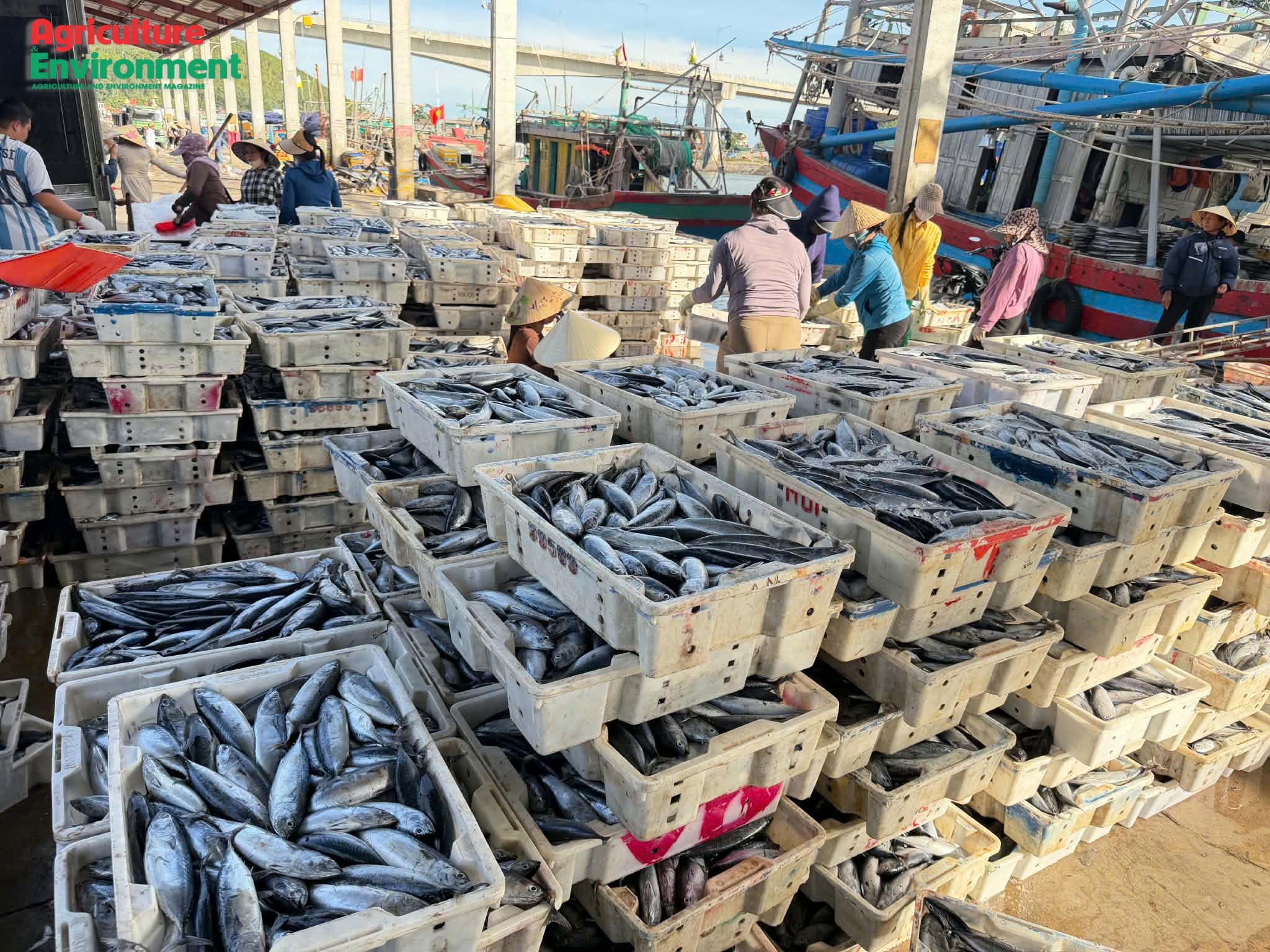
Within the scope of the sector, we are focusing on three priority areas. First, we will restructure the fisheries sector toward modernization and sustainability, reduce pressure on coastal fisheries, curb destructive fishing practices, and develop industrial-scale and high-tech marine aquaculture. At the same time, we will modernize fishing ports and storm-shelter anchorages and strengthen enforcement measures against illegal, unreported and unregulated (IUU) fishing. The province’s action plan sets a target of increasing the value of marine aquaculture production by an average of 6% per year, with marine aquaculture accounting for 14.6% of total fisheries production value by 2030.
Second, we will strengthen integrated management of marine resources and protection of the marine environment and ecosystems, ensuring that marine economic development goes hand in hand with resource conservation, proactive adaptation to climate change, and the long-term security of coastal communities’ livelihoods.
Third, we will accelerate the application of science and technology and digital transformation in marine governance. The Department will advise on the development and integration of marine databases while expanding the use of artificial intelligence (AI), big data, the Internet of Things (IoT), remote sensing, and monitoring technologies. These efforts will gradually shift marine management from manual approaches toward data-driven governance.
Our position is that growth should not be pursued at any cost. Instead, the goal is to generate greater value added from the sea and develop a green, modern, and smart marine economy closely linked to environmental protection and the livelihoods of local communities.
For the policies set out in Resolution No. 20-NQ/TW to be effectively implemented in practice, what bottlenecks in planning, infrastructure, investment attraction mechanisms, and coordination among sectors and coastal localities do you believe Nghe An needs to address?
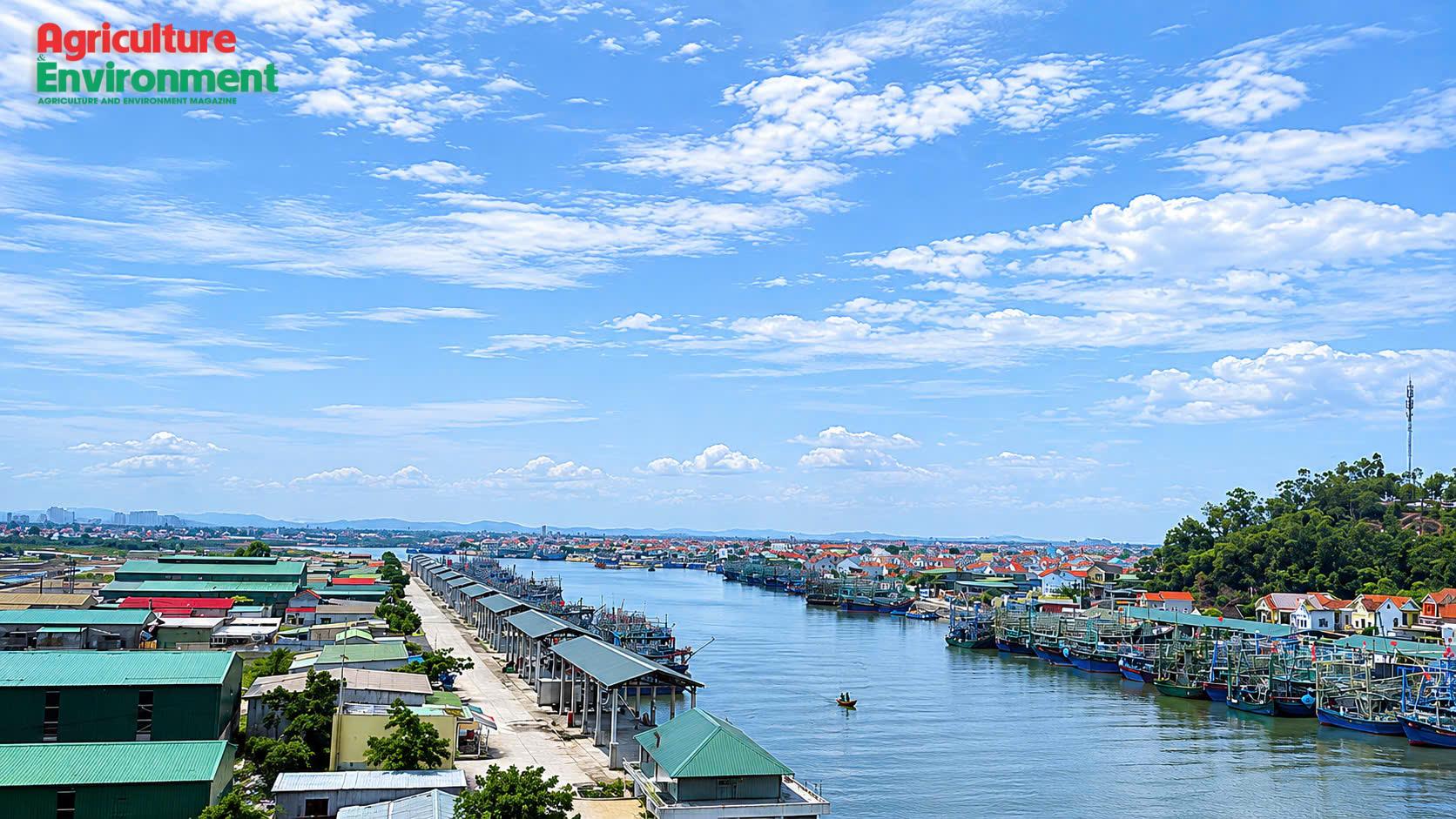
Nguyen Danh Hung: In our view, there are three groups of bottlenecks that should be prioritized. The first is inadequate and uncoordinated infrastructure, particularly fisheries infrastructure, fishing ports, storm-shelter anchorages, transport connectivity, and digital infrastructure. These are fundamental conditions for improving production and service capacity and strengthening marine spatial management.
The second concerns investment resources and mechanisms for mobilizing them. Marine economic development requires substantial capital and long-term investment. Therefore, in addition to state budget resources, we need to mobilize greater contributions from businesses through public-private partnerships (PPPs), foreign direct investment (FDI), and green finance. At the same time, coastal projects that are behind schedule, use land inefficiently, or violate the law must be reviewed and handled in accordance with regulations, thereby freeing up resources for more effective projects.
The third is insufficiently coordinated intersectoral and interregional cooperation and management. The marine economy is highly cross-sectoral and regional in nature, so it cannot be developed solely according to administrative boundaries. Clear responsibilities must be assigned among departments, agencies, and coastal localities, while linkages and value chains should be established in fisheries, marine aquaculture, tourism, logistics, and marine services.
For the agriculture and environment sector, we identify effective management of marine and coastal space as a key requirement. This means ensuring a proper balance between economic development and the protection of natural resources, the environment, and ecosystems, thereby creating a long-term foundation for development.
Amid intensifying competition among coastal localities, what solutions and policy mechanisms will the Department recommend to create a breakthrough and make the marine economy a strong and sustainable driver of growth for Nghe An in the coming period?
Nguyen Danh Hung: In our view, to achieve a breakthrough, Nghe An must move beyond exploiting its marine advantages and instead build a marine economic ecosystem with high value added and strong competitiveness. In this process, the State should play an enabling role, businesses should be at the center, and local communities should be the primary beneficiaries.
First, the Department will advise on strengthening integrated marine spatial governance, reviewing and updating planning frameworks, and carrying out functional zoning of coastal and nearshore areas. This will help reduce overlaps and conflicts among sectors and fields while ensuring the effective and sustainable use of marine space. This approach is consistent with Resolution No. 20-NQ/TW, which calls for a shift from sector-based management toward modern, integrated, and unified governance of marine space.
In agriculture and environmental management, priorities include restructuring the fisheries sector, developing industrial-scale and high-tech marine aquaculture, modernizing fisheries infrastructure, protecting and restoring fishery resources, and strictly enforcing regulations against IUU fishing.
At the same time, science and technology, innovation, and digital transformation will be among the key areas for breakthrough development. The Department will advise on building and integrating marine databases and expanding the application of technology in the management of fishing vessels, natural resources and the environment, planning, and the monitoring of activities at sea. These efforts will gradually establish data-driven approaches to marine governance.
Most importantly, all development activities must ensure that the environment is not sacrificed for economic growth. Ecosystem protection, resource restoration, climate change adaptation, and the safeguarding of coastal livelihoods must be regarded as integral components of marine economic development.
The ultimate goal is not simply to extract more from the sea, but to generate greater value from it. Within its assigned functions and responsibilities, the Department will proactively advise the Provincial People’s Committee on gradually developing Nghe An into a province with a strong marine economy in the North Central Region by 2030 and, by 2045, into a province with a strong and comprehensive green and modern marine economy and a leading position in the country./.
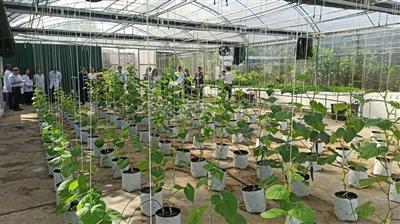
Water security is a growing concern for Vietnam due to climate change, rising demand, and pollution. Over-extraction and degradation threaten sustainability, with rapid development adding pressure. To address this, Vietnam is enhancing water management and international cooperation. Israel, a leader in water resilience, has transformed its arid land through desalination, wastewater treatment, and precision irrigation. Israeli Ambassador Yaron Mayer emphasized that Israel’s expertise offers valuable lessons and cooperation opportunities for Vietnam.
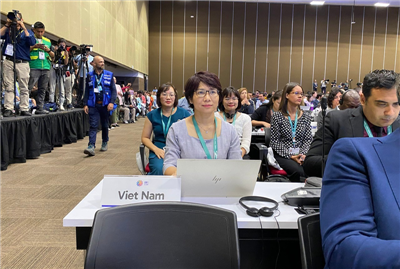
From February 25 to 27, 2025, the continuation session of the 16th Conference of the Parties to the Convention on Biological Diversity (COP16) took place in Rome, Italy, with the participation of the Vietnamese delegation led by the Ministry of Agriculture and Environment and the Ministry of Foreign Affairs. The conference focused on discussions regarding financial mechanisms, monitoring frameworks, and strategies for implementing the Kunming-Montreal Global Biodiversity Framework (KMGBF). Emphasizing the importance of international cooperation and resource mobilization, Vietnam reaffirmed its commitment to fulfilling global biodiversity commitments.

On February 10 in Hanoi, a workshop titled "Plastic underground storage tanks: Innovative rainwater harvesting - Solution for urban flood control - Groundwater recharge and water reuse" was held with the participation of nearly 50 delegates from various fields. The event was co-organized by the Japan International Cooperation Agency (JICA), the National Center for Water Resources Planning and Investigation (NAWAPI under the Ministry of Natural Resources and Environment) and other partners. Experts shared Japan’s experience in applying underground water storage technologies to mitigate flooding, replenish groundwater, and promote urban water reuse. Discussions also explored strategies to accelerate the widespread adoption of these technologies in Vietnam.
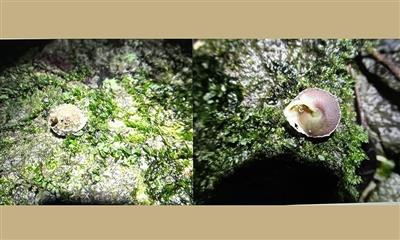
According to information from Phong Nha-Ke Bang National Park in Quang Binh Province, a research team from the Vietnam National Museum of Nature has recently discovered a new species of land snail named Calybium plicatus sp. nov in Sơn Đoòng Cave. This is the first recorded species of this genus of terrestrial gastropods in Vietnam.
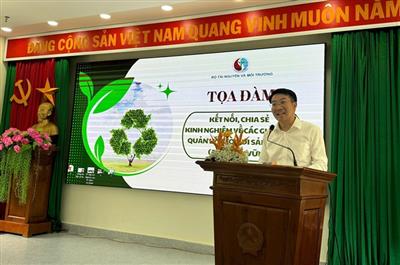
On October 31, the Department of International Cooperation under the Ministry of Natural Resources and Environment hosted a roundtable discussion titled “Sharing experiences and effective models for sustainable management of ASEAN Heritage Parks” (AHPs) in Con Dao.