




 Scientists from the Vietnam Academy of Science and Technology (VAST) have successfully developed a process for extracting and purifying glucose oxidase (GOx) and characterizing its key properties using a fungal strain isolated from soil in a Vietnamese rice-growing area. The findings provide a scientific basis for exploring indigenous microbial resources and offer prospects for gradually developing domestic sources of valuable enzymes for applications in the food industry, biosensors, and environmental technology.
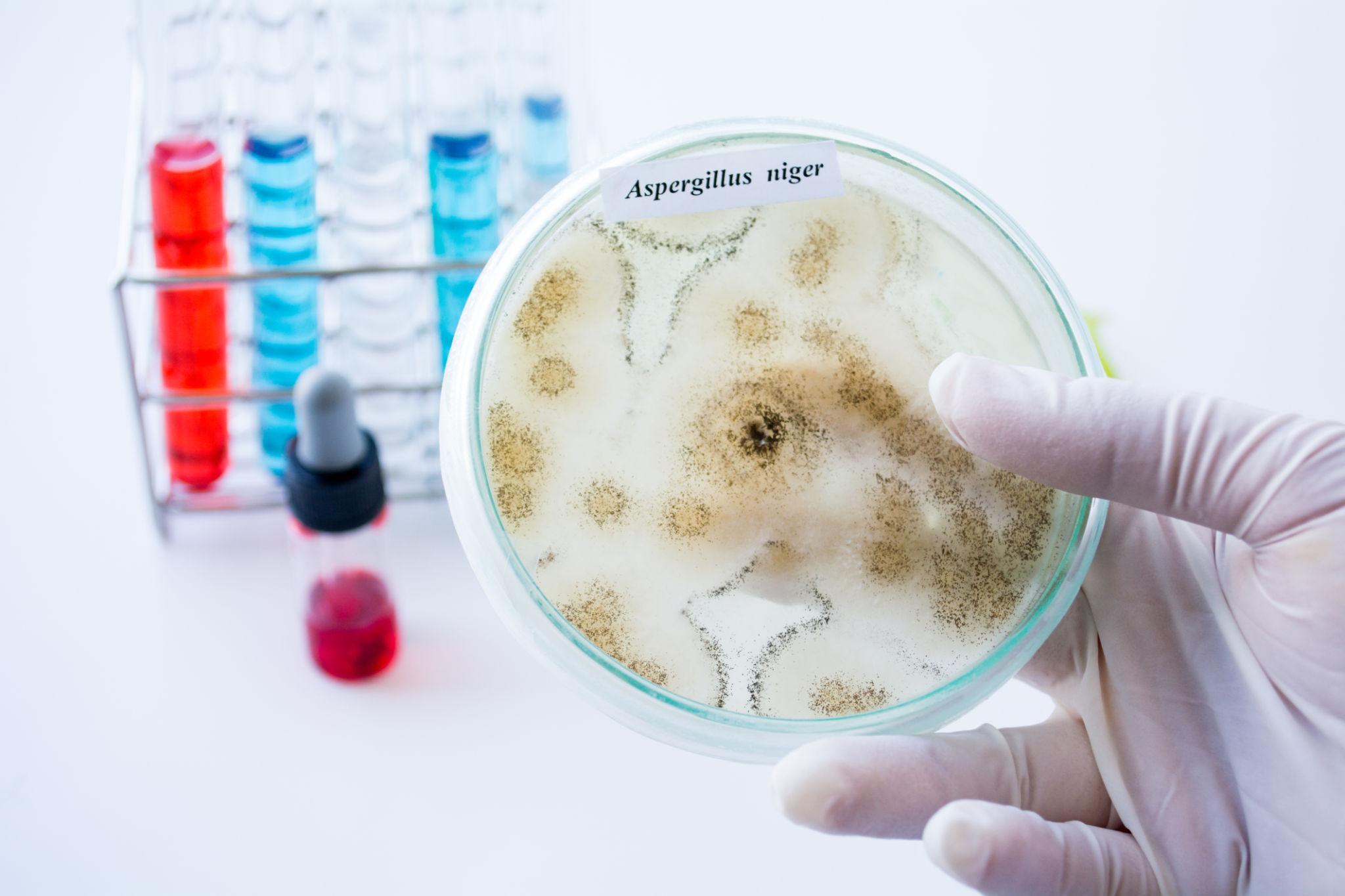
The study, titled “Extraction and purification of glucose oxidase enzyme from Aspergillus niger MN1 strain,” was conducted by Pham Thanh Ha, Le Thi Minh Thanh, Le Thi Thanh Xuan, Trinh Thi Thu Ha, and Pham Thi Thoan of the Institute of Biology, together with Nguyen Thi Mai Huong of the Institute of Physics, Vietnam Academy of Science and Technology. The research was funded under VAST’s research support program for senior researchers, project code NCVCC 08.07/25-25.
A notable feature of the study is its relatively comprehensive research sequence, covering strain identification, determination of the enzyme’s intracellular localization, selection of a cell-disruption method, extraction and purification, and characterization of biochemical properties. The final preparation achieved a specific activity of 23.77 U/mg, a recovery yield of 28.11%, and an 83.4-fold increase in purification compared with the crude extract.
These results represent an initial laboratory-scale outcome. To develop a commercial enzyme preparation, the process will require further investigation at a larger scale, together with comprehensive assessments of storage stability, economic efficiency, safety requirements, and compliance with standards applicable to specific fields of use.
A native Aspergillus niger strain as a source of glucose oxidase
Glucose oxidase, abbreviated as GOx, is an oxidoreductase classified as EC 1.1.3.4. The enzyme catalyzes the oxidation of β-D-glucose to gluconic acid and hydrogen peroxide. Its high specificity for glucose, relatively rapid reaction rate, and ability to function over a broad pH range have attracted interest in a variety of fields.
In the food industry, GOx can be investigated for the removal of glucose or oxygen, helping maintain product color and flavor and extend shelf life. In biomedicine, its specificity for glucose makes the enzyme a component of various sensor systems for glucose determination in blood and urine. GOx also has potential applications in environmental sensors and biofuel cells.
According to the authors, research and applications involving GOx in Vietnam remain limited. Exploring an indigenous microorganism capable of producing the enzyme therefore has scientific significance and could contribute to efforts to develop domestic sources of biological preparations.
Strain MN1 was selected from the fungal culture collection of the Institute of Biology because of its high GOx-producing capacity. The strain originated from Vietnamese rice-growing soil and was cultured in a medium containing glucose, potassium dihydrogen phosphate, urea, magnesium sulfate, and calcium carbonate at pH 6.2. The culture was shaken at 30°C and 200 rpm for three days.
After fermentation, the culture broth was filtered to separate the biomass. The results showed that total intracellular GOx activity reached 30.20 ± 0.12 U, approximately 8.12 times higher than the 3.72 ± 0.15 U measured in the extracellular fraction. Thus, strain MN1 primarily accumulated GOx intracellularly. This finding led the researchers to focus on developing a cell-disruption method to release the enzyme.
The identity of strain MN1 was verified using both morphological and molecular methods. The colonies were initially white before turning dark black, with a velvety texture and powdery surface. The hyphae were septate, slender, hyaline, and branched; the vesicles were spherical and 30–70 µm in diameter; and the conidia were spherical, black, and approximately 3–5 µm in diameter. These characteristics were consistent with the description of A. niger.
The researchers subsequently used PCR to amplify the ITS region with the ITS1 and ITS4 primer pair. Electrophoresis produced a specific band approximately 500–600 base pairs in size. Comparison with GenBank data showed that the ITS sequence of MN1 had 100% similarity to the A. niger sequences used for comparison. The agreement between the two identification methods allowed the researchers to identify the strain as Aspergillus niger MN1.
Safety is particularly important when enzymes are derived from filamentous fungi. The researchers screened for aflatoxins B1, B2, G1, and G2, as well as ochratoxin A, using thin-layer chromatography. No fluorescent bands corresponding to the five reference standards were detected in either the intracellular or extracellular enzyme extracts.
This result is a positive indicator, but its limitations should be clearly recognized: the study did not detect the specified mycotoxins using the analytical method employed under the experimental conditions. For preparations intended for food, pharmaceutical, or medical-device applications, further comprehensive safety assessments would still be required in accordance with the standards applicable to each field.
A multistage purification process for glucose oxidase
Because GOx in strain MN1 was primarily intracellular, the researchers compared four cell-disruption methods: ultrasonication, grinding in liquid nitrogen, chemical treatment, and mechanical disruption using glass beads. The objective was to release the enzyme while minimizing protein denaturation.
The results showed no statistically significant difference among the four methods. Ultrasonication produced the highest total activity, at 31.25 ± 0.22 U, followed by mechanical disruption at 30.48 ± 0.23 U, chemical treatment at 30.42 ± 0.12 U, and liquid-nitrogen treatment at 29.25 ± 0.18 U.
Although the differences were small, the authors selected ultrasonication because it produced the highest experimental value while being relatively simple, inexpensive, and convenient to apply. The process was conducted at a frequency of 14 kHz, using 10-second pulses followed by 20-second pauses over a total treatment time of 10 minutes at 4°C.
After the crude enzyme extract was obtained, GOx was purified through four main steps: ammonium sulfate precipitation, dialysis, DEAE-cellulose ion-exchange chromatography, and Superdex 75 gel filtration chromatography.
During the precipitation step, the researchers investigated ammonium sulfate saturation levels ranging from 30% to 90%. The 80% saturation fraction produced the highest total GOx activity, at 19.65 ± 0.32 U, with a total protein content of 13.22 ± 0.19 mg and a specific activity of 1.49 U/mg. The 80% saturation level was therefore selected for the purification process.
The precipitated enzyme was dissolved and dialyzed for 18 hours at 4°C to remove salts. The dialysis buffer was replaced twice, after every six hours. Ion-exchange chromatography was then used to separate proteins according to differences in charge. Fractions exhibiting GOx activity were subsequently subjected to gel filtration chromatography to separate proteins according to molecular size.
The data showed a marked increase in specific activity after each purification step. The crude extract had a total activity of 31.46 ± 0.12 U, a total protein content of 110.23 ± 5.25 mg, and a specific activity of 0.285 U/mg.
Following 80% ammonium sulfate precipitation, specific activity increased to 1.454 U/mg, the purification fold reached 5.10, and the recovery yield was 63.41%. After dialysis, specific activity reached 9.706 U/mg, with a purification fold of 34.06 and a recovery yield of 49.18%.
Ion-exchange chromatography further increased specific activity to 17.62 U/mg, with a purification fold of 61.82 and a recovery yield of 34.95%. In the final step, gel filtration chromatography yielded a specific activity of 23.769 U/mg, an 83.4-fold increase in purification, and a recovery yield of 28.11%.
The decline in recovery yield at successive purification stages is common in multistep purification processes. As contaminating proteins are removed, some of the target enzyme may also be lost. The technical challenge is therefore to balance the desired level of purification with the retention of total activity and the cost of processing.
SDS-PAGE analysis showed that the number of protein bands gradually decreased after each purification step. In the final sample, the gel showed one major protein band, which the authors assessed as having a purity of more than 95%.
GOx from A. niger commonly exists as a glycoprotein dimer with a molecular weight of approximately 150–160 kDa. When treated with SDS and a reducing agent, the two noncovalently associated subunits are separated. Each subunit therefore appears on the gel in the approximately 75–80 kDa range. The protein band observed in the study was located between the 75 and 100 kDa molecular-weight markers, consistent with the characteristics of GOx.
According to the authors, the specific activity of 23.77 U/mg falls within the range of partially purified preparations and may be suitable for applied research in the food industry. Commercial preparations with higher activity are generally produced using engineered strains or more advanced industrial purification processes. However, excessive purification can also increase costs beyond the economic value of the enzyme for certain applications.
Biochemical properties and potential applications of the purified enzyme
Following purification, the researchers investigated the effects of pH, temperature, glucose concentration, selected metal ions, and inhibitors. This step was necessary to determine the enzyme's operating conditions, stability, and potential applications.
GOx from strain MN1 showed its highest catalytic activity at pH 5.5. The enzyme was stable over a pH range of 4.5–6.0 and exhibited the greatest stability at pH 5.0. When the pH was below 3 or above 7, activity declined sharply, potentially because changes in the ionization state of amino acid side chains affected the protein's three-dimensional conformation.
The ability to function under mildly acidic conditions is advantageous when investigating enzyme applications in certain food-processing processes or in the treatment of materials with low pH. However, performance in specific products still needs to be validated under actual technological conditions.
In terms of temperature, the enzyme showed optimum activity at 35°C and retained 100% of its activity in the stability test at approximately 30–35°C. The researchers identified 30–40°C as a suitable operating range. Above 55°C, stability declined rapidly, likely because of the risk of protein denaturation.
To characterize the enzyme's kinetics, reaction rates were measured at glucose concentrations ranging from 1 to 100 mM. The data fitted the Michaelis–Menten model. The Km value was 4.99 mM, while the maximum reaction rate, Vmax, was 99.0 µmol/min/mg.
This Km value indicates that MN1 GOx has a strong affinity for β-D-glucose and can function when substrate concentrations are not particularly high. This property suggests a potential research direction for developing the enzyme for glucose-sensing applications.
However, an enzyme with a suitable Km value cannot by itself be considered immediately applicable to blood-glucose test strips. For medical sensor development, GOx would also need to be evaluated for selectivity, immobilization on electrode materials, long-term stability, reproducibility, and performance in actual biological samples.
The study also assessed the effects of selected metal ions and inhibitors. Under the conditions tested, Mg²⁺ did not reduce enzyme activity. Following treatment with Ca²⁺, Zn²⁺, Cu²⁺, and EDTA, residual activity was 87.5%, 80.1%, 72.4%, and 74.9%, respectively.
By contrast, silver nitrate and L-cysteine completely inhibited GOx activity. SDS reduced activity to 49.7%, while urea reduced it to 15.5%. These findings indicate that the enzyme structure is sensitive to strongly reducing environments, certain protein-denaturing agents, and silver ions.
These parameters are relevant to the design of storage and operating conditions. Environments containing Ag⁺, L-cysteine, high concentrations of urea, or SDS are unsuitable for maintaining the activity of MN1 GOx. The enzyme's ability to retain activity in the presence of some commonly occurring metal ions also indicates relative stability under appropriate conditions.
Overall, an important contribution of the study is the establishment of a continuous process extending from an indigenous microbial resource to a purified GOx preparation, together with a relatively comprehensive set of biochemical parameters. The researchers determined that the enzyme was predominantly intracellular, selected ultrasonic cell disruption for extraction, developed a purification process using ammonium sulfate, dialysis, and two chromatographic methods, and established its basic pH, temperature, and kinetic parameters.
The study should appropriately be regarded as a foundational investigation with an applied orientation. The current results do not demonstrate industrial-scale production or support direct use in food or medical applications. Further work should focus on optimizing fermentation, improving recovery yields, reducing purification costs, assessing storage stability, and testing the enzyme in specific application systems.
The progression from Aspergillus niger MN1 originating from rice-growing soil to a purified GOx preparation represents an integrated research pathway combining microbiology, molecular biology, biochemistry, and separation technology. The findings indicate that Viet Nam's microbial resources may provide valuable sources of biological materials when investigated systematically and developed through a cautious, stepwise process.
The successful purification of GOx from an indigenous strain not only provides an additional potential enzyme source but also contributes data, procedures, and technical experience for subsequent research. It provides a basis for Viet Nam to gradually strengthen its enzyme-research capacity, make more effective use of biological resources, and move closer to developing greater domestic capacity in biotechnology.

In the context of rapidly increasing municipal solid waste (MSW) generation in urban areas, digital transformation is opening significant opportunities to improve the efficiency of waste collection, transportation, treatment, and recycling. The study conducted by Phan Thi Hai Luyen and Pham Quang Dung (Vietnam National University of Agriculture) provides a comprehensive overview of digital technologies—including the Internet of Things (IoT), Artificial Intelligence (AI), Big Data, Geographic Information Systems (GIS), and smart management models—together with a SWOT analysis assessing the feasibility of applying such technologies in Vietnam. Findings indicate that digital transformation can deliver substantial improvements, although challenges remain in terms of infrastructure, investment costs, and public awareness.
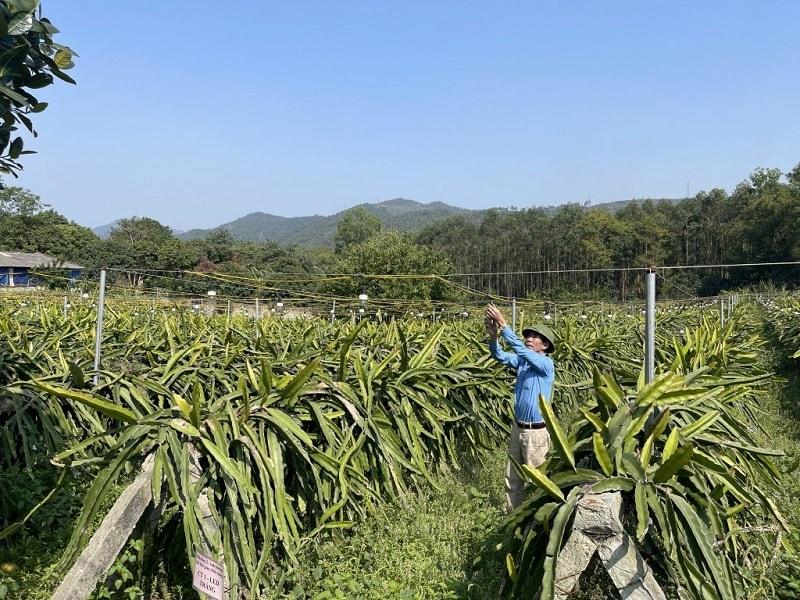
In recent years, agriculture has continued to play an important role in Quang Ninh’s local economic structure and remains a key source of livelihoods for tens of thousands of farming households. Beyond its economic contribution, the sector underpins rural employment and social stability across many districts. However, the development of key agricultural product value chains in the province still faces persistent challenges, including fragmented small-scale production, aging fruit orchards, unstable consumption markets, and increasing risks associated with climate change.

In the U Minh Thuong area (formerly Kien Giang province, now part of An Giang), the shrimp–rice system has long been regarded as a key production model. Yet in recent years, the system has been under pressure due to salinization, soil degradation, and continuous shrimp farming, all of which have contributed to declining yields and deteriorating water quality. A research team from Can Tho University conducted a field trial using two native aquatic plant species — Nan tuong (Scirpus littoralis) and Co nuoc man (Paspalum vaginatum) — in shrimp ponds. Their findings show that these plants can improve water conditions and increase black tiger shrimp productivity by 14–21%, offering a promising biological management approach for shrimp–rice systems in the Mekong Delta.
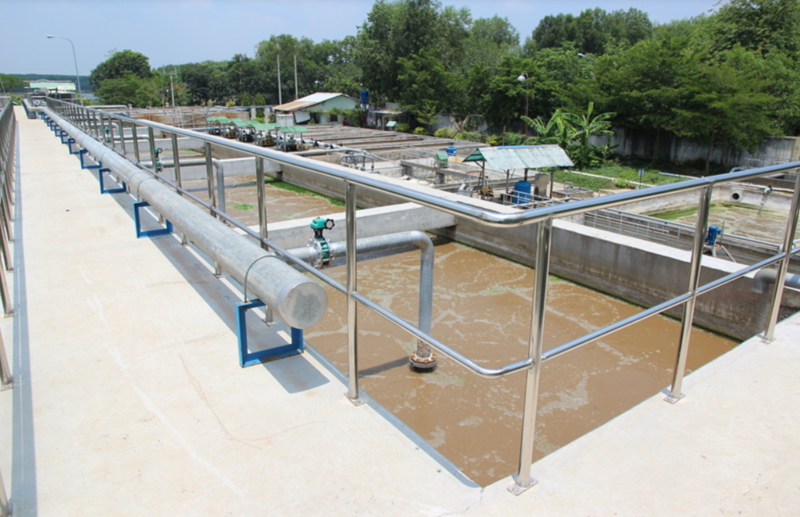
A research team from the Institute of Materials Science, Vietnam Academy of Science and Technology (VAST)—including Le Thi Hai Ninh, Pham Thi Hai Thinh, Nguyen Duc Nui, and Duong Van Nam—has carried out a study on phosphorus recovery from natural rubber processing wastewater using the struvite precipitation method.

The study “Reducing CO₂ emissions from the coffee value chain toward sustainable agriculture” was conducted by the research team including Thai Phuong Vu, Nguyen Thi Mong Quynh, Nguyen Khuong Duyen, Tran Thi Que Tran, and Nguyen Thi Cam Tien from the Faculty of Environment, Ho Chi Minh City University of Natural Resources and Environment. This research is of significant importance as Vietnam’s coffee sector plays a key role in agricultural export while facing increasing pressure to mitigate greenhouse gas (CO₂) emissions across the entire value chain—from cultivation and harvesting to processing and consumption.