



 Policies achieve lasting impact only when they translate into changes in production practices. This is particularly true of efforts to reduce food loss and waste: setting reduction targets or encouraging the productive use of agricultural by-products will have limited effect unless producers can see clear economic returns and businesses have access to sufficiently stable markets.
Experience in the Mekong Delta points to substantial scope both to retain value within the rice value chain and to create additional value from rice straw and rice husks. At the same time, it shows that technology is only one part of the solution. Value-chain organization, market access, financing, standards, and linkages among actors ultimately determine whether a business model can be sustained and scaled.
Reducing food loss means preserving value already created
In a large-scale production system, reducing losses is not simply a technical issue. Every unit of output preserved also represents land, water, labor, energy, and other resources already invested in producing it. In economic terms, reducing losses is therefore a way to improve efficiency without requiring a proportional increase in production inputs.
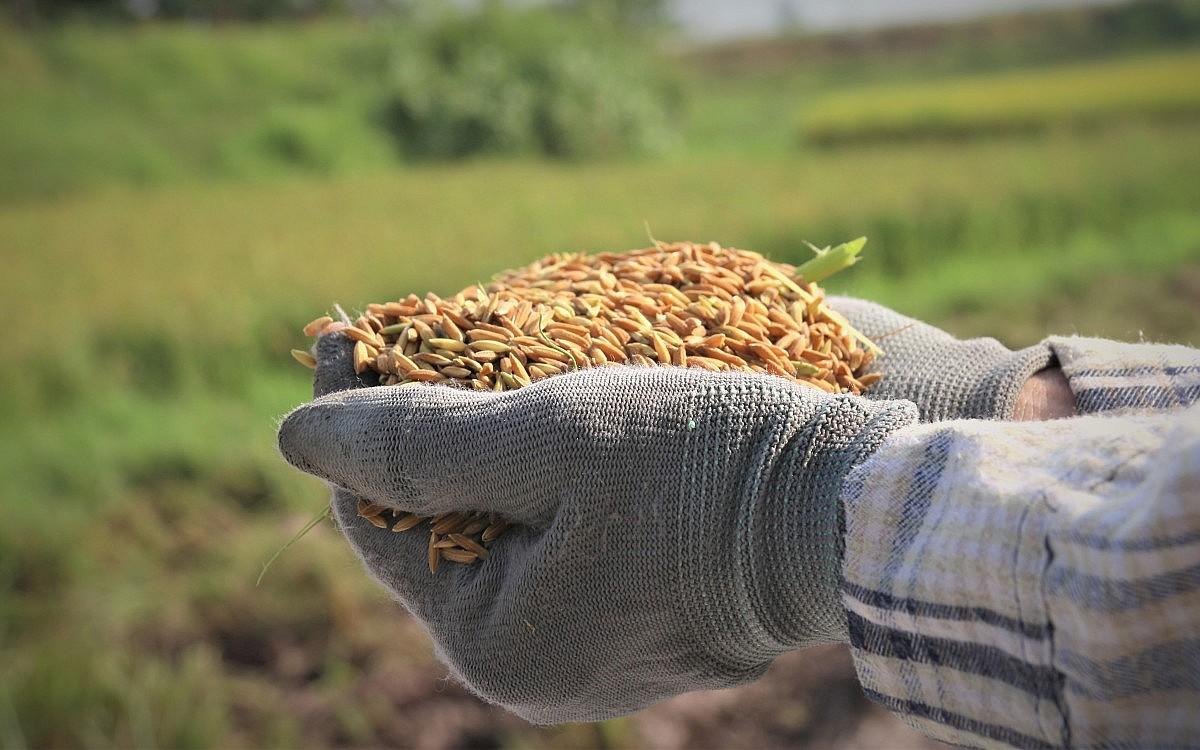
This is particularly significant for rice production in the Mekong Delta. Viet Nam produces approximately 43.5 million metric tons of paddy each year, with the region accounting for about 56 percent of national output. According to the overview of loss-reduction models presented at the workshop by Tran Thi Thanh Nhan, the loss rate along the rice value chain was estimated at 13.5–15.0 percent, with an average of about 14.4 percent.(1) At this scale of production, even a one-percentage-point reduction in losses represents substantial economic value.
Yet losses are not confined to harvesting. Constraints related to field conditions and weather, harvest timing, machinery operation, transport and drying capacity, storage infrastructure, and fragmented value-chain coordination all contribute to losses. An effective response therefore cannot be limited to addressing individual points of loss in isolation.
The solutions reviewed include laser land leveling, timely mechanized harvesting, transport and drying within 24 hours, improved drying and storage technologies, integrated rice milling, and, in particular, an integrated package linking multiple stages of the value chain. Some estimates indicate that timely mechanized harvesting can prevent potential losses of 2.5–5.0 percent of paddy volume when harvesting is delayed by one to two days, while transport and drying within 24 hours can prevent losses of up to 2.6 percent. An integrated value-chain package is estimated to prevent losses equivalent to about 5.45 percentage points, preserving value of approximately VND 1.96–2.67 million per hectare per crop.(1)
More important than the individual figures, however, is the organizational structure behind them. Agricultural cooperatives or lead firms can coordinate production and harvesting schedules, pre-book harvesting machinery, transport vehicles, and drying capacity; establish requirements for harvest timing, moisture content, cleanliness, quality, and purchase prices; and monitor recovery rates at each stage. Under such an arrangement, reducing losses is no longer the sole responsibility of farmers or individual processing facilities. It becomes a performance objective for the entire value chain.
This is where the challenge of reducing losses intersects with the organization of production. A technology may be effective, but if appropriate harvesting machinery, transport, or drying capacity is unavailable when the crop is ready, its potential value is difficult to realize. Conversely, when the different stages of the chain are coordinated, the same volume of inputs can generate greater value.
Agricultural by-products need to be revalued, not simply disposed of
If reducing losses is a way to preserve value already created, making productive use of by-products offers a way to generate additional value from material traditionally treated as residual.
The potential is particularly significant in the Mekong Delta, where more than 24 million metric tons of rice straw are generated each year, but only about 30 percent is collected for productive uses. Rice husks account for approximately 20–22 percent of the weight of rice processed through milling.(1) These figures suggest that the central constraint is not a shortage of raw materials for developing new business models, but the ability to organize collection, processing, and market linkages for agricultural by-products.
A review of by-product models presented by the Institute of Strategy and Policy on Agriculture and Environment together with representatives of agricultural cooperatives identified a range of potential uses. Rice straw can be used to produce organic fertilizer or cultivate straw mushrooms, while rice husks can be used for livestock bedding, growing media, or fuel pellets. The value of a by-product is therefore not inherent in the material itself; it depends on how that material is incorporated into a new value chain.
Organic fertilizer made from rice straw provides a relatively straightforward example. The model benefits from the local availability of raw materials, relatively simple technology, and local demand. The review found that circular rice production models using fertilizer derived from rice straw can increase net returns by VND 2–3 million per hectare. At the same time, the model faces constraints including investment costs for collection and processing equipment, dependence on seasonality and weather, small-scale production, and weaknesses in product standards, certification, and market development.(2)
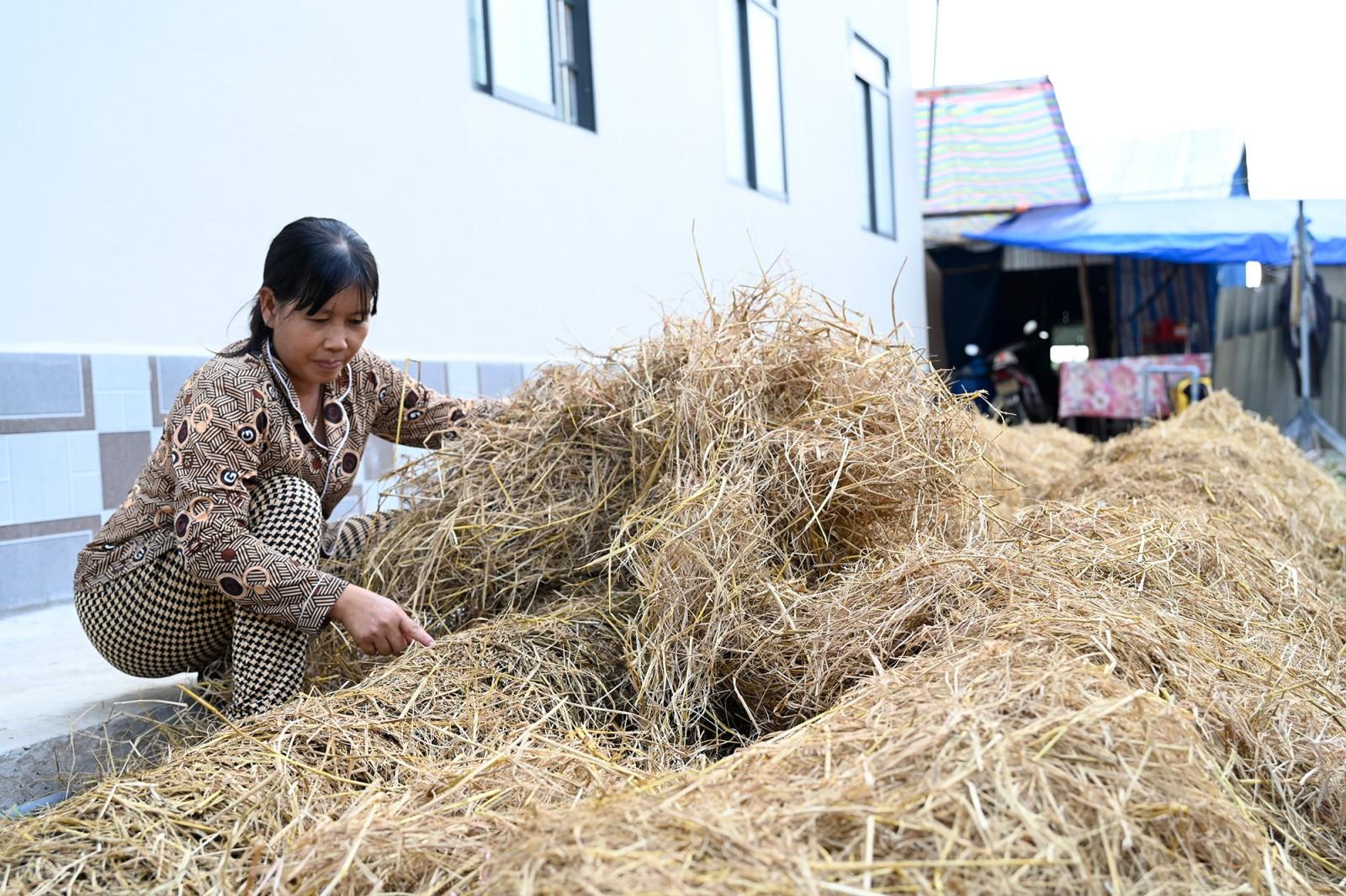
At Tan Binh Agricultural Cooperative, the model has been supported by both equipment and technical training. According to the presentation, the cooperative received an organic fertilizer mixing machine funded by GIZ on March 21, 2023. On June 6, 2023, the International Rice Research Institute (IRRI), in collaboration with GIZ, organized training on producing organic fertilizer from rice straw and operating the mixing equipment. Reported production of organic fertilizer growing media reached 72.5 metric tons in 2024–2025.(3) The case illustrates that a circular production model does not emerge simply because raw materials are abundant; it also requires equipment, technical knowledge, and operational capacity.
Straw mushroom cultivation offers a different pathway for value creation. Rice straw is converted into a food product with higher added value through a production cycle of approximately 45 days per crop, while the spent substrate can subsequently be used as mulch or organic fertilizer.(2)
Rice husks, meanwhile, can be converted into more commercially oriented products, but these models require clearer and more reliable markets. Rice-husk pellets offer advantages in standardization, storage, and transport and are suitable for industrial boilers and furnaces. Livestock bedding made from rice husks is relatively simple and can support a local circular loop, with used bedding subsequently converted into organic fertilizer.
These models point to an important shift in how agricultural by-products are viewed. The issue is no longer simply how to dispose of surplus material, but how to identify the highest-value and most feasible use under specific production conditions. This is also why policy should not focus solely on waste treatment at the end of the process, but should address the markets for products generated from agricultural by-products.
Added value is sustainable only when markets support it
A model may be technically capable of producing goods from agricultural by-products, but that alone is not enough to establish economic viability. Value becomes sustainable only when products have buyers, prices are sufficient to cover costs, and value-chain relationships are stable enough to prevent disruptions in production and sales.
Straw mushroom production provides a useful example. The Co To Straw Mushroom Cooperative Group has 10 member households, six regular workers, and charter capital of VND 1 billion. For a 65-square-meter growing house using 100 straw bales, the presentation estimates production costs at VND 8 million, output at 150 kilograms of fresh mushrooms, revenue at VND 12 million, and profit at VND 4 million. Including VND 400,000 in the value of recovered straw, actual income is reported at VND 4.4 million.(4)
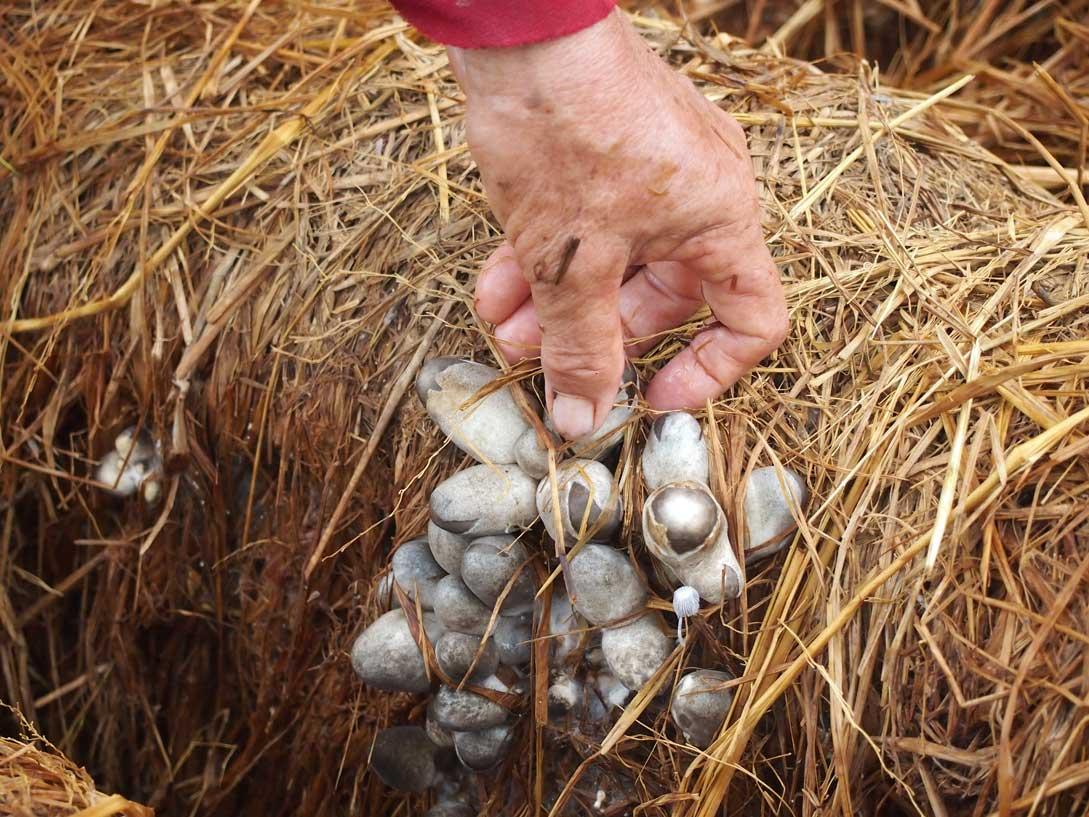
At the group's operating scale, the presentation records 12 growing houses covering a total of 480 square meters and using approximately 500 straw bales per month. Fresh mushroom output is reported at 750 kilograms per month. At an average local price of VND 80,000 per kilogram, monthly revenue reaches VND 60 million, with monthly profit calculated at VND 22 million.(4)
Yet even within a model showing positive economic returns, the conditions required to sustain production are demanding. The cooperative group identifies 22 factors associated with successful production, ranging from raw-material preparation, growing-house design, irrigation water, spawn, temperature and humidity management, and contamination control to market access, storage, and workforce management.(4) Fresh mushrooms are highly perishable, and profitability is sensitive to yields, prices, and the ability to reach markets quickly. In such models, therefore, the market is not a stage that comes after production; it is an integral component of the production model itself.
Rice-husk pellets illustrate the same relationship from a different angle. The model is considered to have strong commercialization potential, but the study also reports that domestic demand has declined by about 50 percent; long-term contracts are increasingly being replaced by contracts lasting only 5–10 days; exports to South Korea have largely stagnated since 2015–2016; and the payback period for new projects has lengthened to 2–3 years.(2)
The experience of Phat Tai Co., Ltd. also shows that even a business with a built-in source of agricultural by-products from rice milling must address quality and market issues. The company operates in rice milling, processing, and trading, generating bran and a relatively large volume of rice husks as by-products.(5) Its presentation notes that the pellet production line can be directly integrated with rice milling operations and that much of the equipment can be manufactured and assembled domestically. However, moisture content, temperature, and compression pressure must be carefully controlled to ensure consistent pellet quality. The presentation also notes that the silica content of rice husks can accelerate equipment wear, creating additional requirements for machinery and combustion systems.
These examples point to a principle that should be central to policy design: value addition does not necessarily mean deeper processing at any cost. A product creates sustainable value only when its market is sufficiently stable, its costs are competitive, and the actors involved receive adequate economic returns.
Not every viable model can be scaled in the same way
Experience with these models shows that policy will struggle to deliver results if scalability is treated as a uniform objective. Each model has its own threshold in terms of technology, finance, market conditions, and organizational capacity. Only when those conditions are met can scaling become viable.
According to the comparative assessment, organic fertilizer made from rice straw benefits from simple technology, locally available inputs, and relatively stable demand. It is therefore considered suitable for wider replication through cooperatives linked to rice, fruit, and vegetable production areas. Livestock bedding made from rice husks is likewise considered suitable for expansion in concentrated and semi-concentrated livestock production areas.
Straw mushroom cultivation offers higher value addition but requires more selective development, supported by technical assistance, cold storage, and reliable market access. Growing media made from rice husks require relatively low investment, but the study notes that separate estimates are not yet available for unit production costs, selling prices, revenue, profitability, or payback periods; most of the economic value is generated through ornamental plant production rather than through direct commercialization of rice husks.
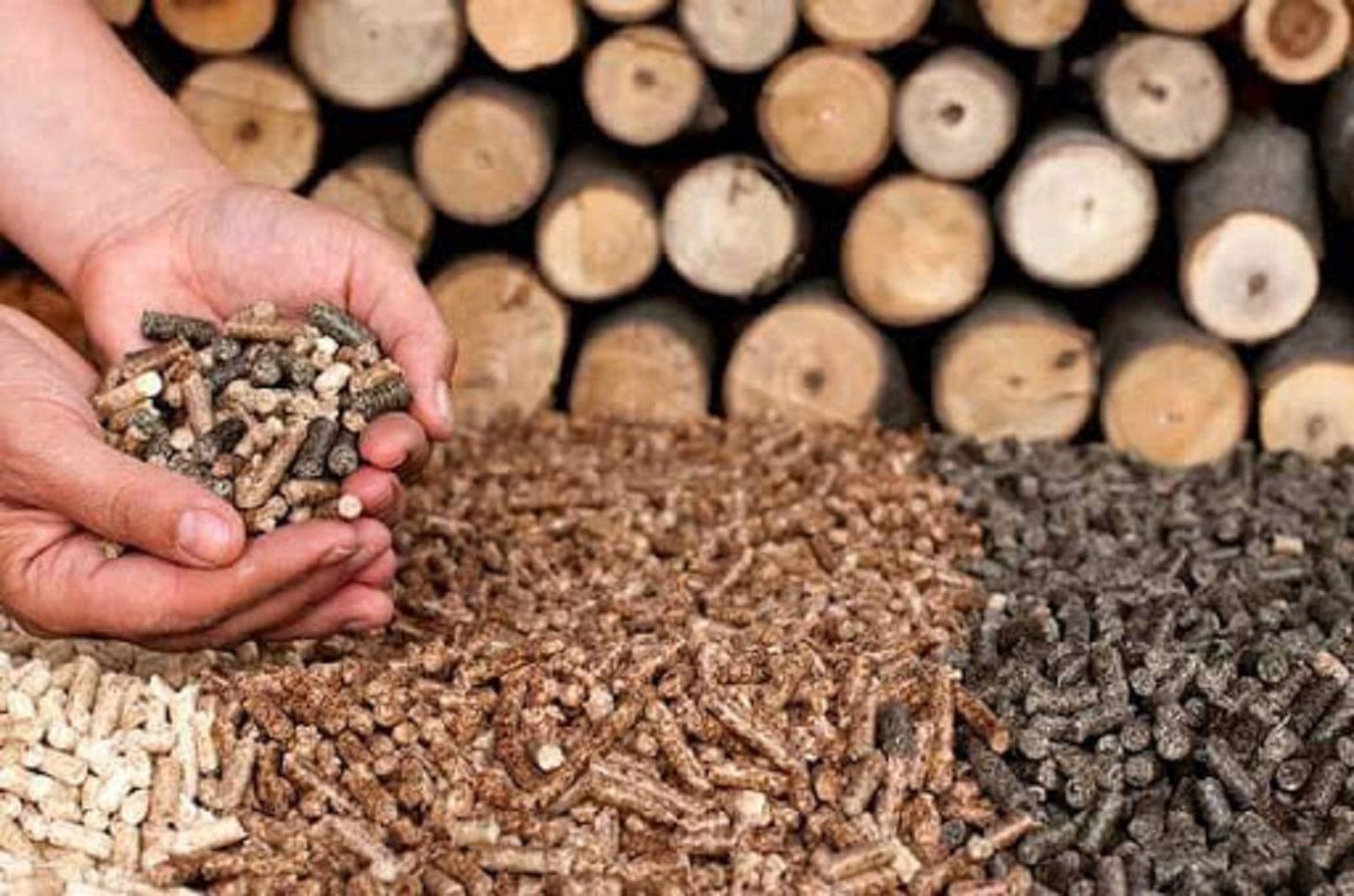
Rice-husk pellets have the strongest commercialization potential among the rice-husk models, but they also face greater risks related to capital requirements, demand, prices, and contract stability. The recommended scaling strategy is therefore to prioritize market development and utilization of existing capacity before committing additional resources to expansion.
This differentiation matters not only for businesses but also for public policy. Support should be allocated according to the actual conditions and prospects of each model rather than through a uniform approach to all agricultural by-products. The objective should not be to maximize the number of projects or the scale of investment on paper, but to develop value chains that remain viable after initial support ends.
The main bottleneck is often the link between stages
Across the cases examined, technology and capital are often the most visible constraints, but they are not always the decisive ones. A model may have raw materials, equipment, and even a marketable product, yet still struggle to expand if it lacks organizational capacity, technical skills, standards, or reliable market linkages.
For rice straw, collection provides a clear example. An abundant raw material supply does not necessarily translate into year-round availability at a viable collection cost. Dependence on seasonality and weather makes mechanized collection an important condition for many models. In straw mushroom production, the technical complexity of cultivation means that producers need more than capital; they must also be able to manage and control a continuous chain of production processes.
For rice husks, the challenge lies more in connecting multiple actors across the chain. A biomass fuel product requires not only production capacity but also end users, quality standards, and sufficiently stable contracts. Phat Tai Co., Ltd. therefore recommends continued support for investment and technological innovation, gradual development and completion of standards and technical regulations for biomass fuels, and stronger connections between by-product producers and biomass fuel users.(5)
This is consistent with the approach to rice loss reduction, where cooperatives or lead firms need the capacity to coordinate activities from production and harvesting through transport, drying, and quality control. Under such a system, cooperatives are more than mechanisms for aggregating smallholder farmers, while companies are more than buyers of raw materials; both can serve as organizers of the value chain.
If policy support is limited to individual pieces of equipment or isolated projects, the result may be a collection of “technology islands” disconnected from the market. Support for technical training, mechanized collection, product standardization, storage infrastructure, and stronger production–processing–marketing linkages should therefore be treated as complementary components of a coherent policy framework rather than as separate interventions.
Policy must make circular value economically viable
The models examined demonstrate that Viet Nam does not lack practical pathways for reducing food loss and making productive use of agricultural by-products. The greater challenge is to create an enabling environment in which viable models can move beyond pilot scale and develop into sustainable businesses.
This requires a policy shift from broad encouragement toward targeted support for specific value chains. For locally oriented models such as organic fertilizer made from rice straw or livestock bedding made from rice husks, priorities may include mechanized collection, technical assistance, cooperative development, and local market creation.] For models with stronger ambitions for large-scale commercialization, such as rice-husk pellets, policy must address standards, technology, customers, and contract stability at the same time.(2)(5)
More importantly, policy needs to create clear economic incentives for value-chain actors to participate voluntarily. When farmers can sell straw rather than burn it, cooperatives can turn straw into fertilizer or mushrooms, and rice mills can treat rice husks as a potential source of revenue rather than merely a waste-management cost, loss reduction and the circular use of by-products become part of the economic system itself.
This is also where the three layers of the broader policy discussion converge. Losses need to be reduced because they represent value that has already been created but is being lost. By-products need to be utilized because they still contain unrealized value. And policies need to be strengthened because markets do not always generate, on their own, the conditions necessary to convert those values into sustainable economic activity.
The policy objective, therefore, should not be limited to generating more models. It should be to create an enabling ecosystem in which viable models can sustain themselves through their own economic performance. Under such conditions, reducing food loss becomes more than an environmental requirement, while the circular economy becomes more than a policy aspiration. Both can become integral to improving production efficiency, using resources more sustainably, and increasing value across the food system.
------------------------------
References
(1) Tran Thi Thanh Nhan. Overview of food loss reduction models. Presentation at the workshop “From evidence to action: Advancing circular economy solutions to reduce food loss and waste in Viet Nam", Hanoi, August 19, 2026.
(2) Institute of Strategy and Policy on Agriculture and Environment and representatives of agricultural cooperatives. Overview of agricultural by-product models. Presentation at the workshop “From evidence to action: Advancing circular economy solutions to reduce food loss and waste in Viet Nam”, Hanoi, August 19, 2026.
(3) Ta Van Bong. Organic growing media model. Presentation by Tan Binh Agricultural Cooperative at the workshop “From evidence to action: Advancing circular economy solutions to reduce food loss and waste in Viet Nam", Hanoi, August 19, 2026.
[4] Co To Straw Mushroom Cooperative Group. Integrated model: Straw mushrooms and organic fertilizer from rice straw – A solution for increasing by-product value, protecting the environment, and raising incomes. Presentation at the workshop “From evidence to action: Advancing circular economy solutions to reduce food loss and waste in Viet Nam", Hanoi, August 19, 2026.
[5] Phat Tai Co., Ltd. Presentation on rice-husk pellet production, advantages, constraints, and recommendations. Presentation at the workshop “From evidence to action: Advancing circular economy solutions to reduce food loss and waste in Viet Nam", Hanoi, August 19, 2026.
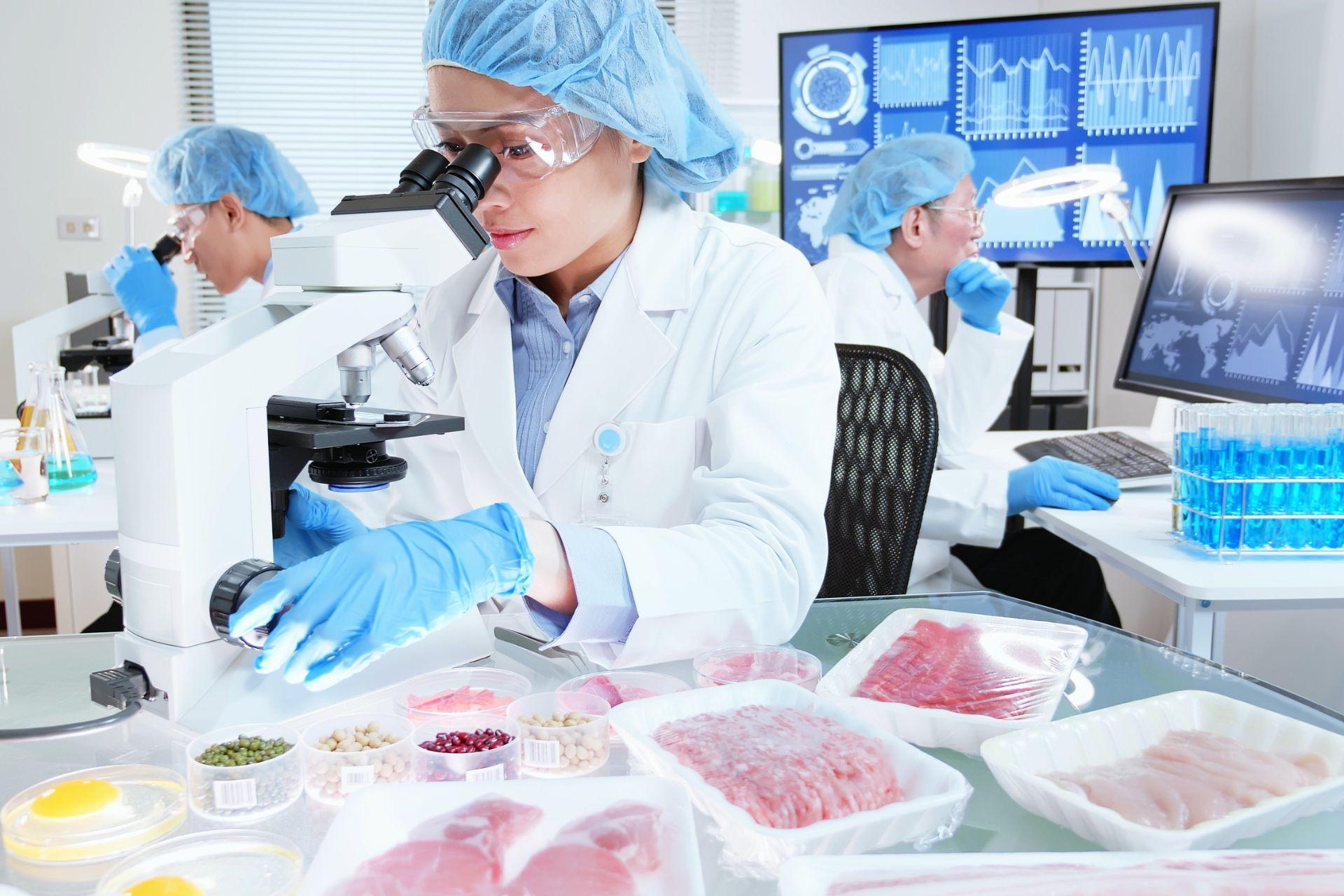
In recent years, the One Health has become an increasingly important approach for addressing complex health challenges worldwide. The growing frequency of zoonotic disease outbreaks, rising antimicrobial resistance (AMR), food safety incidents, environmental pollution, and the impacts of climate change are gradually blurring the traditional boundaries between the health, agriculture, and environmental sectors.
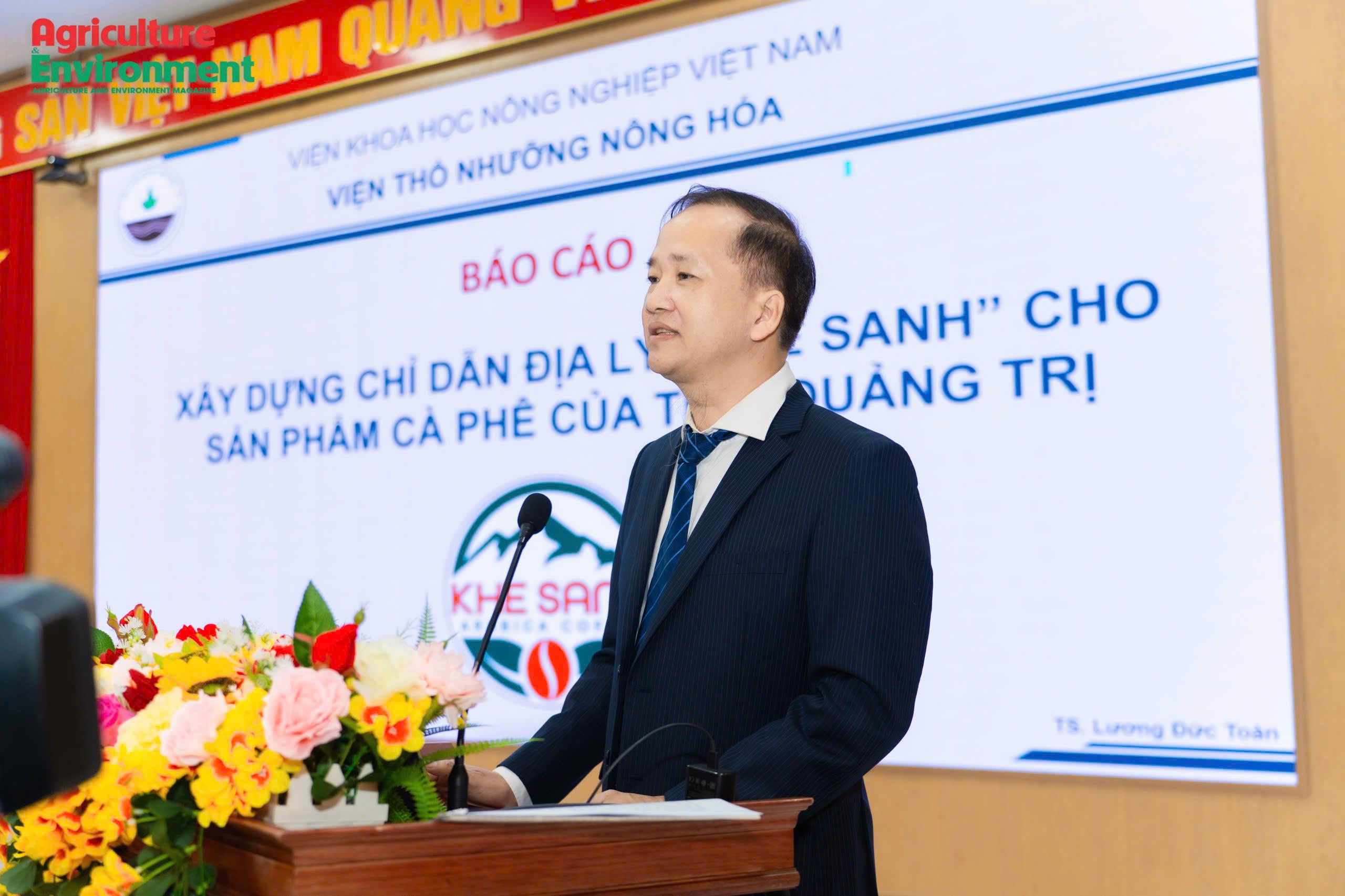
As Viet Nam’s agricultural sector shifts from a production-driven model toward one centered on value creation, geographical indications (GIs) are emerging as an increasingly important tool for strengthening the competitiveness of local agricultural products. Beyond intellectual property protection, GIs are helping regions build distinctive identities, reorganize production along more professional lines and lay the groundwork for more sustainable agricultural development.
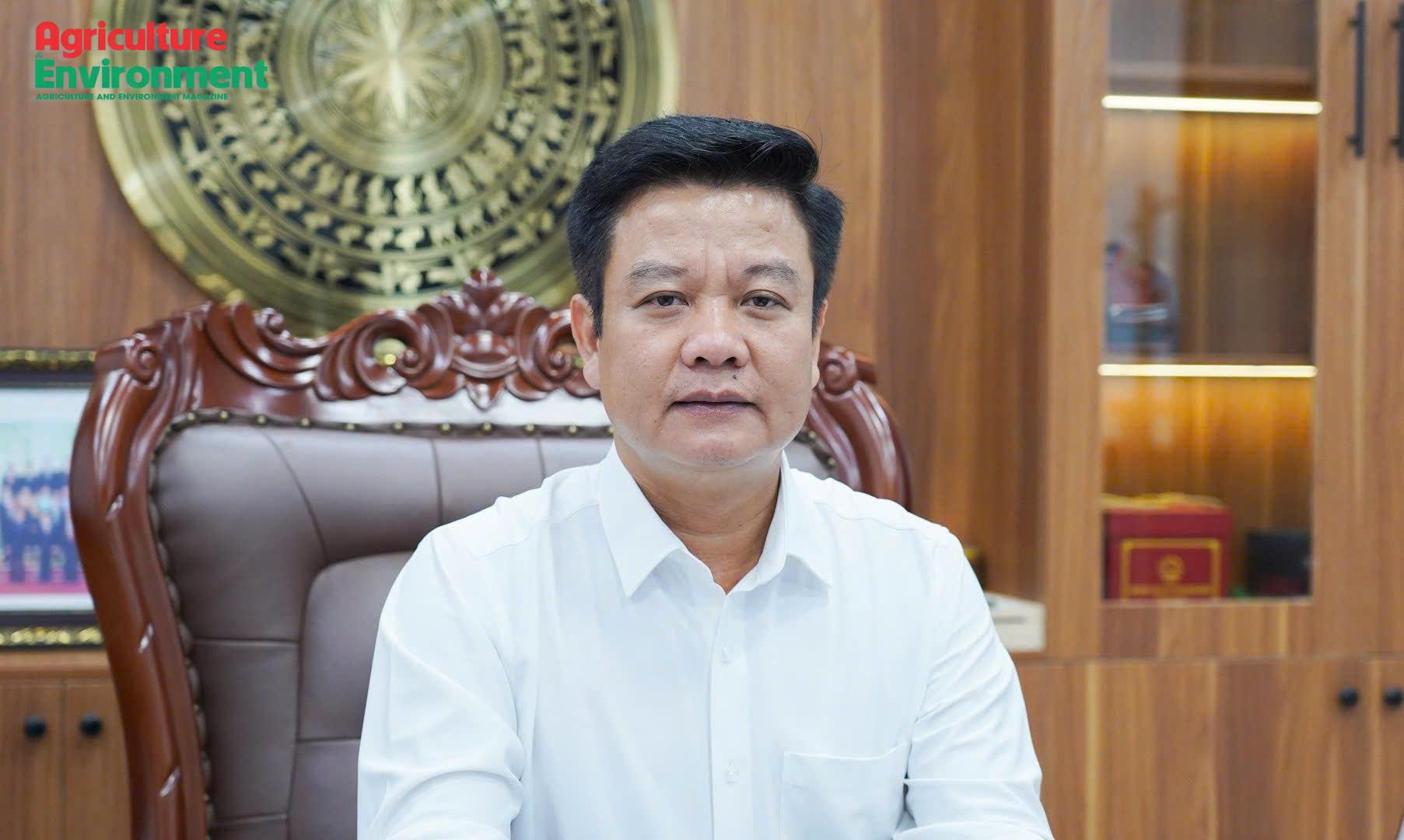
As green standards increasingly become mandatory requirements in global trade, green transition is no longer an option but a development imperative. In Quang Tri province, this transition is being advanced through science and technology, digital transformation, and low-carbon circular economy models. In this context, Agriculture and Environment Magazine interviewed Tran Quoc Tuan, Director of the Department of Agriculture and Environment of Quang Tri province.
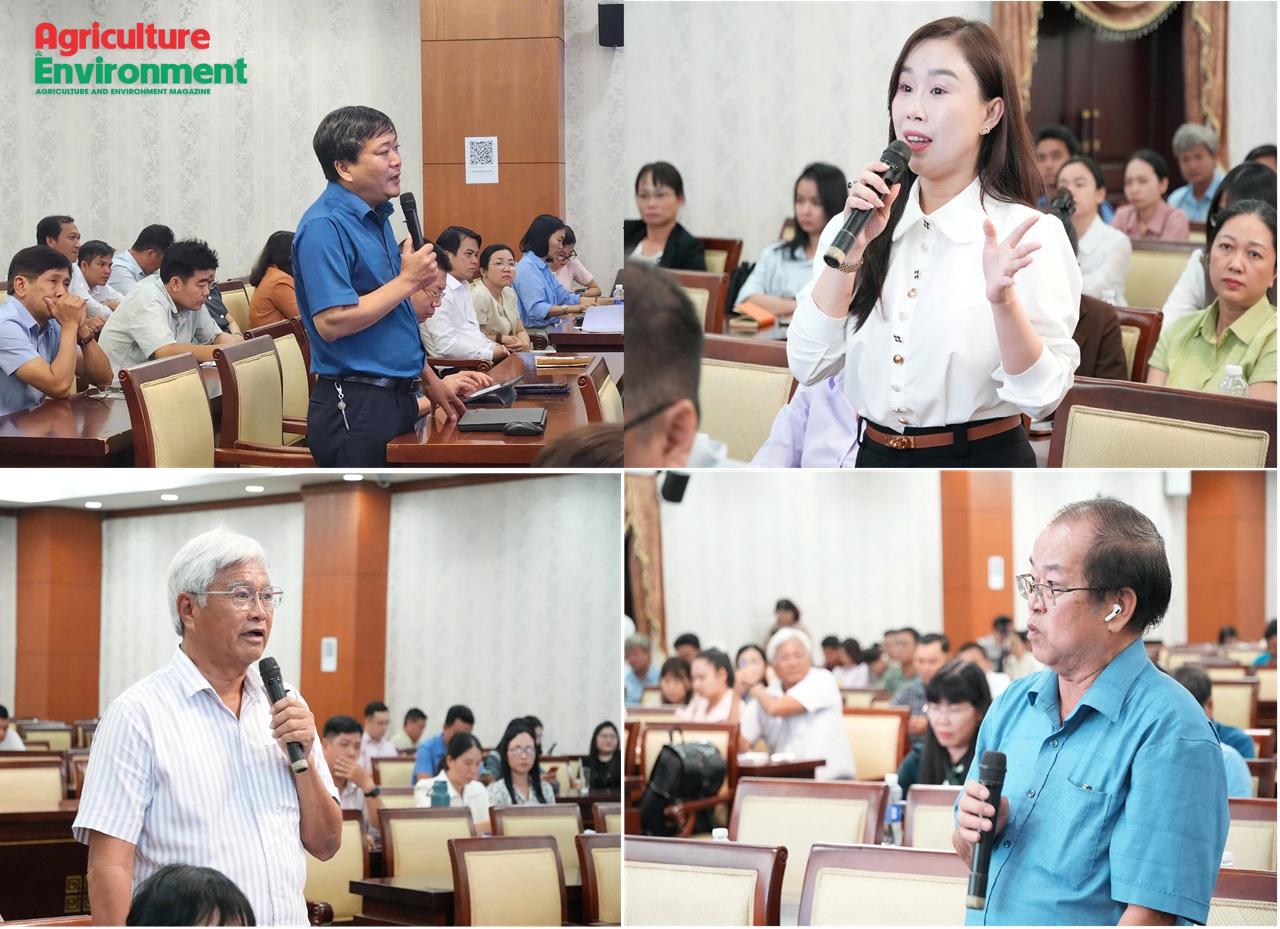
China’s official market access approval for fresh Vietnamese pomelos and lemons has been widely regarded as a major opportunity for the fruit and vegetable sector following years of technical negotiations. However, at the conference on implementing the Protocol on phytosanitary requirements for these two commodities, held on May 14 in Ho Chi Minh City, representatives from regulatory agencies, enterprises, and local authorities emphasized that the greatest challenge now lies not in market access itself, but in the capacity to organize standardized production systems starting at the farm level.
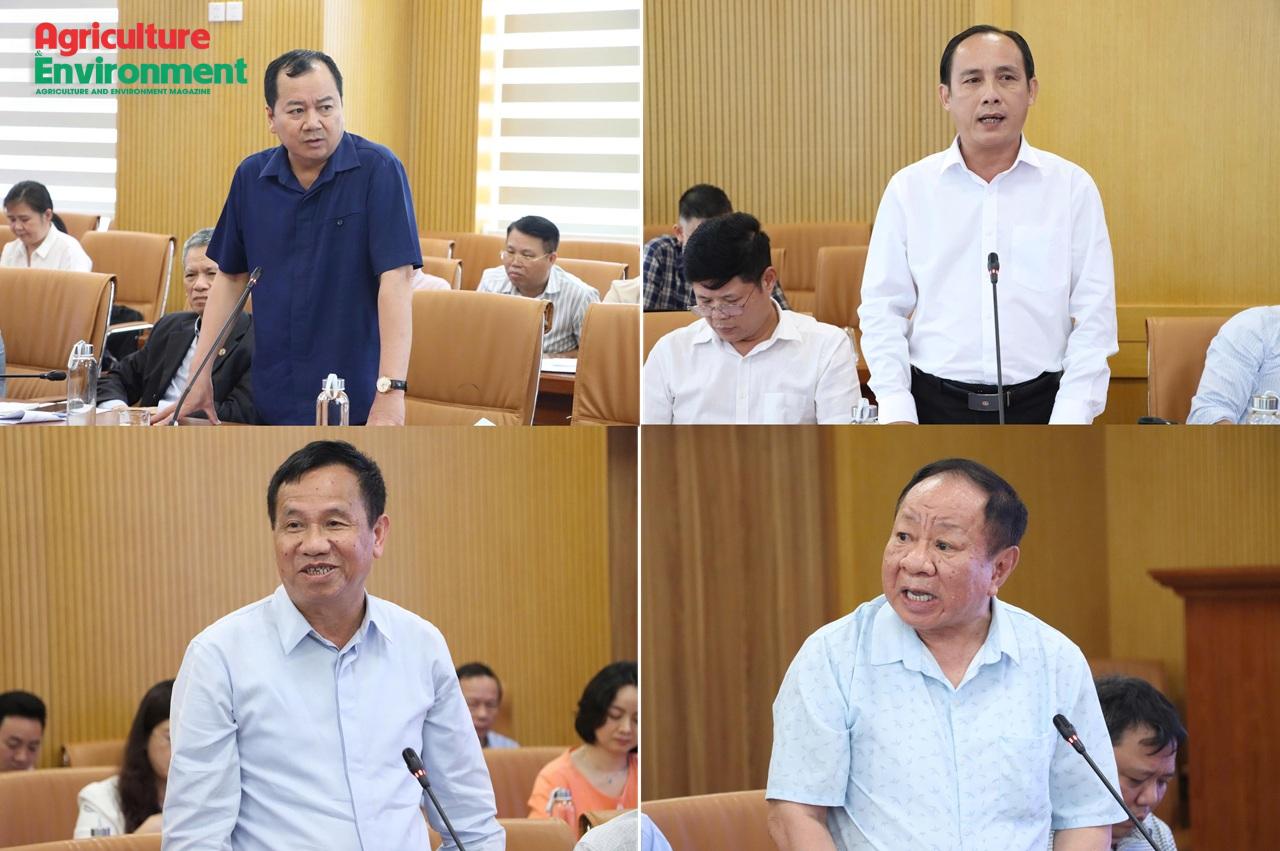
As global trade conditions remain volatile, Viet Nam’s agriculture, forestry, and fisheries sectors continue to post encouraging export growth. Yet the momentum comes with mounting pressure from stricter market requirements, environmental standards, traceability rules, and rising compliance costs.