



 Viet Nam has gradually established a policy foundation for reducing food loss and waste (FLW), increasingly linking the issue to sustainable development, the circular economy, and food system transformation. The challenge in the next phase is therefore not to start from scratch, but to connect existing policies into a coherent, data-driven governance framework that prioritizes prevention and is supported by sufficiently strong coordination mechanisms to drive action at the national level.
Building an integrated framework for FLW governance
Reducing food loss and waste is not an entirely new issue in Viet Nam’s policy system. Over the years, relevant regulations have gradually emerged across a range of areas, from agriculture, food safety, and the environment to science and technology and trade. As Viet Nam advances food system transformation, the efficient use of resources and the reduction of loss and waste are increasingly being addressed within a broader policy framework for sustainable development.

A notable milestone was Prime Minister’s Decision No. 300/QD-TTg, dated March 28, 2023, approving the National Action Plan for the Transformation of Viet Nam’s Food System toward Transparency, Responsibility and Sustainability by 2030. The decision places food system transformation within a cross-sectoral policy framework, linking it to the need to improve the system’s efficiency, sustainability, responsibility, and resilience. Among the tasks identified in the plan is the review and improvement of mechanisms, policies, procedures, standards, and technical regulations related to food production, processing, and consumption(1).
Viet Nam’s current policy foundation also draws on multiple sets of related regulations. In agricultural production, the 2018 Law on Crop Production, the 2017 Law on Fisheries, and related policies regulate various stages of the production chain, including areas associated with quality, storage, processing, traceability, and value-chain organization. [8] Policies supporting the reduction of agricultural losses have also been implemented for many years, including Decision No. 68/2013/QD-TTg, which provides interest-rate support for loans to purchase machinery and equipment aimed at reducing losses in agriculture. (8)(9)
On the environmental side, the 2020 Law on Environmental Protection provides the legal basis for waste segregation, management, reuse, recycling, and treatment, thereby enabling a broader policy approach to food that is discarded. [6] In the case of food waste, the issue is not limited to managing the volume generated. It also concerns the recovery of material value before food enters the final waste-treatment stage. A review presented at the August 19, 2026 workshop likewise highlighted the increasingly clear links among food waste management, resource efficiency, and the circular economy. (8)
Food safety constitutes another important layer of the policy framework. The 2010 Law on Food Safety covers management across production, trading, import and export, advertising, labeling, testing, and the prevention and remediation of food safety incidents(2). This framework provides an essential basis for managing risks to consumer health, but its primary objective is food safety. Consequently, the impact of these regulations on FLW is largely achieved through quality control, prevention of deterioration, recall, and the handling of food that fails to meet safety requirements. This is also the assessment presented in the research review.(8)
Another area directly related to food-use behavior concerns labeling and date marking. Existing regulations require information on production dates, expiration dates, and the conditions necessary for consumers to store and use products properly. Government Decree No. 111/2021/ND-CP, amending and supplementing a number of articles of Decree No. 43/2017/ND-CP on goods labeling, further strengthens requirements concerning information provided on labels. [3] The current food-labeling framework primarily serves the objectives of information transparency, traceability, and food safety. Its potential to influence consumer behavior and reduce the unnecessary discarding of food, however, could be further developed. (8)
Taken together, Viet Nam has established a number of policy components relevant to food loss and waste. The existing legal framework covers the main stages of the food chain, from production and post-harvest handling to processing, distribution, consumption, and waste management.(8) This provides an important foundation because FLW policy cannot be separated from the way a country organizes and manages its food system as a whole.
The involvement of multiple sectors is therefore not an anomaly. Rather, it is an inherent feature of an issue that cuts across the entire food chain. Post-harvest technology, quality standards, food safety, logistics, trade, waste management, and consumer behavior can all influence the scale of FLW. The Food and Agriculture Organization of the United Nations (FAO) likewise approaches FLW as a cross-sectoral issue involving government agencies, local authorities, supply-chain actors, the private sector, producer organizations, civil society, researchers, and other relevant stakeholders. FAO’s Voluntary Code of Conduct for Food Loss and Waste Reduction, adopted by the FAO Conference in 2021, provides a framework of principles and areas for action that countries can use to develop policies, programs, and guidance suited to their own circumstances. (4)
For Viet Nam, the priority is therefore not necessarily to create an entirely new system, but to strengthen the connections among existing policy foundations and develop them into an integrated FLW governance framework.(8) This represents a shift from viewing food loss and waste as separate problems arising within individual sectors to recognizing them as an issue of overall food-system efficiency.
As this perspective broadens, so too do the demands placed on policy. Sector-specific policies will continue to play an important role, but they need to be situated within a common framework that defines objectives, responsibilities, and contributions to FLW reduction. The existing policy foundation is therefore not an endpoint, but a basis for Viet Nam to move toward a more systematic approach to governance.
Building a common measurement and data framework
If the legal framework provides the foundation on which policy can rest, data provides the basis for understanding where the country stands and where it needs to go. This is particularly important for food loss and waste because FLW occurs at multiple stages, has different causes, and involves a wide range of actors.
One of the most pressing requirements is to establish consistent definitions of “food loss” and “food waste” and develop a national system for measuring and monitoring FLW. Data remain fragmented, and there is not yet a sufficiently integrated database to determine the scale and evolution of the problem across commodities, stages of the food chain, and different actors.(8)
This is not merely a statistical gap. A policy that sets specific targets requires a clearly identifiable baseline. Without consistent definitions and measurement methods, data from different studies are difficult to compare systematically. Without baseline data, it is also difficult to establish a convincing basis for determining which commodities should be prioritized, which stages experience the greatest losses, or which interventions are most effective.
International experience shows that measuring FLW is not simply a matter of adding all discarded food together into a single figure. Under the Sustainable Development Goals, Indicator 12.3.1 is divided into two components: the Food Loss Index and the Food Waste Index, reflecting different parts of the food system. (5) This distinction enables countries to identify more clearly where problems occur and which groups of actors have the greatest potential to influence outcomes.

FAO has developed food loss measurement methodologies designed to identify stages of the supply chain where significant losses occur and to track changes over time. (6) Meanwhile, the United Nations Food Waste Index methodology is designed to monitor food waste at the retail, food-service, and household levels. (7) Together, these approaches underscore an important principle: measurement should serve policy decisions, rather than simply produce an aggregate figure.
For Viet Nam, developing FLW data should therefore focus on creating a system capable of answering specific management questions: Where are food loss and waste concentrated? At which stages do they occur? What are the principal causes? Which actors have the greatest capacity to influence outcomes? Which measures have produced results? And where should public resources be prioritized?
Decision No. 300/QD-TTg includes the development and use of indicators related to food system transformation as part of the National Action Plan through 2030. (1) This represents an important policy direction. But for an indicator to become a genuine governance tool, it requires a consistent measurement methodology, a baseline, and a sufficiently reliable mechanism for updating data and tracking changes over time.
This also raises questions about how data should be organized. Not all information needs to be collected through a single system. Government administrative data, scientific research, business records, local-level information, and pilot programs can complement one another, provided they are based on concepts and methodologies that allow comparison. When figures are generated using different calculation methods, each study may provide a useful perspective, but the findings are difficult to combine into a coherent national picture.
Conversely, standardized measurement can increase the value of research and pilot models for policymaking. Data can then show not only the scale of FLW, but also where interventions should be undertaken first, which measures are effective, and where resources should be directed.
This is an essential condition for translating national FLW reduction targets into concrete action. A general reduction target has practical meaning only when the baseline can be established, targets can be allocated to priority sectors, and progress can be monitored at different stages. In other words, data must become part of the decision-making process rather than merely a statistical output produced after policies have been formulated.
Standardizing measurement is therefore not a technical task separate from policymaking. It is a foundation for Viet Nam to move from identifying the problem to managing it through evidence. With common definitions, consistent measurement methods, and a sufficiently reliable data foundation, ministries, local authorities, and actors across the food system will be better positioned to work from a shared understanding of the problem and identify where action is most needed.
Putting prevention and food redistribution at the center of policy
The value of a food loss and waste reduction policy lies not only in its capacity to manage food that has already been discarded. More importantly, it lies in preventing food that still has value from becoming waste in the first place.
Viet Nam’s existing legal framework contains stringent food safety requirements covering quality control, storage conditions, traceability, recall, and the handling of food that does not meet safety requirements. (2) These provisions are indispensable for protecting consumer health. However, most existing policy instruments do not directly address how to prevent food that remains safe for consumption from being discarded before it becomes waste. (8)
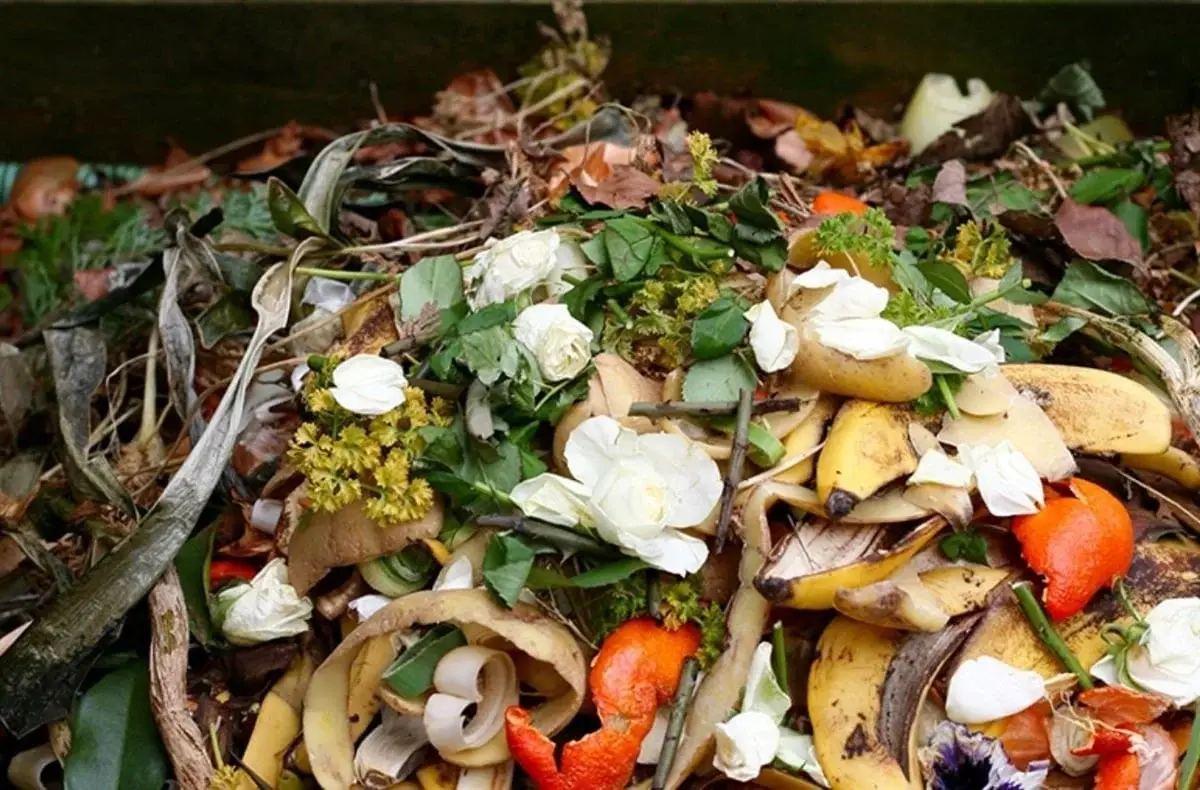
This is an area where policy can be further developed. Once a product has become waste, the remaining options generally involve material recovery, recycling, or treatment. Before that point, however, there are many opportunities to preserve the value of food: adjusting production, improving storage, managing inventories, optimizing distribution, extending usability, sharing, and redistributing surplus food.
From this perspective, food redistribution should be recognized as a component of food-system governance. If a product is no longer suitable for a particular commercial purpose but remains safe for consumption, redirecting it to where there is demand can generate greater value than discarding and treating it as waste. This is an area where environmental, social, and food safety policies intersect.
Viet Nam has already taken steps in this direction. Decision No. 300/QD-TTg includes the piloting of food bank models in the National Action Plan for Food System Transformation. (1) Viet Nam has begun encouraging food donation and redistribution and piloting food bank models. However, the legal framework, allocation of responsibilities, and detailed operating procedures still require further development. (8)
The key point is that promoting redistribution does not mean lowering food safety standards. On the contrary, it requires greater clarity regarding the responsibilities of each party. Donated or transferred food must continue to meet appropriate food safety requirements, while procedures for receiving, storing, transporting, and distributing food must also be properly controlled. Clear allocation of responsibility can create a more predictable environment for organizations, businesses, and individuals to participate.
One gap that requires further attention is the legal basis for food donation and redistribution of surplus food, including liability protections for donors, as well as guidance on the safe handling and distribution of food approaching its expiration date. (8)
Prevention should therefore receive greater priority in the policy hierarchy. FAO’s Voluntary Code of Conduct likewise promotes an approach aimed at reducing food loss and waste and preserving the value of food through the involvement of actors across the entire food system. (4) When food is safely retained for use, the benefits extend beyond reducing waste. They also include conserving the land, water, energy, labor, and other resources already invested in producing that food.
In practice, this requires policy to address more directly the underlying causes of food waste. Labeling and date-marking systems provide one example. Viet Nam already has regulations governing production dates, expiration dates, storage conditions, and other information on food labels. (3) The next step could be to further examine how such information is communicated so that consumers can interpret it correctly and make appropriate decisions while maintaining food safety principles. This is also an area in which policy could have a more direct influence on consumer behavior and the risk of unnecessary food waste. (8)
Similarly, economic instruments could be considered as a means of creating incentives for prevention and food recovery. Existing credit and incentive policies primarily support activities such as mechanization, storage, warehousing, and post-harvest loss reduction. (8) Direct financial mechanisms to encourage food recovery, donation, and redistribution, however, have not yet been fully developed. (8)
A broader approach would enable policymakers to recognize the full value of food before determining that it has become waste. Prevention should not be treated as an additional step in waste management. Rather, it can serve as a principle for reordering priorities across the system: first, prevent waste from arising; next, keep food within the use cycle through safe redistribution and reuse; and only when no further use is possible should food move to material recovery or treatment.
This approach also provides a basis for initiatives such as food banks, donation programs, and surplus-food distribution networks to evolve from individual projects into more clearly recognized components of the policy system. Achieving this will require more than public support. It will require a sufficiently clear legal framework and operating mechanisms that allow such initiatives to function consistently and expand.
Strengthening coordination for national FLW action
When food loss and waste occur at multiple stages and involve multiple actors, coordination becomes essential for turning individual policies into collective results. Viet Nam already has multiple ministries and sectors involved in different aspects of the food system, including agriculture, environment, science and technology, industry and trade, health, and finance. (8)
This structure reflects the inherently cross-sectoral nature of FLW. Post-harvest losses cannot be addressed separately from technology and investment; food redistribution cannot be promoted independently of food safety requirements; and discarded food cannot be managed without considering environmental policy and the circular economy.
The necessary step, therefore, is not to replace the roles of individual sectors, but to establish mechanisms through which those roles can contribute to a common objective. In a highly cross-sectoral area such as FLW, coordination among government agencies needs to be strengthened, alongside a clearly designated national coordinating focal point. (8)
One possible approach would be to clearly establish the coordinating focal point, coordination mechanisms, and responsibilities of individual agencies within a national strategy or action plan. Viet Nam therefore needs a national-level framework to establish common definitions, scope, measurement methodologies, targets, implementation pathways, and responsibilities among stakeholders. (8)
Such a mechanism would help distinguish sector-specific responsibilities from responsibility for the overall objective. Each agency would continue to perform its mandated functions while also identifying its contribution to the national FLW reduction goal. This is particularly important as related policies are currently being implemented at multiple levels.
Local governments should play a more proactive role within this structure. FLW does not arise in the same way everywhere. Areas with concentrated production zones, major processing centers, large urban populations, or developed food-service sectors face different points of loss and waste generation. The central government should therefore provide a common framework for objectives, methodologies, and monitoring, while allowing local authorities sufficient flexibility to select approaches suited to their specific circumstances.
The private sector should also be recognized as a policy stakeholder, rather than merely as a subject of policy implementation. Many decisions concerning production, storage, inventory management, logistics, distribution, and food disposal are made within business supply chains. Alongside the role of government, the private sector, social organizations, and communities should be enabled to participate more fully in efforts to reduce FLW. (8)
This also creates a need to reassess economic instruments. Viet Nam has implemented credit policies supporting agricultural development and loss reduction, including Government Decree No. 156/2025/ND-CP, which further amends the credit policy framework supporting agricultural and rural development. (9) However, if policy objectives are expanded to include prevention, recovery, donation, and food redistribution, economic instruments should also be considered as a means of creating stronger incentives for these activities. This is among the gaps identified by researchers. (8)
Coordination mechanisms should also strengthen the link between policy and practical models. A successful initiative developed by a business, local government, or social organization may be difficult to replicate without evaluation methods, data-sharing mechanisms, and a supportive policy environment. Conversely, a policy designed entirely at the central level without practical testing may also be difficult to assess for effectiveness and suitability.
National action on FLW should therefore combine common objectives with opportunities to test and scale approaches suited to different circumstances. The government should provide the enabling policy framework, standards, data systems, and monitoring mechanisms; businesses, cooperatives, and social organizations should contribute investment, innovation, and implementation capacity; and research institutions should provide evidence and methodologies. Such a structure can help narrow the gap between policy and practice.
This approach is also consistent with the spirit of Decision No. 300/QD-TTg, which identifies food system transformation as a cross-sectoral task requiring the participation of multiple levels of government and a wide range of stakeholders. (1) FAO likewise emphasizes coordination among different levels of government and actors across the food system in implementing the Voluntary Code of Conduct for Food Loss and Waste Reduction. (4)
From this perspective, the priority for the next phase does not necessarily lie in creating a separate layer of regulations for every individual issue. Viet Nam should instead prioritize the development of a national strategy or action plan; strengthen data and measurement systems; improve cross-sectoral coordination; prioritize prevention; promote behavioral change; mobilize participation from the private sector and society; and make effective use of international cooperation and technical assistance. (8)
These steps would help translate existing policy directions into a governance mechanism capable of setting targets, assigning responsibilities, monitoring outcomes, and adjusting policies on the basis of evidence. More importantly, they would create a bridge between what has already been established in the legal system and what is taking place in production, business activities, and everyday life.
A policy framework has real value only when it enables actors across the food system to act more effectively. For Viet Nam, the foundations for such a process have already been established through sectoral policies and broader directions for food system transformation. The next task is to connect these foundations more effectively so that initiatives already emerging in practice can be strengthened, scaled up, and generate greater impact.
This is also where policy meets practice. Models being implemented by businesses, cooperatives, and communities will show how efforts to reduce food loss and waste can be translated into economic, social, and environmental value. This will be examined in the next part.
---------------------------------
References
(1) Prime Minister. Decision No. 300/QD-TTg, dated March 28, 2023, approving the National Action Plan for the Transformation of Vietnam’s Food System toward Transparency, Responsibility and Sustainability by 2030. Government Portal.
(2) National Assembly. Law No. 55/2010/QH12, dated June 17, 2010 – Law on Food Safety. Government Portal.
(3) Government. Decree No. 111/2021/ND-CP, dated December 9, 2021, amending and supplementing a number of articles of Decree No. 43/2017/ND-CP on goods labeling. Government Portal.
(4) Food and Agriculture Organization of the United Nations (FAO). Voluntary Code of Conduct for Food Loss and Waste Reduction, 2021. The Code was adopted by the FAO Conference on June 15, 2021, and provides a framework of principles and actions for countries and actors across the food system.
(5) United Nations Statistics Division (UNSD). Sustainable Development Goal Indicator 12.3.1: Food Loss Index and Food Waste Index. Official United Nations SDG indicator framework.
(6) Food and Agriculture Organization of the United Nations (FAO). Food Loss Measurement Resources. Technical Platform on the Measurement and Reduction of Food Loss and Waste.
(7) United Nations Statistics Division (UNSD). Food Waste Index – SDG Indicator 12.3.1(b). Methodology for monitoring food waste at the retail, food-service, and household levels.
(8) Tran Thi Thanh Nhan. “Policy Framework for Reducing Food Loss and Waste in Vietnam.” Presentation at the workshop, August 19, 2026.
(9) Prime Minister. Decision No. 68/2013/QD-TTg, dated November 14, 2013, on support policies to reduce agricultural losses; and Government, Decree No. 156/2025/ND-CP, dated June 16, 2025, amending and supplementing a number of articles of Decree No. 55/2015/ND-CP on credit policies for agricultural and rural development. Official Government legal sources.
(10) National Assembly. Law No. 31/2018/QH14, dated November 19, 2018 – Law on Crop Production. Government Portal.
(11) National Assembly. Law No. 18/2017/QH14, dated November 21, 2017 – Law on Fisheries. Government Portal.
(12) National Assembly. Law No. 72/2020/QH14, dated November 17, 2020 – Law on Environmental Protection. Government Portal.

In recent years, the One Health has become an increasingly important approach for addressing complex health challenges worldwide. The growing frequency of zoonotic disease outbreaks, rising antimicrobial resistance (AMR), food safety incidents, environmental pollution, and the impacts of climate change are gradually blurring the traditional boundaries between the health, agriculture, and environmental sectors.
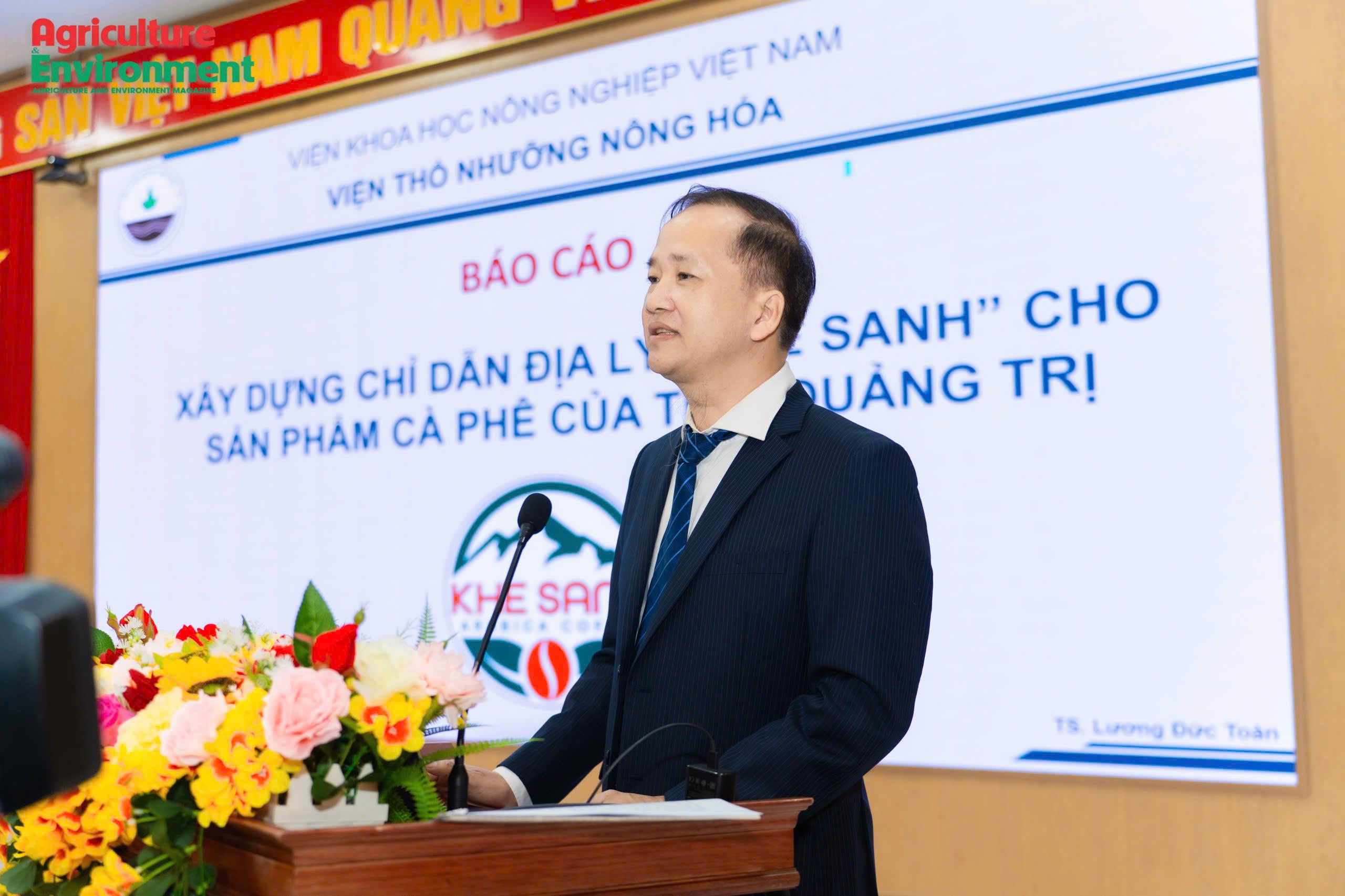
As Viet Nam’s agricultural sector shifts from a production-driven model toward one centered on value creation, geographical indications (GIs) are emerging as an increasingly important tool for strengthening the competitiveness of local agricultural products. Beyond intellectual property protection, GIs are helping regions build distinctive identities, reorganize production along more professional lines and lay the groundwork for more sustainable agricultural development.

As green standards increasingly become mandatory requirements in global trade, green transition is no longer an option but a development imperative. In Quang Tri province, this transition is being advanced through science and technology, digital transformation, and low-carbon circular economy models. In this context, Agriculture and Environment Magazine interviewed Tran Quoc Tuan, Director of the Department of Agriculture and Environment of Quang Tri province.
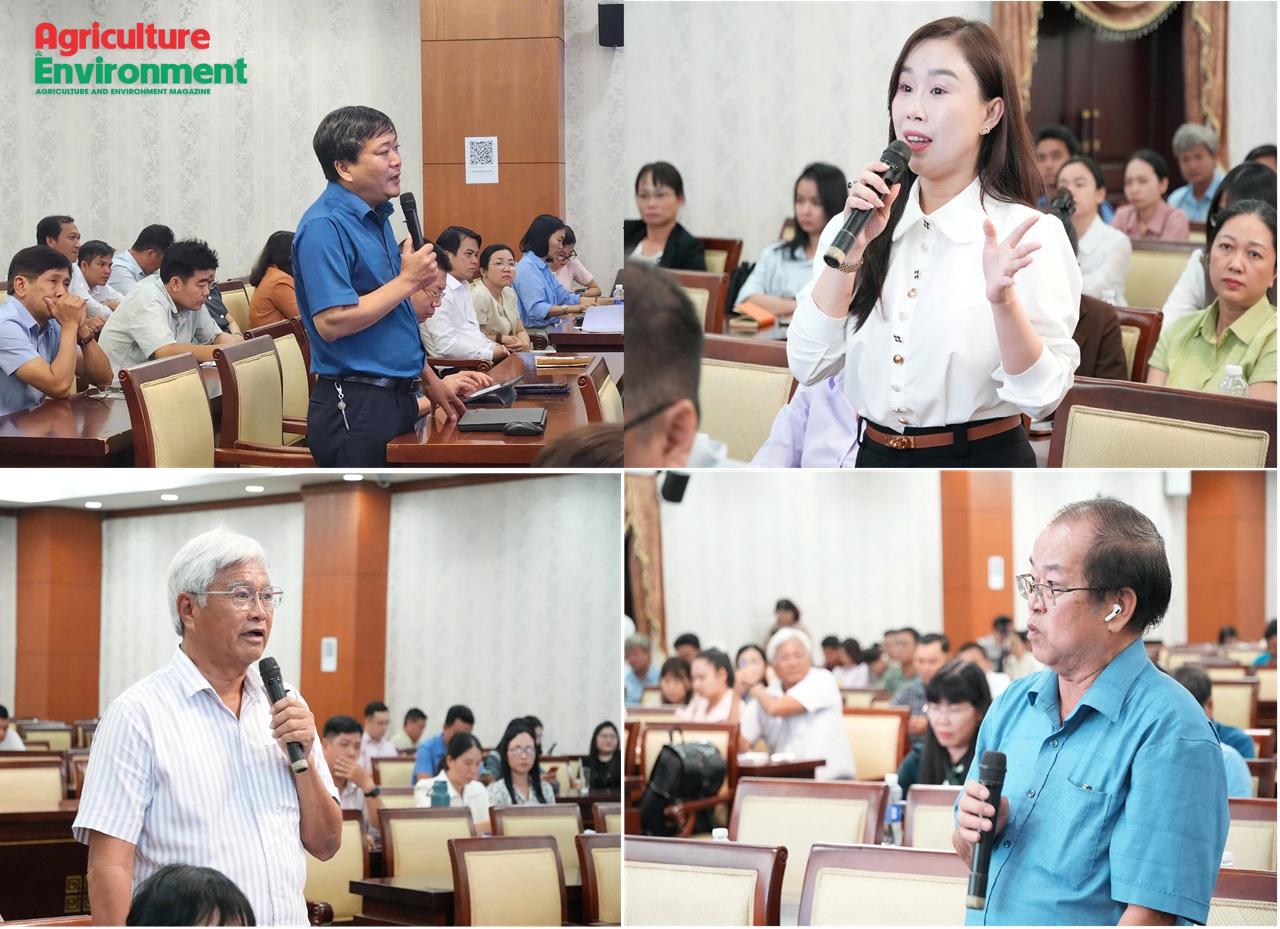
China’s official market access approval for fresh Vietnamese pomelos and lemons has been widely regarded as a major opportunity for the fruit and vegetable sector following years of technical negotiations. However, at the conference on implementing the Protocol on phytosanitary requirements for these two commodities, held on May 14 in Ho Chi Minh City, representatives from regulatory agencies, enterprises, and local authorities emphasized that the greatest challenge now lies not in market access itself, but in the capacity to organize standardized production systems starting at the farm level.
As global trade conditions remain volatile, Viet Nam’s agriculture, forestry, and fisheries sectors continue to post encouraging export growth. Yet the momentum comes with mounting pressure from stricter market requirements, environmental standards, traceability rules, and rising compliance costs.