



 International experience suggests that food loss and waste (FLW) is not a problem that can be resolved through a single policy measure. Effective action requires institutions capable of coordinating stakeholders, data that can identify where losses occur, regulations that do not create unnecessary barriers, and mechanisms that allow businesses and communities to participate.
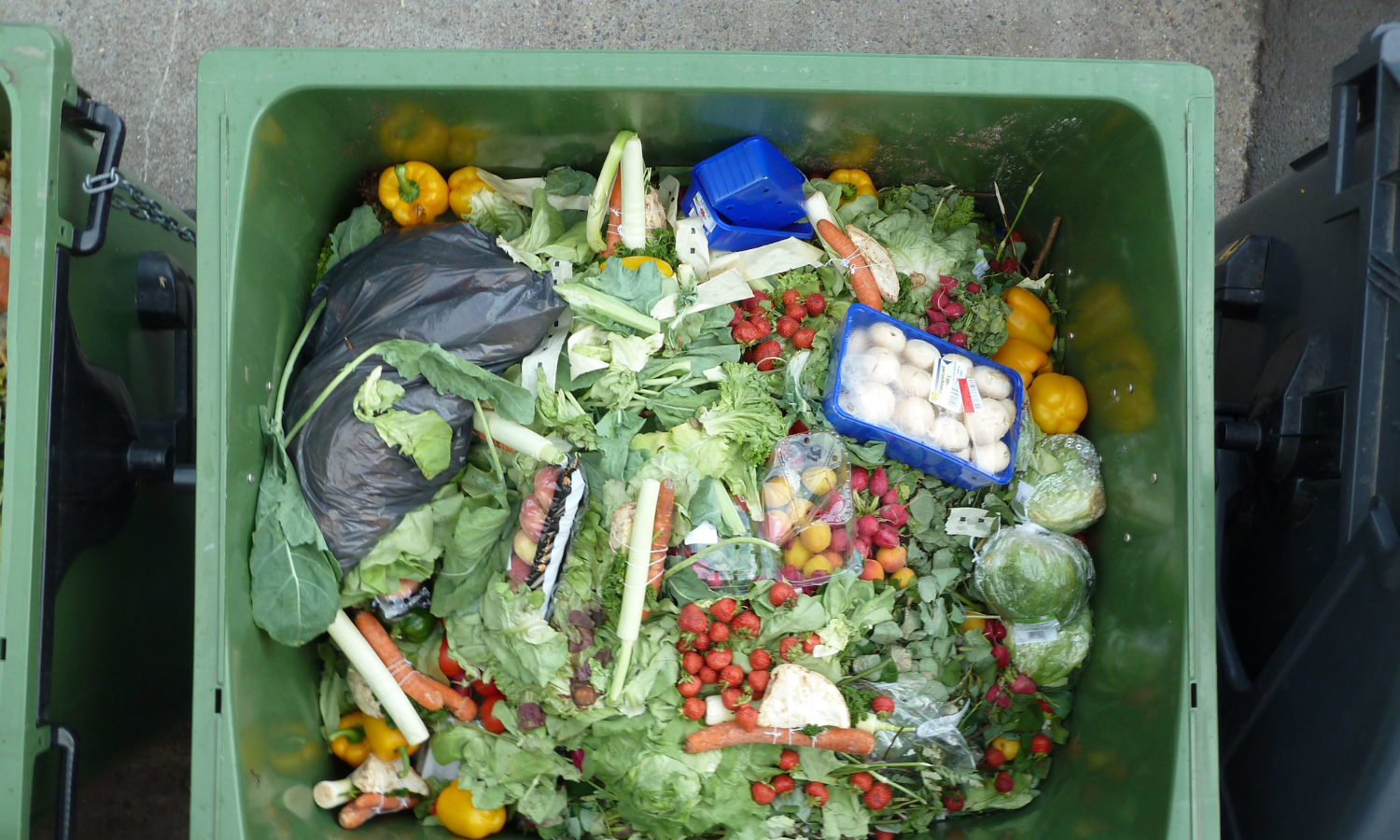
At the workshop on “From evidence to action: Advancing circular economy solutions to reduce food loss and waste in Viet Nam” held in Hanoi on August 19, 2026, experience from Denmark and the Asia-Pacific region pointed to a broader policy lesson: reducing FLW requires not only efforts to prevent waste, but also a clearer understanding of where value is being lost and what interventions can deliver the greatest impact.
Denmark: Three pillars for reducing food loss and waste
Denmark’s experience is instructive in one fundamental respect: food loss and waste is treated as a matter of public policy rather than left primarily to individual businesses or consumers. The government has taken an active role in building coordination mechanisms, reviewing regulations, and establishing the evidence base needed to monitor progress.
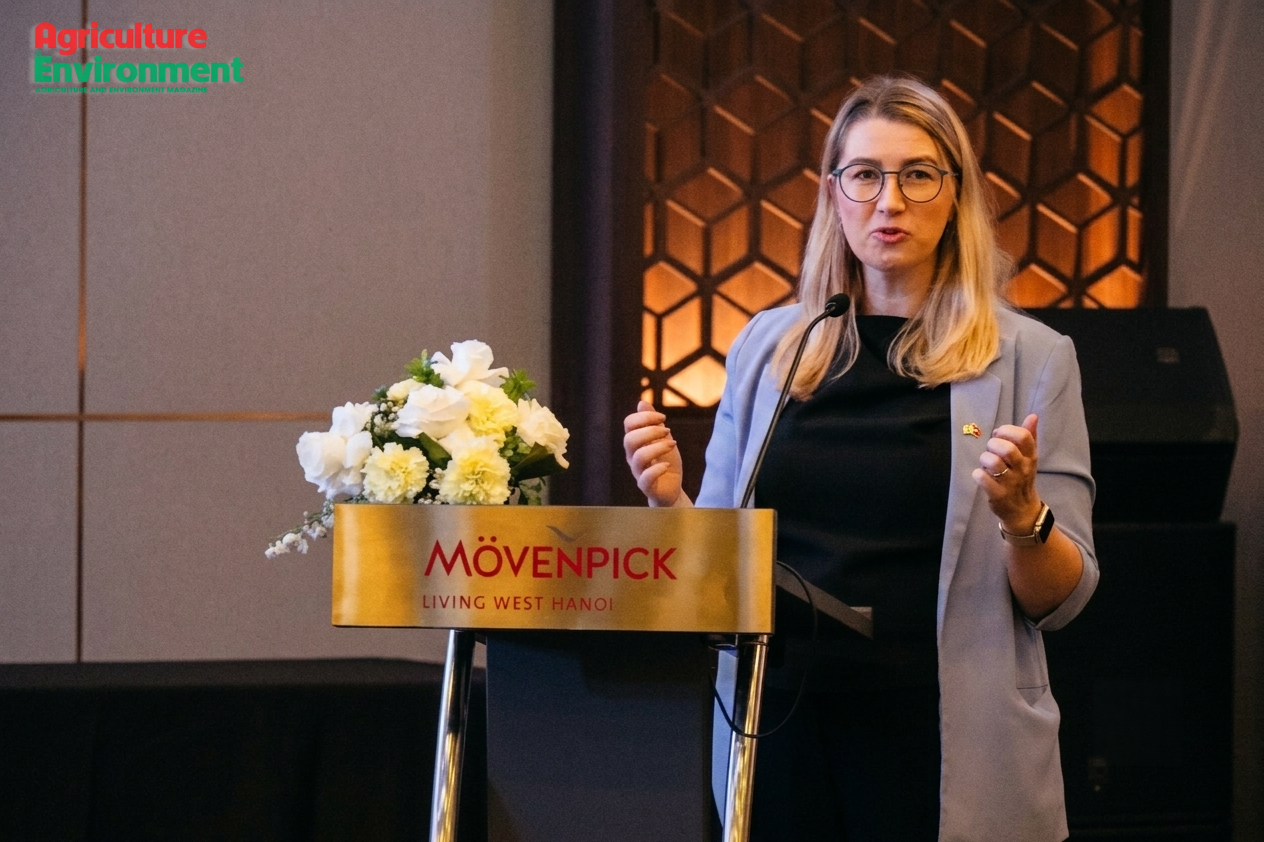
At the workshop, Sanne Høj Andrén, Food and Agricultural Counsellor at the Embassy of Denmark in Viet Nam, presented Denmark’s national approach. The country wastes approximately 1.5 million tons of food each year(1), according to data from the Danish Environmental Protection Agency, which tracks food waste across five stages of the value chain: primary production; production and processing; retail and distribution; hospitality and catering; and household consumption. Production and processing and household consumption account for the largest shares. A substantial proportion of the food discarded remains suitable for human consumption.
The scale of these losses helps explain why Denmark has chosen an institutional approach rather than relying on industry self-regulation alone. Its model rests on three pillars(2): knowledge sharing, regulatory simplification, and voluntary agreements supported by data reporting.
The first pillar is the creation of an institutional space where knowledge can be translated into action. ONE\THIRD(3), established by the Danish government in 2019, brings together public authorities, research institutions, food businesses, and organizations across the food value chain. It serves as a knowledge and collaboration platform, sharing tools and practices while also providing formal recommendations to the government each year.
The significance of such an arrangement goes beyond the existence of another coordinating body. FLW occurs at multiple points in the value chain, and responsibility is correspondingly dispersed. Without a mechanism to connect actors and knowledge, efforts can remain fragmented, with each participant addressing only one part of the problem.
The second pillar concerns the regulatory environment itself. Denmark’s approach asks a relatively simple but consequential question: Do existing rules hinder efforts to reduce food waste? Regulations governing food safety, labeling, and food redistribution are reviewed to identify unnecessary barriers. The same principle is applied when Denmark engages with regulations originating at the European Union level(4).
This is an important distinction in policy design. Reducing FLW does not necessarily require more regulation. In some cases, progress may depend on removing rules, procedures, or inconsistencies that prevent food from being recovered, redistributed, or used more efficiently.
The third pillar combines voluntary participation with structured reporting. The “Denmark against food waste” initiative, launched in 2019, involves 34 companies. Participation is voluntary, but participating companies report food waste data according to a harmonized methodology based on the Food Loss and Waste Standard and the EU common methodology(5).
The policy value of this arrangement lies in the link between commitment and measurement. Voluntary action is difficult to assess when each company defines and measures progress differently. A harmonized reporting framework, by contrast, creates a basis for comparison, accountability, and policy adjustment without requiring every measure to begin with mandatory regulation.
Denmark has also situated these efforts within the broader framework of SDG 12.3 and EU food waste reduction targets. Its first dedicated national strategy on food waste, adopted in 2024 and running through 2027, focuses on stakeholder engagement and regulatory simplification, strengthening the knowledge base, disseminating information and practical tools, and international cooperation(6).
The connection between policy and everyday behavior is equally important. Andrén cited Too Good To Go, the Netto retail app, and the community-based Madboks initiative in Copenhagen as examples of how the institutional framework can reach consumers through markets, digital tools, and community action(7). The lesson is not that these particular models can simply be transplanted elsewhere, but that a policy framework is more likely to produce results when businesses and consumers have practical ways to act on it.
Asia-Pacific: Measurement to identify food-loss hotspots
The regional experience points to a different but closely related policy requirement: what is not measured is difficult to manage, prioritize, or reduce.
Meeta Punjabi Mehta, Senior Food Systems Officer at the FAO Regional Office for Asia and the Pacific, noted that food loss levels vary widely across the region, from around 5–6% in Australia and New Zealand to 20–21% in parts of Central and South Asia(8). The regional context also matters because Asia-Pacific accounts for a large share of the world’s population affected by hunger, making FLW relevant not only to environmental protection but also to food security and nutrition.
Yet many countries in the region still lack sufficiently consistent data. Food loss information remains fragmented across commodities and stages of the supply chain, limiting the ability to measure progress, report against international indicators, and formulate evidence-based policies(9).
For policy purposes, knowing the total volume of food lost is therefore only a starting point. The more consequential question is where the losses occur. FAO studies cited by Mehta identify potential hotspots at stages including harvesting, sorting, transportation, storage, wholesale, and retail, with patterns varying by commodity and market conditions(10).
That logic underpins FAO’s regional approach, which places evidence, measurement, and analysis at the beginning of the policy cycle, followed by policy and governance, technical solutions and investment, urban and territorial food systems, and knowledge, capacity development, and partnerships.
The implications are significant. Measurement is not simply a technical exercise carried out after policy decisions have been made. It helps determine where limited resources should be directed in the first place. If losses are concentrated in sorting or transportation, for example, intervention in those stages may generate greater returns than broad measures that treat the entire value chain in the same way.
Research presented by FAO from India illustrates this point. Food discarded at major wholesale markets can become a source of methane emissions while simultaneously representing an opportunity for energy production and other forms of resource recovery. At some markets examined in the studies, substantial quantities of food waste—up to around 100 tons per day in parts of Delhi—were being sent to landfills.
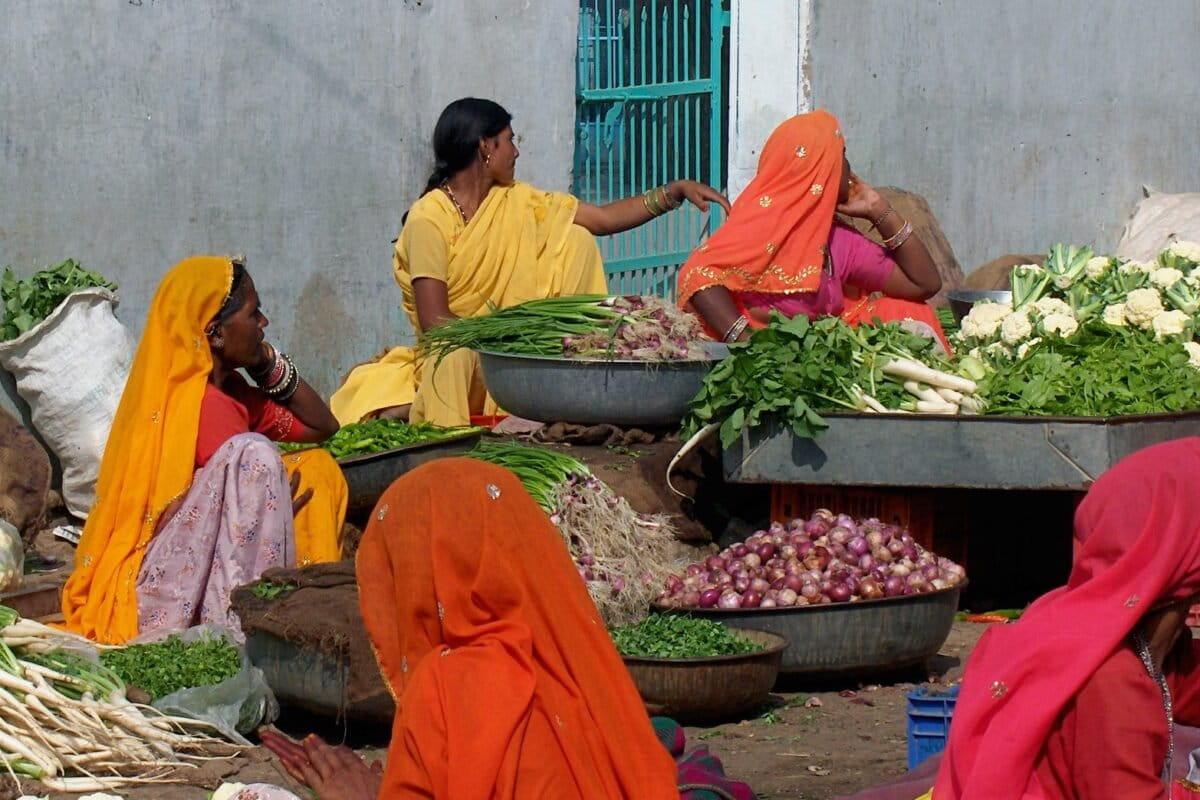
Japan provides another indication of why measurement matters. Data cited by FAO show that the country’s total food waste has fallen by 31% compared with 2008, demonstrating the value of tracking changes over time rather than relying on one-time estimates.
The broader regional lesson is therefore less about adopting a particular foreign model than about creating the conditions for evidence-based intervention. FAO’s approach links measurement to policymaking, technical investment, capacity development, and multi-stakeholder cooperation. Without a sufficiently clear picture of where losses occur and what drives them, policy risks being broad in scope but limited in impact.
Circular economy: Turning surplus food into a resource
Reducing FLW also requires a decision about what happens to food that cannot be recovered for human consumption. Here, the experience presented at the workshop points toward a broader circular economy approach in which discarded food and agricultural by-products are treated not simply as waste, but as potential sources of additional value.
Mehta emphasized the need to move away from a linear model and toward circular approaches that can recover value through compost, biofertilizers, energy production, and other forms of resource recovery.
The biomethanation plant at Surat wholesale market in India provides one example. The facility processes around 50 tons of waste per day and was presented as a fully functional and financially viable model. FAO’s wider assessment of wholesale markets in India likewise points to the economic potential associated with reducing methane emissions and converting organic waste into energy and other useful products.
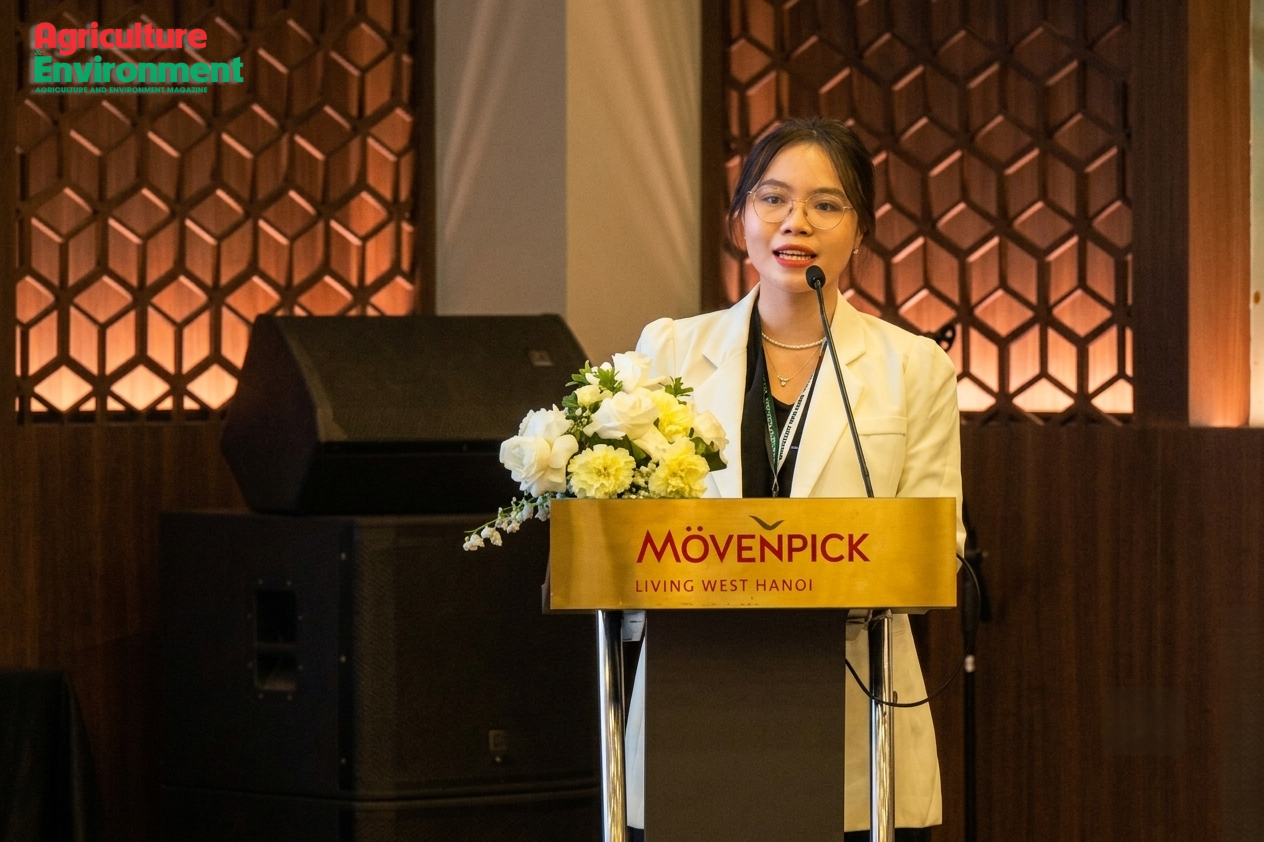
A similar principle can be seen in the activities of the Food Bank Vietnam Network. Nguyen Hoang Truc Linh, a member of the network’s executive board, described a model that separates food recovery for human consumption from the recirculation of material that is no longer suitable for consumption. Food that remains usable is recovered and redistributed to communities in need, while other material can be directed toward fertilizer and other agricultural uses(11).
The network’s Farm to Food Bank and Green Hero Garden initiatives provide practical examples. In the community food garden model, tea and coffee grounds are collected for composting, while produce grown in the gardens is subsequently distributed to beneficiary institutions and communities. Such models remain local in scale, but they illustrate an important policy principle: reducing FLW and developing a circular economy do not necessarily require separate systems. Under the right conditions, they can reinforce one another.
The underlying shift is conceptual as much as technical. FAO calls for a change in mindset—from treating waste as having little or no value to recognizing its potential as a resource. Once food and agricultural by-products are considered within a circular system, the policy objective expands beyond reducing the final volume of waste. It becomes a question of preserving and recovering as much of the economic, social, and environmental value embedded in the food system as possible.
Implications for Viet Nam: Data, institutions, and multi-stakeholder cooperation
The international experience discussed at the workshop does not point to a single model that Viet Nam can reproduce unchanged. Differences in production structures, food systems, markets, and institutional capacity matter. What can be drawn from these experiences are several principles that may help shape a more coherent approach in Vietnam.
The first is the need for a stronger evidence base. Denmark’s harmonized reporting approach and FAO’s emphasis on measurement both point to the same requirement: policy needs data that can identify the scale, location, and causes of FLW and allow progress to be tracked over time.
The second concerns the regulatory environment. Denmark’s experience suggests that policy review should ask not only what additional rules may be needed, but also whether existing provisions on food safety, labeling, and redistribution create unnecessary barriers to recovering food that still has value.
The third is institutional coordination. FAO’s regional framework places policy, technical solutions, urban food systems, capacity development, and partnerships within a connected policy agenda, while Denmark’s experience demonstrates the value of bringing public authorities, businesses, research institutions, and civil society into the same process.
The fourth is targeted intervention and scalability. Identifying food-loss hotspots can help direct resources toward the stages and value chains where interventions are most likely to have measurable effects. Experiences with food banks, post-harvest recovery, food redistribution, and circular management of agricultural by-products also suggest that local initiatives can generate practical evidence for wider policy development.
Taken together, these experiences suggest that Viet Nam’s response to FLW needs to be understood as a cross-sectoral policy issue, closely connected with food-system efficiency, food security, environmental protection, and the development of a circular economy. International experience is most useful here not as a catalogue of models to be copied, but as a reference for asking more precise policy questions: What should be measured? Where are the most consequential losses? Which regulatory barriers need to be removed? And what institutional arrangements can connect government action with business and community initiatives?
Those questions lead directly to the next stage of the discussion: How well does Viet Nam’s current policy framework address food loss and waste, and what changes are needed to turn dispersed efforts into a more coherent and scalable policy approach?
----------------------------
References:
1. Danish Environmental Protection Agency. (2024). Food waste in Denmark by stage of the value chain. Data presented in Sanne Høj Andrén’s presentation at the workshop “Promoting Circular Economy Solutions to Reduce Food Loss and Waste in Vietnam,” Hanoi, August 19, 2026.
2. Andrén, S. H. (2026, August 19). Case study of Denmark on government initiatives to reduce food loss and waste: Food Loss & Waste (FLW) – Denmark-Vietnam Strategic Sector Cooperation (SSC) in Food [Presentation]. Workshop “Promoting Circular Economy Solutions to Reduce Food Loss and Waste in Vietnam,” Hanoi, Vietnam.
3. ONE\THIRD. (2019–2026). Knowledge-sharing and collaboration on food loss and waste reduction in Denmark. Information presented in Andrén, S. H. (2026) [Presentation].
4. Denmark Against Food Waste. (2019–2026). Voluntary commitments and harmonized reporting on food waste. Information presented in Andrén, S. H. (2026) [Presentation].
5. Ministry of Food, Agriculture and Fisheries of Denmark. (2024). National strategy on food waste, 2024–2027. Information presented by Andrén, S. H. (2026).
6. Andrén, S. H. (2026, August 19). Denmark’s national and EU-level approach to food loss and waste [Presentation]. Workshop “Promoting Circular Economy Solutions to Reduce Food Loss and Waste in Vietnam,” Hanoi, Vietnam.
7. United Nations Environment Programme. (2024). Food Waste Index Report 2024: Think Eat Save—Tracking Progress to Halve Global Food Waste. Nairobi: UNEP.
8. Food and Agriculture Organization of the United Nations. (2024). Food Loss and Waste Database. FAO Data Lab.
9. Food and Agriculture Organization of the United Nations. (2024). Food loss measurement: Technical Platform on the Measurement and Reduction of Food Loss and Waste. FAO.
10. Food and Agriculture Organization of the United Nations. (2024). How to fight food loss and waste in Asia and the Pacific region. Document APRC/24/6, 37th FAO Regional Conference for Asia and the Pacific.
11. Mehta, M. P. (2026, August 19). Promoting food loss and waste reduction in Asia-Pacific: Review of national strategies and emerging practices [Presentation]. Workshop “Promoting Circular Economy Solutions to Reduce Food Loss and Waste in Vietnam,” Hanoi, Vietnam.
12. Food Bank Vietnam Network. (2026, August 19). Food bank model: From food loss and waste to circular value and sharing [Presentation]. Workshop “Promoting Circular Economy Solutions to Reduce Food Loss and Waste in Vietnam,” Hanoi, Vietnam.

In recent years, the One Health has become an increasingly important approach for addressing complex health challenges worldwide. The growing frequency of zoonotic disease outbreaks, rising antimicrobial resistance (AMR), food safety incidents, environmental pollution, and the impacts of climate change are gradually blurring the traditional boundaries between the health, agriculture, and environmental sectors.
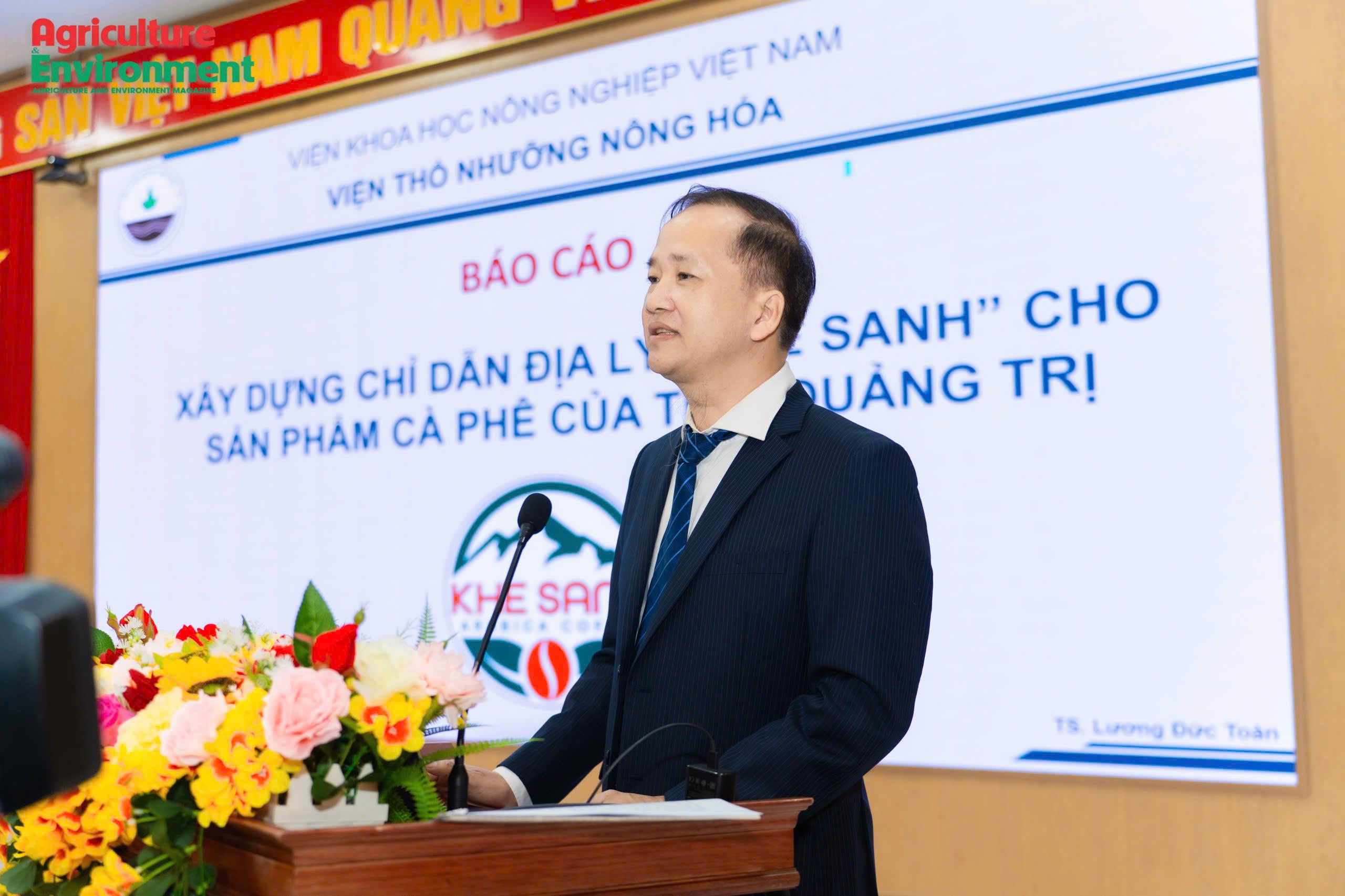
As Viet Nam’s agricultural sector shifts from a production-driven model toward one centered on value creation, geographical indications (GIs) are emerging as an increasingly important tool for strengthening the competitiveness of local agricultural products. Beyond intellectual property protection, GIs are helping regions build distinctive identities, reorganize production along more professional lines and lay the groundwork for more sustainable agricultural development.
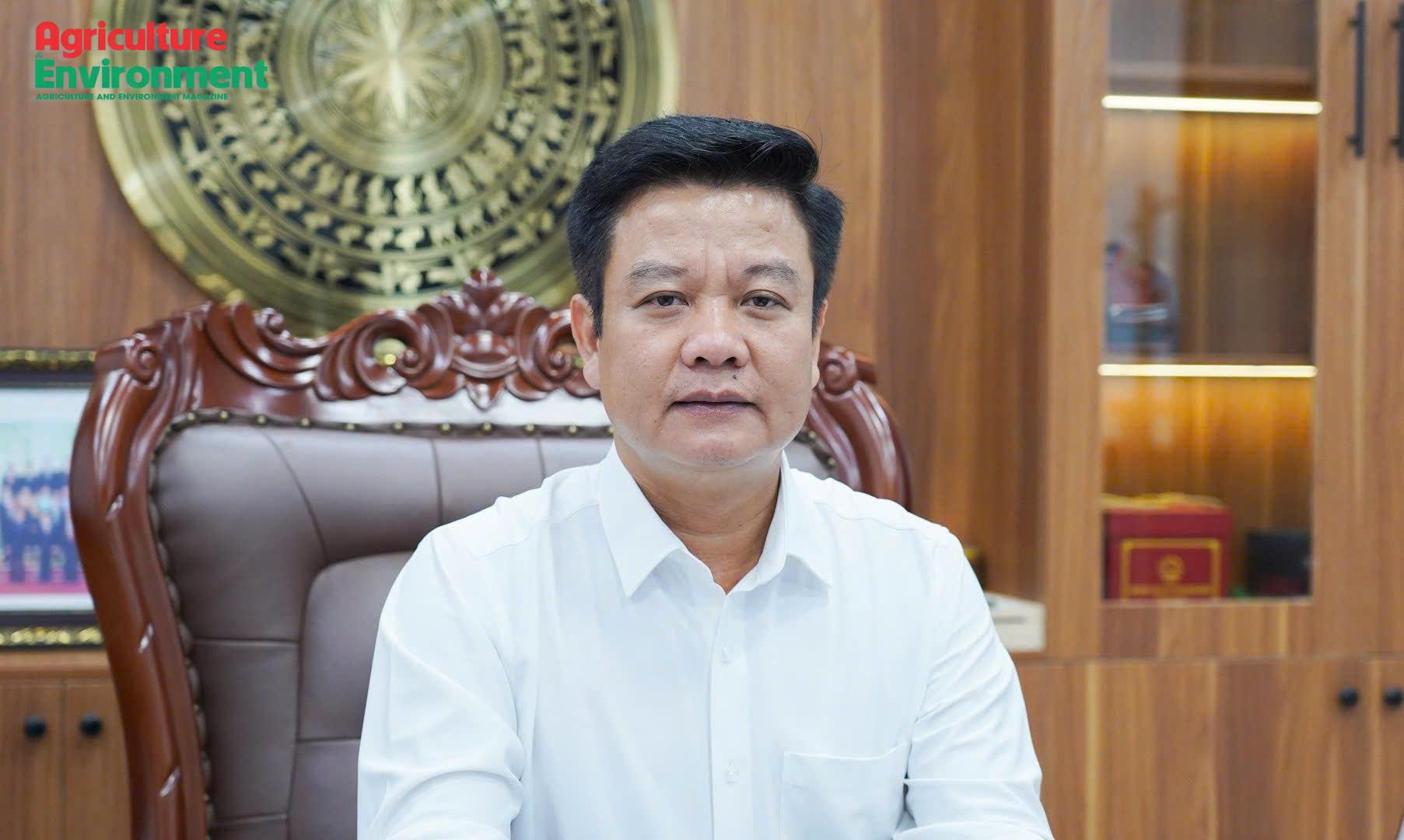
As green standards increasingly become mandatory requirements in global trade, green transition is no longer an option but a development imperative. In Quang Tri province, this transition is being advanced through science and technology, digital transformation, and low-carbon circular economy models. In this context, Agriculture and Environment Magazine interviewed Tran Quoc Tuan, Director of the Department of Agriculture and Environment of Quang Tri province.
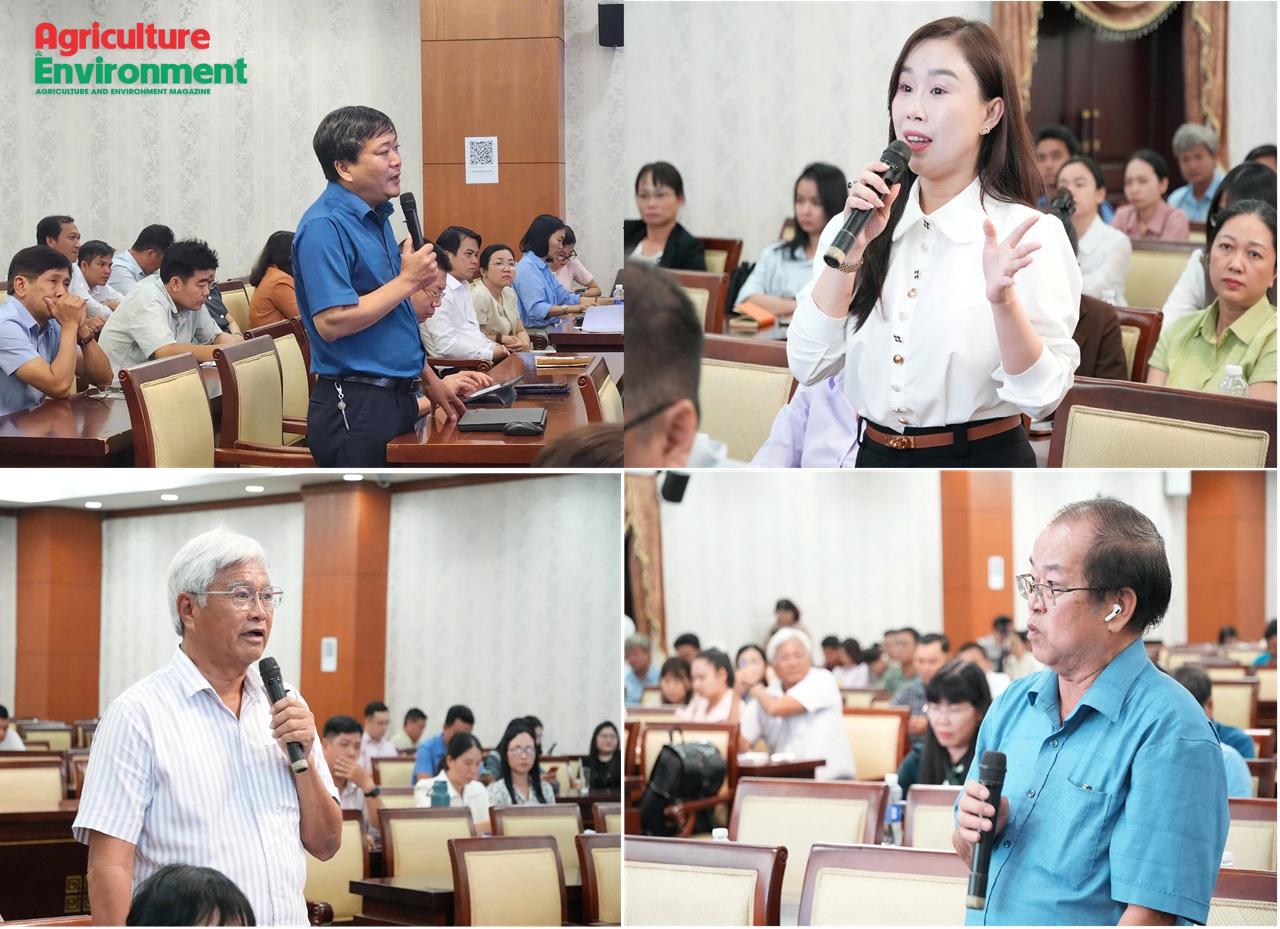
China’s official market access approval for fresh Vietnamese pomelos and lemons has been widely regarded as a major opportunity for the fruit and vegetable sector following years of technical negotiations. However, at the conference on implementing the Protocol on phytosanitary requirements for these two commodities, held on May 14 in Ho Chi Minh City, representatives from regulatory agencies, enterprises, and local authorities emphasized that the greatest challenge now lies not in market access itself, but in the capacity to organize standardized production systems starting at the farm level.
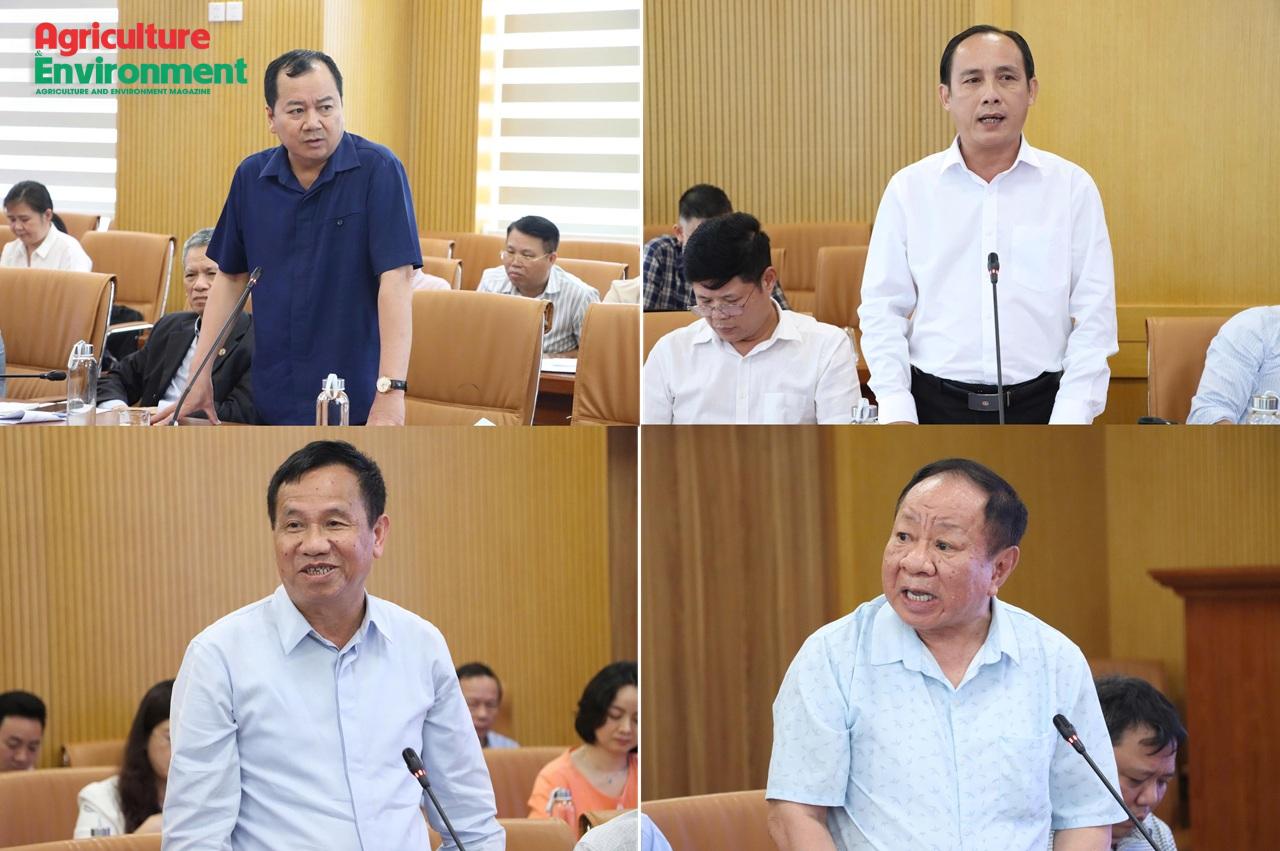
As global trade conditions remain volatile, Viet Nam’s agriculture, forestry, and fisheries sectors continue to post encouraging export growth. Yet the momentum comes with mounting pressure from stricter market requirements, environmental standards, traceability rules, and rising compliance costs.