



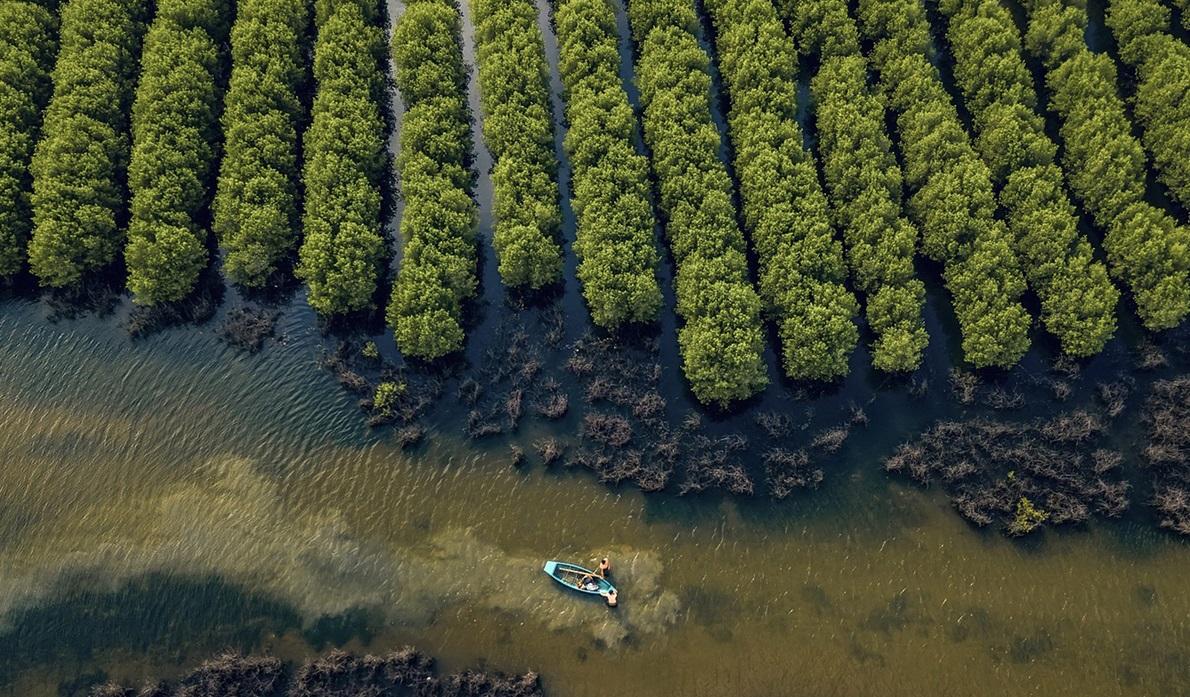
 The Mekong Delta is one of the world’s most important deltaic systems, yet it is also among the regions most severely affected by coastal erosion, mangrove degradation, sea-level rise, land subsidence, and declining sediment supply. Against this backdrop, a study by Prof. Dr. Thieu Quang Tuan of the Faculty of Engineering, Thuyloi University proposes a scientifically grounded perspective: effective coastal protection and mangrove restoration must begin with a proper understanding of the natural dynamics governing muddy coasts and fine-grained sediment balance.
Drivers of coastal erosion and mangrove retreat
The study shows that coastal erosion and mangrove degradation in the Mekong Delta are not isolated local phenomena, but the result of multiple interacting natural processes and anthropogenic pressures. Approximately 68% of the Delta’s coastline is currently undergoing erosion, with more than 90% of eroding shoreline segments associated with mangrove belts. In many locations, the mangrove buffer zone seaward of sea dikes has disappeared entirely. Since 1985, the average shoreline retreat rate has been about 20 meters per year, while erosion hotspots along the eastern coast of Cà Mau Cape have recorded retreat rates of up to 60 meters annually.
One of the study’s major contributions is that it not only documents erosion processes, but also explains why many wave attenuation structures, sediment accretion projects, and mangrove replanting programs have failed to achieve their intended outcomes. According to the author, many engineering interventions were implemented under emergency conditions without sufficient understanding of sediment supply, nearshore hydrodynamics, or the ecological drivers of mangrove habitat degradation. Consequently, most projects have only managed to stabilize the existing shoreline or protect remnant mangrove stands, while objectives related to mudflat accretion and mangrove regeneration have often remained unattainable.
A central concept highlighted in the research is “coastal squeeze.” This refers to the condition in which mangrove ecosystems lose their capacity to migrate landward in response to relative sea-level rise. Their natural retreat pathways are blocked by hard infrastructure such as sea dikes, aquaculture embankments, and other engineered barriers across the intertidal zone. As marine pressures intensify through sea-level rise, wave attack, and erosion, while inland migration is simultaneously constrained, mangrove belts become trapped between two opposing pressures and progressively degrade.
The study further identifies two underlying drivers exacerbating this process. First, sediment discharge from the Mekong River to the coast has declined by approximately 50% compared with conditions prior to the construction of major upstream reservoirs. Second, coastal land subsidence in the Mekong Delta is occurring at a rate of roughly 2–3 cm per year—nearly ten times faster than the current rate of sea-level rise. Together, these factors have significantly reduced the adaptive capacity of muddy coast–mangrove systems by limiting their ability to sustain vertical accretion.
Positive feedbacks in muddy coast degradation
The author characterizes this degradation trajectory as a “positive feedback loop.” Once erosion begins, intertidal mudflats become progressively lower, while seaward mangroves are uprooted and lost. As vegetation disappears, the natural processes of sediment trapping and deposition are weakened, causing the mudflat surface to deepen further. Waves and tidal currents subsequently transport additional sediment offshore, further degrading habitat conditions for mangrove establishment and survival. The loss of mangroves simultaneously reduces the coastline’s natural capacity for wave attenuation and sediment retention, thereby accelerating erosion. Without a sustainable external sediment supply, this feedback loop becomes extremely difficult to reverse.
From this analysis, the study delivers a critical message: mangrove restoration cannot succeed through tree planting alone if mudflat conditions and sediment balance have not first been restored. Mangroves cannot develop sustainably on actively eroding substrates characterized by sediment deficits, disrupted tidal exchange, or excessive hard-engineering constraints. Effective coastal protection must therefore begin with restoring fine-grained sediment dynamic equilibrium and re-establishing suitable intertidal morphology before ecological rehabilitation can be considered.
The study also cautions against excessive dependence on hard infrastructure. Along muddy mangrove coastlines, wave attenuation structures should not merely block incoming wave energy; they must also facilitate tidal exchange and sediment transport, minimize wave reflection, and reduce offshore sediment export. The author therefore recommends permeable or semi-permeable wave attenuation structures rather than impermeable or low-permeability coastal defenses within mangrove intertidal environments.
Adaptive pathways for nature-based coastal protection
Another notable contribution of the research is its proposed multi-tier coastal protection framework, designed according to the environmental characteristics of individual shoreline segments. Level 0 involves non-intervention and is suitable for areas where mangrove forests remain extensive, erosion remains limited, and sediment supply is still available. Level 1 focuses on maintaining the current shoreline position and conserving the remaining mangrove belt in severely eroded areas where sediment accretion is no longer feasible. Level 2 aims to promote sediment accretion and mudflat formation in areas experiencing mild to moderate erosion with continued sediment availability. Level 3 involves active mangrove restoration, but only where mudflat elevations have already recovered to ecologically suitable levels and sufficient sediment supply is present.
This framework carries important implications for coastal management in the Mekong Delta. Rather than applying uniform engineering solutions across all shoreline sections, the study emphasizes the need to define “realistic protection objectives” based on local geomorphological and hydrodynamic conditions. In some locations, shoreline stabilization may be the only achievable goal; elsewhere, sediment accretion may still be possible; and only certain areas may possess the environmental prerequisites necessary for successful mangrove recovery. Projects pursuing overly ambitious targets—such as mangrove planting in severely eroding, sediment-starved environments—are therefore highly vulnerable to failure.
The study’s findings strongly align with the growing international emphasis on nature-based solutions. Coastal protection should not be understood solely as the construction of additional infrastructure, but rather as the design of interventions that support natural processes and restore the self-regulating functions of mudflats and mangrove ecosystems. Under appropriate environmental conditions, mangroves themselves function as “living infrastructure,” capable of attenuating waves, trapping sediment, protecting shorelines, and sustaining coastal livelihoods.
For the international scientific community, this research demonstrates that Vietnam is addressing coastal erosion and mangrove degradation in the Mekong Delta through a more rigorous scientific framework rather than relying exclusively on short-term defensive measures. As one of the world’s most climate-vulnerable deltaic regions—facing the combined pressures of climate change, sea-level rise, land subsidence, and transboundary sediment alteration—the Mekong Delta offers valuable lessons for many other delta systems worldwide.
The study ultimately concludes that effective protection of muddy coast–mangrove systems in the Mekong Delta requires restoring fine-grained sediment dynamic equilibrium, defining realistic and site-specific protection objectives, and designing engineering interventions adapted to local environmental conditions. Coastal protection cannot be separated from ecosystem restoration, and mangrove rehabilitation cannot succeed without addressing the geomorphological and hydrodynamic foundations of intertidal mudflat systems.

A scientific study by An Giang University, Vietnam National University, Ho Chi Minh City, and the An Giang Center for Rural Clean Water and Environmental Sanitation has demonstrated the potential of water lettuce (Pistia stratiotes) for treating piggery wastewater under natural conditions. The findings show that treatment performance varies with the initial biomass density and the pollutant being targeted. The approach offers a low-cost, environmentally friendly biological treatment option with potential for application by pig farms and household producers in Viet Nam.
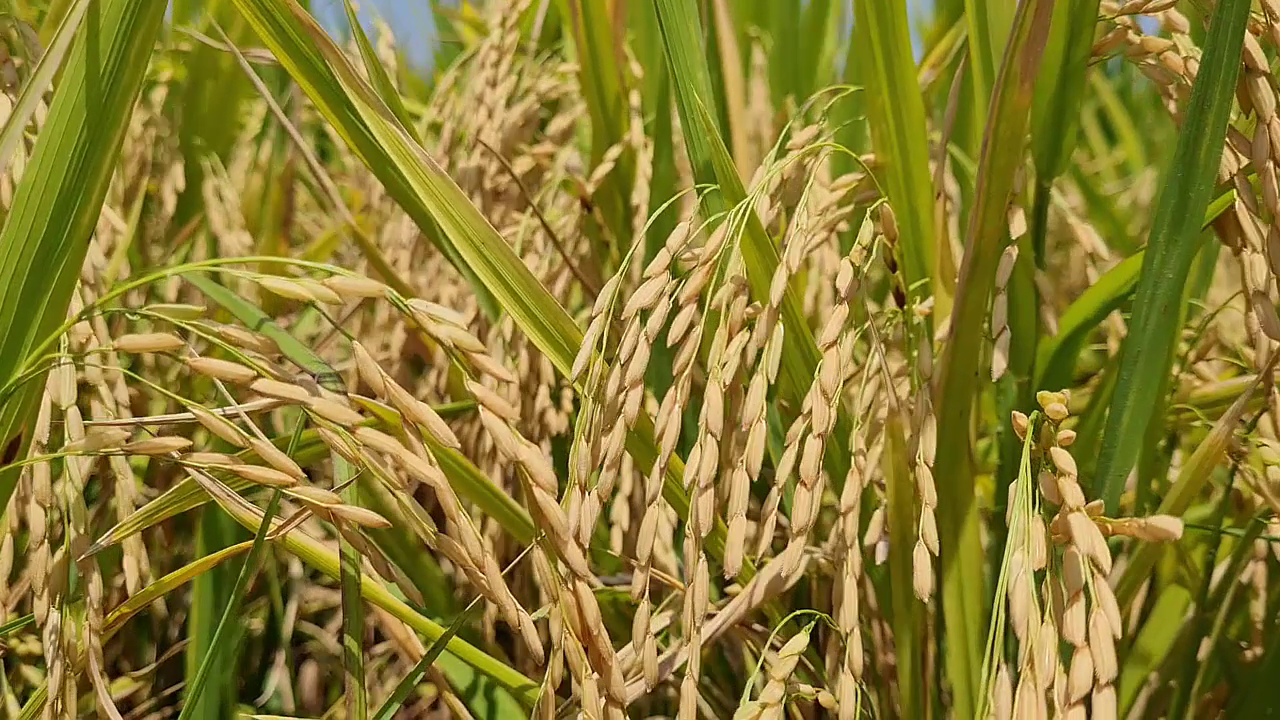
A study of 180 local rice accessions conserved at the Plant Resources Center revealed diversity in subspecies classification and grain quality traits. Within this germplasm collection, researchers identified eight accessions with promising characteristics, including aroma, low amylose content, and low to intermediate gelatinization temperatures, providing additional genetic resources for conservation and the breeding of high-quality rice varieties.
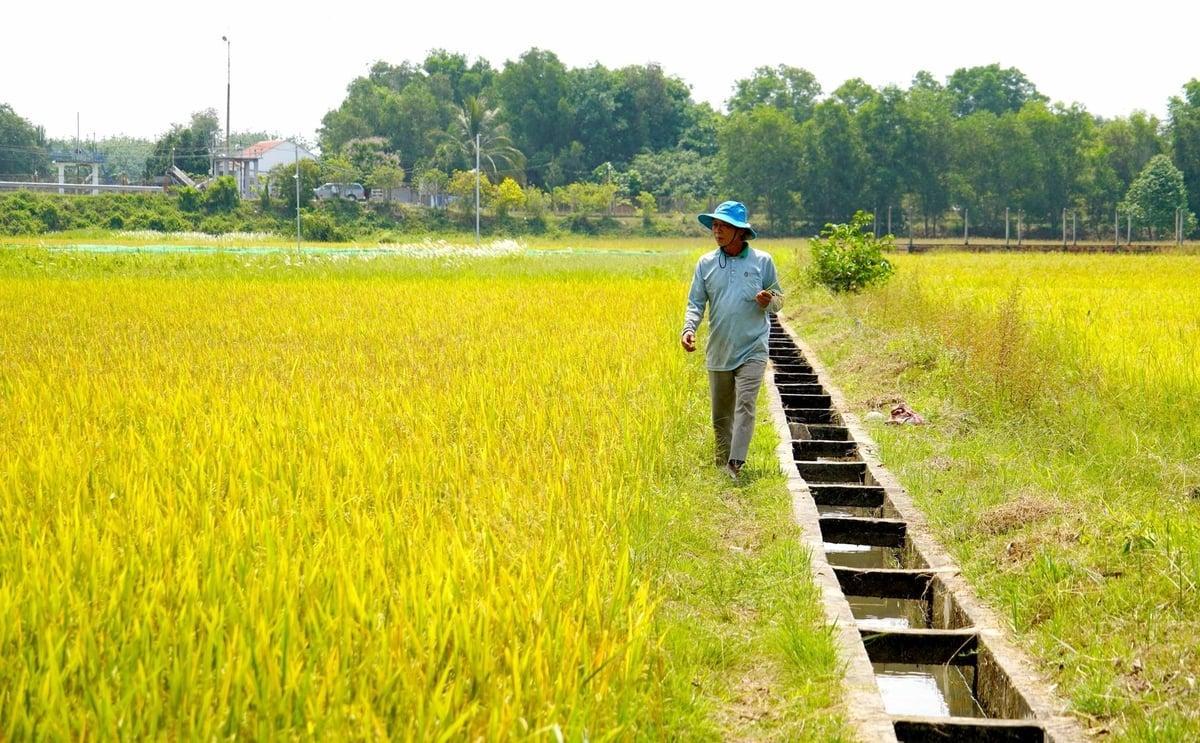
In low-lying areas of the former Cu Chi district, located in northwestern Ho Chi Minh City, seasonal flooding occurs alongside agricultural production and urbanization, creating various pressures on soil quality and its capacity for recovery. A study by Nguyen Thi Oanh, Phan Lieu, Truong Vinh Hai, and Tran Minh Tien found clear differences in soil health among rice cultivation, vegetable farming, and fruit orchards, with distinct patterns of chemical and biological degradation. The integration of multiple indicators through Principal Component Analysis (PCA) not only helped identify these differences but also provided a scientific basis for guiding soil management and restoration measures in peri-urban agricultural wetlands.
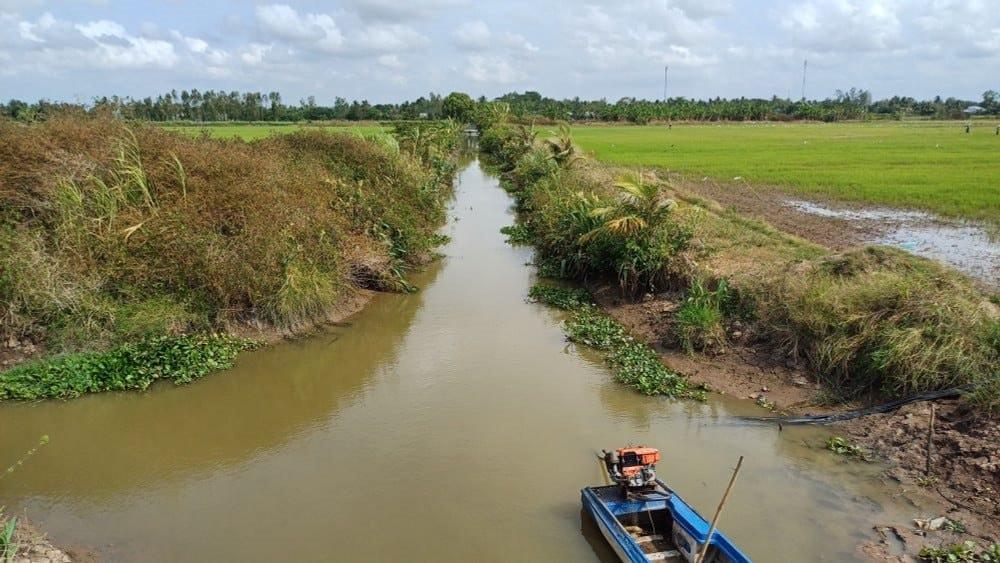
Saline intrusion is posing growing challenges to agricultural production in the lower Hau River region, where agricultural land use is closely linked to water availability. A study conducted in the former Soc Trang province, now part of Can Tho city, assessed saline intrusion risk to agricultural land use in 2024 under the RCP 4.5 and RCP 8.5 climate change scenarios for 2030 and 2050. The results show that the area of rice cultivation affected by higher salinity levels tends to increase, providing an additional scientific basis for land use planning and the selection of appropriate adaptation-oriented farming systems.
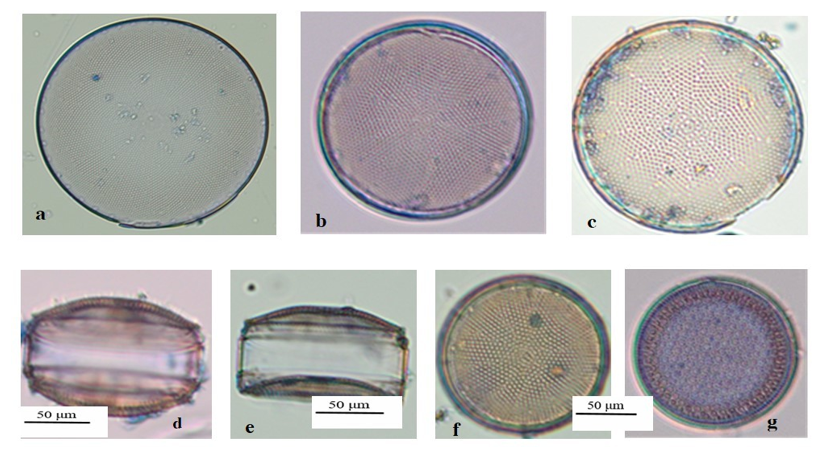
A study of phytoplankton samples collected from various marine areas of Viet Nam between 2015 and 2025 identified 21 species belonging to the genera Coscinodiscus and Coscinodiscopsis. Notably, Coscinodiscus reniformis and Coscinodiscopsis sp. were recorded and described in detail based on their cellular morphological characteristics, providing additional data for the identification and taxonomic classification of these diatom groups in Vietnamese waters.