



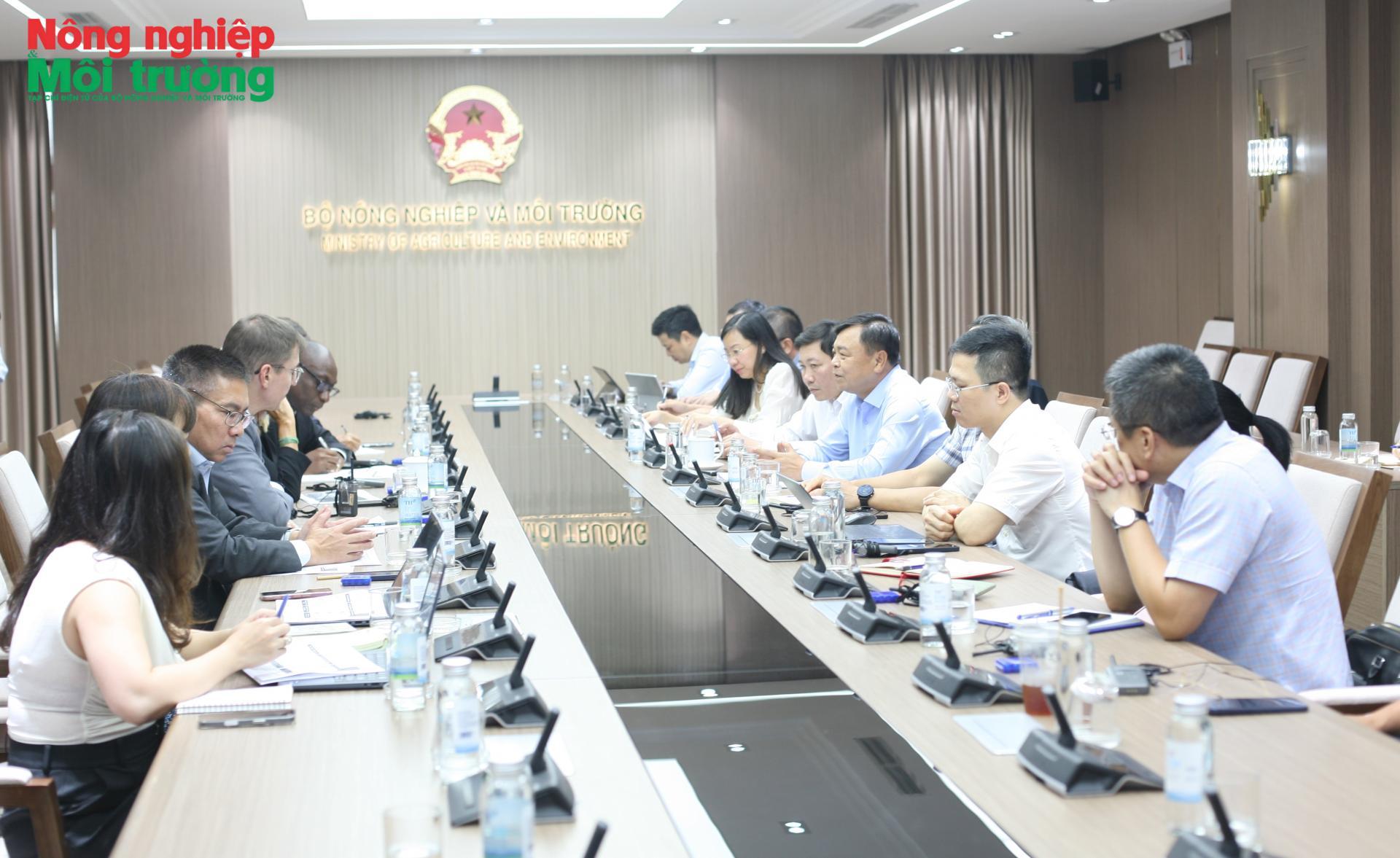
 Deputy Minister of Agriculture and Environment Nguyen Hoang Hiep met with a World Bank (WB) delegation on September 9 to discuss the AgriConnect initiative. The meeting focused on ways to better connect public investment, policy and private capital to the development of agricultural value chains.
Better connecting resources for agriculture
Over more than three decades of cooperation since relations were restored in 1993, the World Bank has supported Viet Nam through numerous programs and projects covering infrastructure, agriculture, irrigation, livelihoods and climate change adaptation.
In agriculture, projects implemented over successive periods have contributed to infrastructure development, improved production capacity and changes in farming practices. In the Mekong Delta, a number of these programs have linked infrastructure investment with livelihoods, agricultural production and climate resilience.
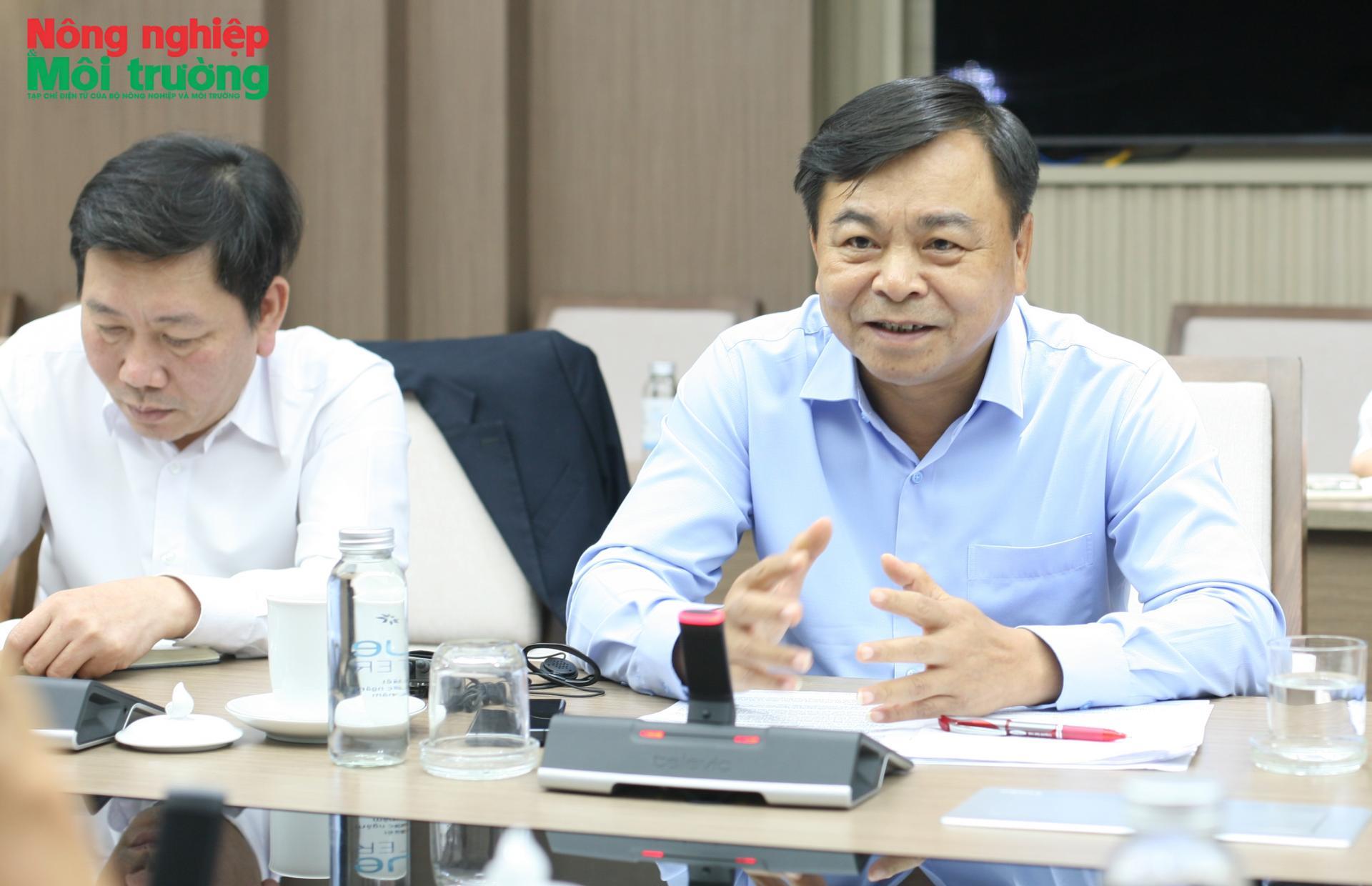
At the September 9 meeting, Deputy Minister Nguyen Hoang Hiep said a project’s effectiveness should not be assessed solely on implementation progress or disbursement, but also on its ability to leverage other sources of investment, particularly private capital.
According to the deputy minister, Viet Nam currently has about 17,000 agricultural enterprises, while millions of farming households remain directly engaged in production. This highlights the need to strengthen links among participants across the value chain, from farming households and cooperatives to businesses, markets and support services.
The approach discussed with the WB therefore goes beyond mobilizing additional capital for agriculture. It seeks to better align existing resources so that individual investments can generate value across other stages of the value chain.
AgriConnect links investment to value chains
According to the World Bank, AgriConnect is an initiative aimed at supporting the transformation of production for around 300 million smallholder farmers, based on three main areas of action: strengthening foundations, improving policies and mobilizing capital. The approach combines infrastructure and production capacity with an enabling policy environment, while creating conditions for greater private-sector participation in agricultural investment.
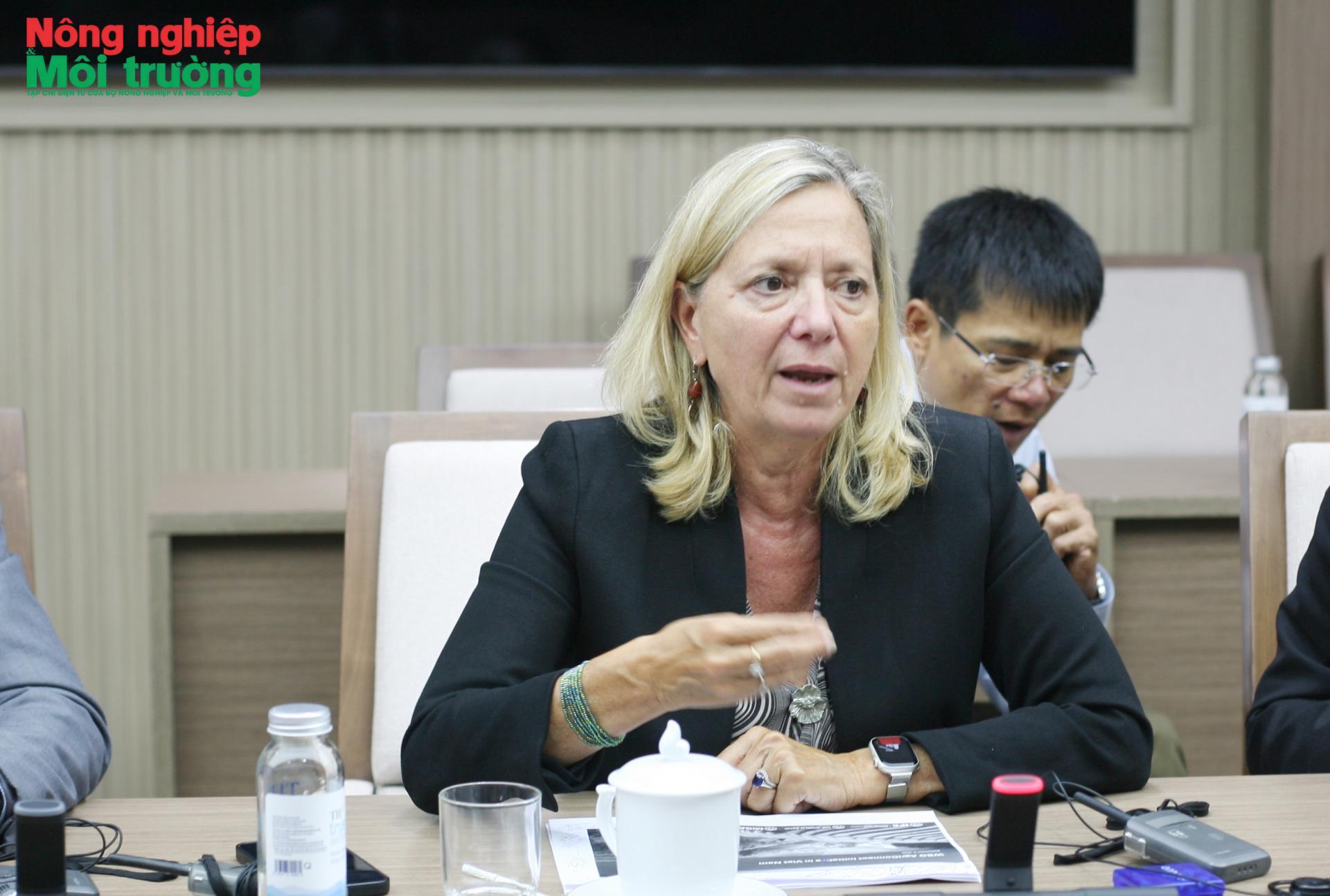
At the meeting, Mariam J. Sherman, World Bank Division Director for Viet Nam, Cambodia and Lao PDR, stressed that AgriConnect is not simply about seeking new loans. She said the initiative is intended to bring together public and private investment already under way while incorporating private-sector perspectives into project design and implementation from the outset.
This represents a broader approach to organizing resources around agricultural investment. While infrastructure is essential for production and the movement of goods, attracting private investment also depends on factors such as policy clarity, the development of viable projects, market prospects and risk-sharing arrangements.
Within the World Bank Group, the International Finance Corporation (IFC) can help connect businesses with private capital, while the Multilateral Investment Guarantee Agency (MIGA) can provide investment risk insurance solutions. Combining these instruments could help develop projects capable of mobilizing multiple sources of capital rather than relying solely on public investment or development finance.
The approach is also consistent with Viet Nam’s current agricultural development orientation, which places greater emphasis on value addition, markets, competitiveness and climate resilience. The Government’s Resolution No. 85/NQ-CP, issued on April 4, 2026, continues to call for the development of modern commercial agriculture and improvements in the quality, value and competitiveness of agricultural products.
Mekong Delta identified for AgriConnect
At the meeting, the two sides agreed to translate AgriConnect into an action plan and coordinate its development through a working group. The Mekong Delta was identified as an area for implementation, with the participation of local authorities, the WB, development partners, businesses and industry associations.
The Mekong Delta was selected against the backdrop of a long-running cooperation process between Viet Nam and the WB in the region. From projects on water resources management and climate resilience to programs supporting agricultural transformation, substantial resources have been directed to the region.
The Mekong Delta Integrated Climate Resilience and Sustainable Livelihoods Project, approved by the WB in 2016, was a major initiative in this area. It supported climate-adaptation planning and land and water management, while contributing to changes in livelihoods and production practices suited to regional conditions.
The Mekong Delta has also been a key area under the Viet Nam Sustainable Agriculture Transformation Project (VnSAT), which linked investment in production with the development of rice and coffee value chains and involved private-sector participation. The project’s development objective included improving farming practices and value chains in targeted areas and strengthening the relevant public institutions.
This process is now being extended through the Mekong Delta Climate Resilience and Integrated Transformation Project (MERIT). World Bank project documents identify sustainable agriculture, livelihoods, infrastructure and private-sector participation in value chains among its areas of focus, and link the project with broader discussions around AgriConnect.
Alongside these efforts, the Government’s initiative to develop one million hectares of high-quality, low-emission rice associated with green growth in the Mekong Delta by 2030 is establishing a framework for organizing production along value chains while linking economic efficiency with emissions reduction and climate adaptation.
Against this backdrop, developing an AgriConnect action plan for the Mekong Delta is part of an existing process of investment, production transformation and climate adaptation. The next step is to clarify how ongoing programs, projects and resources can be better connected with the specific investment needs of businesses and producers.
Linking investment to development outcomes
Under the approach discussed at the meeting, AgriConnect needs to be translated into clear objectives, appropriate coordination mechanisms and measurable results. This will also be important for bringing public-private investment linkages into individual projects and specific value chains.
For producers, the ultimate outcome is not limited to the completion of an infrastructure project, but also includes better access to markets, technology, services and stable production linkages. For businesses, key conditions include access to production areas and raw materials, infrastructure, a clear policy environment and sufficiently defined investment plans to support viable projects.
From the perspective of public investment, a project can deliver broader results when it creates a foundation for businesses, financial institutions and other partners to participate. This was at the heart of Deputy Minister Nguyen Hoang Hiep’s remarks that project performance should be viewed not only through implementation and disbursement, but also through its ability to attract additional resources.
The World Bank likewise identifies connecting farmers with businesses, markets, finance and technology as a core element of AgriConnect.
For Viet Nam, translating this approach into practice will require further work on such issues as selecting priority sectors and projects, establishing coordination mechanisms, connecting AgriConnect with ongoing programs and projects, and determining how private capital can be mobilized.
The central issue for AgriConnect in Viet Nam is therefore not simply the creation of another investment program, but how existing resources and participating stakeholders can be better connected around specific agricultural value chains. With the Mekong Delta identified as the initial area for implementation, the next step will be to turn the approach into a concrete action plan and projects with clear objectives, implementation mechanisms and measurable results.
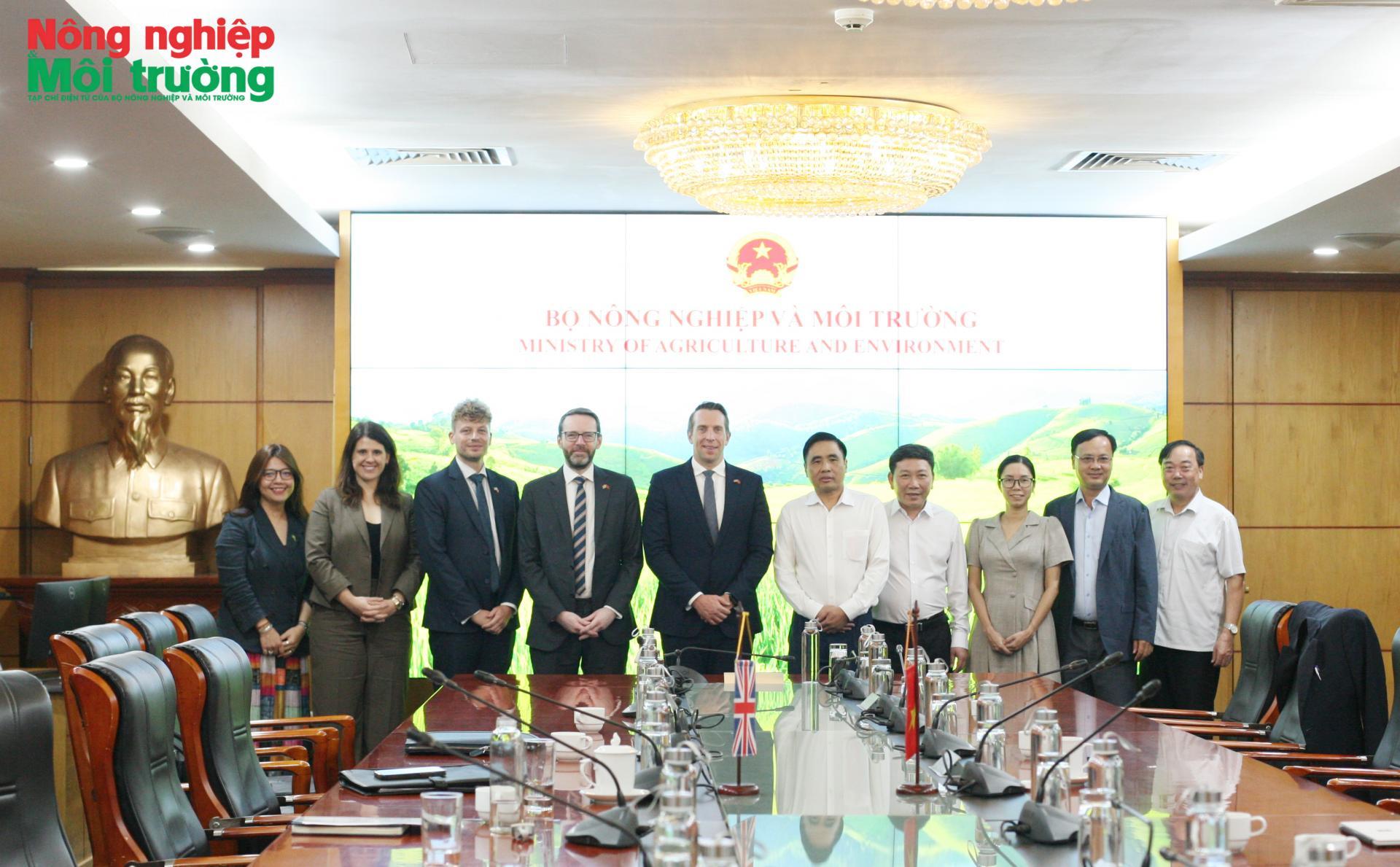
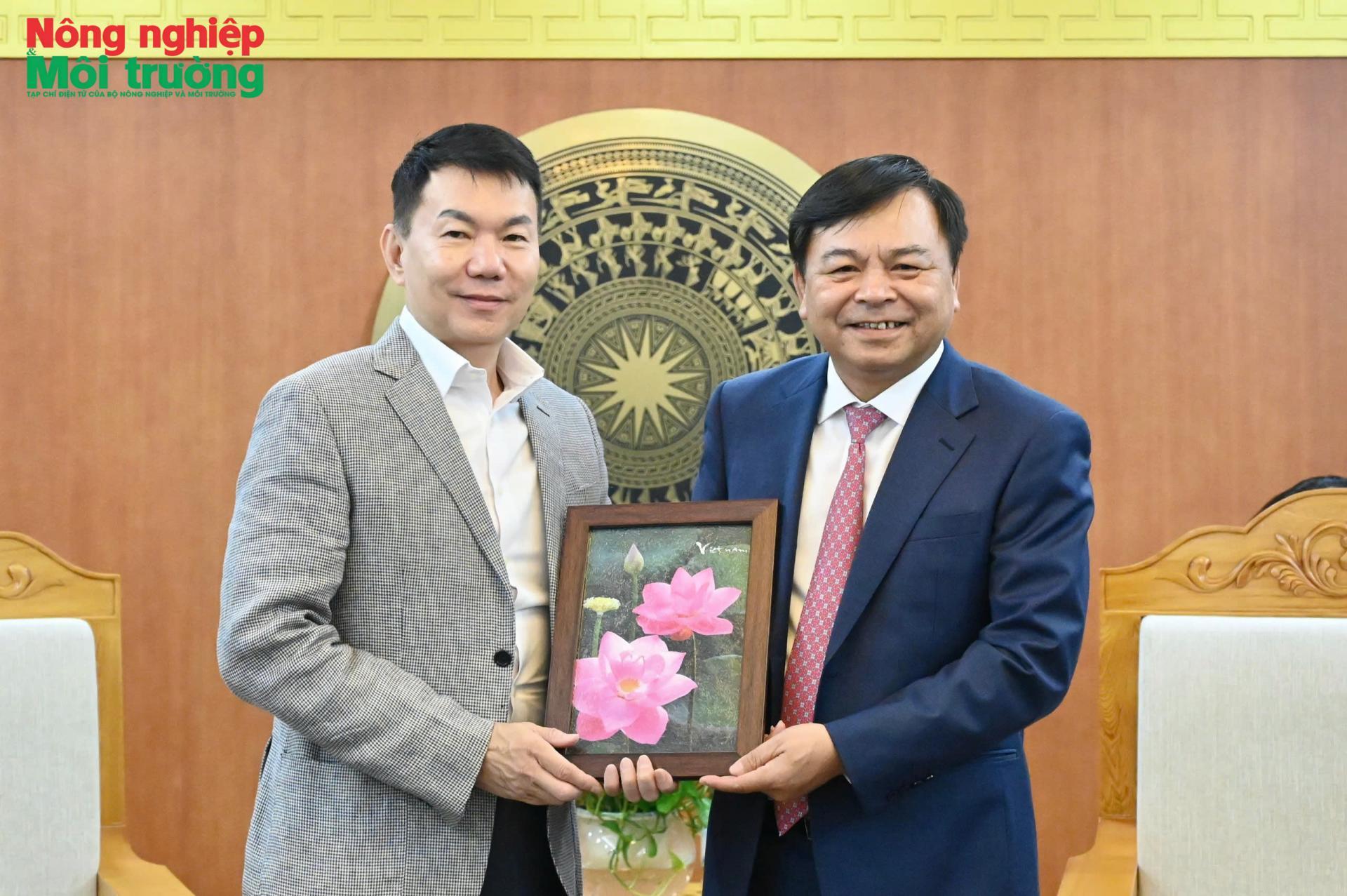
Viet Nam and the United Kingdom are stepping up coordination to expand market access for agricultural, forestry and fishery products, as bilateral trade in these sectors reached about US$1.16 billion in 2025, up 20% from the previous year.
Viet Nam is working to expand low-emission rice production models to increase value and farmers’ incomes, while gradually creating conditions for the development of markets for low-emission rice and carbon credits.
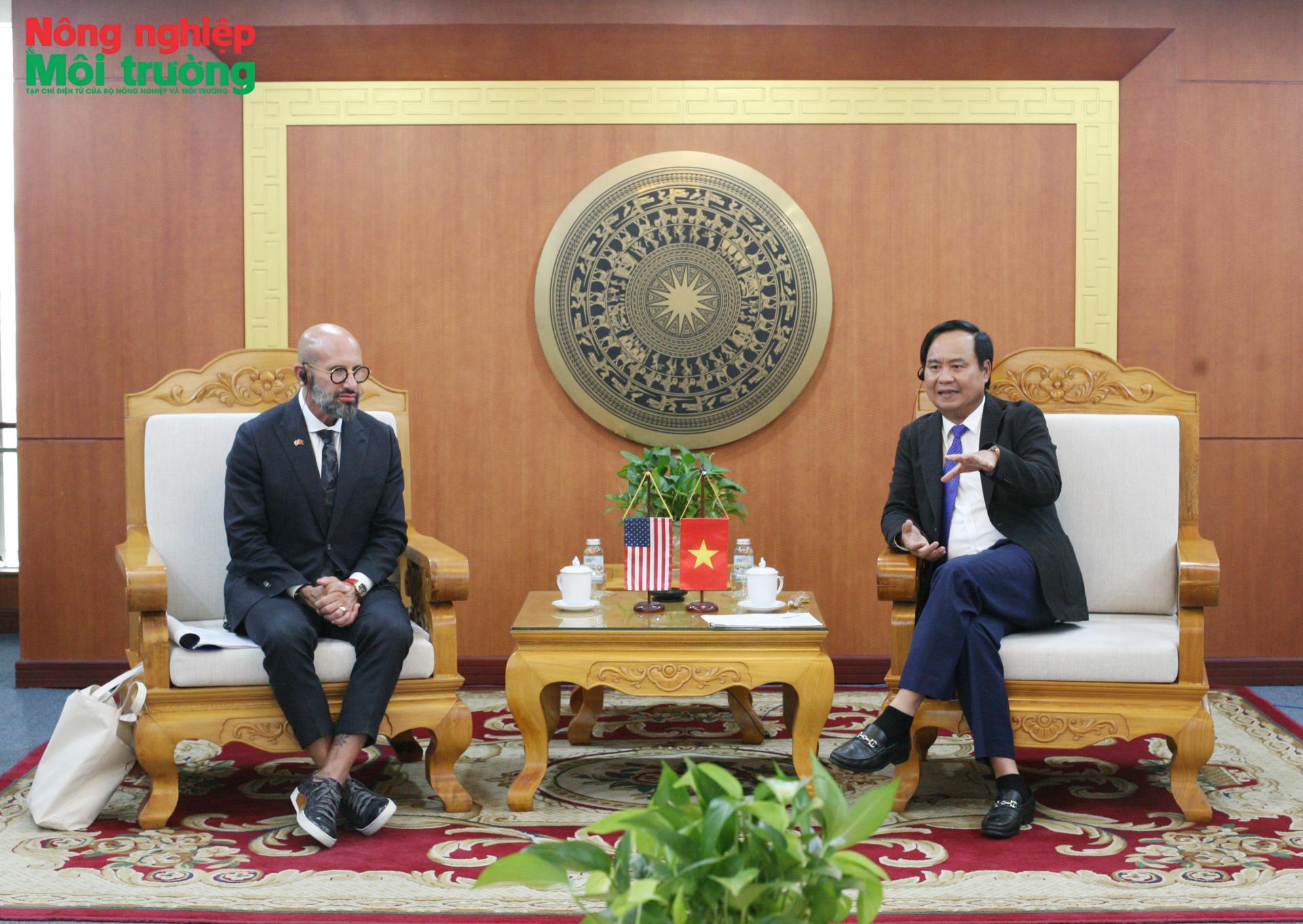
The U.S. Food and Drug Administration's (FDA) decision to establish its first ASEAN regional office in Vietnam is expected not only to strengthen cooperation between the two countries' regulatory authorities but also to support the harmonization of food safety standards, improve supply chain oversight and facilitate agricultural trade as international market requirements become increasingly stringent.
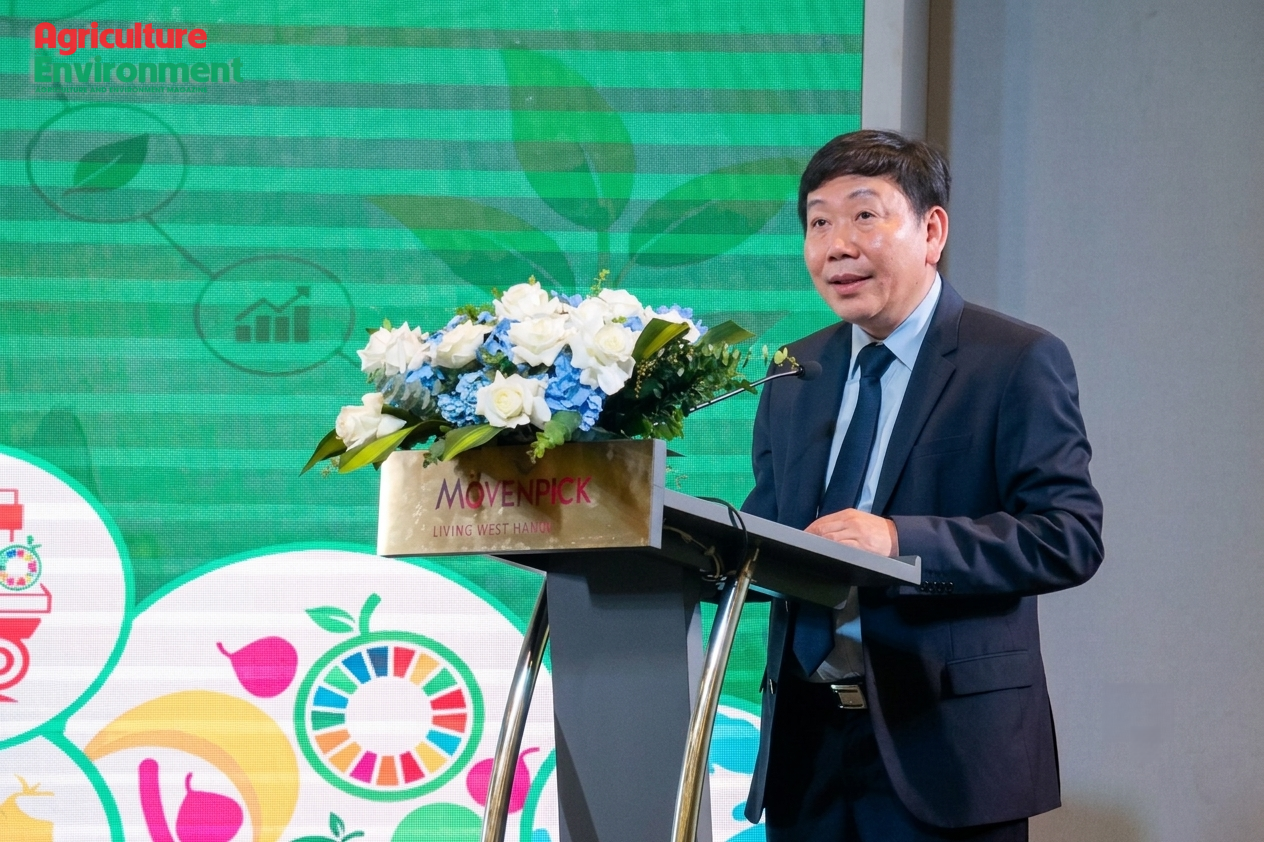
Ensuring food security, adapting to climate change and delivering on sustainable development commitments have become increasingly interconnected policy priorities for Viet Nam. Against this backdrop, food systems transformation is emerging as a key pillar of the country's long-term development agenda.
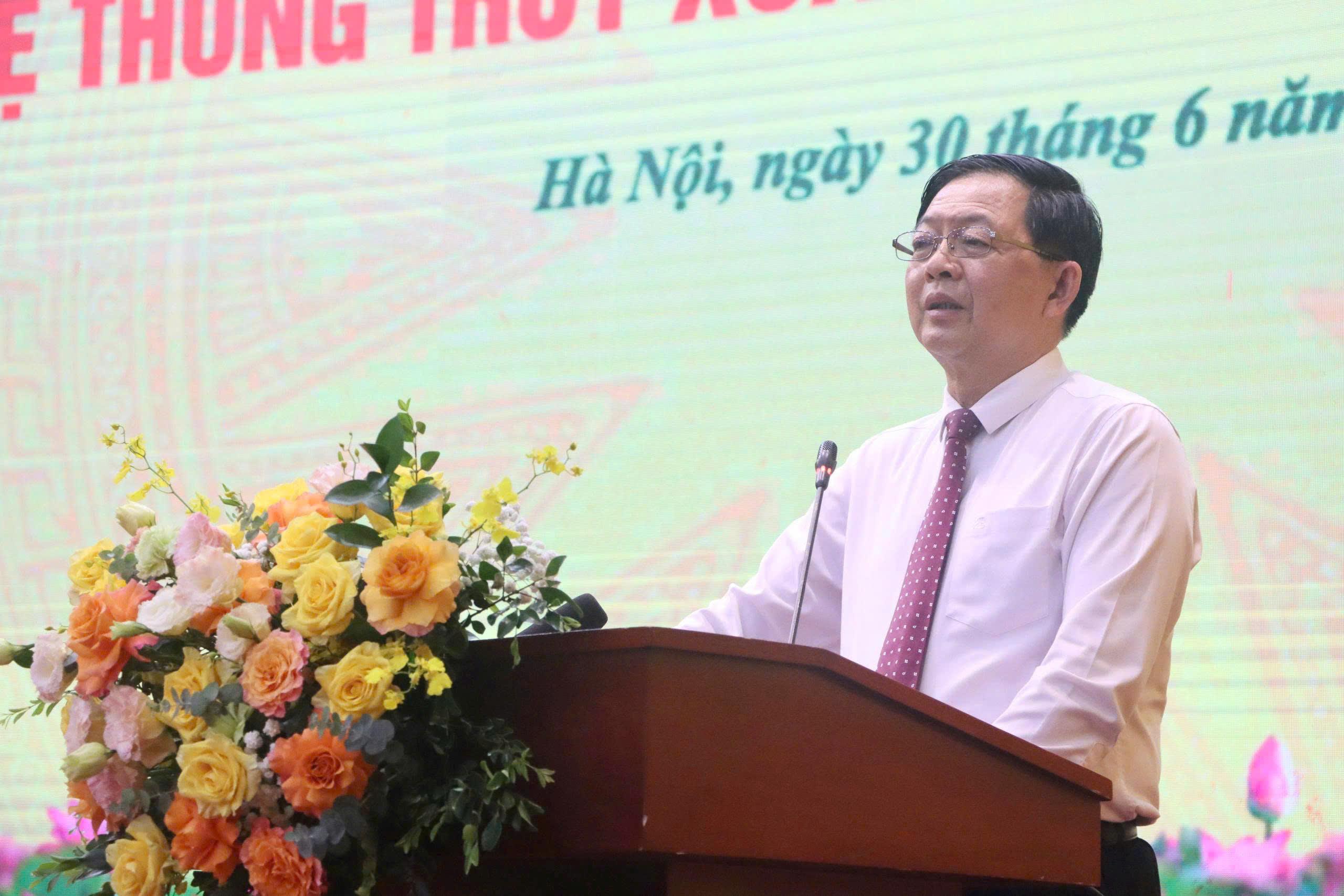
The launch of Viet Nam’s national agricultural product traceability system marks a new step in the digital transformation of the agriculture sector, supporting data-driven public administration, improving product quality management, and strengthening the competitiveness of Vietnamese agricultural products in global markets.