



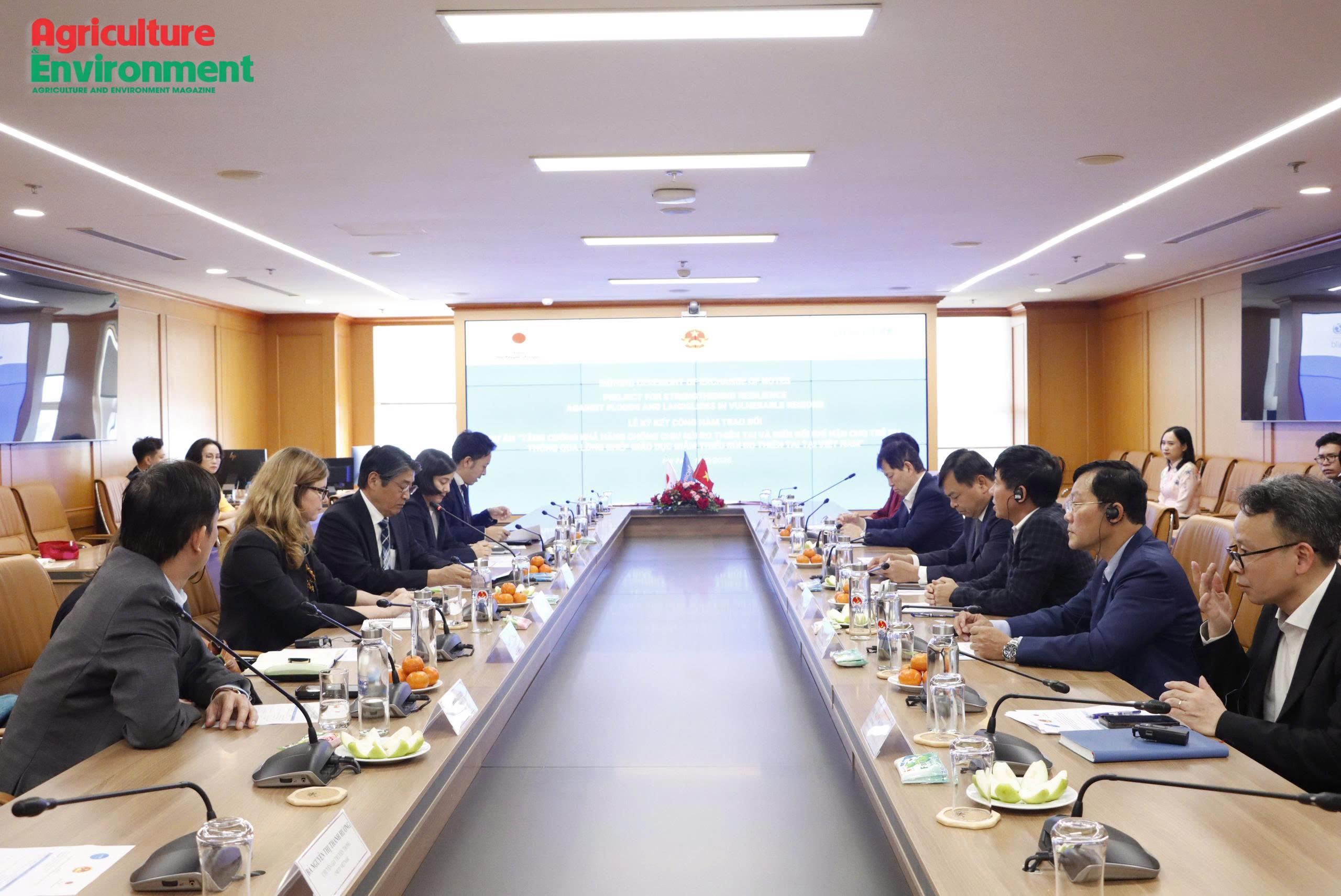
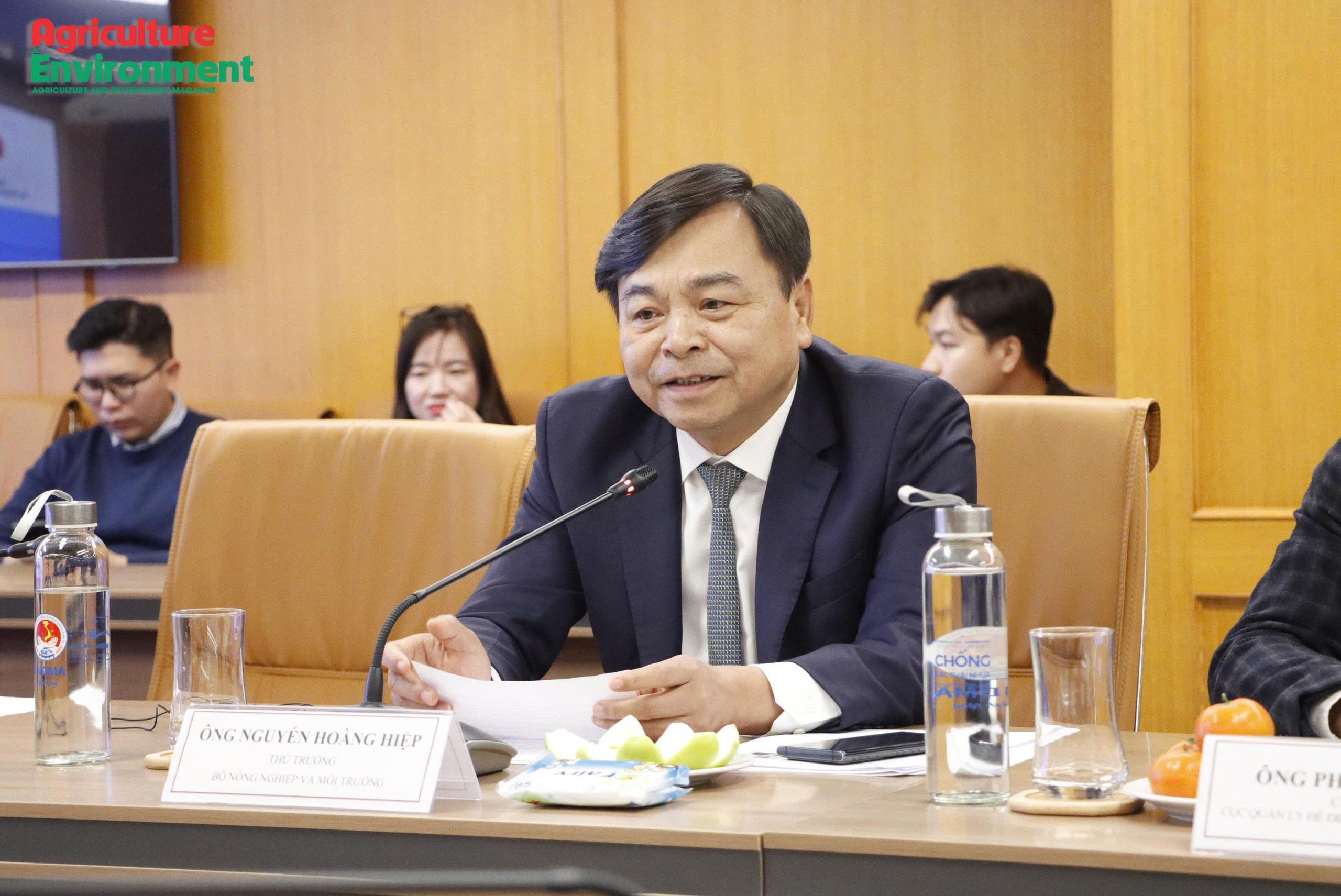
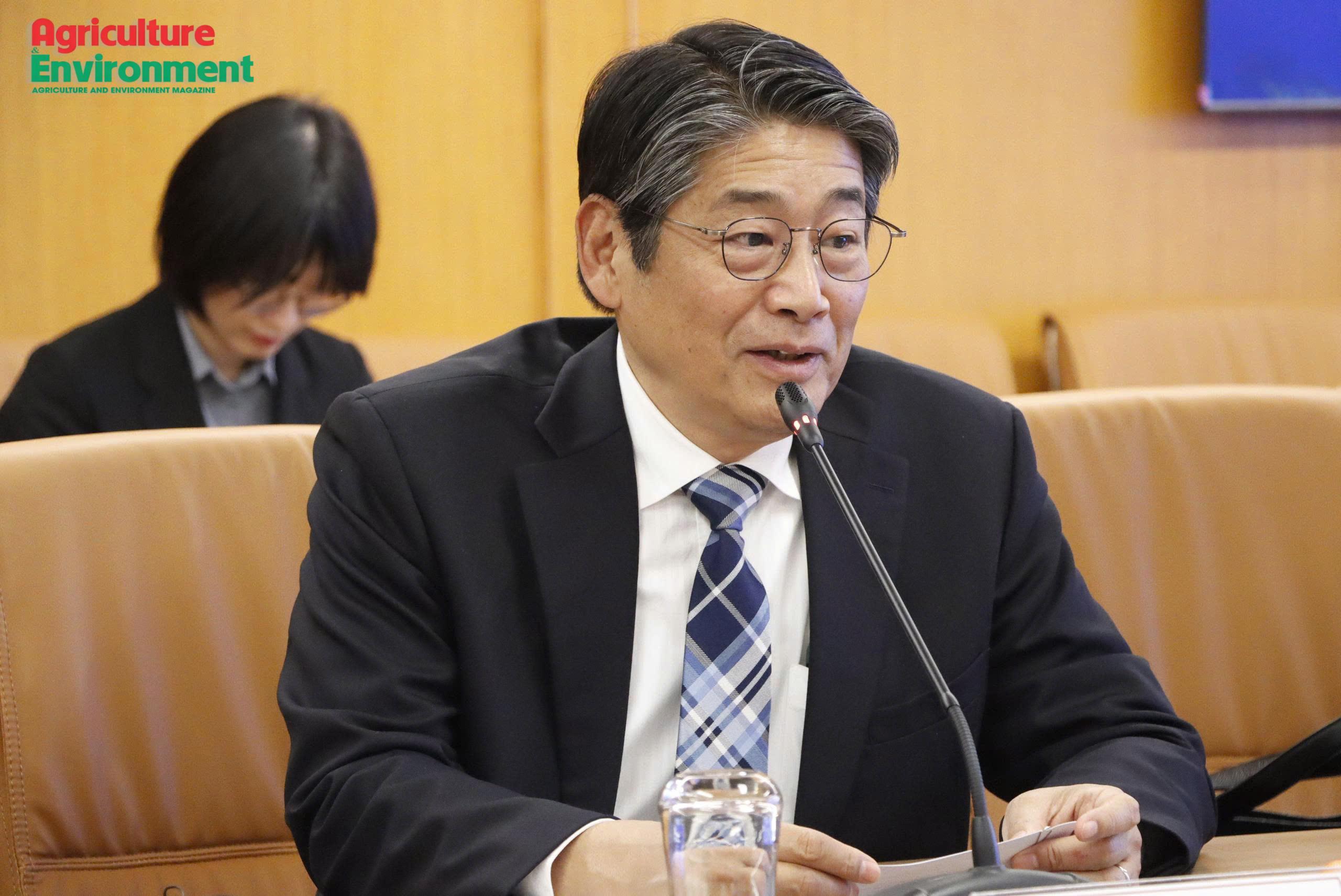
 An exchange of notes for the project “Strengthening disaster and climate resilience for children through integrating disaster risk reduction education in Viet Nam” was signed on February 10 at the headquarters of the Ministry of Agriculture and Environment. The document was signed by Japanese Ambassador to Viet Nam Ito Naoki and UNICEF Representative in Viet Nam Silvia Danailov, in the presence of Deputy Minister of Agriculture and Environment Nguyen Hoang Hiep, who delivered remarks at the ceremony.
The project will be implemented from 2026 to 2030 with nearly $6 million in non-refundable official development assistance (ODA) provided by the Government of Japan through UNICEF, together with VND10 billion (approximately $400,000) in counterpart funding from Vietnam. Of the total amount, $4.8 million will be directly managed and implemented by the Ministry of Agriculture and Environment. The project will be carried out nationwide, prioritizing provinces at high risk of flash floods, landslides and flooding, including Cao Bang, Lao Cai, Nghe An and Ha Tinh.
27 million children and residents expected to benefit
Deputy Minister Nguyen Hoang Hiep said the new phase of the project aims to further strengthen Viet Nam’s disaster risk reduction system based on data and with a focus on children. As natural disasters become increasingly extreme and unpredictable, he said, efforts need to shift from response-based measures to proactive prevention, integrating disaster risk reduction into planning, investment and policymaking processes.
The 2026–2030 phase will focus on three main components. First, it will enhance disaster risk information, monitoring and analysis systems to support policymaking and early warning at both central and local levels. Risks and vulnerabilities affecting children will be systematically identified and updated to facilitate integration into socio-economic development plans.
Second, it will strengthen governance and risk-informed financing mechanisms to support the development of safe and inclusive infrastructure, including schools and community facilities. The approach seeks to ensure that public investment contributes to long-term resilience to climate change impacts.
Third, it will improve the prevention, adaptation and resilience capacity of children and communities through a comprehensive disaster response system, strengthened local early warning mechanisms, regular drills, and the integration of disaster risk reduction education into the national education curriculum.
An estimated 27 million children and community members nationwide are expected to benefit from improved planning, early warning and prevention systems. In high-risk provinces, approximately 2.2 million children and 7 million residents will receive direct support.
The deputy minister requested the Department of Dyke Management and Natural Disaster Prevention and Control to closely coordinate with UNICEF during implementation to ensure consistency and effectiveness in line with local conditions. He stressed that international experience should be adapted to Vietnam’s context to ensure practical effectiveness.
Previous phase trained 1,000 officials, supported 450,000 people
During the 2021–2025 phase, with support from the Government of Japan through UNICEF, the project recorded several outcomes.
Policies and guidelines on natural disaster prevention and control were further developed with greater integration of child-related considerations. Technical assistance supported the review and assessment of the Law on Natural Disaster Prevention and Control. More than 1,000 officials at various levels received training to strengthen disaster risk management capacity.
Communication and education activities reached more than 4.6 million children and community members. Over 450,000 people, including more than 167,000 children, received support during major disasters through the provision of clean water, essential supplies, and assistance to schools, health stations and evacuation sites.
At the ceremony, Ambassador Ito Naoki said Japan continues to prioritize disaster risk reduction and the protection of vulnerable groups in its development cooperation with Viet Nam. Strengthening risk identification, improving early warning systems and reinforcing risk governance would help reduce damage caused by floods, landslides and extreme weather events, he said.
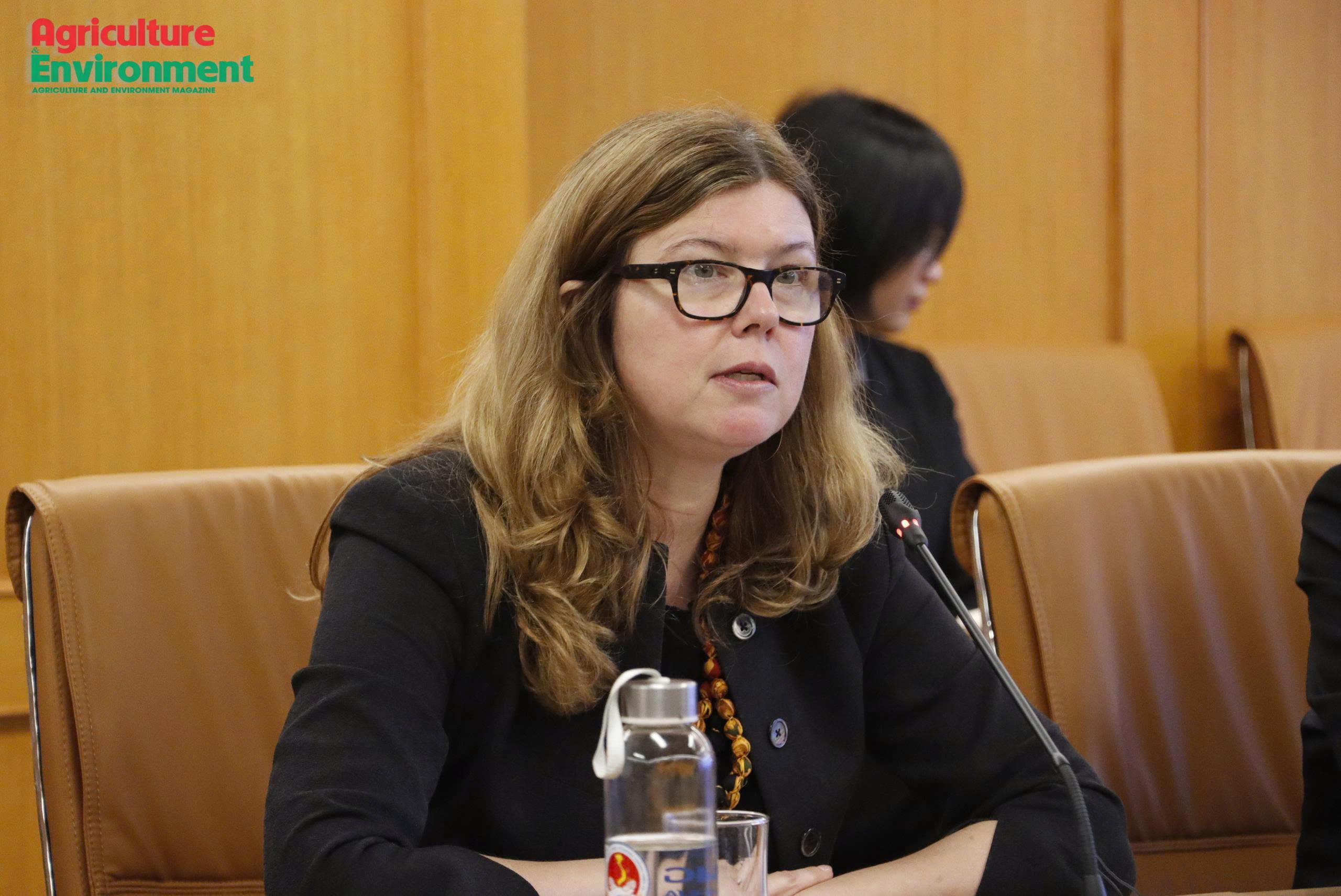
UNICEF Representative Silvia Danailov said recent climate shocks had highlighted gaps in risk information and coordination at the local level. A child-focused approach helps protect vulnerable groups while improving the overall effectiveness of disaster risk management systems, she said.
The 2026–2030 project is consistent with Viet Nam’s commitments under the Sendai Framework for Disaster Risk Reduction 2015–2030, the Paris Agreement on climate change and the Sustainable Development Goals.
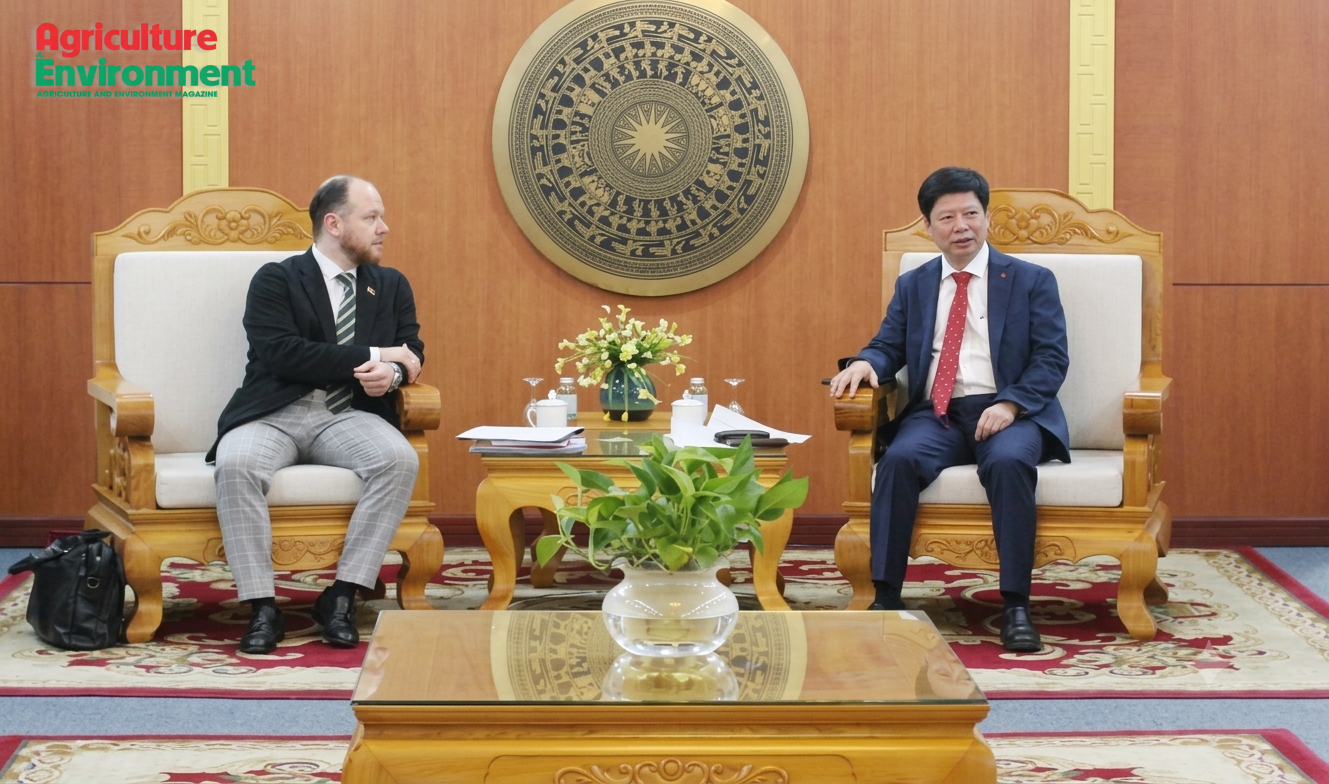
The licensing of four Belarusian companies to export boneless beef to Viet Nam, with the first shipment entering the Vietnamese market in April 2026, marks a concrete result in efforts to address market-access procedures between the two countries. In the opposite direction, the number of Vietnamese companies authorised to export meat and seafood to the Eurasian Economic Union (EAEU) is only about one-sixth the number of Belarusian companies authorised to export to Viet Nam, pointing to further scope for addressing technical barriers and expanding market opportunities for Vietnamese agricultural products.
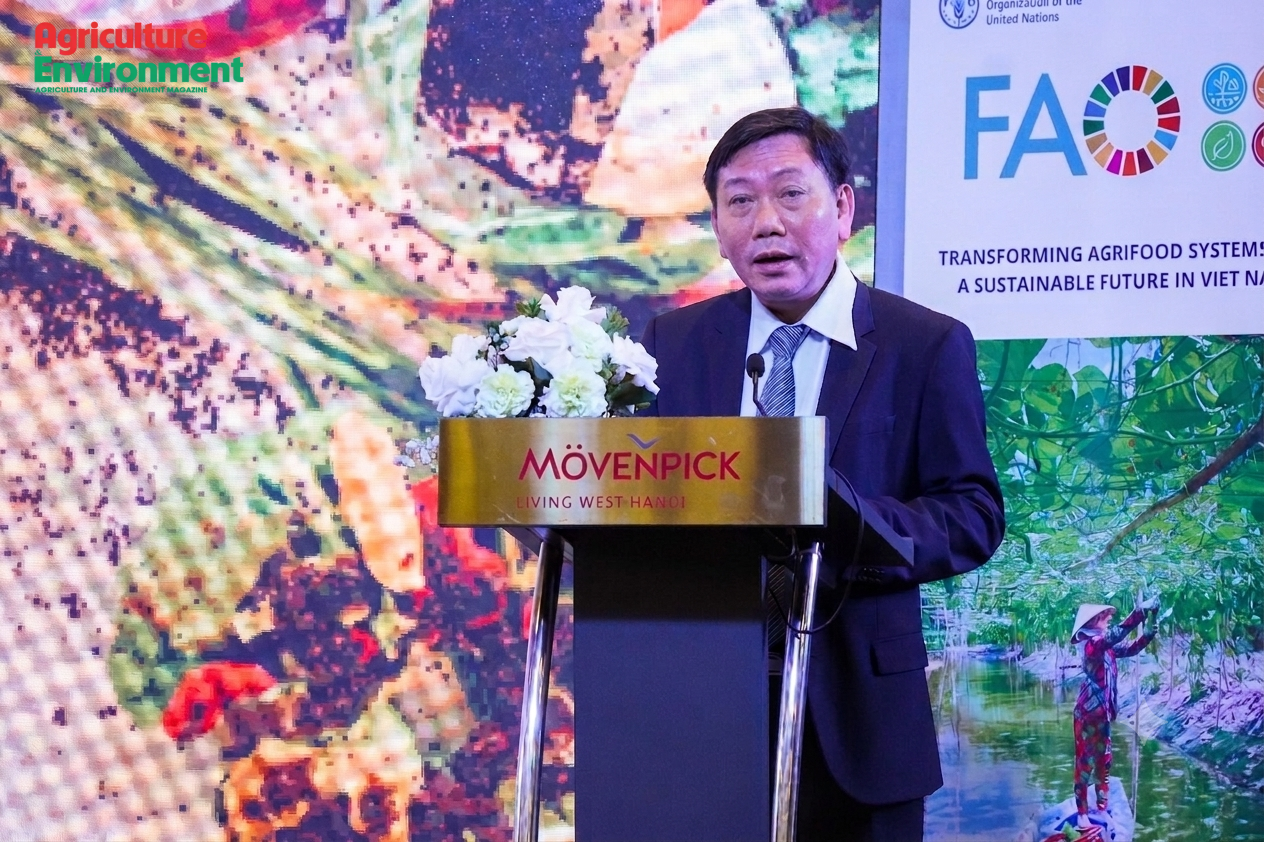
Reducing food loss and waste is not only about preventing food from being discarded. It also requires retaining and circulating value throughout the food system, from production and processing to distribution and consumption.
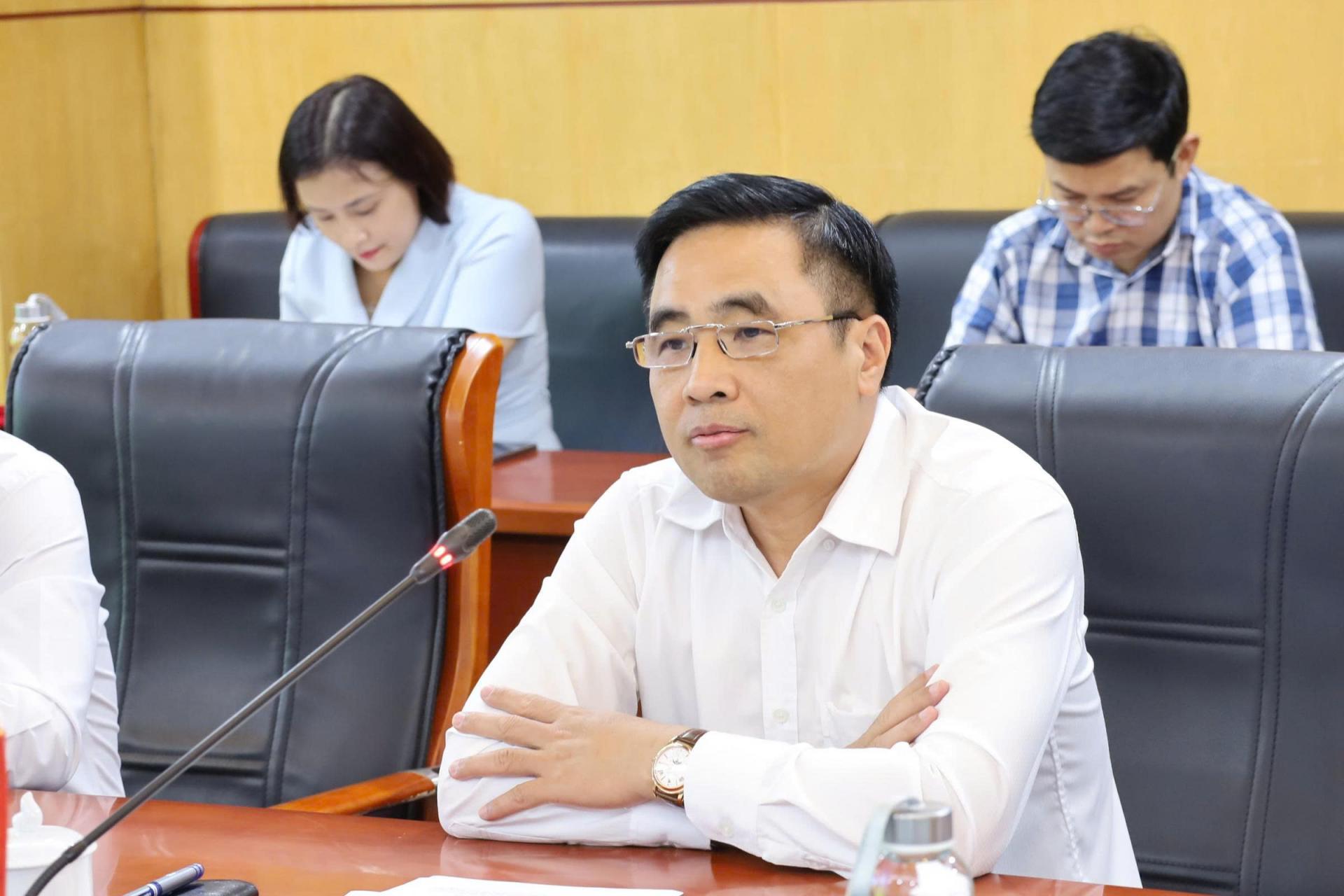
The August 18 meeting between Deputy Minister of Agriculture and Environment Nguyen Quoc Tri and Uruguay’s Deputy Minister of Livestock, Agriculture and Fisheries Matías Carámbula highlighted market access and balanced interests in agricultural trade between the two countries. These issues are directly relevant to translating bilateral cooperation priorities into concrete outcomes.
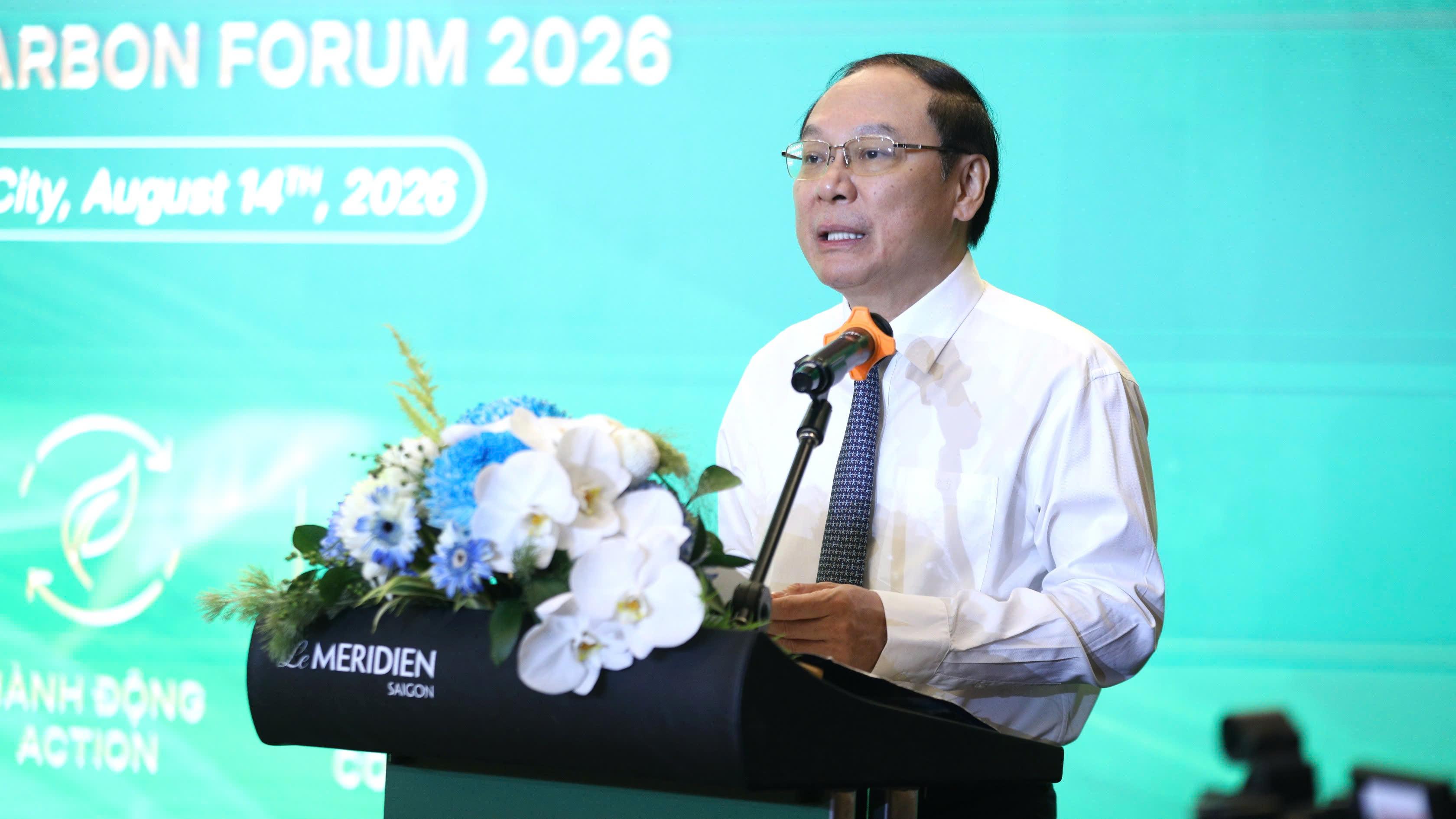
The "Viet Nam Carbon Forum 2026: From policty to action", held in Ho Chi Minh City on August 14, highlighted the carbon market’s transition into a new phase, with the legal framework being progressively completed, the domestic carbon exchange entering pilot operation and businesses facing growing pressure to make emissions reductions part of their business strategies.
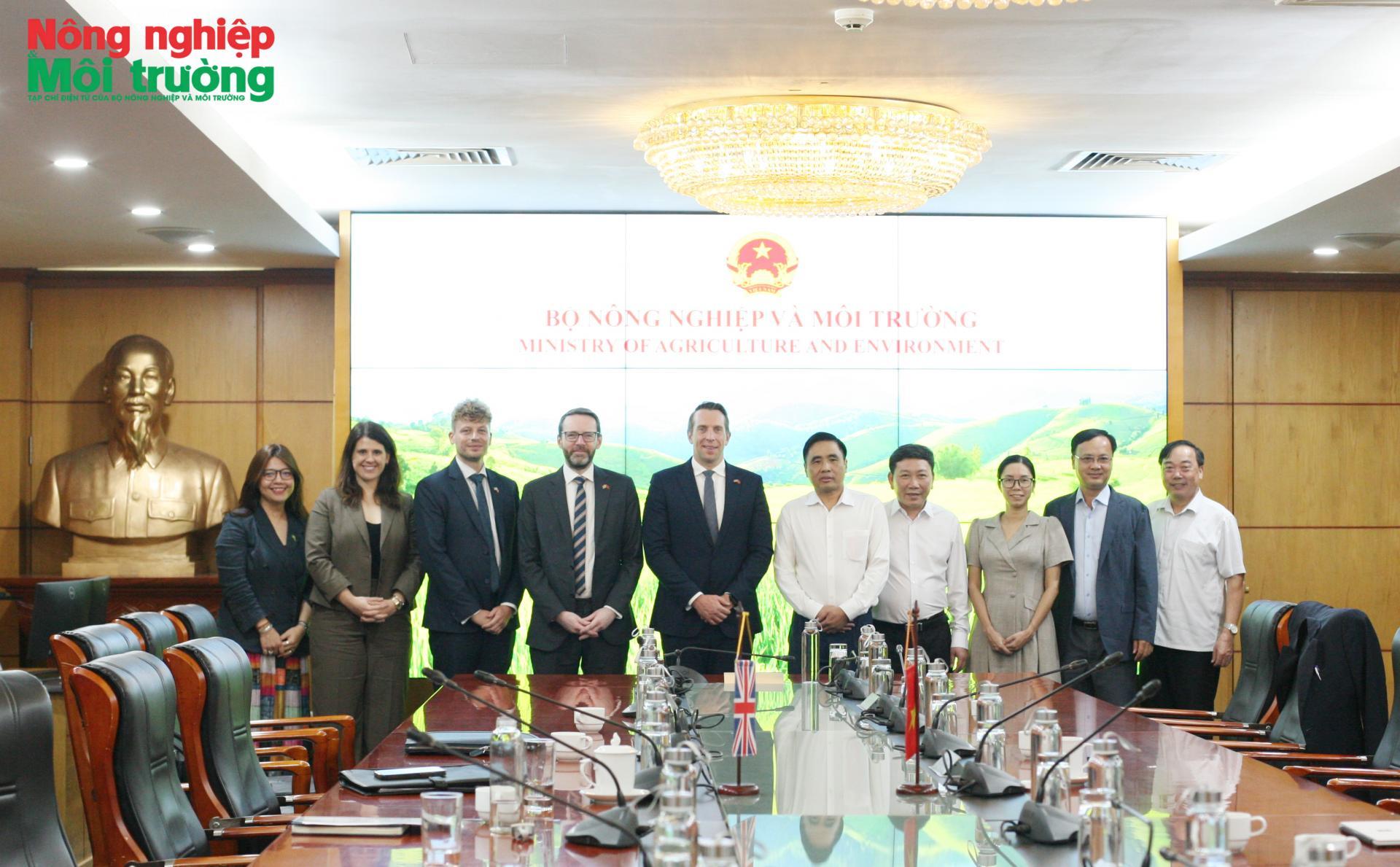
Viet Nam and the United Kingdom are stepping up coordination to expand market access for agricultural, forestry and fishery products, as bilateral trade in these sectors reached about US$1.16 billion in 2025, up 20% from the previous year.