



 In recent years, the One Health has become an increasingly important approach for addressing complex health challenges worldwide. The growing frequency of zoonotic disease outbreaks, rising antimicrobial resistance (AMR), food safety incidents, environmental pollution, and the impacts of climate change are gradually blurring the traditional boundaries between the health, agriculture, and environmental sectors.
In this context, the key question is not only how different sectors can collaborate, but more fundamentally how to establish governance mechanisms capable of effectively addressing challenges that cut across multiple sectors and disciplines.
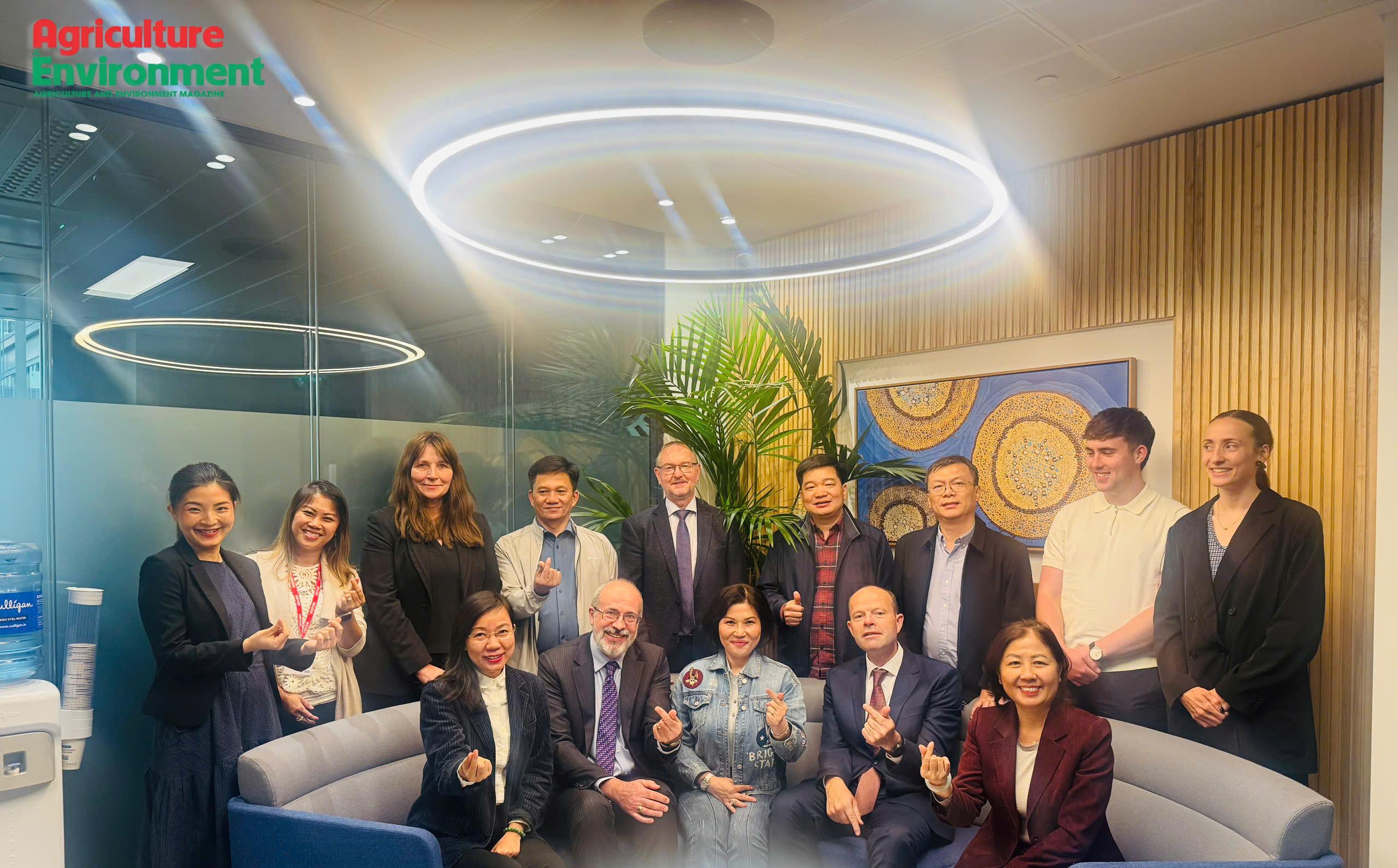
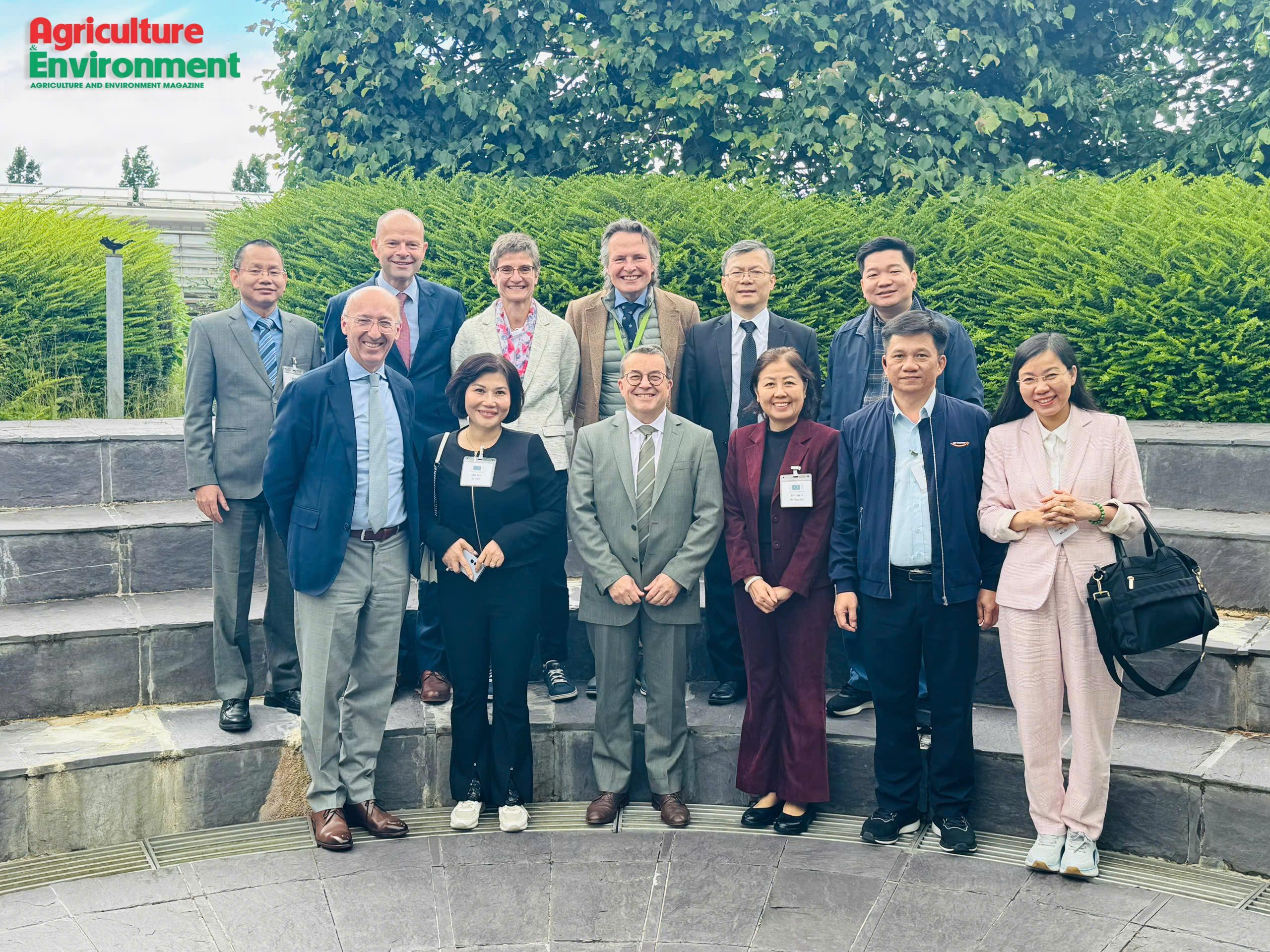
Through exchanges with Irish institutions working in food safety, animal health, antimicrobial resistance, and One Health, one striking observation emerged. The most valuable lesson is not that Ireland has created a new agency or adopted a unique institutional model. Rather, it lies in how the country has designed and operated coordination mechanisms that enable different authorities to work towards common goals based on science and evidence.
Food safety within the One Health ecosystem
One of the most notable features of Ireland's approach is that food safety is not treated separately from animal health, environmental health, and public health.
National surveillance programmes extend beyond food monitoring to include zoonotic diseases, antimicrobial use in livestock production, antimicrobial resistance, veterinary drug residues, marine biotoxins, and environmental risks relevant to human health.
This reflects a core understanding: risks to human health rarely emerge from a single sector in isolation. Instead, they arise through complex interactions among humans, animals, food systems, and the environment.
Within this framework, food safety is not synonymous with One Health. However, it is one of the clearest areas where the value of the One Health approach becomes visible, as it represents the point at which risks originating from multiple sectors converge and directly affect human health.
Managing risks rather than reacting to incidents
Another defining feature of Ireland’s system is its reliance on risk assessment and scientific evidence.
Data generated through surveillance systems are used to identify priorities, design control programmes, and allocate resources. The objective is not to conduct more inspections, but to target interventions where risks pose the greatest threat to public health.

This principle is reflected in the work of the Food Safety Authority of Ireland (FSAI) and in audits conducted by the European Commission's Directorate-General for Health and Food Safety (DG SANTE). Rather than focusing solely on individual establishments or products, attention is directed towards evaluating the effectiveness of the entire control system, including legislation, coordination mechanisms, surveillance capacity, and preparedness for emerging risks.
The underlying lesson is clear: food safety and public health are not safeguarded through isolated inspections alone, but through systems capable of proactively identifying, assessing, and managing risks.
The most important lesson: Coordinating without centralizing authority
Perhaps the most thought-provoking lesson from Ireland is the way cross-sectoral coordination operates in the field of food safety.
In Ireland, the Food Safety Authority of Ireland (FSAI) does not directly carry out most field inspections and enforcement activities. These responsibilities remain with competent authorities such as the Department of Agriculture, Food and the Marine (DAFM), the Health Service Executive (HSE), the Sea-Fisheries Protection Authority (SFPA), and other relevant agencies, each acting within its statutory mandate.
However, FSAI's role goes far beyond simply connecting these institutions. Under Irish legislation, FSAI is responsible for coordinating and overseeing the national food safety control system. The implementing authorities enter into formal service contracts with FSAI, which clearly define responsibilities, activities, coordination arrangements, reporting obligations, and expected outcomes.
Based on these agreements, the competent authorities develop annual and multi-annual control plans, identify resource needs, secure funding through normal government budgetary processes, and implement activities within their respective areas of responsibility. The results are then reported to FSAI for consolidation, evaluation, and national-level oversight.
Importantly, FSAI does not allocate budgets to the implementing agencies. Instead, it monitors the implementation of official control programmes, evaluates the performance of the competent authorities, and conducts system audits to ensure consistency and effectiveness across the country.
What is particularly noteworthy is that FSAI's coordinating authority does not stem from direct administrative control over other agencies. Rather, it is built upon three pillars: a clear legal mandate, accountability mechanisms, and the systematic use of data and scientific evidence to support risk management.
As a result, individual authorities retain their operational autonomy and technical expertise, while the overall system functions according to common objectives and standards. This can be described as a model of "coordination through accountability" rather than "coordination through administrative command."
The same principle is increasingly reflected in Ireland's One Health governance arrangements, where the health, agriculture, and environmental sectors work together through coordinated structures while maintaining their respective mandates and responsibilities.
Implications for Viet Nam
Viet Nam has made significant progress in advancing the One Health agenda. It was among the first countries in the region—and globally—to adopt a National One Health Action Plan in 2016. The One Health Partnership, co-chaired by the Ministry of Agriculture and Environment and the Ministry of Health, has been maintained for many years. More recently, the One Health approach has also been formally recognised in the newly enacted Law on Disease Prevention and Control.
These achievements demonstrate that Vietnam has moved beyond the initial phase of awareness-raising and framework development.
Against this backdrop, the lesson from Ireland is not about creating additional institutions or establishing new coordination mechanisms. Rather, the challenge is how to make existing mechanisms more effective and more influential in shaping policy and implementation.
From this perspective, several areas deserve attention in the coming years.
First, the existing One Health coordination mechanism could be further strengthened to support the identification of cross-sectoral priorities, information synthesis, and monitoring of progress towards national One Health objectives.
Second, greater efforts could be made to promote data sharing and integrated surveillance across the health, veterinary, food safety, and environmental sectors. Such systems are essential for risk assessment and evidence-based decision-making.
Third, Viet Nam may consider developing mechanisms for regular monitoring, evaluation, and annual One Health reporting to provide a more comprehensive picture of progress in priority areas such as zoonotic diseases, antimicrobial resistance, food safety, and emerging health threats.
Most importantly, there is a need to promote a governance mindset based on shared objectives, shared responsibilities, and shared outcomes.
The Irish experience demonstrates that One Health is more than a framework for technical cooperation. It is a governance approach that enables different institutions to act collectively, using science, data, and accountability to address increasingly complex challenges at the human-animal-environment interface.
As Viet Nam continues its efforts towards sustainable development, public health protection, and resilience against emerging threats, this may be one of the most valuable lessons that the Irish experience can offer for the next stage of One Health development in Vietnam.

Ensuring food security, adapting to climate change and delivering on sustainable development commitments have become increasingly interconnected policy priorities for Viet Nam. Against this backdrop, food systems transformation is emerging as a key pillar of the country's long-term development agenda.
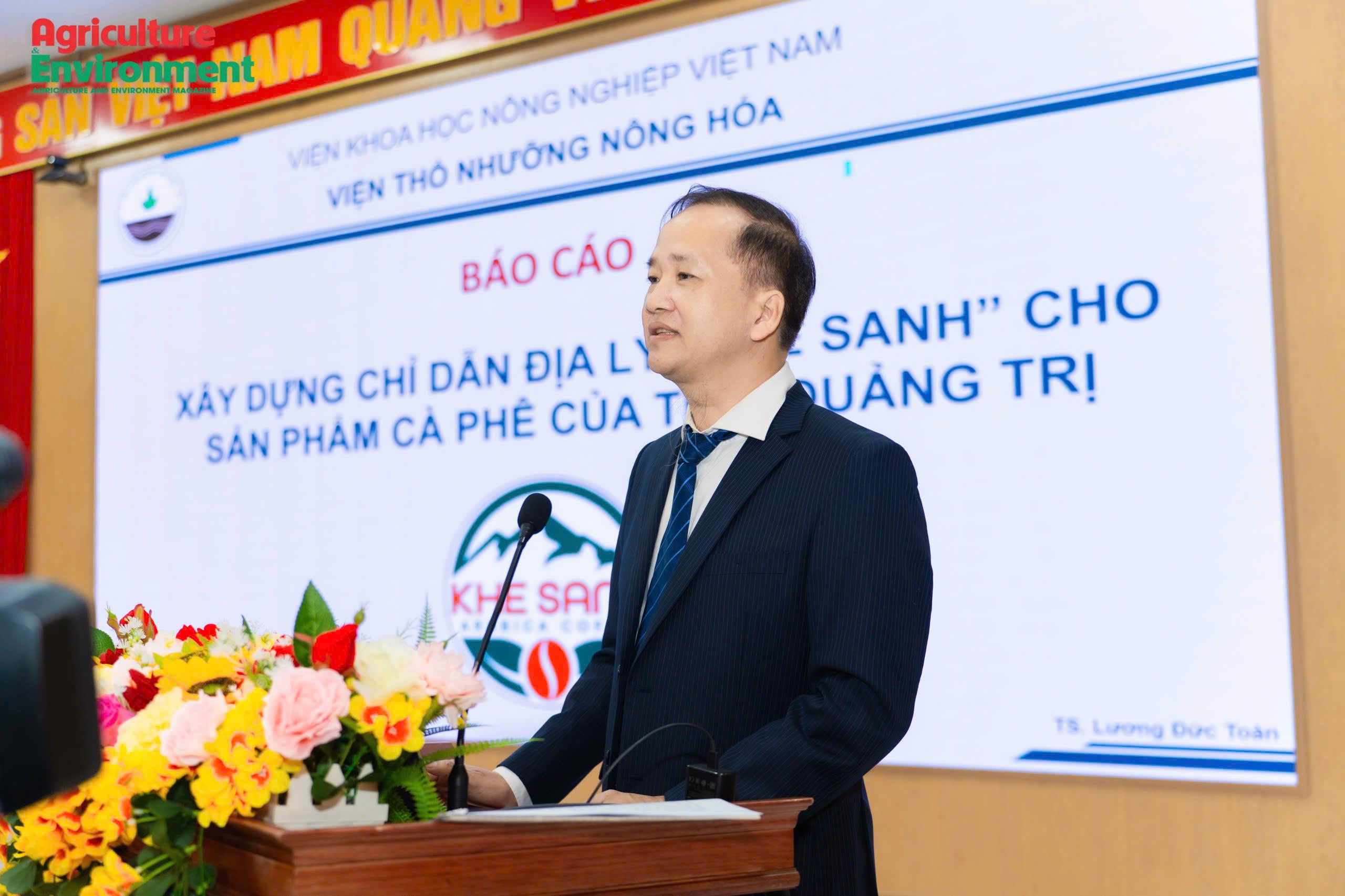
As Viet Nam’s agricultural sector shifts from a production-driven model toward one centered on value creation, geographical indications (GIs) are emerging as an increasingly important tool for strengthening the competitiveness of local agricultural products. Beyond intellectual property protection, GIs are helping regions build distinctive identities, reorganize production along more professional lines and lay the groundwork for more sustainable agricultural development.
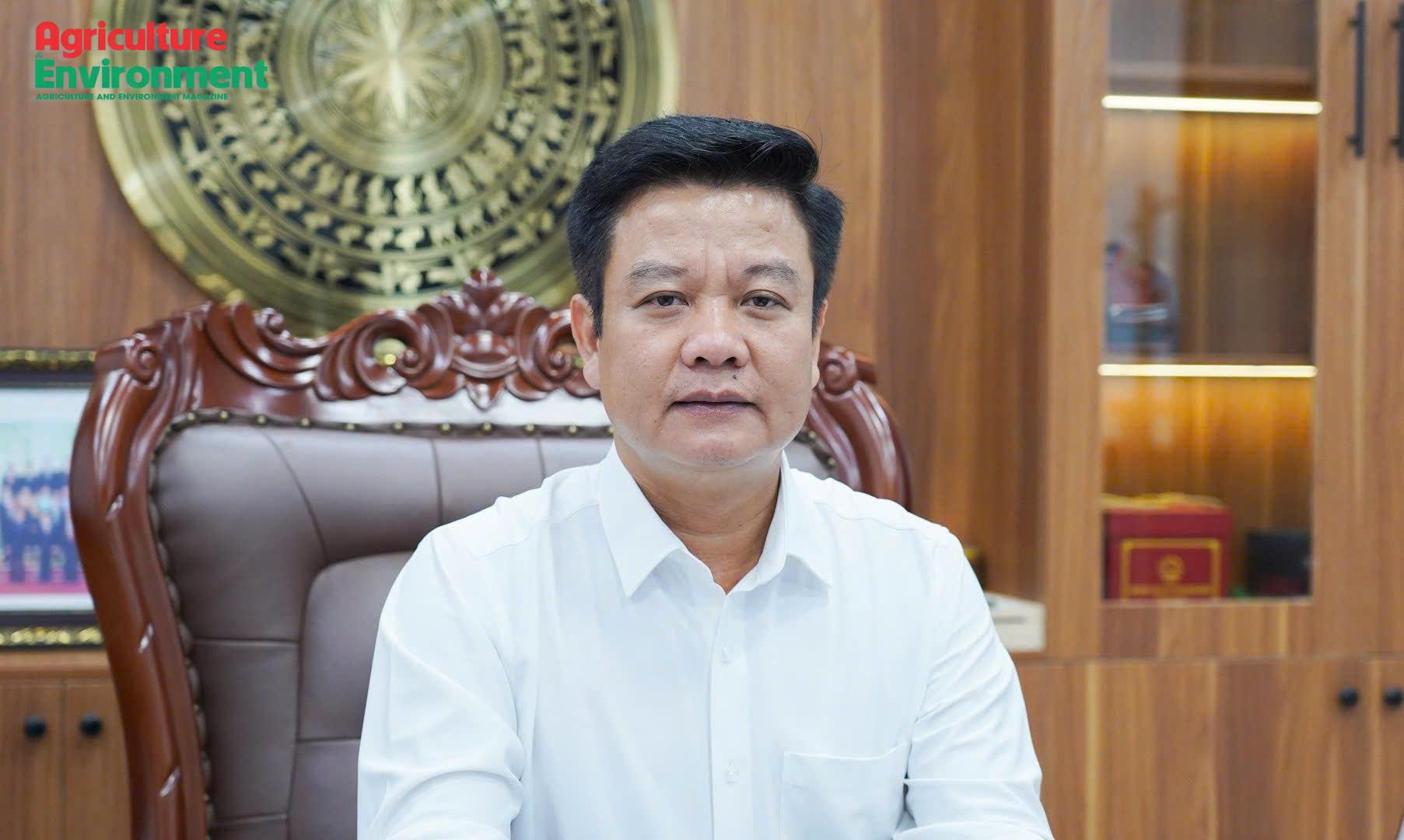
As green standards increasingly become mandatory requirements in global trade, green transition is no longer an option but a development imperative. In Quang Tri province, this transition is being advanced through science and technology, digital transformation, and low-carbon circular economy models. In this context, Agriculture and Environment Magazine interviewed Tran Quoc Tuan, Director of the Department of Agriculture and Environment of Quang Tri province.
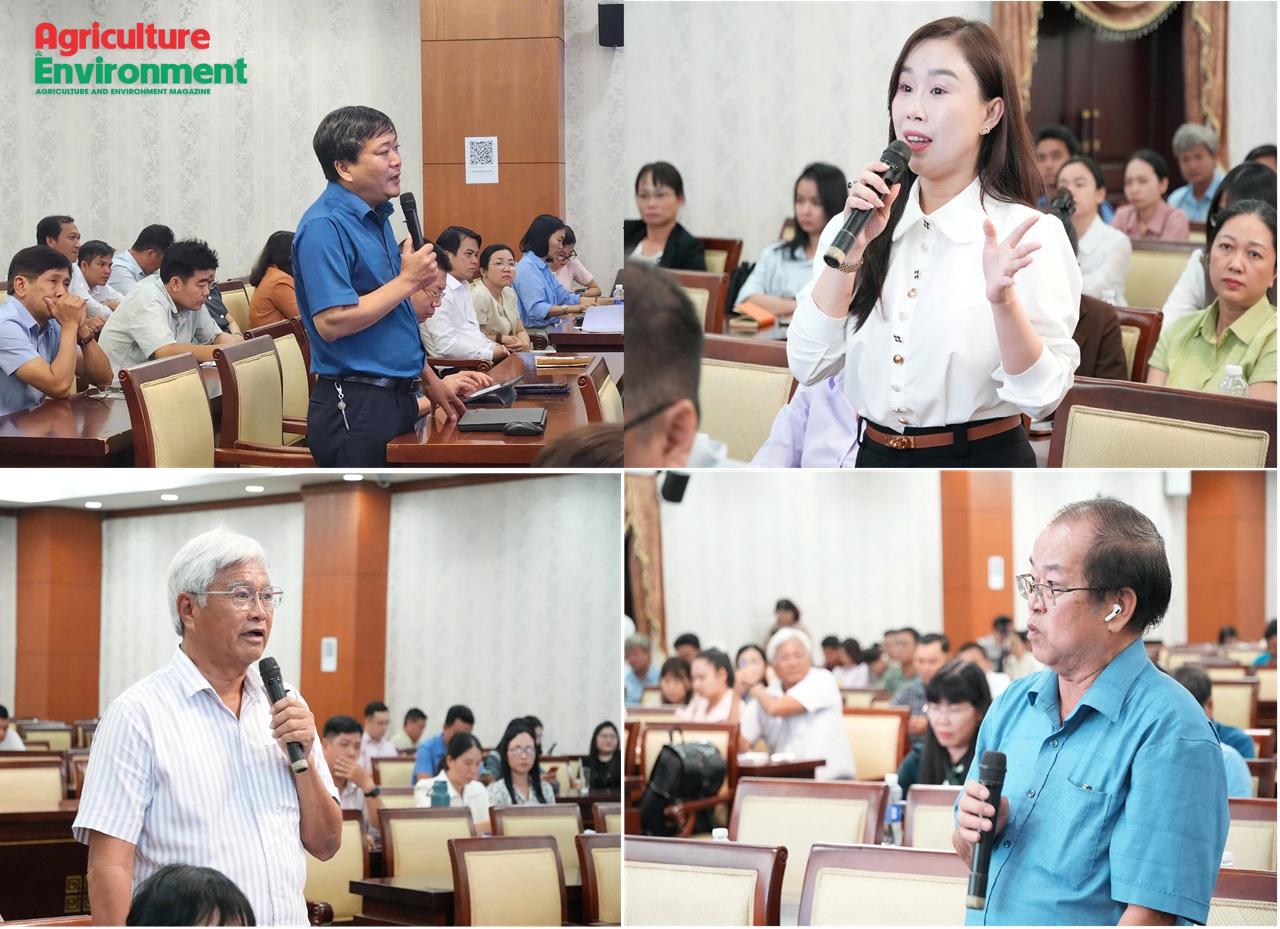
China’s official market access approval for fresh Vietnamese pomelos and lemons has been widely regarded as a major opportunity for the fruit and vegetable sector following years of technical negotiations. However, at the conference on implementing the Protocol on phytosanitary requirements for these two commodities, held on May 14 in Ho Chi Minh City, representatives from regulatory agencies, enterprises, and local authorities emphasized that the greatest challenge now lies not in market access itself, but in the capacity to organize standardized production systems starting at the farm level.

As global trade conditions remain volatile, Viet Nam’s agriculture, forestry, and fisheries sectors continue to post encouraging export growth. Yet the momentum comes with mounting pressure from stricter market requirements, environmental standards, traceability rules, and rising compliance costs.