



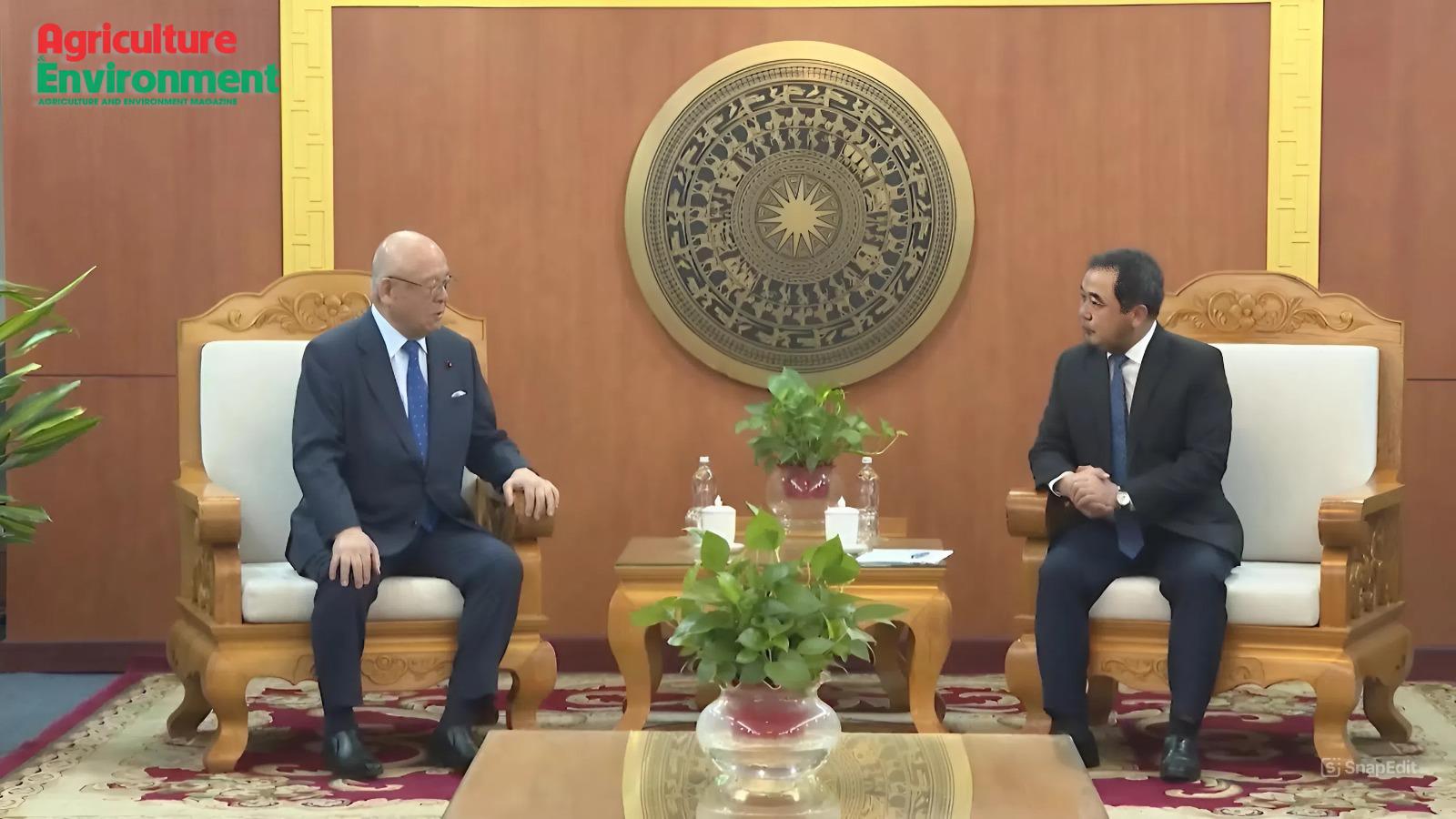
 On December 12, during a meeting with Mr. Tsutomu Takebe, Special Advisor to the Japan–Viet Nam Parliamentary Friendship Alliance and former Minister of Agriculture, Forestry and Fisheries of Japan, Minister of Agriculture and Environment Tran Duc Thang affirmed that high-quality human resource development is a key pillar for elevating agricultural cooperation between Viet Nam and Japan. In a context where the two countries demonstrate clear complementarities in labor and technology, cooperation in education and training linked with practical experience and entrepreneurship has been identified as a strategic direction.
Cooperation moving from symbolism to substance
Following the recent working visit to Hokkaido in September—described by Minister Tran Duc Thang as “meaningful and leaving deep impressions”, the December 12 meeting took place in a warm and cordial atmosphere, reflecting the trust and close ties between the two sides.
The Minister expressed his appreciation for Mr. Tsutomu Takebe’s long-standing and dedicated contributions to the Viet Nam–Japan Comprehensive Strategic Partnership. He particularly highlighted the success of the Viet Nam–Japan local cooperation forum held in Quang Ninh on November 25, 2025, including the thematic session on enhancing resilience and smart adaptation to climate change, co-chaired by Mr. Takebe and Deputy Minister Le Cong Thanh.
Another initiative highly valued by the Minister was the agricultural trainee reception program. According to Minister Tran Duc Thang, this is a solution that Viet Nam’s agricultural sector is “paying close attention to” amid labor market fluctuations and increasingly high demands for workforce quality.
Viet Nam Japan University as a hub for high-quality agricultural human resources
Speaking at the meeting, Mr. Tsutomu Takebe affirmed that friendly relations and cooperation between Viet Nam and Japan continue to grow strongly on the foundation of the Comprehensive Strategic Partnership for peace and prosperity in Asia. Within this framework, educational cooperation is regarded as a vital pillar, with Viet Nam Japan University (VJU), under Viet Nam National University, Hanoi, serving as a representative example.
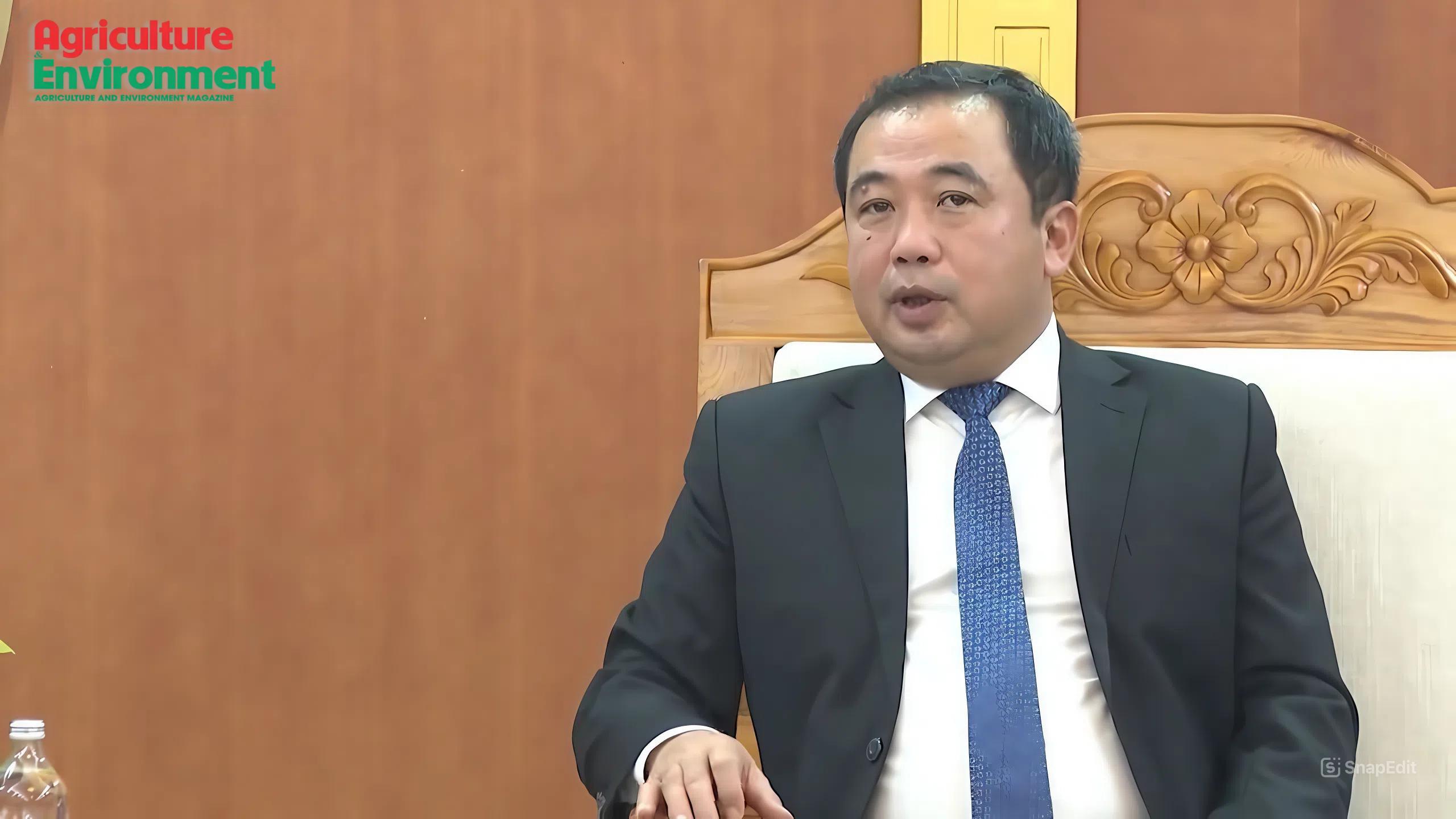
According to Mr. Takebe, after a decade of establishment, Viet Nam Japan University is entering a new development phase, aiming to become one of Asia’s leading centers for high-quality human resource training. The enrollment of approximately 1,000 new students this year and the establishment of the Japan Culture, Technology and Language Institute (VJU Academy) are expected to contribute to the formation of a globally competitive workforce that meets the development needs of both countries.
Sharing this view, Minister Tran Duc Thang affirmed that Viet Nam Japan University is one of the most emblematic cooperation models in Viet Nam–Japan relations, particularly in training high-quality human resources for key sectors such as agriculture and the environment.
Human resource complementarity in agricultural development
Based on the realities of human resources in both countries, Minister Tran Duc Thang proposed a value-chain-based cooperation model: “Training in Viet Nam – practical training and employment in Japan – returning to Viet Nam to start businesses.”
According to the Minister, nearly 68% of Viet Nam’s population is of working age, yet only 14.6% of agricultural workers hold formal vocational qualifications. Meanwhile, Japan’s agricultural sector is facing a severe labor shortage, with the average age of farmers approaching 69. “The two sides can therefore be considered complementary pieces,” the Minister noted.
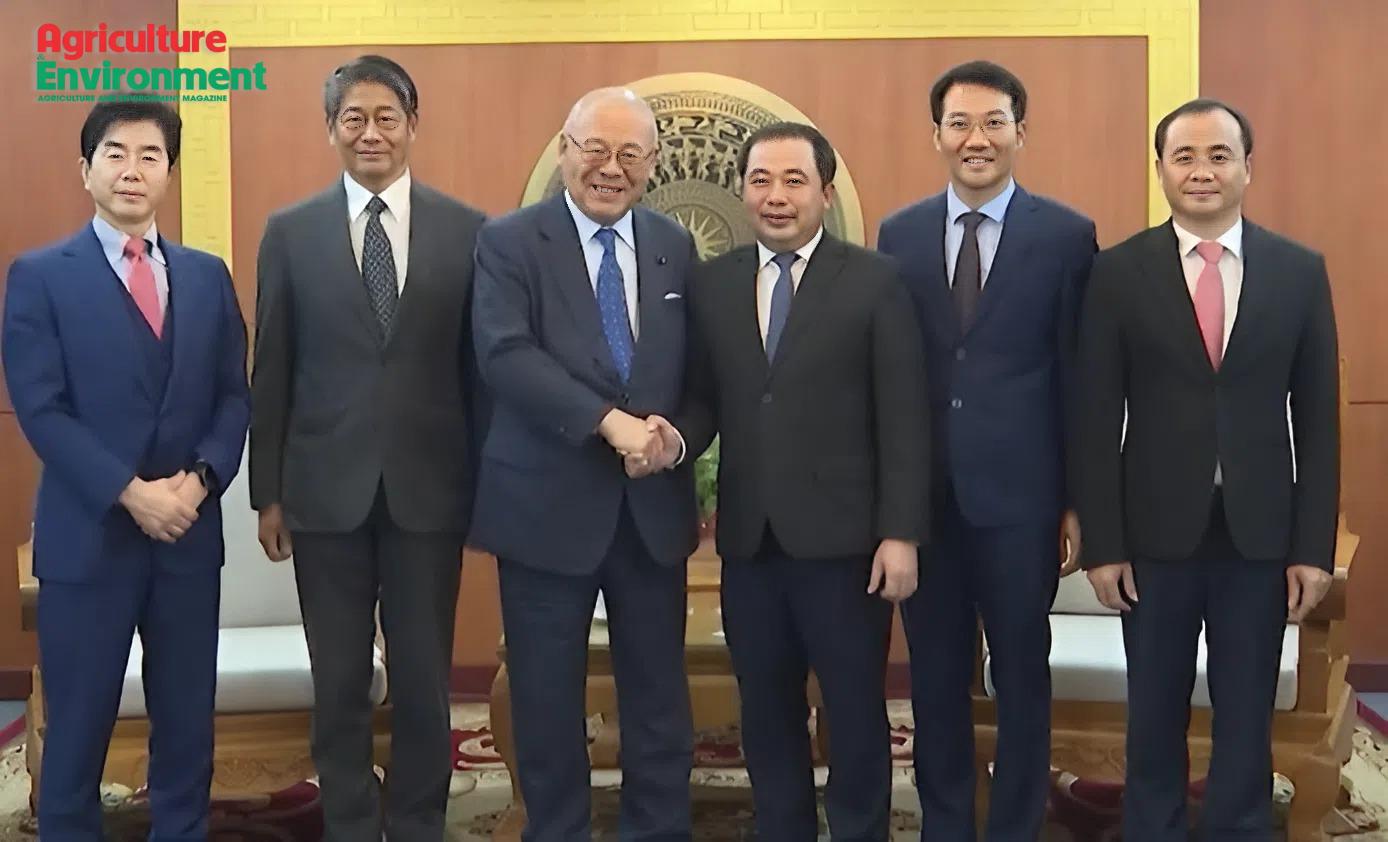
Beyond human resource cooperation, the Minister also outlined orientations for expanding cooperation in science, technology, and market development to advance green agriculture, promote mechanization, and deepen processing. Accordingly, the Ministry will facilitate linkages between the Vietnam National University of Agriculture and Hanoi University of Natural Resources and Environment with Viet Nam Japan University to foster exchanges and joint research in agriculture and environmental fields.
With the knowledge, experience, and influence of Mr. Tsutomu Takebe, Minister Tran Duc Thang expressed confidence that Viet Nam–Japan agricultural cooperation can move into a new, more practical and sustainable phase. He also voiced his hope that Mr. Takebe would continue to serve as a special bridge in promoting bilateral agricultural trade, attracting Japanese enterprises to invest in green value chains and advanced processing technologies in Viet Nam, as well as supporting policy consultation and strengthening research and startup linkages among Viet Nam Japan University students.
The exchange reaffirmed the strong commitment of both sides to further deepen agricultural cooperation and human resource development—one of the enduring pillars of Viet Nam–Japan relations in the new period.
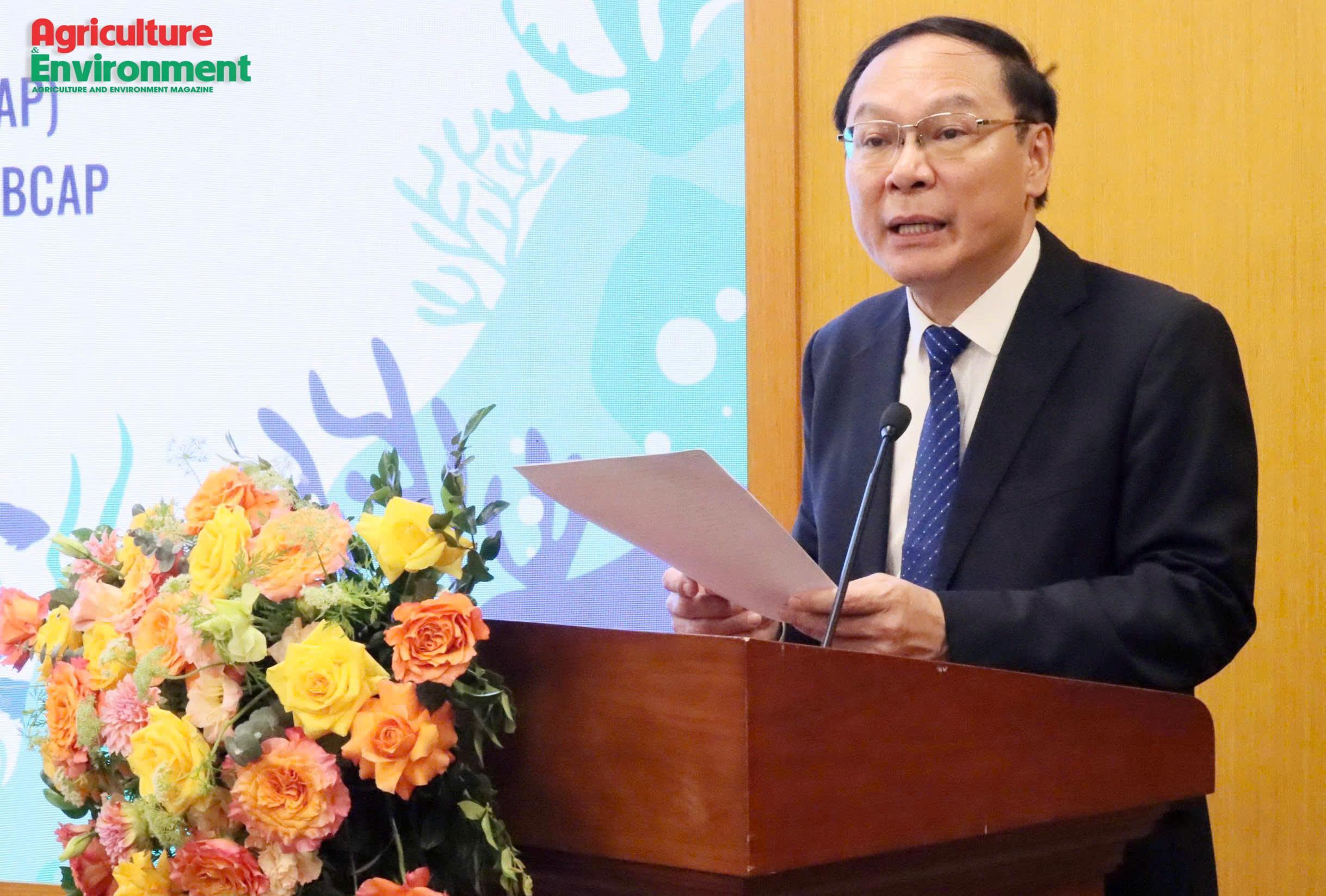
Viet Nam is gradually advancing blue carbon initiatives to strengthen the conservation of coastal and marine ecosystems, address climate change, and support its commitment to achieving net-zero emissions by 2050. In this context, the Vietnam National Blue Carbon Action Partnership (NBCAP) Implementation Plan and the Operating Regulations of the NBCAP Vietnam Working Group have been developed to provide a foundation for intersectoral coordination, resource mobilization, and stakeholder engagement.
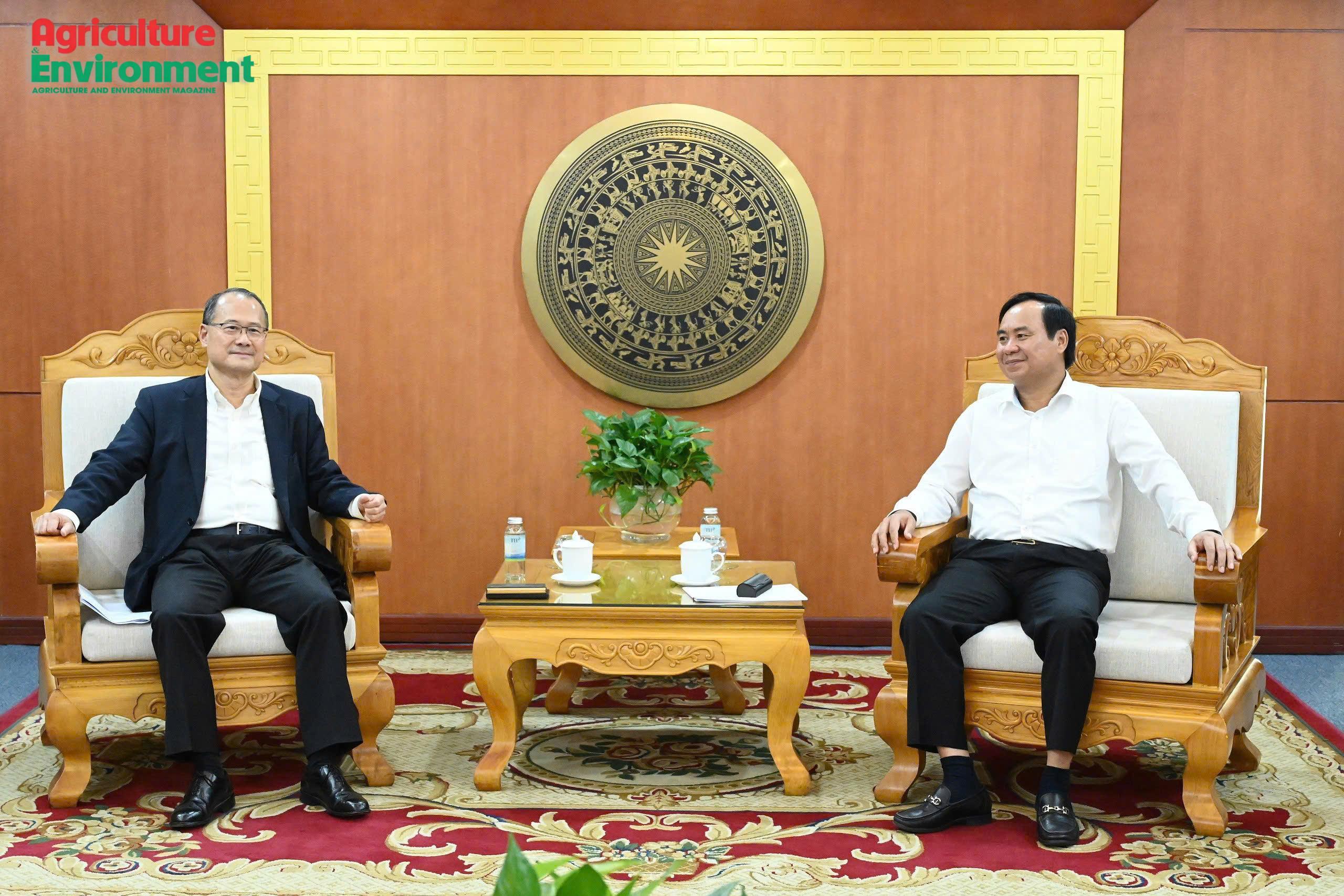
On May 28, at the headquarters of the Ministry of Agriculture and Environment, Deputy Minister Vo Van Hung met with Jonathan Choi, Chairman of Sunwah Group, and representatives of Chinese partner companies to discuss cooperation in high-tech farming, agricultural trade, and green development.
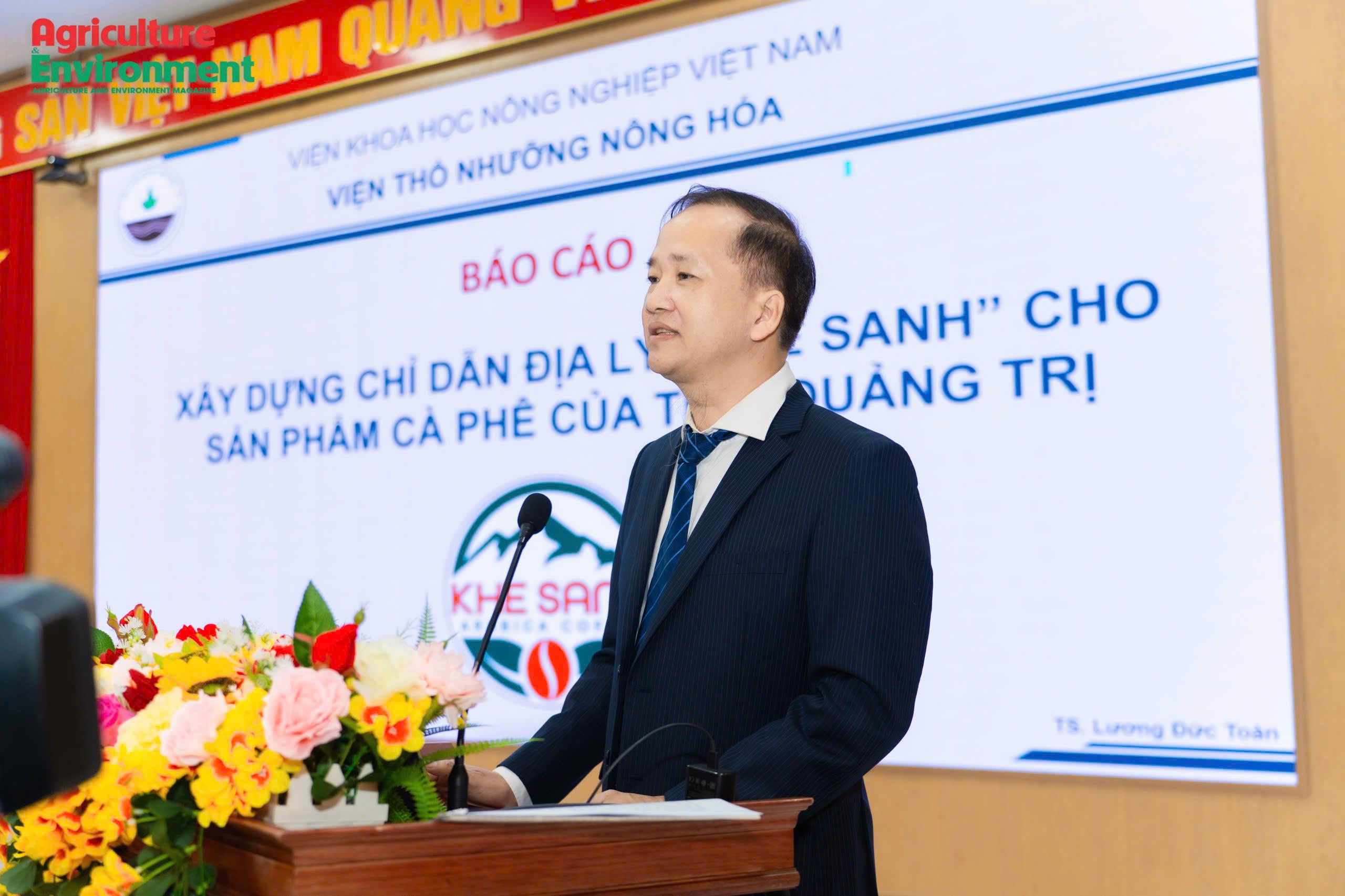
As Viet Nam’s agricultural sector shifts from a production-driven model toward one centered on value creation, geographical indications (GIs) are emerging as an increasingly important tool for strengthening the competitiveness of local agricultural products. Beyond intellectual property protection, GIs are helping regions build distinctive identities, reorganize production along more professional lines and lay the groundwork for more sustainable agricultural development.
At a meeting with the European Chamber of Commerce in Vietnam (EuroCham) on May 21, leader of the Ministry of Agriculture and Environment reaffirmed their commitment to working closely with the business community to refine policies, promote green investment, strengthen climate adaptation efforts, and advance the One Health approach in livestock production in support of sustainable development and deeper international integration.
As green standards increasingly become mandatory requirements in global trade, green transition is no longer an option but a development imperative. In Quang Tri province, this transition is being advanced through science and technology, digital transformation, and low-carbon circular economy models. In this context, Agriculture and Environment Magazine interviewed Tran Quoc Tuan, Director of the Department of Agriculture and Environment of Quang Tri province.