



 Viet Nam and the United States agreed to strengthen cooperation in sustainable agriculture, the circular economy, digital transformation, natural resource management and climate change response, as part of efforts to promote green growth and achieve net-zero emissions.
The agreement was reached during a working session on March 16 between Deputy Minister of Agriculture and Environment Dang Ngoc Diep and a senior business delegation from the U.S.-ASEAN Business Council (USABC).
Digital transformation, circular economy, low-emission agriculture
Brian McFeeters, former U.S. Ambassador to Malaysia and President and CEO of the USABC, described Viet Nam as one of the region’s most dynamic and successful markets.
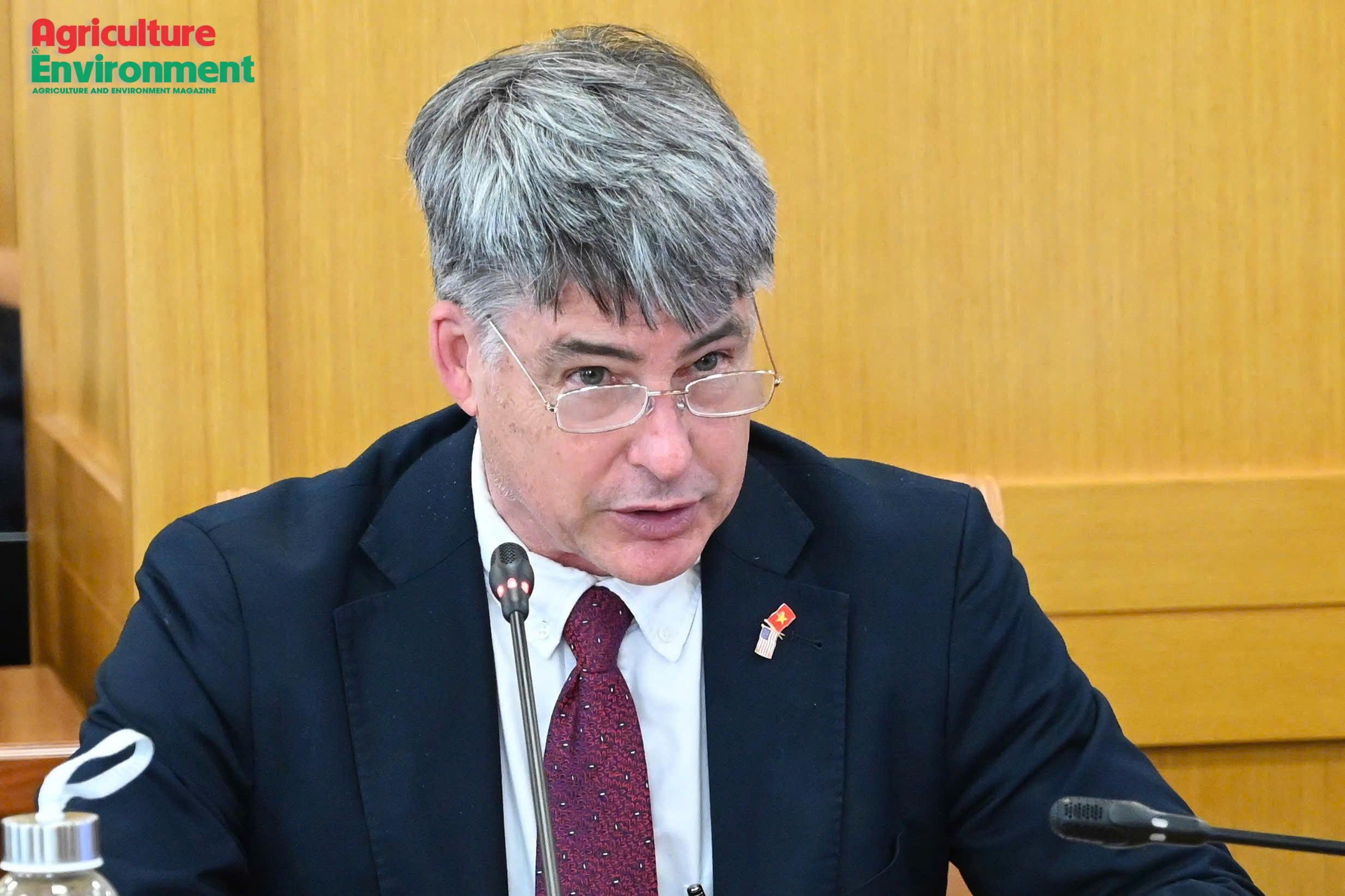
He said U.S. companies are seeking to expand cooperation in natural resource management, climate change response, climate-smart agriculture, circular economy, digital transformation and environmental protection, contributing to Viet Nam’s Net Zero target. Improvements in the investment climate and institutional reforms are opening up new opportunities for bilateral cooperation, he added.
Deputy Minister of Agriculture and Environment Dang Ngoc Diep said that amid global trends toward digital transformation, green growth and sustainable development, Viet Nam is restructuring its agriculture sector toward an ecological, modern, low-emission and innovation-driven model. The application of science and technology, digital transformation, and more efficient use of natural resources are key pillars of the sector’s development strategy.
He noted that U.S. businesses have been key partners in technology transfer, production capacity building and the development of sustainable agricultural value chains in Viet Nam. Projects such as Cargill’s modern animal feed plant in Dong Nai province and PepsiCo’s sustainable potato value chain program have helped improve product quality, increase value and support farmers’ livelihoods.
Bilateral cooperation is also expanding into new areas, including the circular economy, waste management, carbon market development, environmental monitoring, traceability, advanced testing technologies, and disease control under the One Health approach. These areas are considered critical to enhancing the competitiveness and sustainability of Viet Nam’s agriculture sector.
The Deputy Minister reaffirmed that the Vietnamese Government considers the U.S. business community an important and trusted partner, and is committed to improving the investment environment, strengthening institutions and promoting innovation. Viet Nam is seeking continued engagement from U.S. companies in public-private partnership models, technology transfer and high-quality human resource development.
Viet Nam is expected to revise three key laws in 2026 — the Land Law, the Law on Environmental Protection, and the Law on Marine and Island Resources and Environment — to improve the legal framework, attract investment, particularly in the marine economy and green growth, and support double-digit growth targets for 2026–2030.
Both sides agreed to promote cooperation in key areas such as trade facilitation, investment expansion, sustainable agriculture, effective implementation of the circular economy, application of science and technology, natural resource management and environmental protection. The meeting is expected to open up new opportunities and further strengthen bilateral economic and trade ties in a practical and mutually beneficial manner.
Easing barriers to U.S. investment in agriculture, environment
Responding to proposals from U.S. businesses, Deputy Minister Dang Ngoc Diep said the ministry stands ready to address challenges and further improve policies to create a transparent and enabling investment environment for sustainable agriculture and environmental protection.
Regarding sustainable agriculture and food safety management, a representative of Mondelez proposed further administrative reform, including reducing pre-inspection and strengthening post-inspection. The Deputy Minister said the ministry has committed to cutting more than 30% of administrative procedures under its authority; currently, only about 25–30% remain, while the rest have been decentralized to local authorities or abolished.
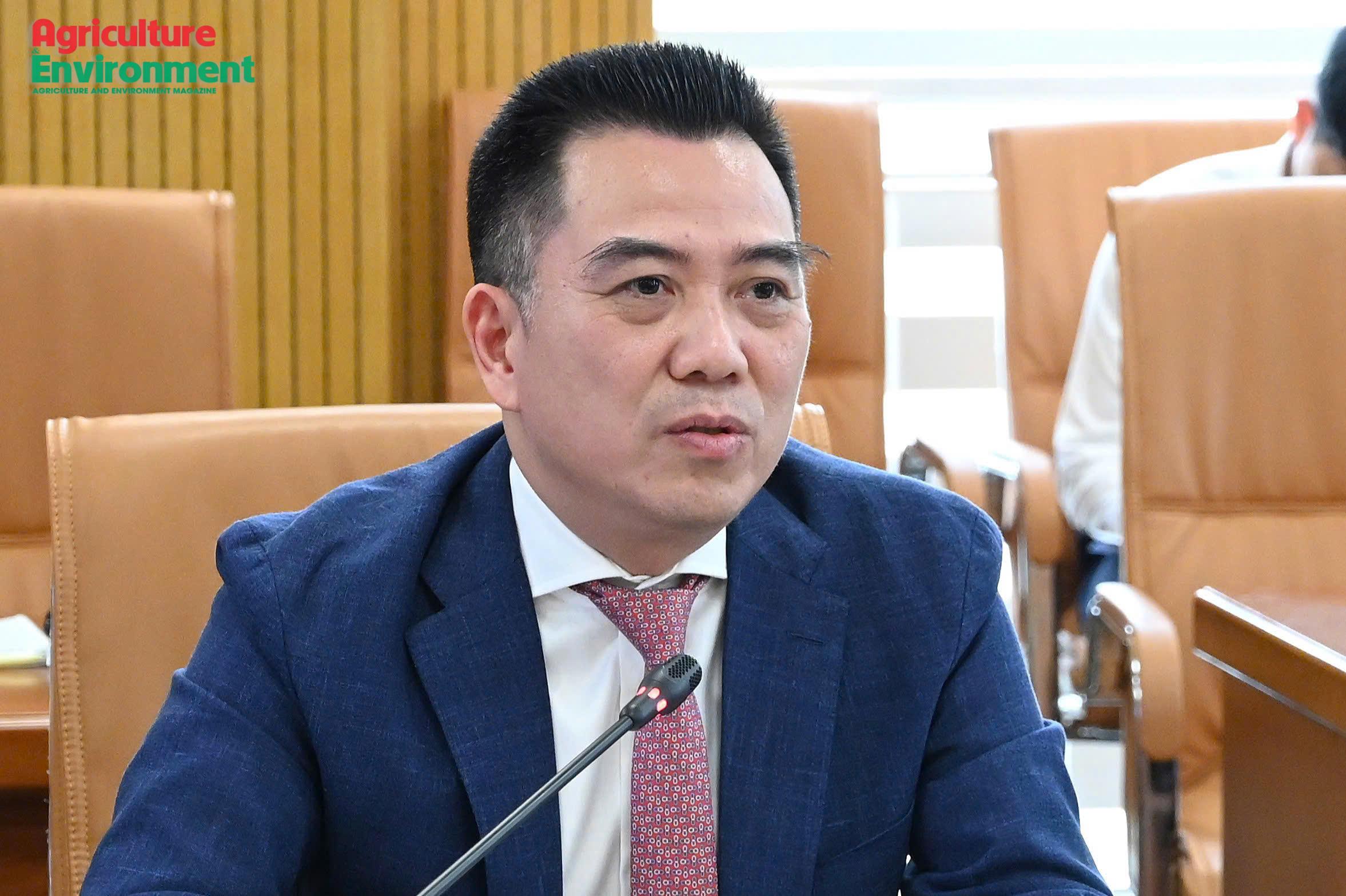
Food safety management in Viet Nam currently involves three ministries: the Ministry of Health, the Ministry of Industry and Trade, and the Ministry of Agriculture and Environment. The Ministry of Agriculture and Environment oversees the entire production, processing and distribution chain for 19 groups of agricultural and food products. The Ministry of Health is leading revisions to the Law on Food Safety to better protect public health, improve transparency and strengthen enforcement. Meanwhile, the Ministry of Agriculture and Environment continues to refine policies based on a value chain approach, aiming to reduce overlaps and enhance risk control.
On Mondelez’s proposal regarding cage-free egg products, the Deputy Minister said this is an emerging global trend. Vietnam has issued a number of animal welfare standards and encourages businesses to publish their own standards and apply traceability systems to ensure transparency and fair competition.
Responding to PepsiCo’s proposal on importing potato seeds, the ministry said imports remain necessary as domestic supply is insufficient. However, the long-term strategy is to develop domestic seed production, expand export markets for processed potato products, and scale up sustainable potato value chains.
On waste management and extended producer responsibility (EPR), representatives from Mondelez and Coca-Cola called for improvements in the policy framework to promote the use of recycled materials and the development of recycling infrastructure. The Deputy Minister noted that Decree No. 08/2022/ND-CP allows businesses to either carry out recycling themselves or make financial contributions to support recycling activities.
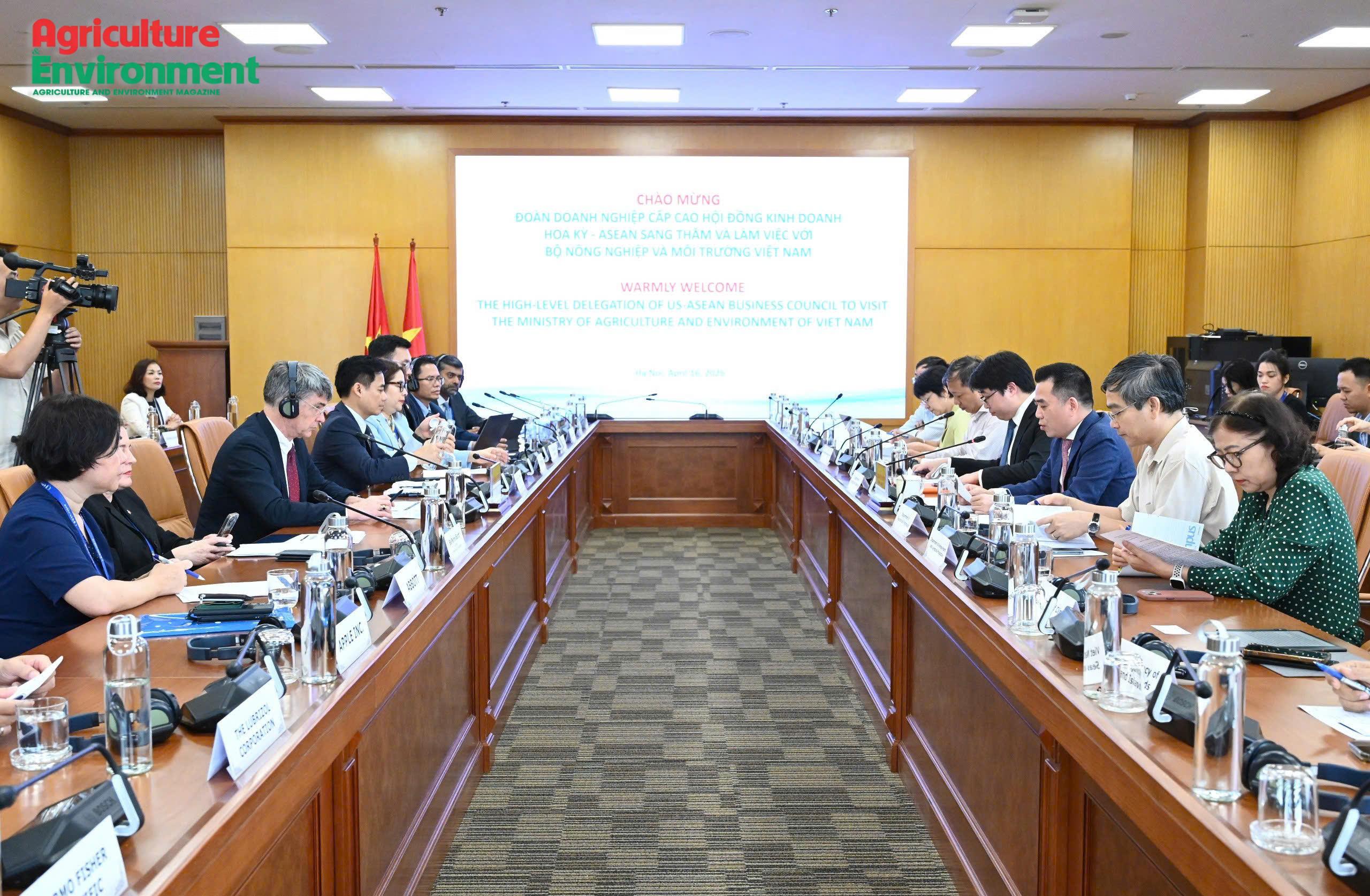
According to the ministry, recycling rates will be adjusted over time. Current regulations allow for the recycling of multi-material packaging and encourage environmentally friendly design. The Law on Environmental Protection will continue to be reviewed and revised to ensure feasibility and facilitate business operations.
Concluding the meeting, Deputy Minister Dang Ngoc Diep said feedback from U.S. businesses provides practical input for improving policies and enhancing management effectiveness. The Ministry of Agriculture and Environment will continue institutional reforms, improve the business environment and promote cooperation with international partners.
“We believe that with the current positive foundation, cooperation between the Ministry of Agriculture and Environment of Viet Nam and the U.S. business community will continue to grow in an effective, sustainable and mutually beneficial manner,” he said.
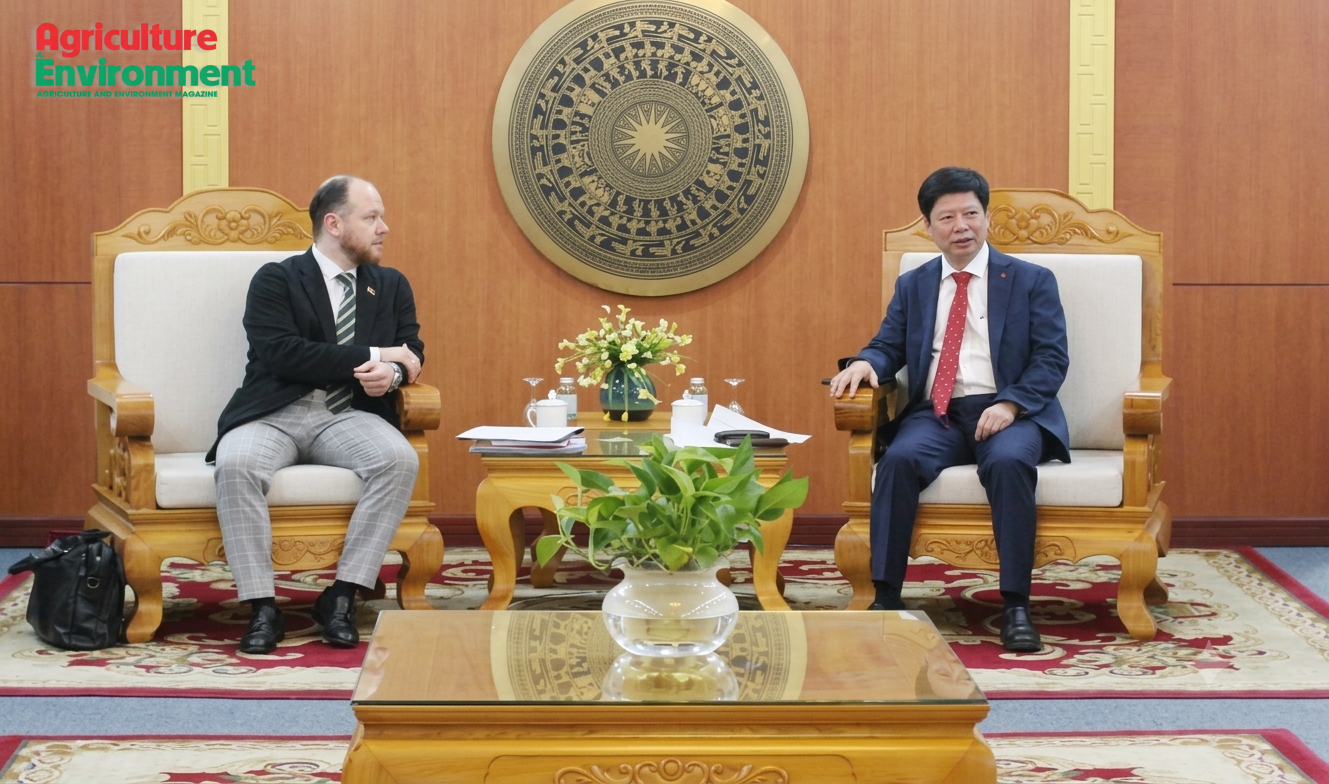
The licensing of four Belarusian companies to export boneless beef to Viet Nam, with the first shipment entering the Vietnamese market in April 2026, marks a concrete result in efforts to address market-access procedures between the two countries. In the opposite direction, the number of Vietnamese companies authorised to export meat and seafood to the Eurasian Economic Union (EAEU) is only about one-sixth the number of Belarusian companies authorised to export to Viet Nam, pointing to further scope for addressing technical barriers and expanding market opportunities for Vietnamese agricultural products.
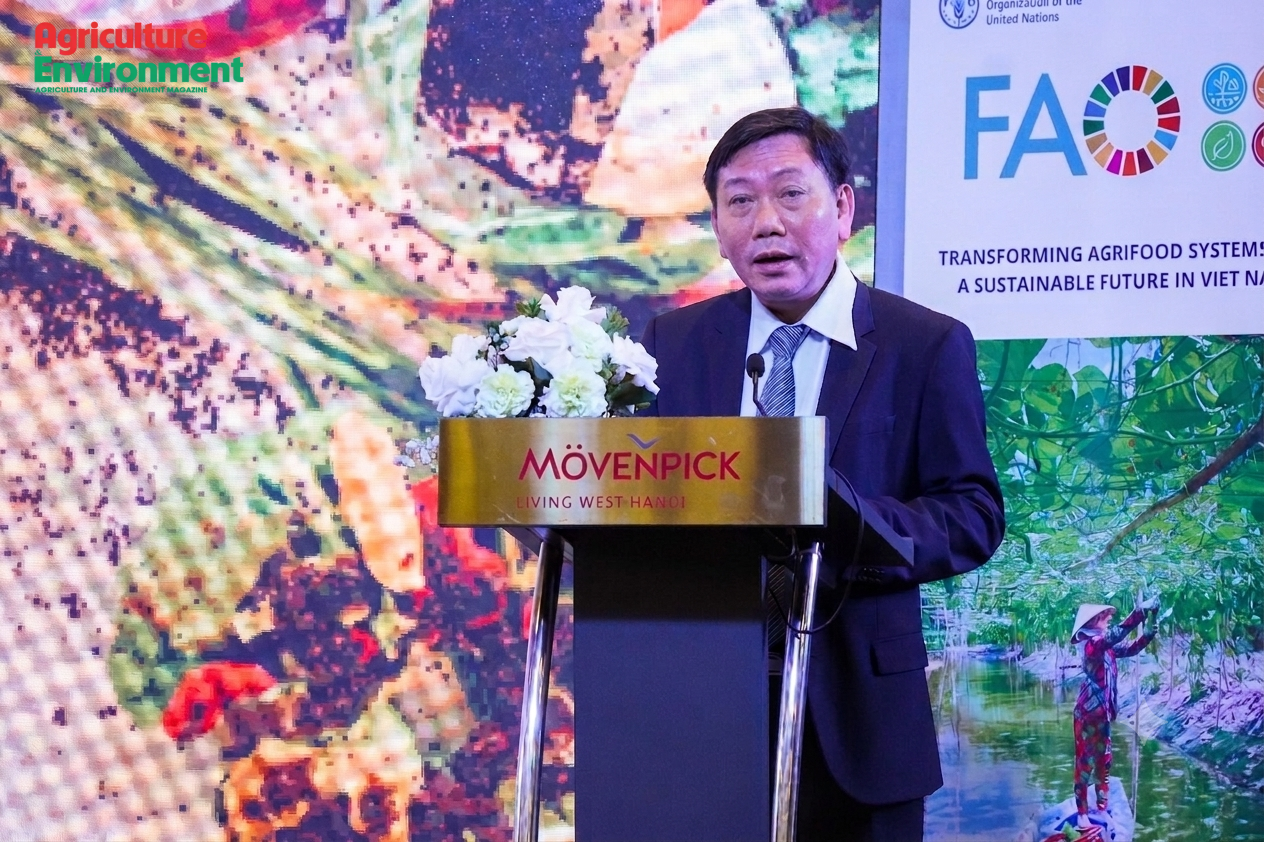
Reducing food loss and waste is not only about preventing food from being discarded. It also requires retaining and circulating value throughout the food system, from production and processing to distribution and consumption.
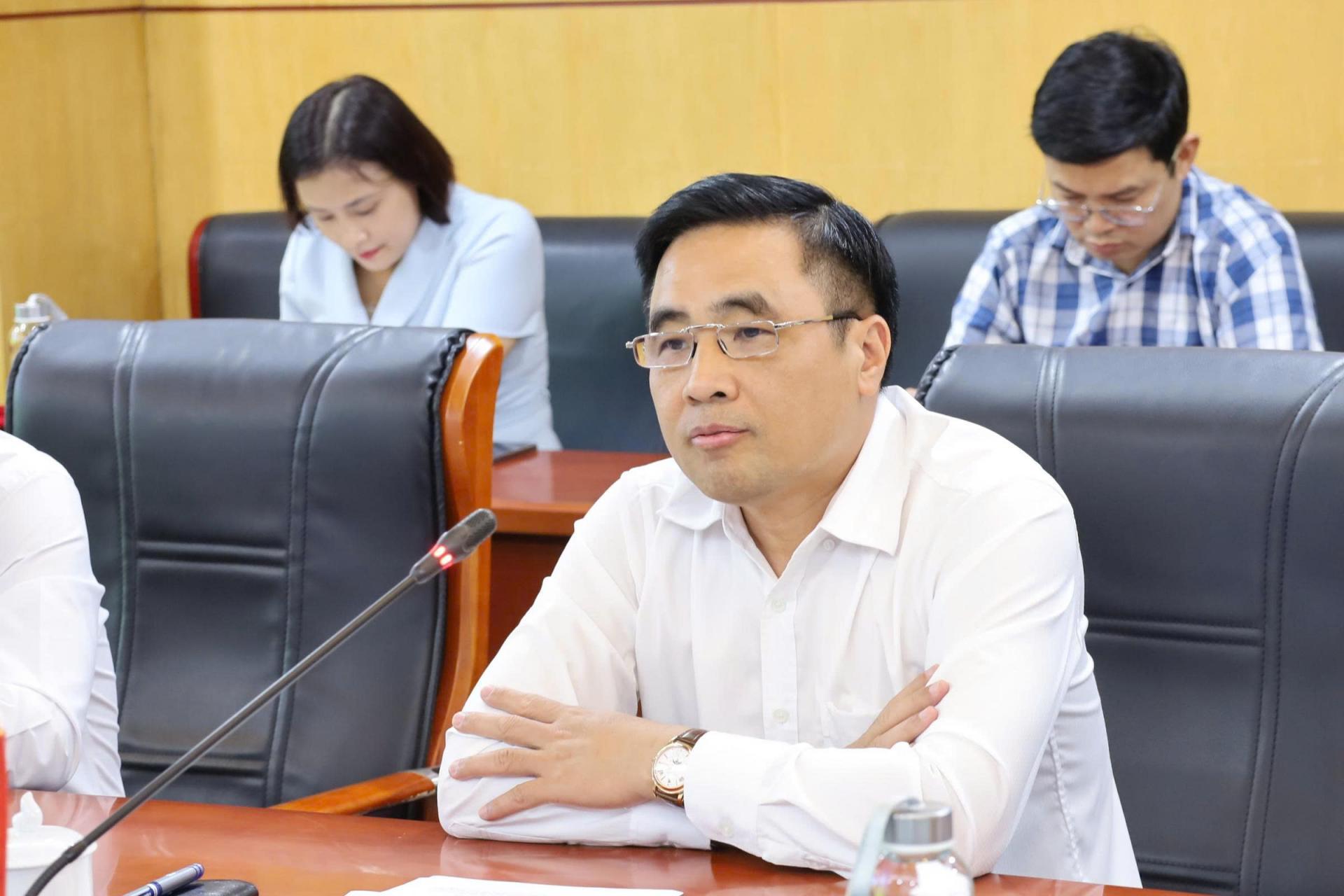
The August 18 meeting between Deputy Minister of Agriculture and Environment Nguyen Quoc Tri and Uruguay’s Deputy Minister of Livestock, Agriculture and Fisheries Matías Carámbula highlighted market access and balanced interests in agricultural trade between the two countries. These issues are directly relevant to translating bilateral cooperation priorities into concrete outcomes.
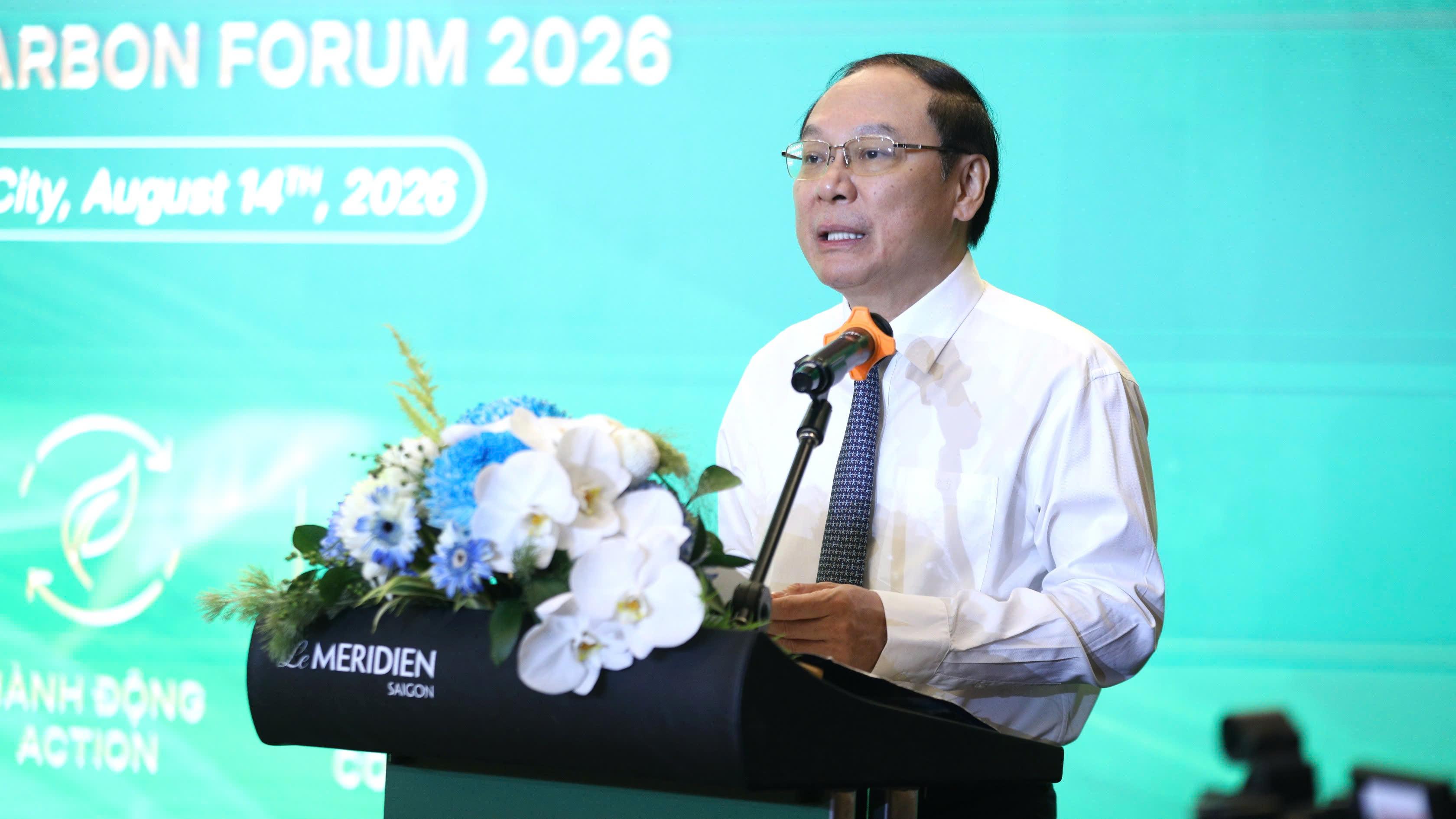
The "Viet Nam Carbon Forum 2026: From policty to action", held in Ho Chi Minh City on August 14, highlighted the carbon market’s transition into a new phase, with the legal framework being progressively completed, the domestic carbon exchange entering pilot operation and businesses facing growing pressure to make emissions reductions part of their business strategies.
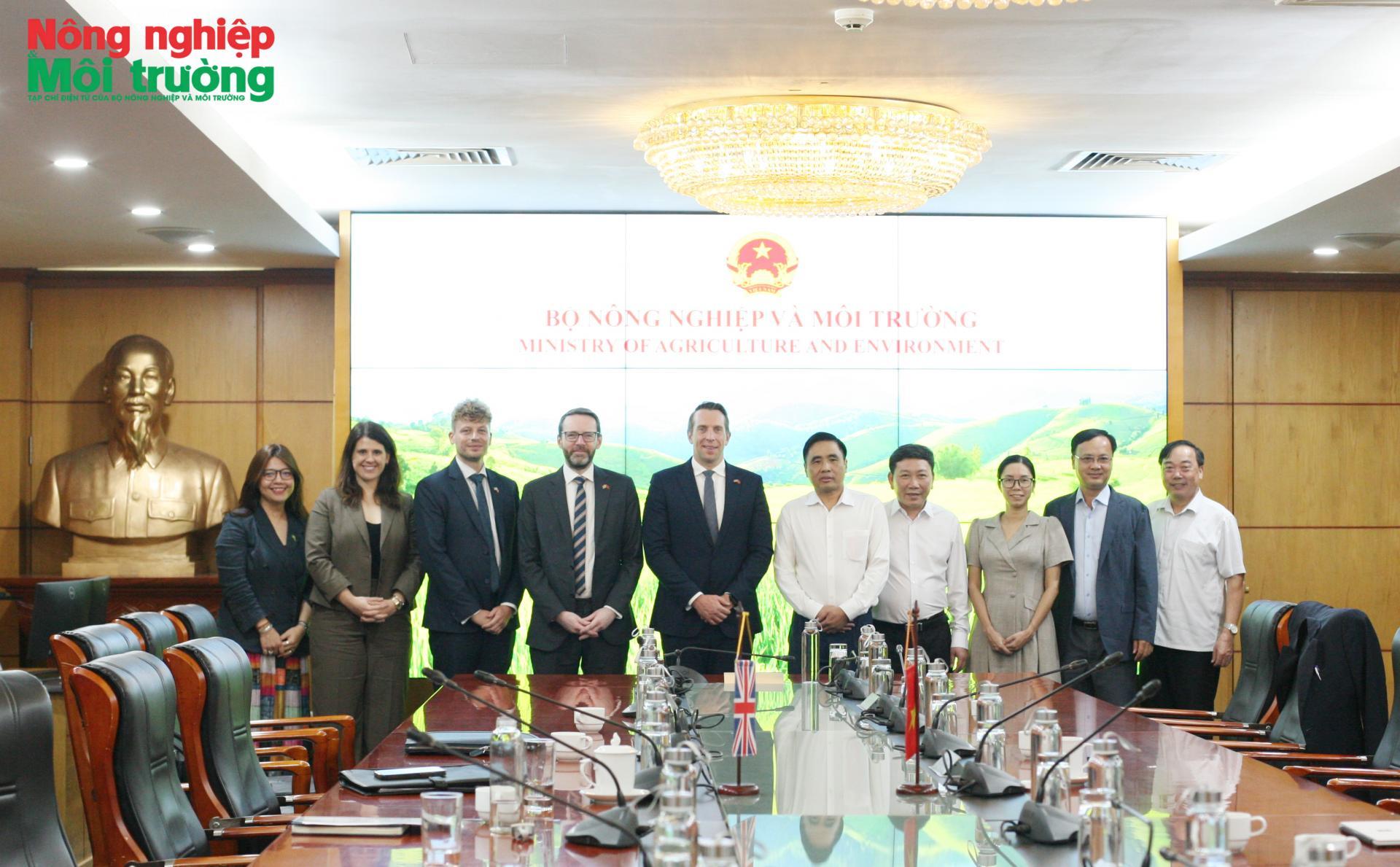
Viet Nam and the United Kingdom are stepping up coordination to expand market access for agricultural, forestry and fishery products, as bilateral trade in these sectors reached about US$1.16 billion in 2025, up 20% from the previous year.