



 Resolution No. 36/2026/NQ-CP and new regulations on growing-area codes (GACs) and packing-facility codes (PFCs) are prompting changes in how these codes are managed, registered, and maintained. At a training session on implementation of the new regulations held on August 20, government officials and experts focused on procedural changes, requirements for digitizing records, and the supporting role of agricultural extension services at the local level.
Streamlining procedures to improve code management
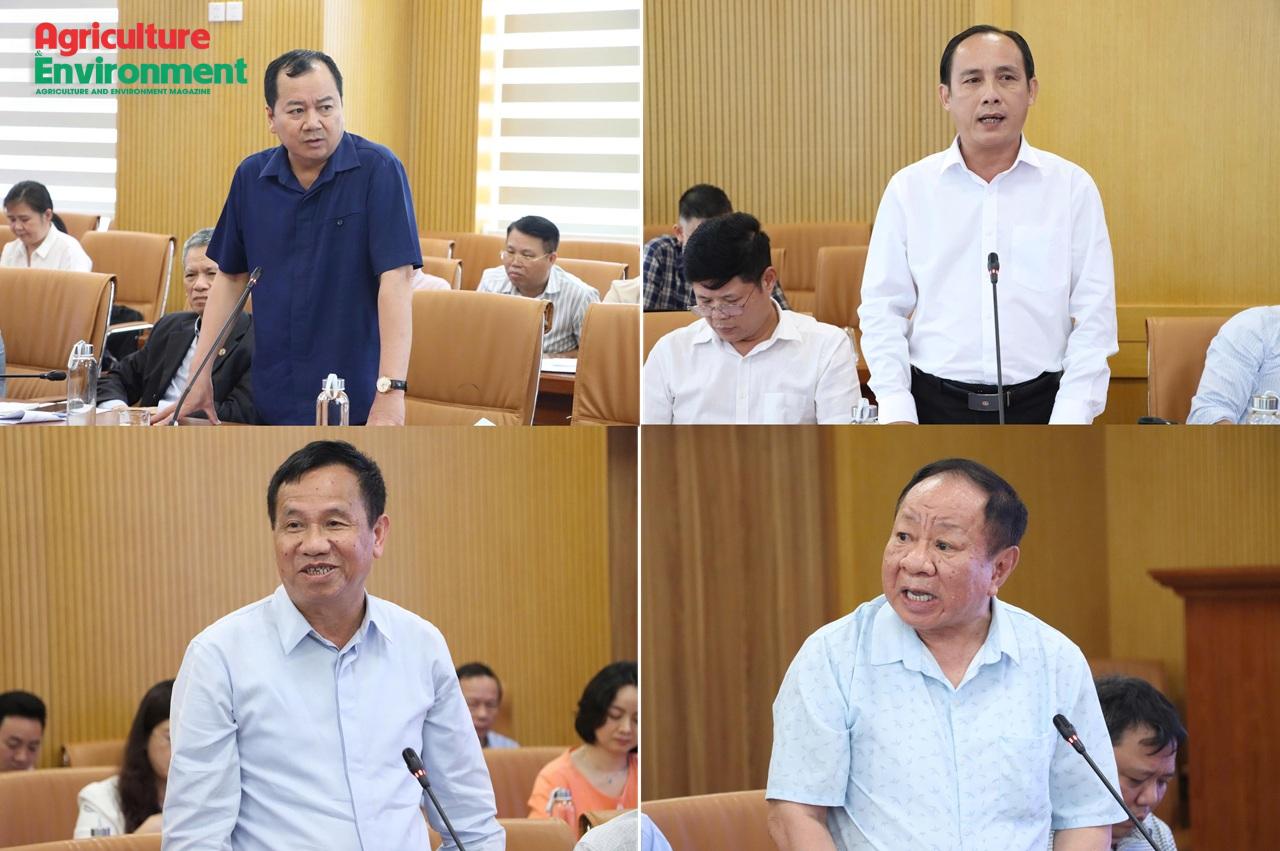
Nghiem Quang Tuan, Deputy Director General in charge of the Department of Crop Production and Plant Protection under the Ministry of Agriculture and Environment (MAE)
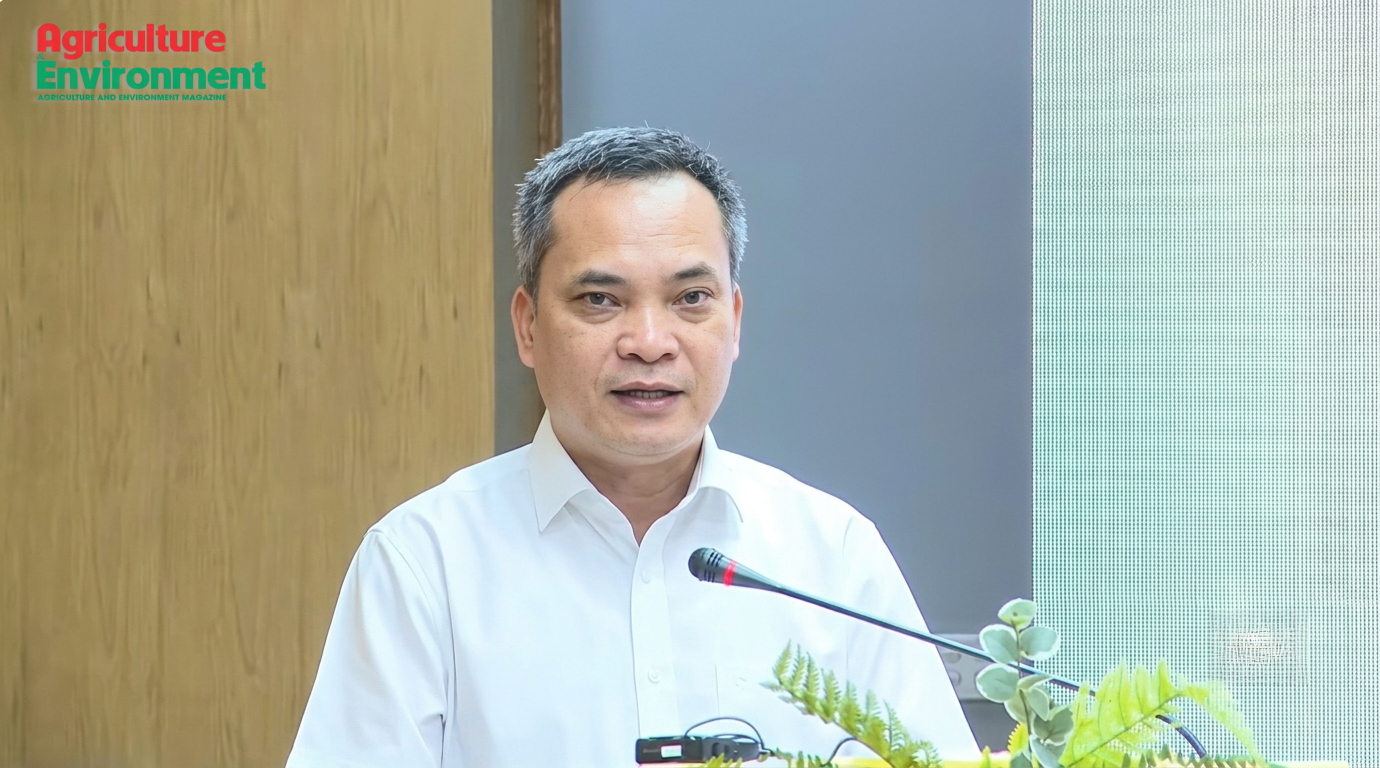
In his opening remarks, Nghiem Quang Tuan emphasized the need to promptly implement the new regulations on growing-area codes (GACs) and packing-facility codes (PFCs), while continuing to promote administrative reform and digital transformation in management.
According to the Deputy Director General, as Viet Nam's agricultural exports continue to expand, importing markets are imposing increasingly stringent requirements on plant quarantine, pest management, traceability, and food safety. In this context, GACs and PFCs are not only requirements for formal exports but also important tools for identifying production areas and packing facilities, supporting traceability, and improving transparency across agricultural supply chains.
The registration and maintenance of codes also encourage producers to comply with production protocols, use agricultural inputs responsibly, and gradually adopt production practices that meet market requirements. In this way, the codes become part of the production management system rather than being viewed solely as an administrative requirement for exports.
To further reform administrative procedures and address difficulties faced by farmers, businesses, and production establishments, a number of new regulations concerning GACs and PFCs have been issued. These include Law No. 146 amending and supplementing a number of provisions of 15 laws in the fields of agriculture and environment; Government Decree No. 38/2026/ND-CP on the importation of plants with root balls and on GACs and PFCs; and Government Resolution No. 36/2026/NQ-CP on simplifying administrative procedures for GACs and PFCs.
According to Nghiem Quang Tuan, a key feature of the current reform is the simplification of procedures, greater use of information technology, and processing of applications through electronic platforms. At the same time, greater authority is being delegated to local governments, allowing procedures to be handled closer to farmers and businesses.
However, administrative reform can only be effective when accompanied by adequate local implementation capacity and clear responsibility for maintaining codes after they have been issued. For this reason, Nghiem Quang Tuan particularly highlighted the role of agricultural extension services. Agricultural extension services at all levels should continue to provide direct guidance and support to farmers and cooperatives in maintaining the quality of growing areas and packing facilities and in meeting regulatory requirements.
“Following this training session, agricultural extension services at all levels need to continue serving as an extended arm and providing close, direct guidance to farmers and cooperatives in maintaining the quality of growing areas and packing facilities after codes have been issued,” Nghiem Quang Tuan said.
According to the Deputy Director General in charge of the Department of Crop Production and Plant Protection, coordinated implementation of the new regulations, stronger support at the local level, and timely resolution of emerging difficulties will help improve the effectiveness of GAC and PFC management. This will help ensure compliance with requirements for traceability, pest management, and food safety while meeting the requirements of both domestic and export markets.
Decentralizing code issuance and clarifying responsibilities at the local level
Bui Xuan Phong, Head of the Division of Crop Production and Plant Protection, Department of Crop Production and Plant Protection under the Ministry of Agriculture and Environment (MAE)
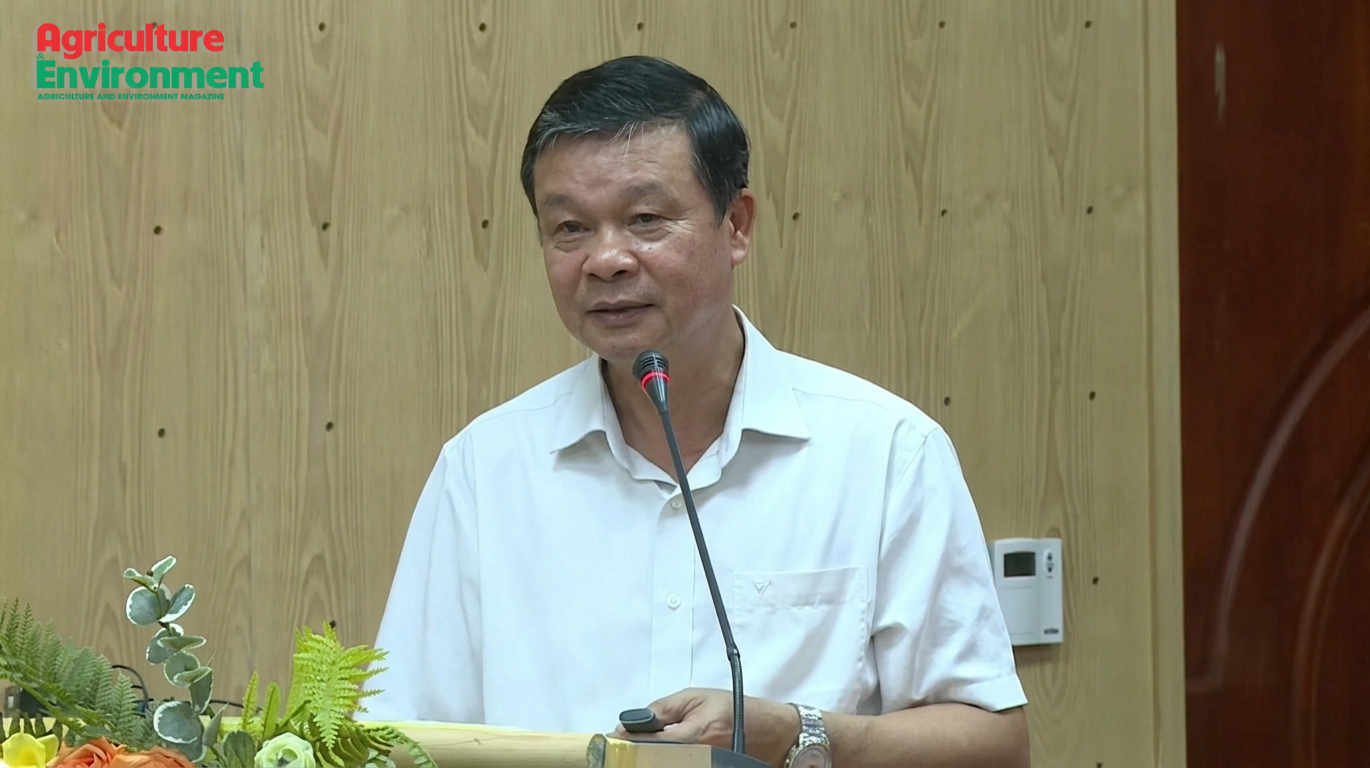
According to Bui Xuan Phong, Resolution No. 36/2026/NQ-CP retains the code-management structure established under Decree No. 38/2026/ND-CP, but significantly changes the implementation approach by simplifying procedures, increasing electronic processing, and decentralizing responsibility to commune-level authorities.
Bui Xuan Phong said that Resolution No. 36/2026/NQ-CP will cease to be effective once Decree No. 38/2026/ND-CP is amended. However, the approach of simplifying and digitizing procedures will continue to be incorporated into the amended Decree No. 38/2026/ND-CP. Therefore, local authorities, particularly commune-level authorities, can proactively implement the current procedures without concern that the entire implementation mechanism will have to be changed once the decree is amended.
One notable change is the shift from a predominantly pre-inspection mechanism to a combination of pre-inspection and post-inspection. Pre-inspection will focus on cases involving exports to markets that require GACs or PFCs; cases that do not fall within this category will be processed under a simpler mechanism. This approach is intended to reduce application-processing time while maintaining controls for cases subject to stringent requirements imposed by importing markets.
Resolution No. 36/2026/NQ-CP also does not establish a minimum area requirement for a GAC. According to Bui Xuan Phong, this provision facilitates cooperation among organizations, individuals, cooperatives, and cooperative groups in developing consolidated production areas appropriate to local production conditions. Organizing growing areas at an appropriate scale will facilitate the management of production records, monitoring of cultivation practices, traceability, and the organization of procurement and exports.
A GAC is issued for a specified crop based on the location of one or more land parcels, upon application by an organization, individual, household, or group of households. An organization or individual may hold multiple codes, with each application corresponding to one code. Where multiple crops are intercropped, producers may register a separate code for each crop, as needed.
One important principle highlighted by Bui Xuan Phong is that a GAC neither establishes nor substitutes for land-use rights. The issuance of a code is intended to manage a production area and does not establish rights over a land parcel. Information on the location of a land parcel may be declared using the parcel identification code; where such a code is not available, the map-sheet number and parcel number may be used. If these details are not available, the administrative location of the production area may be declared so that the commune-level authority can inspect and verify the information.
Regarding procedures, Resolution No. 362026/NQ-CP reduces the application requirements to two types of forms corresponding to GACs and PFCs, respectively, submitted through the National Public Service Portal. Applications are automatically transferred to the commune-level People's Committee with jurisdiction over the relevant area. Where the applicant does not register for export to a market requiring a code, the processing period is no more than three working days. Where the applicant registers for export to a market with such a requirement, the processing period is 10 days and an on-site inspection must be conducted.
Decentralization to the commune level also creates requirements for implementation capacity. According to Bui Xuan Phong, local authorities need to provide commune-level officials with training in on-site inspection skills, while also coordinating with specialized provincial-level agencies. He said that focal points at the provincial level will receive and provide guidance on emerging issues and consolidate them to ensure consistent interpretation and implementation.
Another point emphasized was the responsibility to allocate resources. Resolution No. 36/2026/NQ-CP stipulates that the Chairperson of the provincial-level People's Committee shall allocate resources so that commune-level authorities can effectively carry out GAC issuance. At the local level, coordination with villages, hamlets, and other local stakeholders can support initial verification of information, thereby reducing the time required for and improving the effectiveness of on-site inspections.
According to Bui Xuan Phong, the ultimate objective of the new approach is to bring procedures closer to the people while clearly defining responsibilities among different levels of government for the registration, issuance, and management of codes.
Agricultural extension services help bring new policies to farmers
Le Quoc Thanh, Director of the National Agricultural Extension Center under the Ministry of Agriculture and Environment (MAE)
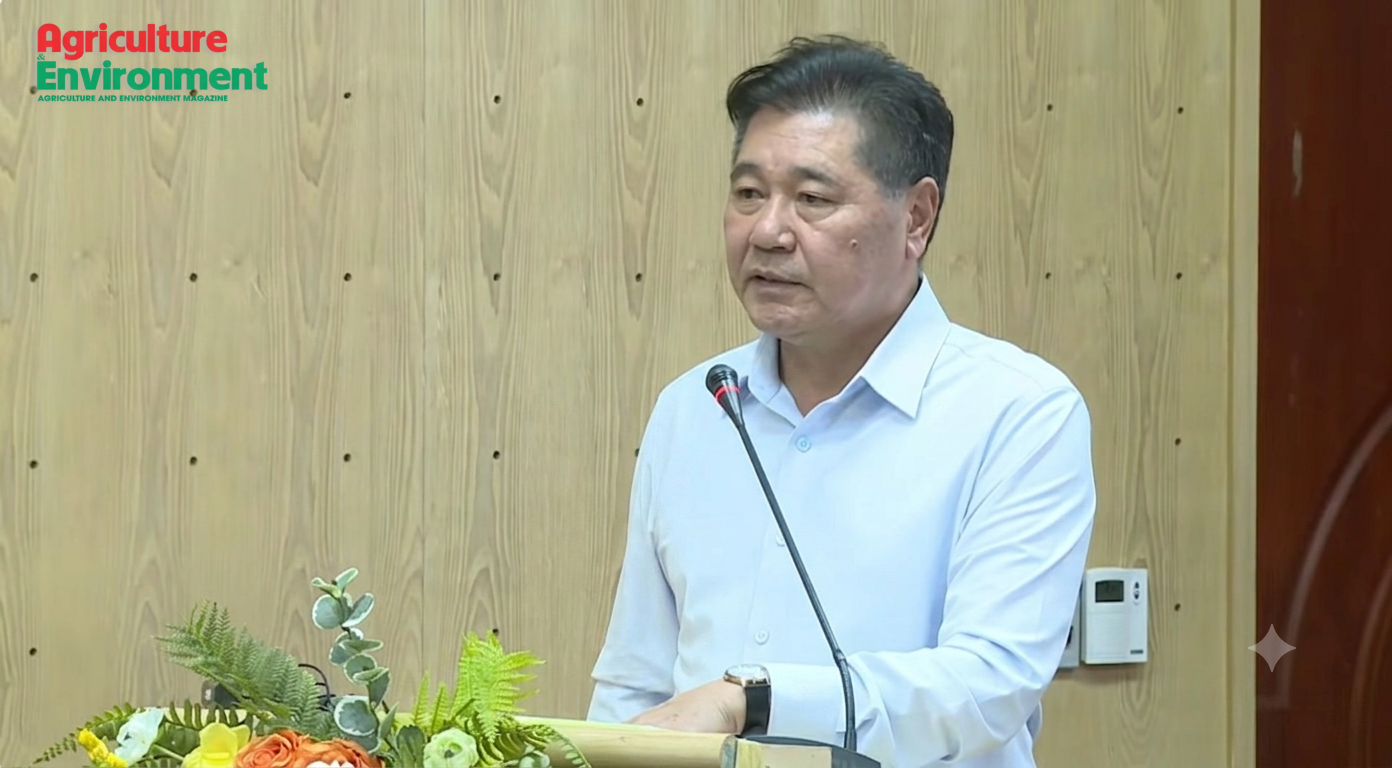
Drawing on practical experience in implementing the new regulations on GACs and PFCs, Le Quoc Thanh said that the current requirements for the agricultural extension system go beyond the transfer of technical advances. The system must also support local communities in accessing and carrying out state administrative tasks at the grassroots level.
According to Le Quoc Thanh, as procedures for issuing GACs and PFCs move to electronic platforms and authority is decentralized to commune-level governments, the gap between administrative regulations and production realities requires particular attention. Farmers may have access to mobile phones and wish to register for a code, but this does not necessarily mean that they are able to complete all steps of an electronic procedure independently. It is therefore necessary to identify those who can provide support directly in production areas.
Le Quoc Thanh said that agricultural extension services are among the actors best positioned to perform this role because extension officers work directly with farmers, fields, and production activities. To effectively support farmers, extension officers must first understand the procedures and requirements related to GACs and PFCs and must also be able to explain them in simple, practical terms.
This requirement is particularly evident in major production areas for commodities such as durian, coffee, passion fruit, dragon fruit, and other large-scale production regions. According to Le Quoc Thanh, if local agricultural extension personnel do not actively participate, new procedures may encounter difficulties in practice even when they have been appropriately designed within the electronic system.
On this basis, the National Agricultural Extension Center is coordinating with specialized agencies to develop and update guidance materials on GACs and PFCs. These materials should not only be used for training but also be sufficiently practical for extension officers to use when visiting villages, hamlets, and production areas to provide direct guidance to farmers. According to Le Quoc Thanh, electronic materials should be combined with printed materials to accommodate differences in access to technology across localities.
However, he also noted that the full range of requirements cannot be addressed solely by professional agricultural extension personnel. Given limited human resources at the commune level, community-based agricultural extension services should be strengthened, with the participation of scientists, experts, businesses, and skilled farmers. Individuals with practical experience who have successfully implemented the procedures can continue to serve as resources for supporting those who are less familiar with them.
According to Le Quoc Thanh, this approach will expand the production-support network, allowing agricultural extension services to evolve from a specialized workforce into a system that connects multiple sources of expertise and resources. At the commune level, agricultural extension personnel will serve as the core force, connecting local authorities, farmers, and other participants in community-based agricultural extension.
Another point emphasized by Le Quoc Thanh is that a GAC is not the ultimate objective of production management. The code is primarily a tool for identifying a production area; in order to maintain the code, the growing area and production establishment must continue to meet requirements concerning cultivation practices, product quality, record-keeping, and traceability. Therefore, the role of agricultural extension services does not end with helping farmers register for a code; they must also provide continued support in maintaining the conditions required for the code.
Le Quoc Thanh called on local authorities to strengthen the capacity of commune-level agricultural extension services while reviewing and consolidating community-based agricultural extension personnel to meet the new requirements. The National Agricultural Extension Center will continue to coordinate with specialized agencies to update guidance materials, provide training, and assist in resolving emerging difficulties.
From an implementation perspective, Le Quoc Thanh argued that policies can only be effectively translated into practice when there is a workforce sufficiently close to local communities to provide guidance, explanations, and ongoing support. In the case of GACs and PFCs, this role becomes even more important as administrative procedures are digitized while production activities and responsibility for maintaining codes continue to take place directly in fields and at packing facilities.
Digitizing procedures and standardizing code management nationwide
Nguyen Tuan Anh, Deputy Director of the Center for Information, Archives and Library, Department of Digital Transformation under the Ministry of Agriculture and Environment (MAE)
According to Nguyen Tuan Anh, registration of GACs and PFCs is conducted electronically through an integrated process covering application submission, processing, code issuance, and data management.
Organizations and individuals submit applications online through the National Public Service Portal. Applications are then transferred to the administrative-procedure processing system of the Ministry of Agriculture and Environment for review and processing by authorized officials. Where an application is incomplete, the applicant is requested to provide additional information through the system; valid applications are appraised, approved, and digitally signed.
An important requirement is that GACs and PFCs must be generated directly by the system. This ensures that each code is unique and prevents duplication when authority to issue codes is decentralized among multiple localities, while also ensuring consistency in nationwide management.
Once a code has been issued, the corresponding data are transferred to the management and information-publication system for retrieval, statistical analysis, and updating. Interoperability among systems reduces the need for data consolidation, minimizes manual transfer of applications, and facilitates monitoring and information processing by management authorities.
For applicants, personal information is authenticated through VNeID, while information concerning growing areas, packing facilities, land parcels, and crops is entered directly into electronic forms. Integrating these data into a single online process makes it more convenient for farmers and businesses to submit information, track applications, and receive application-processing results.
According to representatives of the Department of Digital Transformation, the value of digitization also lies in post-issuance management. Data are updated centrally and linked to the status of each code, enabling authorities at different levels to retrieve information, monitor changes, and process data using a common data source. This will gradually establish a unified and integrated approach to GAC and PFC management, extending from the commune level to specialized agencies at the ministerial level./.

In recent years, the One Health has become an increasingly important approach for addressing complex health challenges worldwide. The growing frequency of zoonotic disease outbreaks, rising antimicrobial resistance (AMR), food safety incidents, environmental pollution, and the impacts of climate change are gradually blurring the traditional boundaries between the health, agriculture, and environmental sectors.
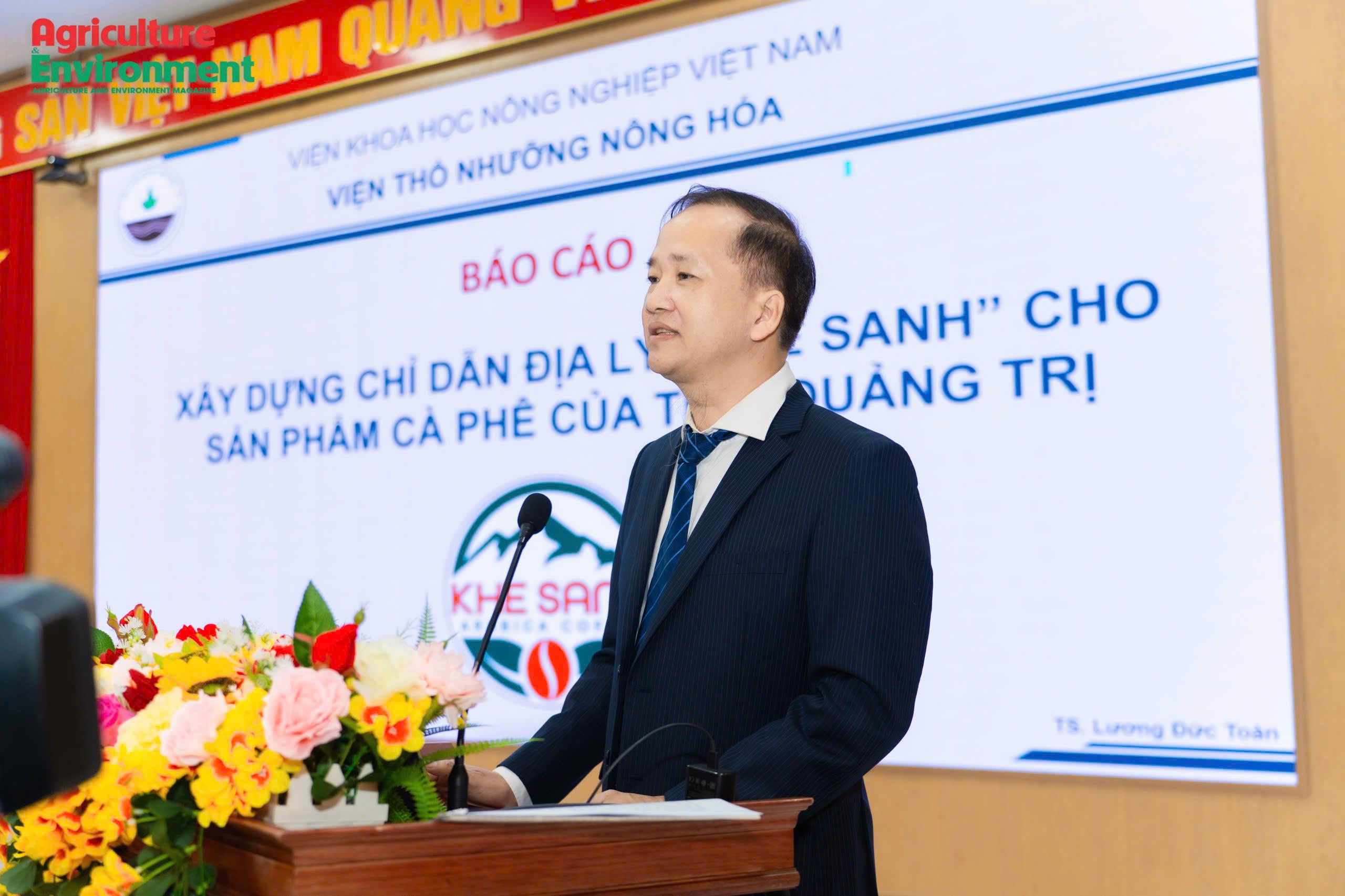
As Viet Nam’s agricultural sector shifts from a production-driven model toward one centered on value creation, geographical indications (GIs) are emerging as an increasingly important tool for strengthening the competitiveness of local agricultural products. Beyond intellectual property protection, GIs are helping regions build distinctive identities, reorganize production along more professional lines and lay the groundwork for more sustainable agricultural development.
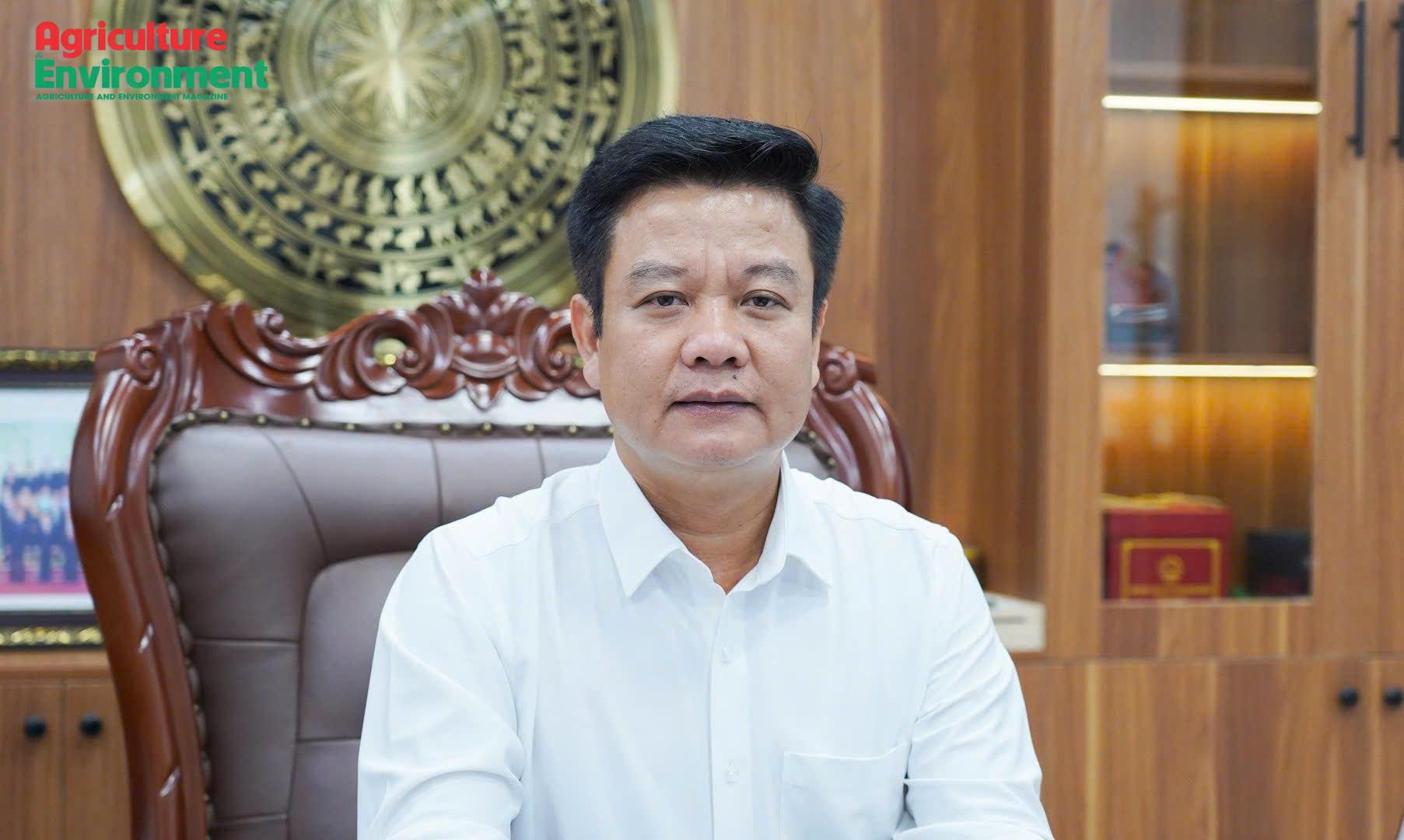
As green standards increasingly become mandatory requirements in global trade, green transition is no longer an option but a development imperative. In Quang Tri province, this transition is being advanced through science and technology, digital transformation, and low-carbon circular economy models. In this context, Agriculture and Environment Magazine interviewed Tran Quoc Tuan, Director of the Department of Agriculture and Environment of Quang Tri province.
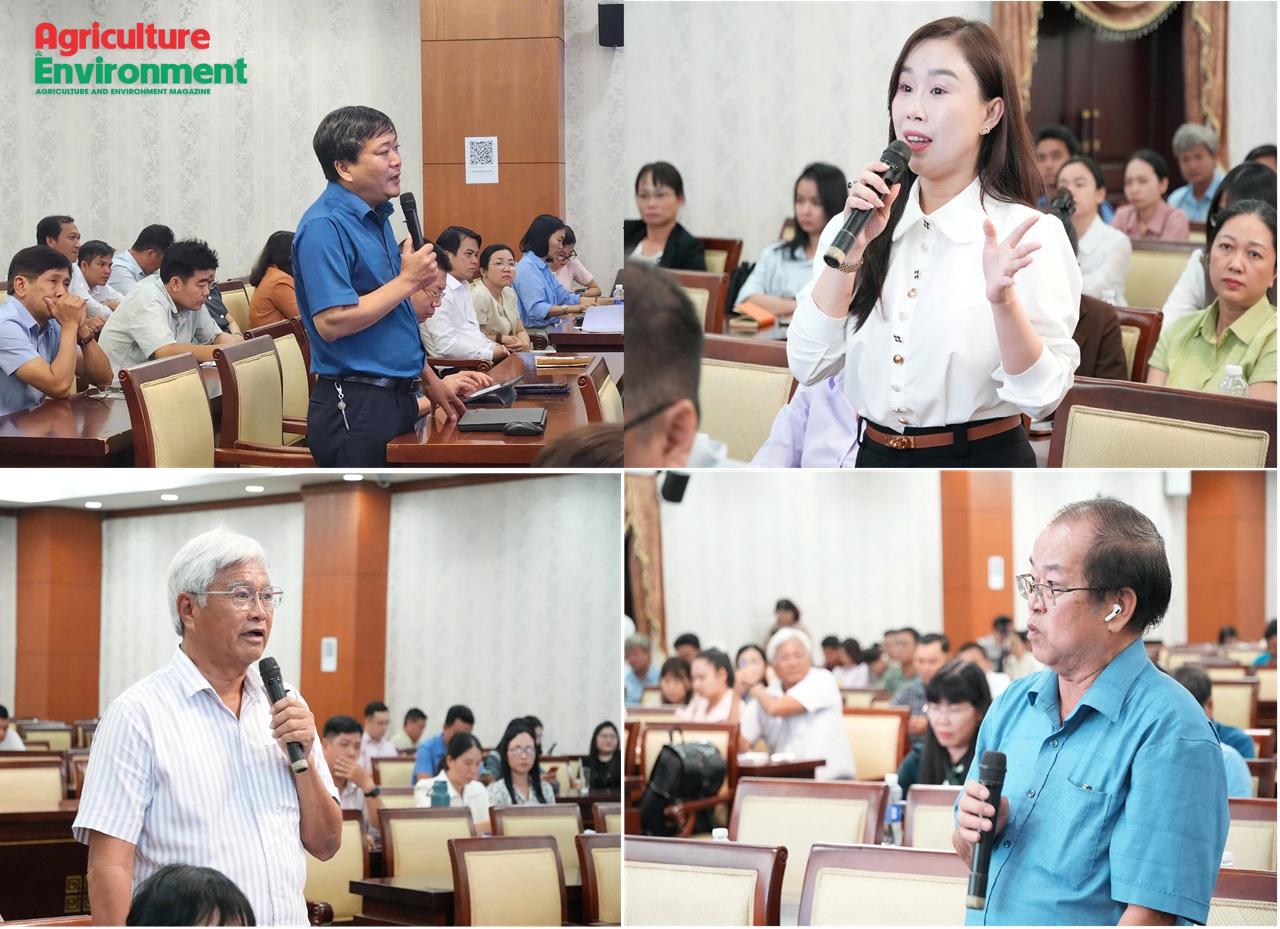
China’s official market access approval for fresh Vietnamese pomelos and lemons has been widely regarded as a major opportunity for the fruit and vegetable sector following years of technical negotiations. However, at the conference on implementing the Protocol on phytosanitary requirements for these two commodities, held on May 14 in Ho Chi Minh City, representatives from regulatory agencies, enterprises, and local authorities emphasized that the greatest challenge now lies not in market access itself, but in the capacity to organize standardized production systems starting at the farm level.
As global trade conditions remain volatile, Viet Nam’s agriculture, forestry, and fisheries sectors continue to post encouraging export growth. Yet the momentum comes with mounting pressure from stricter market requirements, environmental standards, traceability rules, and rising compliance costs.