



 As green standards increasingly become mandatory requirements in global trade, green transition is no longer an option but a development imperative. In Quang Tri province, this transition is being advanced through science and technology, digital transformation, and low-carbon circular economy models. In this context, Agriculture and Environment Magazine interviewed Tran Quoc Tuan, Director of the Department of Agriculture and Environment of Quang Tri province.
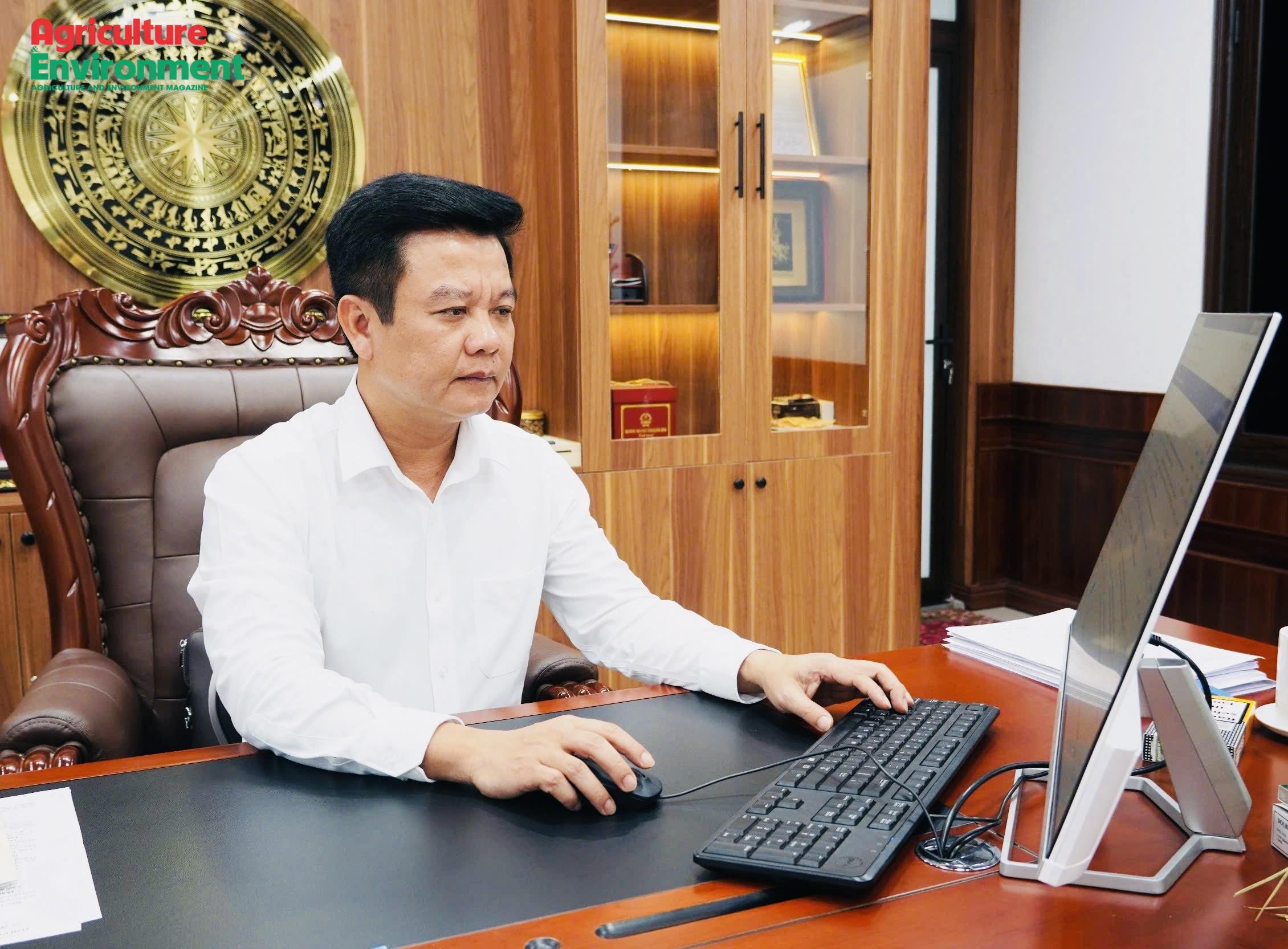
Interviewer: How has Quang Tri applied science and technology to promote the circular economy and reduce carbon emissions?
Director Tran Quoc Tuan: In recent years, green transition and low-carbon economic development in Quang Tri have been promoted through science, technology, and digital transformation, particularly in agriculture, forestry, and environmental resource management.
In agriculture, the province is developing circular production models centered on by-product reuse and emissions reduction. In livestock production, biotechnology has been applied through bio-bedding systems and biogas digesters. Livestock waste is not only treated to reduce pollution but is also converted into biogas and organic fertilizers for agricultural production.
In crop cultivation, microbial composting technologies, water-saving irrigation systems, organic farming practices, and agricultural by-product reuse have been widely adopted. Agricultural residues such as rice straw and corn stalks are processed into organic fertilizers, contributing to greenhouse gas emissions reduction and improved soil quality.
In aquaculture, the use of microbial products for pond environmental treatment has helped reduce chemical inputs and promote more sustainable farming ecosystems.
In forestry, the province has strengthened the application of digital technologies such as remote sensing imagery, GIS and MapInfo software, forest fire surveillance cameras, and unmanned aerial vehicles (drones) to monitor forest dynamics, manage forest resources, and assess carbon sequestration capacity. As a result, Quang Tri has effectively participated in the Emission Reductions Payment Agreement (ERPA) for the North Central Region. During the 2023–2025 period, the province was allocated more than VND 400 billion to support forest owners and forest-dependent communities participating in the ERPA mechanism.
Digital technologies are also contributing to greater transparency in green production systems. Traceability solutions using QR codes and blockchain, together with smart agriculture applications such as IoT, AI, and drones, are enabling farmers to adopt more precise farming practices, reduce agricultural inputs and emissions, and increase product value.
Science, technology, and digital transformation are no longer merely supporting tools; they are becoming foundational drivers for Quang Tri’s transition toward a circular economy, carbon emissions reduction, and sustainable green growth.
Interviewers: How is the province currently implementing the development of a greenhouse gas emissions database system and the allocation of greenhouse gas emissions allowances?
Director Tran Quoc Tuan: The development of the greenhouse gas emissions database system is being implemented in accordance with the provisions of the Law on Environmental Protection 2020 concerning greenhouse gas inventories and the Measurement, Reporting, and Verification (MRV) system.
Under current regulations, greenhouse gas emissions allowances are determined based on inventory results at the national, sectoral, and facility levels for entities subject to mandatory greenhouse gas inventories as prescribed by the Prime Minister. Allowance allocation is also linked to factors such as emissions shares, socio-economic development conditions, and the energy consumption intensity of each facility.
At present, Decree No. 06/2022/ND-CP, as amended and supplemented by Decree No. 119/2025/ND-CP and Decree No. 83/2026/ND-CP, provides relatively comprehensive regulations on the MRV system, the national database, emissions allowance allocation mechanisms, and carbon credits.
On that basis, Decision No. 699/QD-BNNMT dated February 27, 2026 initiated a pilot allocation of greenhouse gas emissions allowances for the 2025–2026 period in several high-emission industries, including thermal power generation, steel production, and cement manufacturing.
The objective of developing the greenhouse gas emissions database is to establish a unified and transparent data platform serving greenhouse gas inventories, emissions allowance allocation, and the gradual operation of Vietnam’s carbon market.
In this process, the Department of Agriculture and Environment plays a key role in monitoring, inspecting, and supervising MRV implementation among emitting facilities in the province to ensure that data are collected comprehensively, accurately, and consistently with the national system.
In the coming period, the province will continue coordinating with ministries, central agencies, and domestic and international organizations to further improve the greenhouse gas emissions database system in support of green transition and sustainable development.
Interviewer: Environmental standards, food safety requirements, and greenhouse gas emissions regulations are increasingly affecting agricultural trade. What measures has the province adopted to support businesses in adapting to these green standards?
Director Tran Quoc Tuan: In the context of increasingly stringent environmental and traceability standards, the province considers science and technology to be the foundation for strengthening measurement, monitoring, and verification capacities in line with international market requirements.
The province is currently focusing on three major groups of solutions.
First, it is implementing regulations on greenhouse gas inventories, the MRV system, and emissions reduction under the Law on Environmental Protection 2020 and Decree No. 06/2022/ND-CP, while gradually developing environmental and greenhouse gas emissions databases aligned with the national system.
Second, it is promoting the application of science and technology in environmental monitoring, traceability systems, and agricultural product quality control, particularly for key export-oriented commodity sectors.
Third, it is advancing support mechanisms for enterprises undertaking green transition through circular economy models, efficient resource utilization, energy conservation, and greenhouse gas emissions reduction.
Without investment in measurement capacity, traceability systems, and emissions verification, local products will face significant difficulties in meeting the emerging standards of international markets.
Interviewer: What strategic orientations and practical models is Quang Tri implementing to promote a low-carbon circular economy?
Director Tran Quoc Tuan: The province has integrated the objectives of green agriculture, circular economy development, and emissions reduction into its socio-economic development planning for the 2026–2030 period.
Currently, Quang Tri is prioritizing investment attraction in organic and circular agriculture while facilitating land access, production linkages, and the application of biotechnology to establish closed-loop production systems with lower emissions.
Programs on green growth and sustainable agricultural development are also being implemented in a coordinated manner. The province aims to increase the reuse rate of agricultural by-products such as rice straw, pepper residues, rubber by-products, and livestock waste for the production of organic fertilizers and biomass fuels.
At the same time, Quang Tri is rapidly expanding renewable energy development, particularly wind and solar power, contributing to the formation of a low-carbon economy. The implementation of waste-to-energy plants is also considered an important solution for energy recovery and landfill reduction.
Interviewer: To promote a low-carbon circular economy, beyond policy orientations, what practical models has Quang Tri developed in by-product recycling, circular production systems, and green OCOP development?
Director Tran Quoc Tuan: In recent years, a number of circular agriculture models have demonstrated positive results in the province.
Several models have utilized agricultural residues such as rice straw, coffee husks, and pepper by-products to produce organic fertilizers and microbial products, while livestock waste has been processed into fertilizers for agricultural use.
The province has also piloted biological treatment models for organic waste, including black soldier fly farming at household and farm scales, contributing to waste reduction and additional economic value creation.
Under the One Commune One Product (OCOP) Program, many products are increasingly being developed under environmentally sustainable production standards, incorporating cleaner production methods, organic practices, traceability systems, and digital transformation applications.
A notable example is the Khe Sanh Agricultural Cooperative, which currently has six OCOP-certified products, including one five-star OCOP product: Khe Sanh Coffee 100% Arabica. The cooperative applies microbial composting technologies using coffee husks to produce organic fertilizer for coffee cultivation, processing more than 1,000 tons of fresh coffee husks annually and producing approximately 200–300 tons of microbial organic fertilizer.
Similarly, Truong Thuy Agricultural Cooperative, with its four-star OCOP peanut oil product, utilizes peanut husks and residues as livestock feed and organic fertilizer, thereby improving the efficiency of agricultural by-product utilization.
Interviewer: What opportunities and challenges is Quang Tri facing in the process of green transition?
Director Tran Quoc Tuan: Quang Tri possesses several favorable conditions for green economic development, including strong potential for organic agriculture, ecological agriculture, renewable energy, and a forest coverage rate of approximately 61 percent, among the highest in the country.
The orientation toward becoming an “energy province” and pursuing green transition has also been integrated into the province’s development planning. In addition, the province has received substantial support from the Government, central ministries, and numerous international organizations in the areas of climate change adaptation and sustainable development.
However, current challenges include limited investment resources for green technologies and environmental infrastructure, as well as incomplete data systems and greenhouse gas inventory capacities.
Most enterprises in the province are small and medium-sized enterprises that still face difficulties in complying with environmental standards, traceability requirements, and emissions reduction obligations in international markets.
Furthermore, the province continues to face shortages of highly qualified human resources in environmental management and green technologies. Public awareness and consumption patterns related to sustainable production and green consumption also require further improvement.
In the coming years, the province will continue improving policy mechanisms, strengthening technical support, and mobilizing investment resources to promote a more substantive, effective, and internationally aligned green transition.
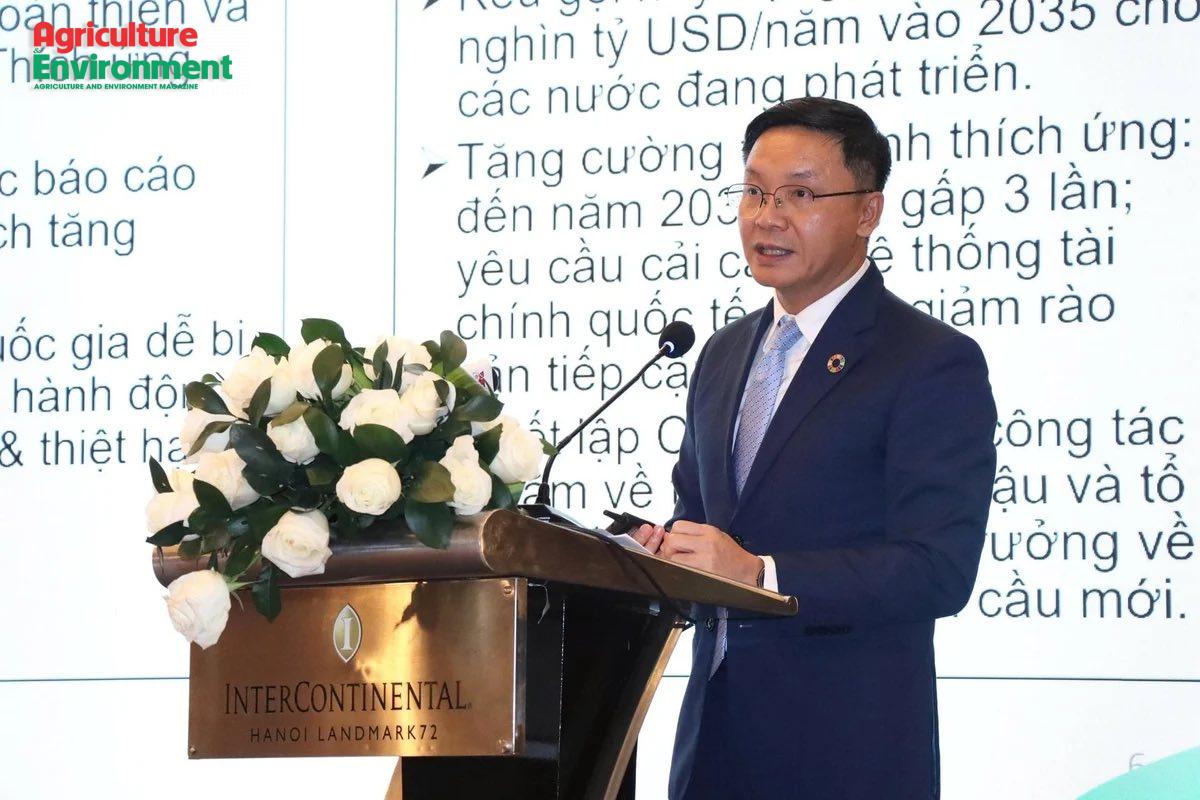
As the world faces mounting challenges from climate change, food insecurity, resource depletion and widening nutrition inequality, transforming food systems toward greener, low-emission and sustainable pathways has become an urgent task rather than a long-term aspiration, including for Viet Nam.
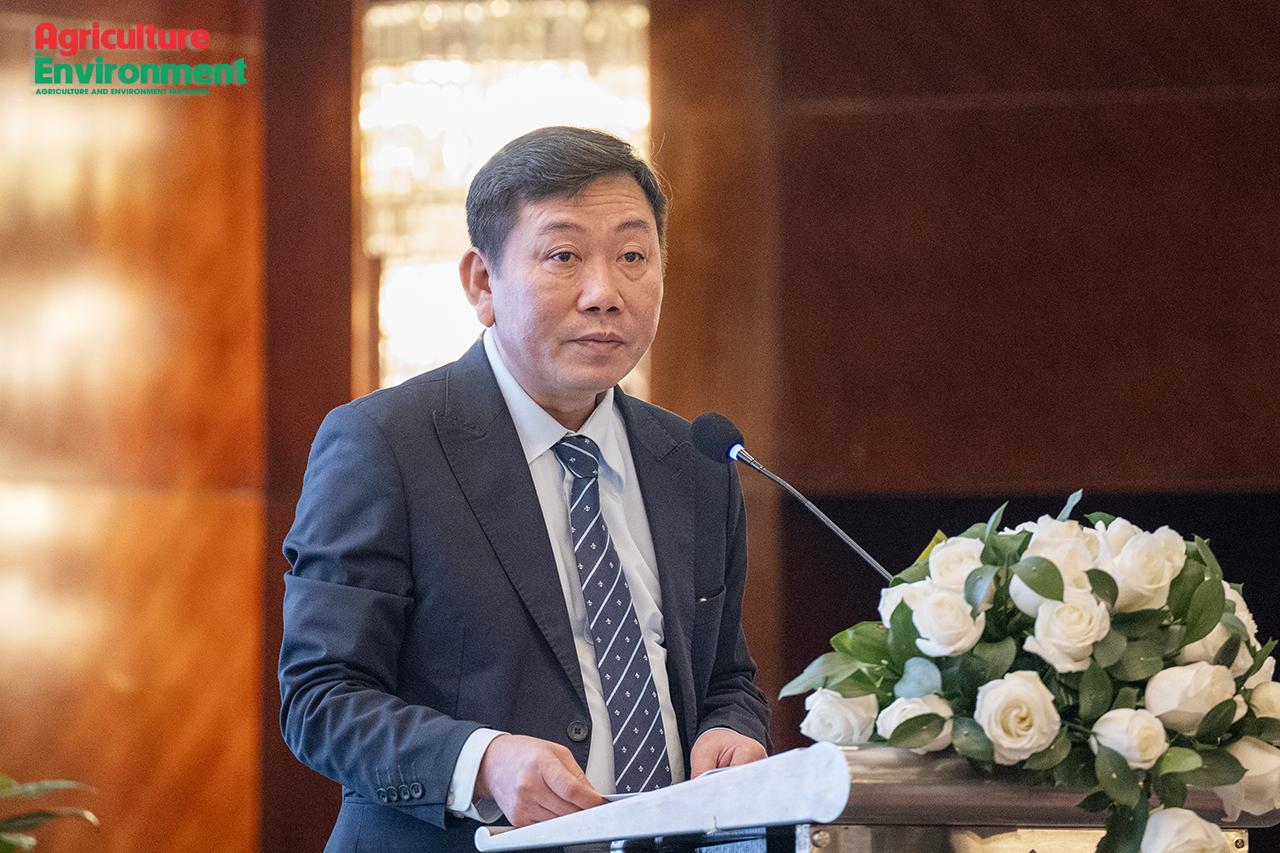
The technical discussion session held on the morning of January 9, as part of the ISG 2025 Conference themed “Advancing a green, low-emission and sustainable food systems transition: Cooperation and innovation,” focused on reviewing implementation progress and clarifying key pillars of Viet Nam’s National Action Plan for a transparent, responsible and sustainable food systems transformation (FST-NAP) through 2030. Through policy updates, FAO’s technical support orientations and in-depth group discussions, the session identified critical bottlenecks and priority actions aimed at translating strategic commitments into tangible outcomes on the ground.
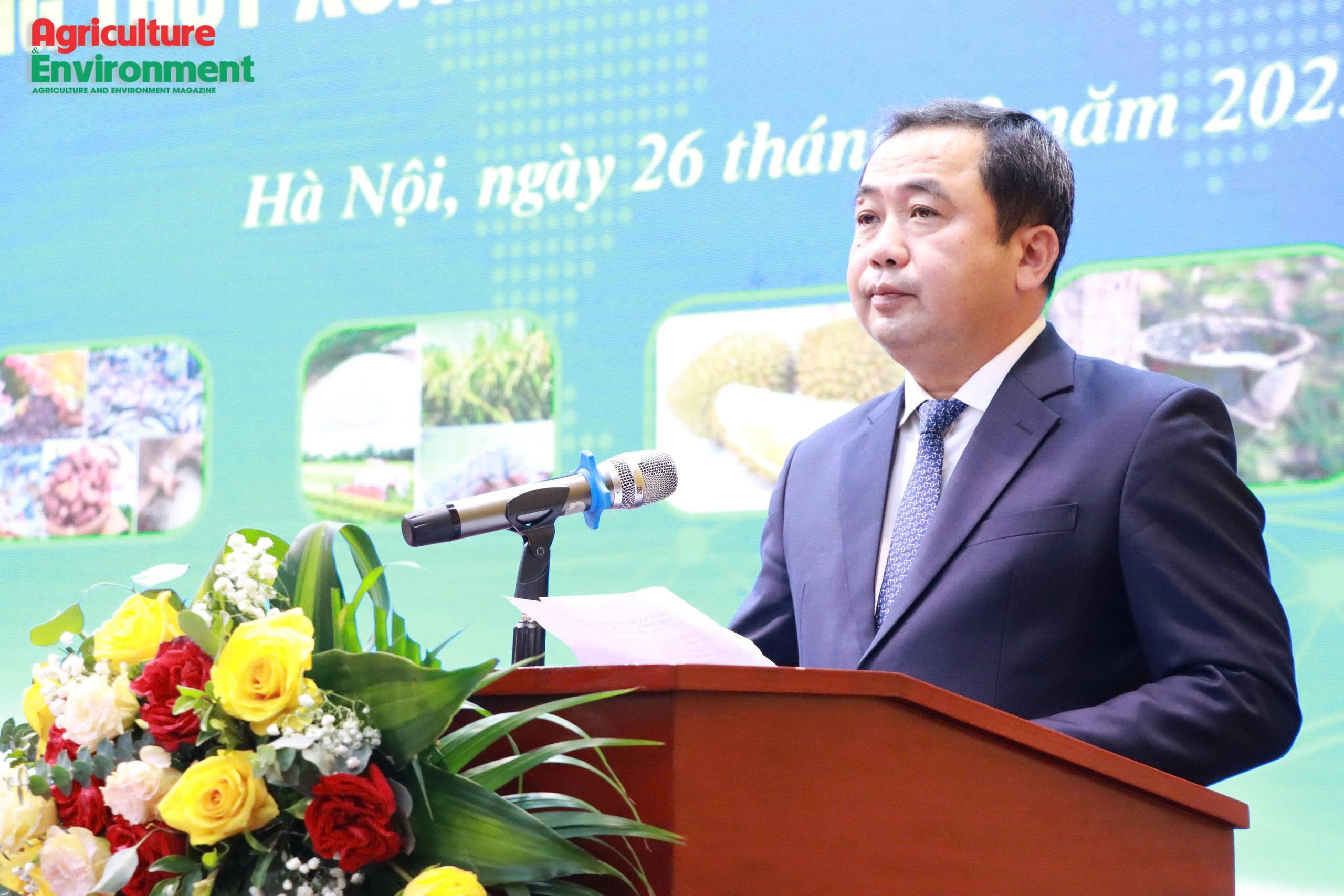
Through the launch ceremony of the Viet Nam Agricultural Product Traceability System on December 26, the Ministry of Agriculture and Environment aims to operationalize major policy orientations on digital transformation and agricultural value chain management. The initiative is designed to effectively implement the pilot traceability program for durian, raise awareness and accountability among stakeholders across production and supply chains, and promote the application of science and technology to enhance transparency, ensure food safety, and gradually expand traceability to a wider range of agricultural products.
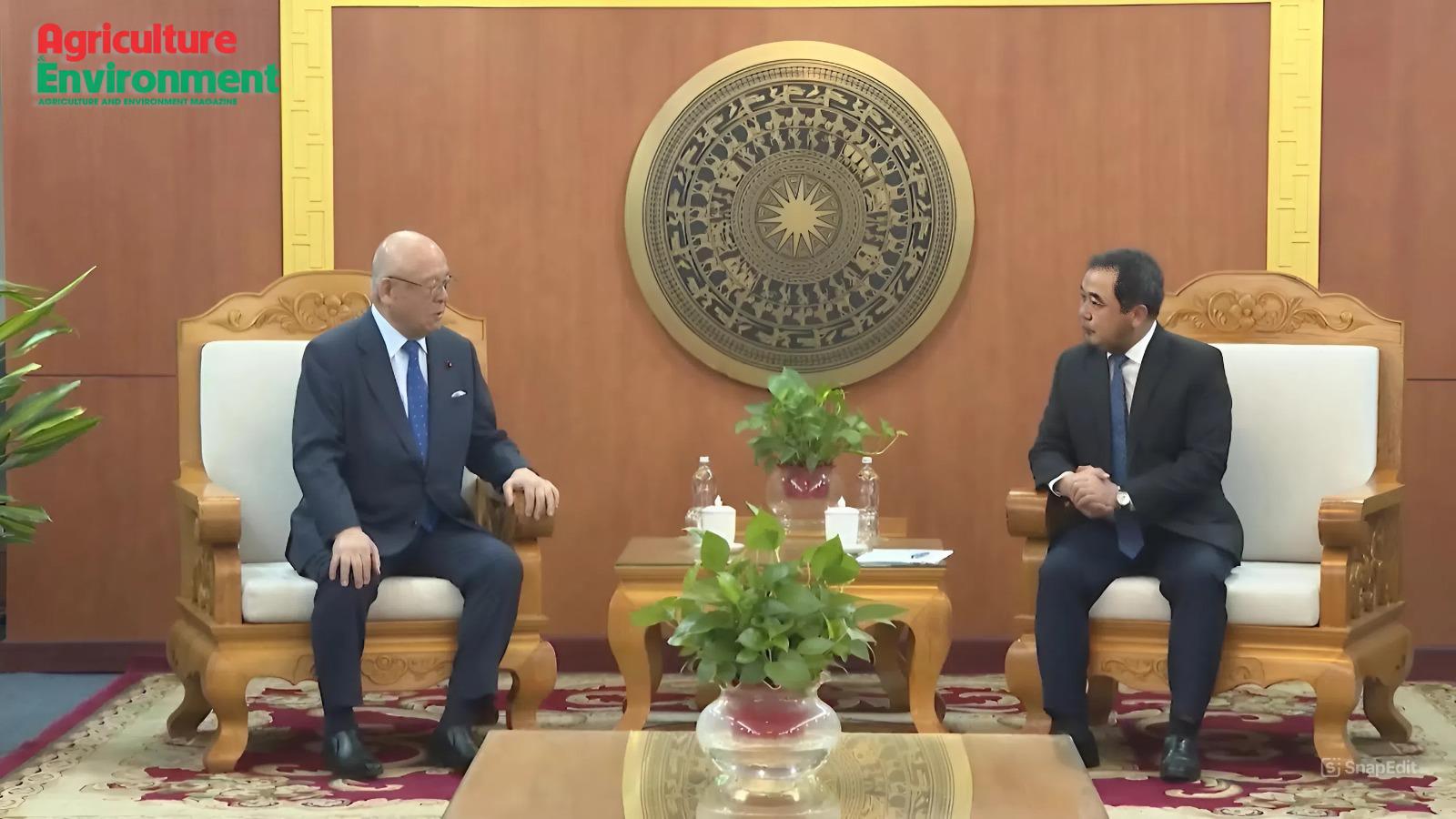
On December 12, during a meeting with Mr. Tsutomu Takebe, Special Advisor to the Japan–Viet Nam Parliamentary Friendship Alliance and former Minister of Agriculture, Forestry and Fisheries of Japan, Minister of Agriculture and Environment Tran Duc Thang affirmed that high-quality human resource development is a key pillar for elevating agricultural cooperation between Viet Nam and Japan. In a context where the two countries demonstrate clear complementarities in labor and technology, cooperation in education and training linked with practical experience and entrepreneurship has been identified as a strategic direction.
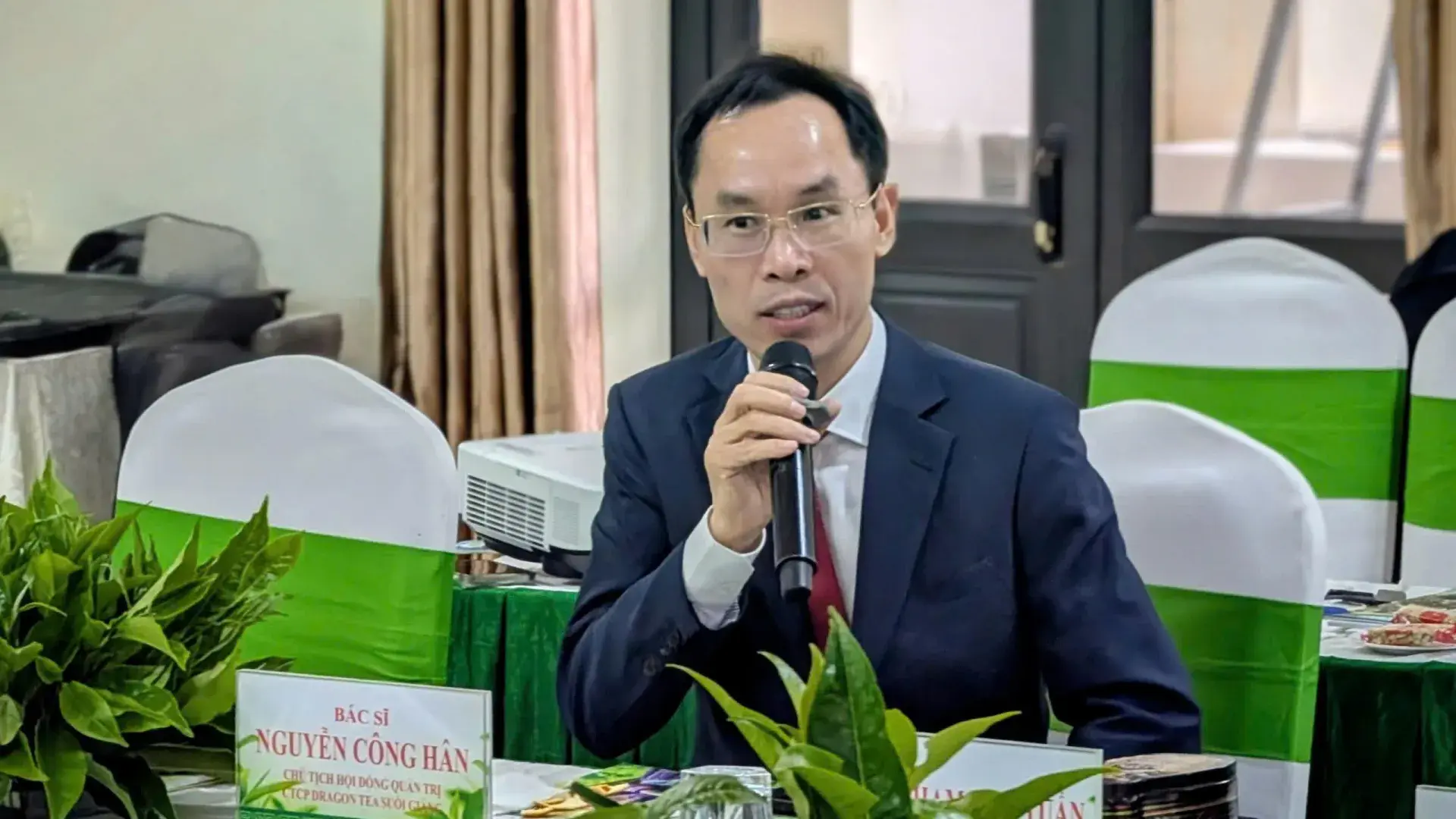
In his presentation at the workshop “Developing and enhancing the value of Shan Tuyet tea” hosted by the Journal of Agriculture and Environment, Dr. Nguyen Cong Han, founder of Dragon Tea Suoi Giang, offered a convincing perspective on the scientific foundations and technological innovations needed to unlock the full potential of this unique tea heritage.