



 The signing of a Memorandum of Understanding (MOU) between Vietnam’s Ministry of Agriculture and Environment and the World Wide Fund for Nature (WWF) marks a significant step forward in their strategic partnership, aiming for sustainable agriculture and environmental development, biodiversity conservation, and emissions reduction. This event represents more than a formal occasion; it embodies a concrete commitment to translate the vision of nature protection and green development into tangible action in Vietnam.
A new milestone in cooperation
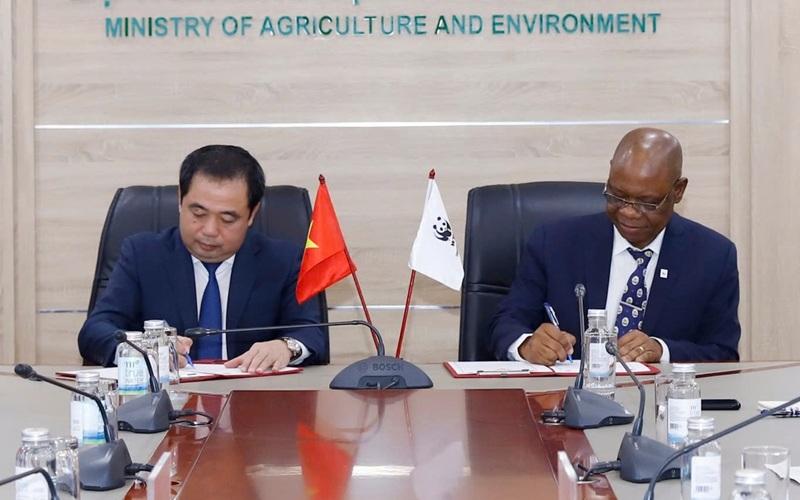
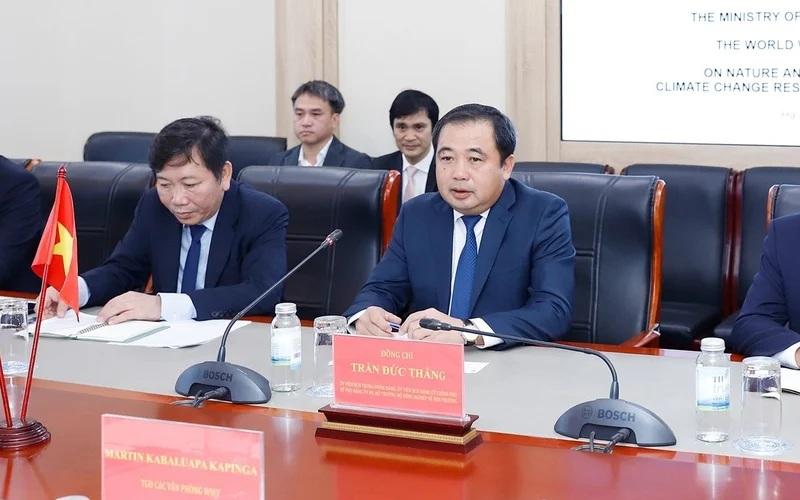
On November 7, at the headquarters of the Ministry of Agriculture and Environment, Minister Tran Duc Thang received and held discussions with Mr. Martin Kabaluapa Kapinga, Chief of Country Offices Division, WWF International, on the occasion of signing the new MOU. The ceremony took place in a formal and friendly atmosphere, opening a phase of deeper collaboration between the two parties.
At the signing, Minister Tran Duc Thang highlighted the strategic role of international cooperation in sustainable development: “The Vietnamese government has always given special attention to nature conservation and environmental development. We are committed to closely coordinating with WWF to turn initiatives into practical actions that serve the goals of ecological agriculture, modern rural development, empowered farmers, and nature protection for a sustainable future.”
He also acknowledged WWF’s outstanding contributions over the past 30 years in Vietnam, spanning nature conservation projects, habitat restoration, technical support, and sharing international experience. Minister Tran Duc Thang affirmed: “Vietnam values this partnership and looks forward to WWF continuing to provide technical support and resources for action programs toward green development.”
Mr. Martin Kabaluapa Kapinga expressed deep sympathy for the recent losses caused by natural disasters and storms in Vietnam and thanked the government and Ministry for their cooperation: “It is an honor to be here today. WWF will mobilize its global network in over 100 countries to provide technical assistance, share scientific experience, and accompany Vietnam in implementing practical, effective, and scalable solutions.
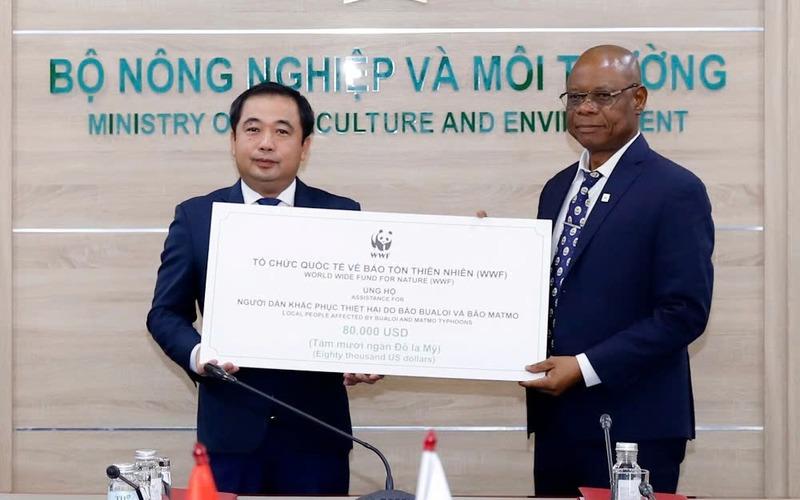
On this occasion, WWF also donated USD 80,000 to support localities severely affected by storms and floods, demonstrating its commitment not only to nature conservation but also to humanitarian efforts and disaster resilience.
Three strategic pillars of cooperation
Immediately following the signing, both parties agreed on three strategic pillars of cooperation, serving as the foundation for all concrete actions.
The first pillar focuses on sustainable agriculture, forestry, and fisheries. Minister Tran Duc Thang emphasized: “We are committed to turning initiatives into practical actions that increase productivity while protecting land and water resources, applying nature-based solutions, promoting ecological agriculture, and adapting to climate change.” Green, circular, and sustainable agricultural models will be implemented, integrating food system transformation, green economy development, and a circular economy approach.
The second pillar centers on biodiversity and ecosystem conservation. WWF and Vietnam will enhance ecological connectivity and strengthen the role of local communities in environmental protection and the prevention of wildlife poaching and trafficking. Director Martin Kabaluapa Kapinga stressed: “Today’s MOU is not only a connection but also a step toward a deeper relationship between WWF and Vietnam, aimed at innovation, responsibility, and sustainability.” This strategy aligns with the “30x30” goal—protecting 30% of land and marine areas by 2030—to safeguard ecosystems and maintain critical biodiversity for the future.
The third pillar addresses climate change response and emissions reduction. Minister Tran Duc Thang underlined: “Vietnam aims to reach net-zero emissions by 2050. Cooperation with WWF will bring us closer to this goal through green transition, the establishment of carbon credit mechanisms in agriculture and forestry, and the application of practical emissions reduction solutions.”
These three pillars not only provide technical support and international experience sharing but are directly linked to Vietnam’s agricultural and environmental development vision for 2030 and 2050, while reinforcing international commitments on climate and conservation.
Concrete actions and future vision
The MOU between the Ministry of Agriculture and Environment and WWF is more than a formal arrangement; it lays the groundwork for concrete, measurable, and scalable actions. Minister Tran Duc Thang emphasized: “We highly appreciate WWF’s contributions over the past 30 years and are committed to closely collaborating to turn initiatives into practical actions—toward ecological agriculture, modern rural development, and nature protection.”
From 2025 to 2030, both parties will implement pilot models in green agriculture, sustainable forestry, and ecosystem restoration; collaborate on research, technology transfer, and conservation data sharing; and mobilize climate finance resources, including carbon credit funds and global green funds. Training programs and capacity-building initiatives for officials, businesses, and local communities will be prioritized to ensure initiatives are integrated into daily life and production.
Mr. Martin Kabaluapa Kapinga emphasized: “WWF will provide technical support, share scientific experience, and accompany Vietnam in implementing practical, effective, and scalable solutions. These efforts reflect the shared vision of WWF and Vietnam—a future where humans and nature thrive together.”
Looking ahead, by 2030, Vietnam aims to establish green agricultural value chains, scale up climate-smart agriculture models, and operate transparent and effective climate finance mechanisms. By 2050, the goal is to develop a comprehensive agro-environmental ecosystem, transform rural areas into green, safe, and prosperous spaces, and position Vietnam as a regional leader in green economy and biodiversity conservation.
The MOU signing also sends a strong message to the international community: Vietnam is ready to join global partners in taking action for nature, climate, and the planet’s sustainable future. As Mr. Martin Kabaluapa highlighted: “Vietnam’s efforts reflect a pioneering role in building a positive future for nature and sustainable development—a vision shared by WWF.”
The signing ceremony not only recognizes the long-standing partnership but also demonstrates Vietnam’s proactive, responsible, and deeply integrated approach to nature conservation, green development, and sustainable emissions reduction. It is a crucial step to turn political and strategic commitments into concrete, scalable actions, contributing to a future where humans and nature thrive in harmony.
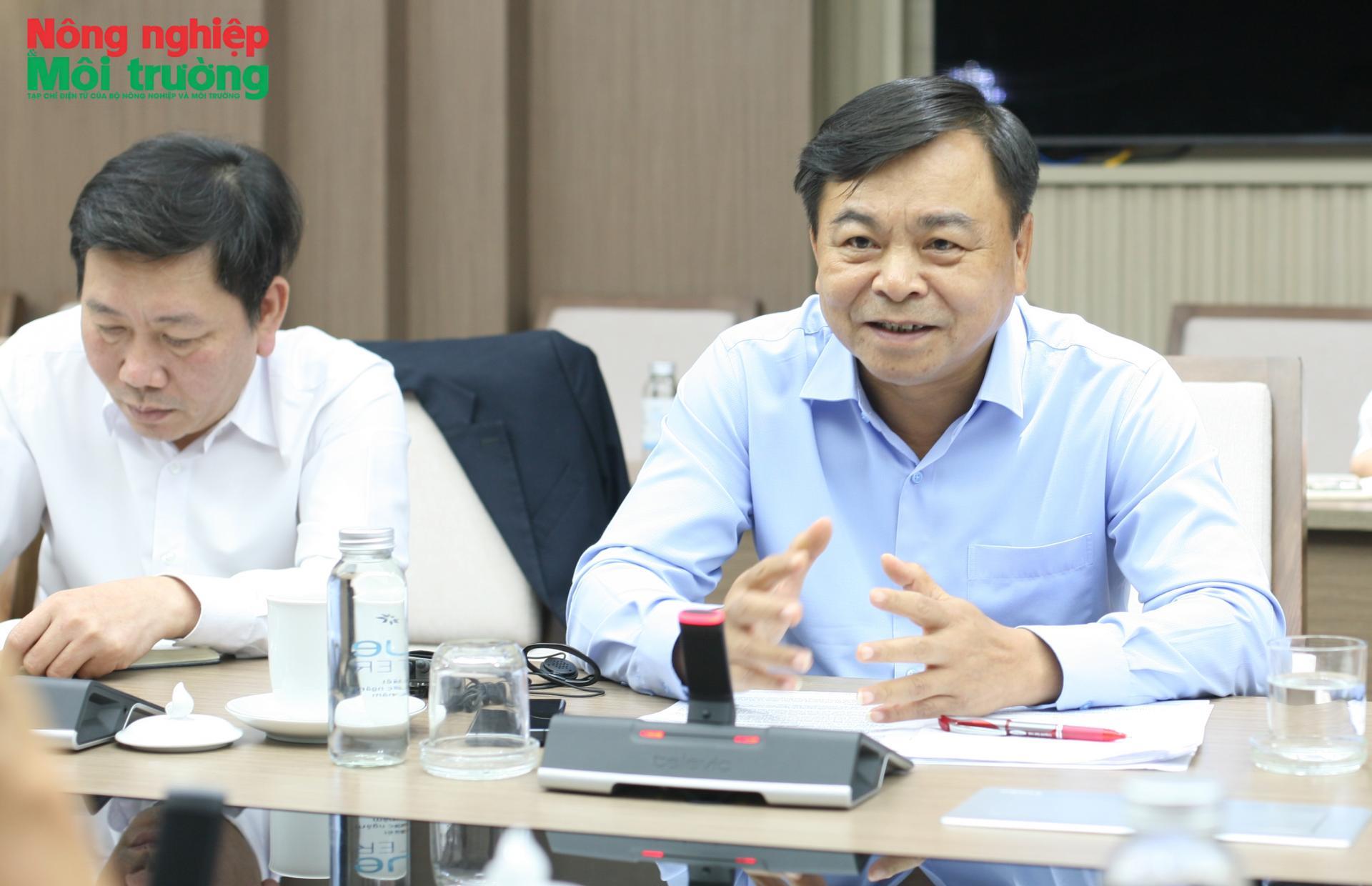
Deputy Minister of Agriculture and Environment Nguyen Hoang Hiep met with a World Bank (WB) delegation on September 9 to discuss the AgriConnect initiative. The meeting focused on ways to better connect public investment, policy and private capital to the development of agricultural value chains.
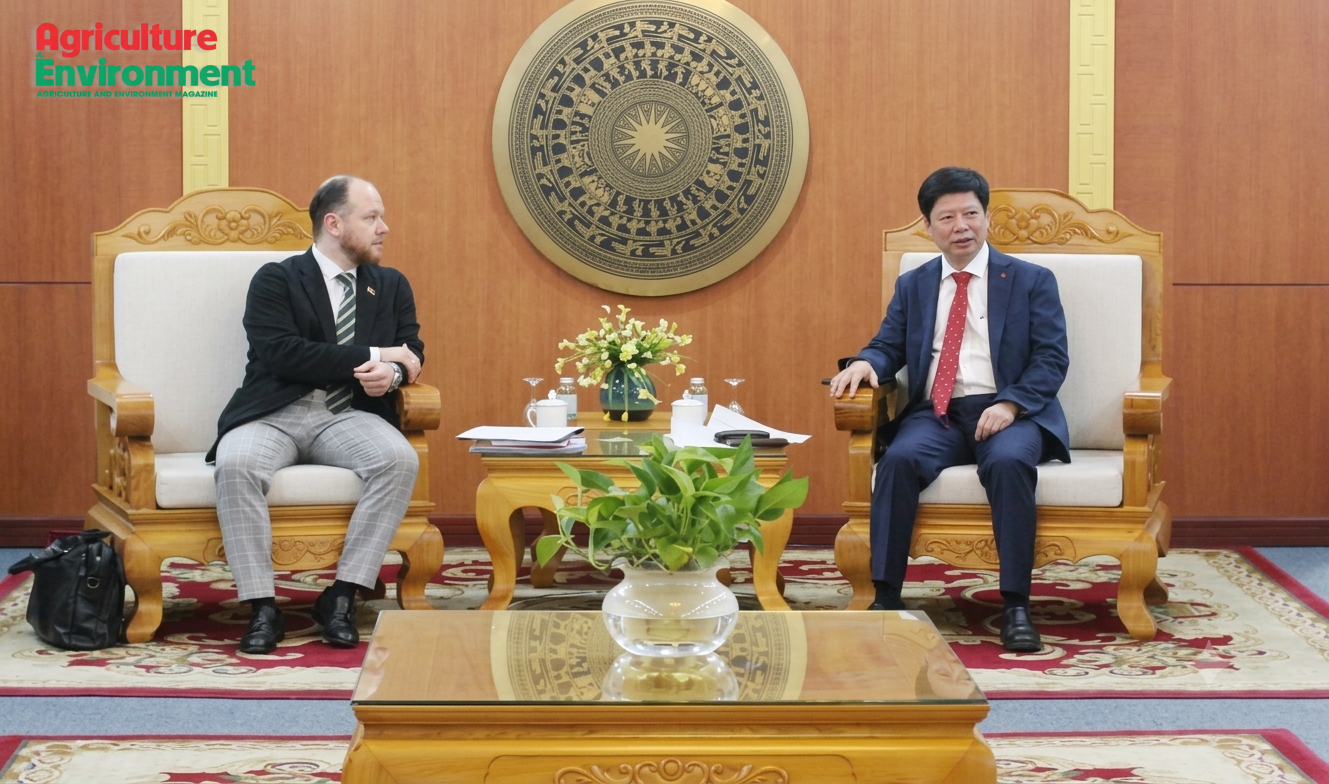
The licensing of four Belarusian companies to export boneless beef to Viet Nam, with the first shipment entering the Vietnamese market in April 2026, marks a concrete result in efforts to address market-access procedures between the two countries. In the opposite direction, the number of Vietnamese companies authorised to export meat and seafood to the Eurasian Economic Union (EAEU) is only about one-sixth the number of Belarusian companies authorised to export to Viet Nam, pointing to further scope for addressing technical barriers and expanding market opportunities for Vietnamese agricultural products.
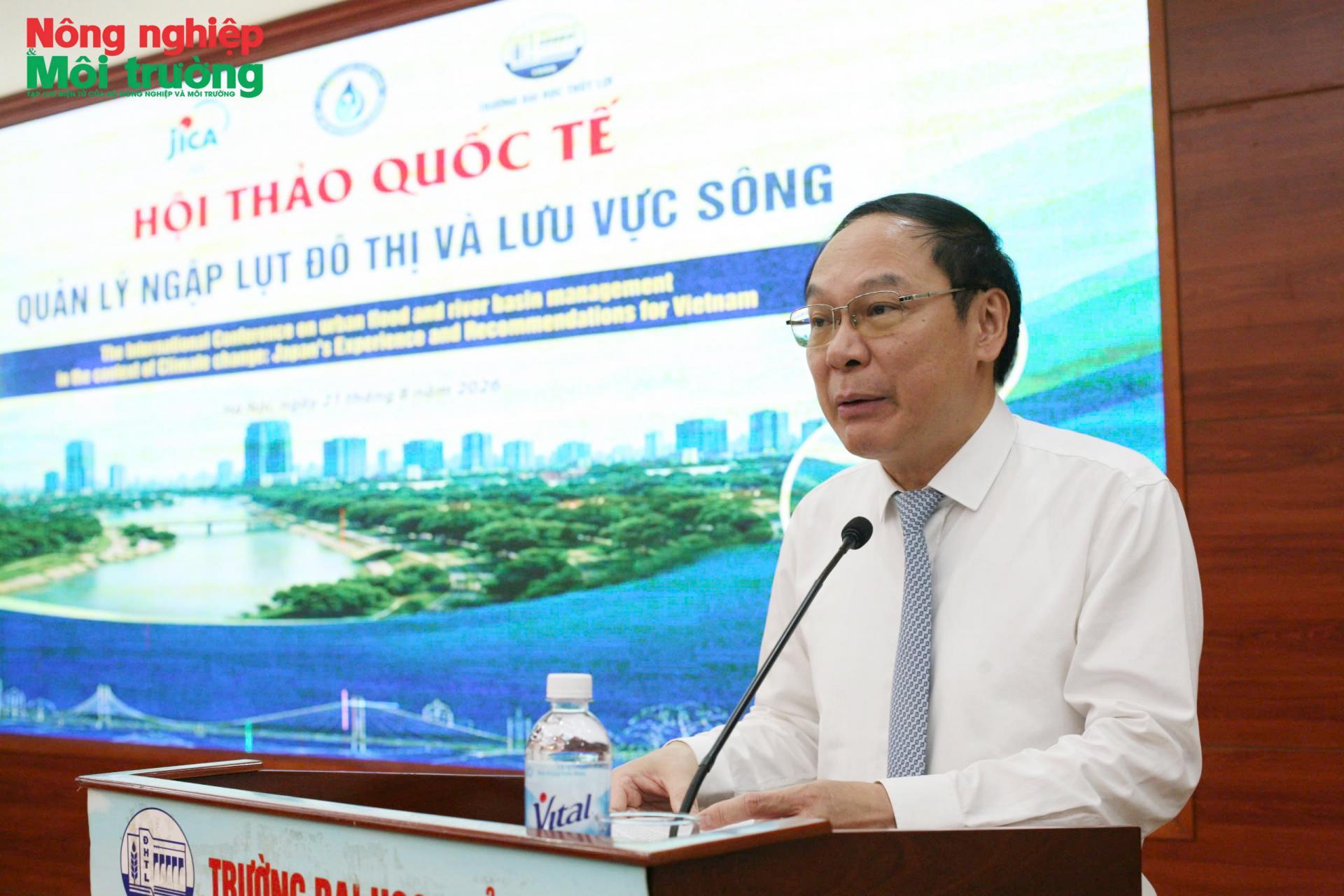
Urban flooding is increasingly influenced by a combination of heavy rainfall, river flows, tides, water-storage capacity, land use and urban spatial planning. At the international conference on “Urban flood and river basin management in the context of climate change: Japan’s experience and recommendations for Viet Nam”, held in Hanoi on August 21, Deputy Minister of Agriculture and Environment Le Cong Thanh said the issue should be addressed as part of integrated water resources management, urban planning and disaster risk governance, rather than being treated solely as a drainage problem within individual cities.
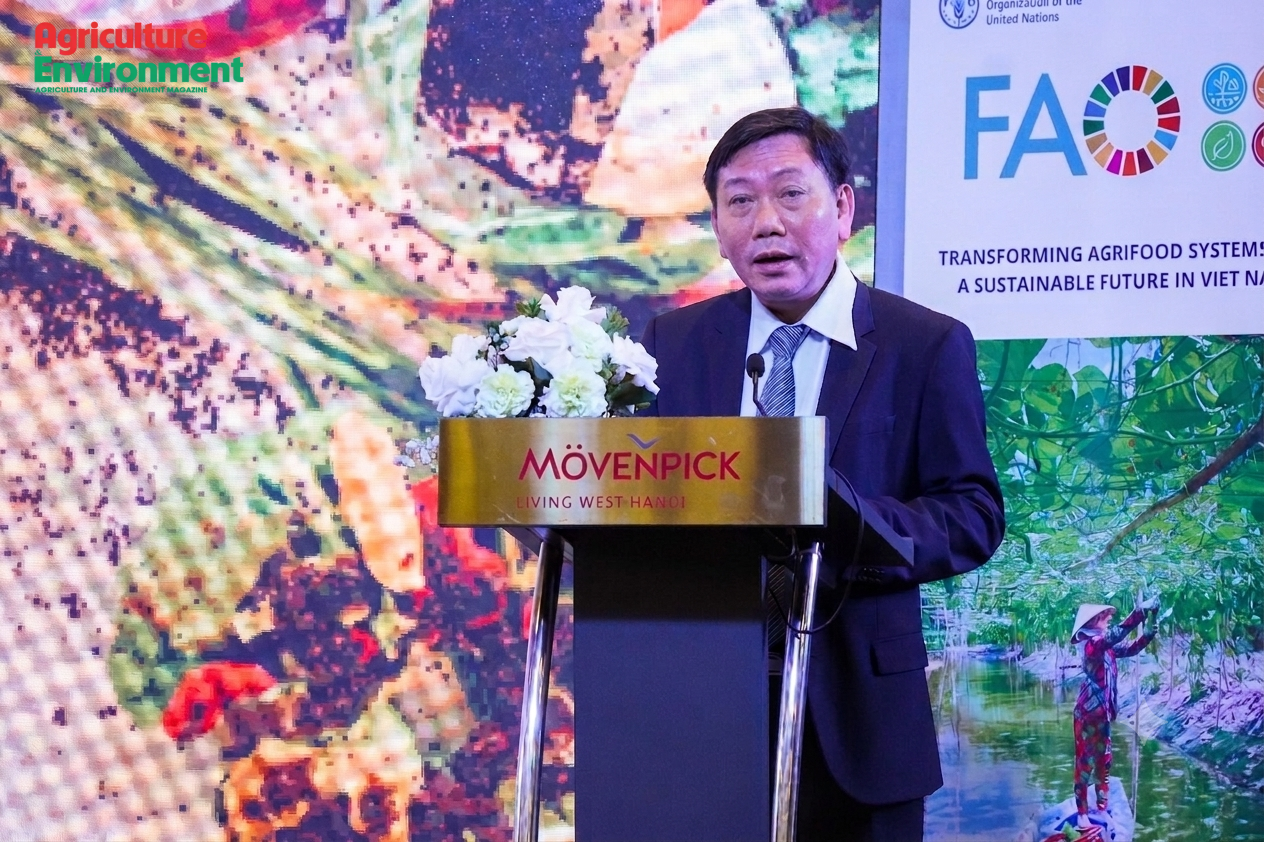
Reducing food loss and waste is not only about preventing food from being discarded. It also requires retaining and circulating value throughout the food system, from production and processing to distribution and consumption.
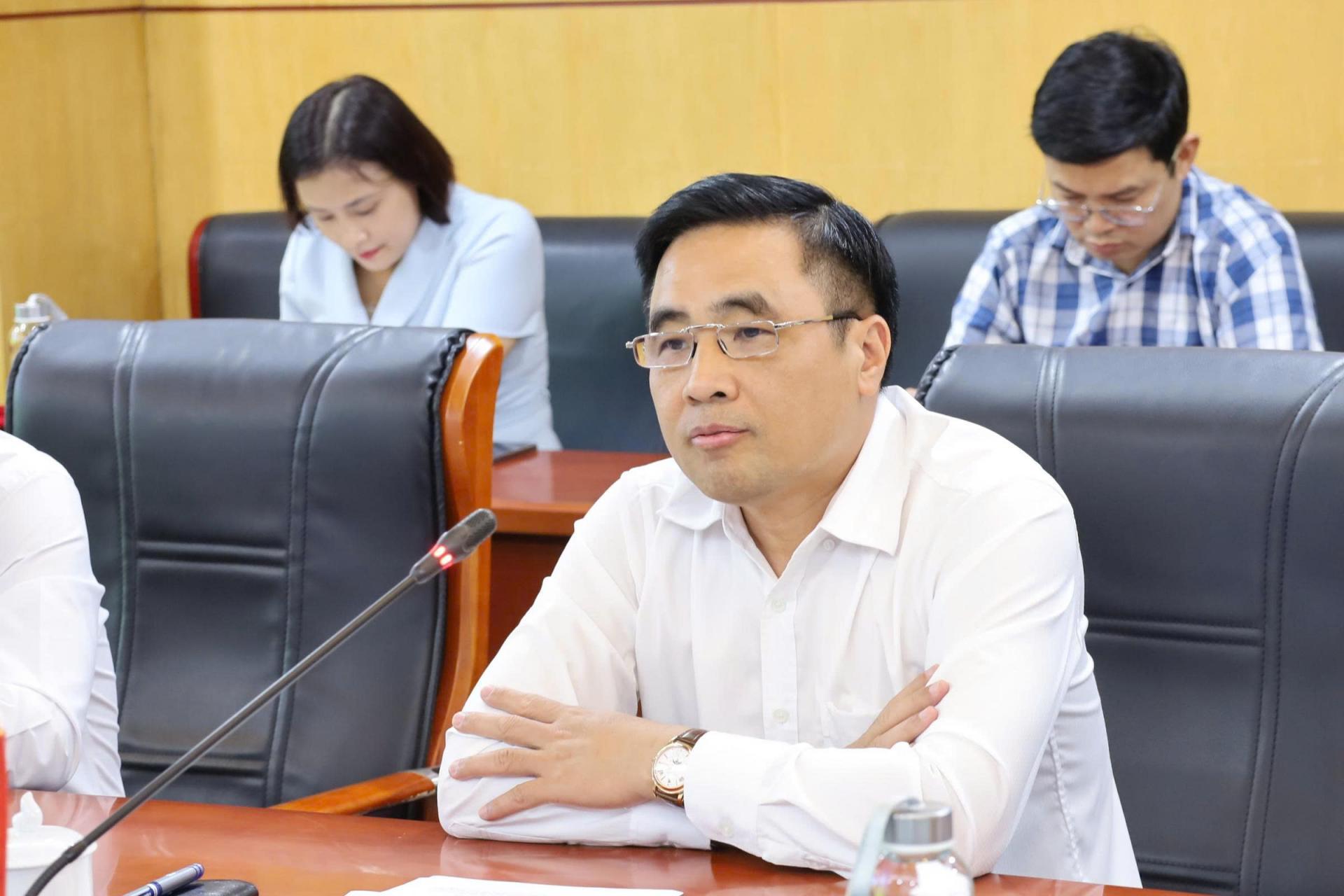
The August 18 meeting between Deputy Minister of Agriculture and Environment Nguyen Quoc Tri and Uruguay’s Deputy Minister of Livestock, Agriculture and Fisheries Matías Carámbula highlighted market access and balanced interests in agricultural trade between the two countries. These issues are directly relevant to translating bilateral cooperation priorities into concrete outcomes.