



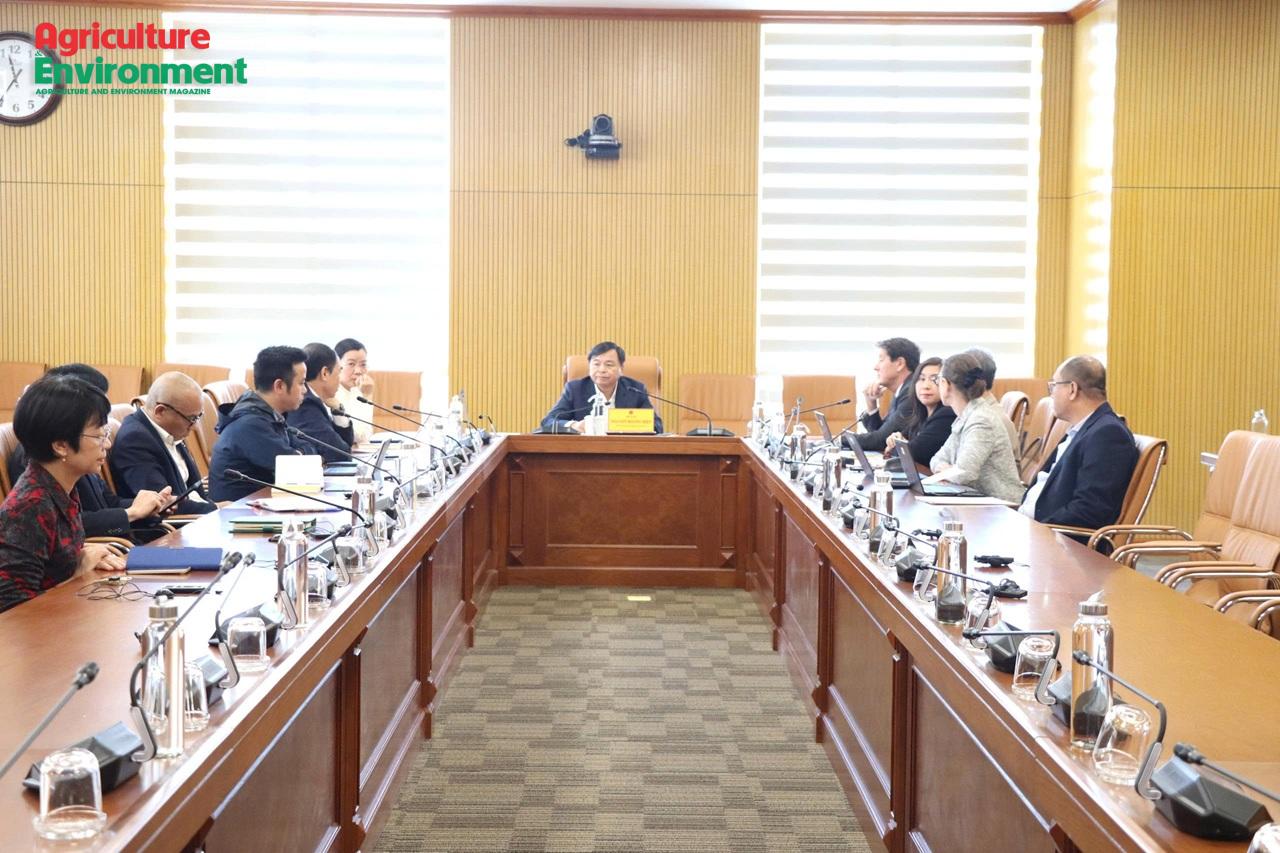
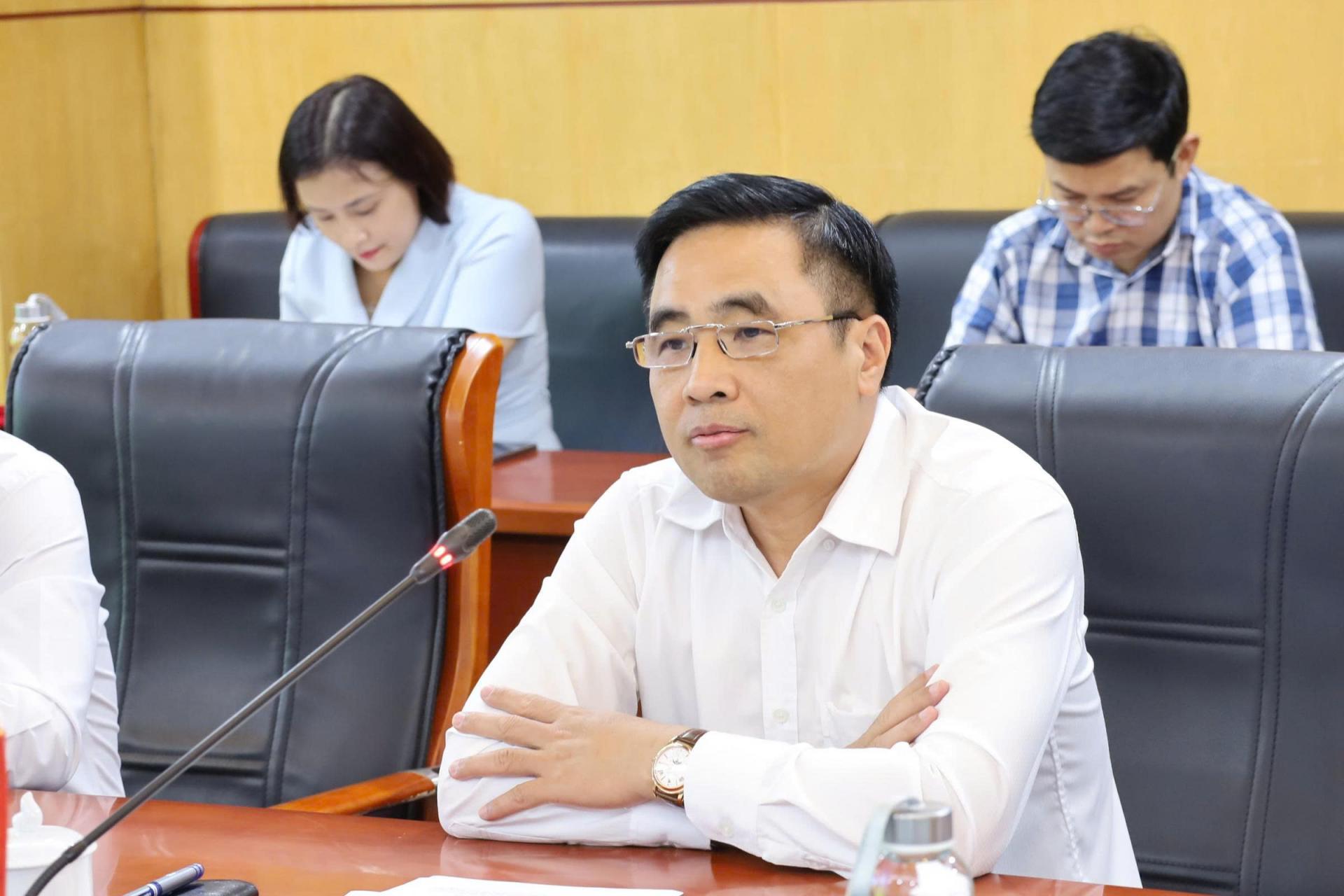
 During a working session on November 26 with a delegation of World Bank (WB) experts, the Ministry of Agriculture and Environment reaffirmed its commitment to completing the financing agreement for the MERIT–WB11 project, titled “Enhancing climate resilience and integrated transformation of the Mekong Delta region,” by 2026. This is one of the largest climate-adaptation projects supported by the World Bank in the Mekong Delta, with a proposed total investment of approximately USD 741 million.
A key project for water security and climate adaptation in the Mekong Delta
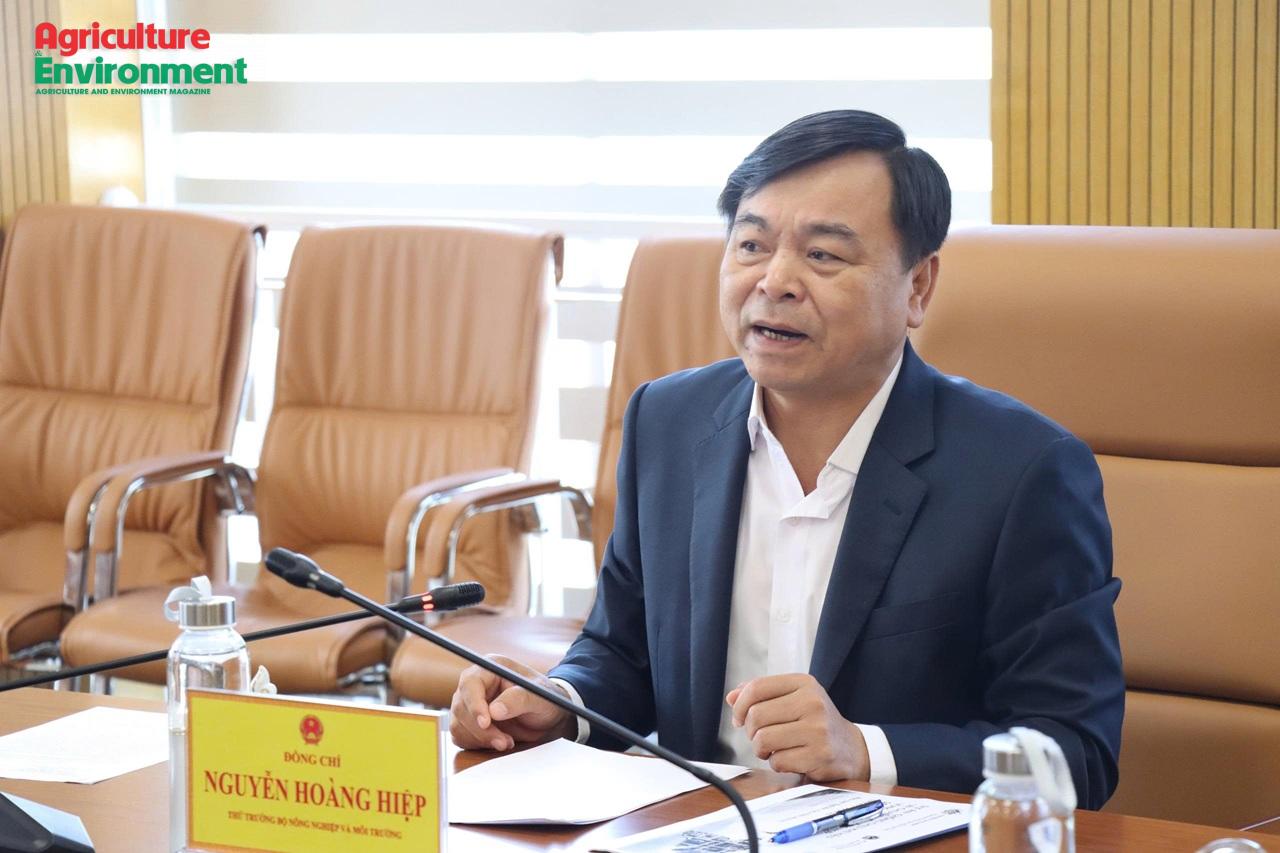
Speaking at the meeting, Deputy Minister Nguyen Hoang Hiep emphasized that MERIT–WB11 holds critical importance for water security and climate resilience across the Mekong Delta — a region facing severe challenges from drought, salinity intrusion, erosion, and hydrological instability. The project is designed to modernize hydrometeorological and water-monitoring systems, improve irrigation and water-management capacity, restore natural flood-retention spaces, and reinforce sea and river dike systems. These interventions are expected to safeguard key agricultural production zones, enhance water-regulation capacity, and reduce the risks posed by increasingly frequent and complex natural hazards. The project is projected to deliver direct and indirect benefits to nearly one million households across about 960,000 hectares of agricultural land in ten provinces of the Delta.
The Deputy Minister tasked the Central Project Office (CPO) for Water Resources Projects with completing all technical documents, financial dossiers, and environmental–social impact reports before April 2026 to ensure timely signing of the financing agreement. At the same time, the Ministry requested the World Bank to shorten its review and appraisal period to no more than three weeks to prevent delays in the overall timeline.
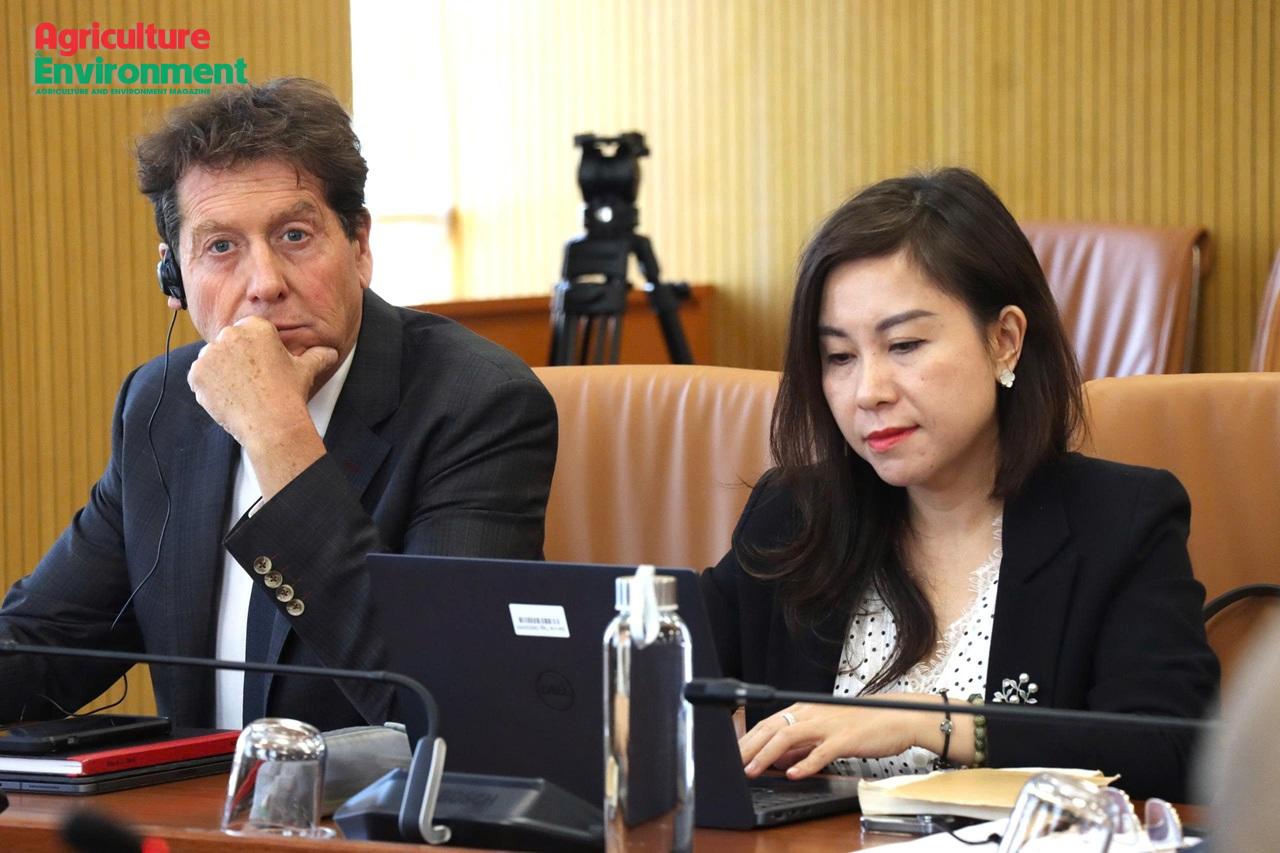
The World Bank delegation commended the Ministry and local authorities for their preparation efforts and affirmed that it would prioritize appraisal immediately upon receiving complete documentation — a gesture described as a “strong commitment” to supporting Viet Nam in strengthening climate resilience in the Mekong Delta. A WB representative stressed that if conditions are met, MERIT–WB11 could begin implementation as early as 2026, consistent with the country's targets.
Provincial representatives from project participants such as Bac Lieu and Soc Trang also pledged to finalize local documentation, mobilize counterpart funding, align planning processes, and complete related procedures to ensure progress and effective coordination with the Ministry and the World Bank.
Climate pressures behind MERIT–WB11
The Mekong Delta is among the regions most affected by climate change, facing salinity intrusion, riverbank and coastal erosion, hydrological variability, tidal flooding, and extreme weather events. These challenges pose major threats to water security, agricultural production, and rural livelihoods.
Against this backdrop, MERIT–WB11 has been formulated as a “national-scale” project to strengthen the region’s resilience through an integrated approach — not only through irrigation infrastructure, sea and river dikes, and flood-retention restoration, but also through enhanced monitoring systems, data platforms, water-resource management, and sustainable livelihood support. This provides both scientific and practical foundations for responding to climate change in a comprehensive manner rather than addressing isolated issues.
A WB representative noted that, if implemented properly and cohesively, MERIT–WB11 could serve as a “reference model” for other low-lying, climate-vulnerable coastal regions in Viet Nam, demonstrating value beyond the Delta and generating nationwide learning impacts.
Advancing water management and climate-resilient livelihoods
According to the Ministry of Agriculture and Environment and the World Bank, MERIT–WB11 has a total investment of USD 741 million — equivalent to about VND 17.759 trillion. Of this, approximately USD 545 million comes from WB concessional loans, with the remainder sourced from counterpart funding and grants. The project will be implemented across Mekong Delta provinces that are heavily affected by salinity intrusion, land subsidence, drought, and climate change. Under the financial plan, the Ministry will manage about VND 6.579 trillion, while provinces will manage VND 11.180 trillion. Funding is structured such that the central government allocates 90% of ODA loan capital from the central budget, while localities on-lend 10% in accordance with ODA re-lending regulations. These figures indicate a project scale large enough to support comprehensive infrastructure upgrades, modern management tools, and climate-resilient livelihood solutions across the Delta.
MERIT–WB11 comprises four major components designed in an integrated manner to ensure long-term sustainability. The component on institutions, information systems, and decision-support tools focuses on establishing networks for monitoring water resources, climate change, and hydrological data; developing decision-support systems for government agencies; and strengthening planning capacity, water-management institutions, and disaster-risk management. This component provides the foundational governance structure required for unified and adaptive regional resource management.
The regional climate-resilient infrastructure component covers the construction and upgrading of irrigation works, sea and river dikes, salinity-control gates, flood-drainage systems, restored floodplains, and water-regulation structures. These investments aim to protect key agricultural zones, fruit-growing areas, aquaculture regions, and community livelihoods increasingly threatened by climate extremes.
Another key component focuses on livelihood diversification and climate-adaptive rural and agricultural development, supporting farmers in transitioning to climate-resilient production models, adopting adaptive techniques, developing agricultural value chains, and building sustainable rural-economy models. The objective is to reduce dependence on climate-sensitive crop cycles and enhance the resilience of riverine and coastal communities. The final component — project management, monitoring, and implementation — ensures transparency, consistency, and accountability throughout design, appraisal, investment, monitoring, and operation. According to Ministry representatives, this integrated approach helps overcome past limitations of fragmented interventions and strengthens the ability to address cross-regional challenges such as drought, salinity intrusion, and erosion — problems that cannot be tackled effectively through isolated measures.
What’s expected from MERIT–WB11
MERIT–WB11 builds on the successes of the earlier ICRSL (WB9) project, which helped many Mekong Delta provinces improve irrigation systems, enhance livelihoods, and increase resilience to natural hazards. According to the Ministry of Agriculture and Environment, MERIT–WB11 has a larger scale, a more comprehensive approach, and broader provincial participation supported by strong World Bank engagement — raising expectations for a significant breakthrough in sustainable development across the Delta.
The project is expected not only to protect agricultural production and rural livelihoods from climate impacts but also to support agricultural restructuring toward greater climate adaptability and sustainability; create a stronger institutional basis for water management, dike governance, and livelihoods; and reduce disaster risks — placing community welfare and environmental stewardship at the center.
With strong commitment from the Ministry, close coordination among provinces, and prioritization from the World Bank, MERIT–WB11 has the potential to become a critical pillar for helping the Mekong Delta adapt effectively to climate change, ensure water security, stabilize livelihoods, and pursue sustainable development. However, this potential depends on the timely completion of project dossiers and the fulfillment of all technical, environmental, and financial requirements — without which the project risks missing its planned milestones.
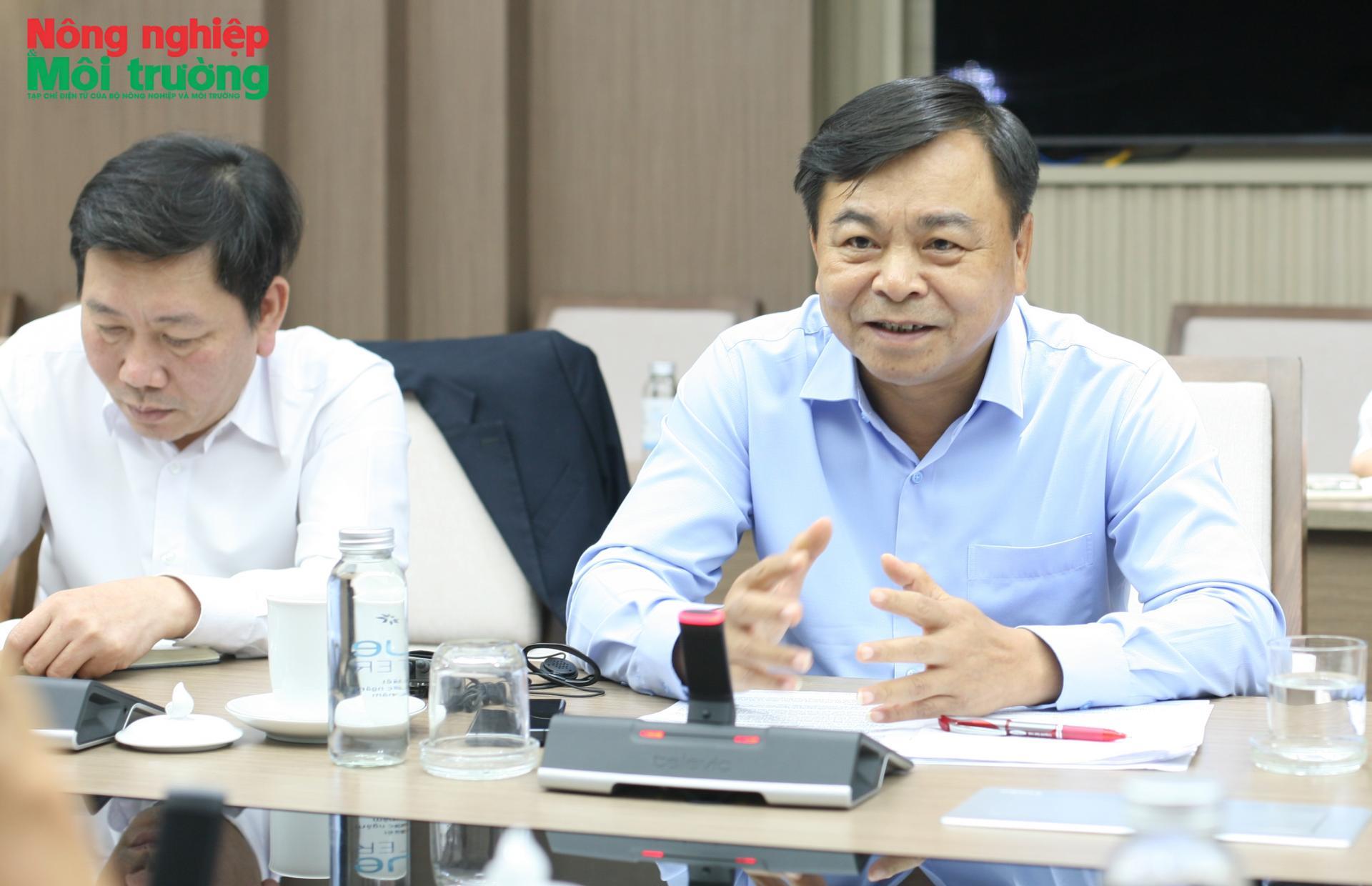
Deputy Minister of Agriculture and Environment Nguyen Hoang Hiep met with a World Bank (WB) delegation on September 9 to discuss the AgriConnect initiative. The meeting focused on ways to better connect public investment, policy and private capital to the development of agricultural value chains.
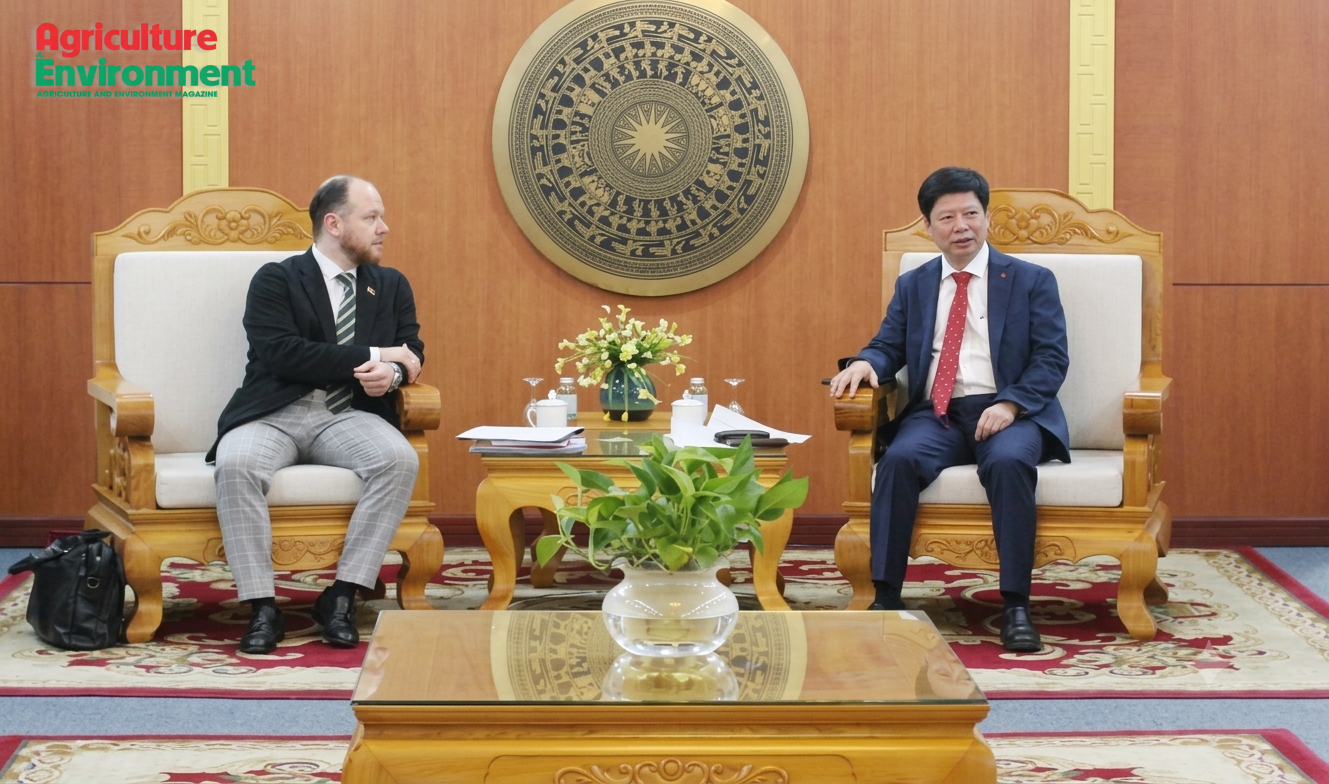
The licensing of four Belarusian companies to export boneless beef to Viet Nam, with the first shipment entering the Vietnamese market in April 2026, marks a concrete result in efforts to address market-access procedures between the two countries. In the opposite direction, the number of Vietnamese companies authorised to export meat and seafood to the Eurasian Economic Union (EAEU) is only about one-sixth the number of Belarusian companies authorised to export to Viet Nam, pointing to further scope for addressing technical barriers and expanding market opportunities for Vietnamese agricultural products.
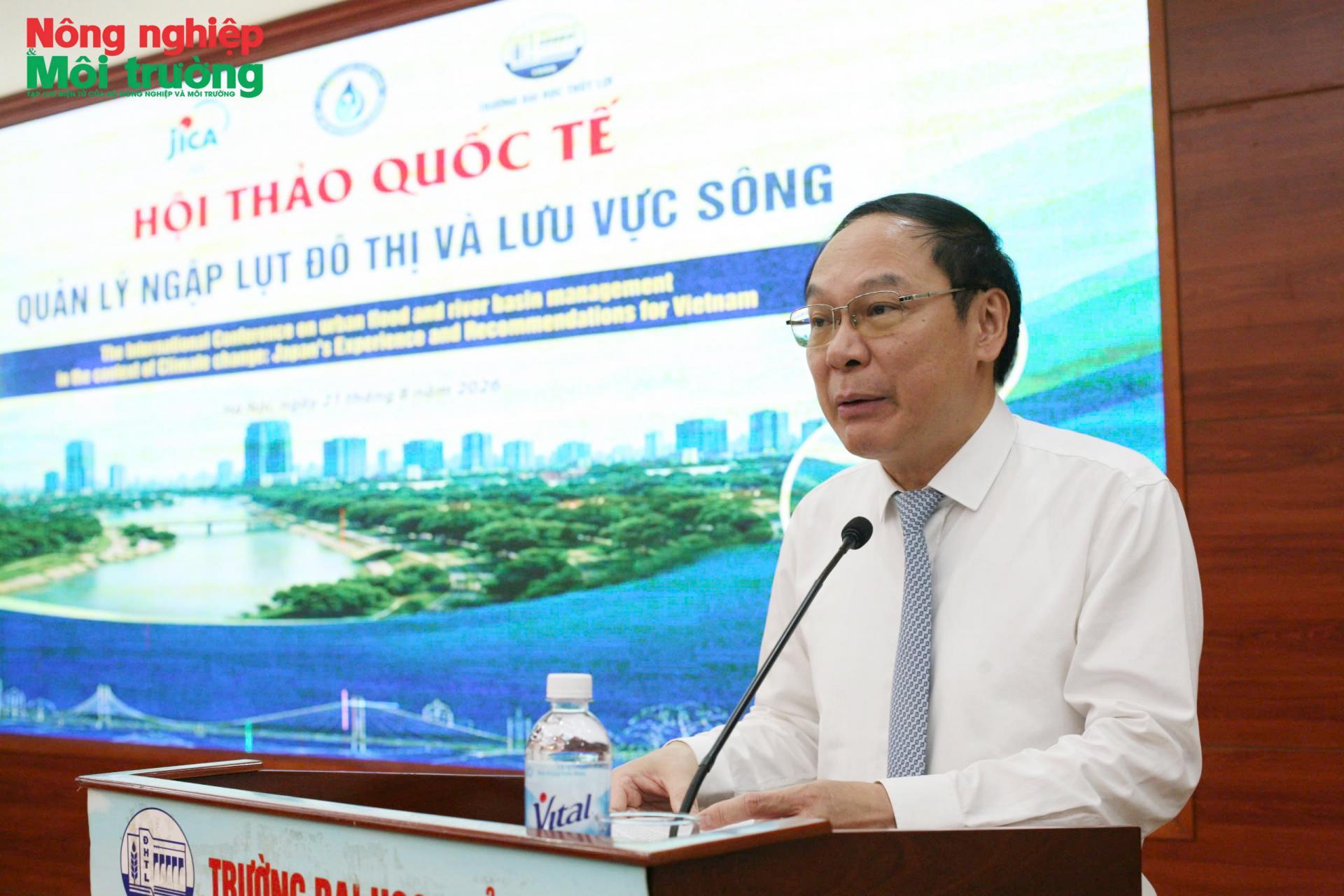
Urban flooding is increasingly influenced by a combination of heavy rainfall, river flows, tides, water-storage capacity, land use and urban spatial planning. At the international conference on “Urban flood and river basin management in the context of climate change: Japan’s experience and recommendations for Viet Nam”, held in Hanoi on August 21, Deputy Minister of Agriculture and Environment Le Cong Thanh said the issue should be addressed as part of integrated water resources management, urban planning and disaster risk governance, rather than being treated solely as a drainage problem within individual cities.
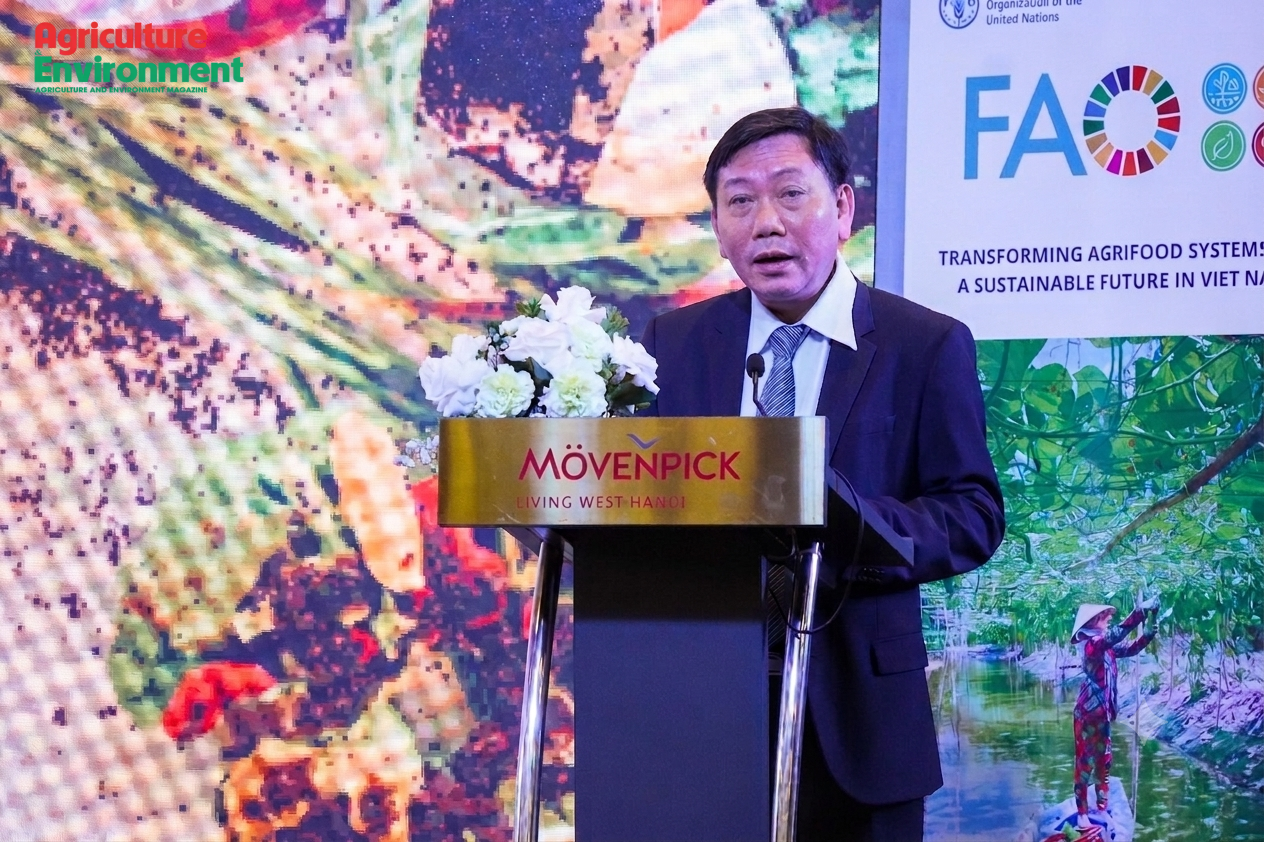
Reducing food loss and waste is not only about preventing food from being discarded. It also requires retaining and circulating value throughout the food system, from production and processing to distribution and consumption.
The August 18 meeting between Deputy Minister of Agriculture and Environment Nguyen Quoc Tri and Uruguay’s Deputy Minister of Livestock, Agriculture and Fisheries Matías Carámbula highlighted market access and balanced interests in agricultural trade between the two countries. These issues are directly relevant to translating bilateral cooperation priorities into concrete outcomes.