



 As the peak of the dry season approaches, drought and saltwater intrusion are expected to remain complex across many southern regions. However, according to the Ministry of Agriculture and Environment, water supplies for agricultural production are generally being maintained. The highest salinity intrusion in the Mekong Delta is forecast to occur between March 19 and 23, 2026.
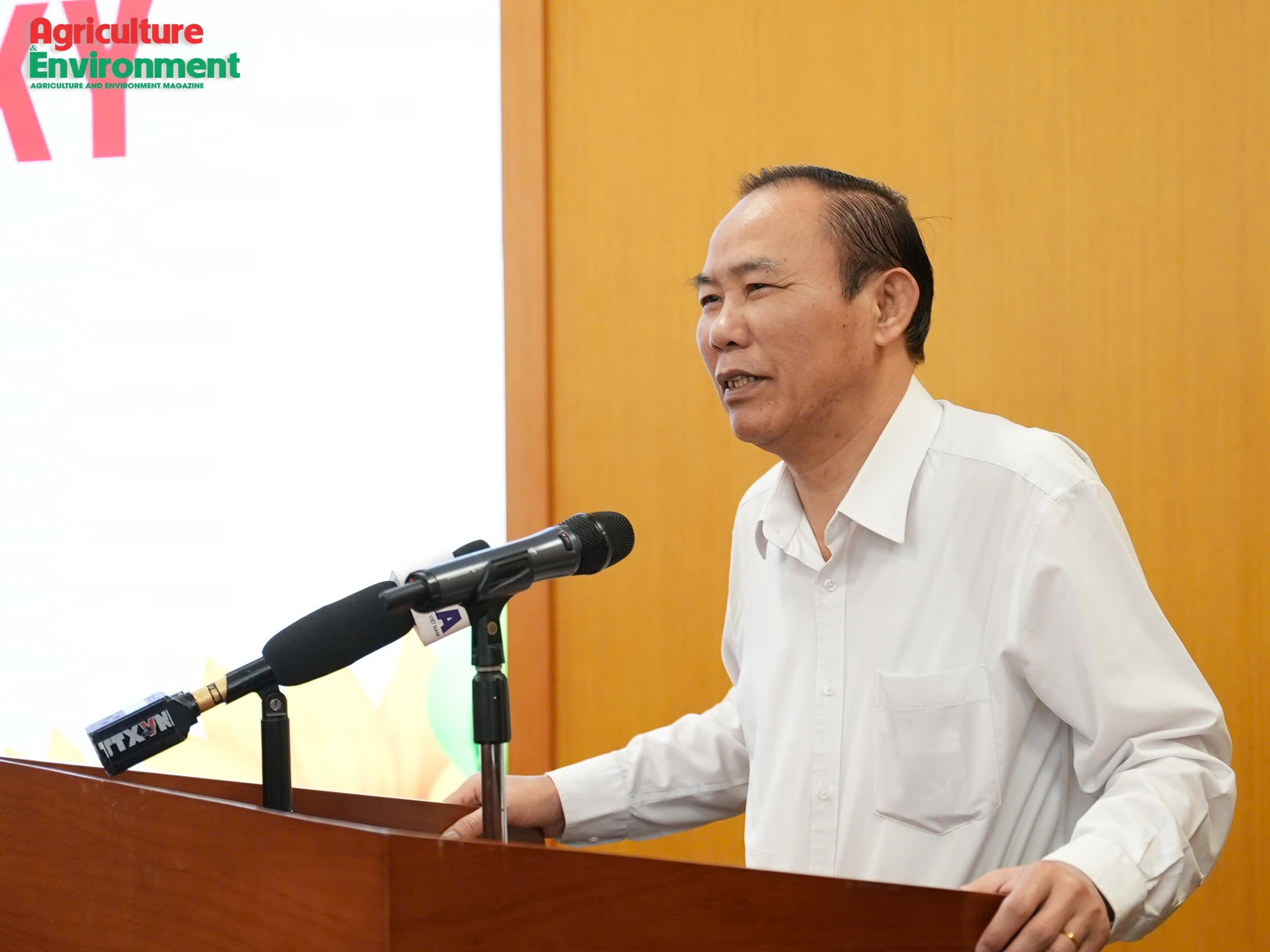
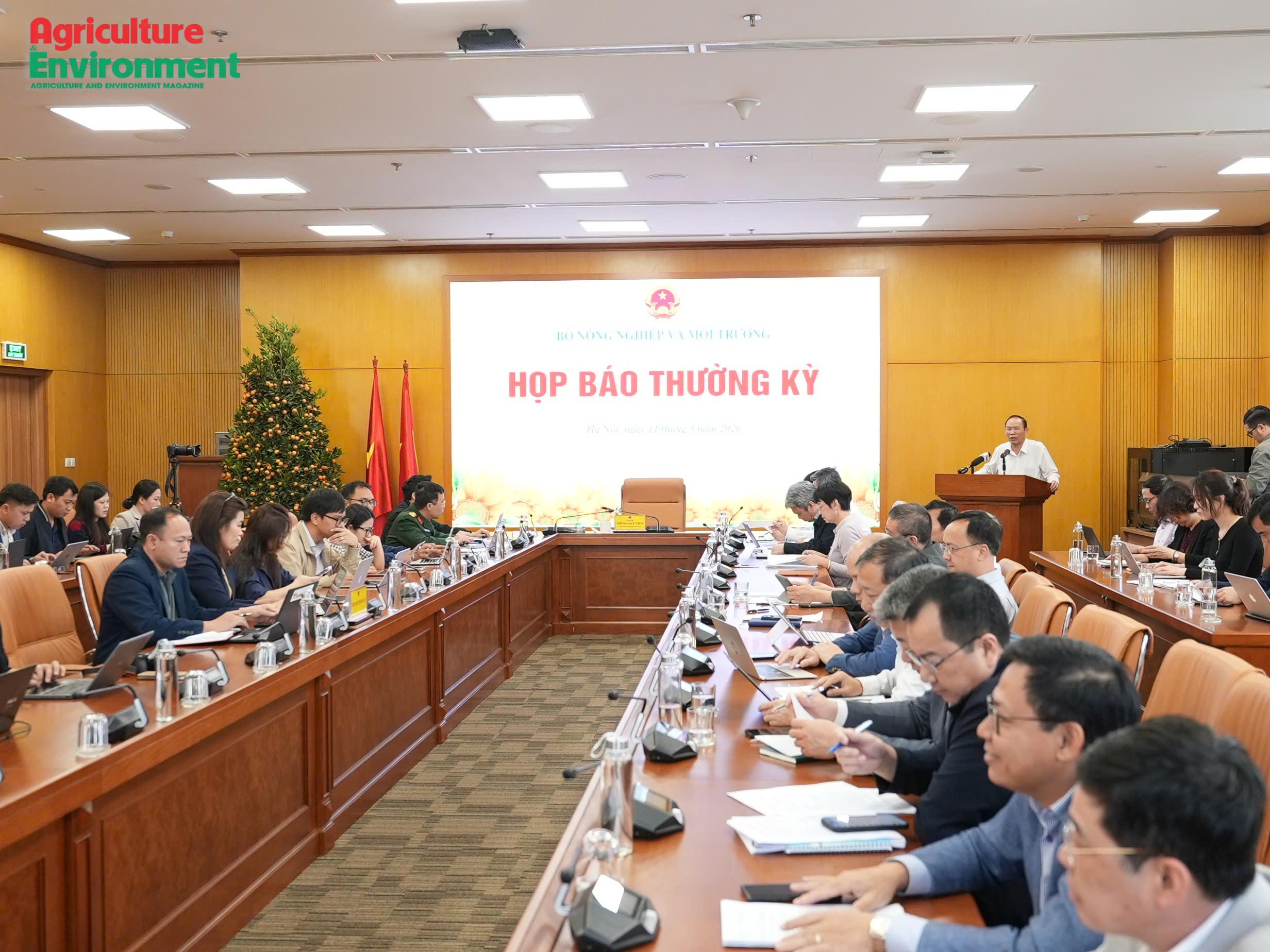
On March 11, the Ministry of Agriculture and Environment held a regular press briefing to provide updates on agricultural production in the early months of 2026, response measures to drought and saltwater intrusion during the dry season, and policy directions to ensure stable production and sustain sector growth amid multiple challenges.
Southern water supply largely secure; salinity intrusion largely under control
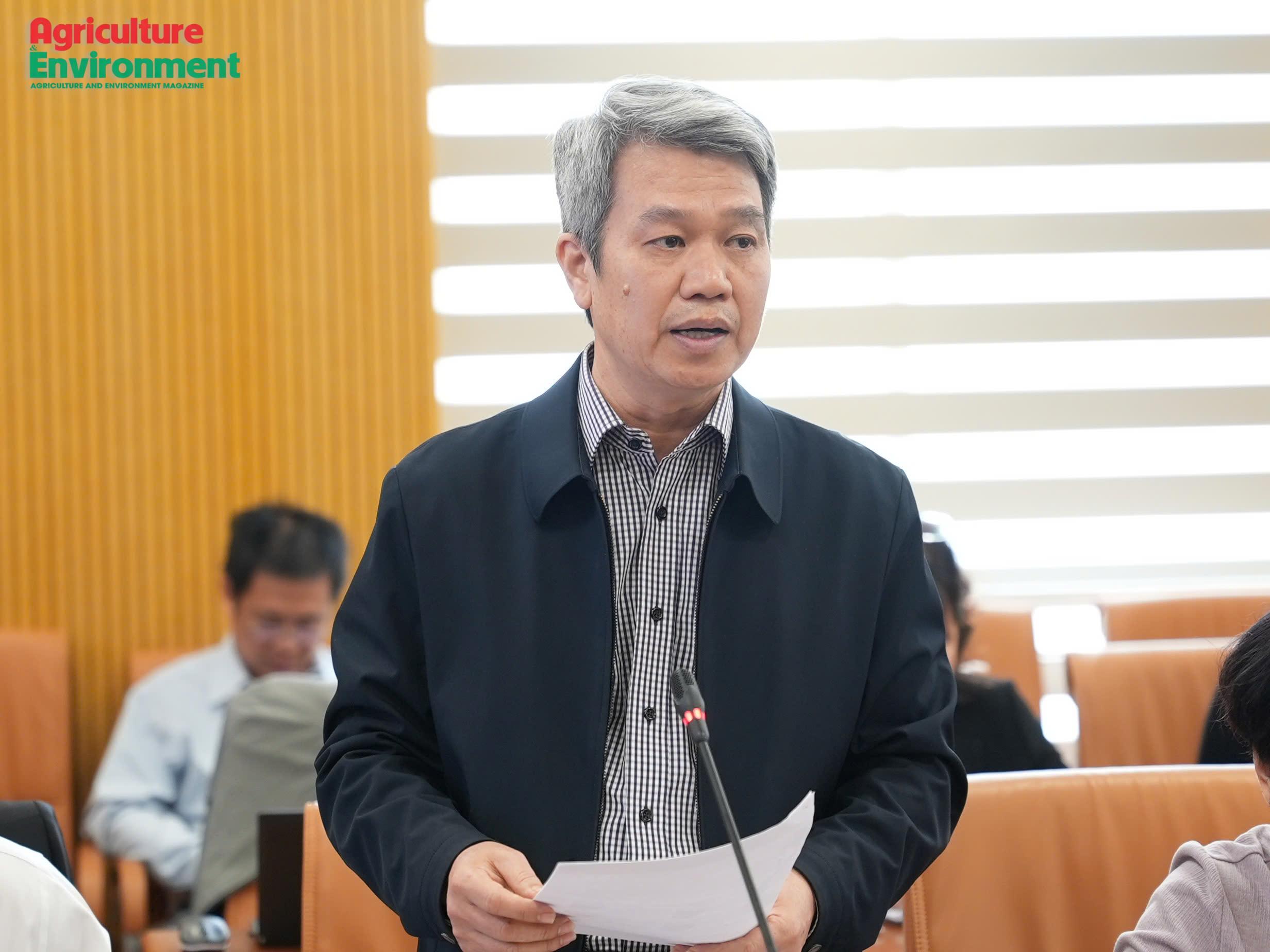
Deputy Director of the Department of Irrigation Works Management and Construction Nguyen Hong Khanh said that from now through the end of May 2026, the ENSO phenomenon is likely to transition to neutral conditions with a probability of 80–90%. Neutral conditions are expected to persist from June to August 2026, although the likelihood of a shift toward El Niño is projected to rise gradually to 35–45%.
Rainfall and river flows in the South Central Coast, Southeast, and Mekong Delta regions are forecast to remain around long-term averages. However, as the dry season intensifies, overall water availability is declining. Current storage levels in irrigation reservoirs and some hydropower reservoirs serving agriculture stand at about 70–80% of design capacity, generally ensuring sufficient water supply for production.
In the South Central Coast and Southeast regions, water resources are assessed as largely adequate to meet agricultural demand during the 2026 dry season. Risks of drought and water shortages are expected to occur mainly on a localized basis, particularly in small-scale irrigation systems or areas outside irrigation coverage. Critical periods include March–April 2026 in upland areas of the South Central Coast and Southeast, while coastal areas of the South Central Coast may face water shortages in July–August 2026.
In the Mekong Delta, saltwater intrusion has reached levels comparable to long-term averages and has at times affected water supplies for both production and daily use. From now until May 2026, upstream flows from the Mekong River into the delta are expected to continue declining. Peak salinity intrusion at the Mekong estuaries is forecast between March 19 and 23, with the 4 g/l salinity boundary penetrating 42–55 km inland. At the Vam Co and Cai Lon river estuaries, peak salinity events may occur during March 19–23, March 30–April 4, and April 18–21, with the 4 g/l salinity boundary reaching 65–70 km inland.
The Ministry of Agriculture and Environment said that investments in irrigation infrastructure in recent years have enabled the Mekong Delta to largely control saltwater intrusion, reducing the risk of widespread water shortages. However, dry-season water availability in the region remains heavily dependent on upstream Mekong flows, requiring close monitoring of fluctuations related to hydropower reservoir operations along the main stem of the river. Localized water shortages may still occur in downstream areas of Tay Ninh, Dong Thap, Vinh Long, and Ca Mau provinces, including irrigation systems such as Go Cong, Nam Mang Thit, Long Phu–Tiep Nhat, and Nhat Tao–Tan Tru.
To proactively respond to drought and saltwater intrusion in the 2026 dry season, the Prime Minister issued Official Dispatch No. 15/CD-TTg dated February 20, 2026, on response measures for salinity intrusion in the Mekong Delta and drought and forest fire risks in the South Central Coast and Southeast regions. In line with this directive, the Ministry issued Document No. 1643/BNNMT-TL dated February 23, 2026, organized a conference to implement the 2025–2026 Winter–Spring crop production plan in southern regions, and dispatched working groups to inspect and guide local authorities in implementing response measures.
Agriculture exports rise sharply, trade surplus nears $3.5 billion
Amid continued global economic uncertainty, particularly impacts from conflict in the Middle East, Deputy Minister of Agriculture and Environment Phung Duc Tien said that close direction from the Government and the Prime Minister, along with efforts by ministry units and local authorities, had helped the agricultural sector maintain positive results in early 2026. Key production sectors continued to record stable growth, supporting overall sector performance.
Livestock remained a bright spot, with the pig herd up 1.6% and poultry up 1.9% year-on-year. Crop production also showed positive signals, with an increase in rice planting area contributing to food security and export supply. The fisheries sector maintained steady growth, reflecting relatively balanced recovery across subsectors.
In the first two months of 2026, total export turnover of agriculture, forestry, and fishery products was estimated at $11.3 billion, up 17.1% year-on-year, according to Deputy Director of the Planning–Finance Department Tran Gia Long. Most key product groups recorded growth, with agricultural, forestry, and fishery exports continuing to play a central role.
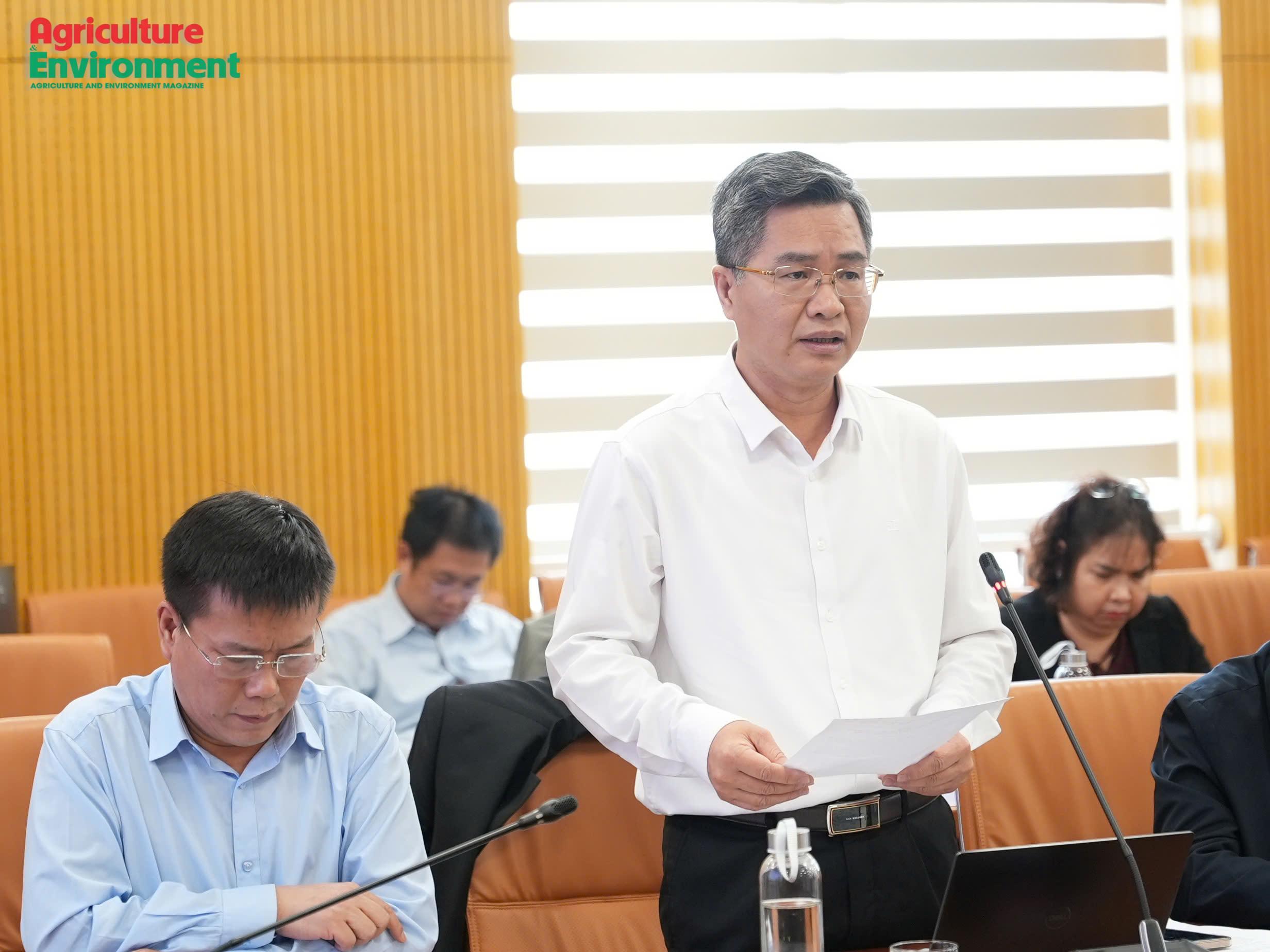
Imports were estimated at $7.81 billion, up 6.9% year-on-year, mainly serving demand for raw materials for production and processing. As a result of strong export growth, the sector posted a trade surplus of $3.49 billion in the first two months, up 48.5% from a year earlier.
Exports to major markets continued to grow, with Asia remaining the largest destination, followed by the Americas and Europe. Several markets recorded notable increases, helping sustain export momentum in early 2026.
By market, China, the United States, and Japan remained the three largest importers of Viet Nam’s agricultural, forestry, and fishery products. Exports to China saw particularly strong growth compared with the same period last year.
Domestically, prices of essential agricultural commodities were generally stable, with sufficient supply to meet consumer demand during the Lunar New Year (Tet) holiday.
Viet Nam seeks coordinated measures to sustain agricultural growth amid global uncertainty
Deputy Minister Phung Duc Tien said 2026 is expected to present more challenges than 2025, requiring coordinated solutions ranging from institutional reform and science and technology development to strengthened communications and proactive market adaptation. The sector aims to maintain growth while meeting nine key targets across agriculture, forestry, environment, exports, and rural water supply.
With global conditions expected to remain volatile, particularly due to military conflicts and market fluctuations, the agricultural sector has been tasked with implementing comprehensive measures to mitigate risks and ensure stable production and exports. Rising input costs, including fertilizers, pesticides, and fuel for production, processing, and transportation, may place additional pressure on production costs and supply chains.
In this context, the Prime Minister has instructed ministries, sectors, and localities to review key tasks for the first quarter and the full year of 2026, prioritize resources for urgent priorities, and develop contingency plans in case global supply chains are disrupted by escalating conflicts.
The sector will focus on implementing socio-economic development plans for 2026 and the 2026–2030 period, while accelerating institutional reform and legal reviews to address bottlenecks, improve the business environment, and mobilize resources for development. Administrative restructuring toward a leaner and more effective system, along with enhanced decentralization and accountability of heads of agencies, has also been identified as a priority.
In parallel, the sector will continue promoting digital transformation and the development of e-government and digital government in agriculture and environment. It will also develop response scenarios for natural disasters and disease outbreaks, ensure the safety of irrigation infrastructure and reservoirs, and effectively manage water discharge and water intake schedules for the 2025–2026 Winter–Spring crop.
Forest fire prevention and control, forest management, and sustainable forest development will be strengthened. At the same time, efforts will continue to restructure agricultural production toward green, ecological, and circular models, promote rural economic development linked to new-style rural development, and enhance value addition across value chains.
Institutional improvements in land policy, including the early issuance of decrees guiding the implementation of National Assembly Resolution No. 254/2025/QH15, are also seen as critical to addressing implementation challenges under the Land Law and supporting localities and businesses.
Authorities will continue strengthening inspection and control of agricultural product quality, food safety, and veterinary hygiene, while closely monitoring international market developments—particularly impacts from Middle East conflicts and U.S. tariff policies—to ensure timely responses that safeguard production stability, exports, and food security.
Viet Nam is working to expand low-emission rice production models to increase value and farmers’ incomes, while gradually creating conditions for the development of markets for low-emission rice and carbon credits.
The U.S. Food and Drug Administration's (FDA) decision to establish its first ASEAN regional office in Vietnam is expected not only to strengthen cooperation between the two countries' regulatory authorities but also to support the harmonization of food safety standards, improve supply chain oversight and facilitate agricultural trade as international market requirements become increasingly stringent.
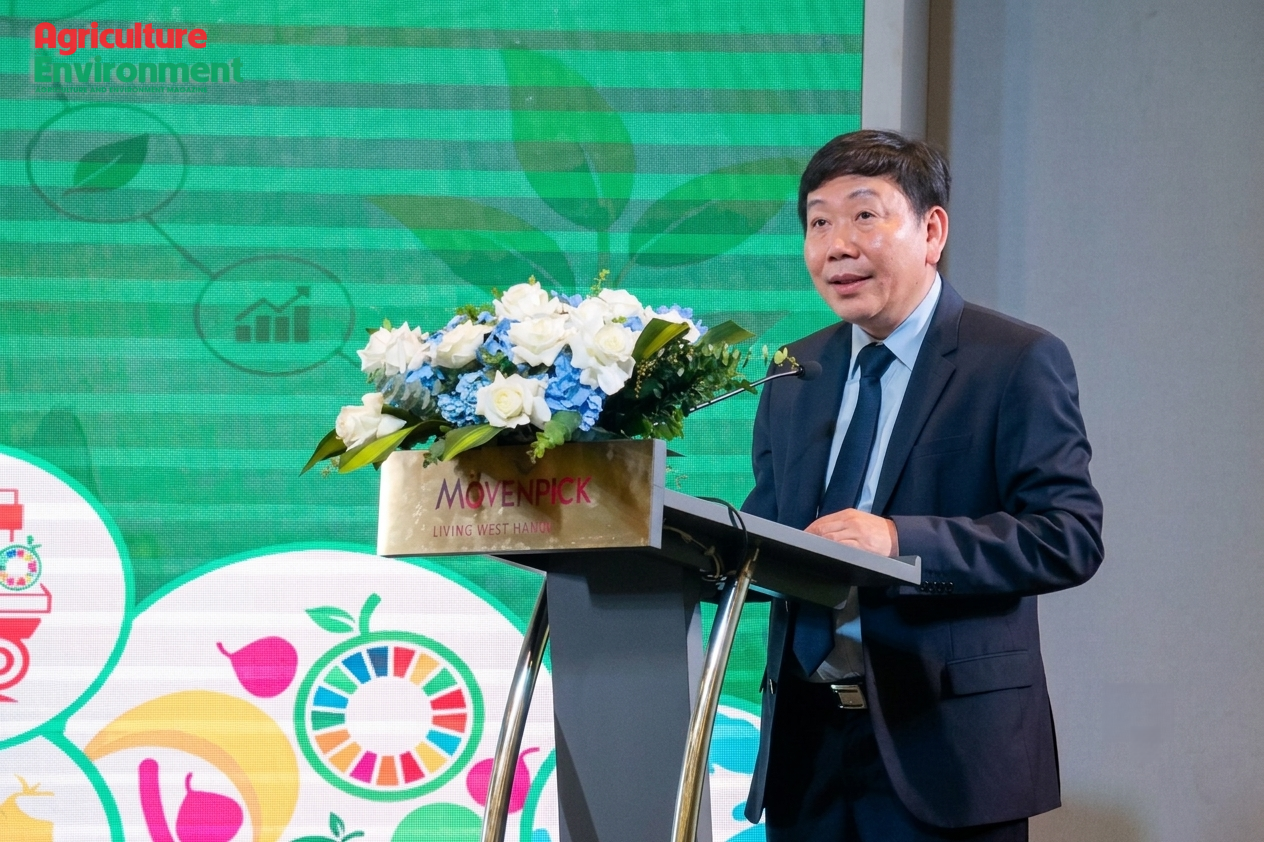
Ensuring food security, adapting to climate change and delivering on sustainable development commitments have become increasingly interconnected policy priorities for Viet Nam. Against this backdrop, food systems transformation is emerging as a key pillar of the country's long-term development agenda.
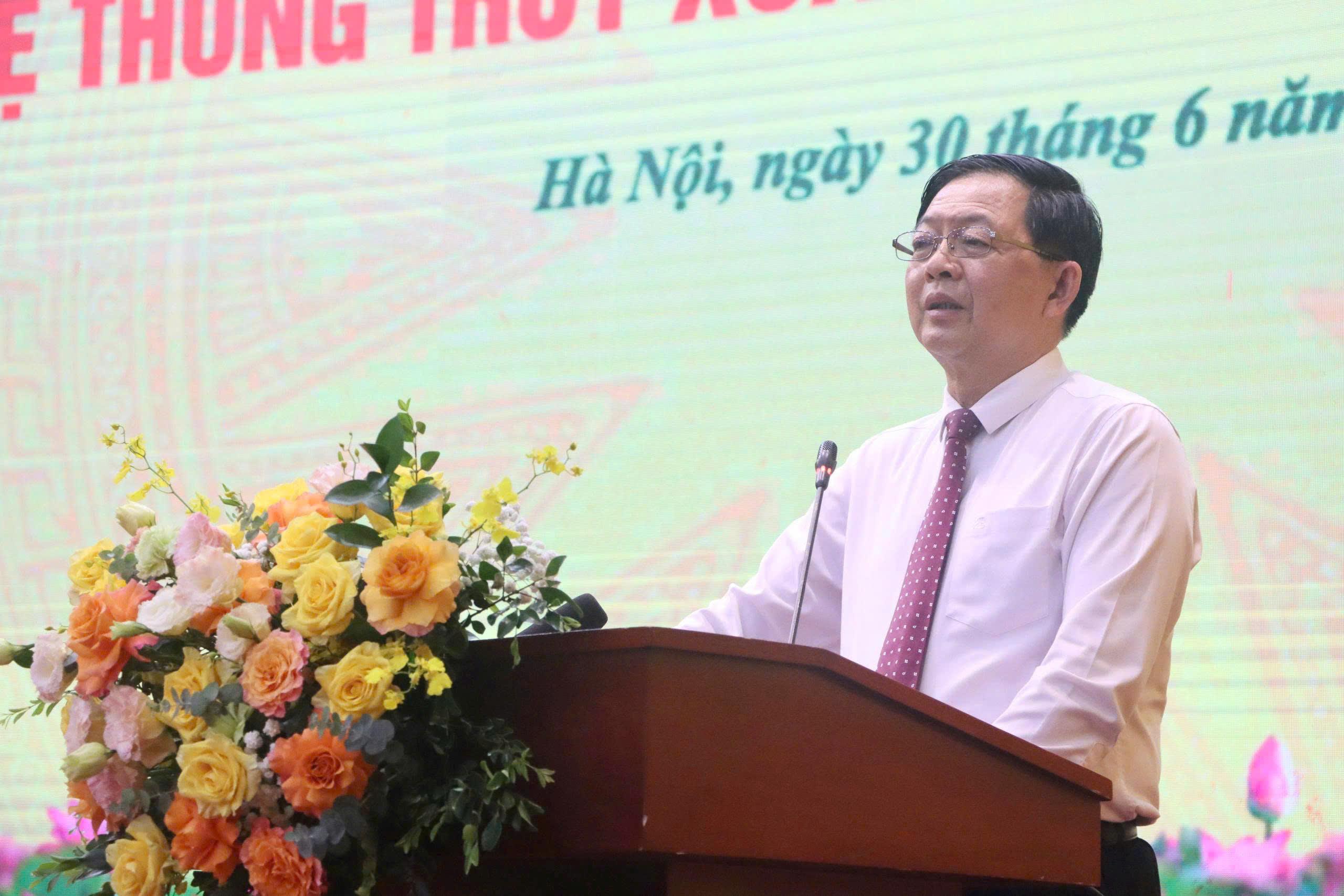
The launch of Viet Nam’s national agricultural product traceability system marks a new step in the digital transformation of the agriculture sector, supporting data-driven public administration, improving product quality management, and strengthening the competitiveness of Vietnamese agricultural products in global markets.
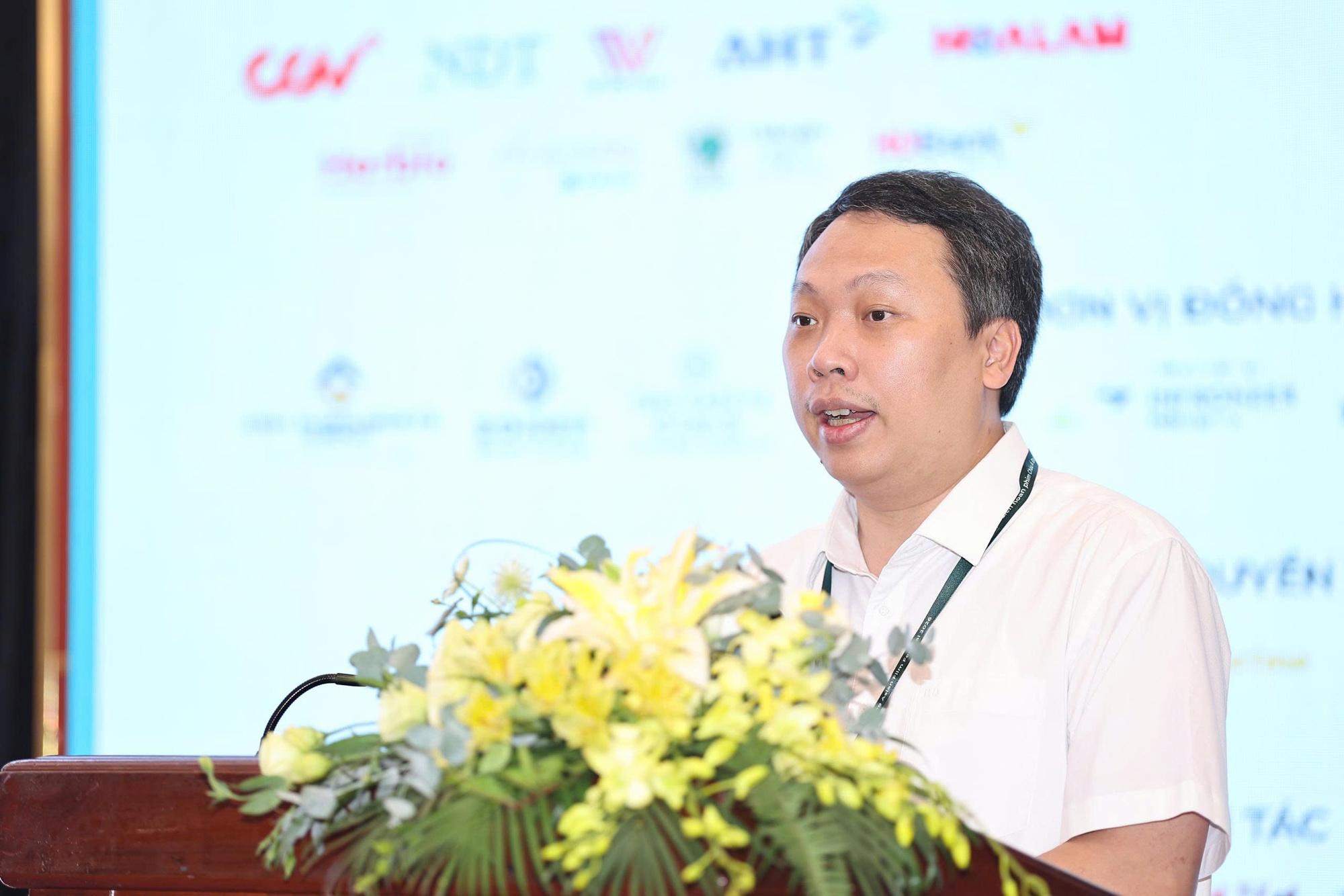
A conference titled “Artificial intelligence, digital technology and intellectual property protection in cinema” was held on June 30 in Da Nang as part of the 4th Da Nang Asian Film Festival (DANAFF IV).