



 On June 29, Viet Nam officially launched its domestic carbon exchange at the Hanoi Stock Exchange (HNX), marking a significant step in the country’s roadmap to establish a national carbon market. For the first time, greenhouse gas emission allowances and carbon credits are being traded on a centralized official platform, turning carbon—previously treated as a difficult-to-quantify environmental factor—into a tradable commodity with measurable economic value.
Beyond adding a market-based tool to support emissions reduction, the launch reflects a major shift in Vietnam’s policy approach, as emissions management increasingly relies on economic mechanisms rather than primarily administrative measures.
Carbon becomes a tradable asset
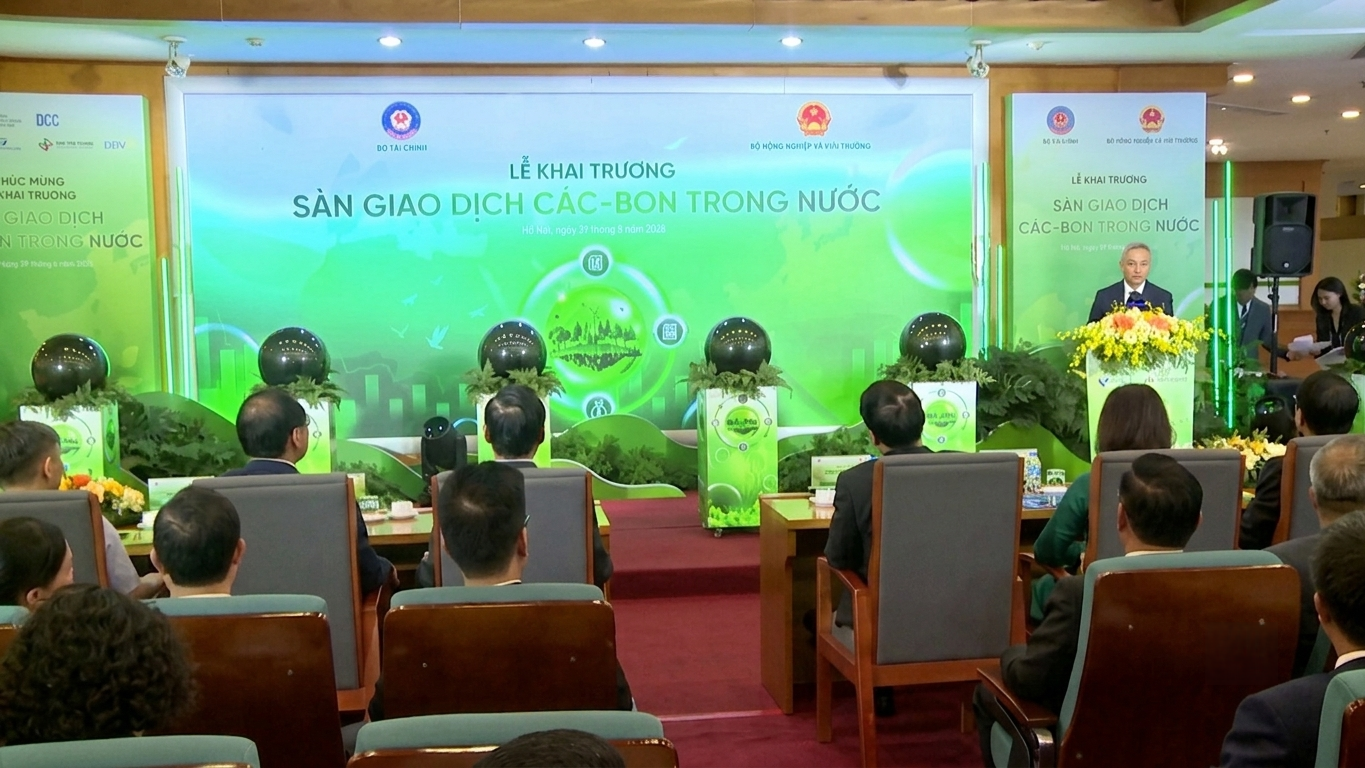
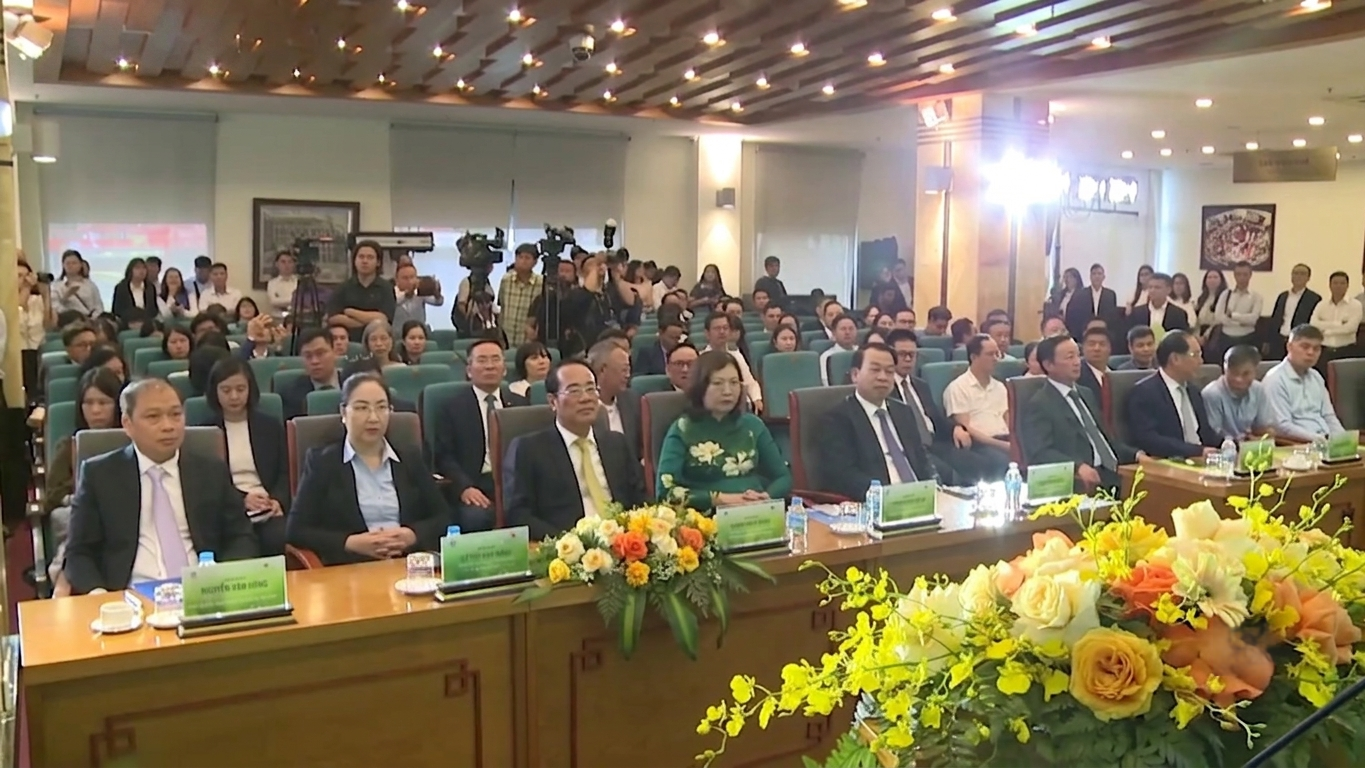
After months of preparation involving technological infrastructure, legal frameworks, and operational procedures, the domestic carbon exchange officially began operations on June 29 at HNX. The launch ceremony was jointly organized by the Ministry of Finance and the Ministry of Agriculture and Environment, with the participation of regulatory agencies, market operators, and financial institutions.
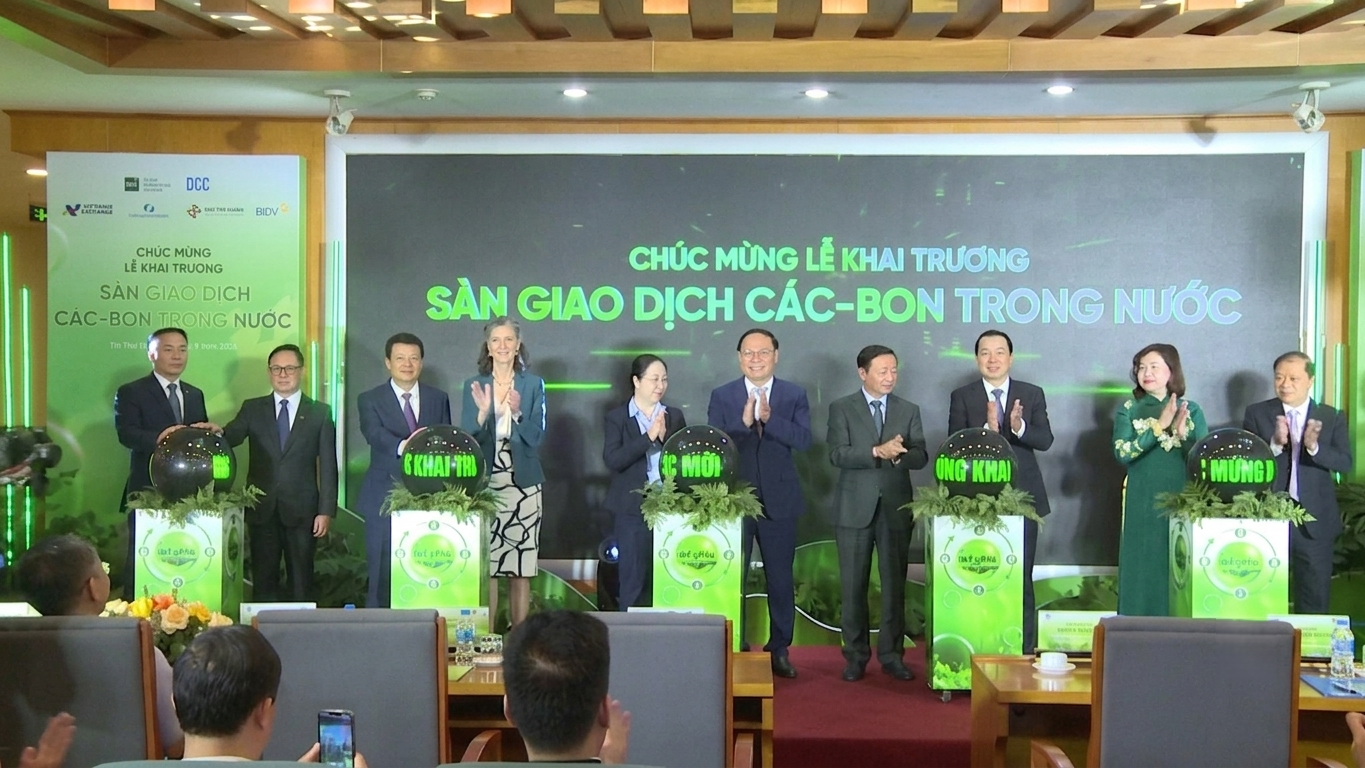
The exchange’s launch marks a major milestone in Viet Nam’s carbon market development, implementing the government’s roadmap under the national carbon market establishment and development scheme.
According to information released at the launch, the first emission allowance code listed for trading is VN2025. The current trading period runs from June 29, 2026, to December 24, 2027, with a total allocation of 511,473,846 emission allowance units. The minimum offering price was set at 135,000 VND per unit. During the first trading session, total transaction value exceeded 100 million VND.
The initial market structure includes six securities firms qualified to participate and more than 100 emissions-intensive facilities that have been allocated greenhouse gas emission allowances under the pilot phase.
Speaking at the launch ceremony, Nguyen Anh Phong, Chairman of HNX, said the exchange was established under the Prime Minister’s decision approving Viet Nam’s carbon market development plan. He said the platform is not merely a technical market mechanism but also a tool linking environmental responsibility with corporate economic interests.
Vu Thi Chan Phuong, Chairperson of the State Securities Commission of Viet Nam, said that after coordinated preparation by the Ministry of Finance, the Ministry of Agriculture and Environment, and related agencies, the legal framework, technological infrastructure, operational procedures, and coordination mechanisms had been largely completed, allowing the exchange to officially begin operations.
From the market operator’s perspective, Luong Hai Sinh, Chairman of the Members’ Council at the Viet Nam Exchange (VNX), described June 29 as an important milestone for both Viet Nam’s financial market and its carbon market, while emphasizing that it represents only the beginning of a longer development process.
Behind the official launch was months of preparation involving HNX, the Viet Nam Securities Depository and Clearing Corporation (VSDC), the Climate Change Department, and BIDV, which was selected as the settlement bank for exchange operations.
Throughout May and June 2026, these entities conducted repeated system testing, data reconciliation, and contingency planning to ensure stable connectivity among the national registry system, the trading system, and the custody and settlement infrastructure.
The launch is significant not simply because Viet Nam has added another trading platform, but because it establishes a market price for carbon.
Under the current framework, two types of products are traded on the exchange: greenhouse gas emission allowances and carbon credits.
Emission allowances refer to the volume of emissions that the government permits a facility to release within a specified limit. In practical terms, they function as pre-allocated emission rights for businesses.
For example, a cement plant may receive an annual emission allowance of 100,000 tons of CO₂ equivalent. If the company upgrades its technology and switches to cleaner fuel, reducing emissions to 90,000 tons, the remaining 10,000 tons become a tradable asset on the exchange. Conversely, a company exceeding its emissions limit must purchase additional allowances or use carbon credits to offset excess emissions.
Carbon credits, meanwhile, are issued from projects that deliver verified emission reductions or carbon removals beyond a baseline scenario. A forest restoration or afforestation project that is verified to absorb an additional 50,000 tons of CO₂ may be issued an equivalent number of carbon credits for market trading.
This mechanism represents a fundamental change in Viet Nam’s emissions reduction framework. Previously, businesses were primarily pressured to reduce emissions through regulatory compliance requirements. Now, economic incentives have formally entered the system to influence market behavior.
This also means carbon is no longer an invisible environmental cost outside production accounting. With the exchange now operational, emissions carry a market price, and that price will increasingly influence investment decisions, technology choices, and business competitiveness in Viet Nam’s emerging green economy.
Trading infrastructure ready for market operations
To turn the carbon exchange from policy into a functioning market, Viet Nam had to simultaneously complete three core components: a legal framework, technological infrastructure, and settlement mechanisms.
Under the current model, carbon trading is conducted through HNX, while custody and settlement services are handled by VSDC. Data on greenhouse gas emission allowances and carbon credits are centrally managed through the National Registry System for Greenhouse Gas Emission Allowances and Carbon Credits, overseen by the Ministry of Agriculture and Environment.
Using the stock market’s existing infrastructure is considered the most practical option for the initial phase. Rather than building a completely new system, Viet Nam has leveraged trading infrastructure with an established track record in transaction processing, security, and operational reliability.
The main challenge, however, lies not in the individual systems but in synchronizing systems designed for different regulatory purposes.
One side manages environmental data, emissions inventories, and carbon credit verification; the other operates a financial trading system requiring speed, precision, and secure settlement.
In the months leading up to the launch, agencies under the Ministry of Finance and the Ministry of Agriculture and Environment worked closely with the State Securities Commission, VNX, HNX, and VSDC to test systems, reconcile data, and develop incident response procedures.
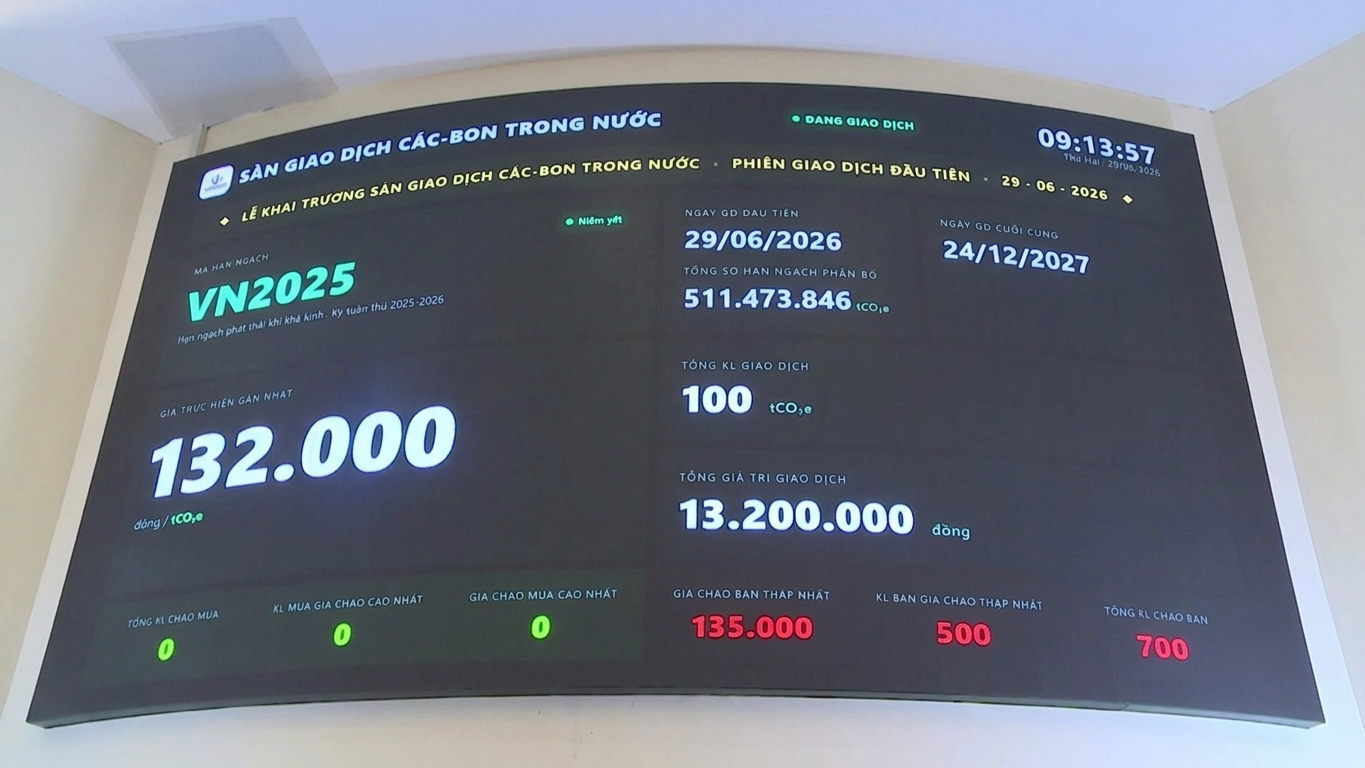
According to the State Securities Commission, both internal and market-wide testing were conducted in May and June 2026 with relevant participants. The results showed stable connectivity among the national registry, trading, and settlement systems, while operational procedures and data exchange mechanisms met practical requirements.
Another key component is settlement. Under Decree No. 29/2026/ND-CP, BIDV was selected as the settlement bank for the exchange, meeting financial, technical, and operational requirements.
On June 22, representatives from the Climate Change Department, VNX, HNX, VSDC, and BIDV signed a cooperation agreement to standardize data exchange, reconciliation, and incident response procedures during operations.
To encourage participation in this new market, the government has waived transaction fees for businesses participating in the pilot phase through the end of 2028.
The policy is expected to reduce entry costs and encourage businesses to participate from the early stages.
The completion of core operational infrastructure indicates that Vietnam’s carbon exchange has moved beyond conceptual preparation and entered a more critical stage: proving the market can function effectively in practice.
Still, infrastructure alone is not enough. A truly effective carbon market will depend on liquidity, participation levels, and, most importantly, the emergence of price signals that accurately reflect the cost of emissions.
Carbon market faces early pricing challenges
The launch of the carbon exchange is expected to significantly affect high-emissions sectors such as thermal power, cement, and steel production, which are among the first industries subject to emission allowance allocation.
For companies in these sectors, carbon emissions are no longer solely an environmental compliance issue. They are increasingly becoming a financial variable directly affecting production costs. High-emitting businesses now face a choice: continue operating with existing technology and pay for additional allowances, or invest in cleaner technologies to reduce emissions at the source.
Experts say this mechanism could create stronger pressure for technological upgrading than administrative measures alone.
More broadly, the impact of the carbon market extends beyond domestic emissions reduction. It is increasingly tied to the international competitiveness of Vietnamese exports.
As global supply chains place greater emphasis on carbon traceability, emissions performance is becoming a new commercial benchmark. For an export-driven economy like Viet Nam, the ability to manage emissions is becoming closely linked to maintaining competitive advantage.
At the same time, Viet Nam is considered well-positioned to become a major supplier of carbon credits in the region.
A clear example came in 2023, when Viet Nam successfully transferred 10.3 million forest carbon credits in the North Central region to the World Bank, generating 51.5 million USD in revenue. The transaction demonstrated that carbon credits have moved beyond theoretical discussion and are already creating tangible economic value.
In forestry, Viet Nam has strong foundations for developing forest carbon credits, with 14.79 million hectares of forest and forest coverage exceeding 42%. Additional potential lies in low-carbon agriculture, marine ecosystems, and circular production models.
Agriculture, in particular, offers significant opportunities. Rice cultivation is a major source of methane emissions, but Viet Nam’s transition toward low-emission production—especially through alternate wetting and drying irrigation techniques under the "One million hectares of high-quality, low-emission rice cultivation program"—is demonstrating clear emissions reduction potential.
According to some estimates, Viet Nam could generate around 103 million carbon credits by 2050 from forests, marine ecosystems, and low-carbon agriculture. Even so, market activity is unlikely to accelerate immediately.
Experts say that during the pilot phase, carbon credit supply may exceed actual demand, limiting liquidity and keeping carbon prices relatively low in the short term. As a result, early-stage prices may not fully reflect carbon’s true economic value.
This means the success of the carbon exchange should not be measured by transaction volume in its first trading sessions. Instead, success will depend on whether the market gradually develops a transparent and credible pricing mechanism capable of influencing corporate emissions behavior.
Following the launch on June 29, Viet Nam’s carbon market has officially begun operations. However, significant challenges remain. Transforming a newly launched exchange into a liquid, efficient carbon market connected to international markets will require time, operational experience, and broader business participation.

On the evening of March 23rd, after a one-hour lights-out initiative in support of Earth Hour 2024 (from 8:30 pm to 9:30 pm), a total of 428,000 kWh of electricity was saved nationwide, equivalent to nearly 859 million VND.
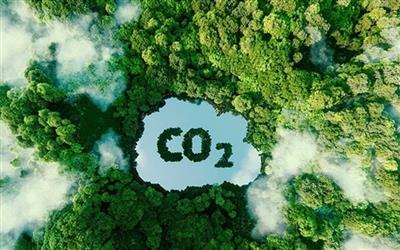
On March 21st, the World Bank (WB) informed that Vietnam received $51.5 million for successfully reducing 10.3 million tons of carbon emissions.

On March 15, 2023, the National Assembly Standing Committee convened and provided feedback on the draft Water Resources Law amendment during its 21st session, as indicated in Announcement No. 2127/TB-TTKQH.

Vietnam recognizes that achieving fast and sustainable economic growth while protecting the environment is an essential direction. This was the consensus among experts at the 2023 Green Economy Forum, themed "Net Zero - The Path to Sustainable Development," organized by Saigon Economic Times in collaboration with several organizations on August 18, 2023, in Ho Chi Minh City.
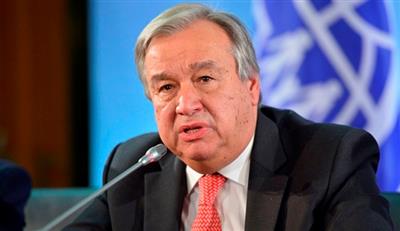
On December 14, 2022, the UN General Assembly officially recognized the importance of zero waste initiatives and declared March 30 as International Zero Waste Day, which will be celebrated starting in 2023.