



 Viet Nam is gradually advancing blue carbon initiatives to strengthen the conservation of coastal and marine ecosystems, address climate change, and support its commitment to achieving net-zero emissions by 2050. In this context, the Vietnam National Blue Carbon Action Partnership (NBCAP) Implementation Plan and the Operating Regulations of the NBCAP Vietnam Working Group have been developed to provide a foundation for intersectoral coordination, resource mobilization, and stakeholder engagement.
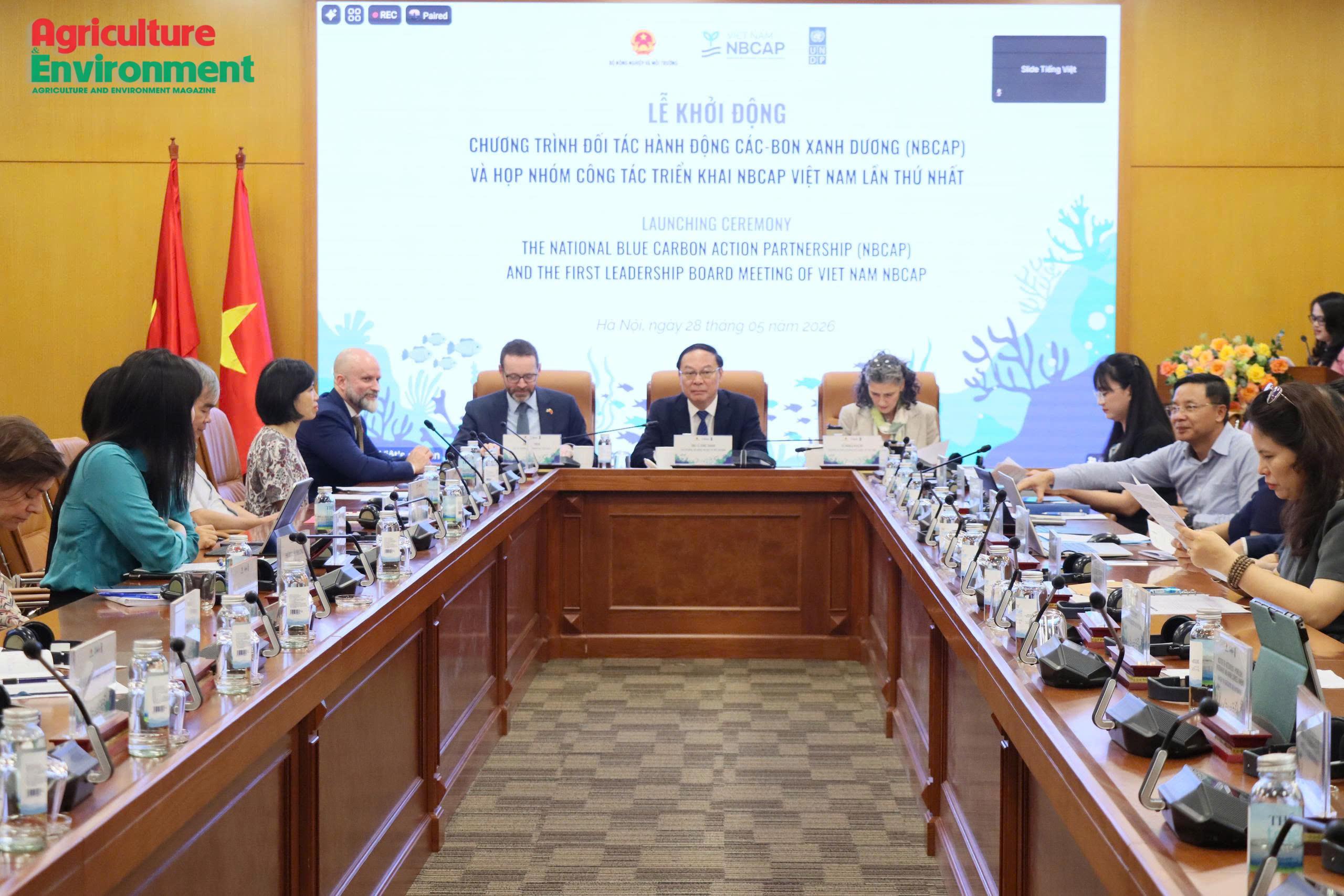
On May 28 in Hanoi, the Ministry of Agriculture and Environment, in collaboration with the United Nations Development Programme (UNDP), the British Embassy, and the World Economic Forum (WEF), launched the National Blue Carbon Action Partnership (NBCAP) and convened the first meeting of the NBCAP Vietnam Working Group.
Mobilizing resources to protect blue carbon ecosystems
Opening the event, Deputy Minister Le Cong Thanh highlighted the growing impacts of sea-level rise, saltwater intrusion, coastal erosion, marine biodiversity loss, and extreme weather events. These challenges, he said, not only affect natural ecosystems but also directly threaten food security, water security, and the sustainable development of coastal nations.
Against this backdrop, blue carbon ecosystems—including mangrove forests, seagrass meadows, and coastal wetlands—are increasingly recognized by the international community as among the most effective nature-based solutions to climate change. These ecosystems not only absorb and store carbon but also protect coastlines, reduce disaster risks, and sustain local livelihoods.
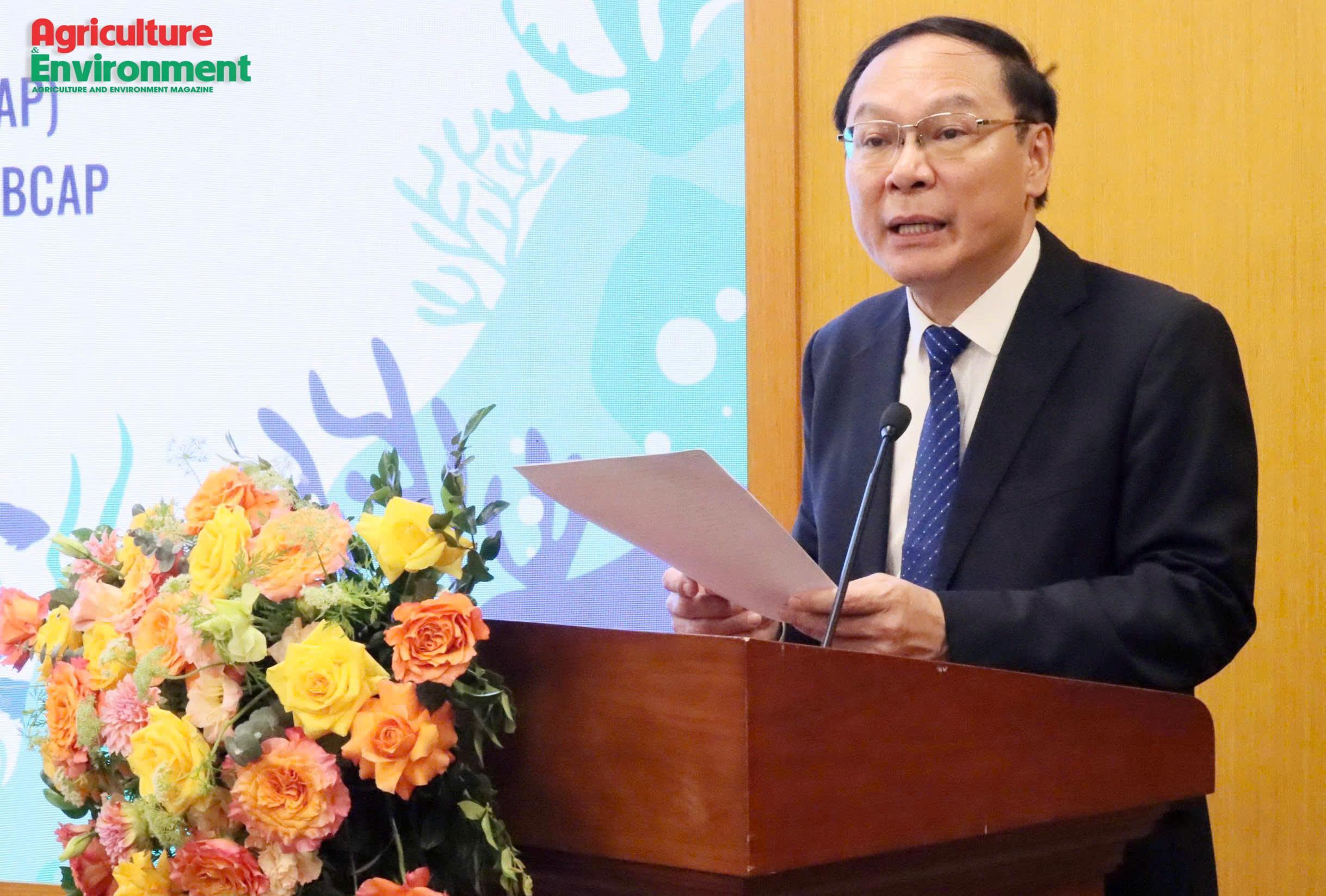
For Viet Nam, with more than 3,260 kilometers (2,026 miles) of coastline, protecting and restoring blue carbon ecosystems is not only an environmental imperative but also a strategic priority for sustainable marine economic development, climate resilience, and the fulfillment of international emissions-reduction commitments.
In recent years, Viet Nam has implemented a range of policies, programs, and initiatives related to marine conservation, mangrove restoration, green economic development, and low-carbon growth. However, Deputy Minister Le Cong Thanh noted that existing efforts still require stronger coordination among ministries, sectors, local authorities, the scientific community, the private sector, and international development partners.
To address this need, Vietnam's National Plastic Action Partnership (NPAP) has served as a multi-stakeholder platform for strengthening policy coordination, mobilizing resources, and promoting collective action on blue carbon issues. The initiative is expected to provide a practical framework for coordinating stakeholder initiatives and responsibilities in the management of marine and coastal ecosystems.
Looking ahead, Deputy Minister Le Cong Thanh called on the working group to focus on three key priorities. First, it should serve as a central coordination platform for blue carbon initiatives in Vietnam, fostering cooperation among ministries, sectors, local authorities, and development partners.
Second, the group should support research and policy development aimed at protecting, restoring, and expanding blue carbon ecosystems while promoting the integration of blue carbon considerations into national strategies, plans, and development programs.
A third priority is to mobilize green finance, strengthen public-private partnerships, and improve access to climate finance mechanisms, carbon market mechanisms, and sustainable investment. The group should also facilitate knowledge exchange, data sharing, international cooperation, and innovation in marine and coastal resource management, while encouraging participation from local communities, businesses, and civil society organizations to ensure balanced environmental, economic, and social outcomes.
Deputy Minister Le Cong Thanh also commended the support of UNDP, the Government of the United Kingdom, the World Economic Forum, and other international organizations and development partners in advancing the NPAP Vietnam initiative.
According to the Ministry of Agriculture and Environment, the inaugural meeting of the working group marked not only the launch of a new cooperation mechanism but also an opportunity to strengthen intersectoral coordination, mobilize international resources, and promote wider adoption of nature-based solutions for climate change adaptation and mitigation in Viet Nam.
Blue carbon development requires cross-sector coordination and long-term investment
Ramla Khalidi, UNDP Resident Representative in Viet Nam, said blue carbon has emerged as an issue of growing global interest. However, most countries, including Viet Nam, remain at an early stage in developing governance arrangements, operational mechanisms, and investment mobilization strategies for blue carbon development.
She said the greatest challenge lies not in recognizing blue carbon’s potential, but in translating concepts into practical actions on the ground and establishing effective cooperation among governments, communities, businesses, and development organizations.
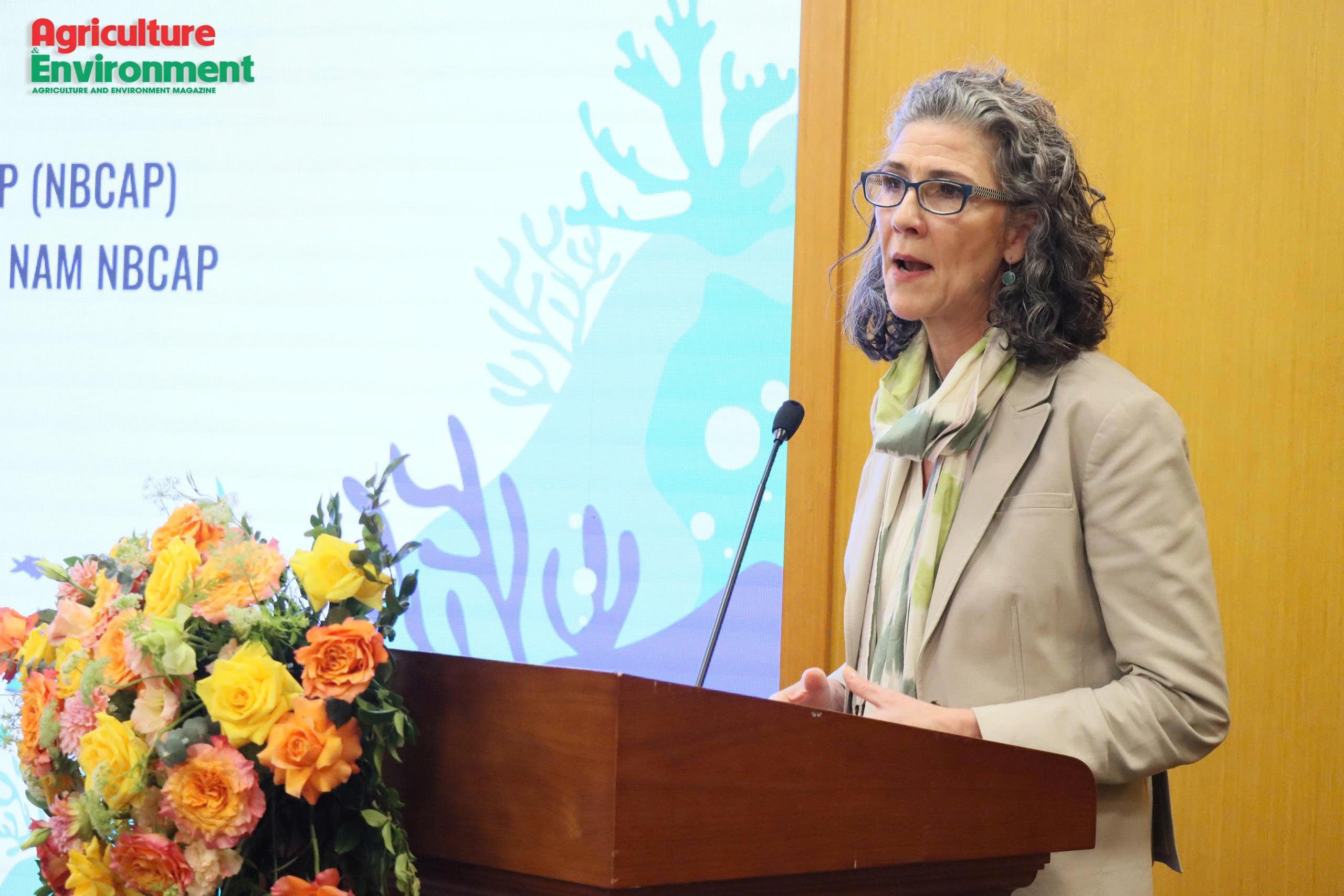
Citing Viet Nam’s coastal mangrove ecosystems, Ramla Khalidi noted that the value of blue carbon extends well beyond emissions reduction. For local communities, mangrove forests serve as natural nurseries for fisheries and support livelihoods. For local authorities, they function as living barriers that help protect communities from natural disasters. For the private sector, they represent verifiable carbon sinks. For Viet Nam, they are an important component of the country’s pathway toward net-zero emissions.
According to Khalidi, the intersection of climate action, forestry, fisheries, marine conservation, coastal planning, and finance makes blue carbon an inherently cross-sector issue requiring a multi-stakeholder approach. This is why NBCAP has been designed as a dedicated platform where government agencies, researchers, businesses, communities, and development organizations can work together to address policy, data, financing, and implementation challenges.
She noted that local communities cannot be expected to protect mangrove forests if their livelihoods are overlooked. Likewise, local governments face difficulties in managing coastal areas effectively without adequate resources and coordination mechanisms, while private-sector investment will remain limited without clear policies, reliable data, and long-term commitments.
Drawing on its cooperation with Vietnam in coastal resilience, sustainable ocean governance, marine spatial planning, and nature-based solutions, UNDP believes the success of blue carbon initiatives will depend on the establishment of meaningful partnerships among the Government, academia, civil society organizations, and the private sector.
UNDP currently serves as coordinator of the NBCAP Secretariat, supporting policy engagement, technical assistance, and multi-stakeholder partnerships. According to Khalidi, cooperation with the World Economic Forum and the UK Government through initiatives such as NBCAP and NPAP is helping Vietnam pilot collaborative governance models for complex sustainability transitions.
Looking ahead, Khalidi said Vietnam has an opportunity to develop a blue carbon model tailored to its coastal ecosystems, governance framework, and development priorities. Such a model could play an important role in advancing sustainable development, strengthening climate resilience, and supporting long-term green growth.
NBCAP sets out national action and financing roadmap
According to the implementation plan, NBCAP Viet Nam is based on a range of legal and international cooperation frameworks, including the Letter of Intent between the Ministry of Agriculture and Environment and the World Economic Forum, Decision No. 1706/QD-BNNMT dated May 12, 2026, establishing the NBCAP Vietnam Working Group, and national strategies related to climate change, sustainable marine economic development, and biodiversity.
The program aims to establish and operate NBCAP Viet Nam as a multi-stakeholder platform for conserving and restoring coastal and marine ecosystems, developing blue carbon initiatives, and mobilizing domestic and international resources. It also seeks to produce a national blue carbon assessment report, an action roadmap, and a financing roadmap for the sector.
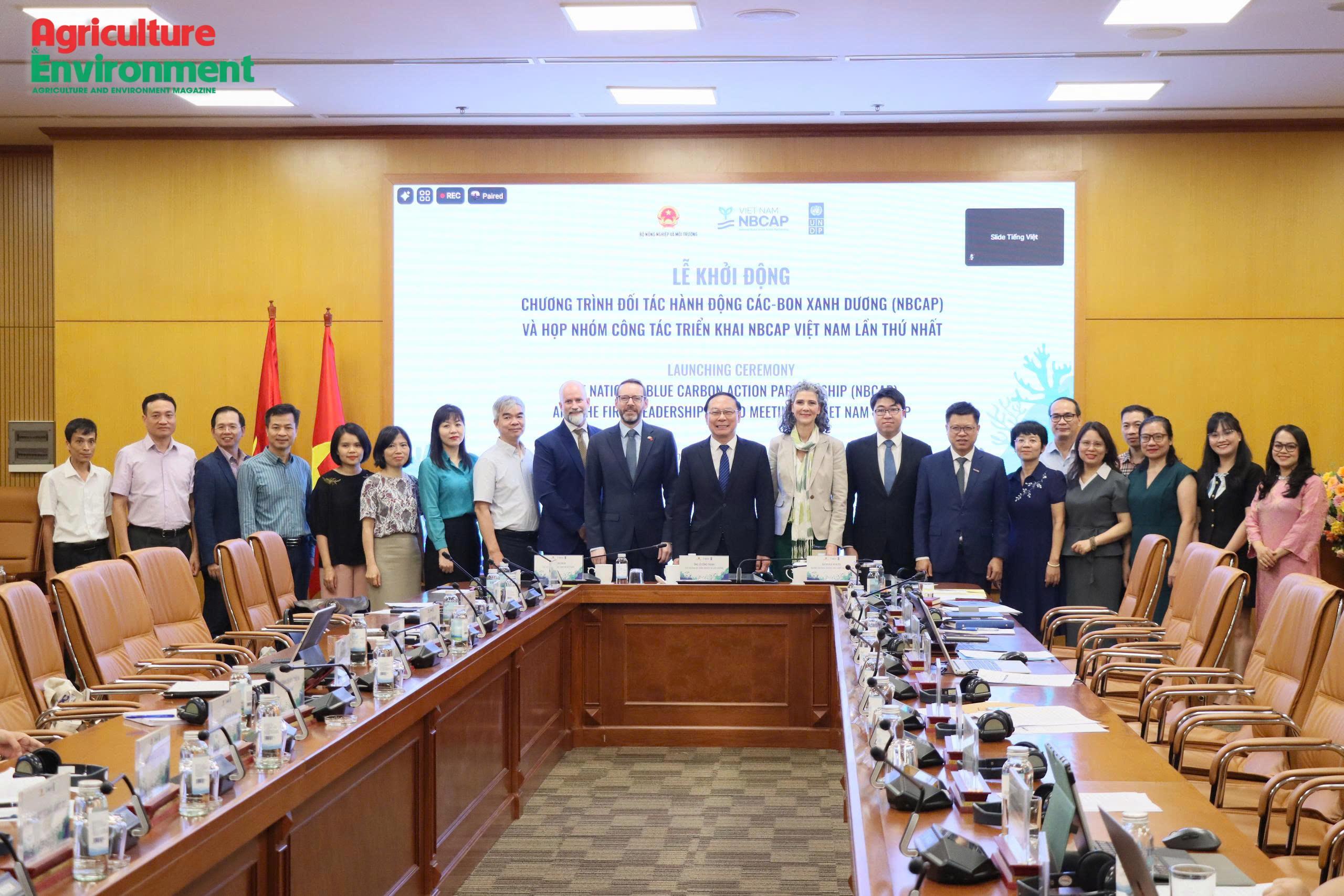
Key activities identified in the plan include data review and consolidation, assessment of carbon sequestration and storage potential in blue carbon ecosystems, and the development of databases and distribution maps. Other priorities include policy recommendations, integration of blue carbon into national strategies, resource mobilization, and promotion of multi-stakeholder cooperation models.
NBCAP Vietnam’s first-year work plan is divided into several phases. During 2026, the program is expected to establish coordination mechanisms, complete the national blue carbon status assessment, develop a national action roadmap, establish technical working groups, and organize policy dialogues, conferences, and technical workshops.
Communication activities and partnership development will also be prioritized, with the participation of ministries, government agencies, local authorities, businesses, international organizations, civil society groups, and research institutions.
The operating regulations of the NBCAP Vietnam Working Group emphasize that multi-stakeholder coordination is fundamental to the effective implementation of blue carbon activities. The regulations aim to establish an intersectoral coordination framework linking government agencies, the private sector, international organizations, and research institutions to promote coordinated action and enhance the sharing of information, resources, and initiatives.
The working group will operate under a multi-stakeholder structure comprising representatives from government ministries and agencies, international organizations, financial institutions, businesses, and other relevant partners. The Department of International Cooperation under the Ministry of Agriculture and Environment will serve as the standing agency, while UNDP Vietnam will act as the Secretariat.
Under the regulations, the working group will focus on four key areas: policy development and recommendations; resource mobilization and financial connectivity; promotion of public-private and multi-stakeholder partnerships; and monitoring and support for blue carbon initiatives.
The implementation plan also envisions the establishment of a long-term national cooperation platform on blue carbon, strengthening coordination among stakeholders and enhancing resource mobilization to support sustainable development goals, marine ecosystem conservation, and climate change response efforts in Viet Nam.
Viet Nam is working to expand low-emission rice production models to increase value and farmers’ incomes, while gradually creating conditions for the development of markets for low-emission rice and carbon credits.
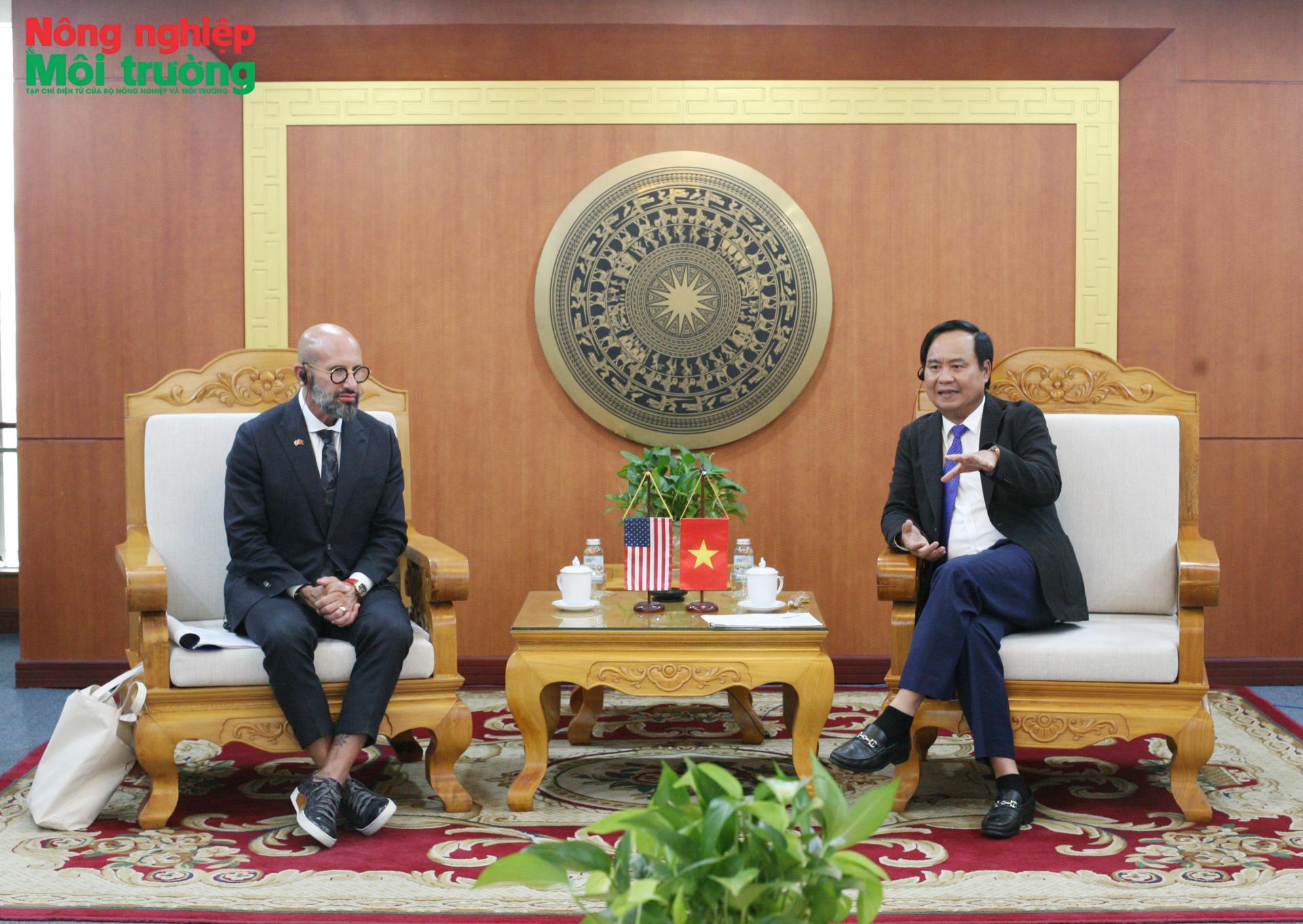
The U.S. Food and Drug Administration's (FDA) decision to establish its first ASEAN regional office in Vietnam is expected not only to strengthen cooperation between the two countries' regulatory authorities but also to support the harmonization of food safety standards, improve supply chain oversight and facilitate agricultural trade as international market requirements become increasingly stringent.
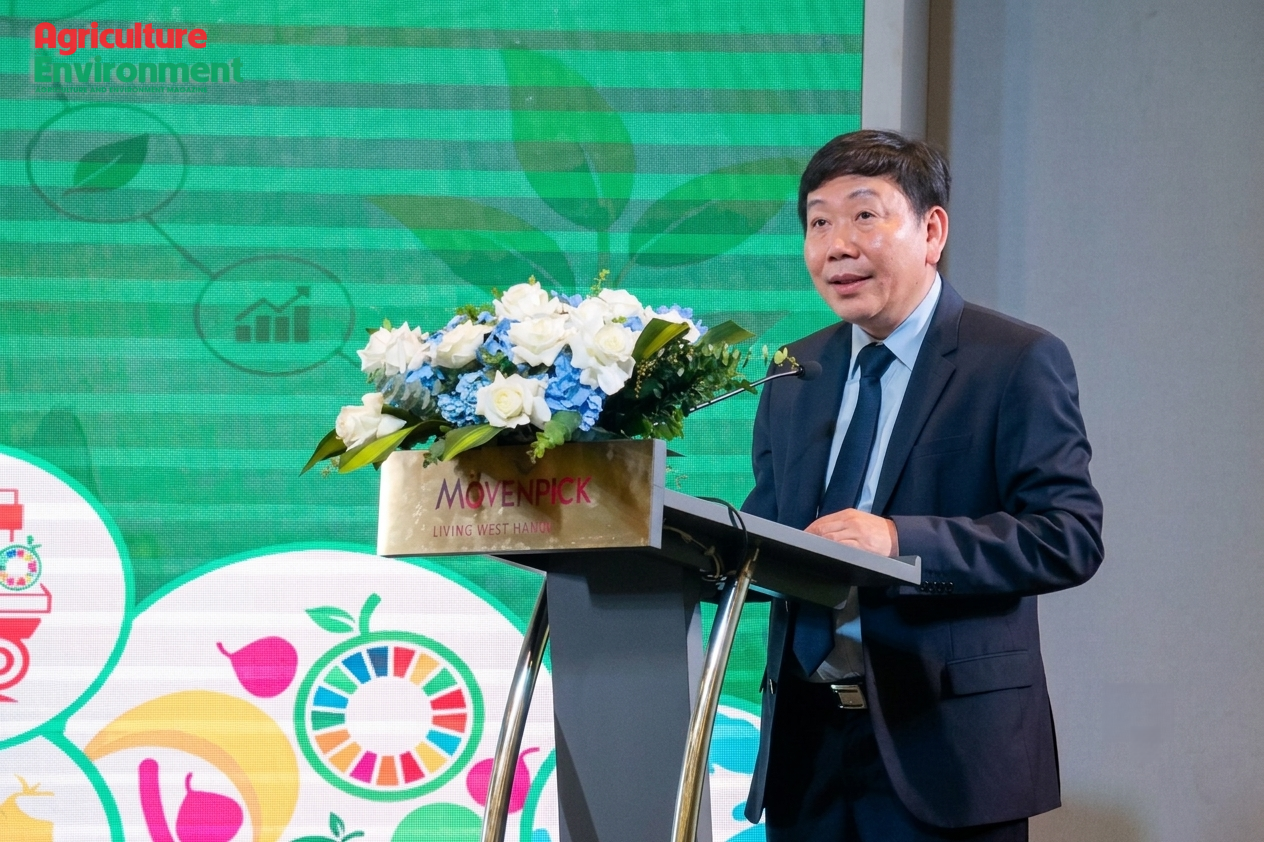
Ensuring food security, adapting to climate change and delivering on sustainable development commitments have become increasingly interconnected policy priorities for Viet Nam. Against this backdrop, food systems transformation is emerging as a key pillar of the country's long-term development agenda.
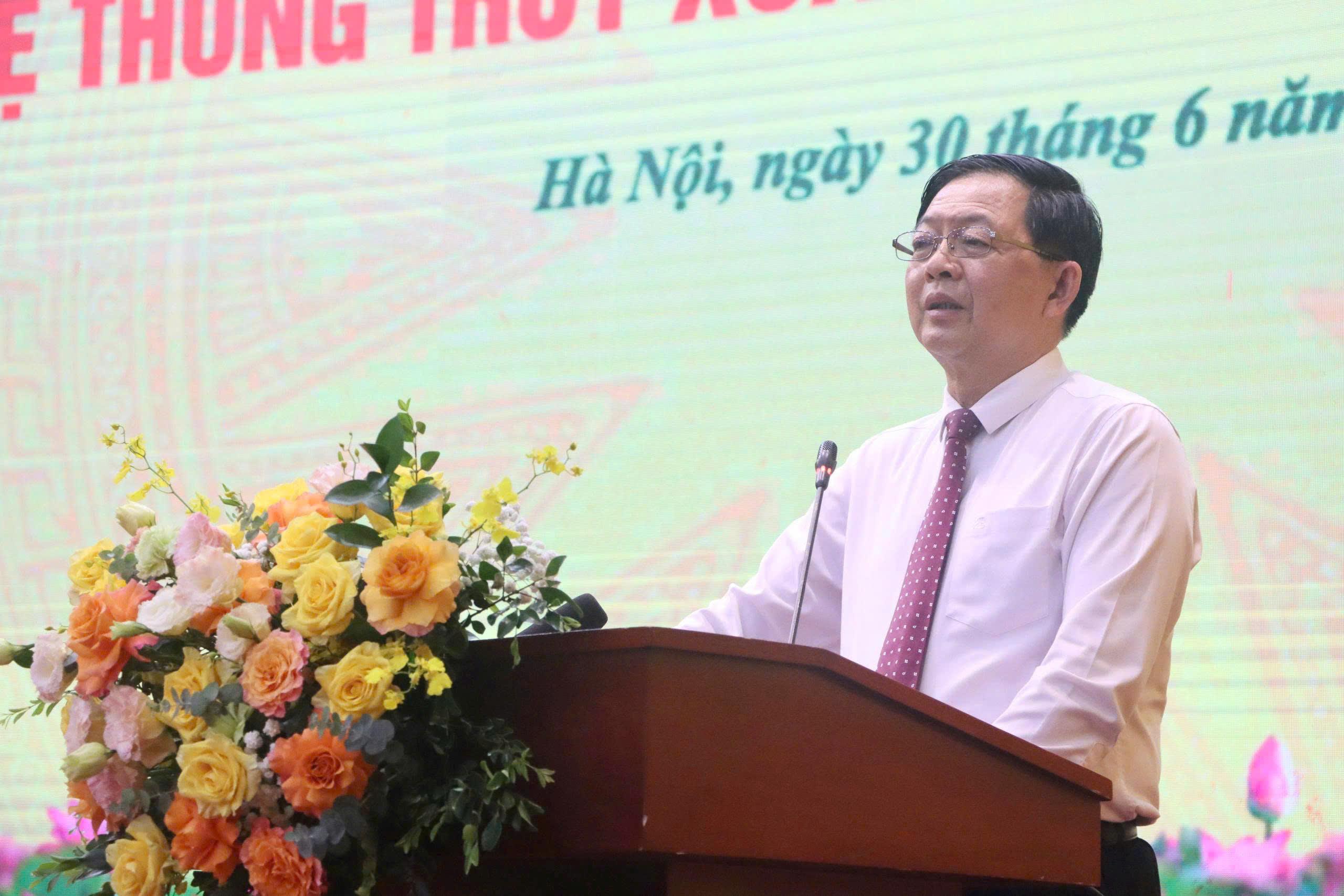
The launch of Viet Nam’s national agricultural product traceability system marks a new step in the digital transformation of the agriculture sector, supporting data-driven public administration, improving product quality management, and strengthening the competitiveness of Vietnamese agricultural products in global markets.
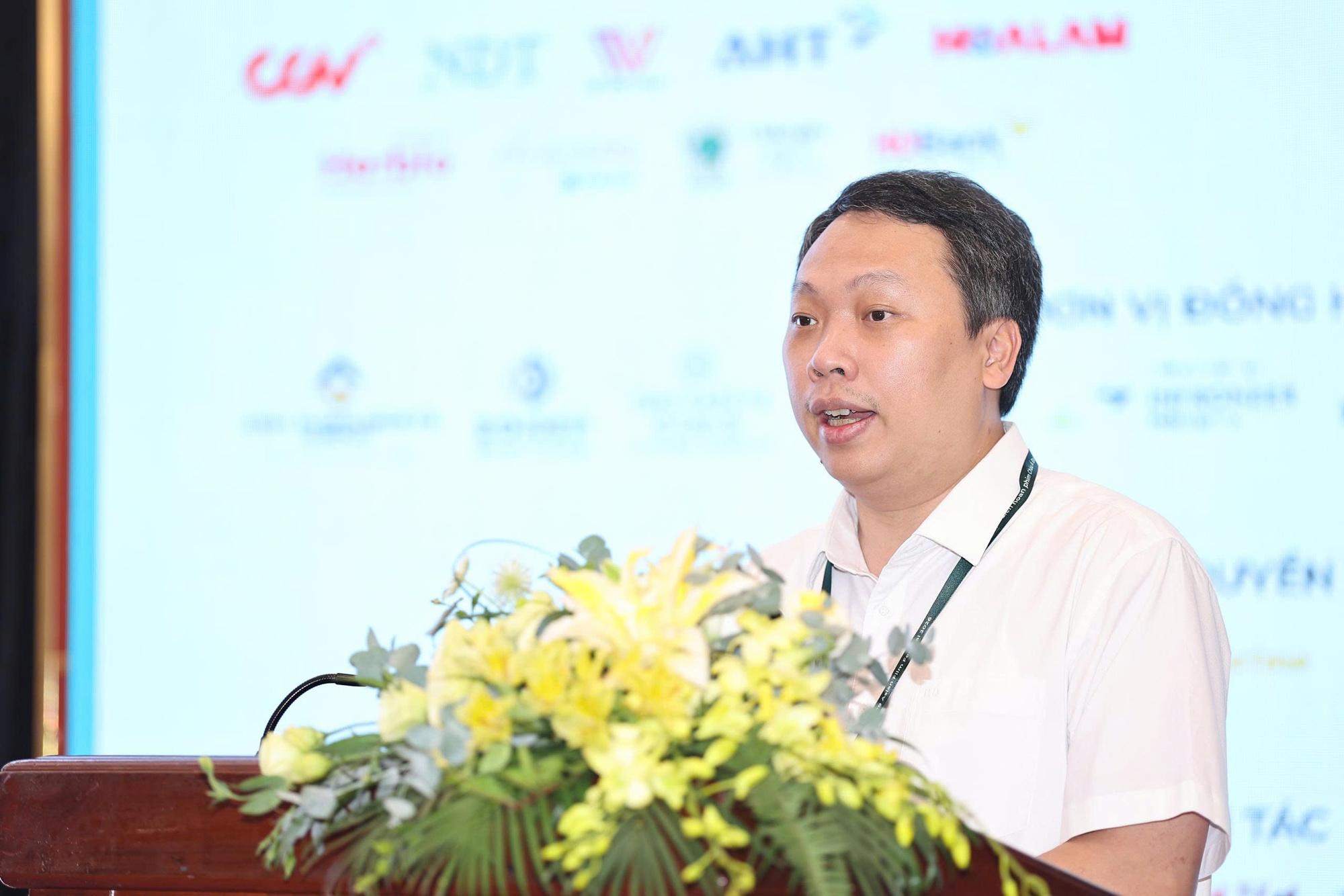
A conference titled “Artificial intelligence, digital technology and intellectual property protection in cinema” was held on June 30 in Da Nang as part of the 4th Da Nang Asian Film Festival (DANAFF IV).