



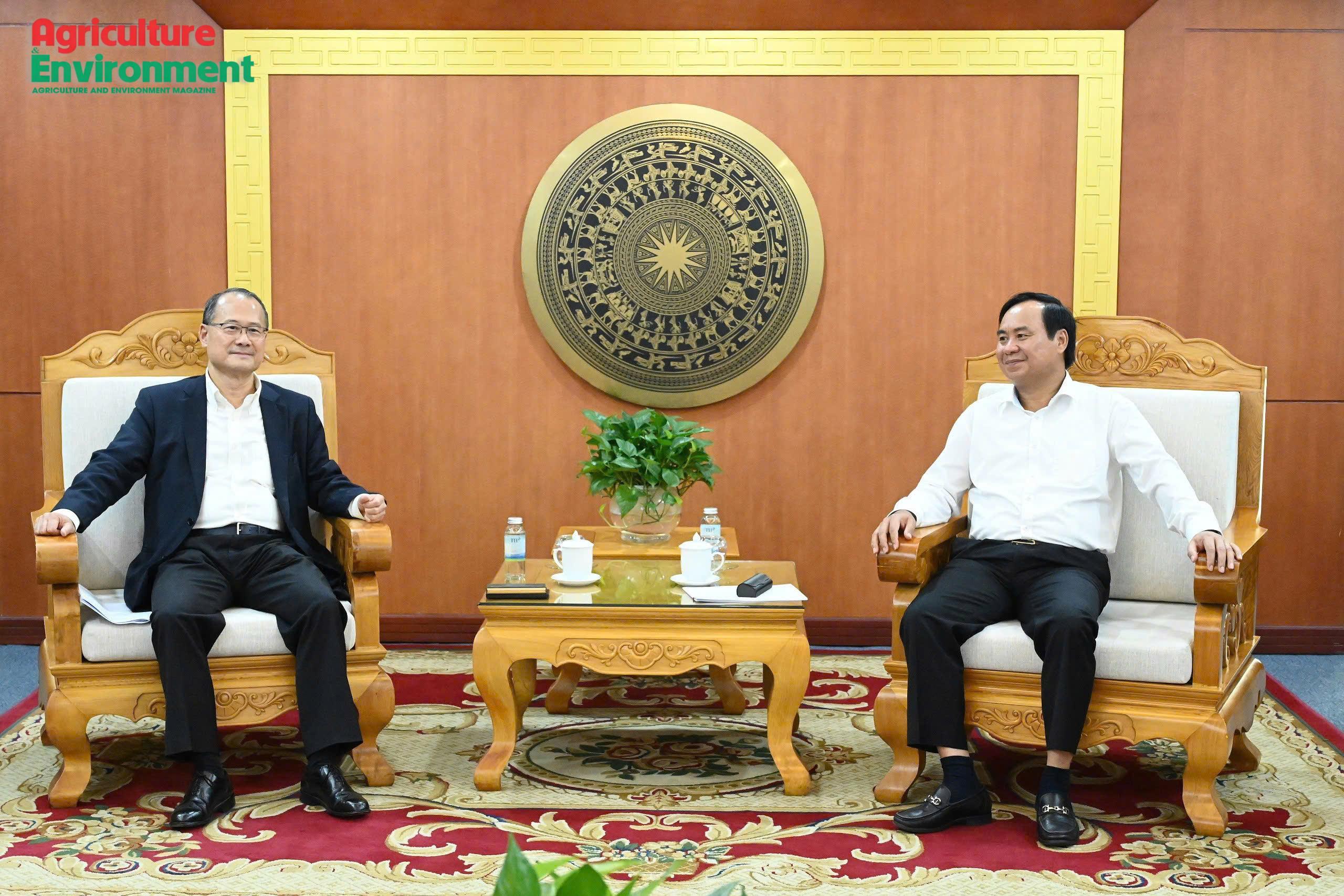
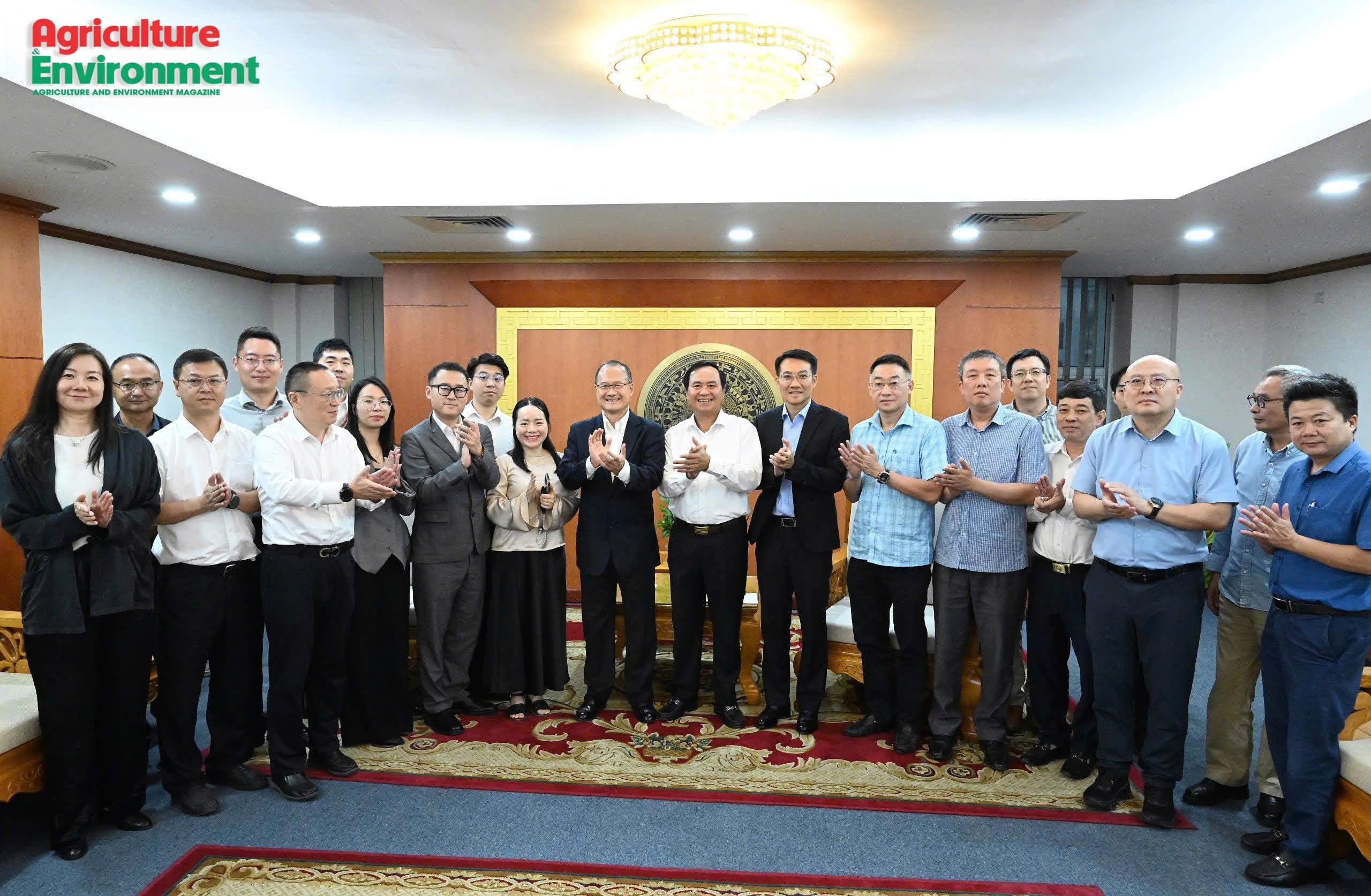
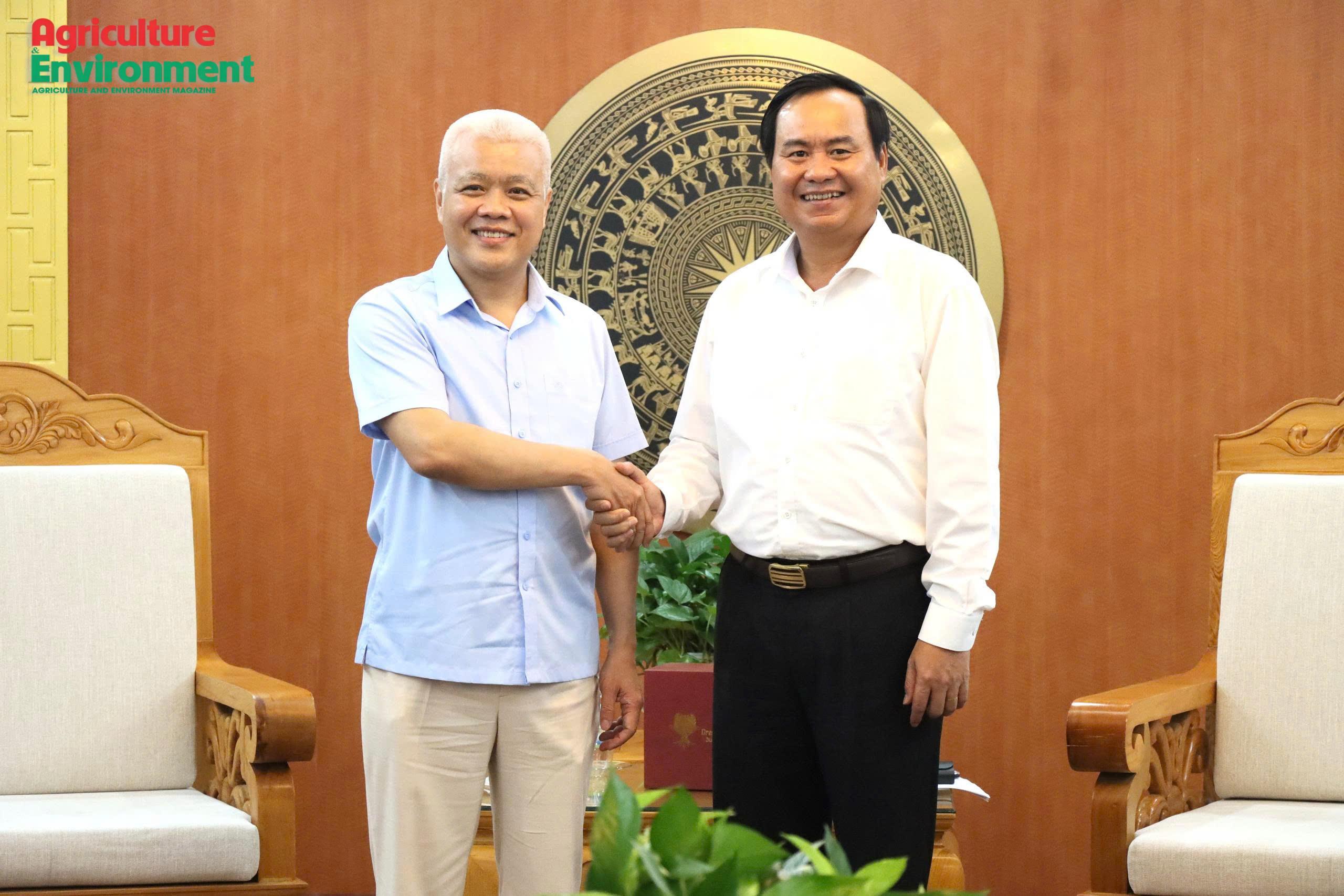
 On May 28, at the headquarters of the Ministry of Agriculture and Environment, Deputy Minister Vo Van Hung met with Jonathan Choi, Chairman of Sunwah Group, and representatives of Chinese partner companies to discuss cooperation in high-tech farming, agricultural trade, and green development.
Focus on agricultural trade and green development
At the meeting, Deputy Minister Vo Van Hung said Viet Nam is entering a period of significant transformation, shifting from agricultural production toward an agricultural economy based on value chains, with greater emphasis on traceability, quality standards, branding, and sustainable development.
According to the Ministry of Agriculture and Environment, Viet Nam is prioritizing green agriculture, the circular economy, emissions reduction, and the application of high technology throughout the production chain. In this context, cooperation proposals from Sunwah Group align closely with Viet Nam’s agricultural development strategy.
The Deputy Minister acknowledged Sunwah Group’s role in facilitating market access, promoting trade, and helping expand the international presence of Vietnamese agricultural products. Through the company’s distribution system and partner network, products such as coffee, seafood, and crop and livestock products have gradually expanded their presence in the Chinese market.
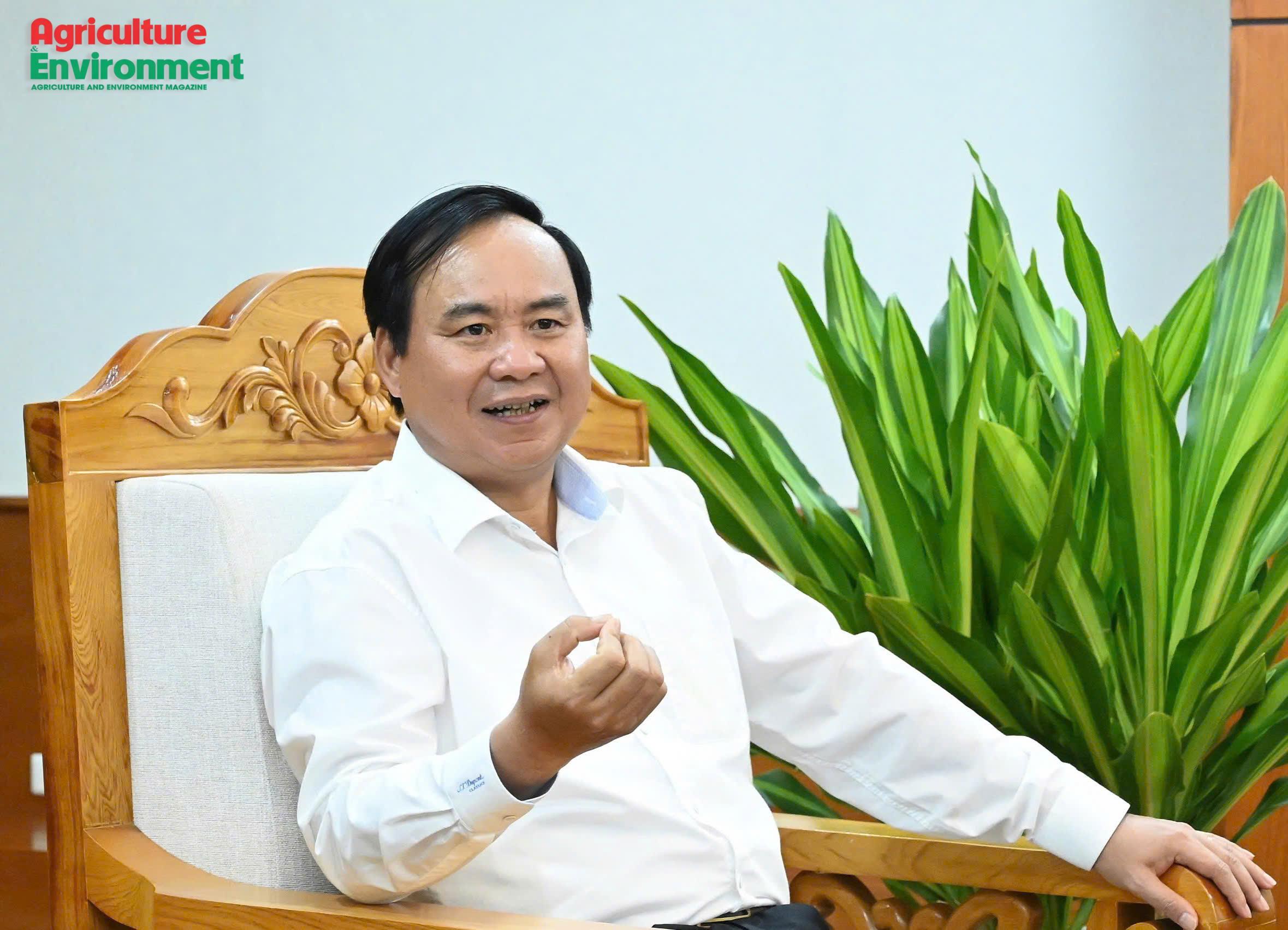
Jonathan Choi, Chairman of Sunwah Group, said the company has maintained cooperation with Viet Nam for more than 50 years in coffee, seafood, and agricultural exports. The group currently exports about 80,000 metric tons of coffee annually and generates approximately $100 million in revenue from exports of Vietnamese durian to China.
In addition to trade activities, Sunwah has intensified cooperation in technical training, technology transfer, and value-added development for Vietnamese agricultural products. In the tea sector, the company has worked with Chinese and Vietnamese agencies to organize training programs on ancient tea trees and fermented tea production for Vietnamese farmers and businesses. The programs cover cultivation techniques, processing methods, packaging design, and the development of high-quality tea products.
According to Sunwah representatives, future cooperation will focus on developing raw material production areas and localizing production in Viet Nam. The company hopes to introduce high-quality flower varieties from Yunnan for cultivation in Da Lat and explore cooperation in developing medicinal herb cultivation areas in northern Vietnam, taking advantage of similarities in climate and soil conditions between the two countries.
Chinese firms propose technology partnerships
Speaking at the meeting, Liu Minyuan, General Manager of Yunnan State Tea Co., Ltd., a subsidiary of Sunwah Group, said the company possesses one of China’s largest resources of ancient tea trees and organic tea and has pursued modernization, quality standardization, and international market expansion in the tea industry.
He said tea serves not only as a commercial product but also as a cultural bridge between countries. Drawing on China’s experience in tea industry development, the company proposed strengthening cooperation with Viet Nam in workforce training and national tea brand development.
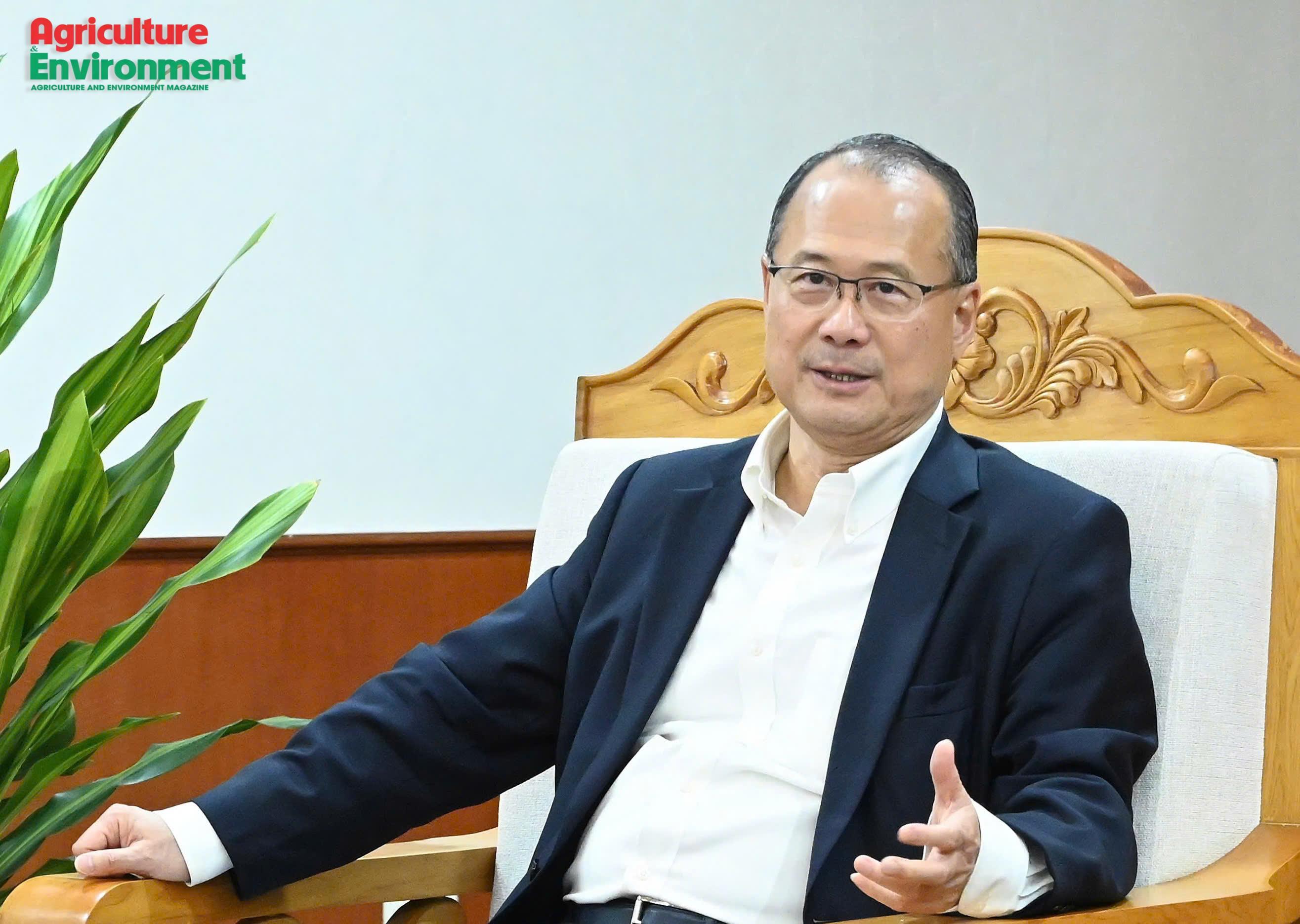
The company expressed interest in jointly developing a comprehensive training system for Vietnamese tea growers, facilitating study visits to Chinese tea-processing facilities for farmers and businesses, and dispatching experts to provide on-site guidance in Viet Nam’s tea-growing regions.
The company also proposed developing a set of standards for a “Viet Nam national ceremonial tea” product to support protocol activities, foreign affairs, and national image promotion. According to Liu Minyuan, Viet Nam’s renowned tea-producing areas, including Thai Nguyen, Son La, and Ha Giang, have strong potential to support the development of a national tea brand based on production-area standards, quality grading, traceability, digitalized production, and packaging standards.
In addition to product development, the Chinese company proposed cooperation in developing tea tourism models in Viet Nam that integrate production, cultural experiences, and ecotourism.
In the biotechnology sector, Li Gang, Chief Executive Officer of Shanghai-based Lingnong Agricultural Technology Co., Ltd., introduced a probiotic sugar product, a biological preparation developed from oligosaccharides extracted from crustaceans and other natural biological materials. According to the company, the product can improve soil quality, restore microbial ecosystems, reduce soil degradation caused by continuous cultivation, and provide natural antibacterial effects, thereby reducing pesticide use by 30–40%.
The product is also said to enhance crop resilience to drought, cold weather, pests, diseases, and saline intrusion, helping improve yields, product quality, and farmers’ economic returns. The company noted that the product has already been applied to crops such as rice, corn, and tomatoes in China, with positive results in both productivity and quality.
Lingnong representatives expressed interest in conducting field trials in Viet Nam to optimize the technology for local conditions, establish model green farming systems, and cooperate in biotechnology training and technology transfer to support green agricultural development.
At the meeting, representatives of Chongqing MCC Group also expressed interest in cooperating with Viet Nam in water resource and environmental management, urban wastewater treatment, inland river restoration and watershed rehabilitation, and green energy development.
According to the company, rapid urbanization has created environmental pressures in many Vietnamese localities similar to challenges China faced two decades ago. As a result, water resource management should be approached comprehensively, combining urban planning, environmental treatment infrastructure, and long-term operational mechanisms.
In wastewater treatment, the company proposed integrating treatment systems with digital monitoring platforms to improve management efficiency for local authorities. It also expressed interest in participating in environmental planning, environmental projects, and urban rehabilitation initiatives in Viet Nam.
In agricultural digital transformation, Zhou Yuanliang, a representative of Inspur Intelligent Terminal Co., Ltd., said the company operates in more than 120 countries and territories and has experience in deploying big data, artificial intelligence, and cloud-computing platforms for agricultural management.
According to Zhou Yuanliang, Inspur is developing a “1+3+4” model centered on an industrial internet platform, focusing on three areas: smart crop farming, smart aquaculture, and smart livestock farming, while connecting the entire value chain from production and processing to distribution and consumption.
The company proposed cooperation with Viet Nam in developing AI- and remote sensing-based smart farming models to manage production environments, provide pest and disease warnings, and improve product quality. Other proposals included smart aquaculture and livestock systems, blockchain- and IoT-based traceability solutions, as well as smart agricultural operation centers and big data platforms for the agricultural sector.
Proposals support Viet Nam’s green agriculture goals
Concluding the meeting, Deputy Minister Vo Van Hung said the cooperation proposals presented by the Chinese companies were practical and aligned with Viet Nam’s current agricultural development strategy.
According to the Deputy Minister, Viet Nam is strongly promoting digital transformation, private-sector development, and the application of science and technology in agriculture to build a modern, circular, and sustainable agricultural sector.
Regarding tea development, he said proposals related to training, technology transfer, and quality standards are important for increasing the value of Vietnamese tea products, including specialty teas such as Shan Tuyet tea.
On biotechnology for green agriculture, Deputy Minister Vo Van Hung described it as an important solution for reducing pesticide residues, improving agricultural product quality, and supporting organic farming.
In digital transformation, he noted that management of planting area codes, product traceability, and transparency across production chains are becoming increasingly important requirements for Vietnamese agricultural exports amid deeper international integration.
The Ministry of Agriculture and Environment said Viet Nam remains ready to facilitate cooperation projects that align with national development strategies, with the goal of promoting green agriculture, increasing added value, and ensuring balanced benefits for businesses and people in both countries.
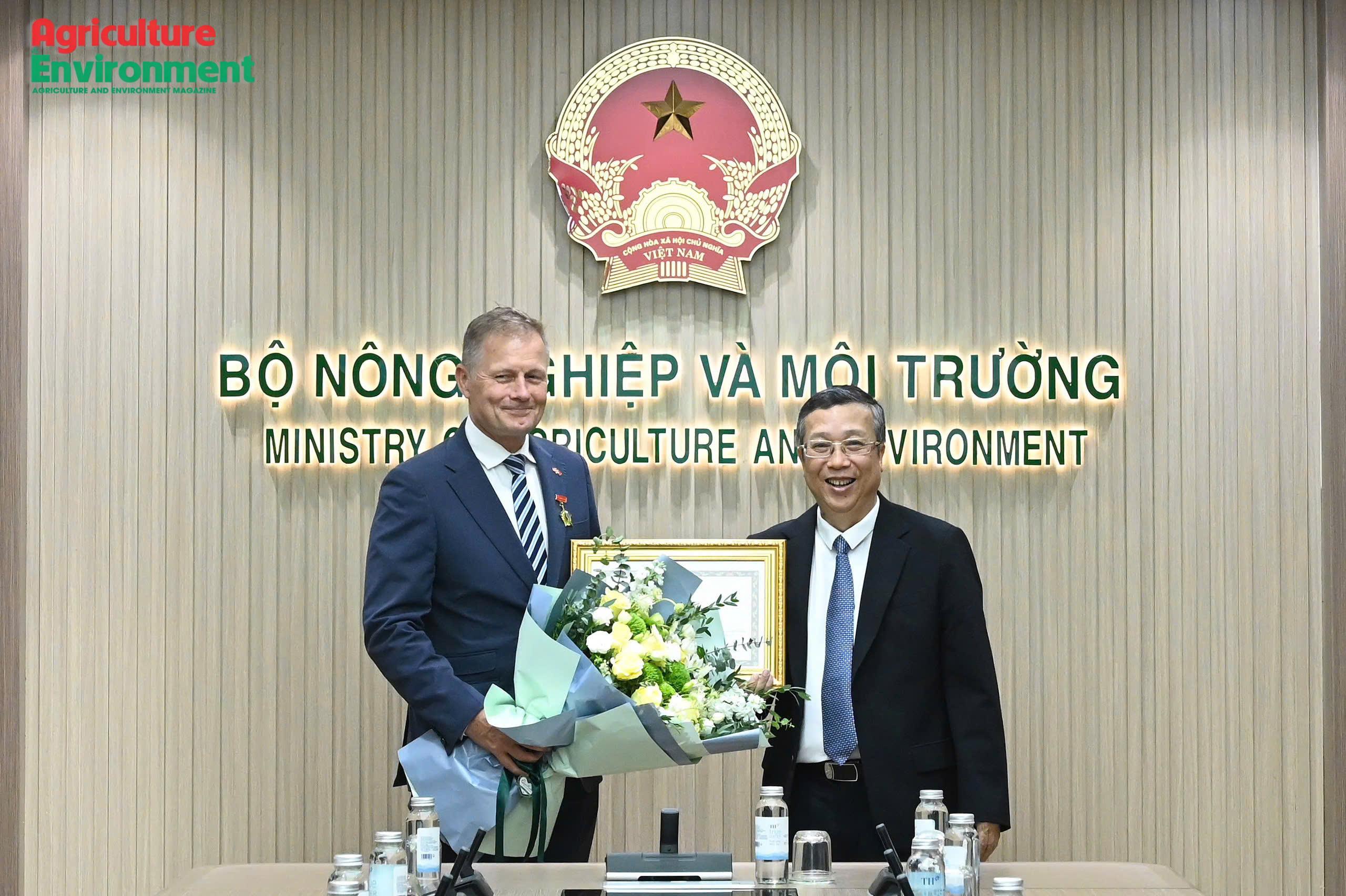
Receiving the Medal for the Cause of Agriculture and Environment, Danish Ambassador to Viet Nam Nicolai Prytz said the honor was not only a recognition of his personal contributions but also reflected the achievements of cooperation between Viet Nam and Denmark in agriculture, food systems, and sustainable development. During his tenure, he helped advance a number of important bilateral initiatives, particularly the Viet Nam–Denmark Green Strategic Partnership.
Digital platforms are creating new market access channels for Vietnamese agricultural products, improving transparency, strengthening consumer confidence, and supporting the agricultural sector’s shift from a production-focused approach to one centered on value creation.
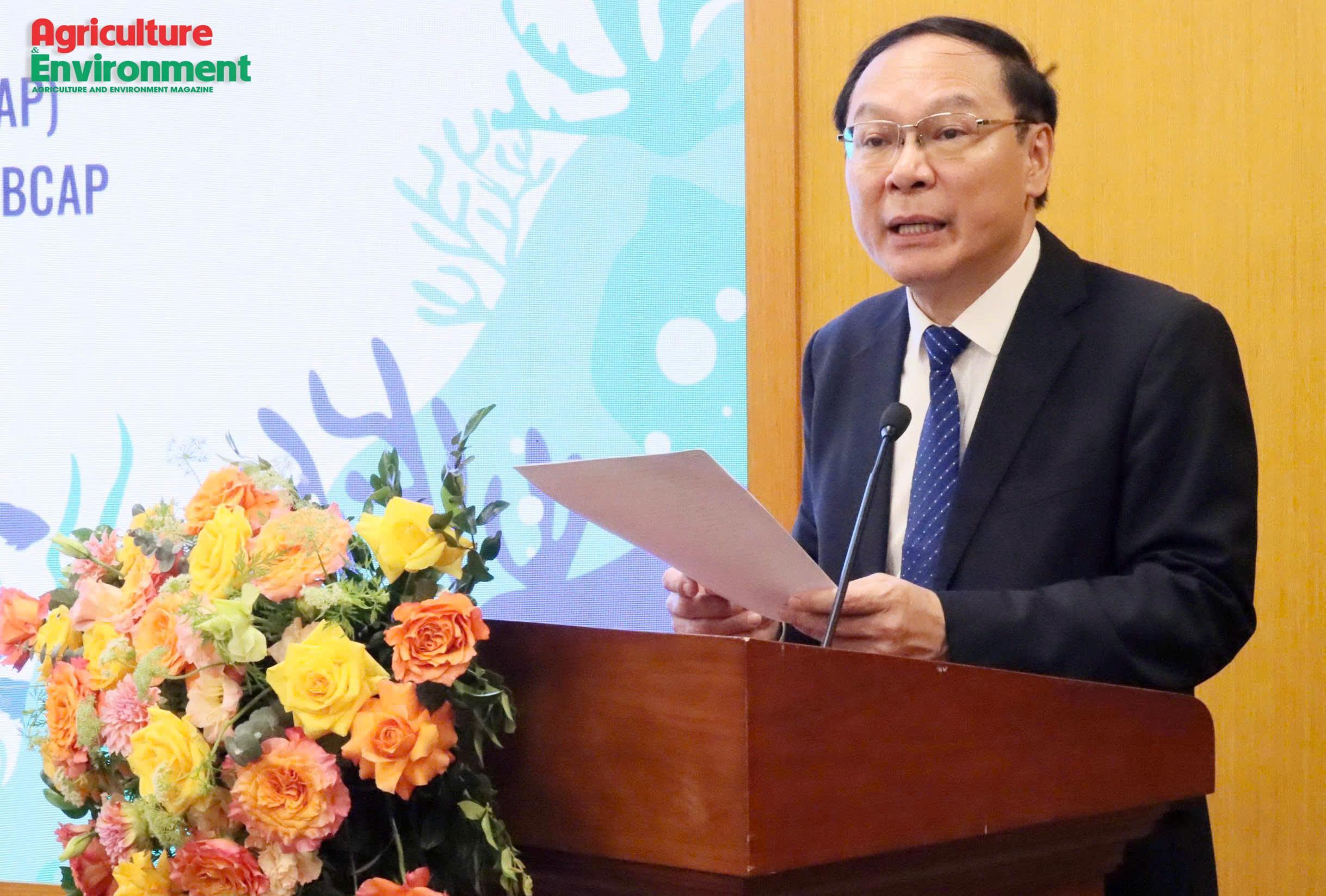
Viet Nam is gradually advancing blue carbon initiatives to strengthen the conservation of coastal and marine ecosystems, address climate change, and support its commitment to achieving net-zero emissions by 2050. In this context, the Vietnam National Blue Carbon Action Partnership (NBCAP) Implementation Plan and the Operating Regulations of the NBCAP Vietnam Working Group have been developed to provide a foundation for intersectoral coordination, resource mobilization, and stakeholder engagement.
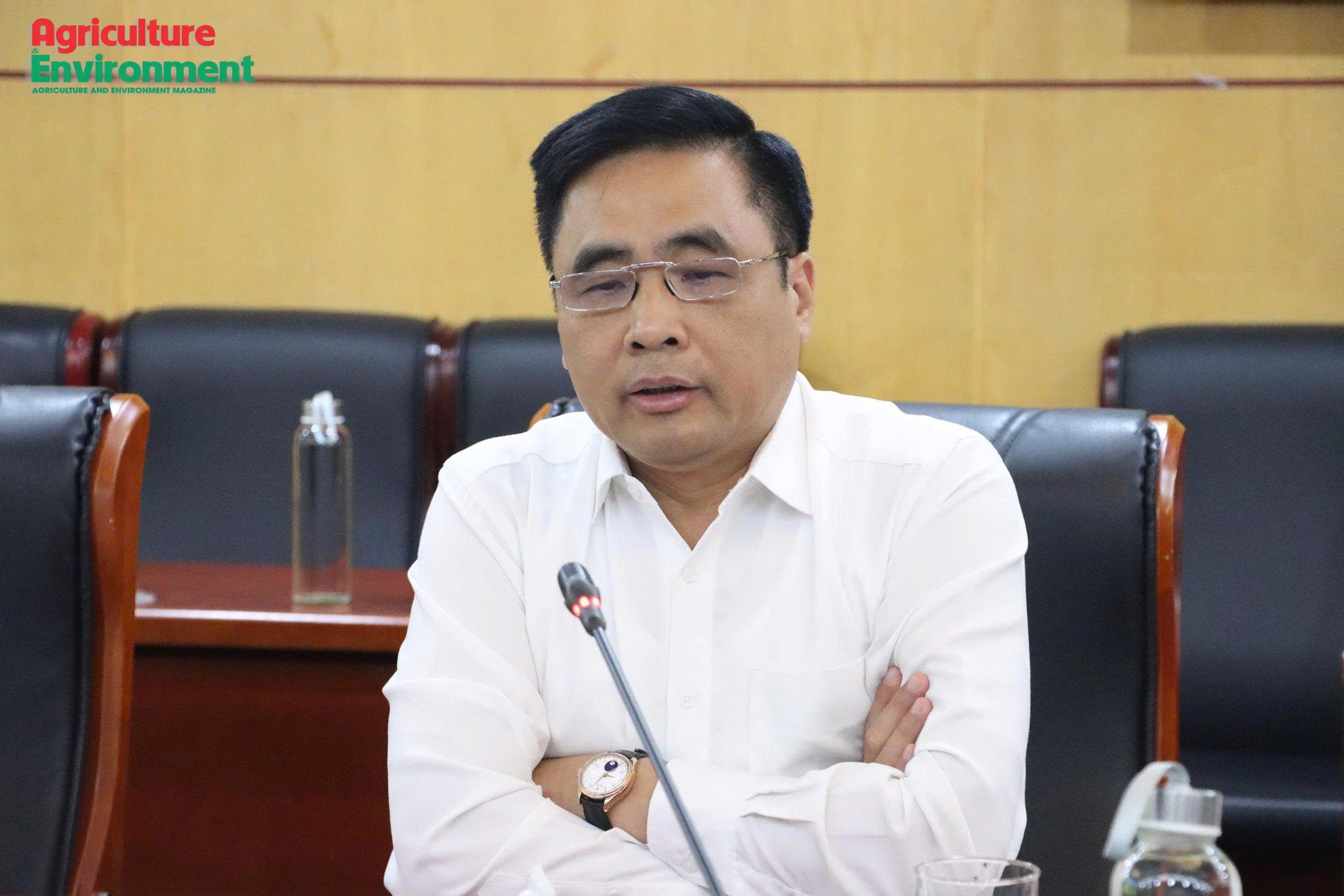
At a meeting with the European Chamber of Commerce in Vietnam (EuroCham) on May 21, leader of the Ministry of Agriculture and Environment reaffirmed their commitment to working closely with the business community to refine policies, promote green investment, strengthen climate adaptation efforts, and advance the One Health approach in livestock production in support of sustainable development and deeper international integration.
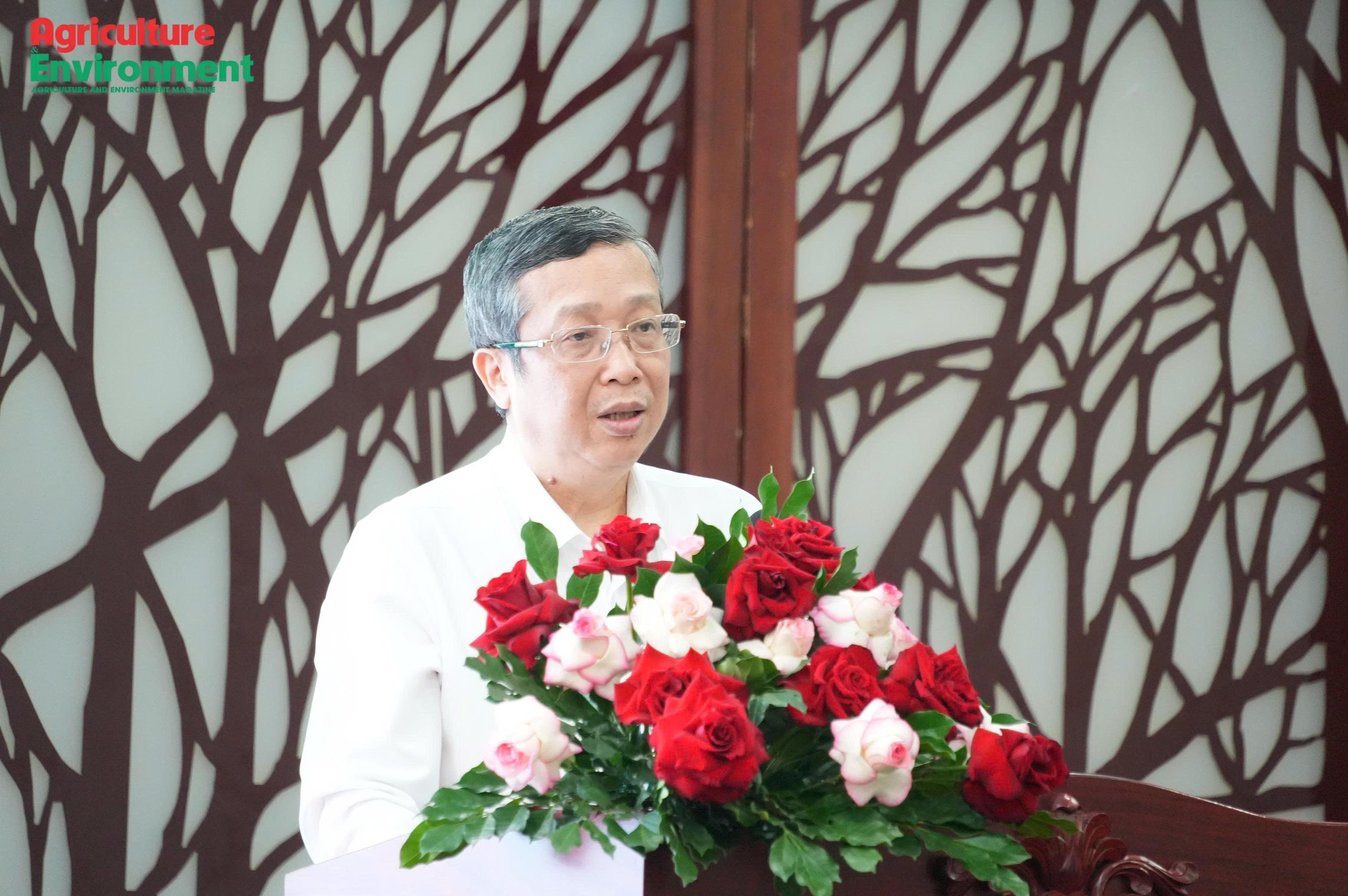
Viet Nam is moving to strengthen oversight of growing areas, packing facilities and traceability systems as the country seeks to expand official exports of pomelos and limes to China, one of its largest agricultural markets.