



 Politburo Resolution No. 26-NQ/TW, dated August 22, 2026, sets out a strategic development direction: to make tourism a truly spearhead economic sector while shifting decisively from volume-driven growth toward a model based on quality, green development, smart solutions, innovation and cultural identity. With its long-established culture, diverse natural landscapes, extensive coastline and dynamic society, Viet Nam is sending the international community a clear message: it is an open, responsible destination ready for deeper global integration.
A national policy framework for a new tourism model
On the global tourism map, Viet Nam stands out for the many layers of value concentrated within a relatively interconnected geographical space. These include thousand-year-old cities, cultural and natural heritage sites, plateaus, caves, tropical forests, river deltas, craft villages, a rich culinary heritage and a coastline stretching approximately 3,260 kilometers. Yet enduring appeal comes from more than natural resources. It also lies in community life, historical memory, the warmth of its people and the ability of each region to tell its own story.
As Viet Nam enters a new stage of development, it faces a fundamental question: how can these advantages be transformed into economic value, cultural vitality and national soft power without sacrificing the environment, cultural identity or the interests of local communities? Politburo Resolution No. 26-NQ/TW on developing Vietnamese tourism into a spearhead economic sector in the new era provides a strategic answer. (1)
The Resolution defines tourism as an integrated economic sector characterized by strong intersectoral and interregional linkages and broad social participation. It has the potential to generate added value, stimulate consumption, expand service markets, create jobs, conserve cultural and natural heritage, and promote the image of Viet Nam and its people. (1)
What makes the Resolution particularly significant is not merely its growth targets, but the change in perspective behind them. Tourism is no longer viewed as a stand-alone service industry. Instead, it is conceived as an integrated economic ecosystem linking trade, transport, cultural and creative industries, agriculture, the digital economy, the night-time economy and many other sectors.
Within this ecosystem, culture provides the core foundation; identity and the quality of the visitor experience constitute competitive advantages; while science, technology, innovation and digital transformation serve as key drivers. (1)
By 2030, Viet Nam aims for tourism to contribute directly 10–12 percent of GDP, welcome 45–50 million international arrivals and serve 160 million domestic tourists, with total tourism receipts reaching US$80–90 billion. Alongside Hanoi, Ho Chi Minh City and Da Nang as three tourism growth poles, the country plans to develop 10 key tourism centers, 20 national tourism areas and approximately 1.5 million accommodation rooms, while creating around 2.3 million direct and 3.5 million indirect jobs.
By 2045, Viet Nam aims to rank among the world's 30 most competitive tourism countries, welcome 70 million international visitors and raise tourism's direct contribution to 14–15 percent of GDP. (1)
These figures illustrate the scale of Viet Nam's ambition, but the central concern is the quality of development. Viet Nam does not simply need more visitors. More important is to encourage longer stays and higher spending, deepen the visitor experience and increase the share of value retained within the national economy and local communities.
Each visitor arrival, therefore, is more than a statistical unit. Every journey is an opportunity for a heritage site to be better understood, a local product to reach wider markets, a family to secure a more stable livelihood and a positive image of Viet Nam to be shared more broadly.
At the national conference on September 3, 2026, Party General Secretary and President To Lam convened to disseminate and implement Politburo resolutions and directives, emphasized the need to turn awareness into action and determination into results, while stressing that the value of policy documents must be demonstrated through their ability to address practical problems. (2)
That message places Resolution No. 26-NQ/TW firmly on a path toward implementation: targets have meaning only when they are translated into enabling institutions, integrated infrastructure, competitive products, environmental protection and tangible benefits for people's daily lives.
Presenting a thematic report on Resolution No. 26-NQ/TW at the same conference, Deputy Prime Minister Pham Thi Thanh Tra identified the central task as transforming “the tourism growth model and governance approach from quantity to quality.”(3)
This is a pivotal shift. Growth in visitor numbers can rapidly expand the market, but the quality of governance ultimately determines a destination's ability to manage carrying capacity, use resources efficiently, maintain service standards, distribute benefits fairly and build lasting trust among international visitors.
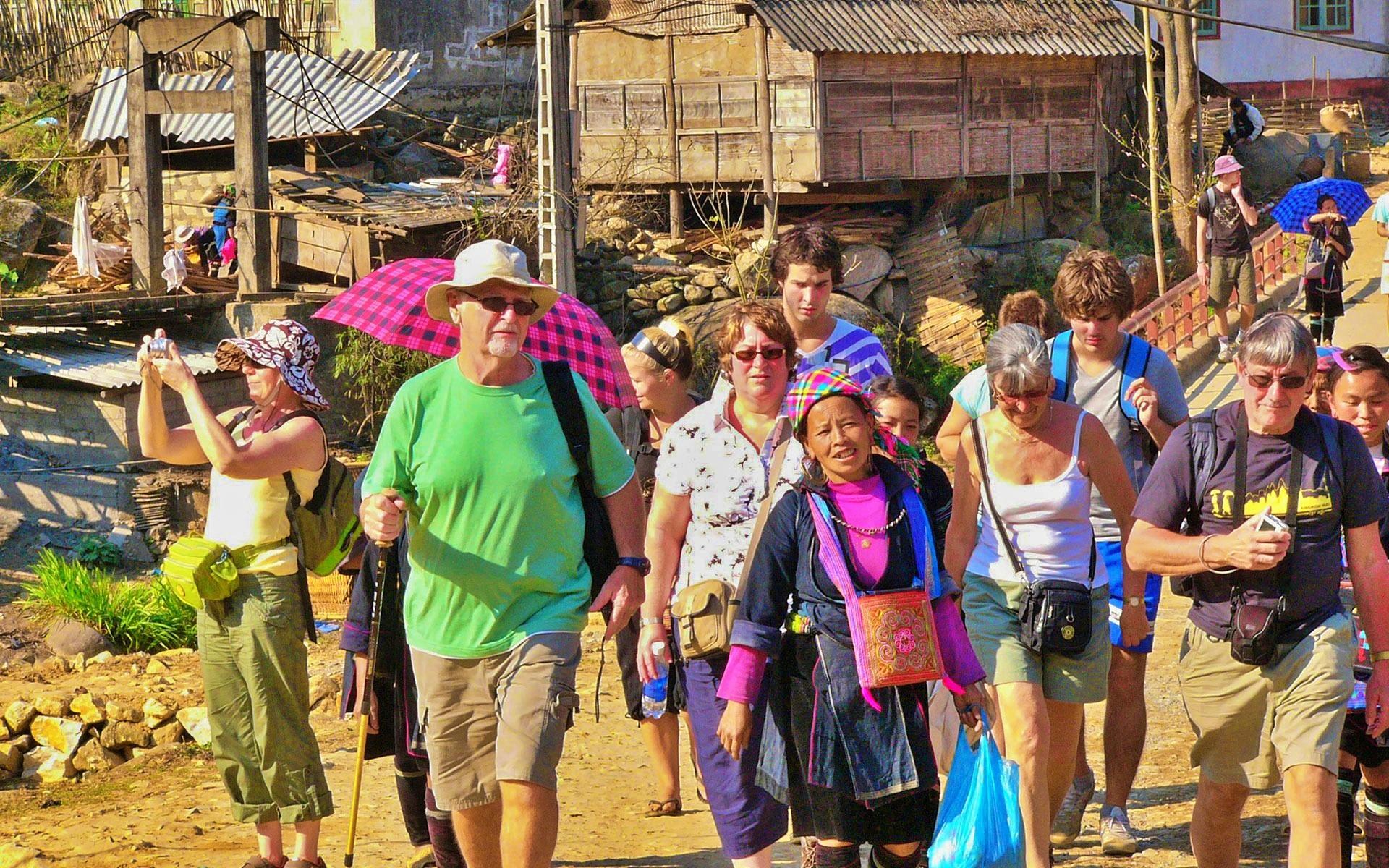
The foundations for this transition are already taking shape. In 2025, Viet Nam welcomed nearly 21.2 million international arrivals and served 137 million domestic tourist trips. Tourism generated approximately 4.41 million direct and indirect jobs. In the first eight months of 2026, the country received nearly 16 million international visitors. (3)
These recovery and growth results provide important momentum, but they also underscore the need to improve governance so that a larger tourism sector does not place additional pressure on natural resources, infrastructure and the environment.
For the international community, Resolution No. 26-NQ/TW can be read as a long-term policy commitment. Viet Nam will continue to open its doors, improve destination accessibility, explore more flexible visa policies and develop air, road, rail, inland waterway and maritime connectivity, while positioning itself as a high-quality, safe and attractive destination.
Yet this is not an invitation to pursue growth at any cost. Viet Nam is choosing openness with responsibility, growth with conservation and integration with identity.
From maritime assets to green destinations
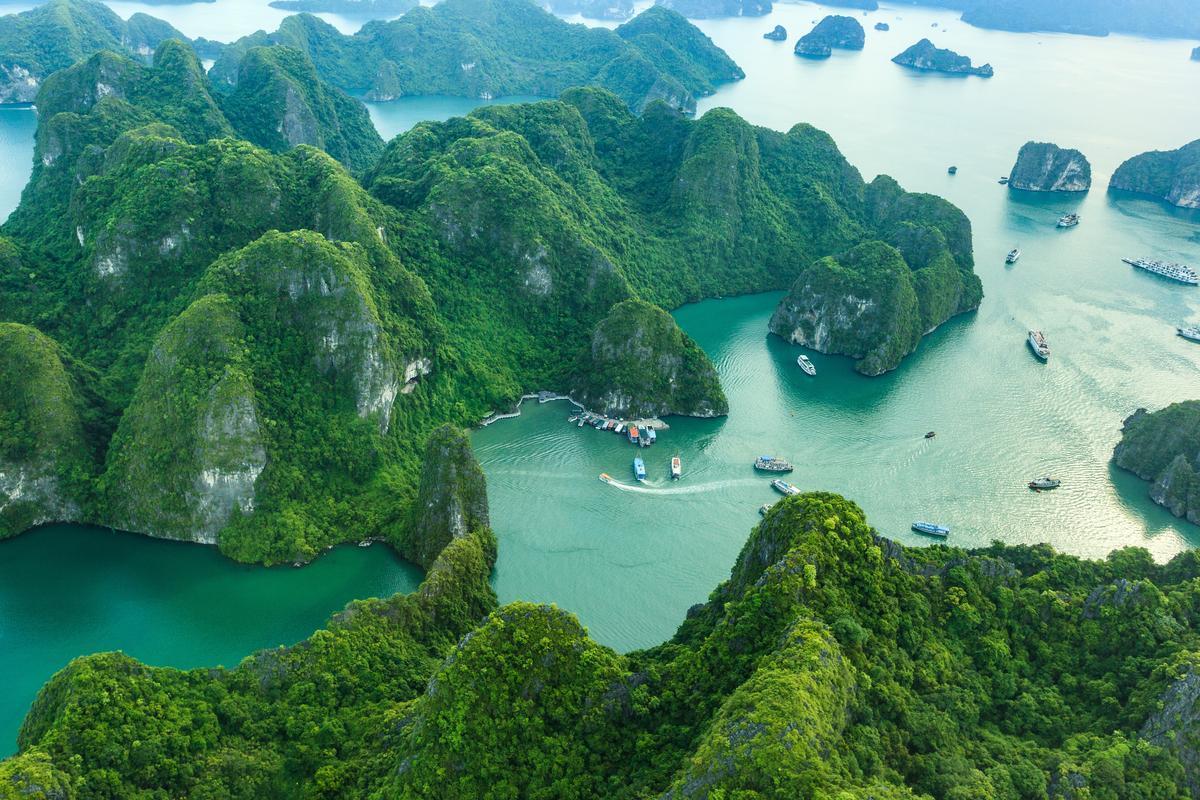
If Viet Nam's story were told through geography, the sea would be an especially long chapter. Ha Long Bay, the Cat Ba Archipelago, Son Tra Peninsula, Cu Lao Cham, Nha Trang–Khanh Hoa, Phu Quy, Con Dao, Phu Quoc and hundreds of fishing villages form a coastal landscape rich in both natural scenery and maritime livelihoods and traditions.
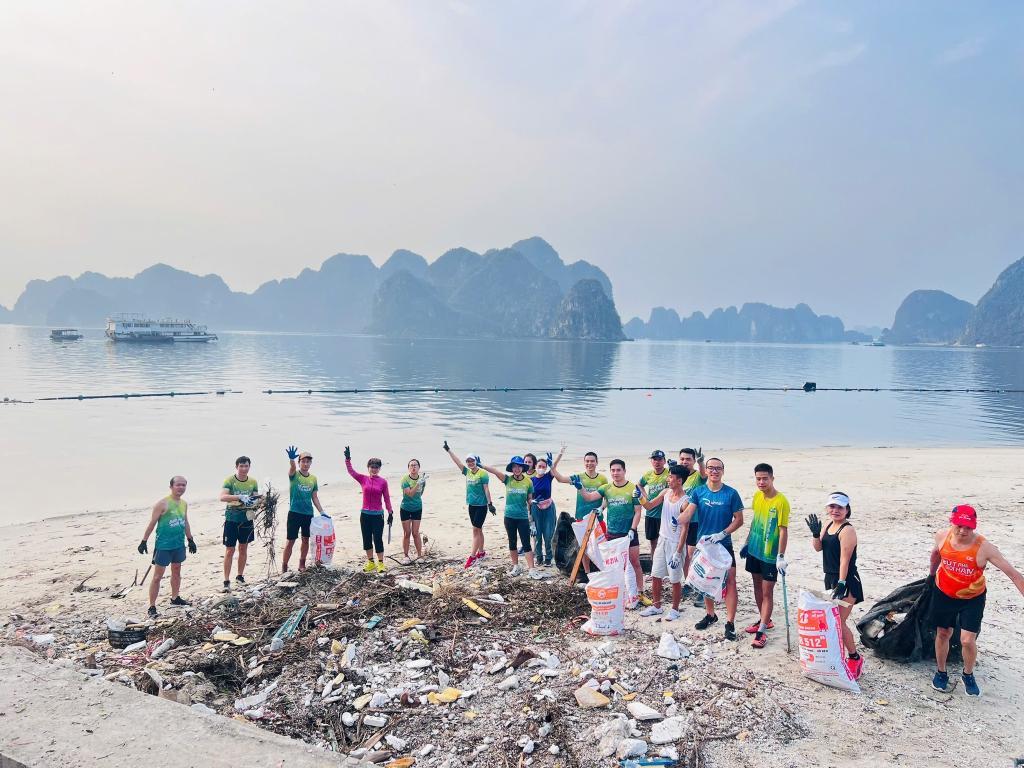
The sea offers opportunities for resorts, cruises, marine sports, cuisine, ecosystem exploration and community-based tourism. At the same time, it is where environmental pressures often become visible first: plastic pollution, wastewater, biodiversity loss, localized overcrowding, competing uses of coastal space and the increasingly evident impacts of climate change.
Resolution No. 26-NQ/TW sets a clear direction for this space: developing high-quality sea- and island-based resort centers with international competitiveness; expanding waterway tourism, high-end cruises and marine sports; prioritizing infrastructure capable of accommodating large cruise ships; and gradually developing Phu Quoc into a new growth pole and a high-end marine resort center. (1)
Infrastructure investment must go hand in hand with development that is compatible with landscapes, natural ecosystems, community interests, national defense and security.
In an interview with Agriculture and Environment Magazine, former Deputy Minister of Agriculture and Environment Phung Duc Tien viewed Viet Nam's maritime space through the close relationship among economic development, livelihoods and conservation. He argued that the marine economy should rest on three organically interconnected pillars: aquaculture, capture fisheries and conservation.
Applied to tourism, this approach suggests an important principle: coastal landscapes cannot be separated from ecosystem health or the livelihoods of fishing communities.

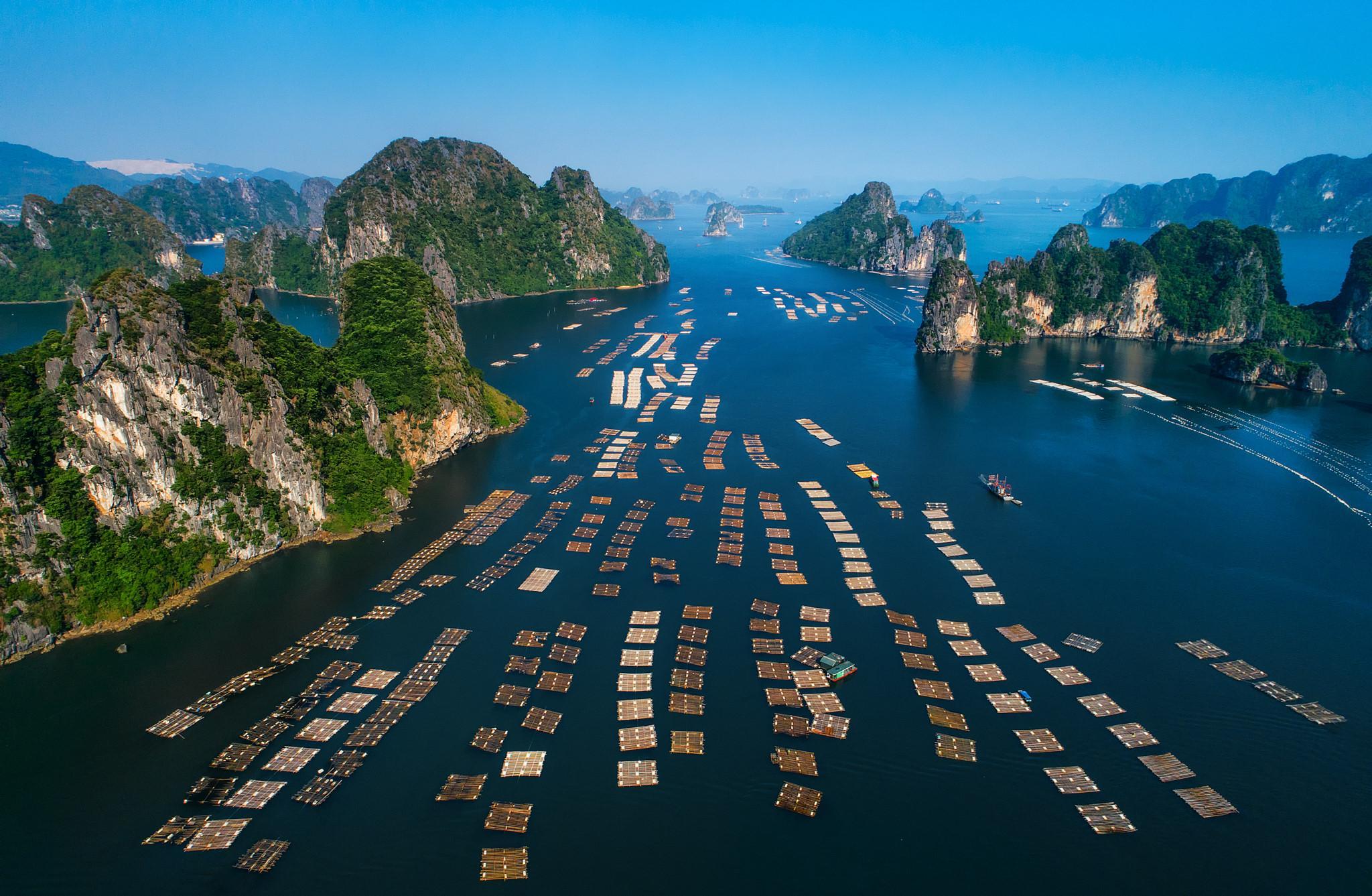
According to former Deputy Minister Phung Duc Tien, Viet Nam has a 3,260-kilometer coastline and a maritime area of more than 1 million square kilometers, providing considerable scope for industrial-scale, modern marine aquaculture. During 2021–2025, marine aquaculture grew by an average of approximately 8.4 percent annually, with output estimated at 859,000 tonnes in 2025. By 2030, Viet Nam aims to reach 1.4–1.5 million tonnes of output and US$1.8–2 billion in export value. (4)
These figures are generally viewed through the lens of seafood production, but they also point to broader opportunities for links among marine aquaculture, cuisine, environmental education and experiential tourism.
A well-planned marine aquaculture area using clean technology, ensuring biosecurity and harmonizing with the surrounding landscape can become a place where visitors learn how the ocean produces food. A well-managed fishing port can showcase maritime culture and the value chain from catch to table. An effectively managed protected area can restore biodiversity while supporting high-value tourism within defined carrying-capacity limits.
In such a model, tourism and fisheries do not stand alongside each other as separate industries. Together, they contribute to a diversified, multi-value marine economy.
Former Deputy Minister Phung Duc Tien cited Norway, where salmon farms not only produce food but can also serve as visitor attractions. He stressed that Viet Nam needs investment in infrastructure, seed stock, feed, science and technology, and integrated value chains to expand marine aquaculture into offshore waters. (4)
This approach closely reflects the spirit of Resolution No. 26-NQ/TW: new tourism products should be developed through connections among industries, sectors and communities, rather than through the one-dimensional exploitation of individual resources.
He also highlighted pollution from plastic waste, solid waste, domestic wastewater and construction activities, while noting that vessels operating at sea must meet sanitation and environmental requirements if they are to participate in global markets. (4)
This is far from a minor detail. The quality of a marine destination is determined by its most basic infrastructure: waste collection and treatment, clean water, sanitation facilities, search-and-rescue capacity, carrying-capacity monitoring, and the environmental awareness of businesses, residents and visitors.
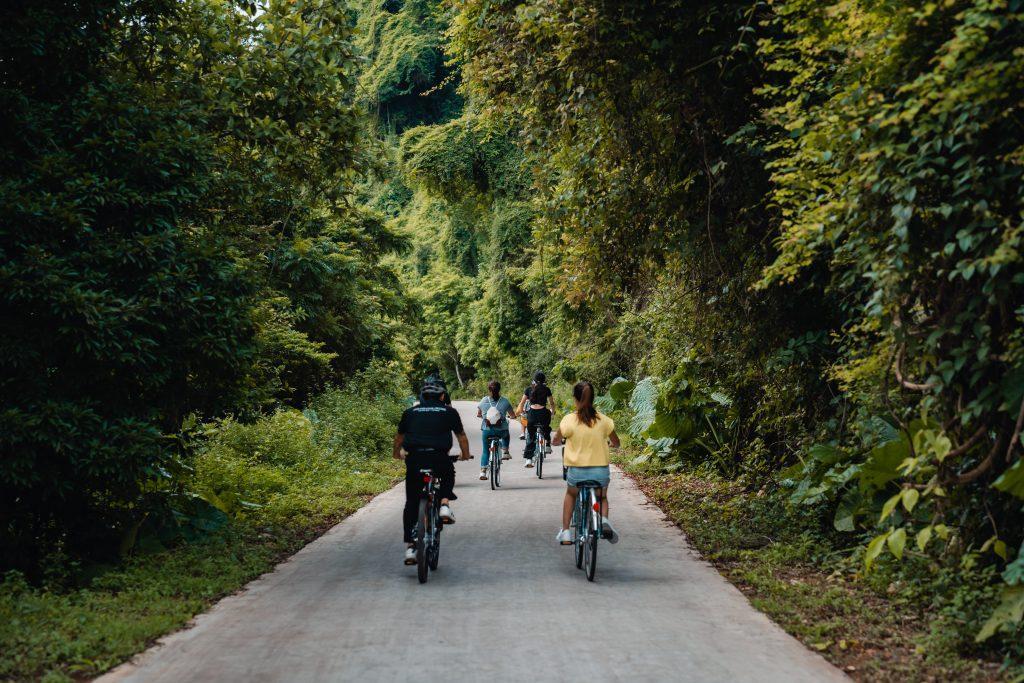
Local experience shows that the transition toward greener tourism has begun, but progress needs to be faster and more firmly grounded. Cat Hai welcomed more than 4.5 million visitors in 2025. In the first half of 2026, arrivals exceeded 2.5 million, up 21.27 percent year on year. (5)
The locality is pursuing digital transformation and smart tourism, and aims to ensure that by 2030, all tourism sites, accommodation establishments and tourism service providers no longer use single-use plastic products and non-biodegradable plastic bags.
Concrete commitments of this kind can turn “green tourism” from an aspirational slogan into a measurable standard.
Khanh Hoa illustrates the scale and momentum of a coastal tourism hub seeking to strengthen its international standing. In the first four months of 2026, the province welcomed approximately 3.5 million tourists staying overnight, up 24 percent. Of these, around 1.4 million were international visitors. Tourism revenue exceeded VND27.4 trillion, an increase of 35 percent. (6)
Behind these growth figures lies the need to simultaneously improve product quality, expand connectivity, protect coastal bays and create richer cultural experiences so that a holiday extends beyond the accommodation facility.
On Phu Quy Island, visitor numbers rose from around 40,000 in 2021 to approximately 155,000 in 2025. The number of accommodation establishments increased from nine in 2019 to 69, with approximately 850 rooms. (7)
Rapid growth has created new livelihood opportunities, but it has also placed pressure on freshwater supplies, electricity, search-and-rescue capacity and waste treatment. Phu Quy's challenge is shared by many small islands: ecological limits cannot expand at the same pace as room construction, and destination carrying capacity cannot be measured by the number of beds alone.
Investment in marine tourism must therefore begin with spatial planning and environmental budgeting. Every island, bay and beach needs a defined carrying capacity, transparent standards for wastewater, solid waste and conservation, and mechanisms through which businesses and visitors make a reasonable contribution to protecting natural resources.
Large-scale projects should be assessed not only by investment capital or the number of rooms they create, but also by energy and water efficiency, the proportion of local workers employed, the use of locally produced goods and their resilience to natural hazards.
When protecting the sea improves people's livelihoods, conservation becomes a rational economic choice. When businesses recognize that green standards enhance credibility, reduce long-term costs and open access to higher-spending markets, the green transition becomes a source of competitive advantage. And when travelers understand that their behavior directly affects ecosystems, a journey can move beyond consuming scenery toward sharing responsibility for the destination.
Global integration through identity and responsibility
Tourism integration means more than opening additional flight routes or gaining greater visibility on booking platforms. It means participating in global value chains with products that meet international standards without diluting cultural identity.
Viet Nam can compete through a rare combination of strengths: safety, diverse nature, cultural depth, compelling cuisine, welcoming people, reasonable costs and a strategic location in the Asia-Pacific region.
Yet potential becomes a brand only when the visitor experience is consistent—from visa procedures and border entry to transportation, accommodation, environmental quality, payment systems, information and service standards.
Resolution No. 26-NQ/TW calls for continued consideration of expanded bilateral visa exemptions and flexible visa policies for priority markets; reform of procedures for stays and visits in border and island areas; and support for opening new air routes, destinations and tourism products. (1)
The Resolution also calls for the development of multilingual national tourism content and the application of big data and artificial intelligence in tourism promotion, marketing and destination reputation management. (1)
These are important conditions for enabling international travelers to find reliable information, plan their trips conveniently and access information about Viet Nam in their own languages.
Technology, however, cannot substitute for the substance of a destination. A communications campaign can bring images of Viet Nam to millions, but the reasons for visitors to stay longer and return must come from genuine experiences.
Hanoi needs to be experienced as a living city, not simply a collection of monuments. Ho Chi Minh City needs to connect its modern rhythm with history, cuisine, river life and the creative industries. Da Nang needs to strengthen its role as the gateway to central Viet Nam, linking the coast, the city and the region's heritage sites.
If Phu Quoc is to become a new growth pole, it must demonstrate that international standards can go hand in hand with the capacity to protect the island's environment.
Beyond major centers, Viet Nam's distinctive competitive advantage also lies in rural, mountainous, border and island communities. A market, craft village, festival, orchard, family meal or fishing trip can become a tourism product when professionally organized, respectful of cultural custodians and designed to protect community interests.
Resolution No. 26-NQ/TW identifies the people as both participants in and beneficiaries of tourism. It also calls for skills training and support for rural workers, ethnic minority communities and residents of remote, border and island areas so that they can develop sustainable livelihoods through tourism. (1)
This is the line separating genuine community-based tourism from the reduction of communities to mere backdrops. Local people must have a voice in planning, receive appropriate training, participate in service provision, secure a fair share of the value created and retain the ability to protect their living spaces.
Businesses are a driving force, but that leadership should be demonstrated through modern governance, decent work, local procurement, emissions reductions, transparent impact reporting and reinvestment in destinations.
For international partners, Viet Nam's new direction opens up multiple areas for cooperation: green infrastructure; destination-management technology; low-emission transport; water and waste treatment; renewable energy for accommodation facilities; workforce training; heritage conservation; green finance; cruises and marine sports; and wellness, MICE and creative tourism products.
Resolution No. 26-NQ/TW calls for the effective mobilization, allocation and use of domestic and international resources, while encouraging public-private partnerships at destinations of exceptional ecological value or those requiring substantial conservation resources. (1)
Cooperation is sustainable only when it is directed toward long-term value. Viet Nam needs international capital and expertise, but it must also avoid closed, resource-intensive development models that generate few linkages with local economies.
Responsible investors do more than build accommodation facilities. They help develop supply chains, raise labor standards, transfer technology, support communities and preserve the qualities that make destinations distinctive.
For public authorities, the greatest challenge is coordination. A visitor's journey crosses the jurisdictions of multiple sectors and localities, while the quality of the experience is judged as a whole.
Modern tourism governance therefore requires shared data, consistent standards, interregional coordination and clear accountability among those in charge. Performance should be measured not only by visitor numbers, but also by revenue per visitor, length of stay, quality employment, the share of domestic value added, visitor satisfaction, environmental quality and the condition of heritage assets.
The new era also calls for a new approach to promotion. Rather than simply displaying beautiful images, Viet Nam needs to tell deeper stories supported by evidence: how a protected area has been restored; how a fishing village has transformed its livelihoods; what measures a hotel has adopted to reduce emissions; or how a heritage site has been digitized while retaining its authenticity.
Effective international communication begins with honesty about the destination itself.
For travelers, Viet Nam's invitation now extends beyond a holiday. It is an invitation to discover a country that preserves its memories while looking to the future; to experience nature within respectful limits; to enjoy local products while understanding the people who make them; and to become part of the effort to protect each destination.
Every decision to avoid single-use plastics, respect local culture, choose responsible services or stay longer to gain a deeper understanding contributes to the tourism model Viet Nam is pursuing.
Resolution No. 26-NQ/TW demonstrates strong political commitment, clear objectives and a broadly comprehensive set of solutions. Yet its greatest persuasive power abroad will not lie in the document itself, but in visible changes at every border gate, railway station, beach, heritage site, accommodation facility and community.
When quality replaces the pursuit of volume; when green growth becomes an operating standard; when culture is treated as a living asset; and when people truly become the beneficiaries of tourism, Viet Nam will be more than a destination attracting larger numbers of visitors.
It can become a higher-value, more responsible destination—one that gives travelers stronger reasons to return.
From its Pacific-facing coastline to its mountains, cities, deltas and villages, Viet Nam is opening a new chapter in tourism development. It is a journey of global integration through identity, competition through quality and lasting progress through sustainability.
To the international community, the message is simple and consistent: Viet Nam welcomes the world, and Viet Nam wants to work with the world to preserve the values that make every journey beautiful./.
----------------------
References:
(1) Communist Party of Vietnam. Resolution No. 26-NQ/TW, dated August 22, 2026, on developing Vietnamese tourism into a spearhead economic sector in the new era. August 22, 2026.
(2) Government News. Speech by Party General Secretary and President To Lam at the national conference on disseminating and implementing Politburo resolutions and directives. September 3, 2026.
(3) Government News. Nghị quyết số 26-NQ/TW: 5 quan điểm đột phá phát triển du lịch thành ngành kinh tế mũi nhọn. September 3, 2026. (https://baochinhphu.vn/nghi-quyet-so-26-nq-tw-5-quan-diem-dot-pha-phat-trien-du-lich-thanh-nganh-kinh-te-mui-nhon-102260903105333104.htm)
(4) Phung Duc Tien. Interview conducted by Agriculture and Environment Magazine, 2026.
(5) Nhan Dan. Chuyển đổi xanh, du lịch thông minh ở Cát Hải. September 1, 2026. (https://nhandan.vn/chuyen-doi-xanh-du-lich-thong-minh-o-cat-hai-post985819.html)
(6) Nhan Dan. Khát vọng trung tâm du lịch biển quốc tế. May 15, 2026. (https://nhandan.vn/khat-vong-trung-tam-du-lich-bien-quoc-te-post962292.html)
(7) Nhan Dan. Phú Quý trong chiến lược phát triển du lịch và kinh tế biển. April 2, 2026. (https://nhandan.vn/phu-quy-trong-chien-luoc-phat-trien-du-lich-va-kinh-te-bien-post952665.html)
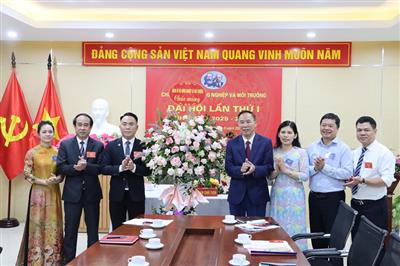
On May 26, 2025, the Party Cell of the Agriculture and Environment Magazine solemnly convened its First Congress for the 2025-2030 term. The event was held in the sacred and heroic atmosphere of historic May, as the nation commemorated the 50th anniversary of national reunification (April 30, 1975 - 2025), along with the President Ho Chi Minh's 135th birthday (May 19, 1890 - 2025). The Congress carried special political significance, marking a milestone in the Party Cell’s growth and development as Vietnam enters a new era of digital transformation, while the agriculture and environment sectors face increasing demands for reform and international integration.
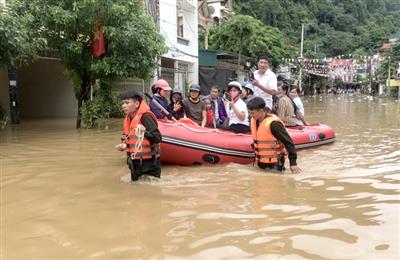
Prime Minister Pham Minh Chinh has issued a directive for swift and comprehensive action to mitigate the aftermath of severe flooding in northern and midland regions of Vietnam. From June 8-10, heavy rainfall led to extensive flooding in the provinces of Quang Ninh, Hai Phong and Ha Giang, causing significant disruption and damage.
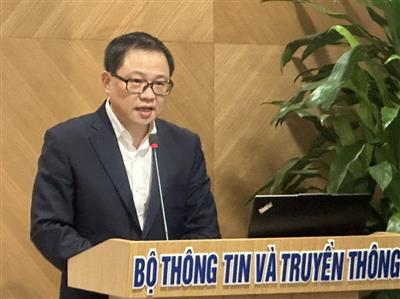
On April 25th, the Ministry of Information and Communications (MIC) hosted a training workshop on media coverage of integration, UNESCO, and ASEAN in 2024 for journalists from various media agencies in Hanoi.
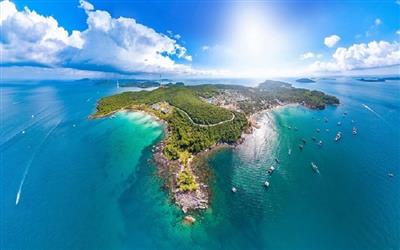
By 2030, Vietnam is planning to develop new Marine Conservation Areas (MCAs) and restore marine ecosystems, increasing the area of marine and coastal conservation zones to approximately 6% of Vietnam's coastal area. This plan, initiated by the Ministry of Natural Resources and Environment, is currently undergoing feedback and input from various coastal regions and entities.
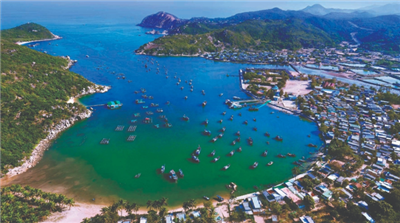
On July 7, 2023, Deputy Prime Minister of the Government, Mr. Tran Hong Ha, signed Decision No. 815/QD-TTg to establish the Institute of Environmental, Marine, and Island Sciences under the Ministry of Natural Resources and Environment.