



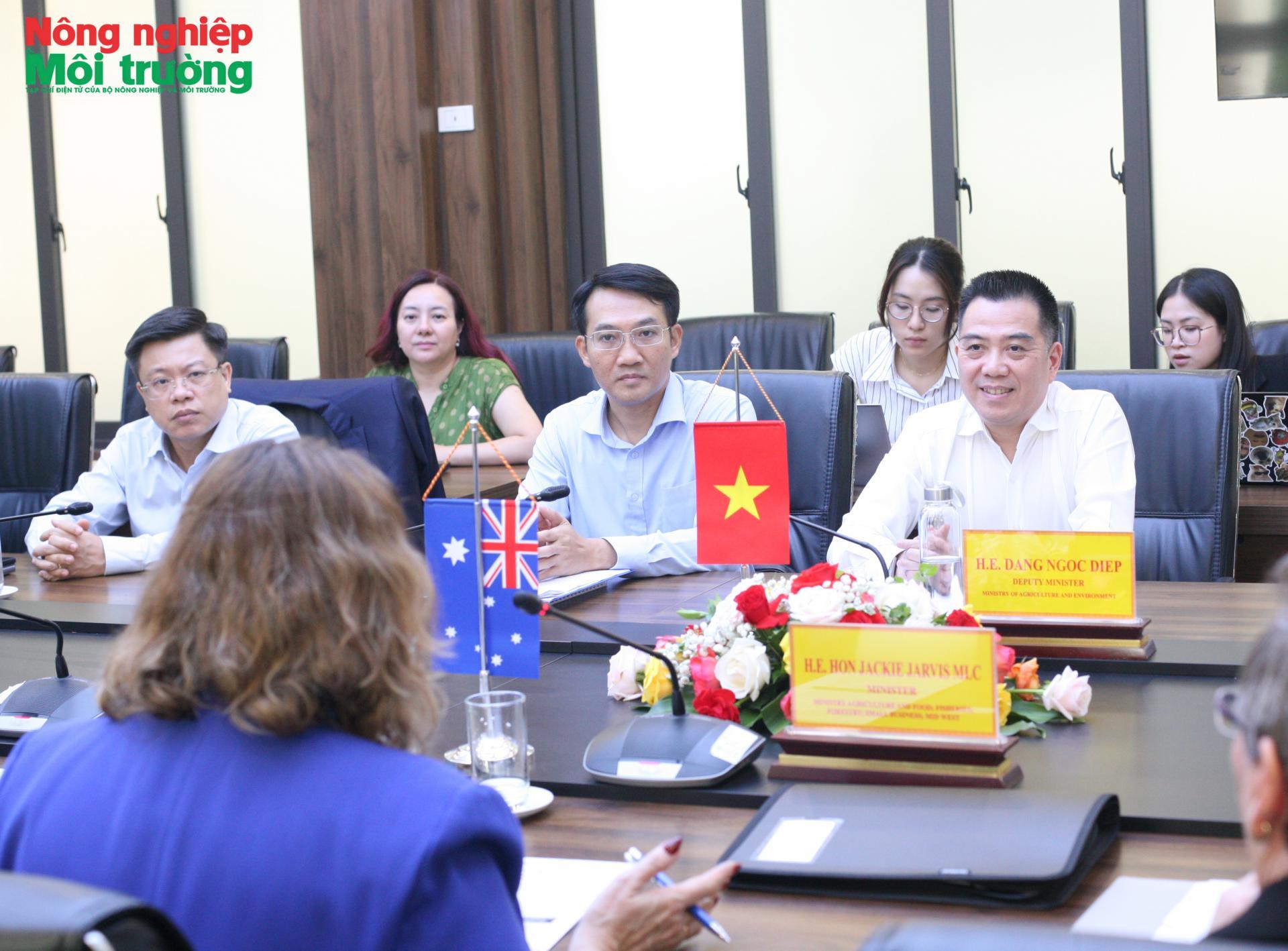
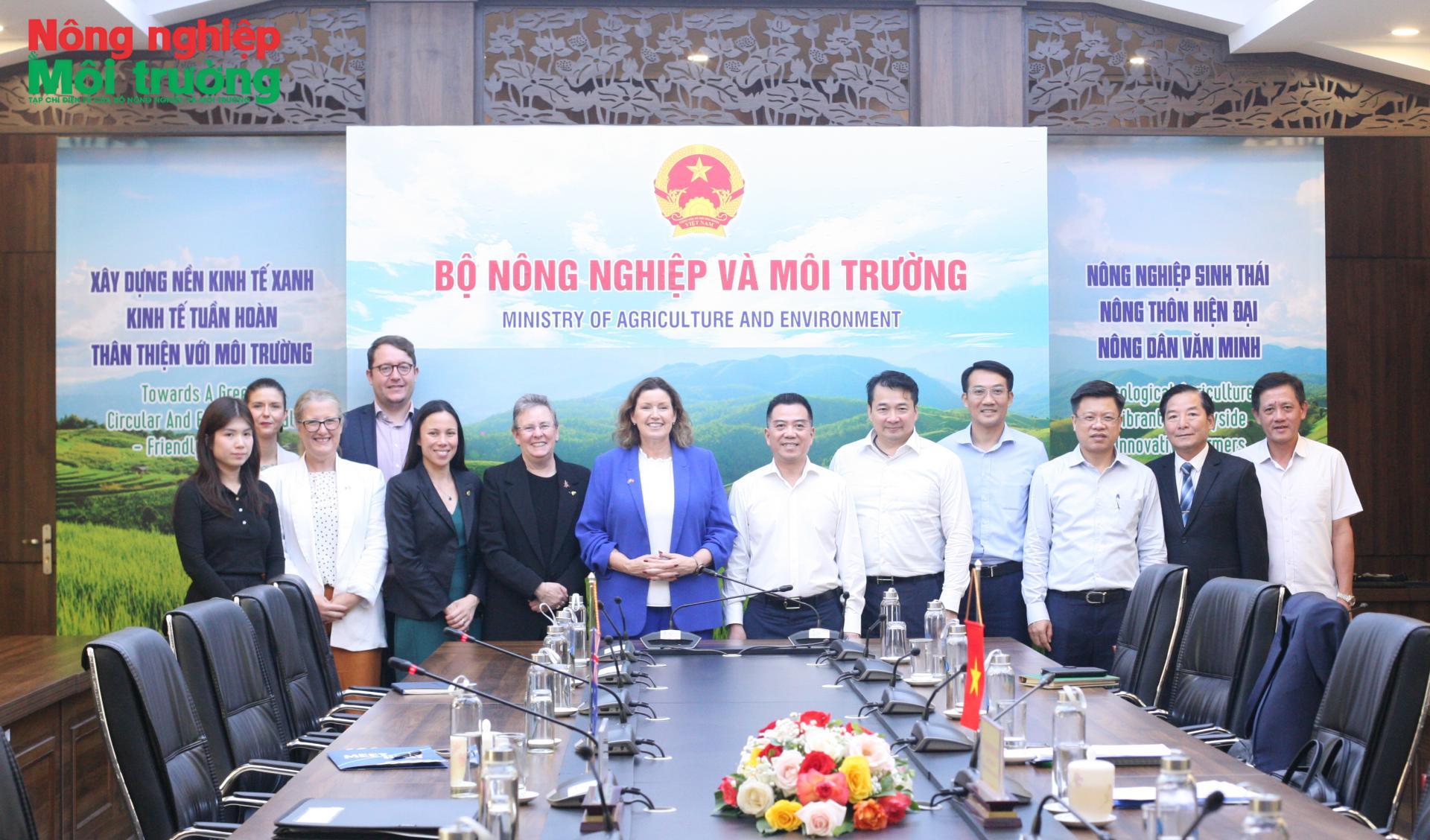
 The September 24 meeting between Deputy Minister of Agriculture and Environment Dang Ngoc Diep and Hon Jackie Jarvis MLC, Western Australia’s Minister for Agriculture and Food; Fisheries; Forestry; Small Business; and the Mid West, highlighted scope for expanding Viet Nam-Australia cooperation beyond trade in agricultural, forestry and fishery products to science and technology, climate change adaptation, biosecurity and the marine economy. The two sides also discussed strengthening business links, addressing technical issues and turning areas of potential into concrete cooperation programs.
Trade and market access remain central to bilateral agricultural cooperation
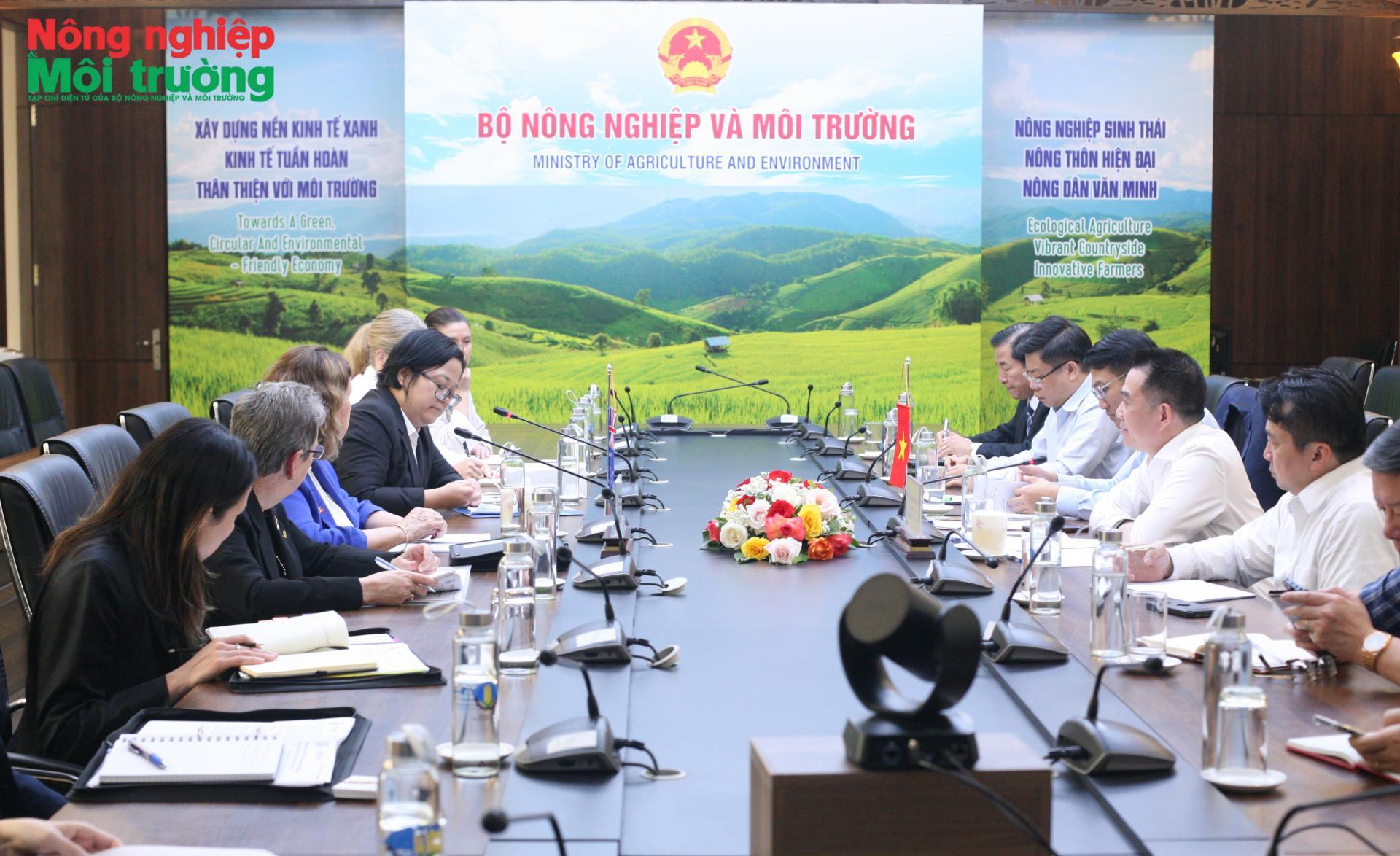
On the afternoon of September 24, Deputy Minister of Agriculture and Environment Dang Ngoc Diep received Hon Jackie Jarvis MLC, Western Australia’s Minister for Agriculture and Food; Fisheries; Forestry; Small Business; and the Mid West, and a delegation visiting and working in Viet Nam.
The discussions focused on areas where the two sides have complementary strengths and shared interests, ranging from trade in agricultural, forestry and fishery products to science and technology, resource management and the marine economy.
The meeting took place as part of Western Australia’s investment and trade mission to Viet Nam from September 17 to 25, led by Premier Roger Cook. The delegation included 32 businesses and organizations seeking to expand ties with Viet Nam in areas such as primary industries and international education. Minister Jackie Jarvis took part in business engagement activities involving the grains, livestock, food and beverage sectors.
Deputy Minister Dang Ngoc Diep noted that two-way trade in agricultural, forestry and fishery products between Viet Nam and Australia has continued to grow. Western Australia is an important supplier of a number of agricultural inputs and food products to Viet Nam. The Deputy Minister called for stable, complementary and mutually beneficial trade, together with stronger business links across production, processing, storage, logistics and distribution.
According to the Australian Department of Agriculture, Fisheries and Forestry (DAFF), Viet Nam was Australia’s eighth-largest market for agriculture, fisheries and forestry commodities, with Australian exports to Viet Nam valued at A$2.6 billion in 2025. On August 11, 2026, the two countries also signed a Memorandum of Understanding on Cooperation in Agriculture and Sustainable Development, covering agricultural policy, sustainable fisheries, forestry management, biosecurity, food safety and trade.
Building on the existing trade relationship, Deputy Minister Dang Ngoc Diep called on Minister Jackie Jarvis to encourage Western Australian businesses to learn more about the Vietnamese market, connect with Vietnamese businesses and identify promising product groups. Viet Nam is ready to work with the Western Australian side to identify priority products and partners, with a view to developing concrete opportunities in production, processing, post-harvest handling, logistics and value-chain development.
The meeting also touched on efforts to promote trade in a number of agricultural products, including fresh pomelos from Viet Nam. Deputy Minister Dang Ngoc Diep asked Minister Jackie Jarvis, upon her return to Australia, to discuss the matter with senior officials of the Australian Department of Agriculture, Fisheries and Forestry (DAFF) to help expedite the review and resolution of outstanding issues and facilitate the resumption of Vietnamese pomelo exports to the Australian market, in accordance with Australia’s phytosanitary requirements and relevant regulations.
The two sides also discussed continued coordination in addressing technical, quarantine and food safety issues. These matters form part of the broader bilateral cooperation on market access. Under the Australia-Viet Nam cooperation framework, the two countries maintain dialogue mechanisms on market access and technical working groups covering animal and seafood products, plant products, policy and technical assistance.
Science and technology strengthen cooperation in sustainable agriculture
Alongside trade, science, technology and innovation are becoming increasingly important areas of cooperation between the two countries.
On August 11, 2026, the Australian Centre for International Agricultural Research (ACIAR) and the Ministry of Agriculture and Environment announced a 10-year research collaboration strategy for 2026-2035 and agreed in principle to invest A$3.3 million, together with additional in-kind contributions, in two new research projects. The strategy aims to support Viet Nam’s transition toward a more efficient, responsible and high-quality agricultural economy, with a focus on the efficient use of natural resources, environmental protection, digital transformation and greater climate resilience.
According to ACIAR, research cooperation with Viet Nam has continued since 1993, involving government agencies, research institutes, universities and local partners. The new strategy continues to link applied research and the transfer of knowledge and technology to specific challenges facing agricultural production and rural livelihoods.
One of the new projects is Fish Tech Plus: Growing capacity of Mekong subregion countries to implement technical fisheries solutions into river development programs, with A$480,000 allocated to activities in Viet Nam. The project includes research, education and demonstration of fish-friendly infrastructure to enhance climate resilience and safeguard fisheries-based livelihoods.
The second project, Supporting development of the mabé pearl sector in Khanh Hoa province of Viet Nam, is expected to begin in January 2027 with funding of A$2.8 million. It focuses on research, training and market development to support smallholder farmers participating in an emerging aquaculture value chain.
These research priorities are consistent with issues discussed at the September 24 meeting, including the potential application of technology, sensors, data and artificial intelligence in livestock management, the efficient use of water and fertilizer, livestock health monitoring and traceability. The two sides also noted that greater exchanges among government agencies, scientists, universities and research institutions could create more opportunities for cooperation in addressing shared challenges such as climate change and salinity intrusion.
Within the broader partnership, Viet Nam and Australia have also identified high-tech agriculture, water management, climate change adaptation and efficient resource use as areas for continued cooperation. The existing cooperation framework covers technical support for river-basin management, water resource planning, irrigation management and climate-resilient water infrastructure, while also promoting the application of science and technology to sustainable agriculture.
Sustainable fisheries feature prominently in marine economy cooperation
The development of the marine economy and sustainable fisheries was one of the key areas discussed at the meeting.
Deputy Minister Dang Ngoc Diep called on Australia to share its experience in fishing, aquaculture, marine resource management and the application of high technology. The two sides could explore cooperation in aquaculture programs that meet sustainability standards and certification requirements, including models involving high-value species.
Minister Jackie Jarvis said Western Australia has a large export-oriented economy and a large-scale agricultural sector, with major products including barley, grains and feed ingredients. She expressed interest in expanding cooperation with Viet Nam on animal feed production and creating more opportunities for businesses from both sides to participate more deeply in value chains.
Minister Jackie Jarvis also raised the potential for cooperation in the marine economy, particularly in offshore fishing and aquaculture. She noted that Australia has experience in applying technology and developing production processes that have obtained international certification, areas that could be shared through cooperation with Viet Nam.
Existing programs show that cooperation between Viet Nam and Australia in fisheries and related areas has already moved into specific fields. ACIAR’s Fish Tech Plus project is being implemented in Vietnam as part of a regional initiative on technical solutions for sustainable river development and climate-resilient fisheries. Meanwhile, the project to develop the mabé pearl sector in Khanh Hoa aims to support an emerging aquaculture value chain through research, training and market development.
Western Australia is also implementing programs to strengthen the climate resilience of its aquaculture sector. The state government has supported the Aquaculture for the Future program, which provides training, professional business planning, mentoring and climate-risk assessment for aquaculture operations.
The discussions at the meeting underscored the broader scope of Viet Nam-Australia cooperation in agriculture and the environment, linking trade with science and technology, resource management and sustainable development. Existing market-access dialogue mechanisms, the newly established agricultural cooperation framework and the 10-year research collaboration strategy between the Ministry of Agriculture and Environment and ACIAR provide a basis for the two sides to identify priorities and develop concrete cooperation initiatives.
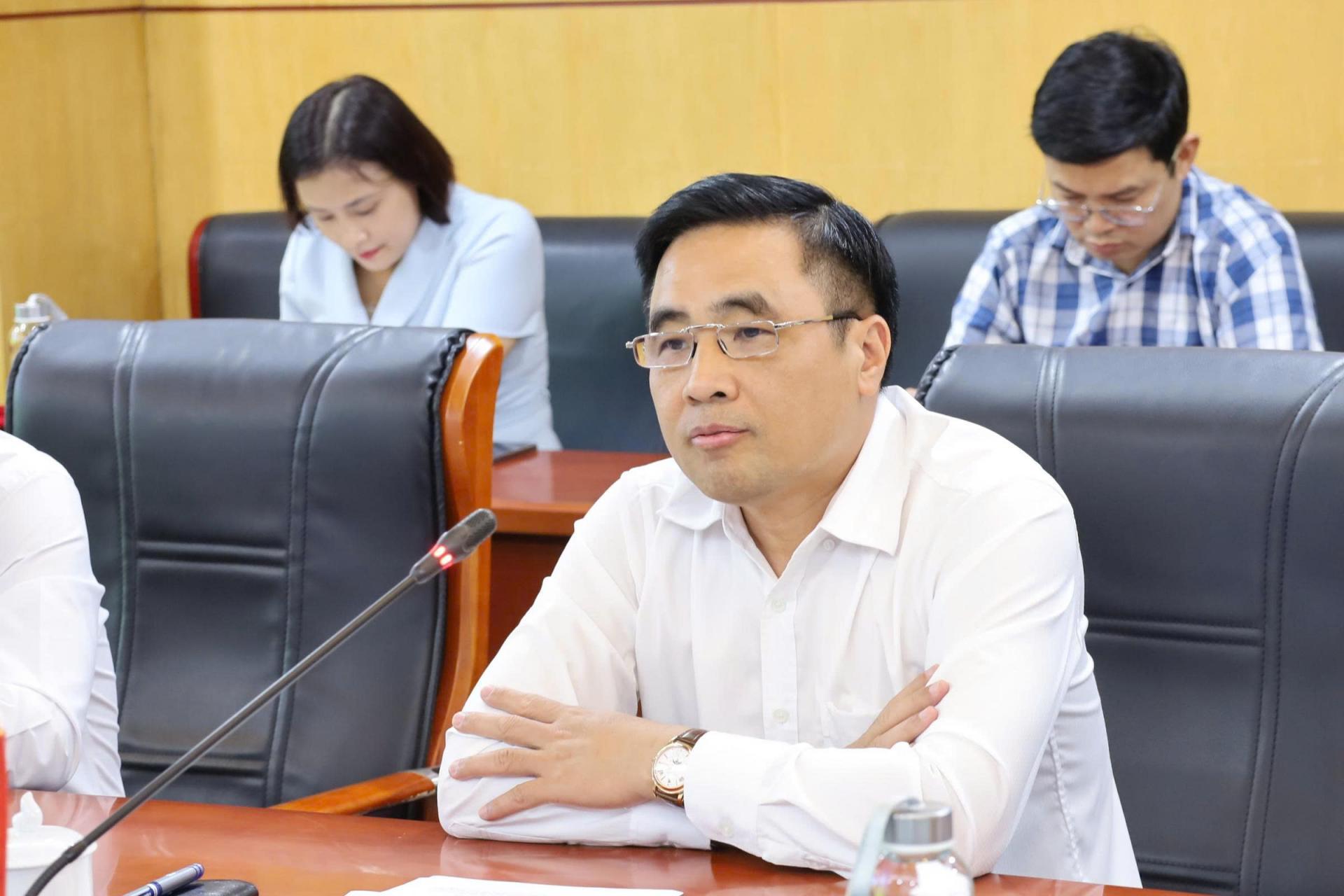
The August 18 meeting between Deputy Minister of Agriculture and Environment Nguyen Quoc Tri and Uruguay’s Deputy Minister of Livestock, Agriculture and Fisheries Matías Carámbula highlighted market access and balanced interests in agricultural trade between the two countries. These issues are directly relevant to translating bilateral cooperation priorities into concrete outcomes.
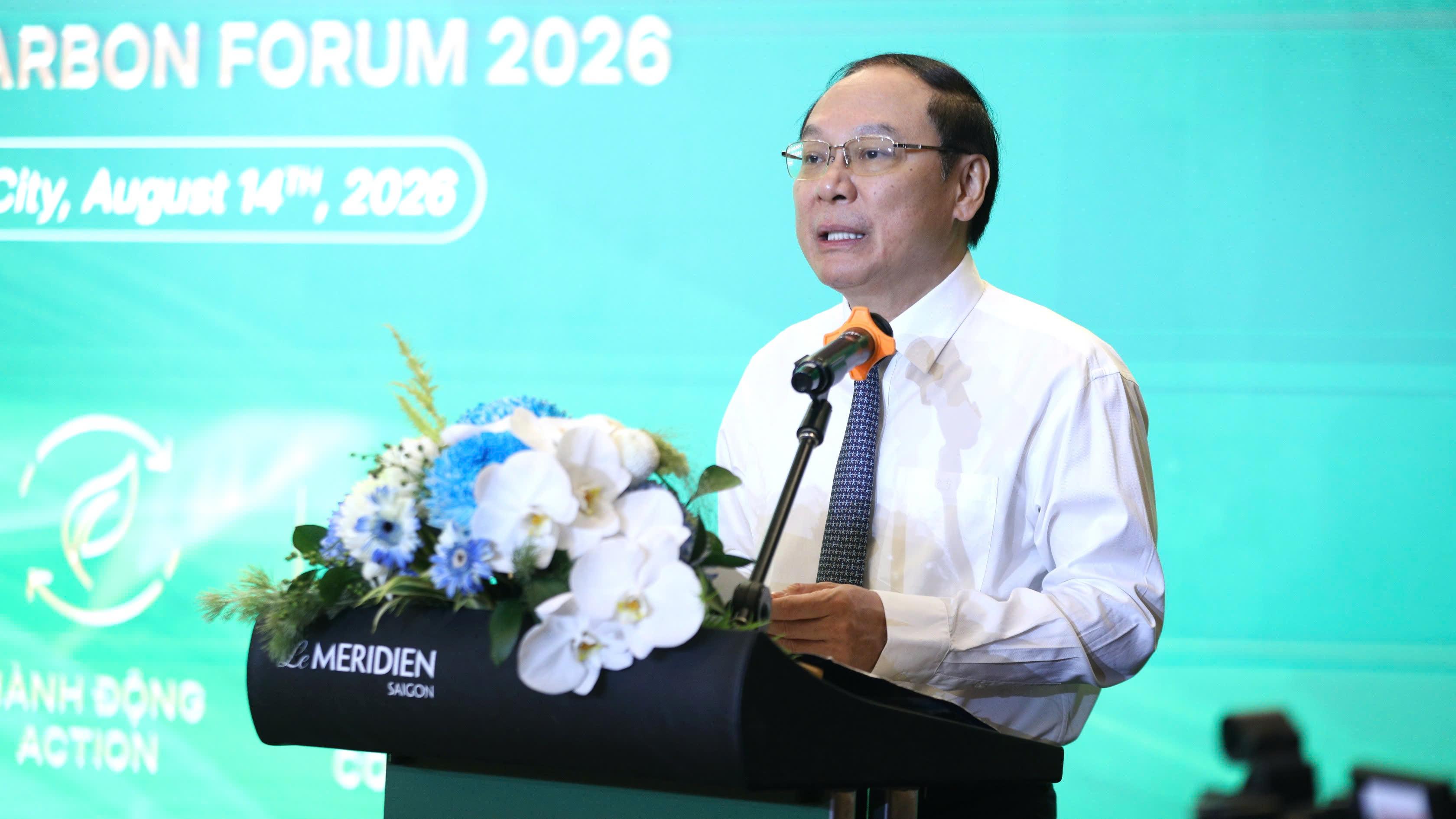
The "Viet Nam Carbon Forum 2026: From policty to action", held in Ho Chi Minh City on August 14, highlighted the carbon market’s transition into a new phase, with the legal framework being progressively completed, the domestic carbon exchange entering pilot operation and businesses facing growing pressure to make emissions reductions part of their business strategies.
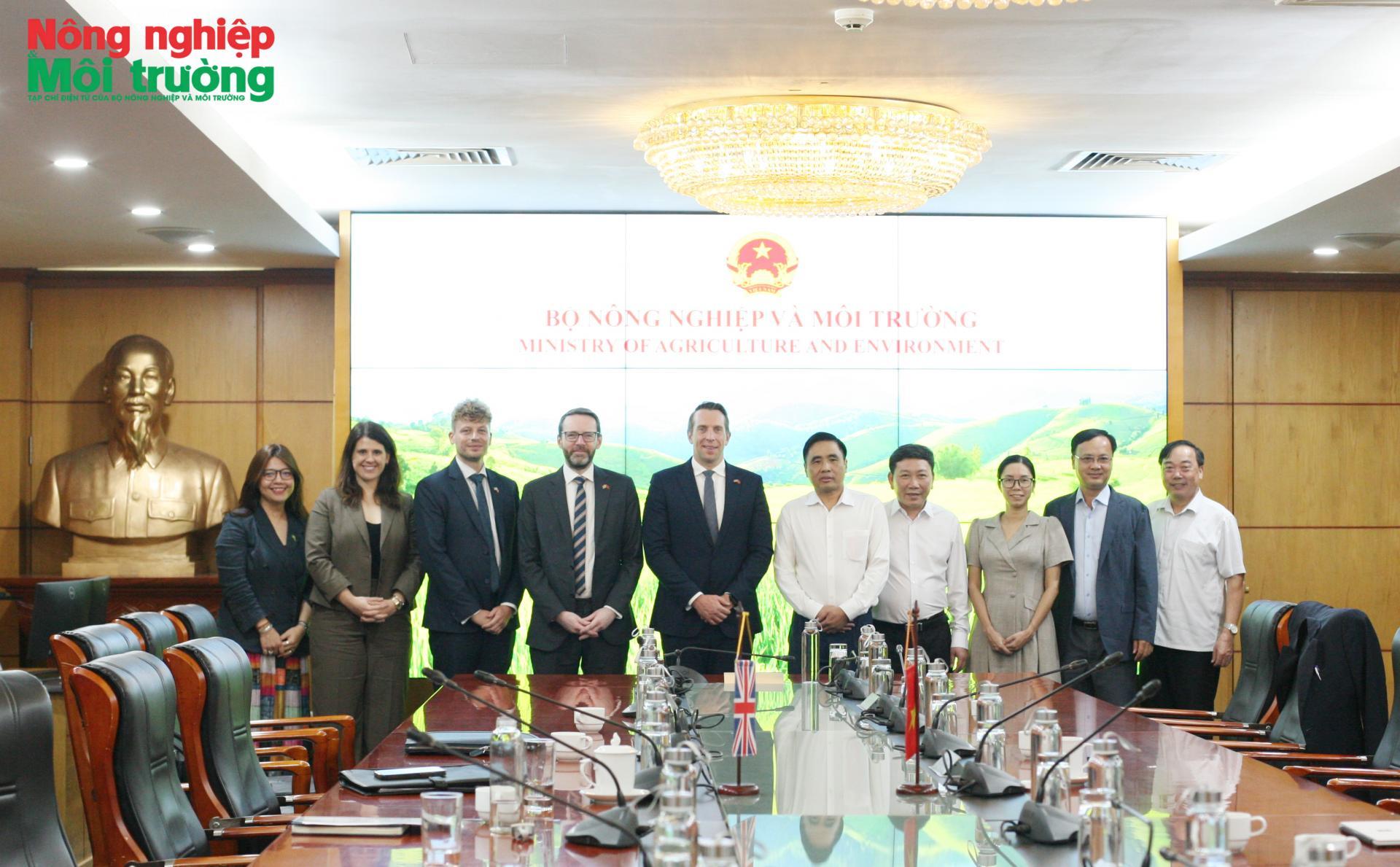
Viet Nam and the United Kingdom are stepping up coordination to expand market access for agricultural, forestry and fishery products, as bilateral trade in these sectors reached about US$1.16 billion in 2025, up 20% from the previous year.
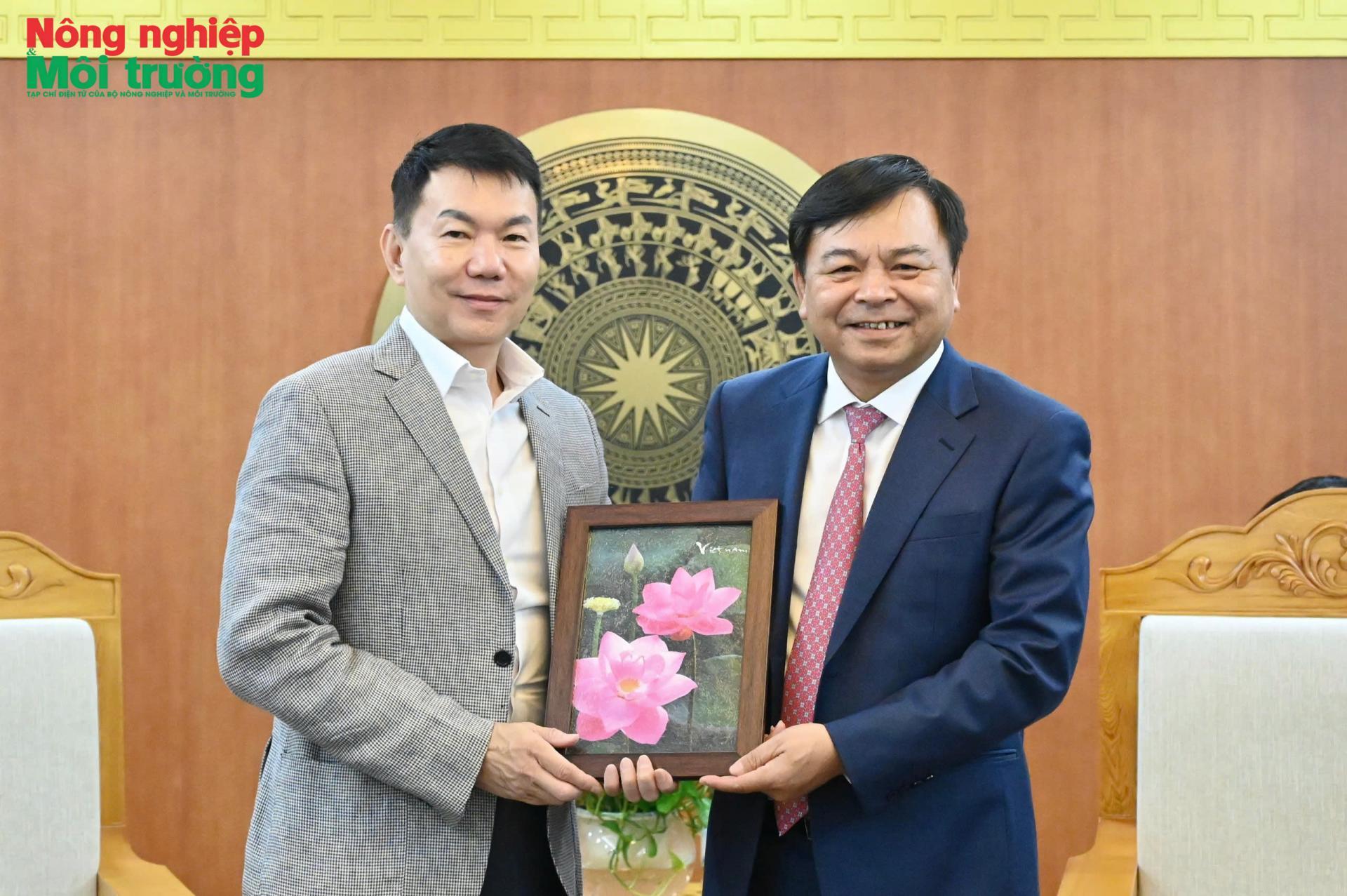
Viet Nam is working to expand low-emission rice production models to increase value and farmers’ incomes, while gradually creating conditions for the development of markets for low-emission rice and carbon credits.
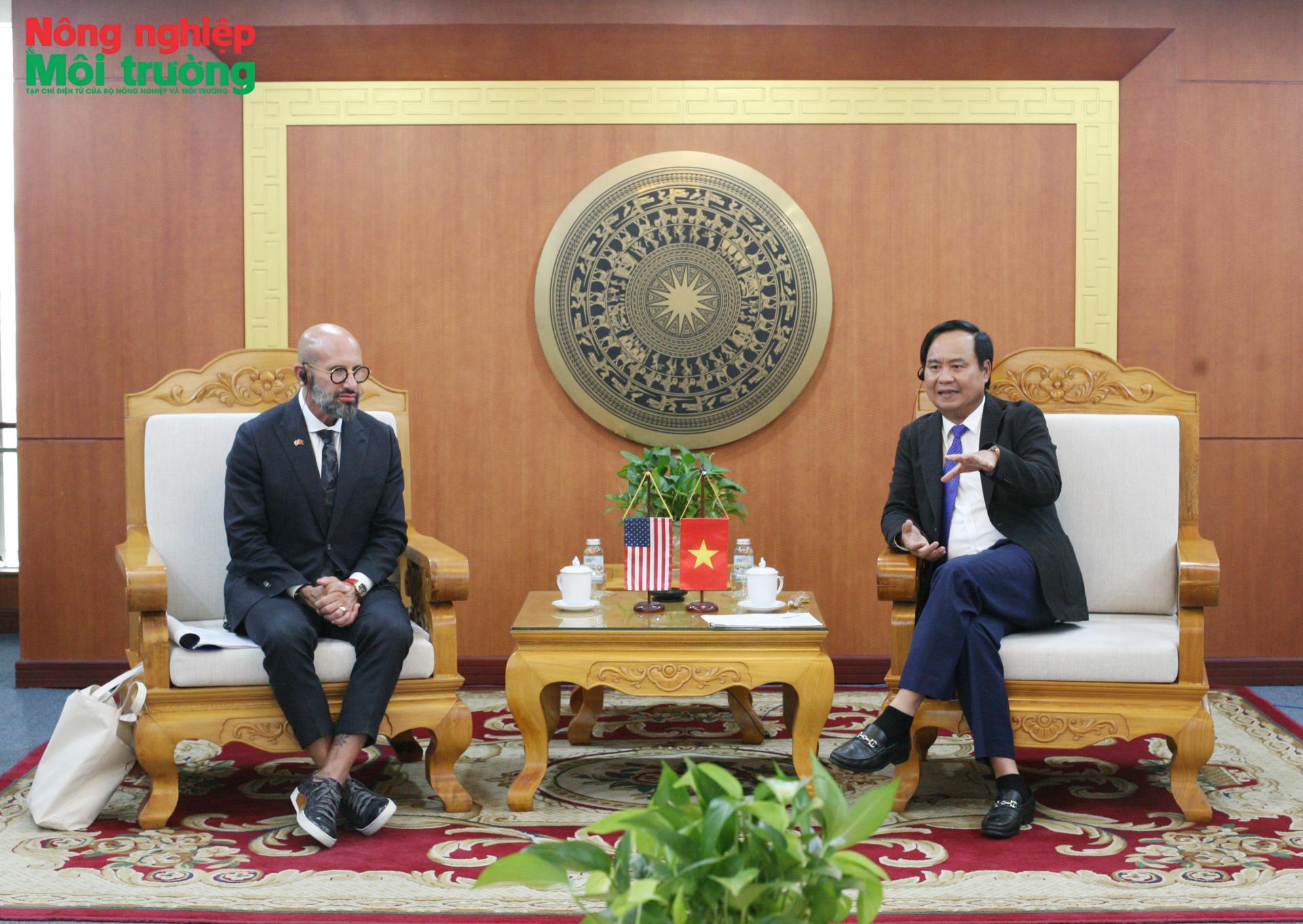
The U.S. Food and Drug Administration's (FDA) decision to establish its first ASEAN regional office in Vietnam is expected not only to strengthen cooperation between the two countries' regulatory authorities but also to support the harmonization of food safety standards, improve supply chain oversight and facilitate agricultural trade as international market requirements become increasingly stringent.