




 One year after the nationwide implementation of Viet Nam's two-tier local government model, initial results suggest that the reform represents far more than an administrative restructuring. It marks a significant shift in the country's governance philosophy. By streamlining the administrative structure, advancing decentralization and the delegation of authority, accelerating administrative reform, and promoting digital transformation, the new model is laying the foundation for a modern public administration that is efficient, effective, accountable, and responsive to the country's development needs in a new era.
Rebuilding government for a new development era
Reforming the organizational structure of the political system has been a consistent policy of the Communist Party of Viet Nam to meet the country's evolving development requirements. As digital transformation accelerates, international integration deepens, and expectations for higher-quality national governance continue to rise, reorganizing the administrative system is intended not only to streamline institutions but, more importantly, to establish a governance model capable of supporting rapid, sustainable, and people-centered development.
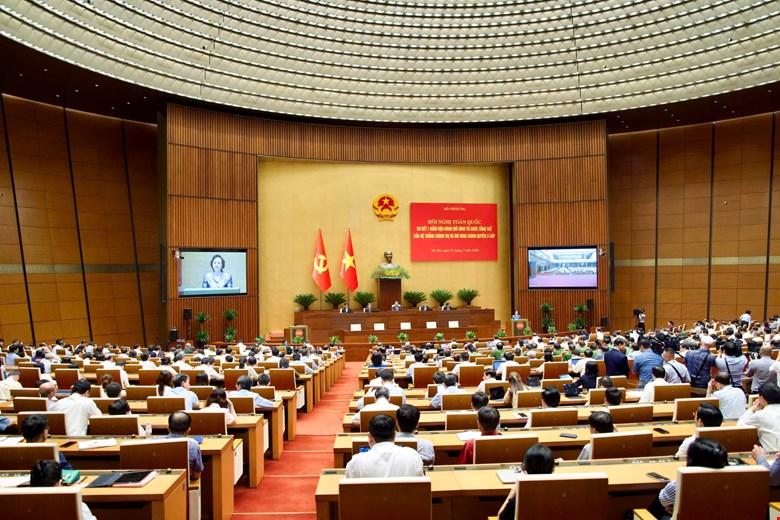
The nationwide launch of the two-tier local government model on July 1, 2025, therefore marked an important milestone in the country's ongoing efforts to reform the organization and operation of the state apparatus. Rather than representing a simple administrative adjustment or merely abolishing the district level of government, the reform marks a comprehensive transformation of local governance. It is designed to streamline the administrative structure, reduce intermediary layers, clearly define the functions and responsibilities of each level of government, and strengthen accountability in public administration.
After one year of implementation, initial experience indicates that the new model has largely completed its transition while ensuring the continuity of government administration, administrative procedures, and public service delivery, with no disruption in governance. This achievement is particularly significant given the substantial workload completed within a relatively short period, including the reorganization of administrative units, institutional restructuring, personnel reallocation, and revisions to the legal framework needed to support the new governance model.
According to reports presented at the National Conference reviewing the first year of the two-tier local government model on July 1, 2026, Viet Nam now comprises 34 centrally governed provinces and municipalities and 3,321 commune-level administrative units, including 2,621 communes, 687 wards, and 13 special administrative units. This represents a reduction of nearly 67 percent in the number of commune-level administrative units compared with the previous system. At the same time, the elimination of district-level government has removed an intermediary administrative tier, shortened administrative processes, and reduced overlapping functions and responsibilities across different levels of government.
Alongside the reorganization of administrative units, specialized government agencies have also been restructured to align with the new institutional framework. The country now has 467 specialized agencies under provincial-level People's Committees and more than 10,000 specialized divisions under commune-level People's Committees, ensuring the continued performance of government functions despite the elimination of district-level authorities. This provides an important institutional foundation for the stable operation and continued refinement of the new governance model.
In his closing remarks at the National Conference, Party General Secretary To Lam affirmed that "the policy of restructuring the political system into a leaner organization that operates with greater efficiency, effectiveness, and performance is entirely correct, necessary, and of strategic significance for the country's development." He described the reform as "a comprehensive and highly challenging transformation" affecting the entire political system from the central government to the grassroots level. Having completed the initial stage of institutional restructuring, he stressed that the priority must now shift from organizational consolidation to improving operational quality, strengthening public service capacity, and enhancing the new system's ability to drive development.
One year after its implementation, the significance of the two-tier local government model extends well beyond streamlining the administrative structure. It marks the emergence of a governance model better aligned with Viet Nam's development needs in the years ahead, laying the foundation for a more modern, service-oriented, and people-centered public administration.
Giving local governments more authority and more accountability
While institutional restructuring provides the organizational framework for the new administrative system, decentralization and the delegation of authority are the defining factors determining the effectiveness of the two-tier local government model. Even the most streamlined administrative structure cannot deliver its full potential if responsibilities remain unclear or governance continues to rely on the highly centralized administrative approach of the past.
For many years, decentralization has been recognized as a fundamental requirement of public administration reform in Viet Nam. However, only with the comprehensive rollout of the two-tier local government model has the redistribution of authority between the central government and local administrations been undertaken on such a broad scale, accompanied by institutional reforms that clearly define the responsibilities of each level of government.
According to the Ministry of Home Affairs, within just three months—from June to August 2025—competent authorities issued 181 normative legal documents on decentralization, the delegation of authority, and the redistribution of administrative responsibilities. As a result, 2,541 government functions and powers were adjusted, including 949 responsibilities transferred from the central government to local authorities and more than 1,100 functions previously exercised by district-level governments reassigned to provincial or commune-level administrations.
Completing such an extensive legislative and institutional agenda within a short period demonstrates the central government's strong commitment to establishing a new governance framework in which every level of government exercises clearly defined powers and assumes full responsibility for its assigned functions. It also provides a basis for reducing overlapping mandates, minimizing administrative delays, and eliminating the need for unnecessary multi-level approvals on matters that fall within local jurisdiction.
A defining feature of this latest decentralization initiative lies not only in the scale of transferred responsibilities but also in its underlying governance philosophy. The principle that "local authorities decide, local authorities implement, and local authorities are accountable" has been codified through specific legal provisions, enabling local governments to respond more proactively to practical challenges while strengthening accountability among government leaders and public institutions.
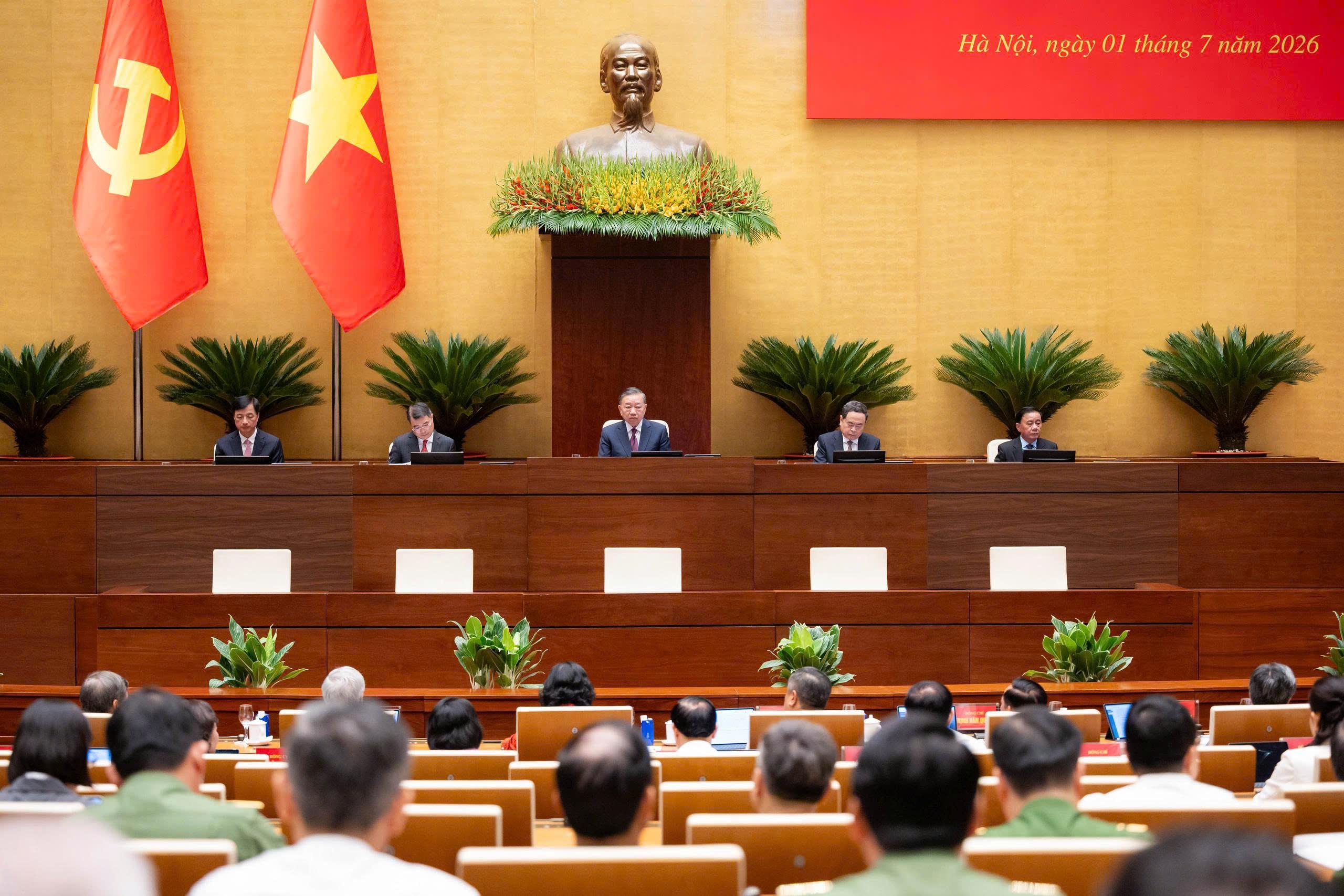
Party General Secretary To Lam likewise emphasized that decentralization must be accompanied by adequate resources and effective mechanisms to ensure accountability and oversight. In his view, decentralization should be substantive rather than symbolic: "It is not about shifting burdens to lower levels of government, but about transferring authority, resources, data, implementation tools, and accountability in a clear, transparent, and well-supervised manner." His remarks underscore that reforming local governance is not simply about granting greater authority, but also about equipping local governments with the resources and institutional capacity needed to exercise that authority effectively, while maintaining robust mechanisms for oversight and accountability.
According to Deputy Minister of Home Affairs Vu Chien Thang, the redistribution of responsibilities has established an important legal foundation for strengthening local autonomy while gradually creating a governance system characterized by clearly assigned responsibilities, well-defined functions, and greater accountability. Beyond organizational restructuring, the reform is expected to improve governance quality across provinces and communes, enabling localities to make better use of their comparative advantages and development potential.
Initial implementation over the past year suggests that expanded decentralization has shortened administrative procedures, improved the flexibility of local decision-making, and strengthened coordination across different levels of government. At the same time, broader local authority also creates new demands for stronger oversight mechanisms, higher civil service capacity, and adequate financial resources and digital infrastructure. Addressing these priorities will be essential as Viet Nam continues refining the two-tier local government model to make it more effective, responsive, and sustainable.
Digital transformation powers the new governance model
Institutional restructuring and decentralization cannot achieve their full potential without being underpinned by administrative reform and digital transformation. Under the two-tier local government model, these are no longer merely supporting tools for government administration but essential enablers of a governance system that operates seamlessly, consistently, and delivers better services to citizens and businesses.
From the outset of the reform, the Government and line ministries recognized that administrative reform had to proceed in parallel with institutional restructuring. The objective extends beyond simplifying administrative procedures. It also seeks to transform the way public services are delivered by making them more transparent, accessible, convenient, and independent of administrative boundaries. Equally important, this approach helps ensure that the transition to the new governance model does not disrupt government operations or undermine the legitimate rights and interests of citizens and businesses.
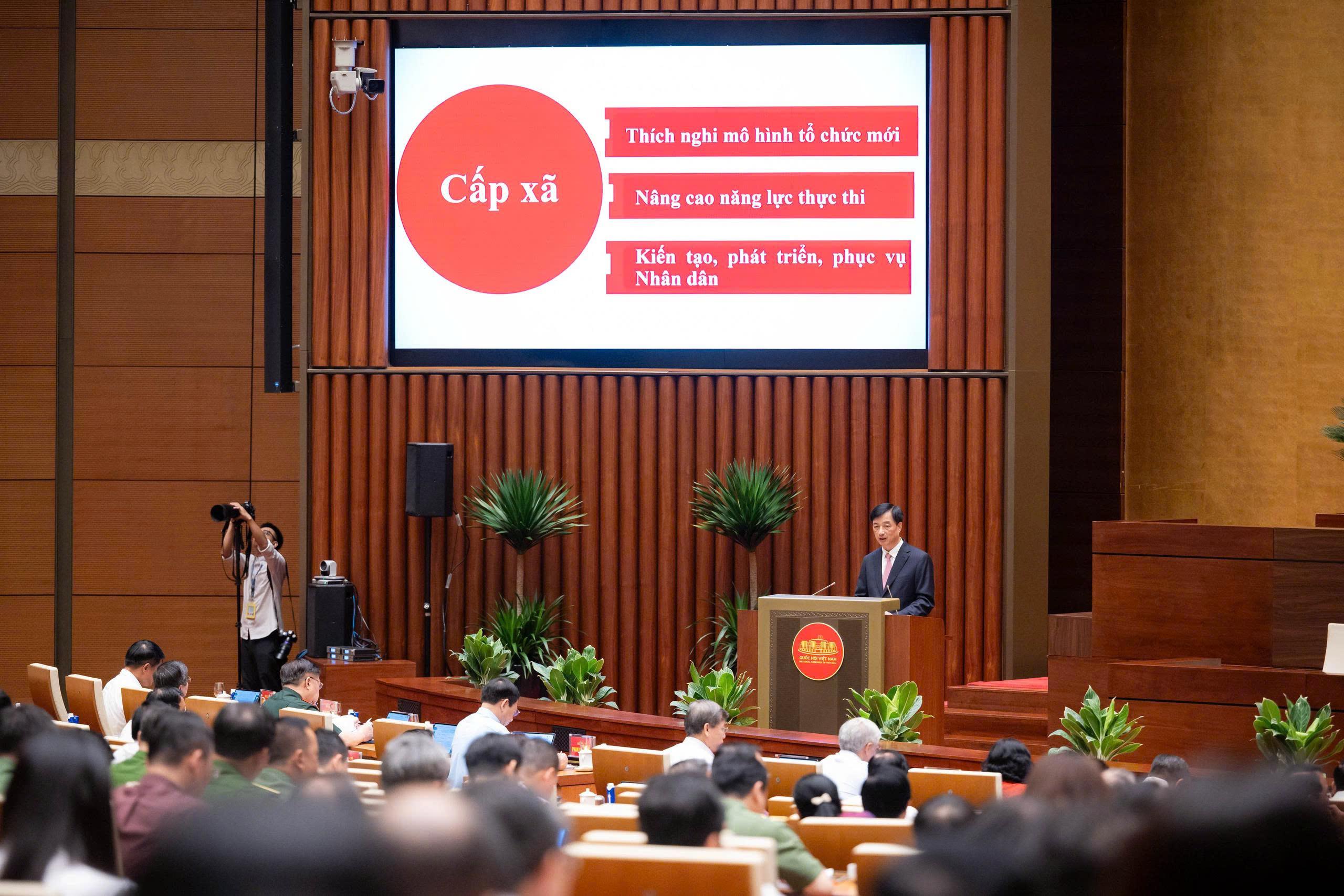
After one year, initial results indicate that administrative reform and digital transformation have played a central role in ensuring the stable operation of the new governance model. By May 2026, 33 of Viet Nam's 34 provinces and centrally governed municipalities had established a total of 3,189 commune-level Public Administration Service Centers, while Ha Noi adopted a unified citywide model. At the same time, the National Public Service Portal had been integrated with the administrative service systems of all 34 localities, enabling citizens to access an expanding range of online public services regardless of their place of residence or administrative jurisdiction.
The growing use of the National Population Database through the VNeID digital identity platform has further accelerated the simplification of administrative procedures. Rather than requiring citizens to repeatedly provide information already available in government databases, many administrative processes now automatically verify and authenticate personal data, reducing processing times, lowering compliance costs, and improving transparency in public administration.
Party General Secretary To Lam has emphasized that data should be regarded as a strategic national asset and the foundation of modern governance. In this context, digital transformation is understood not simply as the application of information technology but as a comprehensive redesign of government operations—from core datasets and digital case management to integrated workflows, real-time management dashboards, and mechanisms for monitoring accountability. The ultimate objective is to eliminate, as far as possible, the need for citizens and businesses to repeatedly submit information that government agencies already possess, thereby improving both service delivery and governance effectiveness.
Many localities have proactively adopted emerging technologies to support grassroots administration, including AI-powered virtual assistants for civil servants, digital citizen service stations, and artificial intelligence applications for receiving, guiding, and processing administrative procedures. Although implementation varies across the country, early experience suggests that digital transformation is steadily reshaping public administration, shifting it from paper-based processes toward data-driven governance.
The effectiveness of these reforms is also reflected in independent performance indicators. In 2025, the average Provincial Administrative Reform Index (PAR Index) reached 89.96 percent—the highest level recorded since the assessment framework was introduced—while the Satisfaction Index of Public Administration Services (SIPAS) remained above 83 percent. According to figures released at the National Conference, more than 89 percent of surveyed citizens believed that harassment and unnecessary administrative obstacles encountered during public service delivery had largely been eliminated.
These achievements demonstrate that administrative reform and digital transformation have become more than supporting elements of institutional restructuring. They are increasingly serving as key drivers of governance modernization. While decentralization empowers local governments to make decisions and implement policies more independently, administrative reform and digital transformation provide the mechanisms that enable those decisions to be carried out more quickly, more transparently, and more effectively in the public interest.
The next step: Strengthening institutions
The first year of implementing the two-tier local government model has produced encouraging results, but it represents only the beginning of a far-reaching reform with profound implications for Viet Nam's system of national governance. Initial implementation shows that while significant progress has been made, considerable work remains before the new model can fully achieve its intended objectives.
Foremost among the priorities ahead is the continued refinement of the institutional framework to support the substantial transfer of authority from the central government to local administrations. Although hundreds of normative legal documents were issued within a short period to facilitate decentralization and clarify administrative responsibilities, practical implementation has identified sector-specific regulations that require further revision to ensure consistency across laws, decrees, and implementing regulations. Such continuous legal refinement is an inherent feature of large-scale governance reform.
Strengthening the implementation capacity of public officials—particularly at the grassroots level—also remains critical to the success of the new governance model. Decentralization involves not only transferring additional responsibilities but also increasing local accountability for policy implementation and public administration. This requires civil servants with stronger professional expertise, sound governance skills, and greater digital competencies to meet increasingly complex administrative demands.
Another key priority is the continued development of digital infrastructure and national databases to ensure seamless data connectivity, sharing, and interoperability among ministries, sectors, and local governments. In a governance model increasingly built on digital platforms, data serves not only to facilitate administrative procedures but also as a strategic resource for policy analysis, socio-economic planning, public administration, and improved service delivery.
Speaking at the National Conference reviewing the first year of implementation, participants broadly agreed that organizational reform can achieve lasting success only when accompanied by stronger institutions, more effective oversight of public authority, and greater accountability at every level of government. The principle of "one task—one lead agency—one accountable official" should therefore continue to be institutionalized across all sectors, ensuring clearly defined authority, responsibilities, and oversight mechanisms.
One year after its launch, the two-tier local government model has begun laying the foundation for a more modern system of governance. The administrative structure has become leaner, responsibilities have been more clearly defined, administrative reform and digital transformation have accelerated, and local governments now have greater autonomy to support governance and development. Yet reforming the public administration is not an end in itself. Rather, it is an ongoing process of institutional improvement that must continue to evolve in response to the country's changing development needs.
The achievements of the first year therefore represent more than a milestone in assessing initial progress. They also provide an important foundation for ministries, sectors, and local governments to further strengthen institutions, modernize governance practices, and enhance implementation capacity in the years ahead. Within this broader reform agenda, the agriculture and environment sector occupies a particularly significant position because its management responsibilities extend across both provincial and commune levels of government. During the first year of implementation, proactive institutional reviews, organizational restructuring, expanded decentralization, and close coordination with local authorities have produced encouraging initial results while also highlighting new challenges that will shape the sector's governance agenda in the years to come.
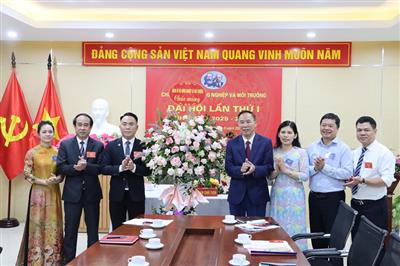
On May 26, 2025, the Party Cell of the Agriculture and Environment Magazine solemnly convened its First Congress for the 2025-2030 term. The event was held in the sacred and heroic atmosphere of historic May, as the nation commemorated the 50th anniversary of national reunification (April 30, 1975 - 2025), along with the President Ho Chi Minh's 135th birthday (May 19, 1890 - 2025). The Congress carried special political significance, marking a milestone in the Party Cell’s growth and development as Vietnam enters a new era of digital transformation, while the agriculture and environment sectors face increasing demands for reform and international integration.

Prime Minister Pham Minh Chinh has issued a directive for swift and comprehensive action to mitigate the aftermath of severe flooding in northern and midland regions of Vietnam. From June 8-10, heavy rainfall led to extensive flooding in the provinces of Quang Ninh, Hai Phong and Ha Giang, causing significant disruption and damage.
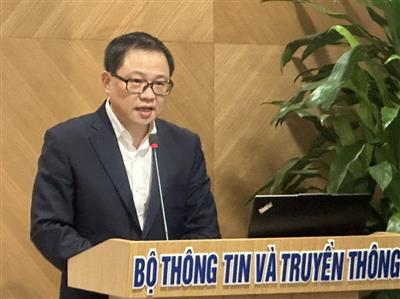
On April 25th, the Ministry of Information and Communications (MIC) hosted a training workshop on media coverage of integration, UNESCO, and ASEAN in 2024 for journalists from various media agencies in Hanoi.

By 2030, Vietnam is planning to develop new Marine Conservation Areas (MCAs) and restore marine ecosystems, increasing the area of marine and coastal conservation zones to approximately 6% of Vietnam's coastal area. This plan, initiated by the Ministry of Natural Resources and Environment, is currently undergoing feedback and input from various coastal regions and entities.

On July 7, 2023, Deputy Prime Minister of the Government, Mr. Tran Hong Ha, signed Decision No. 815/QD-TTg to establish the Institute of Environmental, Marine, and Island Sciences under the Ministry of Natural Resources and Environment.