



 Food loss and waste are emerging as major bottlenecks in global agrifood systems, with large quantities of food lost or discarded despite the land, water, energy and labor invested in producing it. In Viet Nam, the issue not only diminishes the value of agricultural products but also generates substantial economic, environmental and social costs. Research on selected value chains shows that food losses occur throughout the chain, from production and harvesting to transportation, post-harvest handling and storage, while food waste continues to arise at the retail, food service and household levels. A clear understanding of the current situation is essential for Viet Nam to further strengthen its policies to reduce food loss, curb food waste and improve the efficiency of the agrifood system as a whole.
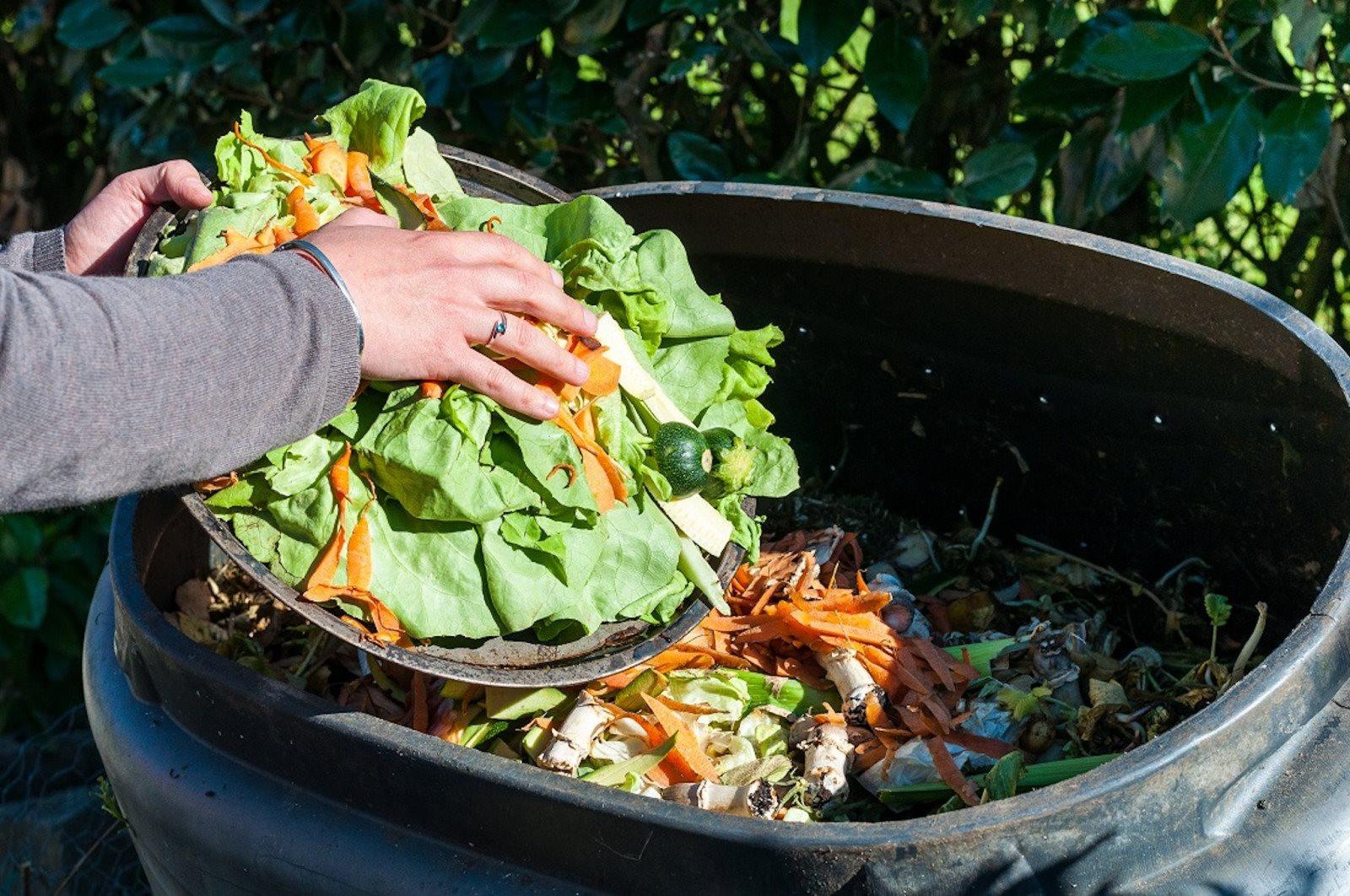
The global scale of food loss and waste
Each year, large quantities of food are produced for human consumption but do not complete the journey from production to the table. Some is lost during harvesting, transportation, storage, processing and distribution, while other food is discarded by retailers, food service establishments or households.
Food loss and food waste occur at multiple points across the agrifood system, from production and harvesting to transportation, storage, retail, food services and consumption. Food loss primarily occurs from the post-production stage to before retail, while food waste is concentrated at the retail, food service and household levels.
Speaking at the workshop “From evidence to action: Advancing circular economy solutions to reduce food loss and waste in Viet Nam,” held in Hanoi on August 19, Jacopo Schuerch, a food systems specialist with the Food and Agriculture Organization of the United Nations (FAO) in Rome, said distinguishing between the two concepts is important for measuring the problem and identifying where intervention is needed along the food value chain.
Food loss can occur during harvesting, slaughtering or catching, post-harvest handling, transportation, storage, distribution, processing and packaging. Food waste, by contrast, is more closely associated with decisions and practices at the end of the chain, involving retailers, food service providers and consumers.
The distinction matters not only in terminology but also in determining how food loss and waste are measured and where interventions should be targeted. FAO uses the Food Loss Index to monitor food loss from the post-harvest stage to the pre-retail stage, while the Food Waste Index focuses on food waste at the retail and consumption levels.
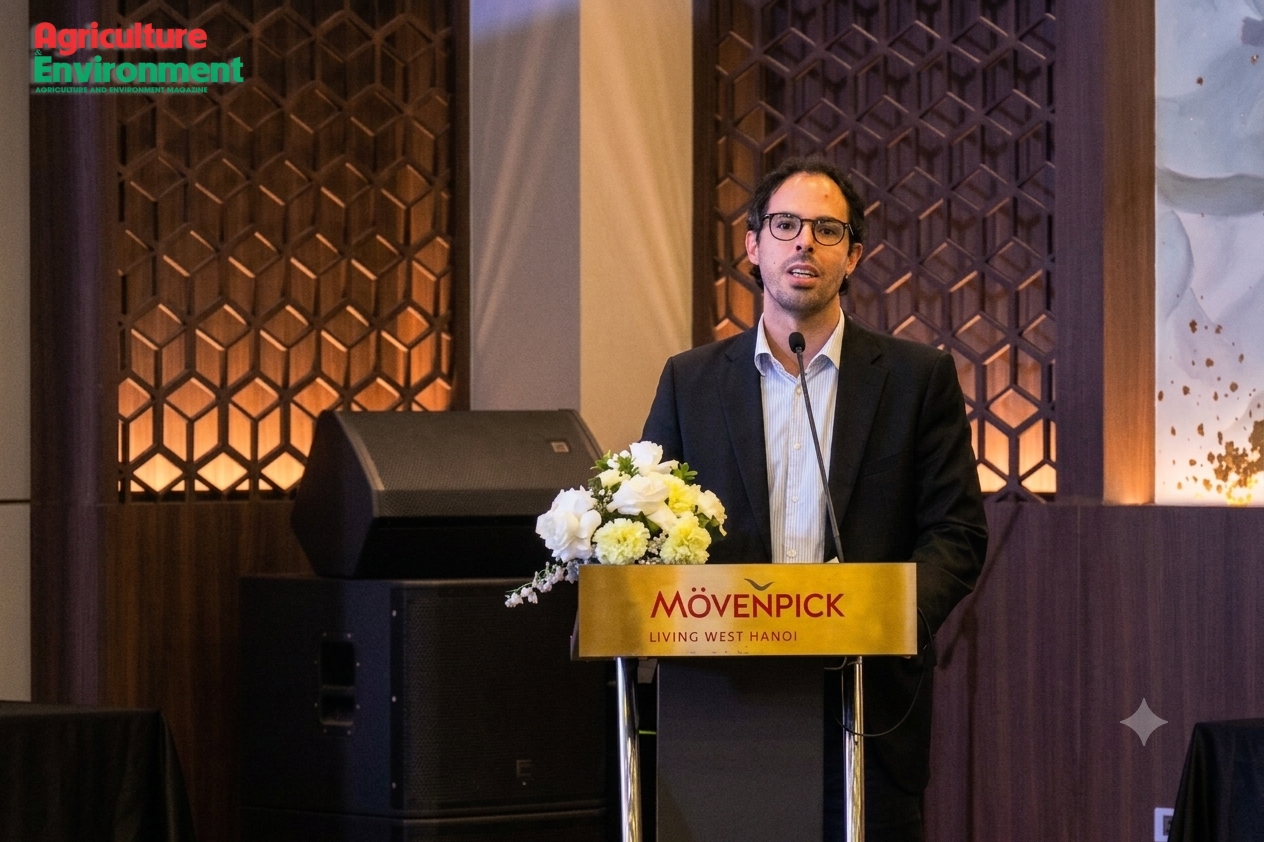
According to Jacopo Schuerch, about 13.3% of food is lost globally between the post-harvest stage and the pre-retail stage. This figure does not include products that are never harvested from the field, partly because such losses are more difficult to measure. When market prices fall to a level at which harvesting is no longer economically worthwhile, crops left in the field also represent a form of loss that is not fully reflected in the figure. The global estimate of 13.3% and the corresponding regional figures were presented by Schuerch at the workshop.
In Southeast Asia, the food loss rate presented by Schuerch was around 14.8%, above the global average cited at the workshop.
While food loss occurs primarily on the production and supply side, food waste becomes more visible at the end of the chain through food discarded by households, food service establishments and retailers.
According to the figures presented by Schuerch, around 1.05 billion metric tons of food are wasted globally each year, equivalent to about 19% of the global food supply reaching consumers. Citing UNEP data, FAO reported that 1.05 billion metric tons of food were wasted in 2022, equivalent to approximately 132 kilograms per person.
At the regional level, household food waste in Southeast Asia stands at about 70 kilograms per person per year, below the global average of 79 kilograms cited in Jacopo Schuerch’s presentation. However, when food waste from food services and retail is also taken into account, the amount rises substantially. Based on the calculation presented at the workshop, adding approximately 36 kilograms per person from food services and another 17 kilograms from retail brings the total to around 132 kilograms per person per year.
These figures show that the problem is not confined to any single stage of the food chain. Food can be lost before reaching the market, but it can also be discarded after completing most of its journey through the food supply chain. In other words, a system may produce enough food while still using resources inefficiently if too much of that production never becomes food that is actually consumed.
That is why food loss and waste are increasingly viewed not simply as agricultural or waste-management issues, but as challenges affecting the entire agrifood system.
The broader costs of food loss and waste
The value of food that is lost or wasted cannot be measured solely by the selling price of the product at the time it is discarded. Behind every kilogram of food that never reaches consumers lie land, water, energy, labor, production costs, transportation and other resources that have already been invested but ultimately fail to generate their intended value.
Viewed against the backdrop of global food security, the issue presents an even deeper contradiction. Jacopo Schuerch noted that hundreds of millions of people around the world continue to face hunger and food insecurity while vast quantities of food are lost or wasted.
According to the FAO figures cited in the presentation, around 608–696 million people worldwide still face hunger, while approximately 2.1 billion people experience moderate or severe food insecurity. In Asia, Jacopo Schuerch cited around 292 million people, or about 6% of the region’s population, as still facing hunger, while 28.9% of the population cannot afford a healthy diet.
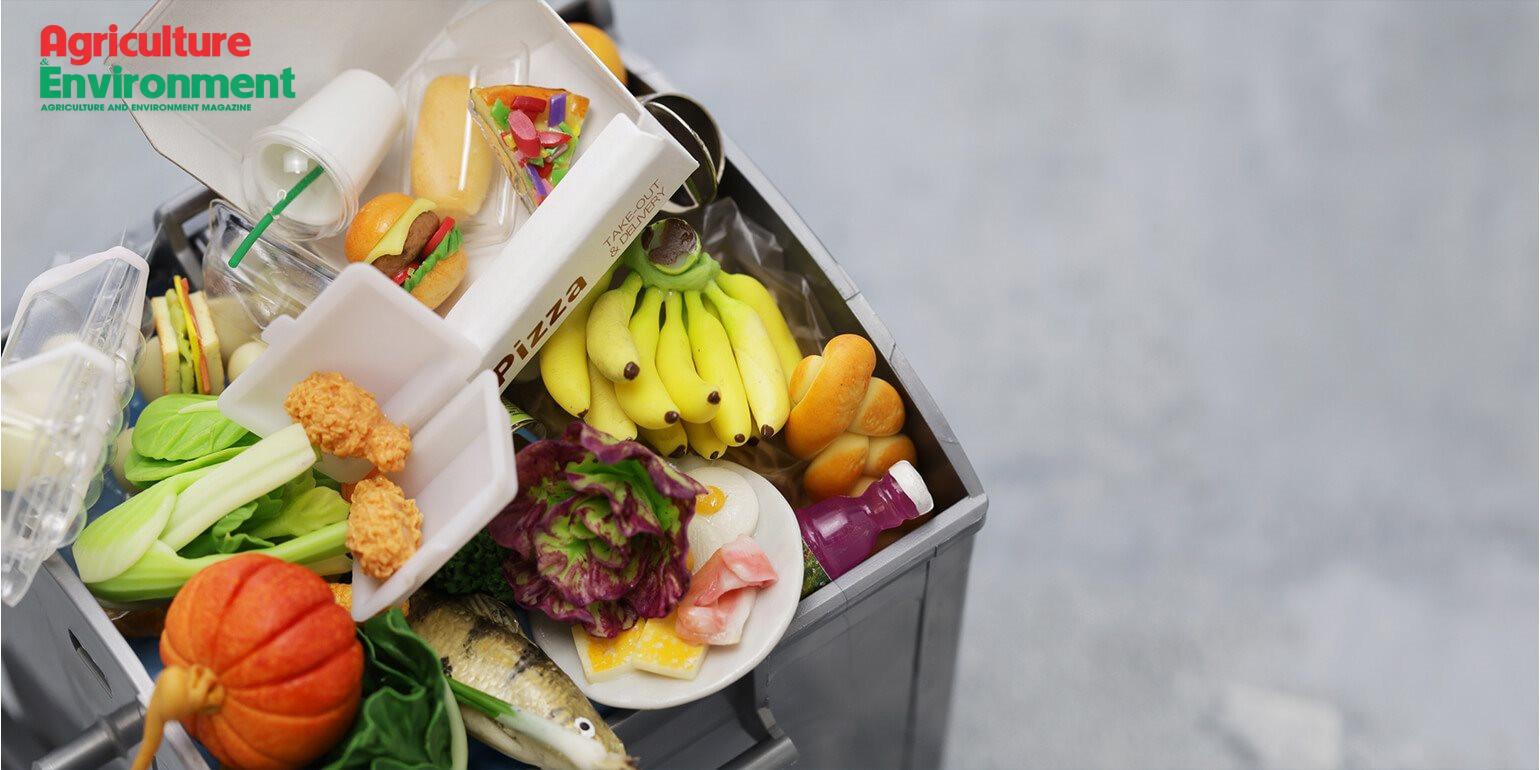
Food loss and waste are not the sole direct causes of hunger or food insecurity, and the FAO specialist cautioned against drawing such a direct causal relationship. However, when food is lost, part of the available supply never reaches markets or households. Reduced supply can, in turn, affect access to food, particularly for vulnerable groups.
The impact can be seen across the four dimensions of food security. Food loss and waste reduce the amount of food available; higher prices can weaken affordability, particularly for vulnerable groups; the loss of nutrient-rich foods can undermine dietary quality; and unpredictable losses and waste can increase instability in food availability and reduce the resilience of agrifood systems to climate, economic and supply-chain shocks.
But the cost of food loss and waste extends well beyond food security. The economic value of global food loss is estimated at around $400 billion per year. When food waste is also included, the total economic value rises to approximately $1 trillion. These estimates were cited by Schuerch in his presentation on the global scale of the problem.
The less visible costs are environmental. Discarded food does not mean that the resources used to produce it simply disappear. Land, water, energy and labor have already been consumed in the production process. When the final product is not consumed, those resources fail to deliver the full value for which they were mobilized.
According to Jacopo Schuerch, food loss and waste are associated with around 8%–10% of global greenhouse gas emissions. He also cited estimates that approximately 1.4 billion hectares of land are used to produce food that is ultimately lost or wasted, along with about 250 cubic kilometers of water.
These figures underscore that each unit of food discarded represents not only a product that goes unused, but also a share of the natural resources mobilized to produce it. The environmental costs also extend to ecosystems and biodiversity affected by food that never reaches human consumption.
Reducing food loss and waste, therefore, is not simply about generating less waste or encouraging households to use food more carefully. At a broader level, it is about using more efficiently the resources already invested in the agrifood system.
This is why food loss and waste reduction is linked to Sustainable Development Goal Target 12.3, which calls for halving per capita global food waste at the retail and consumer levels by 2030 and reducing food losses along production and supply chains.
Seen from this perspective, a bruised lychee damaged during transportation, a batch of shrimp lost during processing, or uneaten food left on a plate may appear to be relatively minor incidents. Repeated across millions of tons of food and throughout multiple value chains, however, they add up to costs large enough to become an issue for the economy and the environment as a whole.
The issue therefore extends beyond any single commodity, business or consumer. It is ultimately a question of how efficiently the agrifood system as a whole converts natural resources, labor and economic investment into food that actually reaches and nourishes people.
A system-wide challenge
Food loss and waste do not result from a single decision or stem from the actions of one group alone. They can arise at virtually every stage of the agrifood system — across production, harvesting, post-harvest operations, transportation, storage, distribution, processing and packaging, and later at the retail, food service and household levels.
Across the production and supply chain, common causes of food loss include inappropriate production and harvesting practices, limited mechanization, inadequate post-harvest handling, insufficient cooling and storage capacity, weak processing and packaging infrastructure, and transportation constraints. Poor coordination among actors in the food supply chain can also create mismatches between supply and demand, leading to delayed harvesting or unsold produce. These factors were highlighted by Jacopo Schuerch, a food systems specialist with the Food and Agriculture Organization of the United Nations (FAO) in Rome, in his presentation at the Hanoi workshop.
At the retail, food service and household levels, the drivers are different but interconnected. Retailers may overstock or manage inventory inefficiently. Food service providers may prepare excessive quantities or serve portions larger than needed. Households may purchase more than they can use, store food improperly or discard leftovers. Food can also be rejected on the basis of cosmetic standards even when it remains safe and suitable for consumption.
The issue also extends beyond the immediate operations of farms, businesses and households. Schuerch pointed to the role of the broader policy and regulatory environment. Unstable prices, inadequate market access, a lack of aggregation centers and limited public procurement programs can create conditions in which food is produced but cannot be brought to market efficiently. Strict food quality regulations can also create barriers for producers and processors, particularly where edible products are rejected for failing to meet cosmetic or other market specifications.
This makes food loss and waste a system-wide challenge rather than a problem that can be addressed by improving a single stage of the chain. Better harvesting practices cannot fully prevent losses if storage and transportation remain inadequate. Likewise, efforts to reduce food waste at the household level will have limited impact if retail practices, food service operations and the infrastructure needed to redistribute surplus food remain inefficient.
That broader perspective is reflected in FAO’s approach to food loss and waste reduction, which treats the issue as one of the key entry points for transforming agrifood systems to make them more efficient, inclusive, resilient and sustainable.
The scale of food loss and waste in Viet Nam
Viet Nam is not immune to the challenges confronting agrifood systems worldwide. A review presented by the Institute of Policy and Strategy for Agriculture and Environment estimates that around 8.8 million metric tons of food are lost in Viet Nam each year, with fruits and vegetables, meat, and aquatic products among the major affected groups. Food losses are estimated at around 20%–25% of production for some product groups, while the annual economic value of food loss is estimated at approximately $3.9 billion, equivalent to nearly 2% of Vietnam’s GDP.
The losses are concentrated at several critical stages, particularly harvesting, storage, transportation and post-harvest operations. The same assessment found that 80% of experts surveyed considered current food losses to be high across several product groups, with pre-consumption losses for fruits, vegetables and aquatic products commonly estimated at between 10% and 25%.
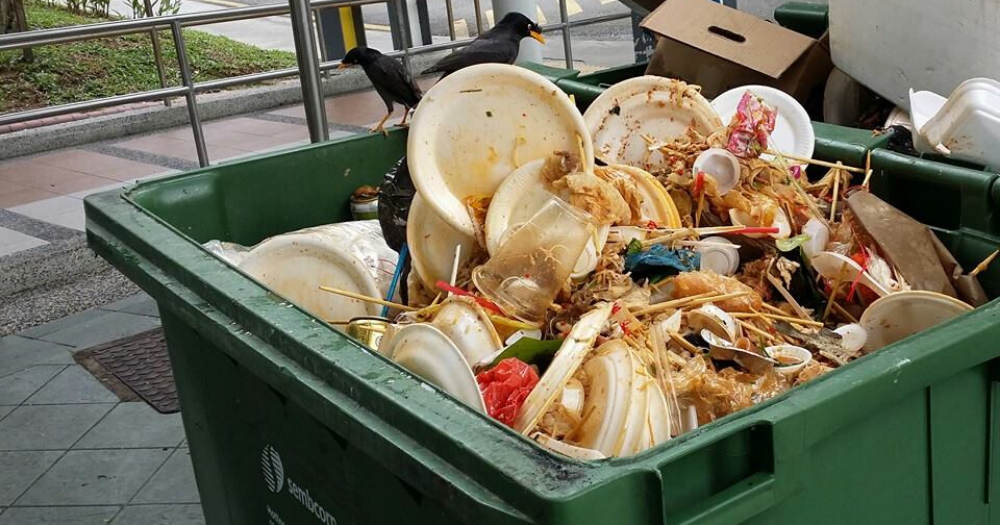
Food waste adds another layer to the problem. In Viet Nam, food is wasted not only when products remain unsold or deteriorate at the retail level, but also during food preparation and service and within households. The available evidence identifies three main sources: retail, food services and households. These include unsold or expired products, food discarded during preparation and serving, excessive portions, leftovers and food purchased but never used.
The scale of organic waste generated in urban areas further illustrates the pressure on waste-management systems. Viet Nam generates around 23 million metric tons of municipal solid waste annually, of which about 65% is organic waste. However, this figure should not be interpreted as a national estimate of food waste alone. The organic waste category also includes other materials and agricultural by-products, and the research source explicitly cautions against treating the approximately 15 million metric tons as a standalone estimate of national food waste.
The challenge, therefore, is not simply the volume of food that becomes waste. It is also the value that is lost before food reaches consumers, the resources used to produce food that is never consumed, and the additional costs associated with collecting and treating the resulting waste.
The scale of the problem also varies significantly across commodities and stages of the value chain. This makes it necessary to look beyond national aggregate estimates and examine where food losses occur within individual value chains, and why they persist at those points. Research on shrimp, lychee, coffee and rice provides a more detailed picture of where these losses are concentrated in Viet Nam.
Where food loss occurs across key value chains
The scale of food loss in Viet Nam becomes clearer when examined through individual value chains. Research conducted by the Institute of Policy and Strategy for Agriculture and Environment in 2024 on shrimp, lychee, coffee and rice shows that losses can occur at multiple stages, but the most significant points differ according to the characteristics of each product and the way each value chain is organized.
In the shrimp value chain, total food loss was estimated at approximately 8.8%, with the largest losses occurring during cleaning and grading, at about 5.1%, followed by harvesting at around 2.1%. The causes identified in the study include harvesting methods, aquaculture practices, cleaning and grading techniques, processing, storage conditions and equipment. The study also points to the limited recovery and utilization of shrimp by-products, such as heads and shells, particularly among small-scale producers.
The lychee value chain presents a different pattern. Total food loss was estimated at approximately 13.6%, with harvesting accounting for about 5.8% and transportation about 3.5%. The short harvesting window, large volumes during peak season and the fruit's susceptibility to bruising make post-harvest handling particularly critical. Outdated preservation technologies, limited cold storage, conventional transport vehicles, manual packaging and inadequate logistics infrastructure in production areas further increase the risk of loss.
In the coffee value chain, food loss was estimated at approximately 9.2%, with harvesting accounting for about 3.3%. The research points to harvesting practices as a major source of loss. Around 90% of the coffee-growing area is managed by smallholder households, while selective harvesting remains limited. Losses continue during drying, milling, storage and transportation, reflecting constraints in processing technology, storage facilities and handling practices.
The rice value chain shows substantial variation by cropping season. The study estimated food loss at approximately 10.8% in the winter-spring crop, 17.9% in the summer-autumn crop and 13.9% for the year as a whole. Harvesting remained the stage with the largest losses, while drying, milling, storage, transportation and packaging also contributed. Weather conditions, harvesting time, the operation of harvesting machinery, grain moisture and storage conditions were among the factors identified.
The four value chains differ considerably, yet they point to a common pattern: food loss tends to accumulate at points where products are transferred, handled or stored along the value chain. Harvesting, post-harvest handling, grading, transportation and storage repeatedly emerge as critical stages, although their relative importance varies from one commodity to another.
The evidence also underscores why food loss cannot be reduced to a single technical problem. The same product may face different sources of loss at different stages, meaning that interventions at one point may have limited effect if weaknesses remain elsewhere in the value chain.
Vulnerable points across the agrifood system
The evidence from individual value chains points to a broader challenge in Viet Nam: food loss is closely linked to how production, infrastructure, markets and supply chains are organized.
One persistent constraint is the small and fragmented scale of production. Where production remains concentrated among smallholder households, access to appropriate machinery, post-harvest technologies, storage facilities and other investments can be limited. This is particularly relevant in value chains where harvesting and initial handling are major sources of loss.
Beyond production, transportation, storage and other post-harvest operations remain critical points of vulnerability. Weak farm-level infrastructure, unsuitable transport equipment, long transport times and inadequate cooling can accelerate deterioration, particularly for perishable products. Across the value chains examined, limitations in drying, storage facilities, cold storage, processing equipment and packaging also contribute to cumulative losses.
Market coordination is another important factor. When harvesting is not closely coordinated with purchasing, when producers lack reliable market information, or when supply and demand are poorly matched, products may remain unsold or have to be held for longer than their quality allows. Jacopo Schuerch similarly identified weak coordination among actors in food supply chains and limited market access as global drivers of food loss.
At the downstream end of the system, the causes of food waste are equally interconnected. Household purchasing and preparation practices, retail inventory management, food service operations and limitations in the infrastructure for recovering and redistributing surplus food can all contribute to waste. Evidence compiled in Viet Nam indicates that 75% of stakeholders surveyed identified excessive purchasing and preparation as a common cause of food waste, while around 70% highlighted technical factors related to storage, temperature and time.
This means that food loss and waste cannot be addressed solely by asking farmers to harvest more carefully or consumers to waste less. The problem extends across the agrifood system, encompassing production practices, post-harvest operations, infrastructure, market coordination, retail, food services and household behavior.
The broader implication is that reducing food loss and waste requires attention to the relationships among these different parts of the system. The evidence from Viet Nam suggests that losses accumulate when weaknesses at several stages reinforce one another, reducing the amount of food, income and resource value ultimately generated from agricultural production.
Food loss and waste, therefore, are not simply the result of food being mishandled or discarded at the end of a process. They are also a measure of how efficiently an agrifood system converts land, water, labor, technology and economic investment into food that reaches consumers.
This is the point at which the discussion moves beyond the scale of the problem to a more fundamental question: How can Viet Nam strengthen the way its agrifood system is organized so that more of the food it produces is preserved, reaches markets and is ultimately consumed?
Ensuring food security, adapting to climate change and delivering on sustainable development commitments have become increasingly interconnected policy priorities for Viet Nam. Against this backdrop, food systems transformation is emerging as a key pillar of the country's long-term development agenda.

In recent years, the One Health has become an increasingly important approach for addressing complex health challenges worldwide. The growing frequency of zoonotic disease outbreaks, rising antimicrobial resistance (AMR), food safety incidents, environmental pollution, and the impacts of climate change are gradually blurring the traditional boundaries between the health, agriculture, and environmental sectors.
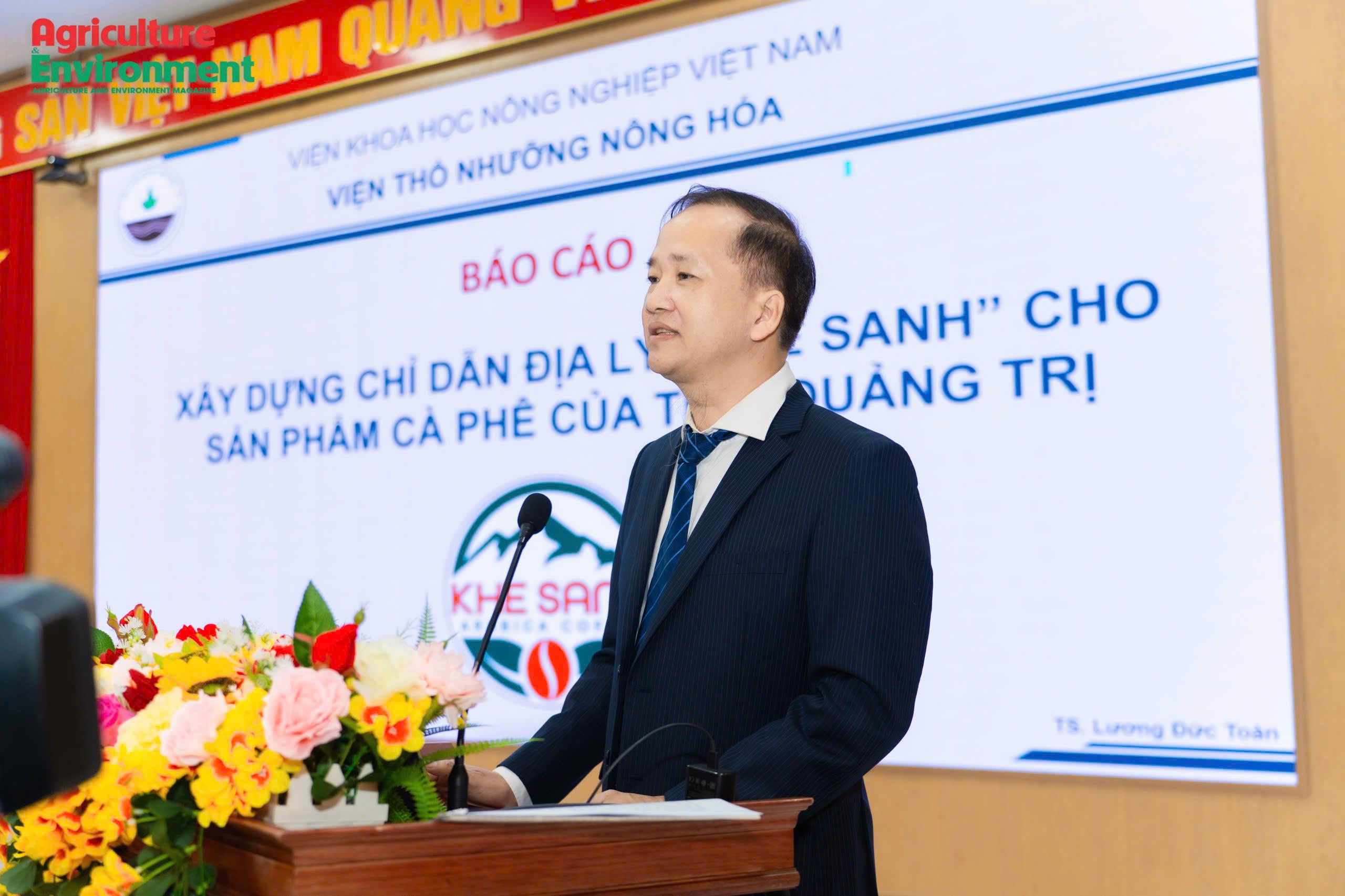
As Viet Nam’s agricultural sector shifts from a production-driven model toward one centered on value creation, geographical indications (GIs) are emerging as an increasingly important tool for strengthening the competitiveness of local agricultural products. Beyond intellectual property protection, GIs are helping regions build distinctive identities, reorganize production along more professional lines and lay the groundwork for more sustainable agricultural development.

As green standards increasingly become mandatory requirements in global trade, green transition is no longer an option but a development imperative. In Quang Tri province, this transition is being advanced through science and technology, digital transformation, and low-carbon circular economy models. In this context, Agriculture and Environment Magazine interviewed Tran Quoc Tuan, Director of the Department of Agriculture and Environment of Quang Tri province.
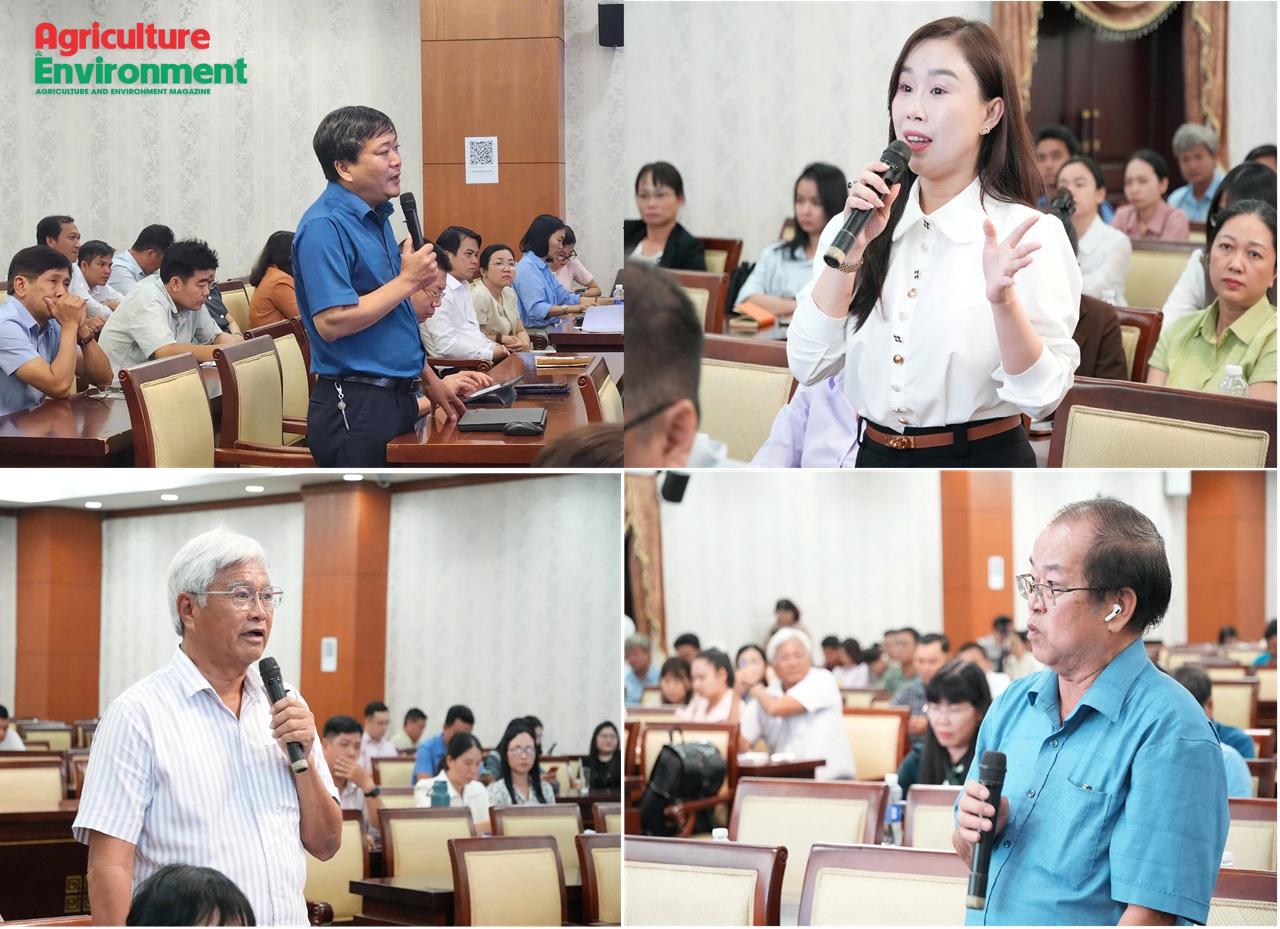
China’s official market access approval for fresh Vietnamese pomelos and lemons has been widely regarded as a major opportunity for the fruit and vegetable sector following years of technical negotiations. However, at the conference on implementing the Protocol on phytosanitary requirements for these two commodities, held on May 14 in Ho Chi Minh City, representatives from regulatory agencies, enterprises, and local authorities emphasized that the greatest challenge now lies not in market access itself, but in the capacity to organize standardized production systems starting at the farm level.