




Resolution No. 36/2026/NQ-CP and new regulations on growing-area codes (GACs) and packing-facility codes (PFCs) are prompting changes in how these codes are managed, registered, and maintained. At a training session on implementation of the new regulations held on August 20, government officials and experts focused on procedural changes, requirements for digitizing records, and the supporting role of agricultural extension services at the local level.

Experts, policymakers, representatives of international organizations, vocational education and training institutions, and businesses shared perspectives on Viet Nam’s roadmap for fulfilling international commitments, advancing technology transformation, developing green workforce capacity, and strengthening the management of controlled substances at the inception workshop of the sustainable management of controlled substances under the Montreal protocol project (SMS-MP) held in Hanoi on July 24.
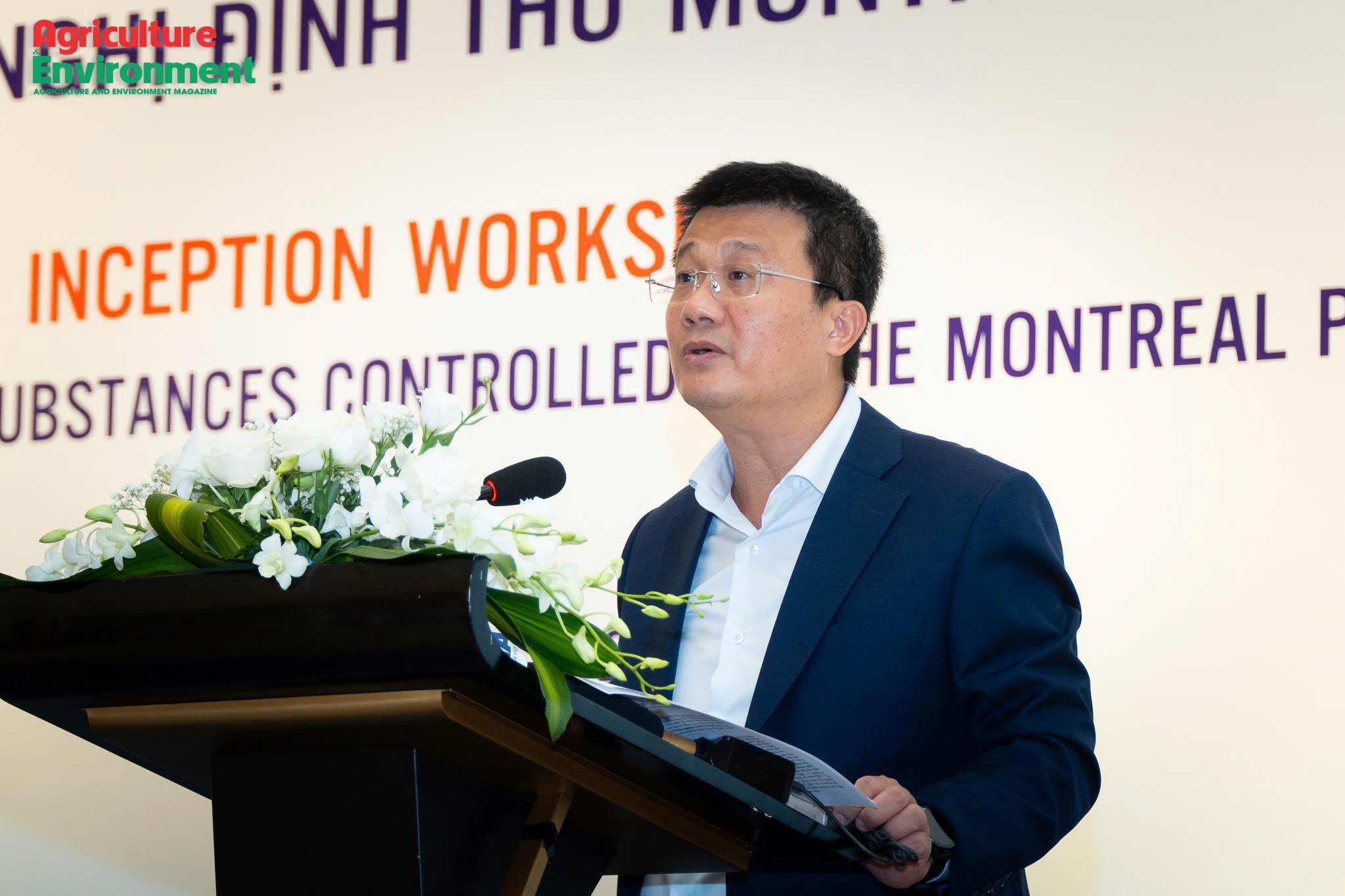
Climate-friendly, energy-efficient refrigeration technologies have become a key priority for Viet Nam as it implements its commitments under the Montreal protocol and the Kigali amendment. At the inception workshop on the sustainable management of Montreal protocol substances project (SMS-MP) on July 24, government agencies, international partners and businesses discussed coordinated measures on technology, policy and workforce development to support the country's transition.
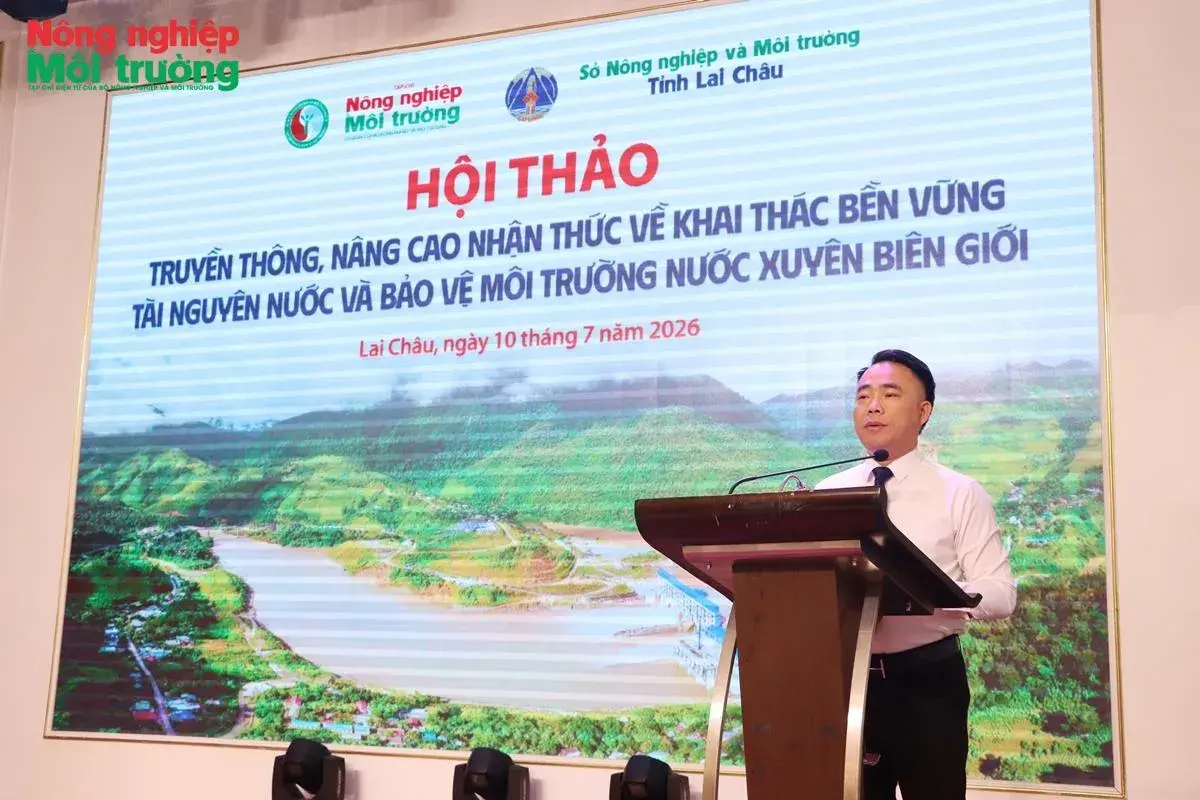
On July 10, the Agriculture and Environment Magazine, in coordination with the Lai Chau Department of Agriculture and Environment, held a seminar titled "Communication and public awareness on sustainable use of water resources and transboundary water environment protection" in Tan Phong ward, Lai Chau province.
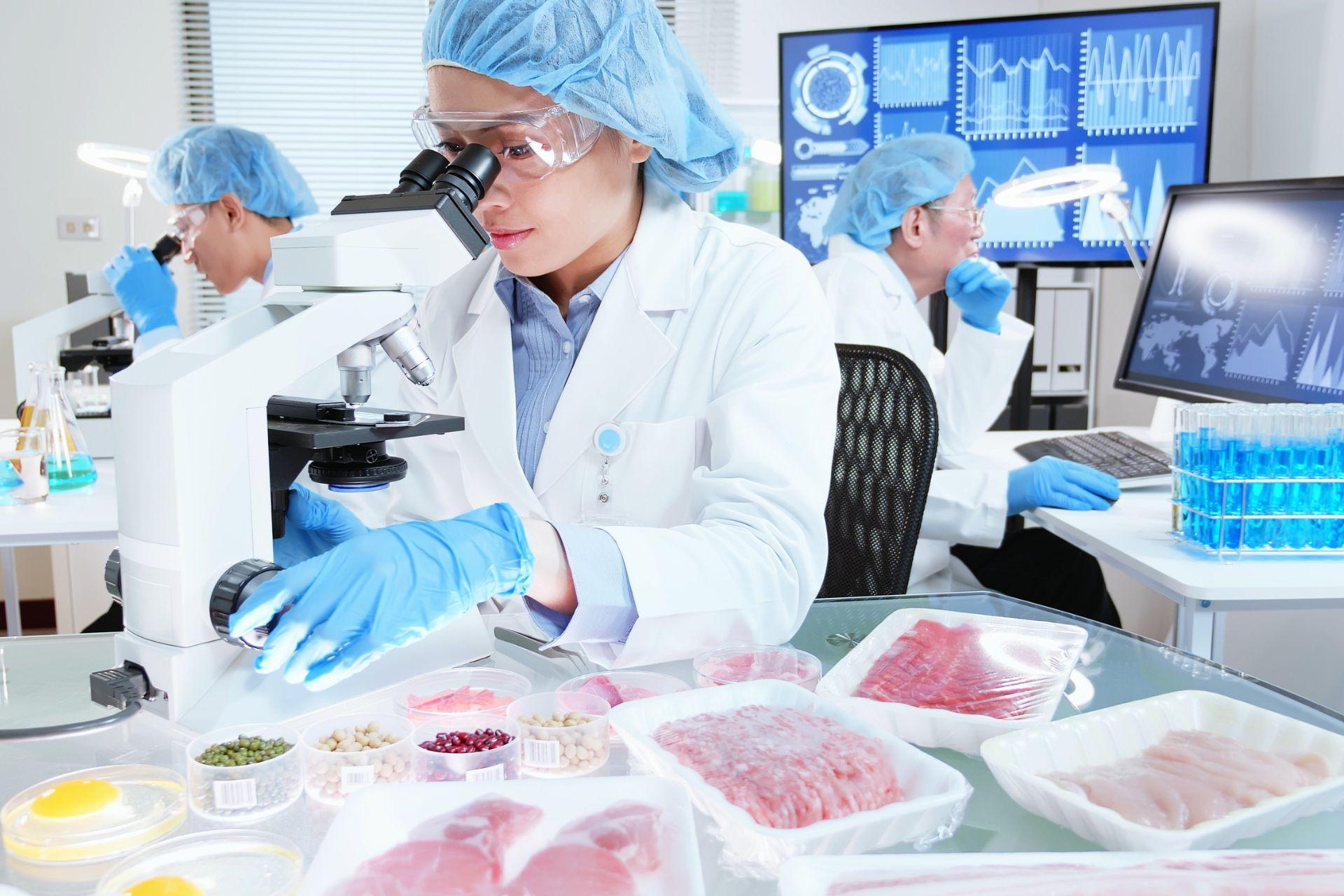
In recent years, the One Health has become an increasingly important approach for addressing complex health challenges worldwide. The growing frequency of zoonotic disease outbreaks, rising antimicrobial resistance (AMR), food safety incidents, environmental pollution, and the impacts of climate change are gradually blurring the traditional boundaries between the health, agriculture, and environmental sectors.
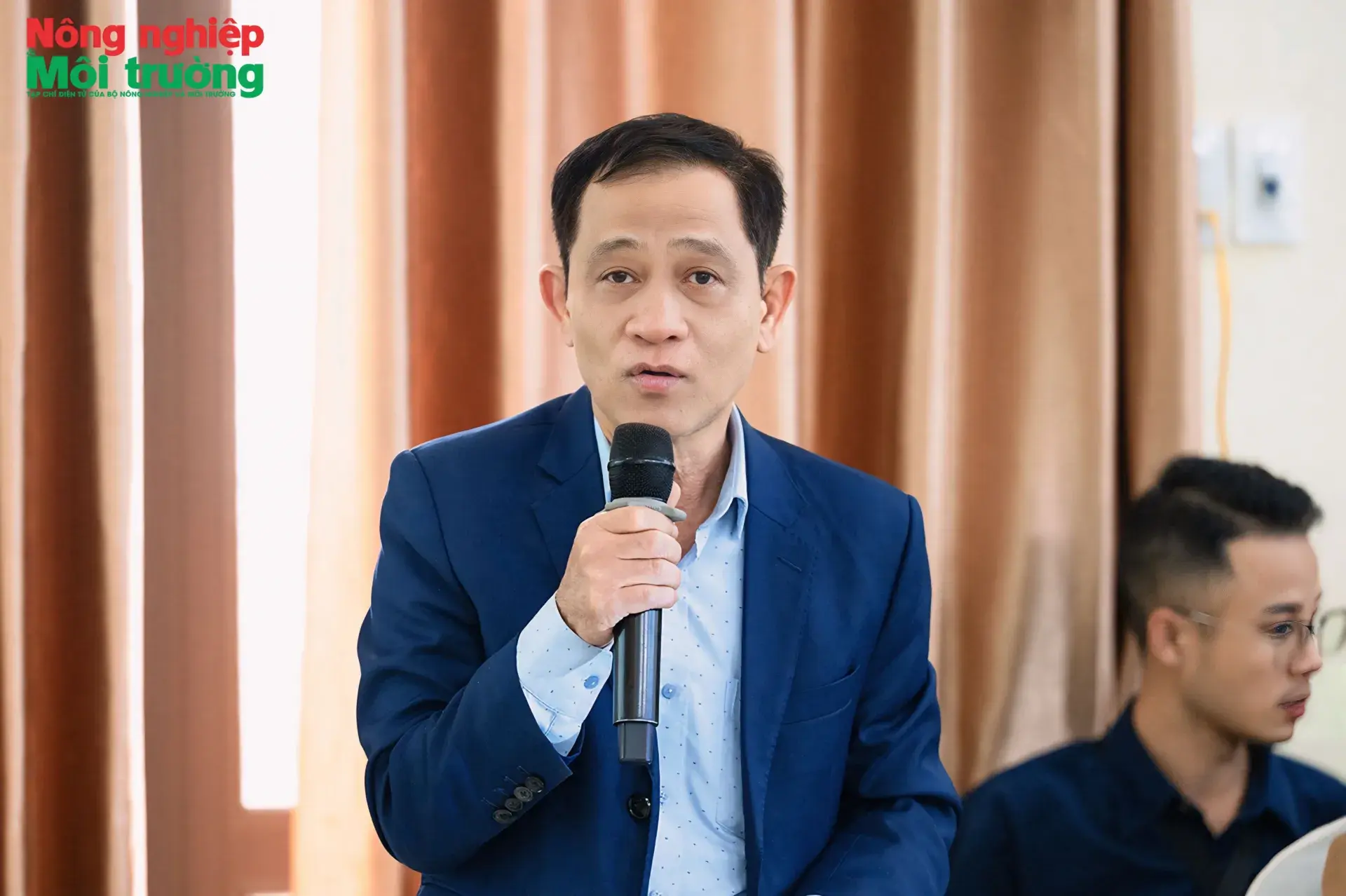
At the workshop “Developing and enhancing the value of Shan Tuyet tea,” organized by the Agriculture and Environment Magazine in Lao Cai, Assoc. Prof. Dr. Pham Anh Tuan, Director of the Institute of Agricultural Engineering and Post-Harvest Technology, emphasized that the future of Shan Tuyet tea lies not only in its unique raw material areas, but also in how science and technology can pave the way for a more diverse and sustainable product ecosystem.
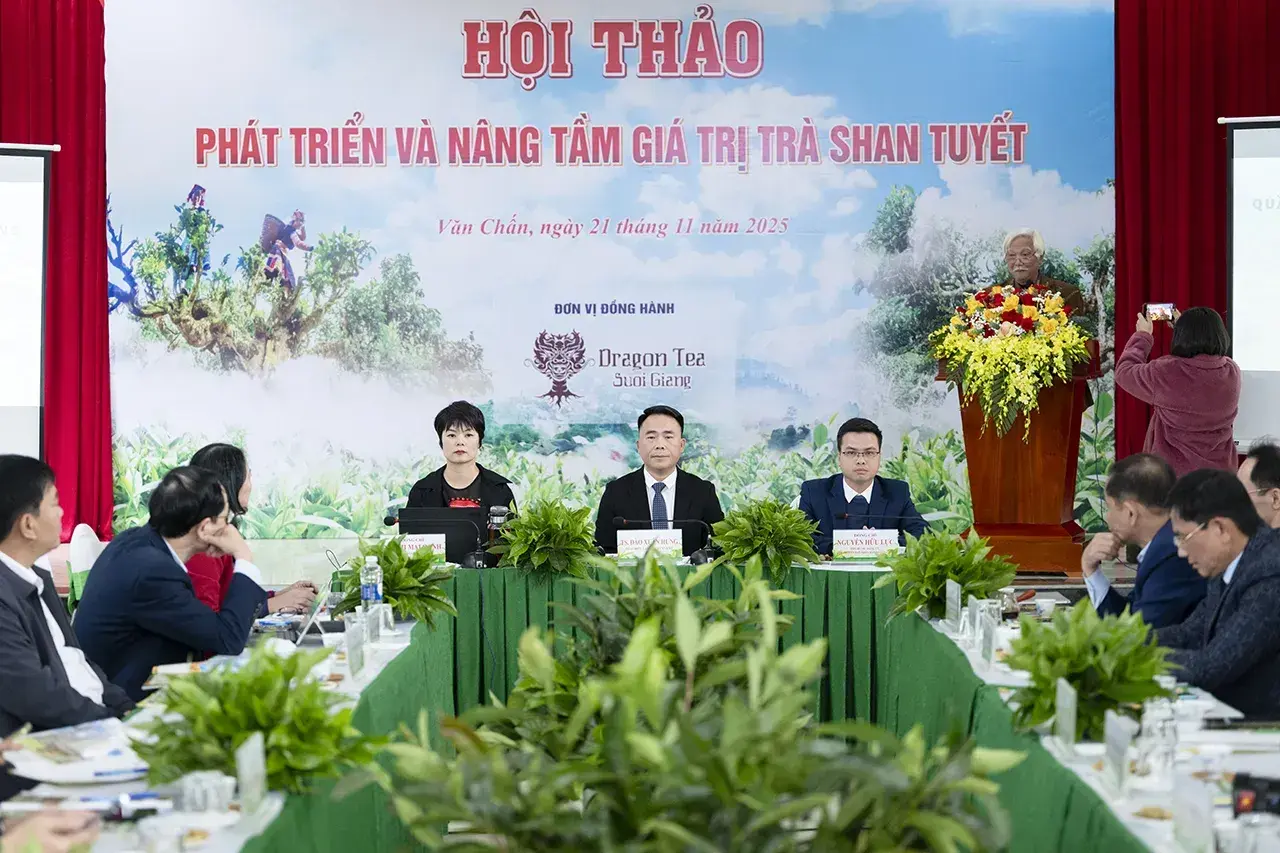
On November 21 in Lao Cai province, Agriculture and Environment Magazine, in collaboration with the People’s Committee of Van Chan Commune, organized a workshop titled “Developing and elevating the value of Shan Tuyet tea” ...
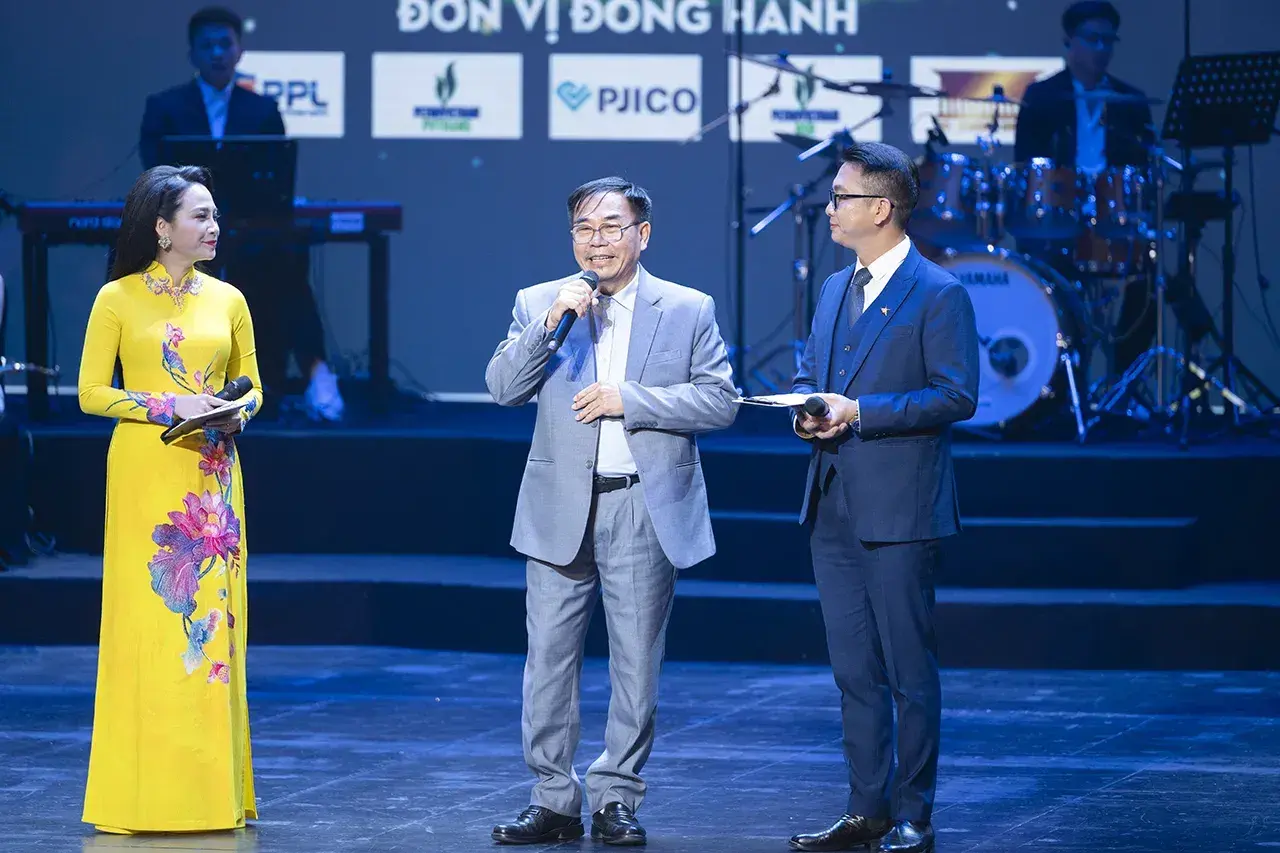
On the evening of November 19, the concert “Aspirations for life in a new era” by Colonel and composer Dao Tien took place at Ho Guom Theater in Hanoi. ...
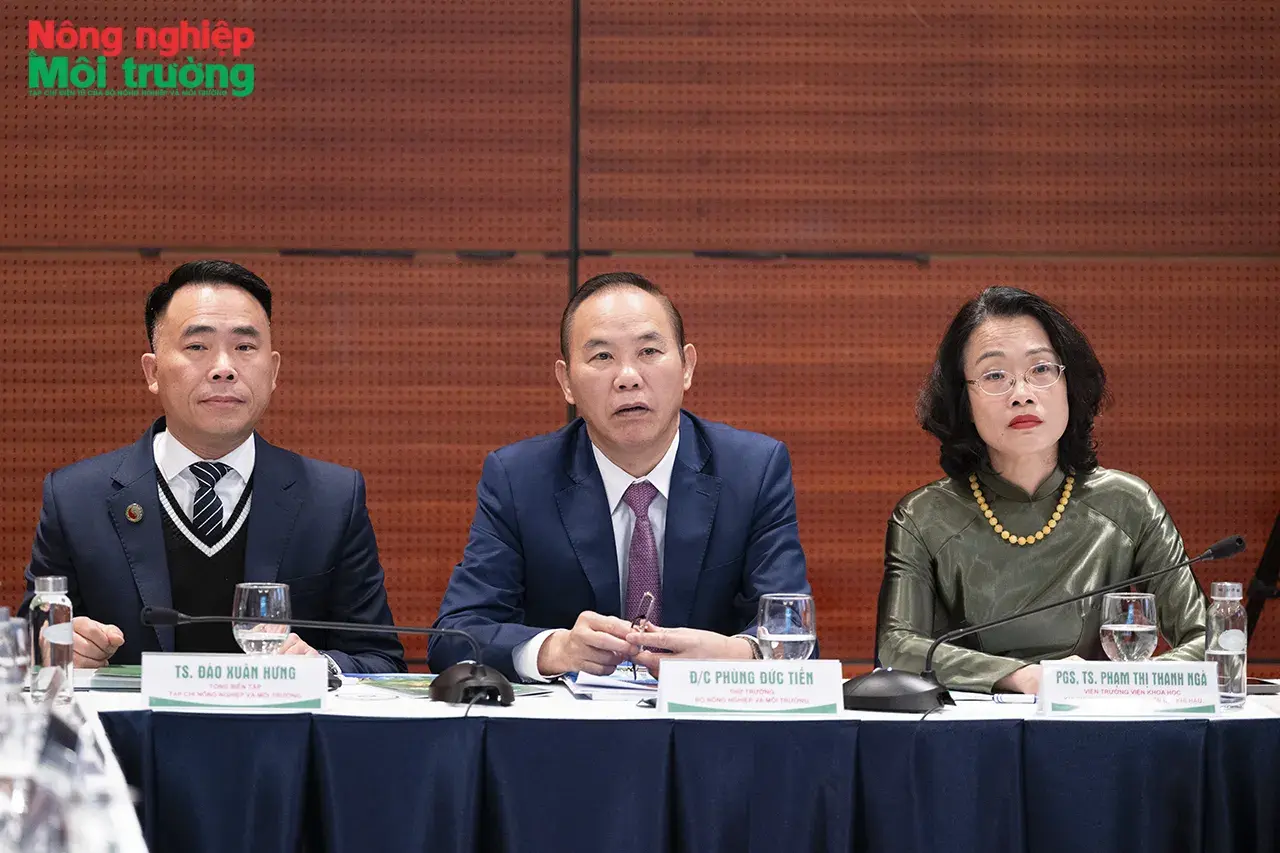
At the workshop “Regional linkages - Promoting green value chains in Vietnamese agriculture,” Deputy Minister Phung Duc Tien emphasized that the Ministry of Agriculture and Environment will prioritize advancing regional linkage strategies and developing comprehensive cooperative models centered on farmers, businesses, scientists, and local authorities.

Coffee is one of the most widely consumed beverages in the world. Depending on the processing method, various by-products are generated, yet these materials remain substantially underutilized in Vietnam. Recognizing this gap, a research team from Nong Lam University, Ho Chi Minh City, and Quy Nhon University conducted a study titled “Coffee by-products: Chemical composition and potential applications in food processing.” By compiling and analyzing the characteristics of key by-products—coffee pulp, mucilage, husk, parchment, silver skin, and spent coffee grounds—the authors identified noteworthy levels of dietary fiber, polyphenols, caffeine, and multiple antioxidant compounds. Based on these findings, the study evaluates potential applications in beverage development, extraction of bioactive compounds, enzyme production, and food processing, thereby opening pathways to add value to coffee by-products in Vietnam.
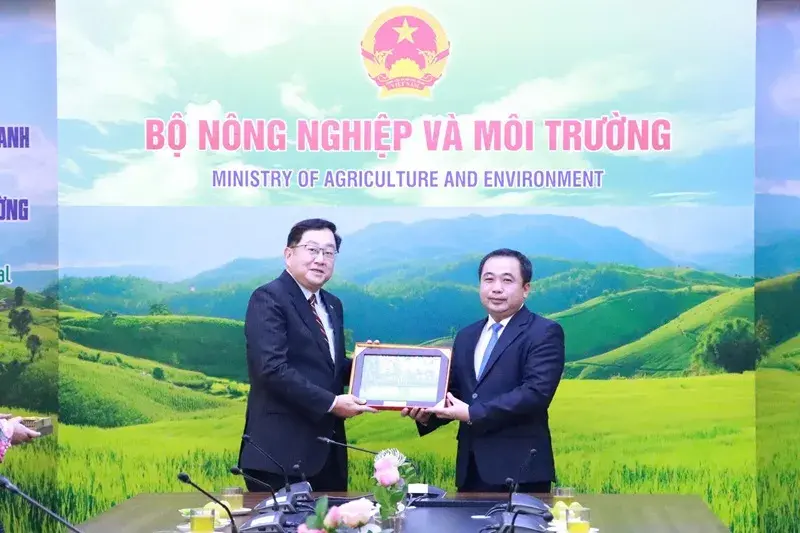
On 14 November, during a working session between Minister Tran Duc Thang and Malaysian Ambassador to Viet Nam Dato’ Tan Yang Thai, the Minister expressed confidence that, through streamlined administrative procedures, stronger dialogue between competent authorities, and enhanced mutual recognition of standards and certifications, bilateral trade in agro-forestry-fishery products will continue to grow.
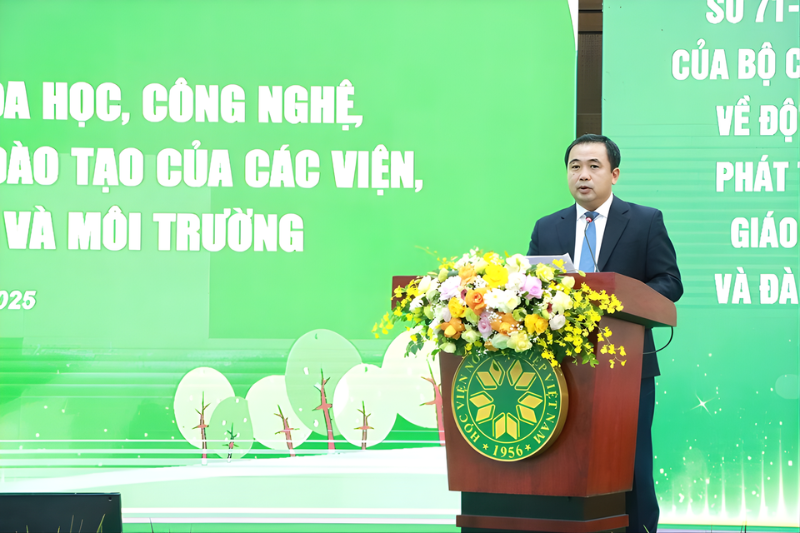
At the conference “Promoting breakthroughs in scientific research, technology, and innovation linked to training in institutes and universities” on November 14, Minister Tran Duc Thang affirmed that science, technology, and innovation are becoming the key drivers of development in Vietnam’s agriculture and environment sector.
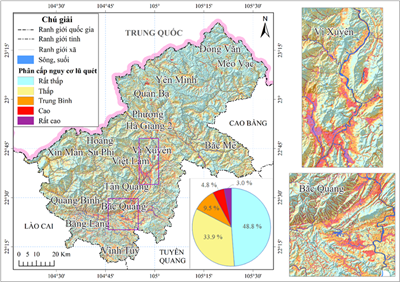
Following the data-building and field-validation groundwork outlined in Part 1, this second installment, led by Le Nhu Nga and colleagues at the Institute of Mechanics, Vietnam Academy of Science and Technology, examines how three machine-learning models were tested against the complexities of Vietnam’s mountainous terrain. Each algorithm offered a different path to decoding the nonlinear interactions that drive flash-flood formation—yet the performance gap between them also reflected the physical realities of steep slopes, fractured bedrock, and highly variable extreme rainfall.
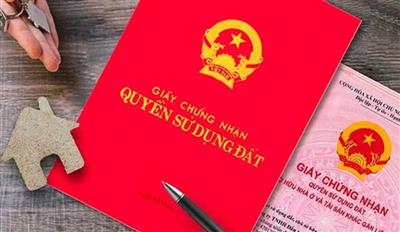
As Vietnam advances toward digital government and modern natural resource management, the land sector has emerged as a pioneering field requiring institutional, technological, and data governance reforms. A research group from the Department of Land Management under the Ministry of Agriculture and Environment, including experts Nguyen Khac The, Dinh Hong Phong, and Tran Van Tien, has conducted the study “Legal basis and requirements for institutional improvement in the implementation of electronic certificates of land use rights and ownership of assets attached to land.”
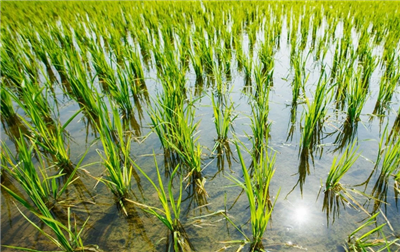
In the context of climate change, increasing water scarcity, and the urgent need to reduce greenhouse gas (GHG) emissions, improving water use efficiency in rice cultivation has become both a scientific priority and a central policy task. From field-level irrigation studies to standardized scientific water management procedures, Vietnam is gradually shaping a resource-efficient, low-emission agriculture, laying the groundwork for green transformation and sustainable development.
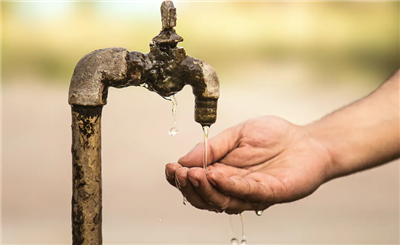
In response to the severe shortage of clean water following annual floods, a research team led by Do Sinh Cung and Do Khac Uan from the School of Chemistry and Life Sciences, Hanoi University of Science and Technology, has developed an innovative low-energy membrane filtration system. Operating entirely without electricity, the system enables residents in disaster-prone areas to access safe, hygienic water even under the most challenging conditions.
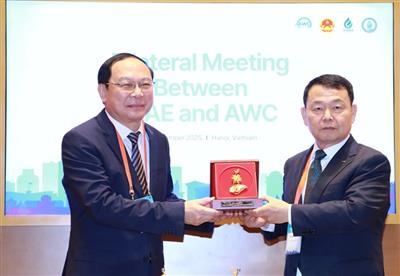
On November 5, Deputy Minister of Agriculture and Environment Le Cong Thanh met with Mr. Seogdae Yun, Chairman of the Asia Water Council (AWC). The meeting aimed to strengthen policy cooperation, promote investment, and facilitate technology transfer in water resources management and climate adaptation.
Agriculture has been the green thread weaving together Viet Nam’s resilience, ingenuity, and aspirations throughout its remarkable development journey. From the fertile plains of the Mekong Delta to the misty mountainous regions in the North, and from the Southern rice paddies to the coffee hills of the Central Highlands, Viet Nam’s agricultural transformation is a testament to overcoming adversity, embracing innovation, and stewarding the land for future generations. Since the landmark Doi Moi reforms of 1986, the World Bank has been a steadfast partner, providing not only financial support but also global expertise, policy guidance, and a shared vision for sustainable growth.