



 As the digital economy continues to reshape global trade, Vietnam’s agriculture stands at a crucial crossroads, full of opportunities yet facing multiple challenges. Digital transformation is widely regarded as the key to strengthening competitiveness, expanding market reach, and building sustainable agricultural brands. However, technological infrastructure, digital skills, and investment costs remain major obstacles.
The Agriculture & Environment Magazine spoke with Dr. Nguyen Minh Tien, Director of the Trade Promotion centre for Agriculture (Agritrade), to discuss the inevitable trend of digital transformation, current policy directions, and core solutions to establish a digital trade promotion ecosystem for the agriculture and environment sectors.
.jpg)
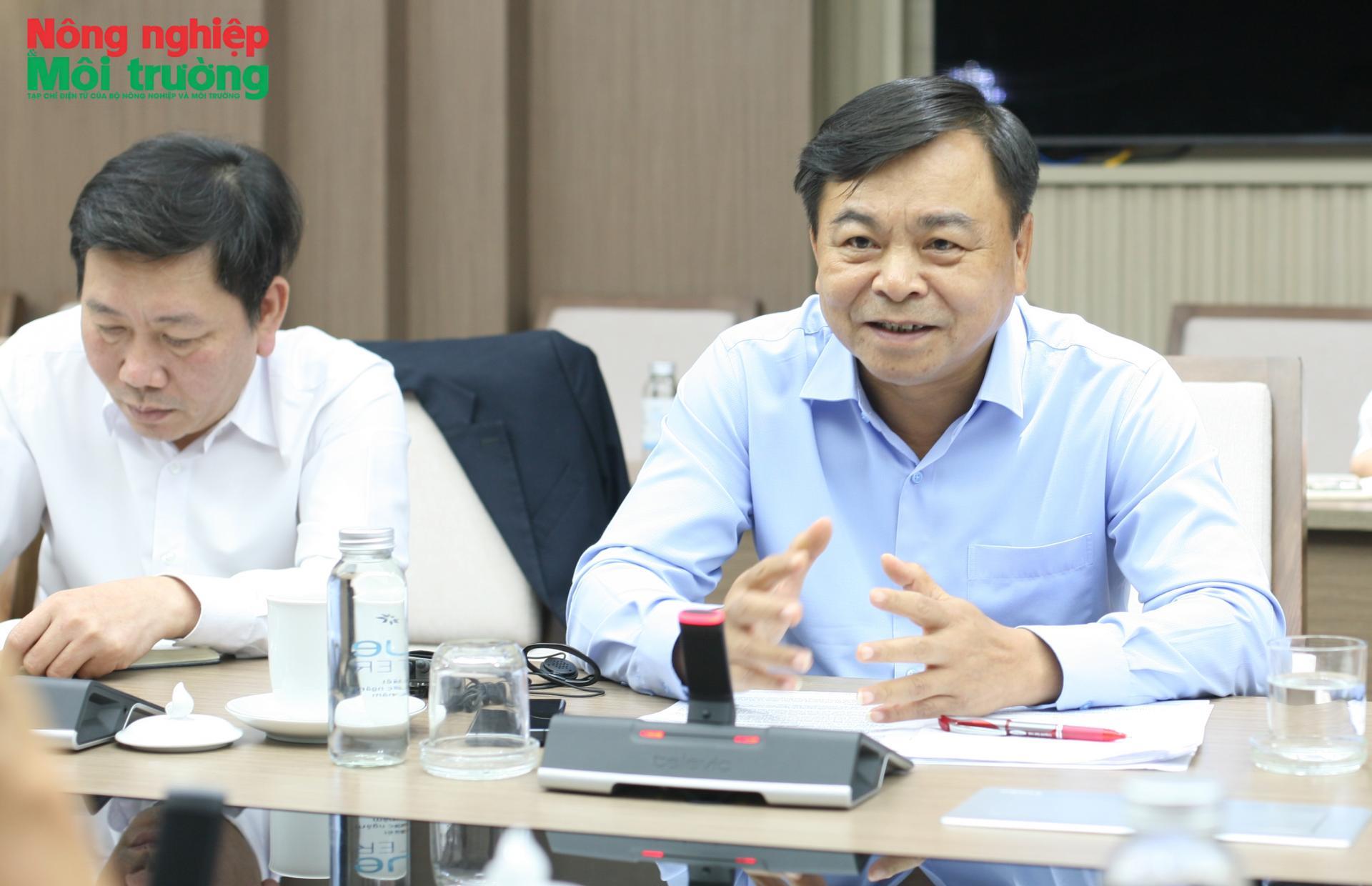
Dr. Nguyen Minh Tien delivered remarks at the forum on “Digital transformation and innovation in agricultural development and environmental protection” held on September 18
Interviewer: Globalization is creating new demands for agricultural trade. Why is digital transformation seen as the gateway for Vietnamese agricultural products to reach international markets?
Dr. Nguyen Minh Tien: We are living in an era where digital technology is redefining global trade. According to the World Trade Organization, digitalization could increase global trade by 31–34% by 2030. This is not merely a technological upgrade, it represents a fundamental restructuring of the entire supply chain, from production and distribution to consumption.
For Vietnam, e-commerce is growing rapidly. In 2024, the market size reached approximately USD 32 billion, up 27% from the previous year. This indicates that our digital infrastructure and consumer behavior are already evolving. If we rely solely on traditional trade promotion, such as fairs or in-person business missions, we will struggle to meet the international market’s rising expectations for transparency, traceability, and green certification.
In reality, many countries have taken the lead in this field. The ePhyto solution developed by the International Plant Protection Convention (IPPC) now processes over 90,000 electronic certificates each month from 94 countries, helping to reduce transaction costs and improve transparency. In South Korea, the aT Center integrates agricultural data, market forecasting, and online trade promotion, serving as an effective tool for export facilitation. These examples demonstrate that digital transformation is no longer optional, it is the passport for agricultural products to enter global markets.
Digital transformation, therefore, not only opens faster and broader market access at lower costs but also enables businesses, cooperatives, and even smallholder farmers in remote areas to participate equally in global value chains.
Interviewer: In your view, is the traditional trade promotion model still relevant in today’s market context?
Dr. Nguyen Minh Tien: Traditional methods such as trade fairs, exhibitions, and in-person business matching still play an important role, especially in building trust and providing firsthand experiences with products. However, relying solely on these approaches is no longer sufficient. In practice, they involve high costs, limited reach, and a lack of data to measure and evaluate effectiveness, inherent shortcomings of traditional promotion methods.
Today’s markets operate in “real time.” Businesses and cooperatives cannot depend solely on a few trade fairs per year; they need a continuous digital environment that allows product promotion, business connection, and performance tracking. That’s something traditional trade promotion cannot fully provide.
Globally, this trend is evident. China has developed smart digital agricultural markets linked to rural logistics systems. In Europe and the United States, virtual trade fairs using VR/AR and carbon-traceability tools have become key channels for promoting green agricultural products. These models show that modern trade promotion has evolved beyond physical events into a comprehensive digital ecosystem.
Therefore, Vietnam’s right approach is to combine both models, maintaining the human connection of direct promotion while developing digital trade promotion to scale up, enhance efficiency, and leverage technology. Only through this synergy can trade promotion truly meet integration demands and bring tangible benefits to businesses and cooperatives.
Interviewer: Traditionally, trade promotion is associated with “booths and fairs.” In the digital era, what platforms will define the new model? Could you describe Agritrade’s vision for a digital trade promotion ecosystem?
Dr. Nguyen Minh Tien: When we talk about a digital trade promotion ecosystem, we’re not referring to a few isolated tools like online stalls or product websites. We’re building an integrated network where businesses, cooperatives, and OCOP entities can access everything they need to bring their products to market, from data and technology to supporting services.
Specifically, the ecosystem will include: a market data platform to capture consumer trends; digital traceability and e-certification tools to meet international market requirements; smart logistics solutions for optimized transport and storage; digital skill training programs to help cooperatives adapt to technology; and online business-matching channels to enable continuous trade interactions.
Agritrade acts as the coordinating hub, connecting all these resources, from government agencies, industry associations, and tech companies to e-commerce platforms, logistics providers, and local authorities. We envision a unified digital infrastructure for the agriculture and environment sectors, where data and services are interoperable and seamlessly connected.
Most importantly, this system ensures inclusivity. Even small cooperatives and producers in remote regions can participate equally. They can promote and sell their products on the same digital “highway” as larger enterprises, free from geographic or cost barriers. This is how trade promotion can become a true driving force, empowering Vietnamese agricultural products to expand globally while aligning with sustainable development and green consumption goals.
Interviewer: In reality, digital transformation in agriculture has been progressing slower than expected. What are the main barriers?
Dr. Nguyen Minh Tien: Indeed, the pace of digital transformation in agriculture remains slower than anticipated. Statistics show that only about 3.8% of agricultural enterprises currently apply digital technologies in their operations. There are three main barriers.
First, high initial investment costs exceed the capacity of many small enterprises and cooperatives. Building digital infrastructure, from equipment to software and technology services, requires significant capital, while the benefits are not immediately visible.
Second, a shortage of digital human resources, especially in rural areas, where producers and cooperative managers are still unfamiliar with data-driven operations. Third, data-sharing hesitation, many fear losing competitive advantage if their production and business processes become too transparent. This is essentially a trust issue, not easily solved by incentives alone.
Recognizing these challenges, Agritrade has not pursued a one-way approach of simply deploying platforms and letting users fend for themselves. Our role is to accompany and guide stakeholders through implementation, helping each overcome specific obstacles. We have piloted digital initiatives such as online trade booths at international fairs and a virtual agricultural marketplace, enabling enterprises and cooperatives to participate at manageable scales and costs, while measuring tangible outcomes through traffic, orders, and market feedback.
Additionally, Agritrade organizes digital skill training programs tailored to practical needs, helping producers confidently adopt new tools. In parallel, we work with regulators and tech partners to establish data security and privacy mechanisms, ensuring businesses can safely engage in digital environments.
The key point is that Agritrade doesn’t just deliver technology, we ensure it’s appropriately applied to each group’s production conditions and management capacity, so digital transformation yields real results instead of remaining a slogan. Once stakeholders see practical benefits, such as lower costs, expanded markets, and higher product value, they’ll embrace digitalization voluntarily. That’s when true transformation happens.
Interviewer: Looking ahead, which technologies will be prioritized within Agritrade’s digital trade promotion ecosystem, and what is your long-term vision?
Dr. Nguyen Minh Tien: We view technology not as an end in itself but as a tool to serve farmers, businesses, and cooperatives effectively. Thus, the technologies we prioritize must be both modern and practical. First, artificial intelligence (AI) and big data analytics will be applied to study consumer behavior, forecast demand, and optimize marketing strategies.
Second, blockchain technology will be used to enhance transparency and traceability, particularly for high-standard markets like the EU, the U.S., and Japan. Third, e-commerce platforms and mobile digital marketplaces will enable businesses and cooperatives in remote regions to access global markets using just a smartphone.
In addition, smart logistics solutions and carbon-footprint tracking tools will be integrated to align Vietnamese agricultural products with the growing trend of green consumption and sustainable production.
More importantly, our long-term vision is to establish a comprehensive and open digital trade promotion ecosystem, connecting all stakeholders, from government agencies, industry associations, and tech companies to logistics providers, localities, and farmers, on one shared digital infrastructure.
When that system is in place, trade promotion will no longer consist of isolated events but function as a unified digital backbone supporting Vietnam’s agricultural integration, enhancing competitiveness, and contributing to the national goal of building a green, modern, and responsible agriculture.
Interviewer: Thank you for sharing your insights!
Khanh Linh - Ngoc Huyen
Deputy Minister of Agriculture and Environment Nguyen Hoang Hiep met with a World Bank (WB) delegation on September 9 to discuss the AgriConnect initiative. The meeting focused on ways to better connect public investment, policy and private capital to the development of agricultural value chains.
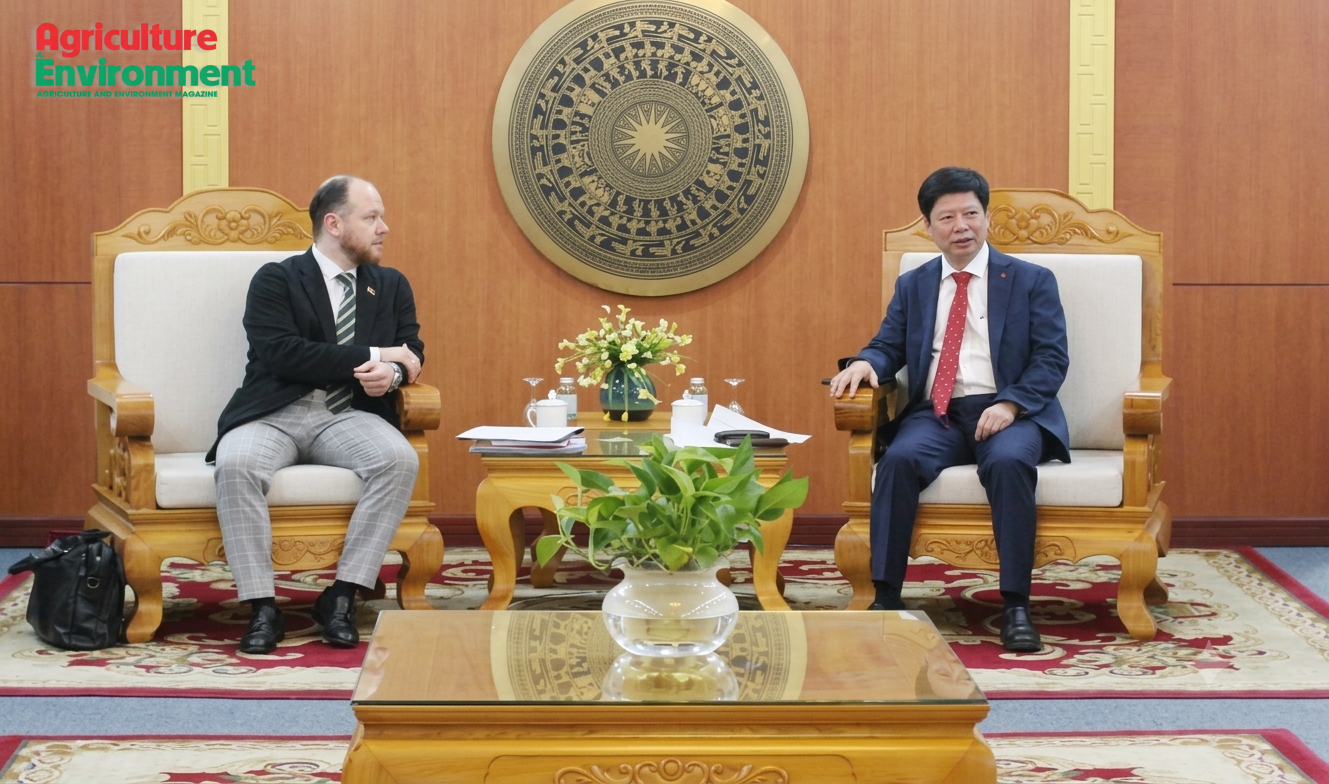
The licensing of four Belarusian companies to export boneless beef to Viet Nam, with the first shipment entering the Vietnamese market in April 2026, marks a concrete result in efforts to address market-access procedures between the two countries. In the opposite direction, the number of Vietnamese companies authorised to export meat and seafood to the Eurasian Economic Union (EAEU) is only about one-sixth the number of Belarusian companies authorised to export to Viet Nam, pointing to further scope for addressing technical barriers and expanding market opportunities for Vietnamese agricultural products.
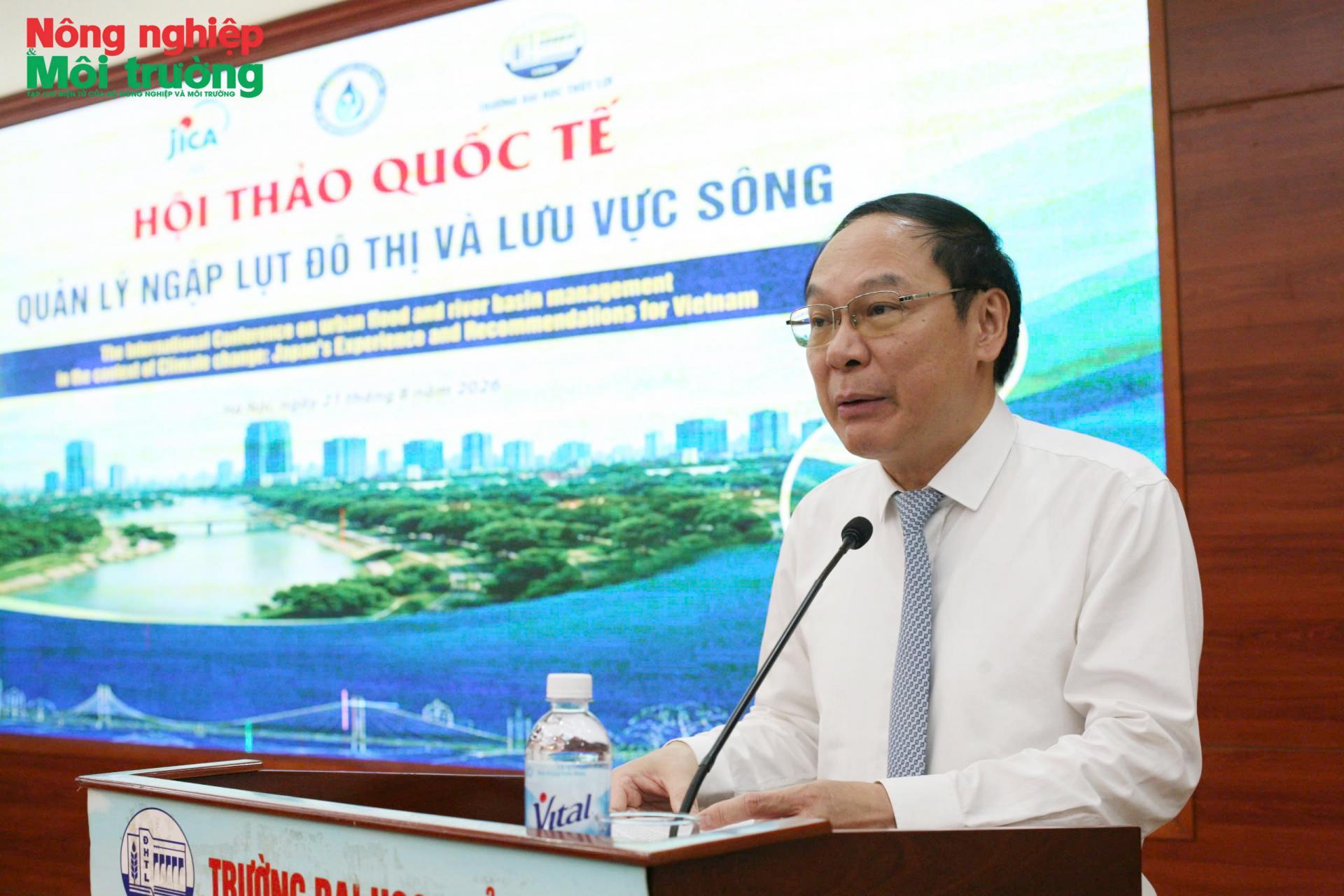
Urban flooding is increasingly influenced by a combination of heavy rainfall, river flows, tides, water-storage capacity, land use and urban spatial planning. At the international conference on “Urban flood and river basin management in the context of climate change: Japan’s experience and recommendations for Viet Nam”, held in Hanoi on August 21, Deputy Minister of Agriculture and Environment Le Cong Thanh said the issue should be addressed as part of integrated water resources management, urban planning and disaster risk governance, rather than being treated solely as a drainage problem within individual cities.
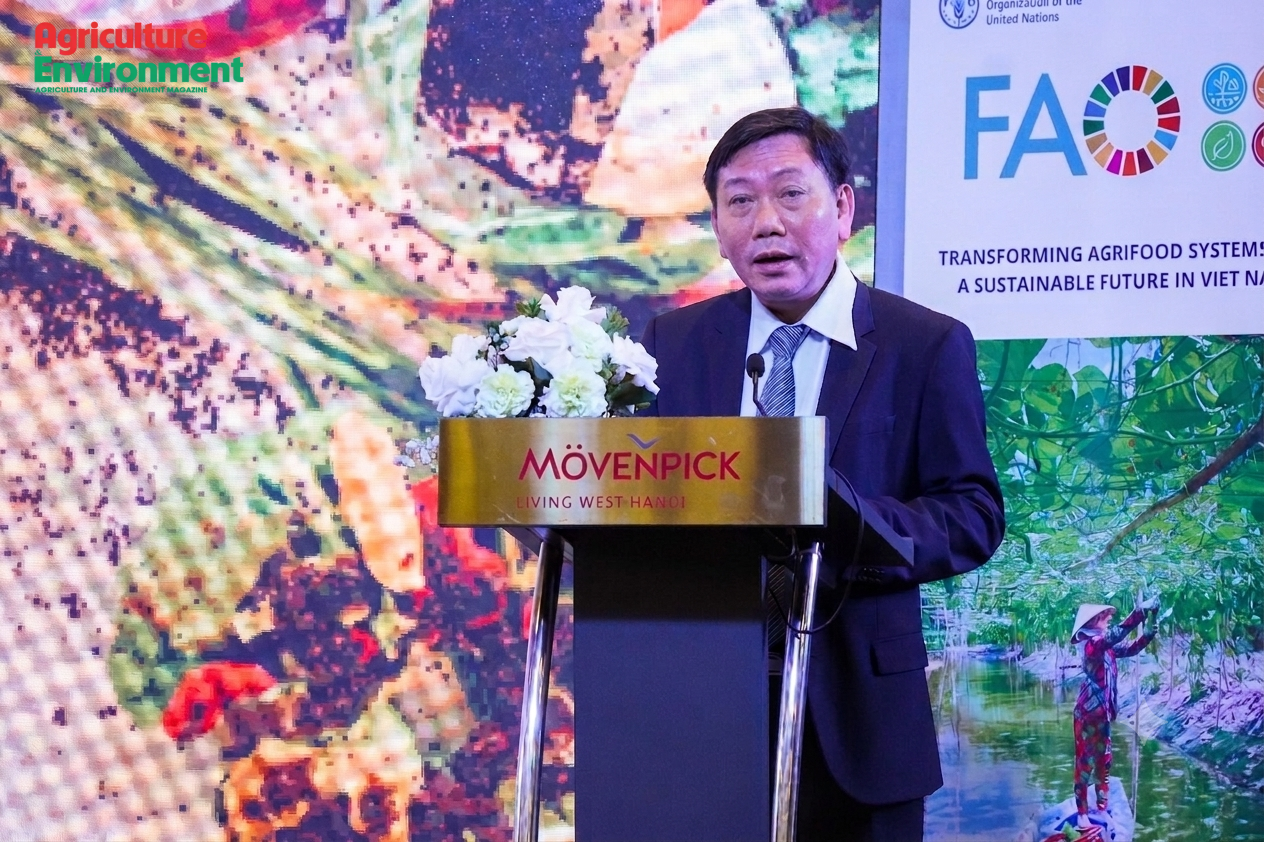
Reducing food loss and waste is not only about preventing food from being discarded. It also requires retaining and circulating value throughout the food system, from production and processing to distribution and consumption.
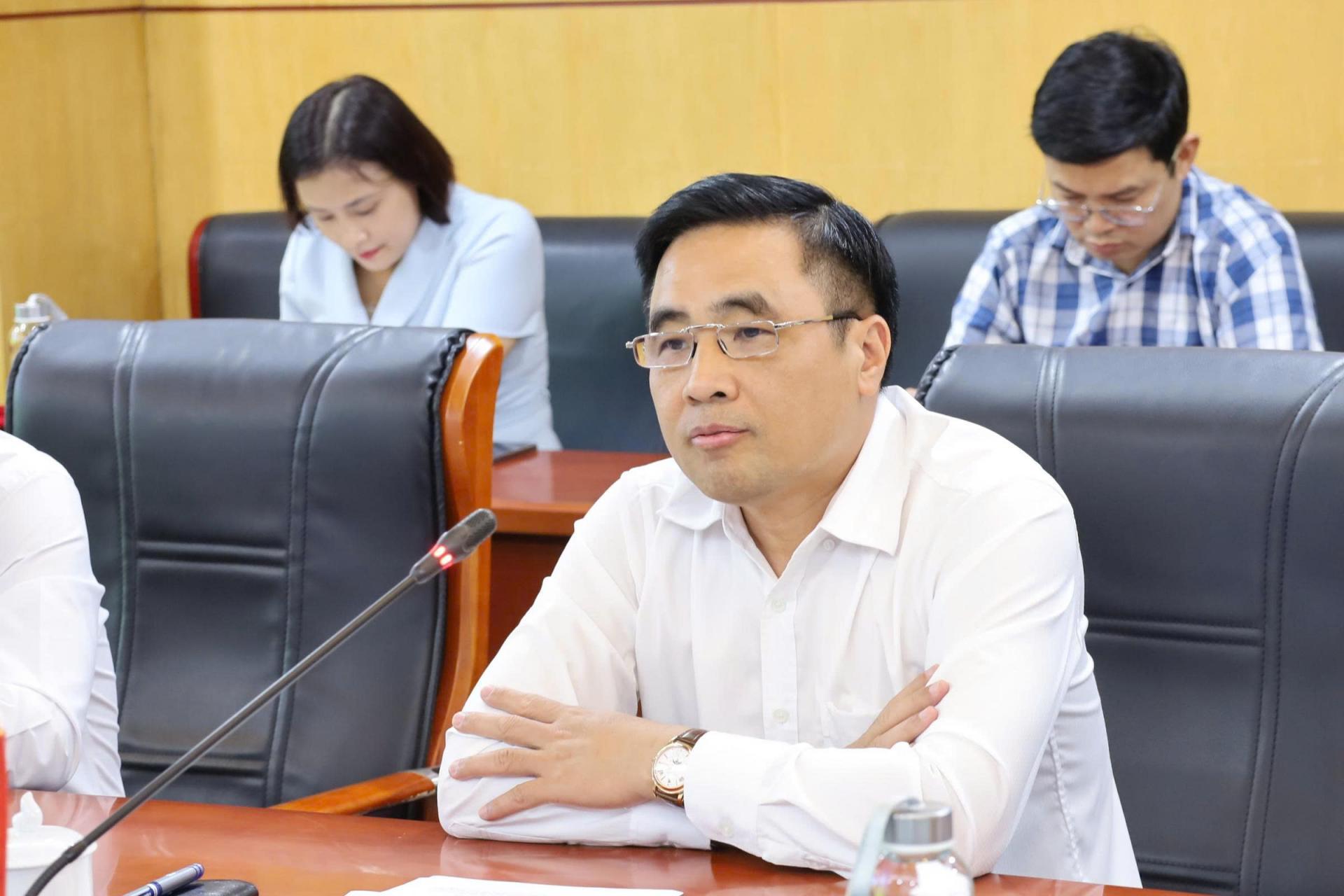
The August 18 meeting between Deputy Minister of Agriculture and Environment Nguyen Quoc Tri and Uruguay’s Deputy Minister of Livestock, Agriculture and Fisheries Matías Carámbula highlighted market access and balanced interests in agricultural trade between the two countries. These issues are directly relevant to translating bilateral cooperation priorities into concrete outcomes.