



 In modern life, sometimes a single familiar flavor is enough to carry us back into the quiet depths of memory. In “Xích Lô’s Notebook”, Lê Minh Hoan writes with a gentle, unadorned voice—leading readers through familiar scenes of the countryside before settling on a simple truth: development does not mean losing one’s roots. This small story invites us to pause, and to reflect more deeply on rural life, culture, and the enduring journey of preserving Vietnamese identity.
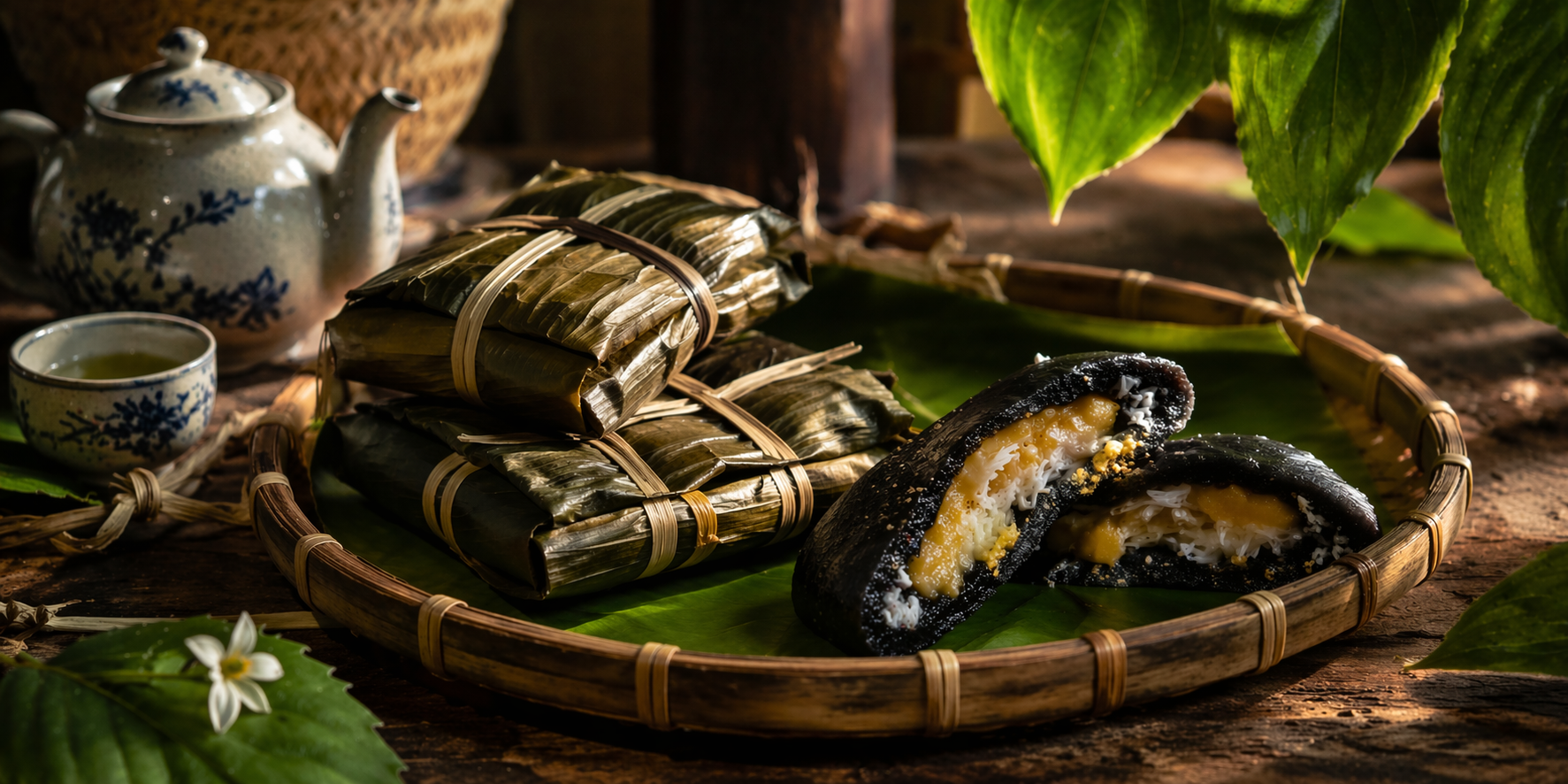
‘BÁNH GAI' – MEMORIES WRAPPED IN BLACK LEAVES |
There are countryside afternoons when all it takes is passing a small kitchen—seeing steam rise from a pot, catching the faint scent of cooked ramie leaves—and something in the heart softens. Not because it is a rare delicacy. But because it is memory.
Bánh gai, a traditional Vietnamese glutinous rice cake colored with ramie leaves, is as dark as wet alluvial soil after rain. People are often drawn to brightness, to vivid colors. But this cake chooses a quieter shade. The color of dried leaves, pounded smooth. The color of time. The color of harvests long gone.
As children, we saw it at every memorial feast, every wedding, every village market. It never draws attention. It needs no shimmering packaging. Just a layer of dried banana leaf, tied with soft strips—simple, like the people who make it.
To make a proper bánh gai, one must begin with the leaves. Ramie leaves are picked, boiled, dried, then ground into a fine paste. They are mixed with glutinous rice flour, molasses, a touch of oil—and a measure of patience. The filling brings together mung beans, grated coconut, pork fat, and toasted sesame. Each ingredient in small measure, yet leave one out, and the harmony is lost.
Bánh gai cannot be rushed, much like farming itself. One must understand the soil, understand the seasons. One must know how to wait—wait for the dough to absorb, for the filling to cool, for the cake to cook through gentle steam.
Some ask: why is a black cake so beloved? Perhaps because rural people do not shy away from darker shades. They know that beneath that dark exterior lies sweetness, softness, and the warmth of something made with care.
Bánh gai is much like the countryside itself. From the outside, it may not appear dazzling. But within lies a treasury of folk knowledge, skilled hands, and a spirit that knows how to preserve.
Today, bánh gai can be found in supermarkets, in specialty shops, even on flights bound for distant places. Yet its true value lies not in revenue, nor in branding. It lies in the story behind it.
The story of a mother rising before dawn, working late into the night. The story of craft villages quietly safeguarding their secrets. The story of children growing up with the scent of ramie leaves, leaving home, and yet—whenever they return—seeking out that familiar taste once more.
In the digital age, we speak often of innovation, of digital transformation, of value chains. But without the thread of memory, without identity, all innovation remains only an empty shell.
Bánh gai reminds us of something simple: development does not mean loss. It means renewal on an old foundation. It means telling our own story in the language of today.
Perhaps one day, bánh gai will not only sit on ceremonial trays, but become a cultural gift—a symbol of the countryside, the way a place is remembered through its flavors.
And when we unwrap the banana leaf, take a bite of the soft, fragrant cake, we come to a quiet realization: home is never far away. It rests in the palm of our hand. In a small cake. In a shade of black that seems silent, yet is filled with love.
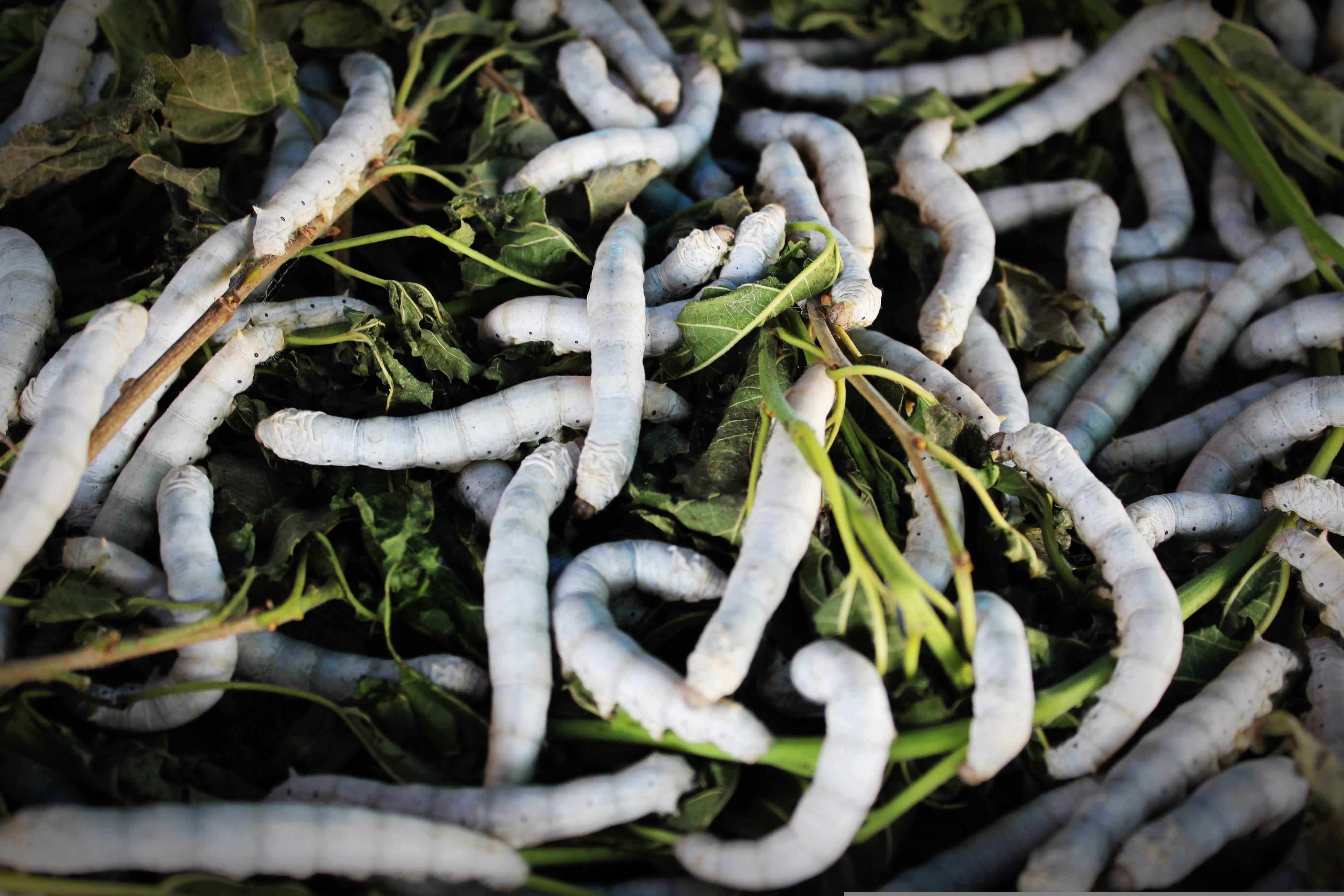
The story of the silkworm spinning its thread evokes a simple yet profound truth: what endures is often shaped by quiet devotion. In a world that rarely grows still, there are those who work in silence, asking for no recognition, yet gently weaving beauty into the fabric of society. It is this persistence, this humility, that helps form the steady ground on which a community—and a nation—stands.
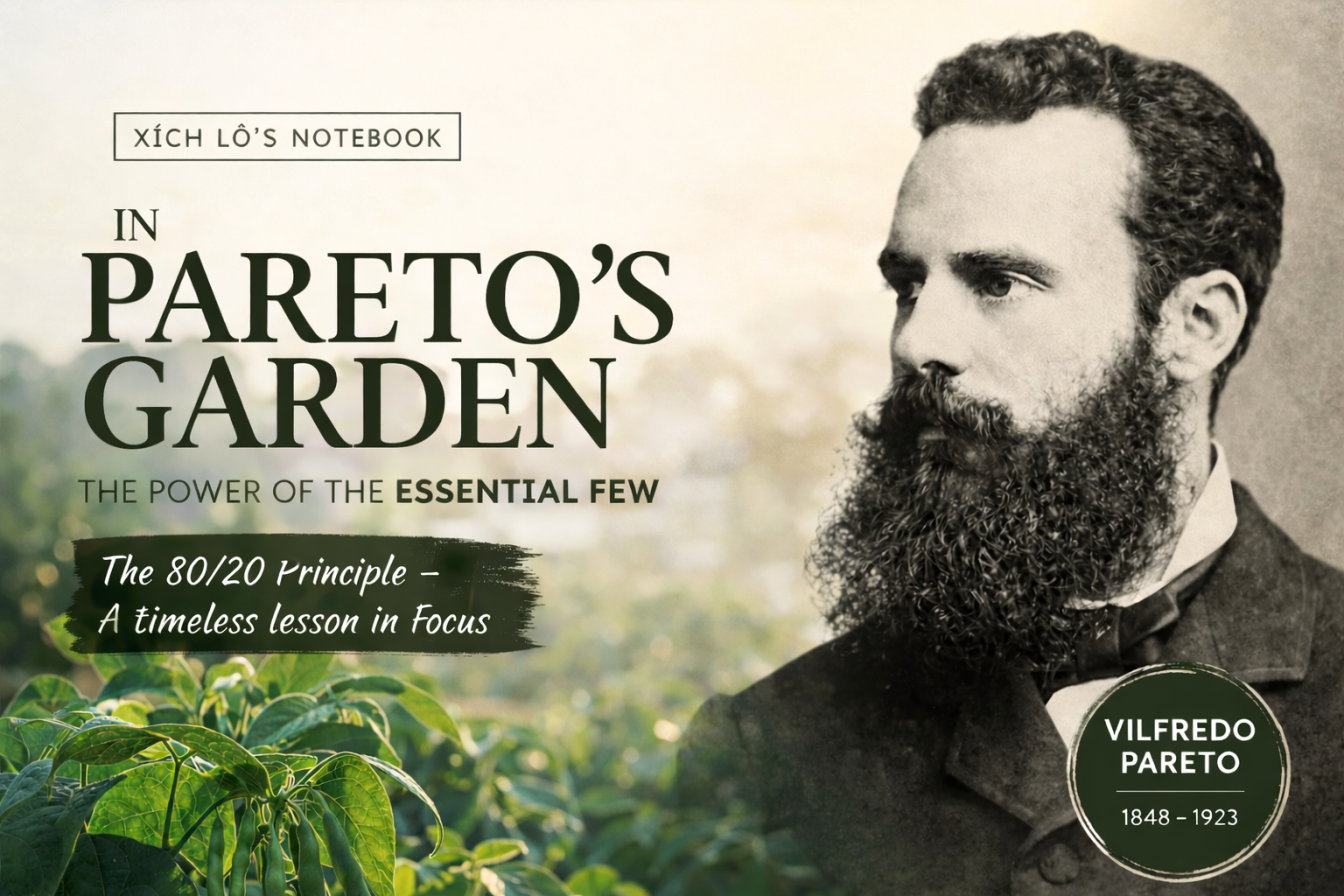
In his reflective “Xích Lô’s Notebook” series, Lê Minh Hoan revisits the story of Vilfredo Pareto—told through the simple image of a bean garden—to illuminate a profound insight. More than a statistical rule, the 80/20 principle emerges as a way of seeing: a reminder to look beyond the noise of abundance, to recognize what truly matters, and to act with clarity and intention.

In "Xích Lô’s Notebook" by Lê Minh Hoan, even the smallest moment—a rice seedling leaning in the wind—can open into something deeper. From there, nature quietly offers its lessons on how to live, if we are willing to pause and listen.
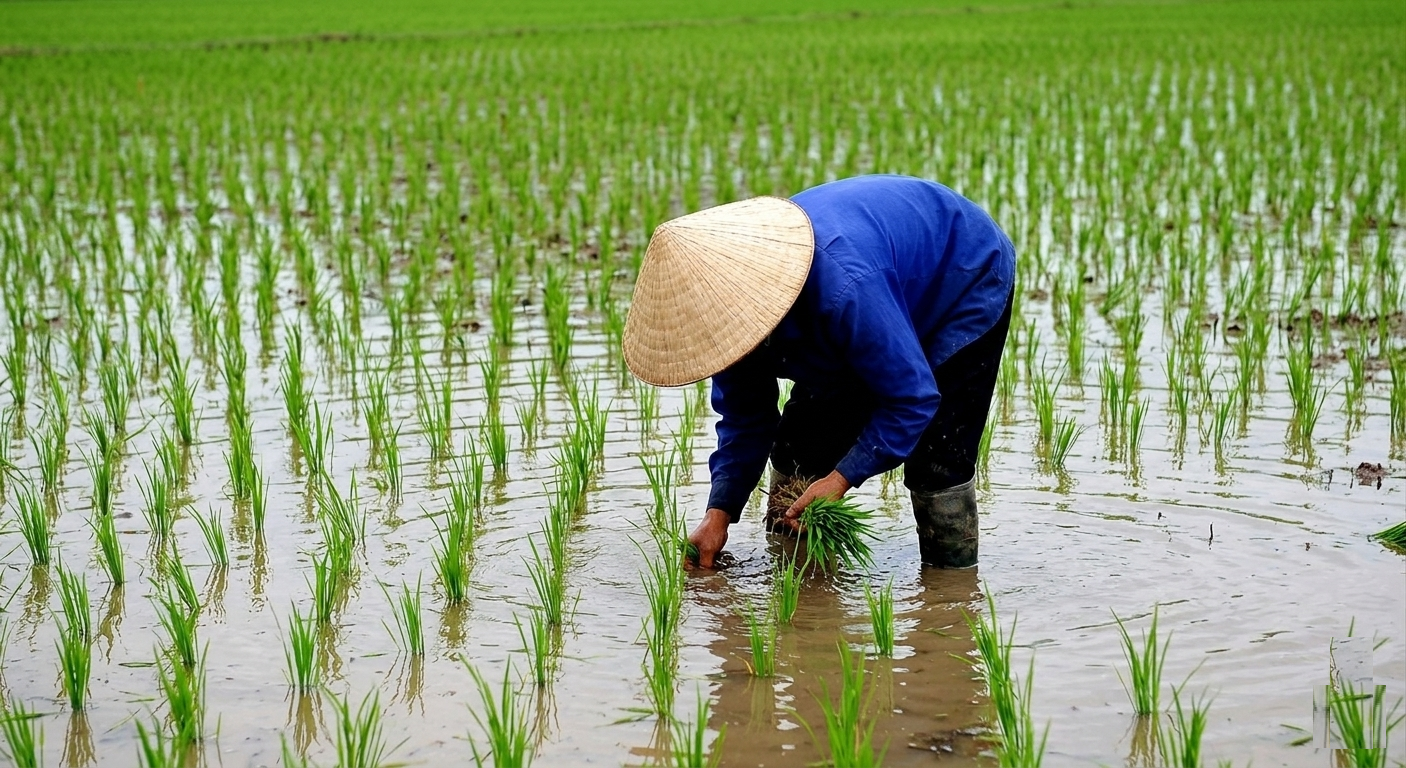
A quietly evocative fable by Lê Minh Hoan, featured in the “Xích Lô’s Notebook” series, draws from the familiar image of Viet Nam’s rice fields to illuminate a deeper philosophy of leadership and human conduct. Through the bending rice—heavy with grain—the author reflects on humility, attentive listening, and growth through lived experience, offering a gentle yet enduring lesson for those in public service and beyond.

Some stories begin not with action, but with a quiet sense of loss. This is one of them. “The fisherman and the reef,” a short fable by Lê Minh Hoan in the Xích Lô’s Notebook series, reflects on the fragile bond between people and nature—reminding us that what sustains life is often what we are most at risk of forgetting.