



 The August 18 meeting between Deputy Minister of Agriculture and Environment Nguyen Quoc Tri and Uruguay’s Deputy Minister of Livestock, Agriculture and Fisheries Matías Carámbula highlighted market access and balanced interests in agricultural trade between the two countries. These issues are directly relevant to translating bilateral cooperation priorities into concrete outcomes.
On August 18, at the headquarters of the Ministry of Agriculture and Environment, Deputy Minister Nguyen Quoc Tri received and held talks with Uruguay’s Deputy Minister of Livestock, Agriculture and Fisheries Matías Carámbula and his delegation. The meeting took place as the Fourth Session of the Viet Nam–Uruguay Joint Committee on Economic, Trade and Investment Cooperation was being held in Hanoi, with agriculture among the areas discussed.
A science-based approach to agricultural market access
Deputy Minister Nguyen Quoc Tri welcomed Uruguay’s role in the Southern Common Market (MERCOSUR) and recognized the country’s strengths in beef cattle, sheep, dairy and other agricultural products. Viet Nam wants agricultural cooperation with Uruguay to deliver practical and effective results while reflecting the needs and respective strengths of both sides.
A key issue raised by the Uruguayan side was access to the Vietnamese market for livestock products. Deputy Minister Matías Carámbula asked Viet Nam to advance the process of opening its market to Uruguayan meat and livestock products, with priority given to live cattle and beef products.
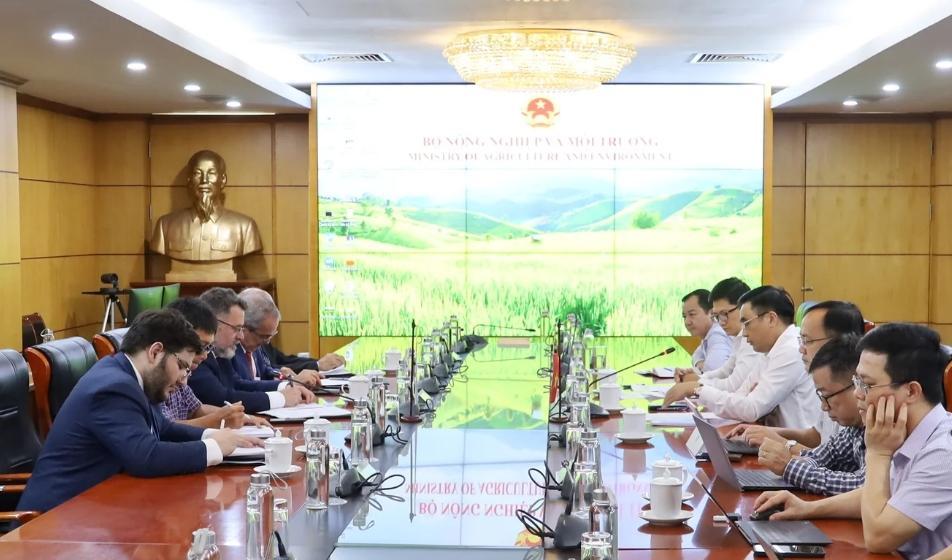
The issue has been part of the two countries’ cooperation agenda for several years. At the Second Session of the Viet Nam–Uruguay Joint Committee in 2021, the two sides welcomed the establishment of direct focal points to address technical issues related to the approval of potential agricultural products for entry into each other’s markets. The matter was also noted at the Third Session in 2023.
In response to Uruguay’s proposal, Deputy Minister Nguyen Quoc Tri said specialized agencies under the Ministry had been tasked with reviewing the dossiers and documents submitted by Uruguay. The process is being conducted in accordance with import risk analysis procedures. Any consideration of market opening must be based on scientific evidence, meet requirements on animal disease control and food safety, and comply with international practices.
Market access is therefore determined not only by commercial demand but also by whether products and the exporting country’s control system meet the technical requirements of the importing country. Information on animal diseases, control measures, production conditions and other relevant factors provides the basis for competent authorities to conduct the risk analysis.
Deputy Minister Nguyen Quoc Tri asked Uruguay to continue coordinating with Vietnamese authorities and provide the necessary information fully and promptly, facilitating the assessment process in accordance with regulations.
Balancing interests in bilateral agricultural trade
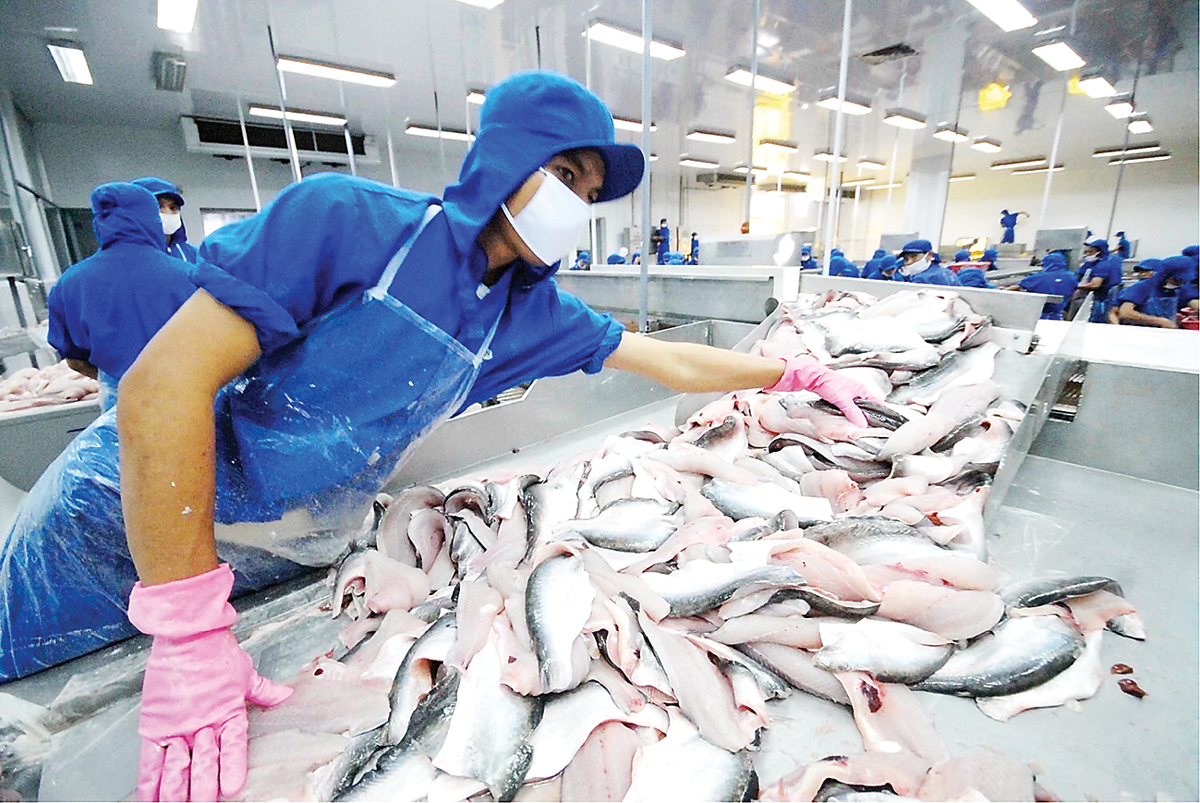
Alongside Uruguay’s request concerning beef, the Vietnamese side raised the issue of market access for its competitive agricultural products. Deputy Minister Nguyen Quoc Tri asked Uruguay to pay attention to, coordinate on and support Vietnamese agricultural products, particularly fruit and seafood such as pangasius and mollusks.
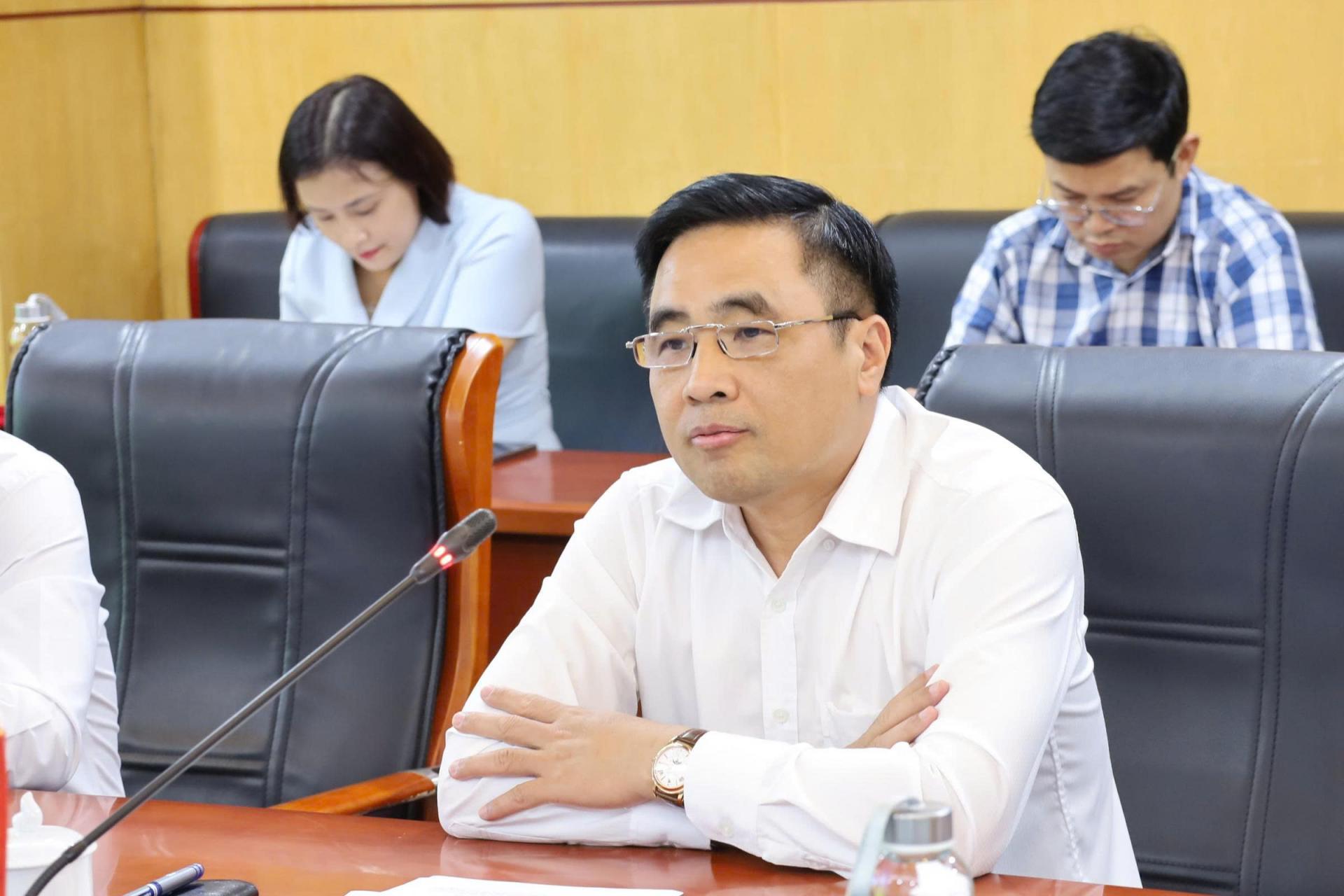
The approach is consistent with the need to diversify the product structure of bilateral trade. At previous sessions of the Joint Committee, Viet Nam and Uruguay noted that bilateral trade remained modest relative to its potential and discussed diversifying traded products and creating conditions for businesses from both countries to access each other’s markets. Two-way trade totaled $190.5 million in 2022 and reached $268.42 million in 2025, up 58.4% from 2024. In the first six months of 2026, trade stood at $148.35 million, up 21.8% from the same period last year.
The current trade structure also points to a degree of complementarity between the two economies. Viet Nam’s main exports to Uruguay include industrial and electronic products, textiles and garments, footwear and machinery, while imports from Uruguay include wood and wood products, milk and dairy products, wheat, animal feed and feed ingredients.
In agriculture, differences in production strengths provide a basis for the two countries to consider product groups with complementary potential. Uruguay has strengths in livestock and dairy products, while Viet Nam has substantial production, processing and export capacity in seafood, fruit and a range of tropical agricultural products.
Deputy Minister Matías Carámbula said the two sides should continue discussions to identify agricultural products with potential and then select priority areas for cooperation. Uruguay also expressed its readiness to support greater access for Vietnamese goods to Latin American markets.
The issue is therefore not simply the volume of goods traded, but whether competitive products from each country can gain access to the other’s market. For agricultural products, this requires coordination on trade policy, technical standards, quarantine, food safety and market information.
Technical mechanisms for sectoral cooperation
Seafood was another area the two sides identified for further work at the technical level. Viet Nam and Uruguay agreed to maintain exchanges and designate focal points to coordinate on completing a draft memorandum of understanding on fisheries cooperation, providing a framework for specialized agencies in the two countries to implement cooperation activities.
Developing a dedicated framework for fisheries is relevant as the two countries explore areas of cooperation beyond livestock products. For Viet Nam, pangasius and mollusks are among the products with export strengths, while Uruguay has advantages in livestock products and value-added food products. Identifying specific areas of cooperation needs to take into account market demand, supply capacity and each country’s ability to meet relevant sectoral regulations.
Experience from previous cooperation shows that technical issues have a direct bearing on the implementation of trade arrangements. At the Second Session of the Joint Committee in 2021, the two sides agreed to establish direct focal points for technical issues related to agricultural product approvals. The issue was subsequently noted at the Third Session in 2023.
For agricultural trade, requirements on animal and plant quarantine, food safety, animal disease control, traceability and import risk analysis need to be addressed by specialized agencies. The effectiveness of cooperation therefore depends not only on establishing broad policy directions but also on maintaining technical channels of communication and resolving individual dossiers and product groups.
In this context, Uruguay’s continued completion of dossiers for the import risk analysis of livestock products and the designation of focal points to develop a fisheries cooperation framework are directly relevant to agricultural trade. They also provide a basis for translating policy-level understandings into implementation in line with each country’s regulatory system.
Regional frameworks and the outlook for agricultural trade
The August 18 meeting coincided with the Fourth Session of the Viet Nam–Uruguay Joint Committee on Economic, Trade and Investment Cooperation in Hanoi. The session reviewed cooperation since 2023 and discussed economic, trade, investment, customs, agriculture, science and technology. The two sides agreed to develop specific action plans to implement agreed areas of cooperation and signed the minutes of the Fourth Session.
The continuation of the Joint Committee through four sessions since its establishment in 2018 has provided a regular channel for the two countries to review economic, trade and investment relations. In agriculture, issues related to product approvals, market access and technical exchanges have been addressed at the 2021 and 2023 sessions.
Bilateral relations are also unfolding amid new developments in regional integration. In December 2025, MERCOSUR members Argentina, Brazil, Paraguay and Uruguay formally announced the launch of negotiations on a Viet Nam–MERCOSUR Preferential Trade Agreement (PTA). The framework is directly relevant to the prospects for improving trade conditions between Viet Nam and South American markets.
At the bilateral level, during Prime Minister Pham Minh Chinh’s meeting with Uruguayan President Yamandú Orsi in 2025, the two sides also discussed opening their markets to each other’s agricultural products and exploring opportunities for Vietnamese businesses to invest, produce and process goods in Uruguay for the local market and neighboring markets.
In 2026, the two countries also assumed roles in regional mechanisms: Viet Nam is the rotating chair of the CPTPP Council, while Uruguay has served as rotating chair of CELAC since March and rotating chair of MERCOSUR since July. According to the Fourth Session of the Joint Committee, these roles provide additional conditions for the two countries to expand exchanges both bilaterally and between their respective regions and market blocs.
However, regional mechanisms provide a broader framework for trade relations; their concrete benefits for agriculture will still depend on addressing the specific issues affecting individual product groups. For Uruguayan beef and livestock products, these include import risk analysis, animal disease control and food safety. For Vietnamese agricultural products, the key issues include meeting Uruguay’s market requirements and identifying products with competitive advantages and actual market demand.
The August 18 meeting brought together three closely related areas of work: addressing technical conditions for market access; identifying product groups with potential to complement two-way trade; and completing sector-specific cooperation mechanisms, beginning with fisheries. These issues are being considered within a broader framework shaped by Uruguay’s role in MERCOSUR and the ongoing Viet Nam–MERCOSUR PTA negotiations.
For agricultural trade, balancing interests is therefore not simply a matter of the relative value of exports and imports, but also of creating market access for competitive products from both countries while complying with regulations and managing risks. This provides a basis for further developing Viet Nam–Uruguay agricultural relations through practical, technically implementable areas of cooperation rather than leaving them at the level of broad policy orientations.
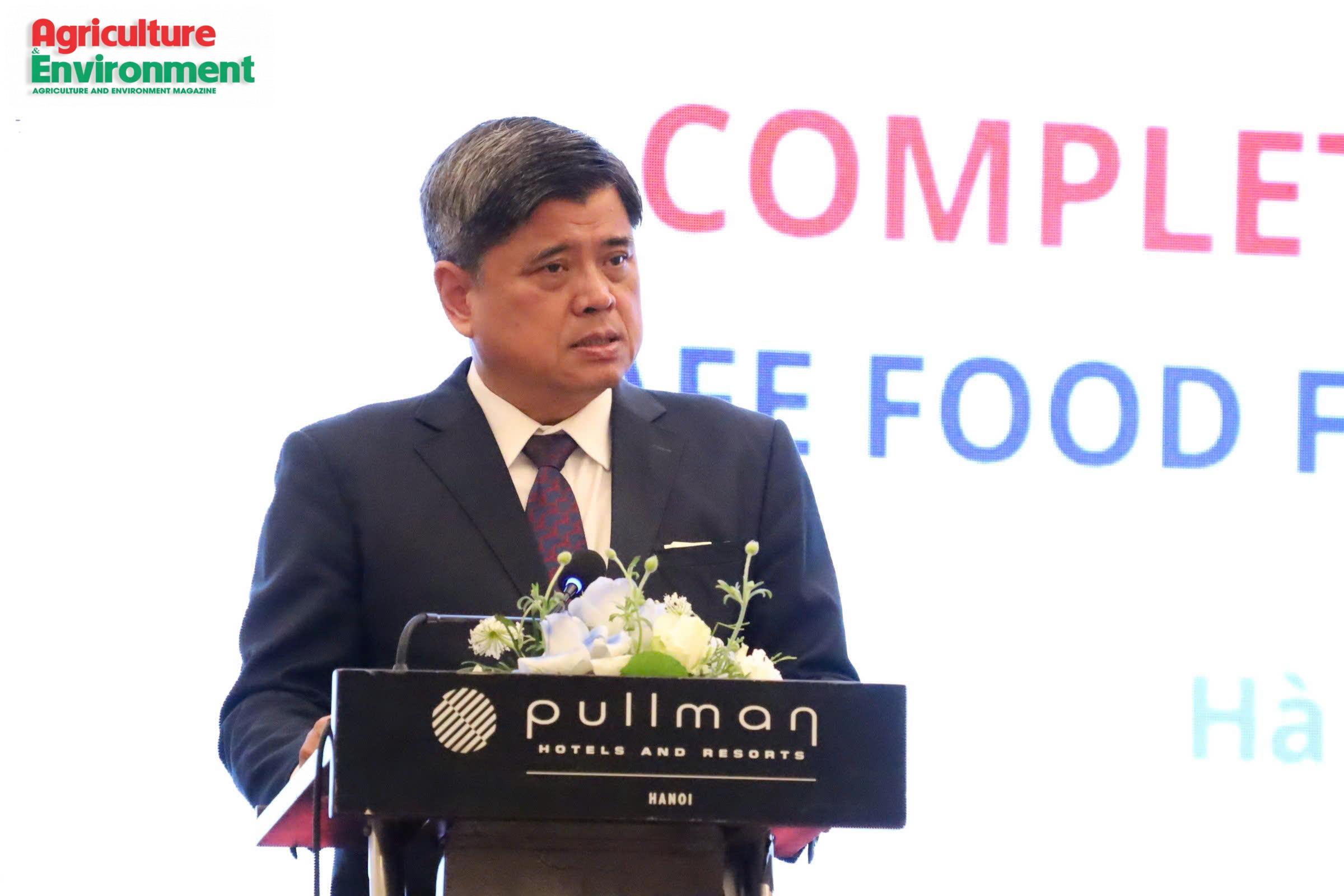
On April 16, the Ministry of Agriculture and Environment, in coordination with the Embassy of Canada in Viet Nam, held a conference to review the “Safe food for growth” (SAFEGRO) project, assessing its results, impacts and effectiveness over the 2020–2026 period. The event also aimed to share lessons learned and project outputs to support the continuation and scaling up of effective models, contributing to improved sustainability and effectiveness in ensuring food safety in Viet Nam.
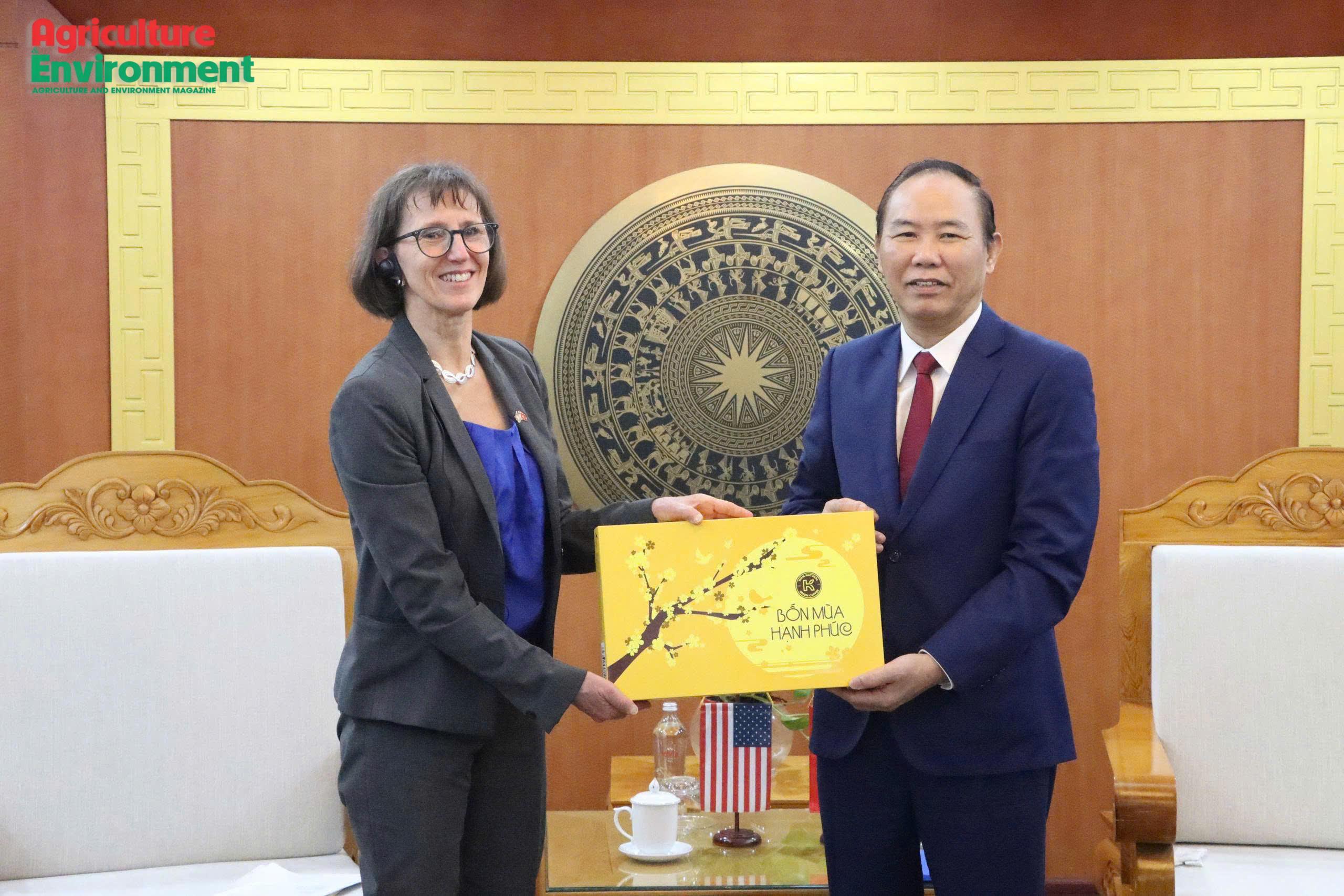
Viet Nam has welcomed U.S. support in strengthening health security, describing it as a key foundation for controlling cross-border diseases and promoting sustainable agricultural development. The two sides agreed to expand cooperation in surveillance, early warning, vaccine research, and implementation of the Global Health Security Program.
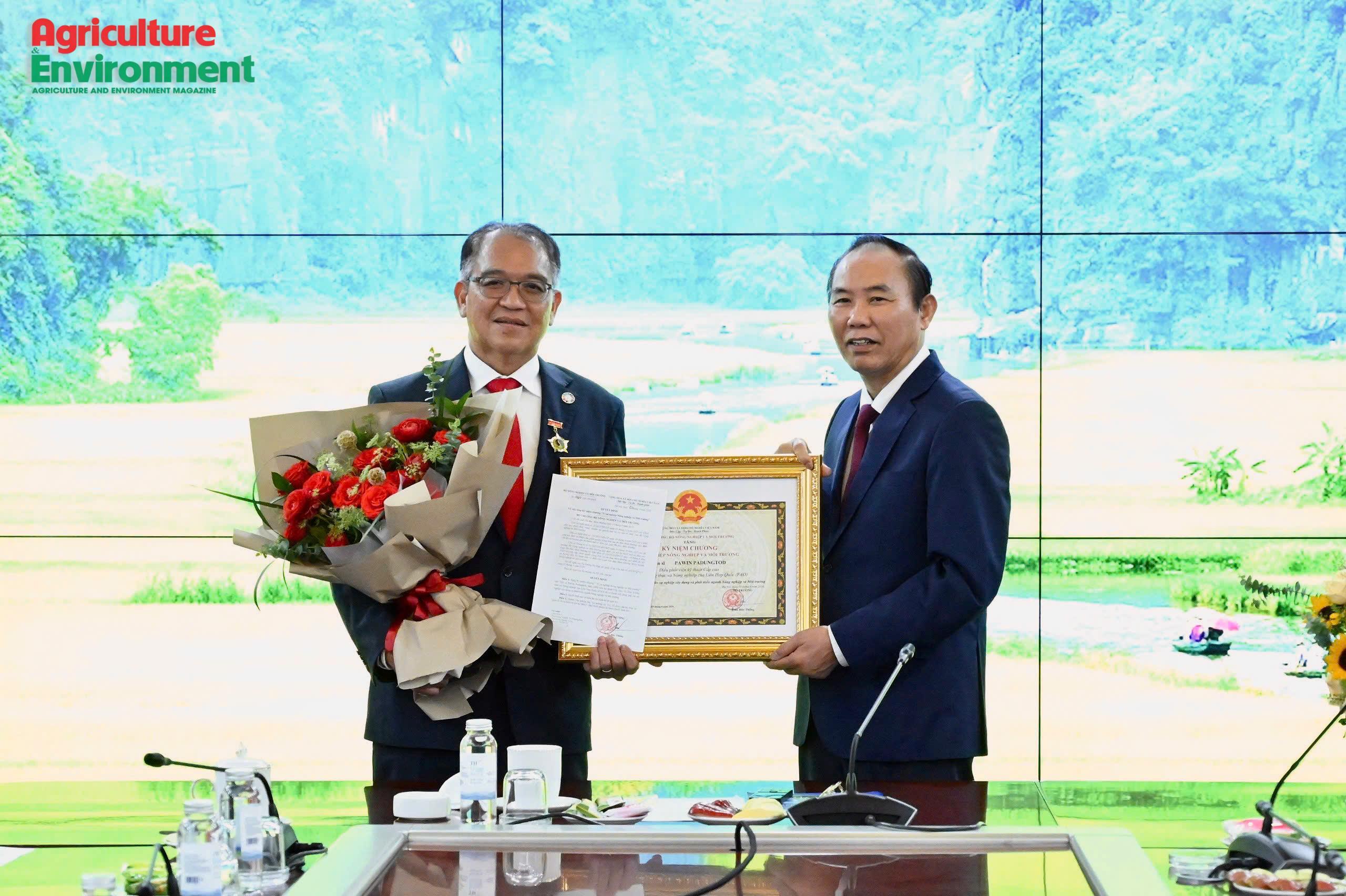
Deputy Minister of Agriculture and Environment Phung Duc Tien on April 10 presented the “For the cause of Agriculture and Environment” insignia to Dr. Pawin Padungtod, Senior Technical Coordinator of the Food and Agriculture Organization (FAO) in Viet Nam, in recognition of his contributions to advancing the One Health approach, strengthening veterinary systems, and promoting sustainable livestock production.
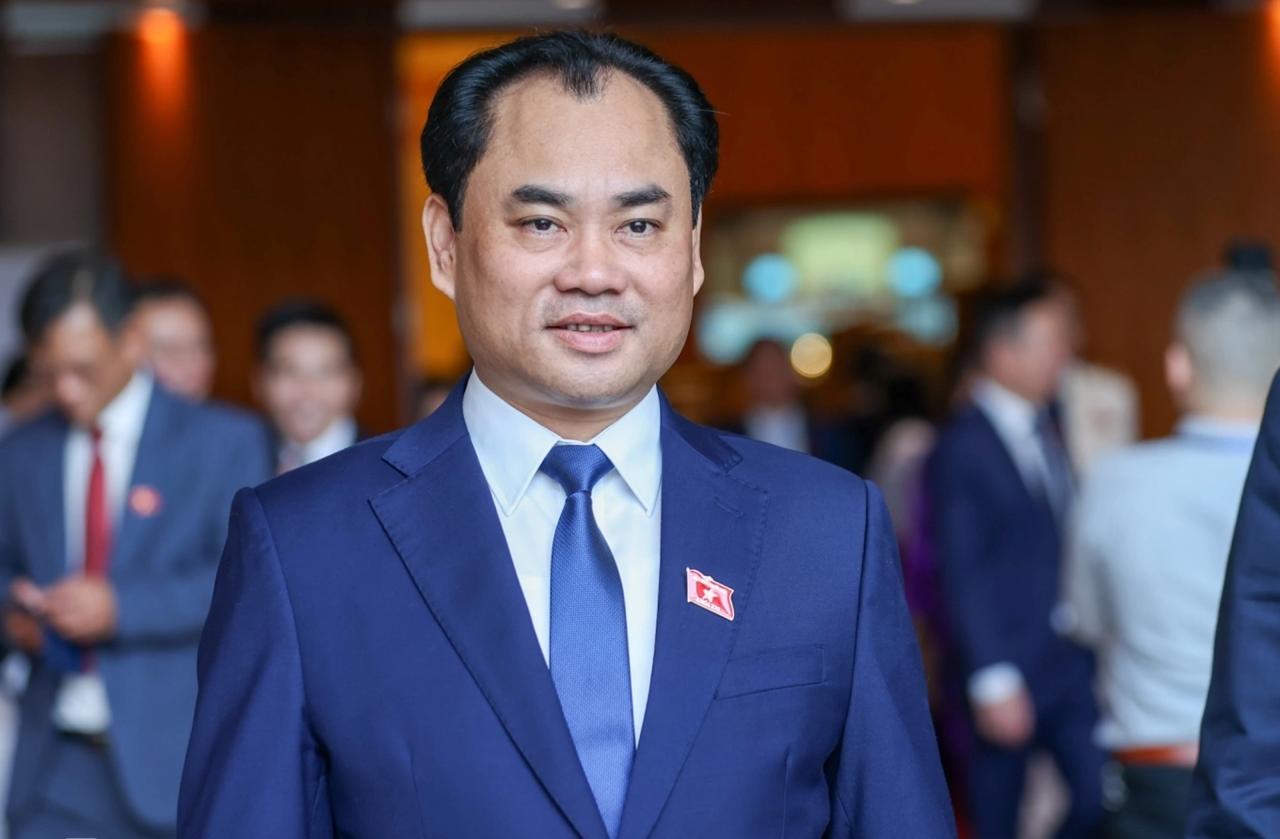
National Assembly on April 8 approved the appointment of Standing Deputy Minister Trinh Viet Hung as Minister of Agriculture and Environment for the 2026–2031 term, with all deputies present voting in favor.
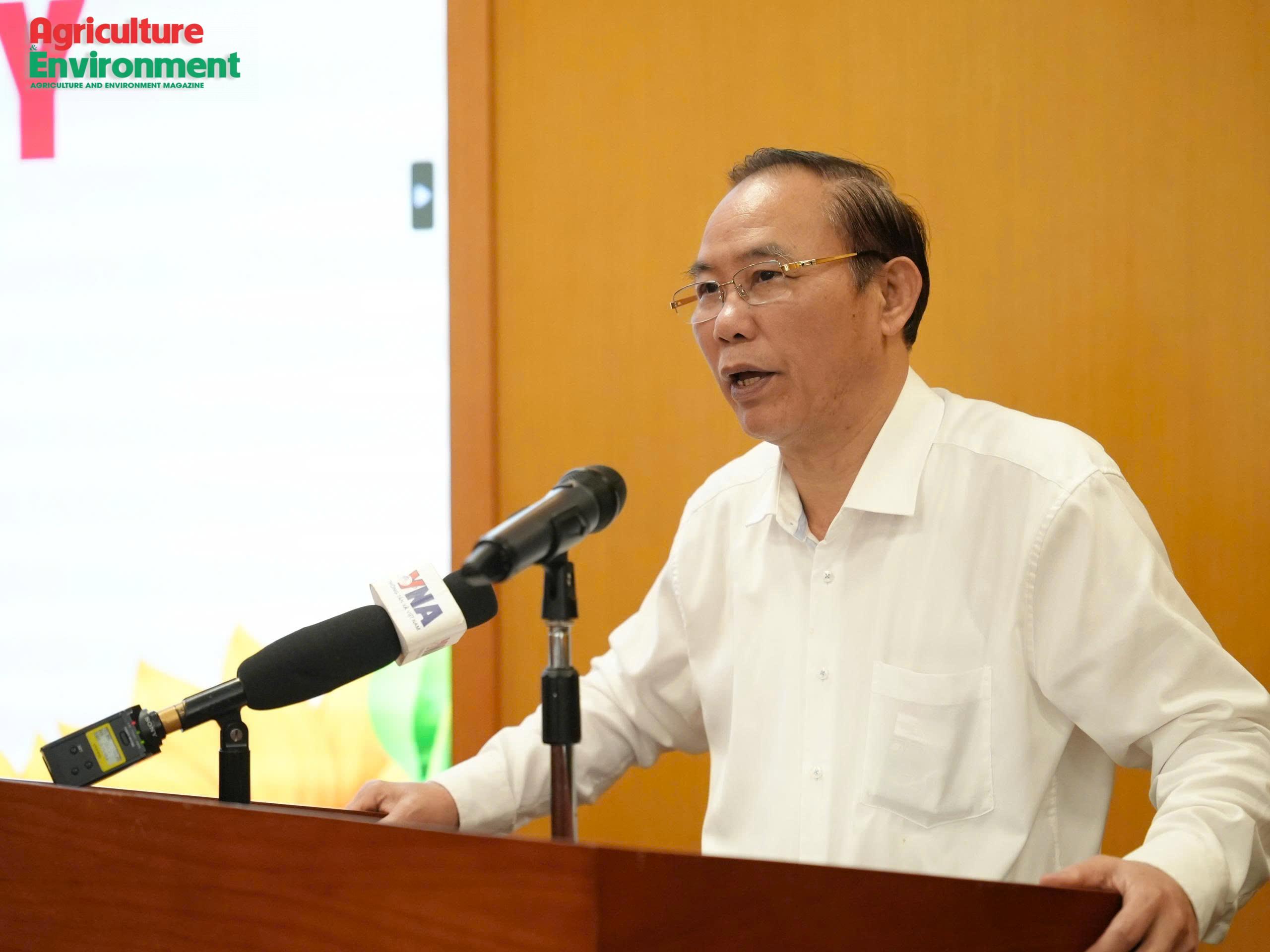
At a regular press briefing on April 1, Deputy Minister Phung Duc Tien said the Ministry of Agriculture and Environment is stepping up the application of remote sensing technology in resource and environmental monitoring to improve governance capacity, enhance early warning systems, and support policymaking. The move comes as the sector maintains growth momentum, with agro-forestry-fishery exports rising 5.9% year-on-year in the first quarter of 2026. Officials said advancing science and technology would serve as a key foundation for sustainable development in the coming period.