



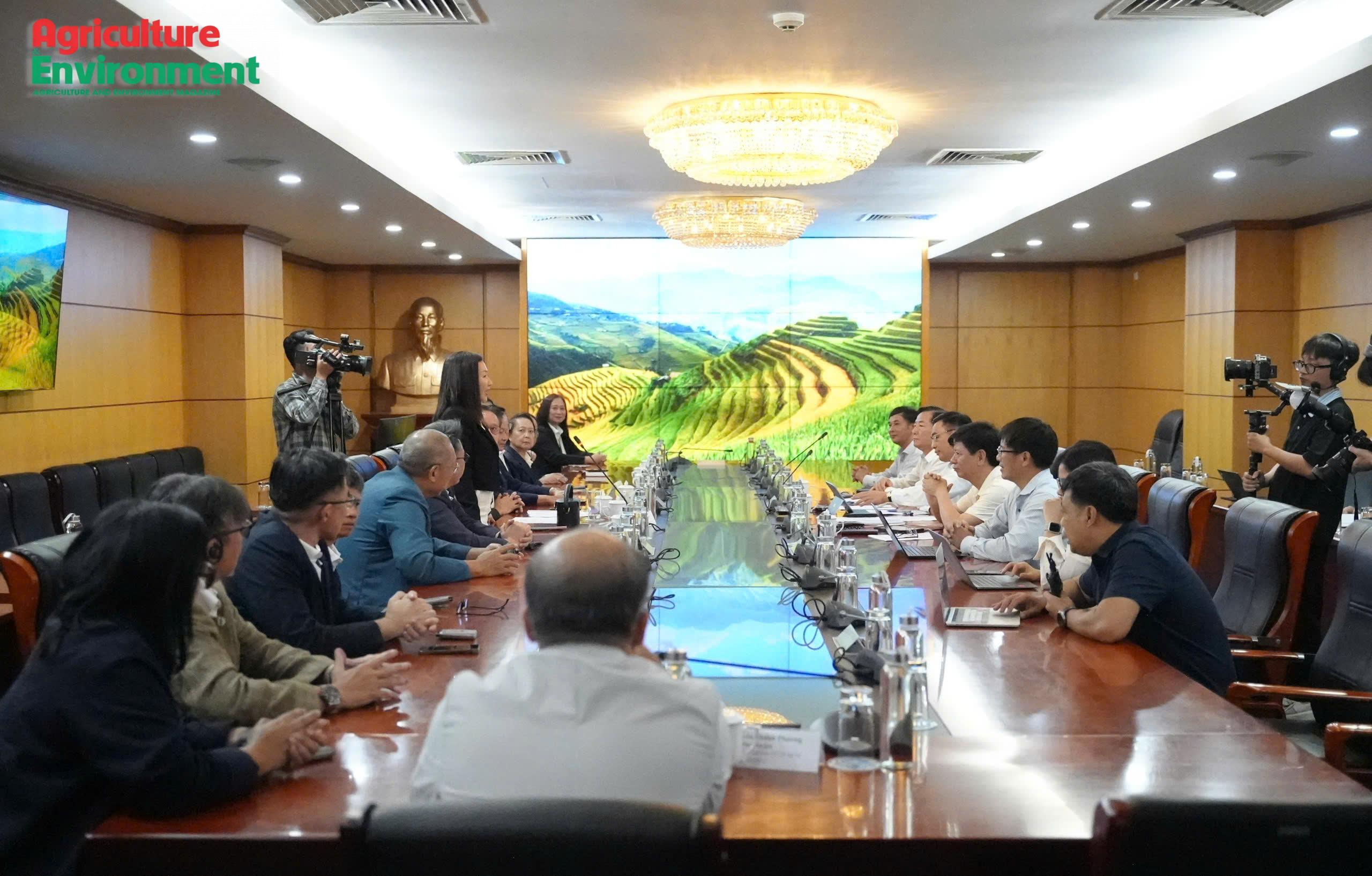
 At a working session with the ASEAN Furniture Industries Council (AFIC) on June 26, Deputy Minister of Agriculture and Environment Nguyen Quoc Tri affirmed that Viet Nam is ready to support cooperative initiatives aimed at developing the ASEAN wood industry in a responsible and value-added direction.
Regional supply chain integration gains priority
At the meeting, Nguyen Quoc Khanh, Chairman of AFIC, said the 2026 AFIC leadership conference had identified five strategic priorities for the council’s next phase of development. The priorities include building a highly integrated ASEAN furniture supply chain; strengthening links among regional trade fairs and trade promotion activities; advancing sustainable development; encouraging innovation and leadership succession; and expanding access to the intra-regional market of more than 700 million people.
Nguyen Quoc Khanh said sustainability remains a core principle guiding all AFIC activities. The council seeks closer cooperation with Viet Nam’s Ministry of Agriculture and Environment in sustainable forest management, development of legal timber sources, forest certification, traceability, and the establishment of green supply chains to meet increasingly stringent international market requirements.
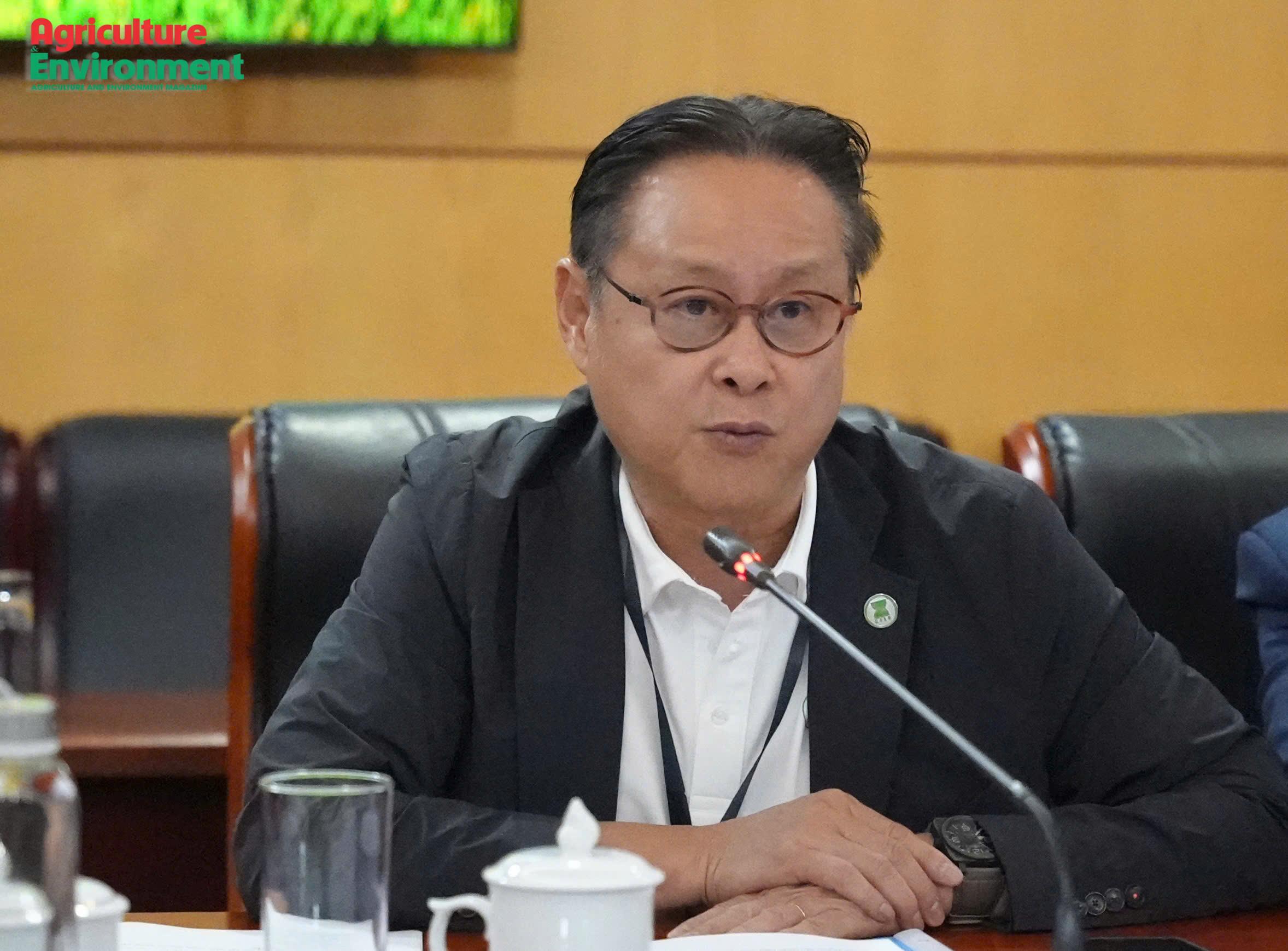
At the meeting, Kyaw Kyaw Win, Chairman of the Myanmar Forest Products and Timber Merchants Association (MFPTMA), said the transition from the European Union Timber Regulation (EUTR) to the European Union Deforestation Regulation (EUDR) has created new compliance requirements for timber-exporting countries. While proof of legal origin was previously the primary requirement, businesses must now comply with due diligence systems involving stricter risk assessment and governance procedures throughout the supply chain.
To respond to this shift, Myanmar has developed a timber legality assurance framework comprising multiple tools, including delivery orders, forest product legality certification, chain-of-custody systems, and the Myanmar Timber Legality Assurance System (Myanmar TLAS). However, assessments of the national system show that the main challenge is no longer the lack of management tools, but rather the ability to align domestic systems with international frameworks.
Kyaw Kyaw Win said Myanmar is gradually shifting from a regulatory model centered on direct state control to a system-based governance model, in line with regional trends and the increasingly stringent requirements of importing markets. Integrating timber legality assurance with due diligence systems is expected to help Myanmar’s timber industry better comply with new international regulations while improving transparency and competitiveness across forest product supply chains.
ASEAN cooperation seen as key to long-term growth
Deputy Minister Nguyen Quoc Tri welcomed AFIC’s action program, saying its initiatives to strengthen supply chain connectivity, promote the use of legal raw materials, and enhance business links across the region are consistent with global trends in the wood industry. He said stronger cooperation within ASEAN is increasingly important for the long-term development of the wood industry amid geopolitical tensions, supply chain disruptions, and growing trade protectionism in many countries.
“If you want to go fast, go alone. If you want to go farther and last longer, go together. That is also the spirit AFIC should continue to uphold in building a united, competitive, and resilient ASEAN wood industry capable of adapting to shifts in the global market,” Deputy Minister Nguyen Quoc Tri said.
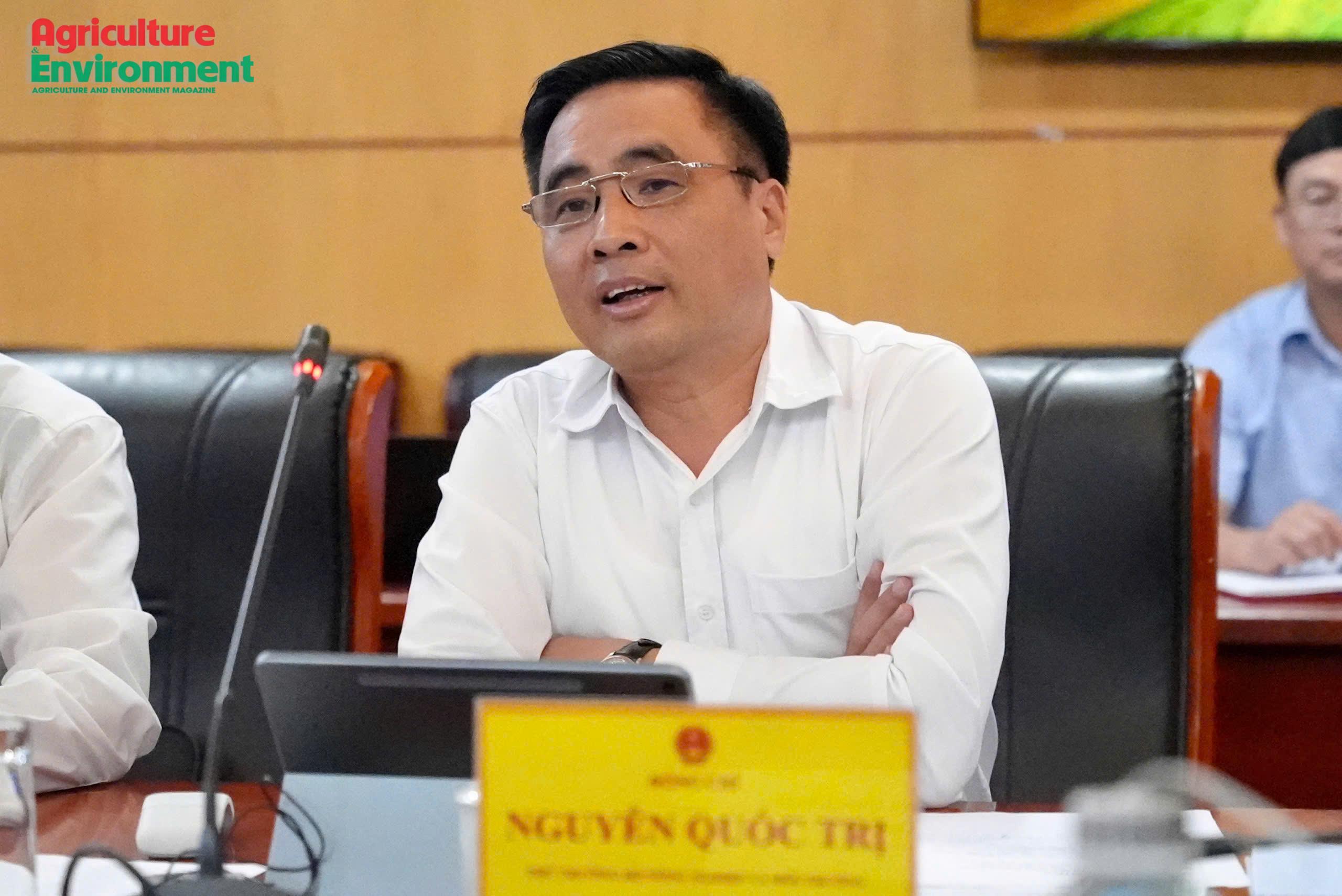
The deputy minister also praised the role of the Viet Nam Timber and Forest Product Association (VIFOREST) and the Handicraft and Wood Industry Association of Ho Chi Minh City (HAWA) in connecting Vietnamese businesses with regional industry organizations.
Speaking about Viet Nam’s forestry potential, Deputy Minister Nguyen Quoc Tri said the country currently has more than 15 million hectares of forest, accounting for about 49% of total land area, with forest coverage exceeding 42%. Viet Nam’s forestry sector supplies around 32 million cubic meters of timber annually, providing a stable source of raw materials for nearly 1,600 processing and exporting enterprises.
In 2025, Viet Nam’s forest product exports exceeded 18 billion USD, accounting for nearly 28% of total agricultural export value. A key feature of the sector is that most products are manufactured using domestically grown plantation timber, reinforcing Viet Nam’s development strategy based on legal, traceable raw materials that meet international standards.
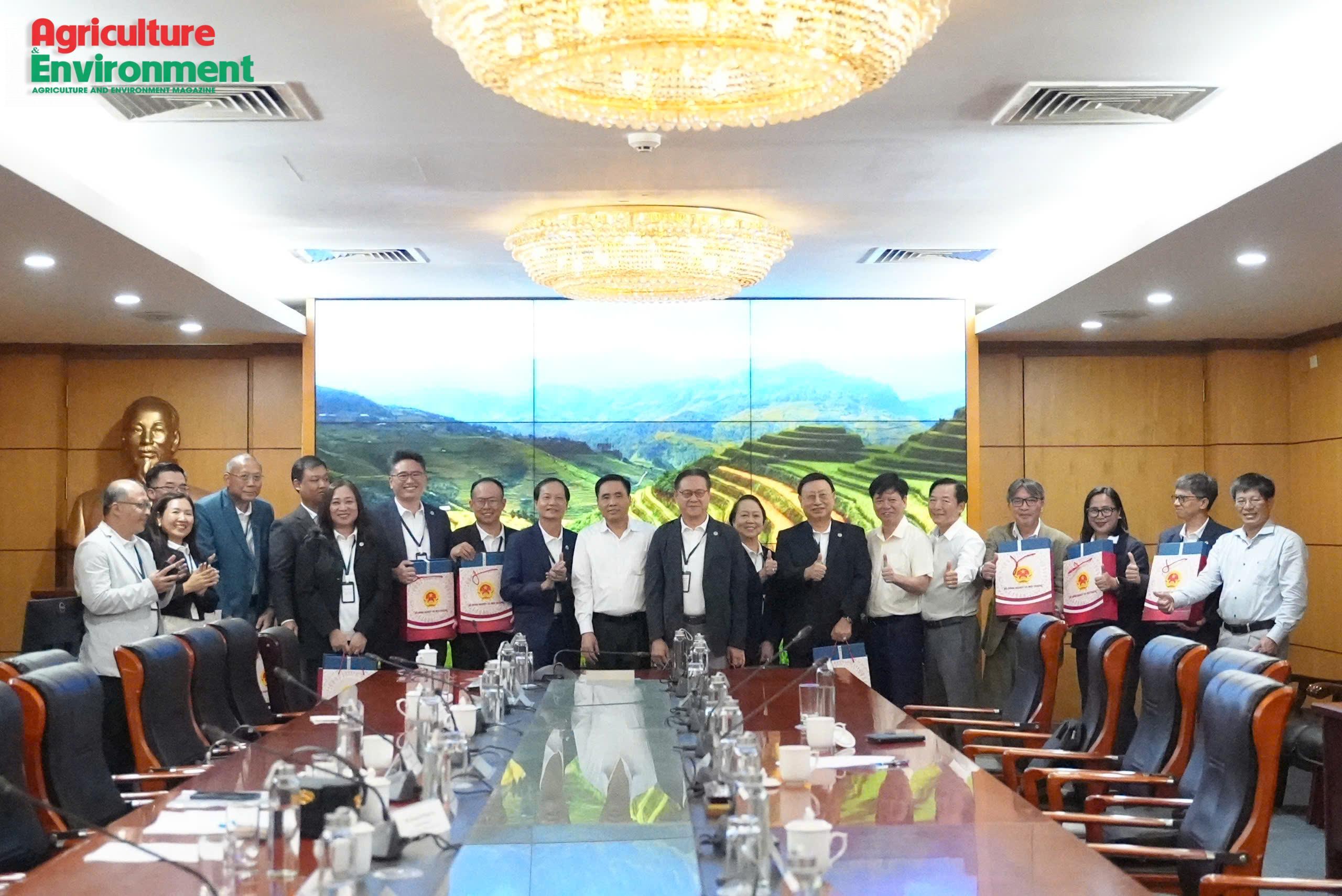
According to Deputy Minister Nguyen Quoc Tri, Viet Nam’s advantages in raw material supply, processing capacity, and export experience provide a strong foundation for deeper participation in the regional wood value chain and for playing a more active role in promoting cooperation among ASEAN associations and businesses.
Reaffirming the government’s support, Deputy Minister Nguyen Quoc Tri said the Ministry of Agriculture and Environment will continue facilitating cooperation between AFIC and wood industry associations to effectively implement joint programs going forward. He expressed hope that AFIC would continue serving as a bridge among member countries and contribute to building a greener, more responsible, and higher-value ASEAN wood industry within global supply chains.
AFIC is a regional cooperative body representing ASEAN wood and furniture industry associations. It comprises eight member associations from Indonesia, Laos, Malaysia, Myanmar, the Philippines, Singapore, Thailand, and Viet Nam, with the goal of promoting regional connectivity, enhancing competitiveness, and strengthening the collective position of the ASEAN furniture industry in global markets. |
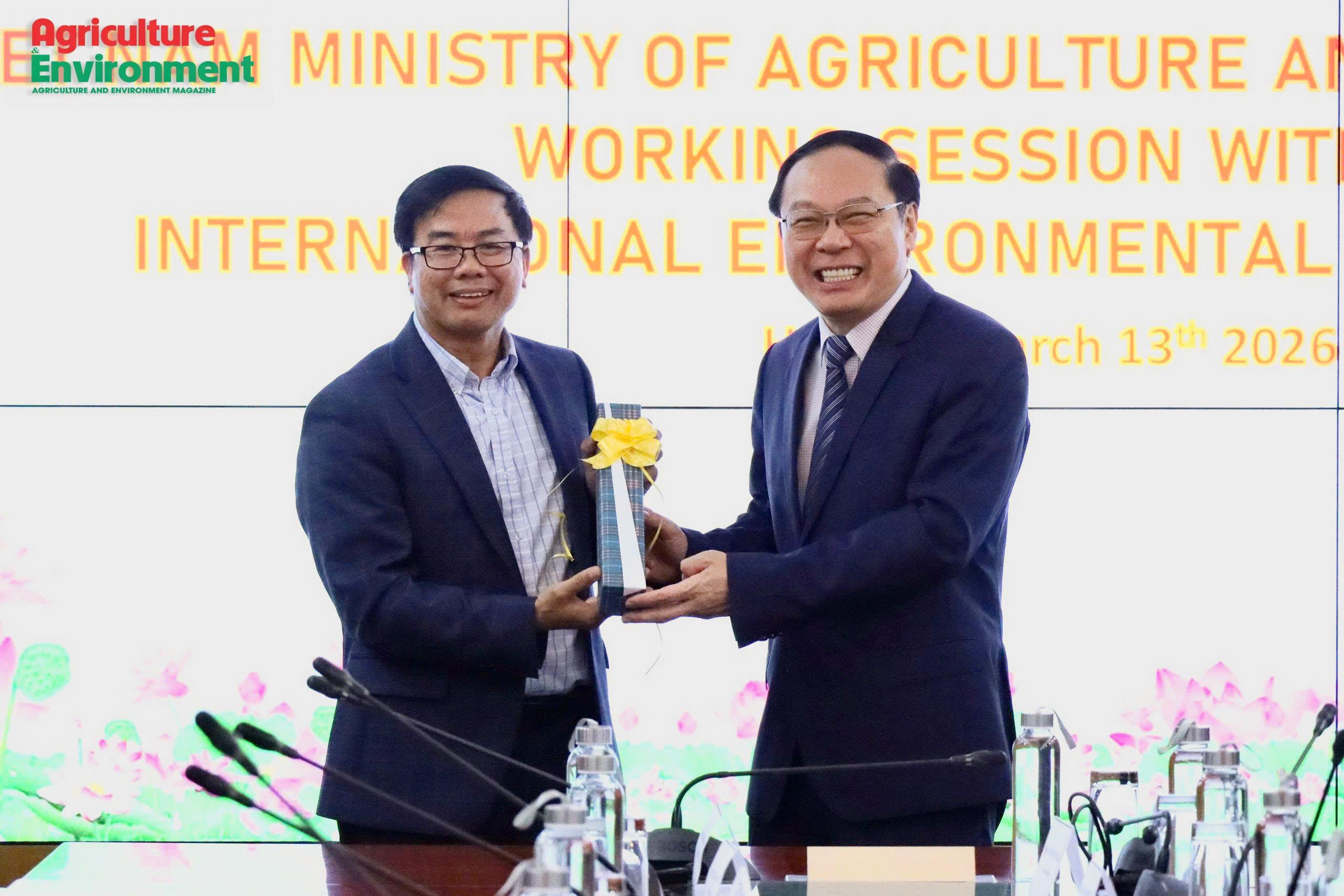
As Viet Nam accelerates efforts to pursue rapid growth while reducing emissions, science and technology, together with international cooperation, are increasingly viewed as key drivers in addressing environmental challenges.
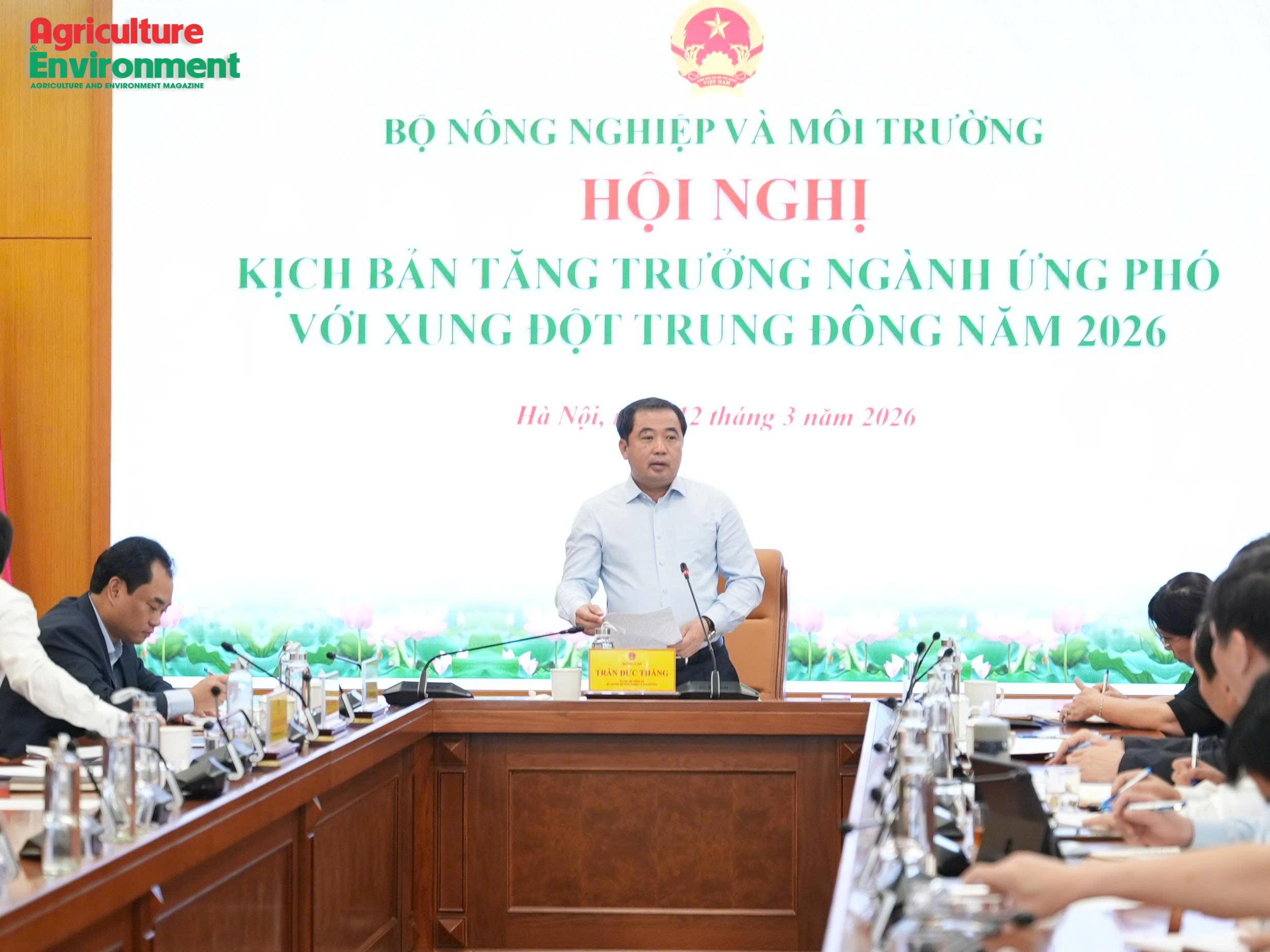
The ongoing conflict in the Middle East is posing new challenges to global supply chains, particularly through rising energy and international logistics costs. In response, the Ministry of Agriculture and Environment is developing growth scenarios and implementing measures to minimize impacts and maintain stable production and exports.
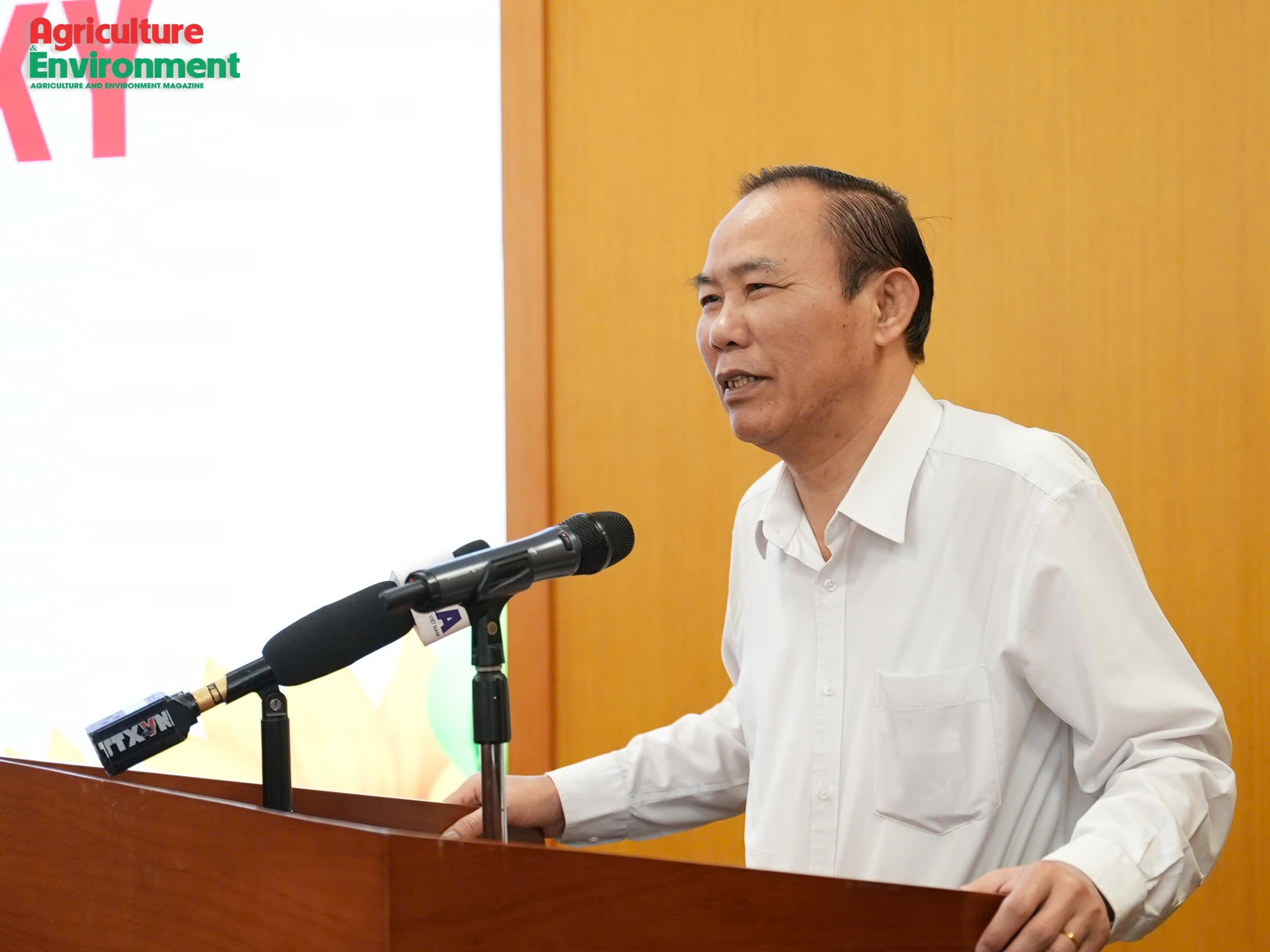
As the peak of the dry season approaches, drought and saltwater intrusion are expected to remain complex across many southern regions. However, according to the Ministry of Agriculture and Environment, water supplies for agricultural production are generally being maintained. The highest salinity intrusion in the Mekong Delta is forecast to occur between March 19 and 23, 2026.
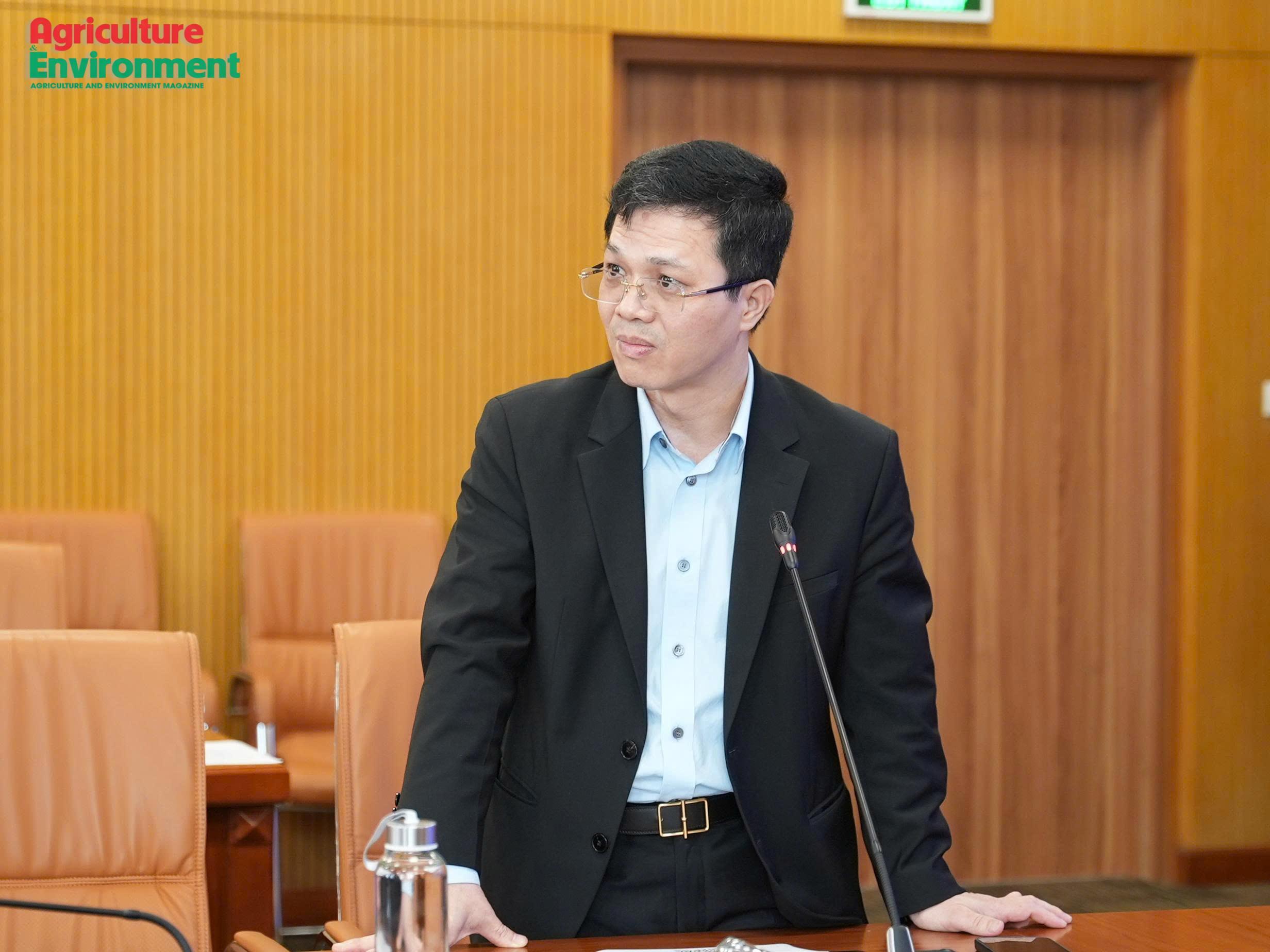
The Ministry of Agriculture and Environment held a meeting on March 10 to present a plan for implementing traceability systems for agricultural, forestry and fishery products for 2026–2030, with a vision to 2035. The meeting was chaired by Dr. Nguyen Van Long, Director of the Department of Science and Technology.
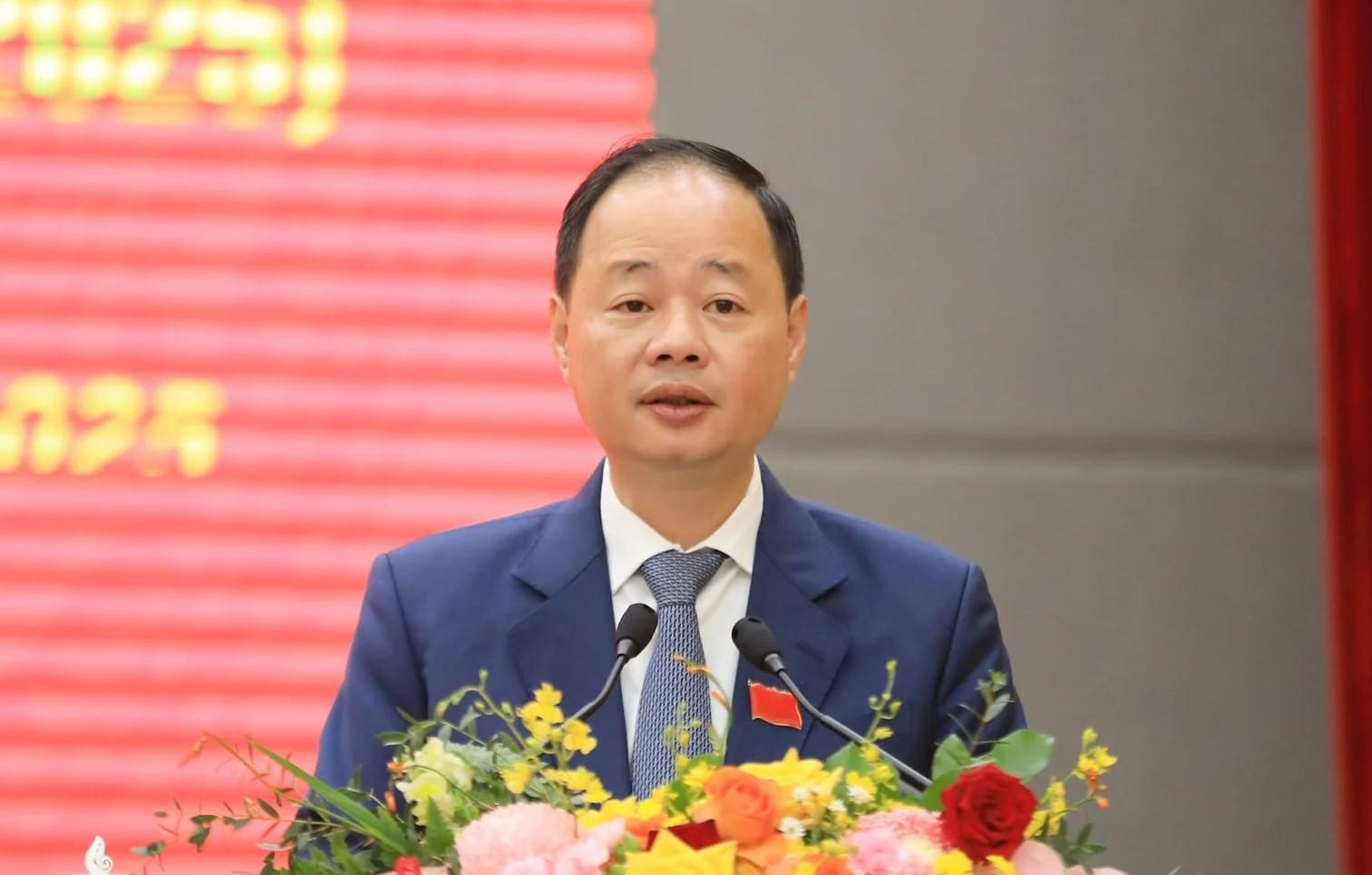
Prime Minister Pham Minh Chinh has appointed Tran Hong Thai, a member of the Party Central Committee, as President of the Vietnam Academy of Science and Technology.