



 Deputy Minister Phung Duc Tien stressed that the development of science and technology programs in the fisheries sector must be grounded in practical needs and focused on key priorities, in order to deliver highly applicable and scalable results, thereby promoting innovation and supporting the sector’s modern and sustainable development.
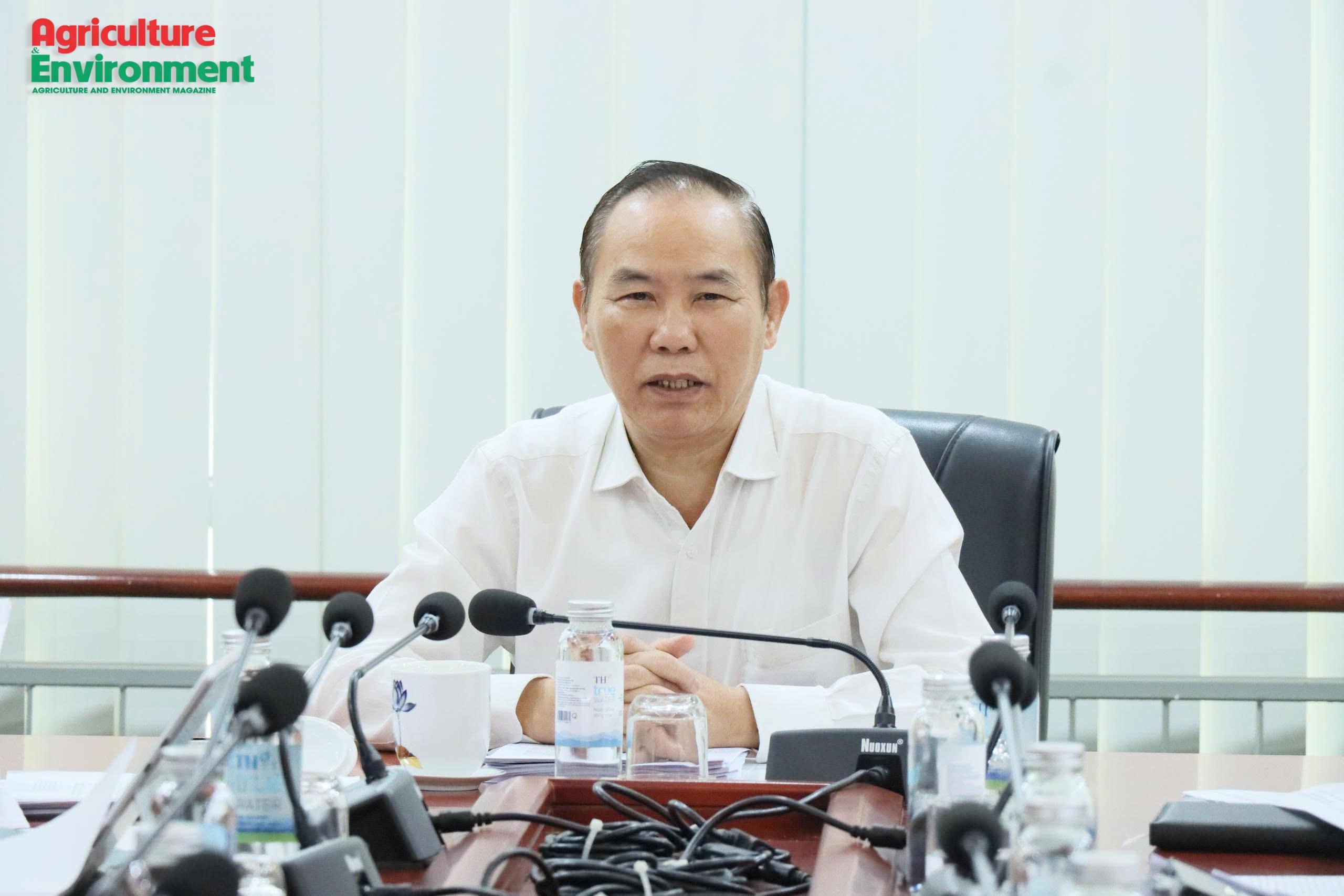
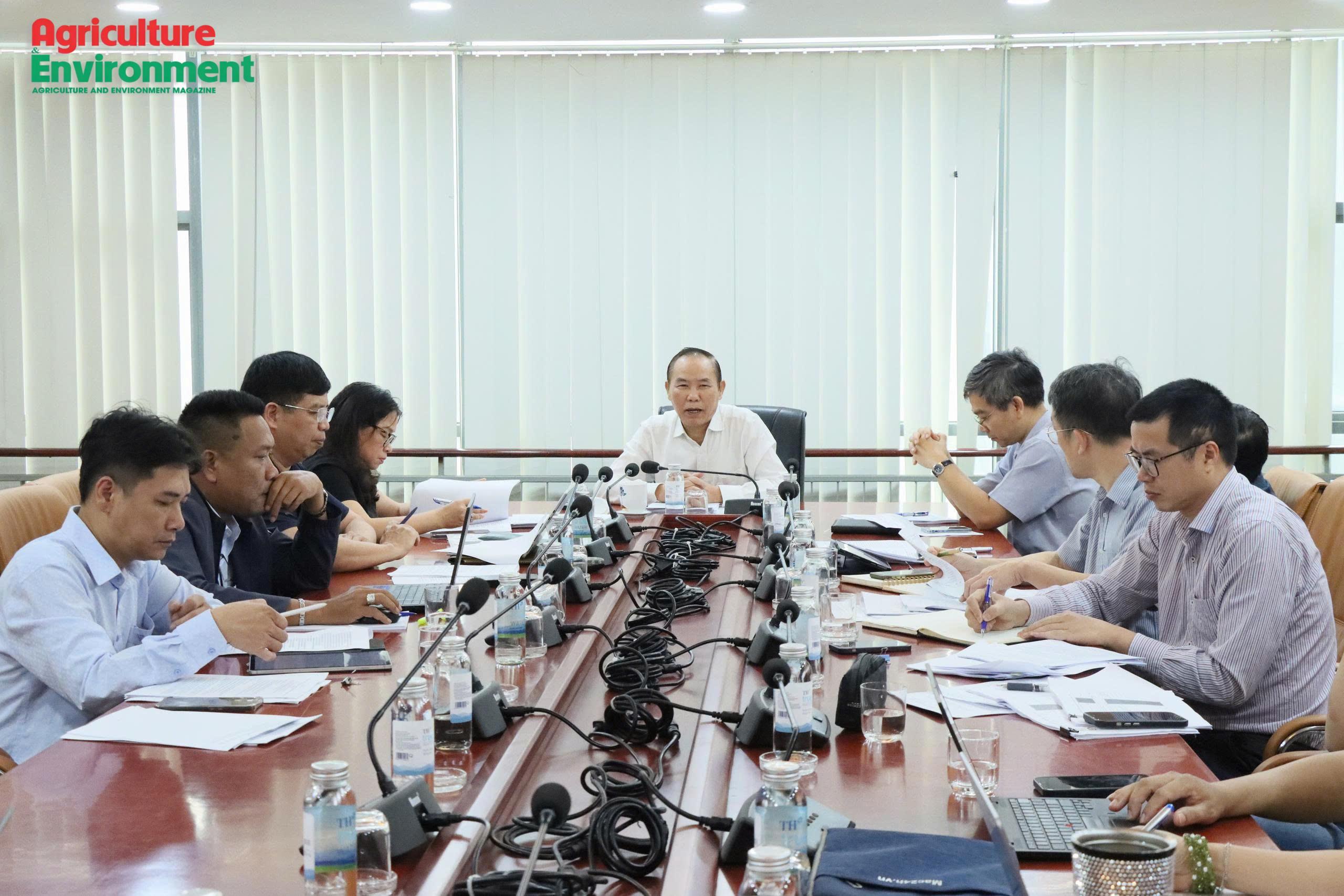
On March 25, Deputy Minister Phung Duc Tien chaired a meeting on national science and technology product programs in the fisheries sector.
Renewing approaches to address practical challenges in fisheries
In his remarks, the Deputy Minister underscored the need for agencies to closely assess production realities, clearly define tasks, designate lead institutions, and determine implementation scope in line with Resolution No. 57-NQ/TW.
He emphasized that responsibilities for research and implementation must be clearly assigned based on the principle of “who does what, where, and how,” in order to avoid overlaps and gaps in accountability.
Highlighting the need for a renewed approach, he said research topics should be derived from practical challenges, with a focus on key issues to generate applicable and scalable outcomes. These would help promote innovation, enhance competitiveness, and support the sector’s transition toward modern and sustainable development.
The Deputy Minister also called for accelerating preparations for the first national fisheries science conference, describing it as an important platform to bring together experts, scientists, and businesses to align research and implementation directions in the coming period.
Three science and technology programs expected to address sector bottlenecks
Science and technology programs developed by the Department of Fisheries and Fisheries Surveillance in coordination with the Research Institute for Aquaculture are designed to be focused rather than broad-based, targeting key bottlenecks in the sector while promoting the application of science, technology, innovation, and digital transformation across the fisheries value chain.
The shrimp breeding program has been identified as a strategic foundation, aiming to establish a modern, self-reliant national shrimp broodstock system and to master advanced breeding and seed production technologies. Its core objective is to ensure a stable supply of high-quality, biosecure, and traceable broodstock capable of adapting to climate change, thereby enhancing competitiveness and production efficiency in the shrimp sector through 2035.
Key priorities include mastering core technologies for shrimp breeding and seed production; developing high-quality broodstock lines; researching seed production for high-value specialty shrimp species; and promoting the application, transfer, and commercialization of research outcomes, linked to the development of an innovation ecosystem in shrimp breeding.
For marine aquaculture, the program is oriented toward developing a modern marine economy with industrial-scale production, the application of smart technologies, and a focus on safety, efficiency, sustainability, and climate resilience. Marine aquaculture is also closely linked to environmental protection and ecosystem conservation, with the goal of developing branded products that meet both domestic and export market demand, while creating jobs, improving coastal livelihoods, and contributing to maritime security and national defense.
The program focuses on developing scientific and practical foundations for marine aquaculture planning; producing high-quality marine seed to address supply constraints; building smart, industrial-scale aquaculture models linked to digital transformation; and strengthening value chains, markets, and product branding to enhance added value and competitiveness.
In inland fisheries, development is oriented toward modernizing production and improving efficiency and sustainability, with science, technology, innovation, and digital transformation as key drivers. Priority species include export-oriented products such as pangasius, tilapia, and other freshwater species, as well as high-value aquatic species.
The program emphasizes the integrated application of scientific and technological advances in breeding, farming techniques, environmental and disease management, processing, traceability, and value chain governance to improve productivity, quality, and added value.
It also aims to expand the application of science, technology, and digital transformation to inland aquatic species with strong domestic market potential and export prospects, contributing to sustainable livelihoods and climate resilience for farmers.
Developing integrated, market-oriented fisheries programs
At the meeting, Nguyen Huu Ninh, Deputy Director of the Department of Science and Technology, noted that even the naming and scope of programs should clearly distinguish between “seed production” and “commercial aquaculture,” as these are fundamentally different fields with distinct technical requirements and management mechanisms.
To ensure effective implementation, he said close coordination between research institutes and businesses is essential, along with access to new technologies to strengthen long-term capacity.
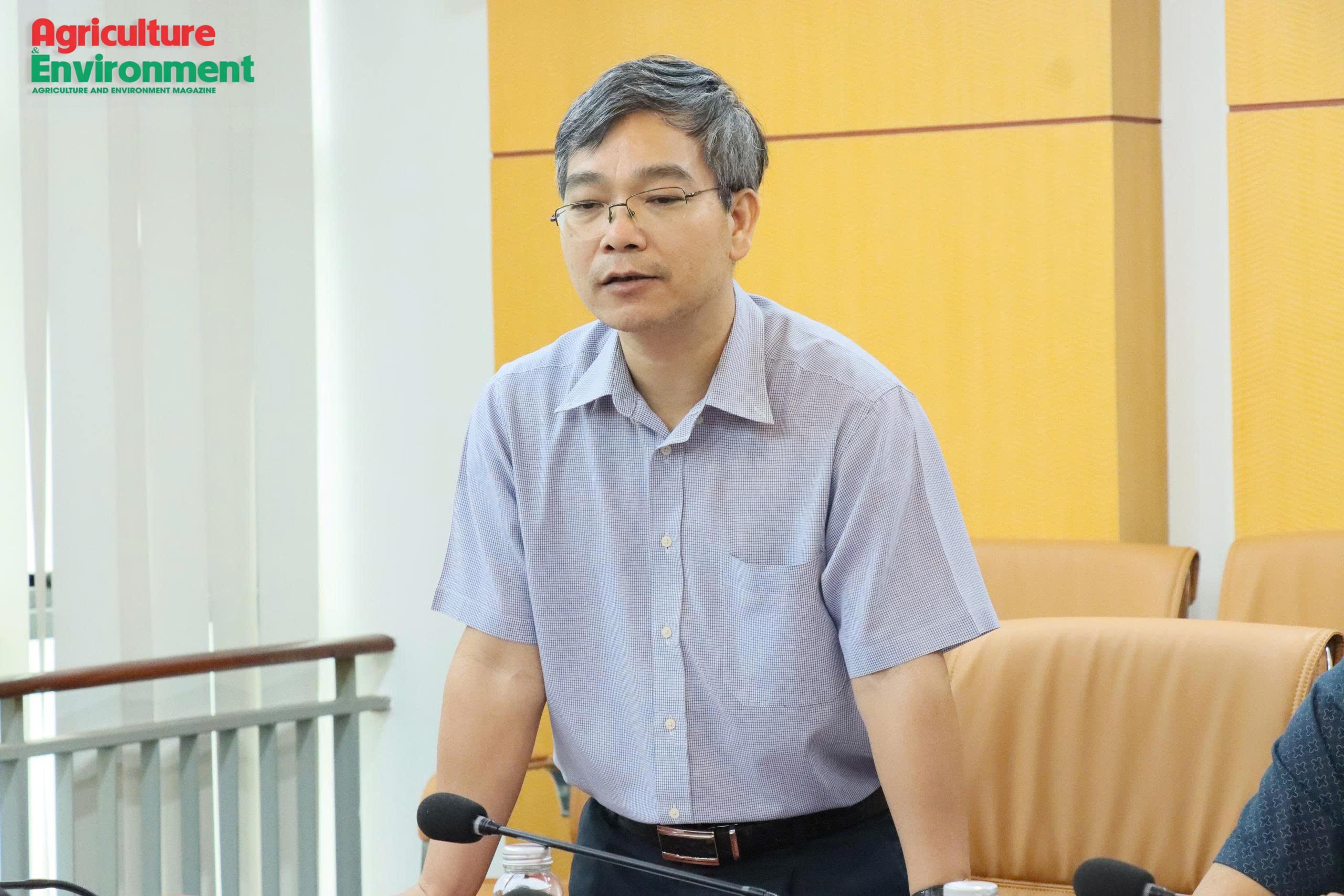
He also highlighted the need to design integrated programs for marine aquaculture and capture fisheries, avoiding separation between farming and exploitation. Inland aquaculture programs should also be aligned with existing initiatives, such as reservoir aquaculture and seaweed farming, to ensure consistency.
Programs must be grounded in practical needs, address specific challenges, and maintain a long-term vision to achieve breakthroughs. At the same time, they should meet immediate objectives while laying the foundation for future evaluation of science and technology effectiveness.
Echoing this view, Nguyen Quang Hung, Deputy Director General of the Department of Fisheries and Fisheries Surveillance, emphasized the importance of thoroughly assessing domestic conditions and global trends as a basis for program development.
In aquaculture development, particularly marine aquaculture, it is essential to clearly identify core issues related to seed supply and new species. For traditional species, breakthroughs in technology, productivity, or added value are required. Selection must be closely linked to market demand and commercialization potential, ensuring stable market access and competitiveness.
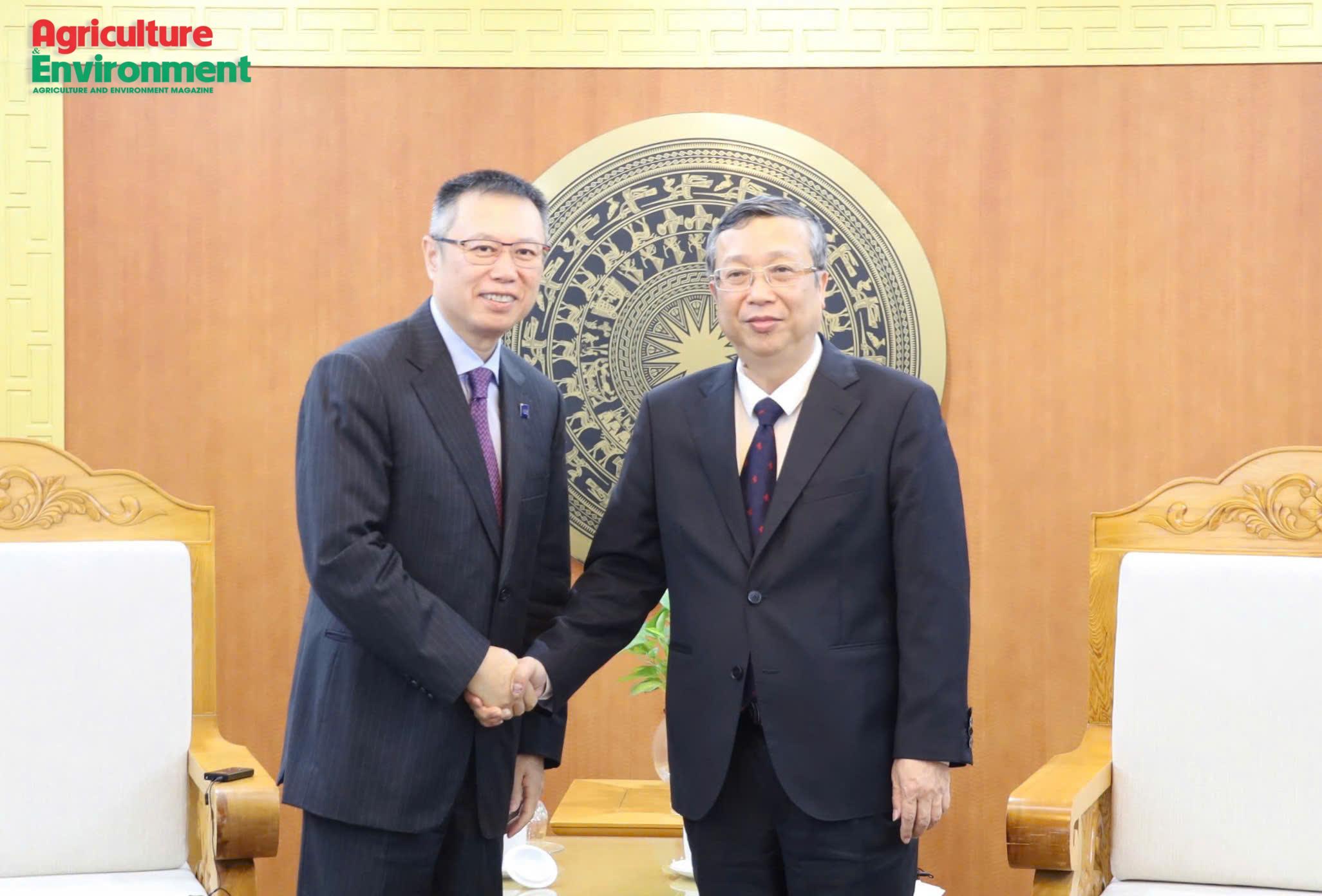
At a meeting on March 3, 2026, the Asian Development Bank (ADB) and Viet Nam’s Ministry of Agriculture and Environment agreed to accelerate cooperation in a new phase, prioritizing large-scale, integrated projects in agricultural infrastructure, climate change adaptation and food systems transformation.
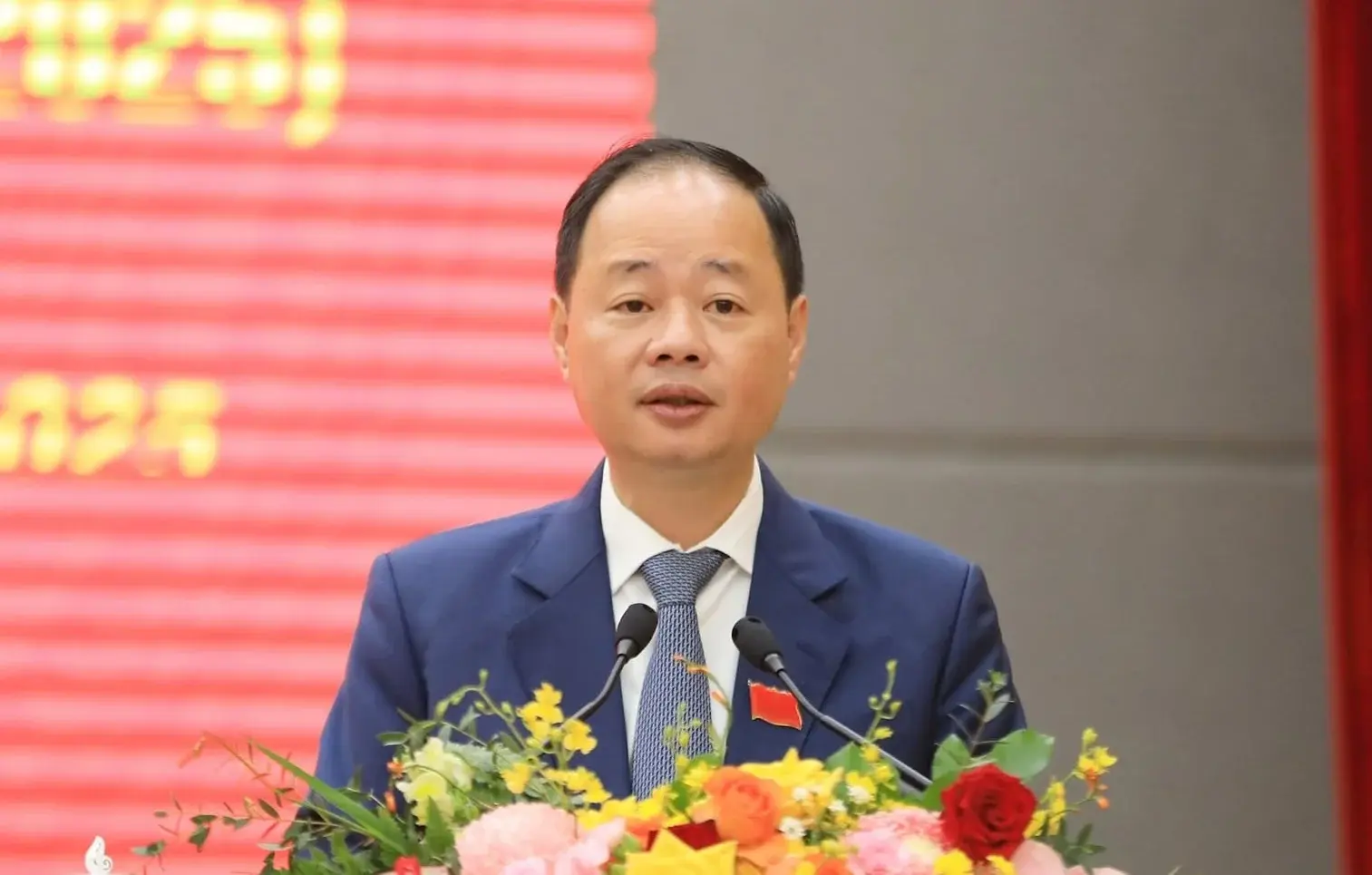
Prime Minister Pham Minh Chinh has signed decisions on personnel changes at the Vietnam Academy of Science and Technology.
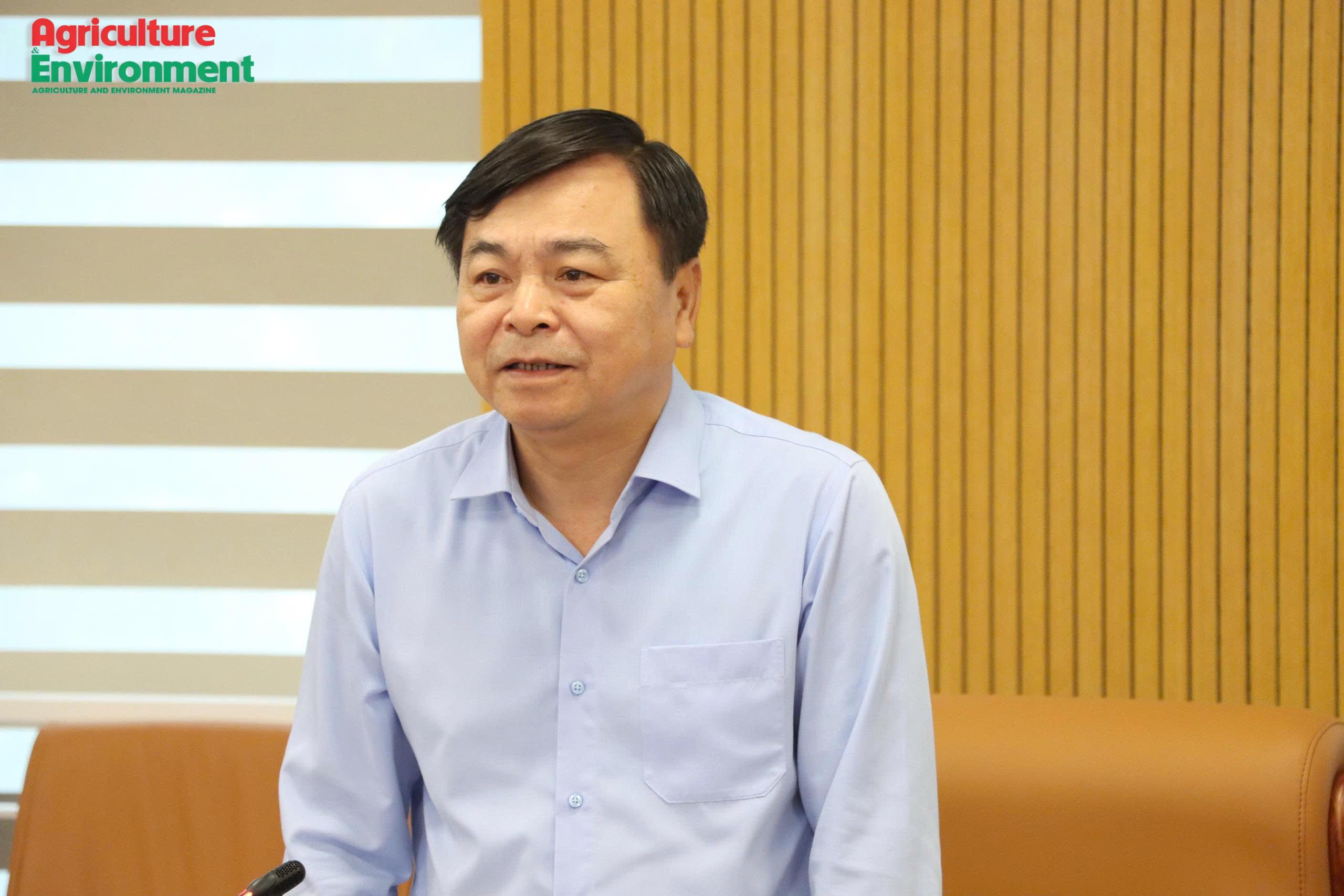
Vietnam plans major cross-sector science and technology tasks to strengthen irrigation, water resources management and disaster prevention for 2026–2030.
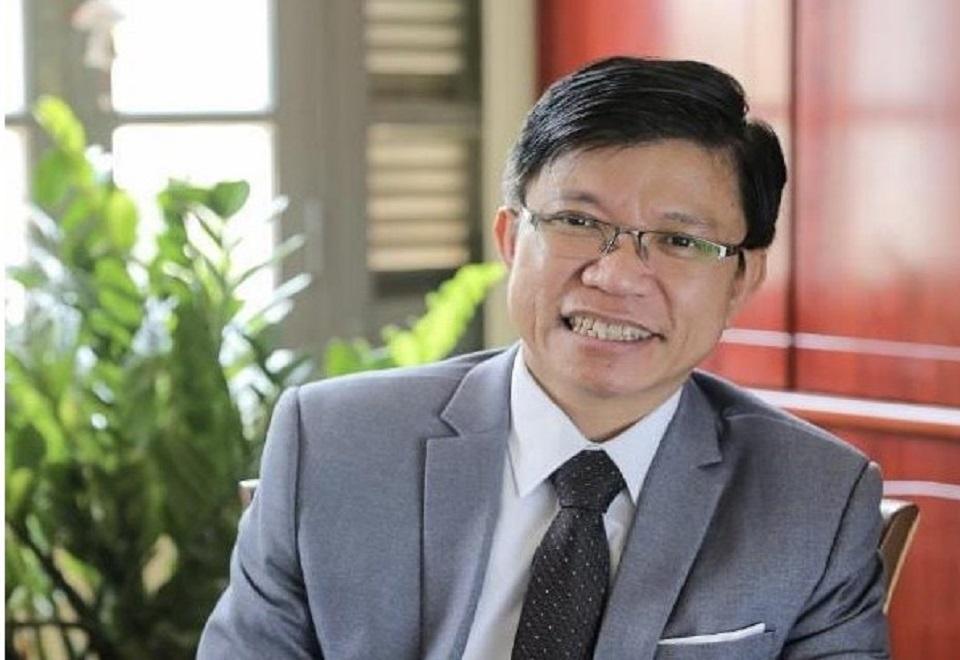
The French Government has decided to confer the Ordre des Palmes Académiques, one of the highest honors of the French Republic, on Prof. Dr. Hoang Anh Tuan in recognition of his contributions to science, education and culture. He is Rector of the University of Social Sciences and Humanities, Vietnam National University, Hanoi.
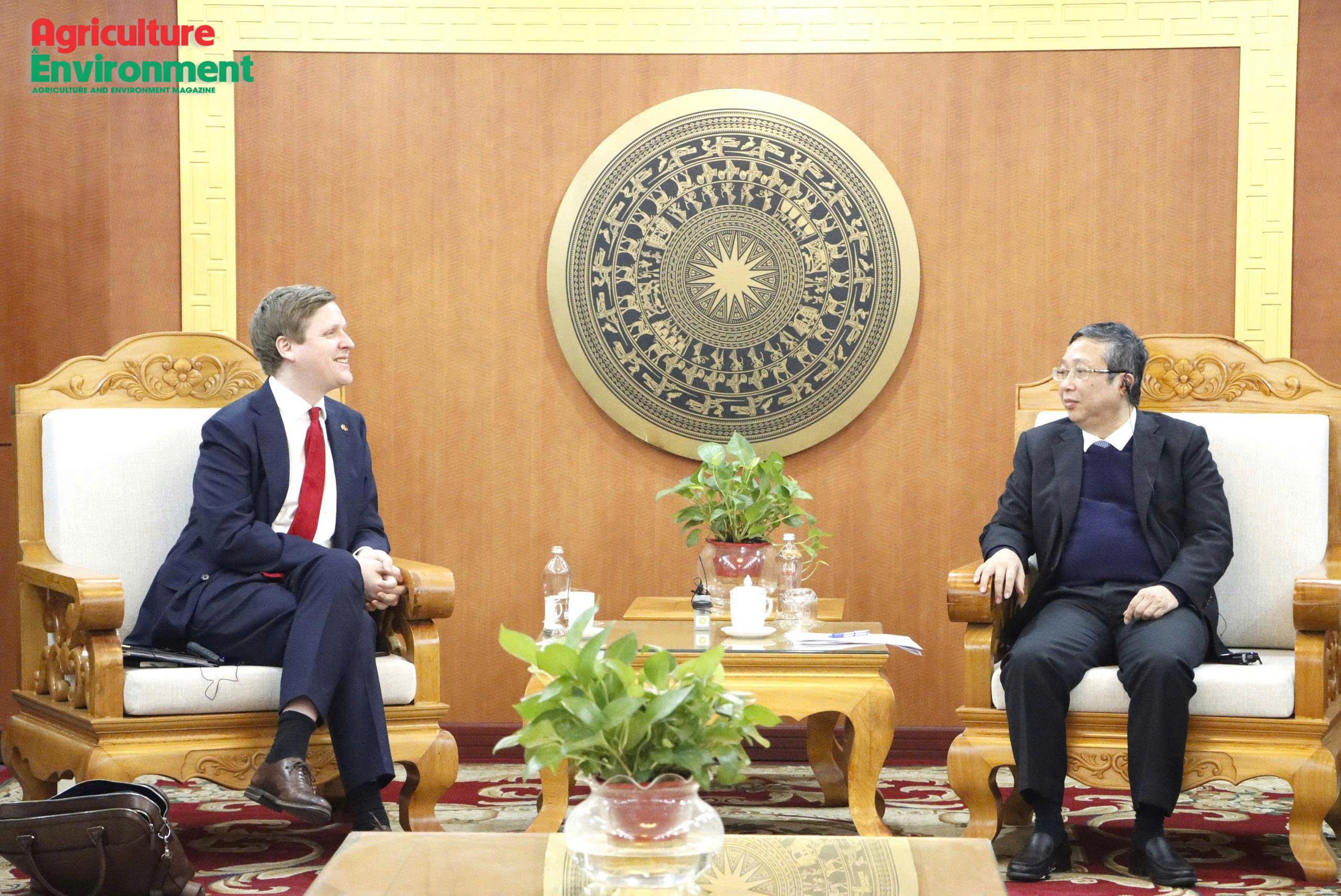
Viet Nam and Norway are accelerating negotiations toward the signing of a Memorandum of Understanding (MoU) on a Green Strategic Partnership between Viet Nam’s Ministry of Agriculture and Environment and Norway’s Ministry of Foreign Affairs. Building on effective cooperation and strong political trust, the proposed MoU is expected to establish a comprehensive legal framework to expand and deepen bilateral cooperation in line with international commitments on green growth and sustainable development.