




 Air pollution in Viet Nam, particularly in major cities, is underscoring the need to move from addressing individual emission sources to target-based air quality management supported by data and inter-sectoral and inter-regional coordination. This was a key focus of the national conference “Combatting air pollution and improving air quality in Viet Nam: Turning policy to action,” held in Ha Noi on September 29.
PM2.5 reveals the complexity of emission sources
In his opening remarks, Deputy Minister of Agriculture and Environment Le Trong Yen said air pollution in several major urban areas, particularly Ha Noi and neighboring provinces, had persisted for years and posed risks to public health as well as sustainable socio-economic development. Against this backdrop, tackling air pollution has become a key task in environmental protection.
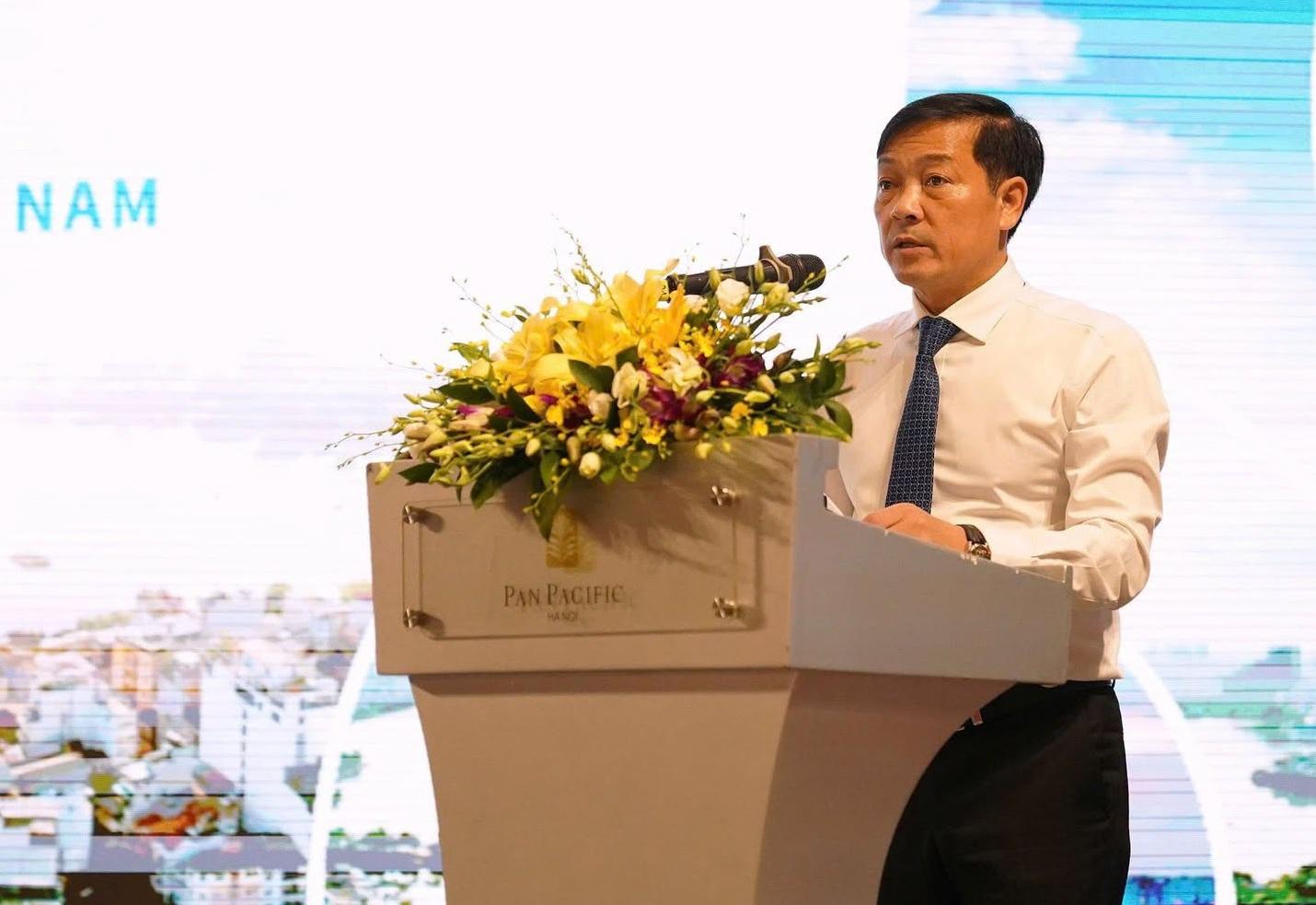
According to Deputy Minister Le Trong Yen, Conclusion No. 75-KL/TW dated July 28, 2026, on environmental protection and proactive response to climate change in the new period, identified tackling air pollution as a key task. Earlier, Prime Minister’s Decision No. 2530/QD-TTg dated November 19, 2025, approving the National Action Plan on Overcoming Pollution and Managing Air Quality for 2026–2030, with a vision to 2045, set out comprehensive tasks and solutions to control pollution nationwide.
At the conference, Le Hoai Nam, Deputy Director General of the Department of Environment, said air pollution was currently concentrated mainly in the northern provinces, with Ha Noi as the main hotspot. Ho Chi Minh City was also identified as an area requiring attention. Fine particulate matter, or PM2.5, was the main pollutant. From 2023 to 2025, the annual average PM2.5 concentration in Ha Noi stood at 47–48 µg/Nm³, while about one-third of the days in a year recorded PM2.5 concentrations above the 24-hour average limit of 50 µg/Nm³. Pollution showed a clear seasonal pattern, typically occurring from September through April of the following year.
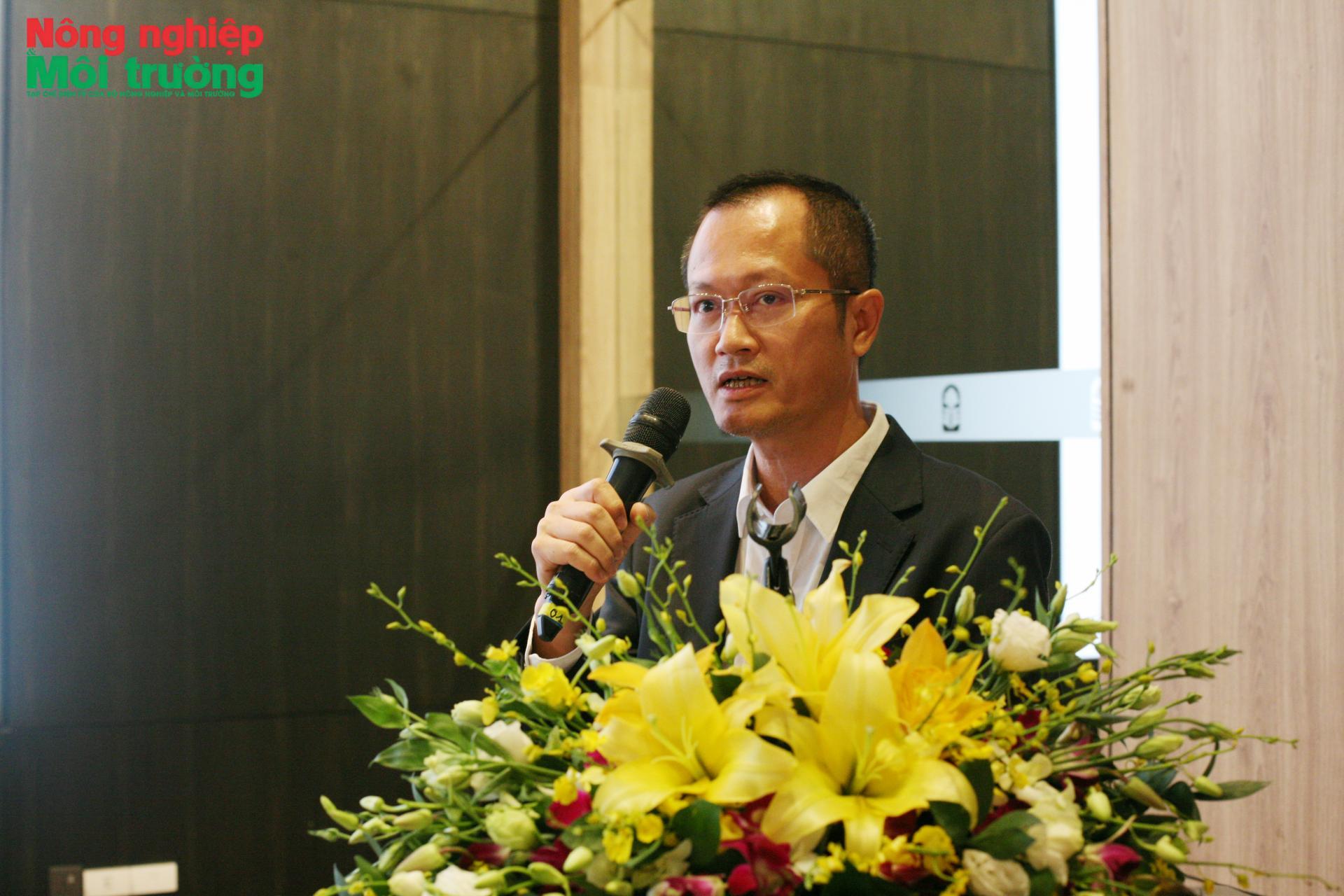
A notable feature is that PM2.5 pollution in Ha Noi does not originate from a single source. According to data presented by the Department of Environment at the conference, secondary particulate matter formed from gaseous pollutants accounted for about 27% of PM2.5; transport, 23%; construction and road dust, 20%; open burning, including waste and agricultural residue burning, 12%; and industrial activities, 10%. The remaining 8% came from other sources, including sources within Ha Noi and pollution transported from neighboring localities.
The source profile shows why air quality management cannot focus on only a few emission sources or remain confined within the administrative boundaries of a single locality. With emission sources overlapping and pollution moving across areas, effective action requires measures across transport, construction, industry, open burning and the formation of secondary particulate matter, together with coordination among localities.
Deputy Minister Le Trong Yen called for technological and technical solutions, backed by adequate financial resources, to control pollution sources in transport, energy, industry, construction and agriculture. The task, he said, is not only to curb further increases in pollution but also to gradually address pollution in areas already affected.

Deputy Minister of Health Nguyen Thi Lien Huong emphasized that improvements in air quality should ultimately be assessed by their impact on public health. Behind measurements of pollutant concentrations and air quality indexes are the health and daily lives of people, she noted. Protecting public health therefore needs to remain a key objective of efforts to control air pollution.
The pattern of emission sources points to a requirement that goes beyond adding individual mitigation measures. What is needed is a management approach capable of setting clear targets, assigning responsibilities and coordinating action among sectors, localities and relevant regions.
A stronger institutional framework for target-based air quality governance
A key message of the conference was the need to change the approach to air quality management. Rather than addressing individual pollution hotspots or emission sources in isolation, air quality management should be organized around specific targets for each area, linked to the capacity to control emissions and the implementation responsibilities of local authorities.
According to the Department of Environment, the direction for the coming period is to establish air quality targets for each region, urban area and stage; develop an inter-regional coordination mechanism; conduct comprehensive emissions inventories; and build a unified database on emission sources. This approach is also consistent with the requirements set out in Notice No. 01-TB/BCĐTW dated July 6, 2026, of the Central Steering Committee on Institutional Improvement and Law Enforcement, which called for a stronger shift toward target-based governance.
Conclusion No. 75-KL/TW dated July 28, 2026, also calls for focused action on pressing environmental issues, with particular attention to air pollution in special-class urban areas. The Government’s action program to implement the Conclusion, issued under Resolution No. 208/NQ-CP dated August 4, 2026, identifies tackling air pollution in Ha Noi, Ho Chi Minh City and other major urban areas as a key task. For 2026–2030, the target is for the Air Quality Index to be at good or moderate levels on at least 80% of days each year in special-class urban areas.
At the legislative level, the draft revised Law on Environmental Protection seeks to further refine regulations on air quality inventories, assessment and forecasting, as well as national- and provincial-level air quality management plans. It also proposes provisions on low-emission zones, covering principles and criteria for their establishment, emission-control measures within such zones, and the authority and responsibilities of management authorities. Additional measures are proposed to monitor and limit dust emissions from construction activities.
Le Hoai Nam said these provisions would help complete the air quality management system and strengthen controls over emission sources, providing a clearer legal basis for implementing management measures in practice.
Another requirement is to move beyond the administrative boundaries of individual localities in organizing implementation. The Ministry of Agriculture and Environment is developing regulations on coordination and measures for inter-regional and inter-provincial air quality management in the northern provinces, with the draft expected to be submitted to the Prime Minister in October 2026. At the same time, the localities in the Capital Region — Ha Noi, Bac Ninh, Hung Yen, Ninh Binh, Phu Tho and Thai Nguyen — have signed coordination regulations on environmental management in the region, including provisions on air quality management.

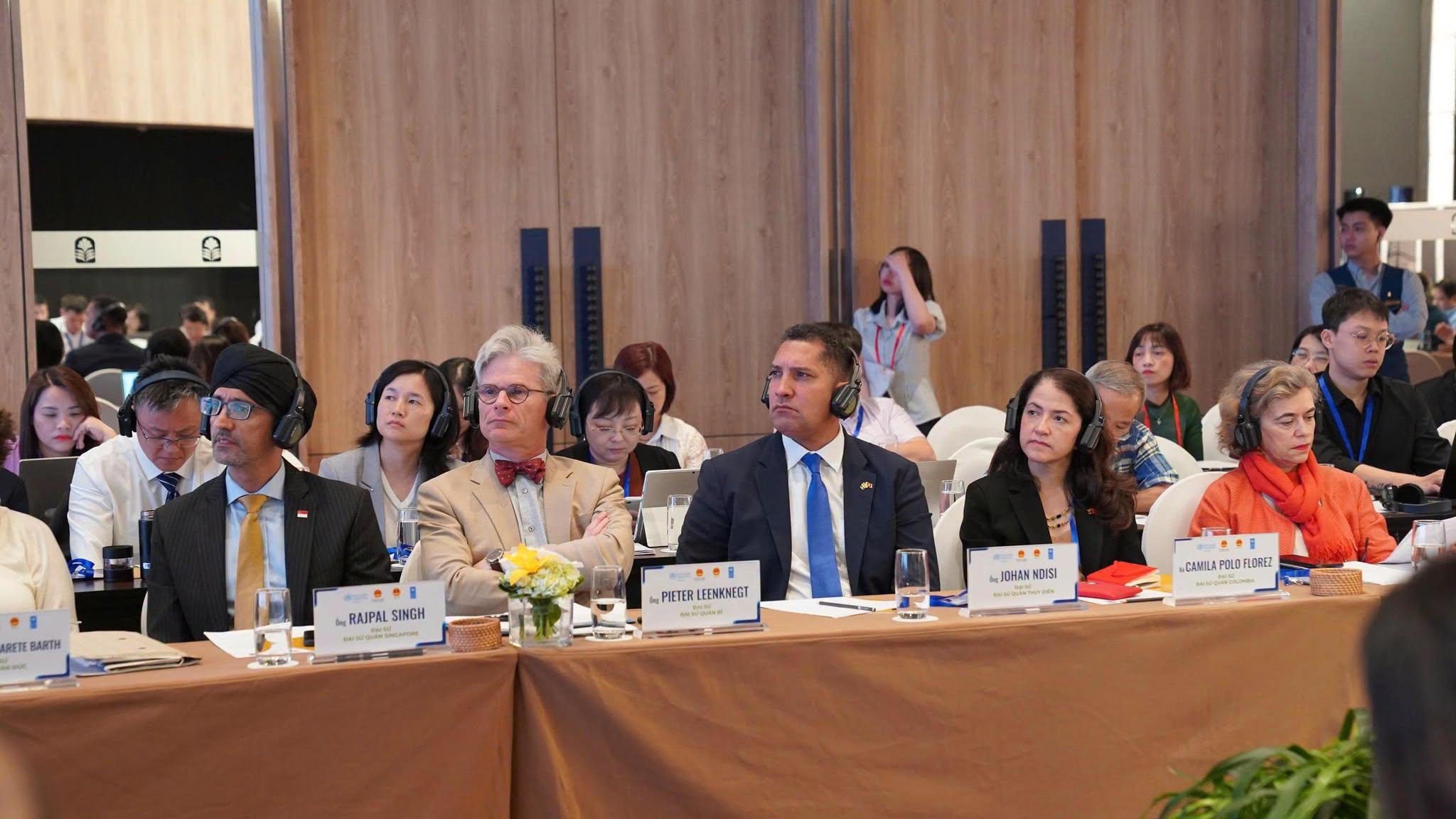
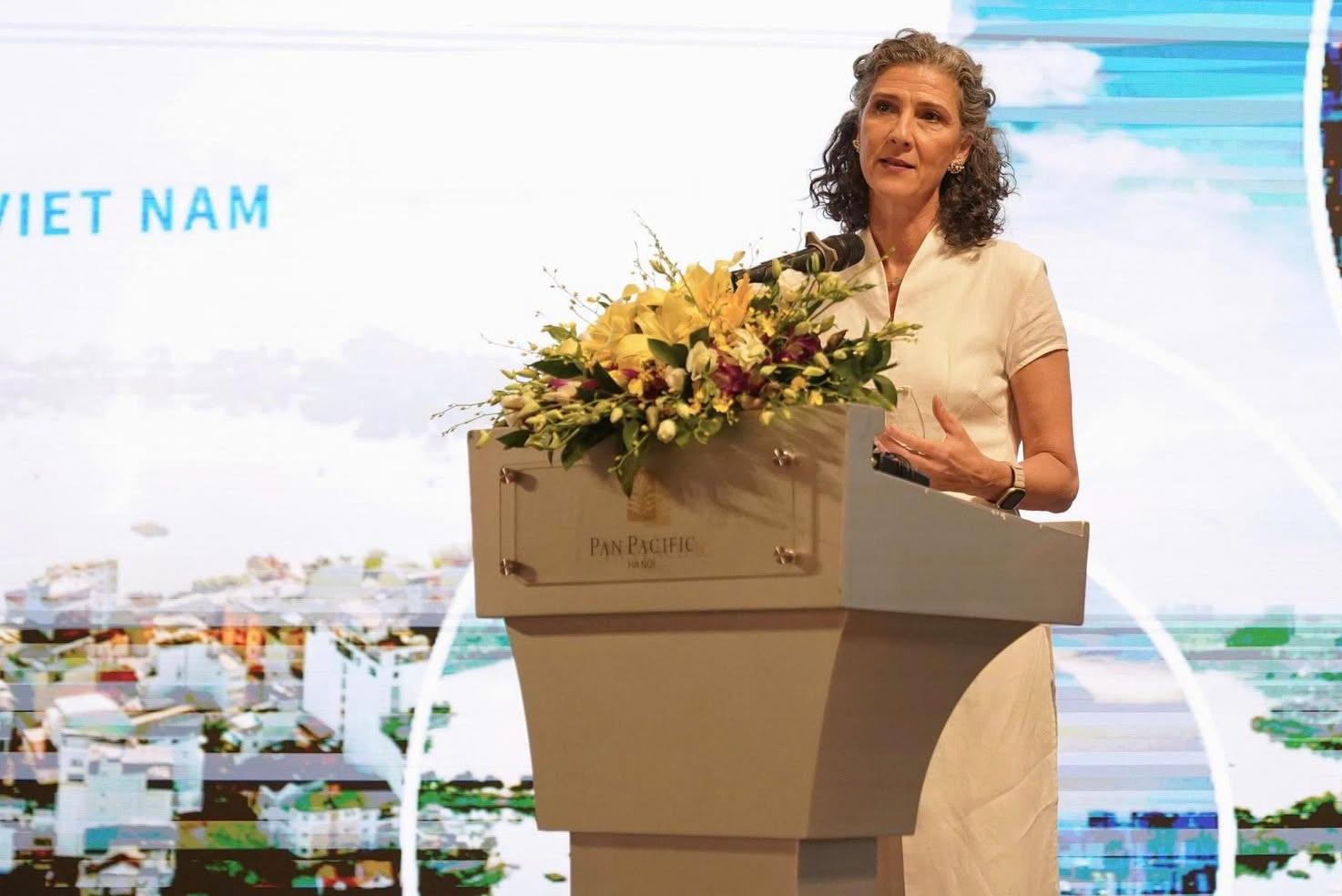
According to Dr. Angela Pratt, WHO Representative in Viet Nam, Viet Nam has demonstrated strong leadership by setting air quality targets, but the key challenge now is to turn those commitments into action and measurable results. UNDP Resident Representative in Viet Nam Ramla Khalidi likewise emphasized the close links between air pollution, quality of life, public health and sustainable economic development.
Completing the institutional framework, therefore, is not simply about adding new regulations. More importantly, it requires a governance mechanism in which air quality targets are measurable, emission sources are identified, responsibilities are clearly assigned, and coordination among localities is organized around a shared data system and implementation roadmap.
Data-driven management is key to controlling emissions
When pollution comes from multiple sources and involves a combination of direct emissions, secondary particulate matter and pollution transported across areas, effective air quality governance first requires a clear understanding of where emissions originate, their scale and the contribution of each source. According to the Department of Environment, emissions inventories therefore need to be further strengthened to determine the composition and scale of emissions by sector and area.
Against this backdrop, a unified system of data on emissions and air quality has been identified as a key foundation for implementation. Data should be interconnected from the grassroots level and localities to central agencies, allowing authorities to track air quality trends, identify major emission sources and develop appropriate management measures.
Alongside emissions inventories, the air quality monitoring, warning and forecasting network needs continued investment and expansion. The application of new technologies such as artificial intelligence (AI) and the Internet of Things (IoT) is also being considered to improve forecasting and provide timely information to the public, particularly during seasonal periods of elevated pollution.
Data, however, are useful only when they are translated into management decisions and concrete action. In Ha Noi, where transport, construction and road dust, open burning, industry and secondary particulate matter all contribute to PM2.5 pollution, effective control requires multiple measures to be implemented in parallel.
Under the approach outlined at the conference, local authorities need to develop and implement air quality management plans; control vehicle and industrial emissions; expand the collection, recycling and reuse of agricultural residues while gradually limiting open burning after harvest; and support technological and energy transitions in industrial production. Monitoring and limiting dust emissions from construction activities are also considered important.
Deputy Minister Le Trong Yen said the conference should focus on identifying technological and technical solutions and mobilizing financial resources to control pollution sources in transport, energy, industry, construction and agriculture. This approach places air quality control in the broader context of technological and energy transitions and changes in production methods, rather than focusing solely on pollution after it has occurred.
The conference also highlighted the importance of implementation at the local level. Once air quality targets are established for individual regions, urban areas and periods, improvements must be measurable, monitored and linked to clear responsibilities. This is also essential to ensure that inter-provincial and inter-regional coordination mechanisms go beyond information sharing and contribute to controlling emission sources whose impacts extend beyond individual localities.
International experience, including China’s efforts to address pollution and improve air quality in Beijing, provided additional references for Viet Nam in policy development and implementation. The transfer of experience and technology, as well as stronger technical capacity, needs to be adapted to local conditions rather than applied mechanically.
Public health remains the ultimate measure of air quality progress
If emissions inventories and data provide the basis for understanding where pollution comes from, its impact on health is an important measure of the practical value of pollution-control efforts. At the conference, the Ministry of Health placed public health at the center of the discussion, emphasizing that improvements in air quality must ultimately help reduce disease risks and the health burden on the population.
Deputy Minister of Health Nguyen Thi Lien Huong said the figures on pollutant concentrations and air quality indexes ultimately reflect people’s health and daily lives. From a health perspective, one of the most important outcomes to pursue is better air quality, which would reduce health impacts and the burden of disease.
Evidence presented by the health sector at the conference indicates that exposure to air pollution can affect people throughout their lives, from mothers and newborns to children, adults and older people. Air pollution increases the risks of illness, hospitalization and premature death from respiratory and cardiovascular diseases and other conditions.
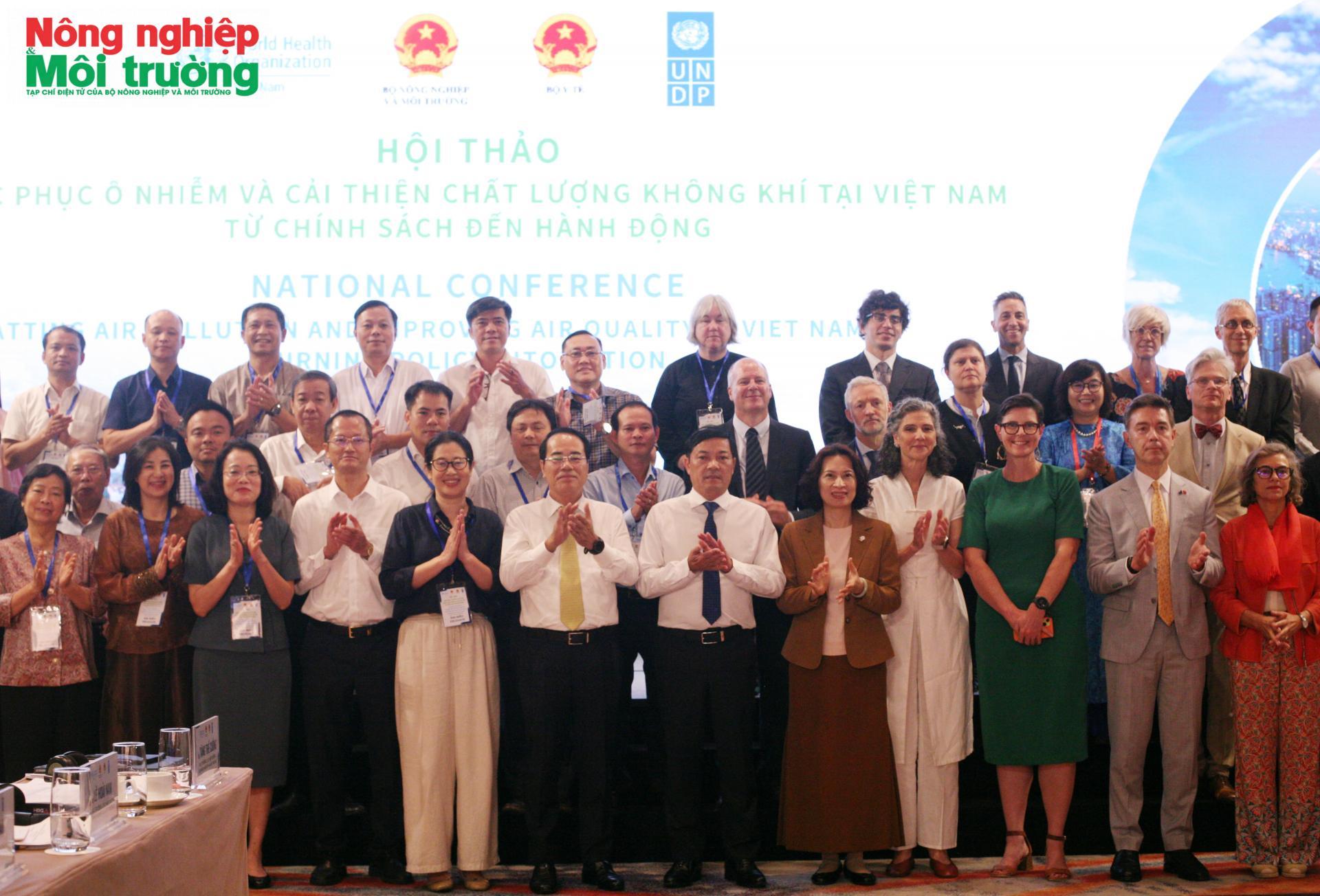
According to Global Burden of Disease 2023 data cited at the conference, air pollution ranked third among the leading risk factors for death in Viet Nam. The Ministry of Health estimated that about 95,000 premature deaths in 2023 were associated with exposure to air pollution, including both ambient and household air pollution.
From a disease prevention perspective, Le Thai Ha, Deputy Director of the Department of Disease Prevention, said air pollution had become a significant public health concern. The associated disease burden extends beyond respiratory illnesses to include stroke, ischemic heart disease, chronic obstructive pulmonary disease, lung cancer and diabetes.
On this basis, the health sector has identified several priority tasks, including expanding research and assessment of the health impacts of air pollution; developing databases and early warning systems; improving health protection guidance and public communication; strengthening the capacity of the health system; enhancing inter-sectoral coordination; and mobilizing resources and expanding international cooperation.
The priorities are consistent with the message from international partners at the conference. WHO Representative in Viet Nam Dr. Angela Pratt emphasized that the challenge now is to turn air quality targets and commitments into actions and measurable improvements. UNDP Resident Representative in Viet Nam Ramla Khalidi likewise stressed that clean air is closely linked to how people live, learn, work and develop.
Addressing air pollution is therefore a long-term process in which policy is only the starting point. Its effectiveness ultimately needs to be reflected in tighter control of emission sources, improved air quality and reduced health risks for the population. Achieving these outcomes will require coordinated efforts by ministries, sectors, local authorities, businesses, the scientific community and international partners, backed by sufficient resources for implementation, monitoring and evaluation./.

The September 24 meeting between Deputy Minister of Agriculture and Environment Dang Ngoc Diep and Hon Jackie Jarvis MLC, Western Australia’s Minister for Agriculture and Food; Fisheries; Forestry; Small Business; and the Mid West, highlighted scope for expanding Viet Nam-Australia cooperation beyond trade in agricultural, forestry and fishery products to science and technology, climate change adaptation, biosecurity and the marine economy. The two sides also discussed strengthening business links, addressing technical issues and turning areas of potential into concrete cooperation programs.
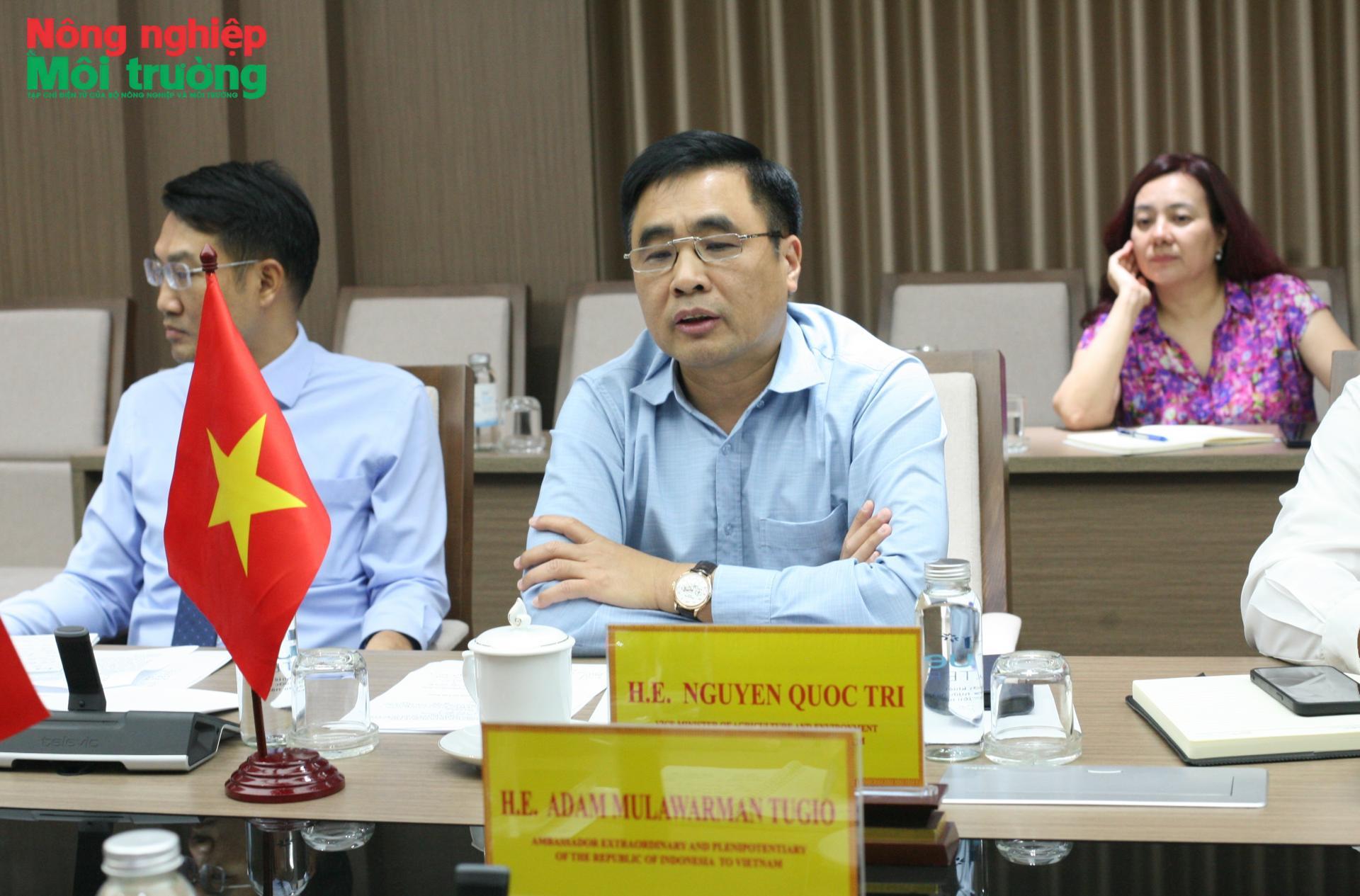
A meeting between Deputy Minister of Agriculture and Environment Nguyen Quoc Tri and Indonesian Ambassador to Viet Nam Adam Mulawarman Tugio on September 22 highlighted the specific market issues shaping agricultural cooperation between the two countries. From Halal products and fisheries to livestock and veterinary vaccines, expanding bilateral trade is closely tied to standards, quarantine requirements, technical dossiers and business connections.

Deputy Minister of Agriculture and Environment Nguyen Hoang Hiep met with a World Bank (WB) delegation on September 9 to discuss the AgriConnect initiative. The meeting focused on ways to better connect public investment, policy and private capital to the development of agricultural value chains.
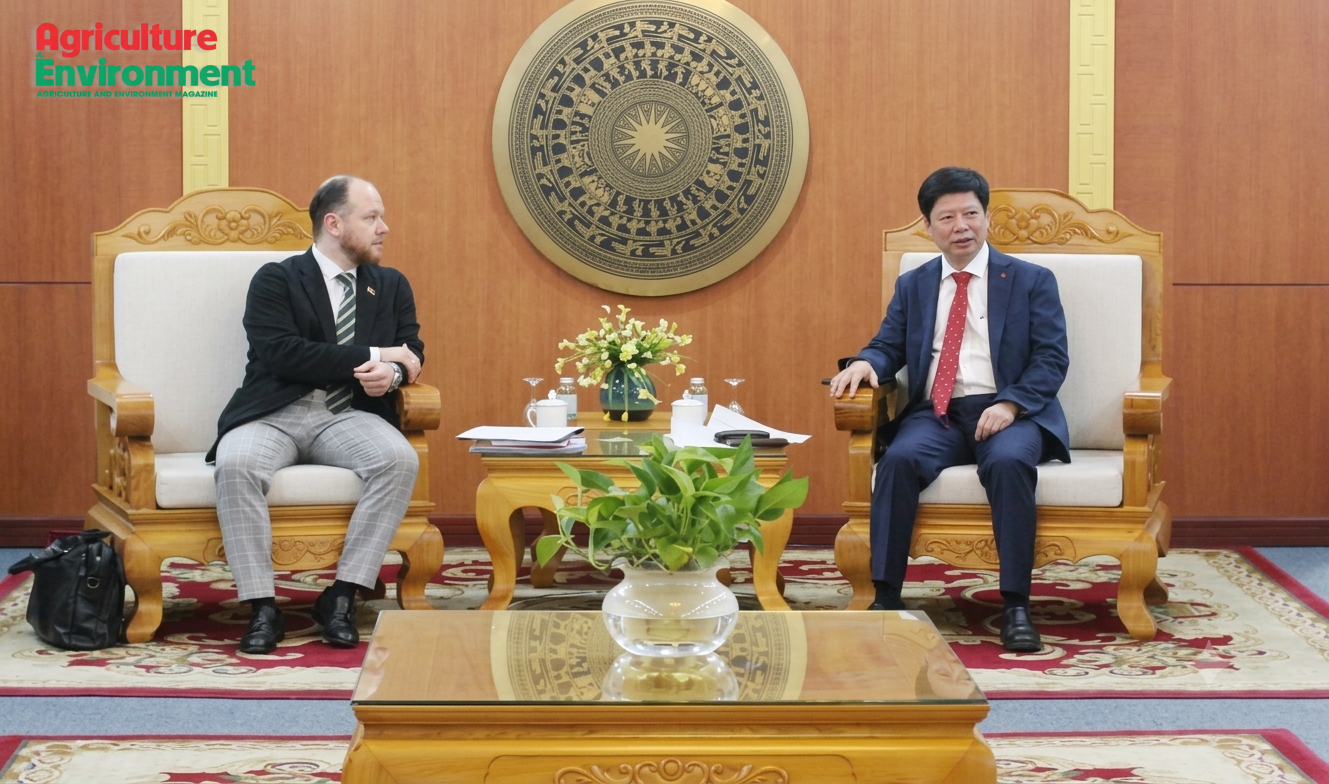
The licensing of four Belarusian companies to export boneless beef to Viet Nam, with the first shipment entering the Vietnamese market in April 2026, marks a concrete result in efforts to address market-access procedures between the two countries. In the opposite direction, the number of Vietnamese companies authorised to export meat and seafood to the Eurasian Economic Union (EAEU) is only about one-sixth the number of Belarusian companies authorised to export to Viet Nam, pointing to further scope for addressing technical barriers and expanding market opportunities for Vietnamese agricultural products.
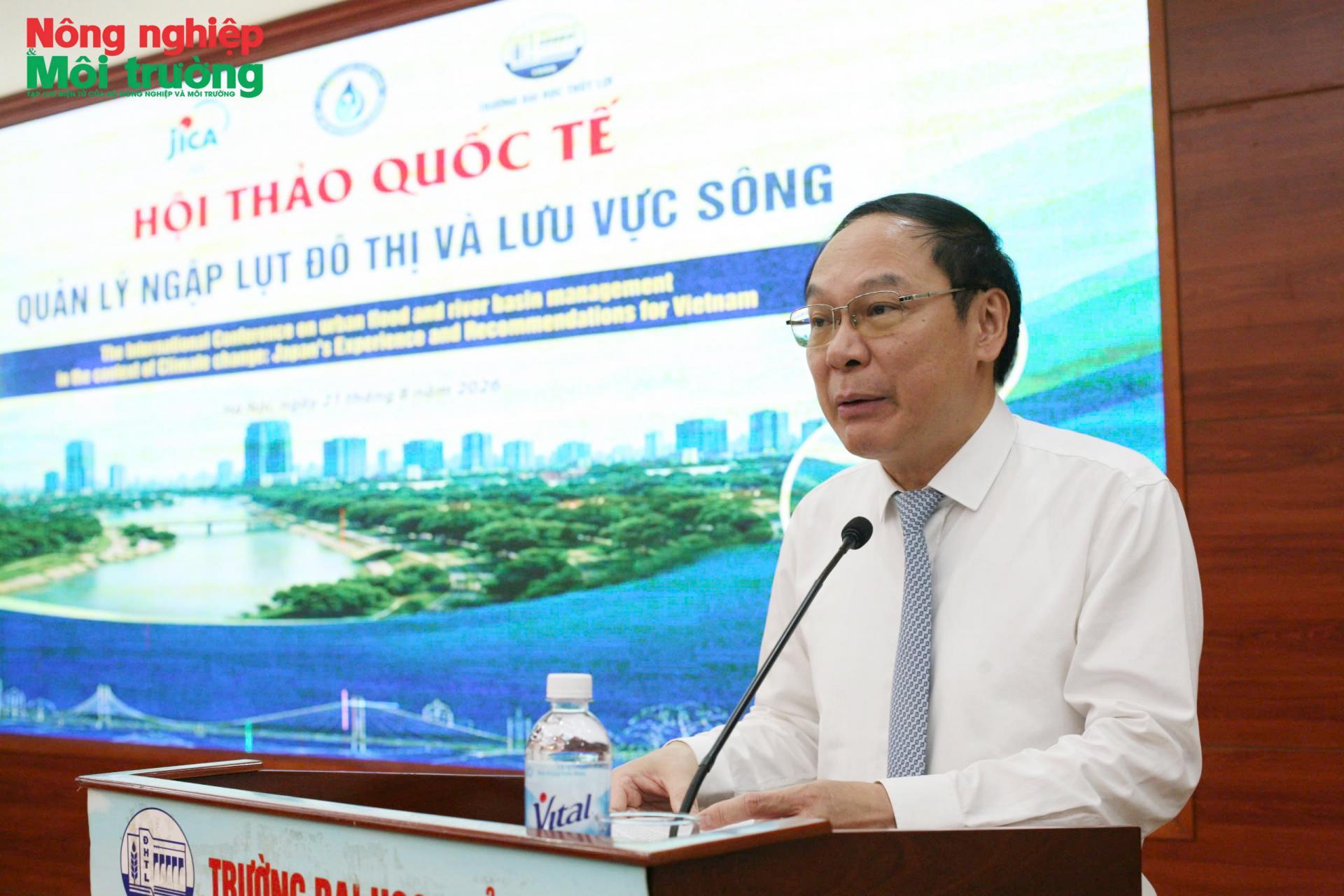
Urban flooding is increasingly influenced by a combination of heavy rainfall, river flows, tides, water-storage capacity, land use and urban spatial planning. At the international conference on “Urban flood and river basin management in the context of climate change: Japan’s experience and recommendations for Viet Nam”, held in Hanoi on August 21, Deputy Minister of Agriculture and Environment Le Cong Thanh said the issue should be addressed as part of integrated water resources management, urban planning and disaster risk governance, rather than being treated solely as a drainage problem within individual cities.