



 Viet Nam has welcomed U.S. support in strengthening health security, describing it as a key foundation for controlling cross-border diseases and promoting sustainable agricultural development. The two sides agreed to expand cooperation in surveillance, early warning, vaccine research, and implementation of the Global Health Security Program.
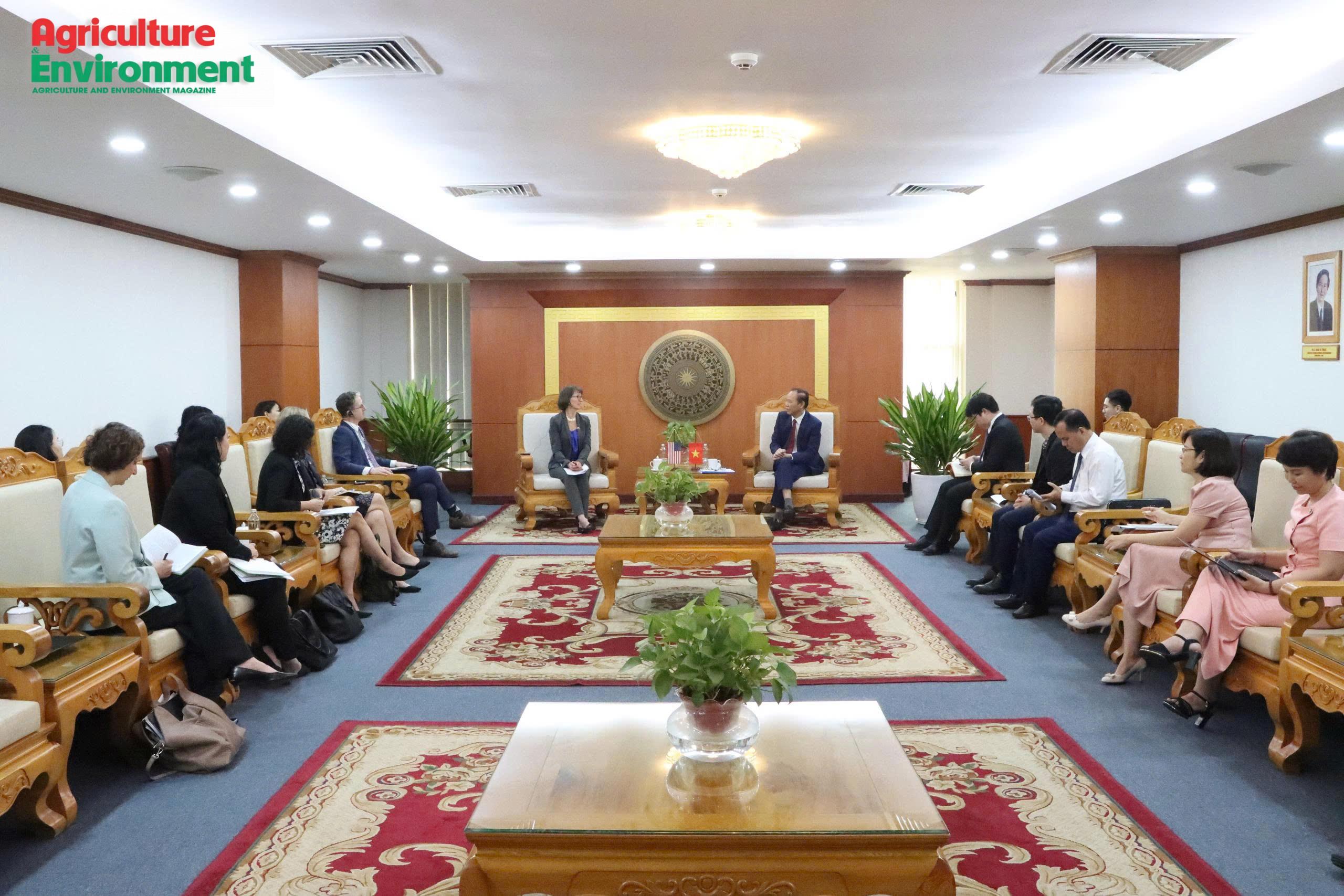
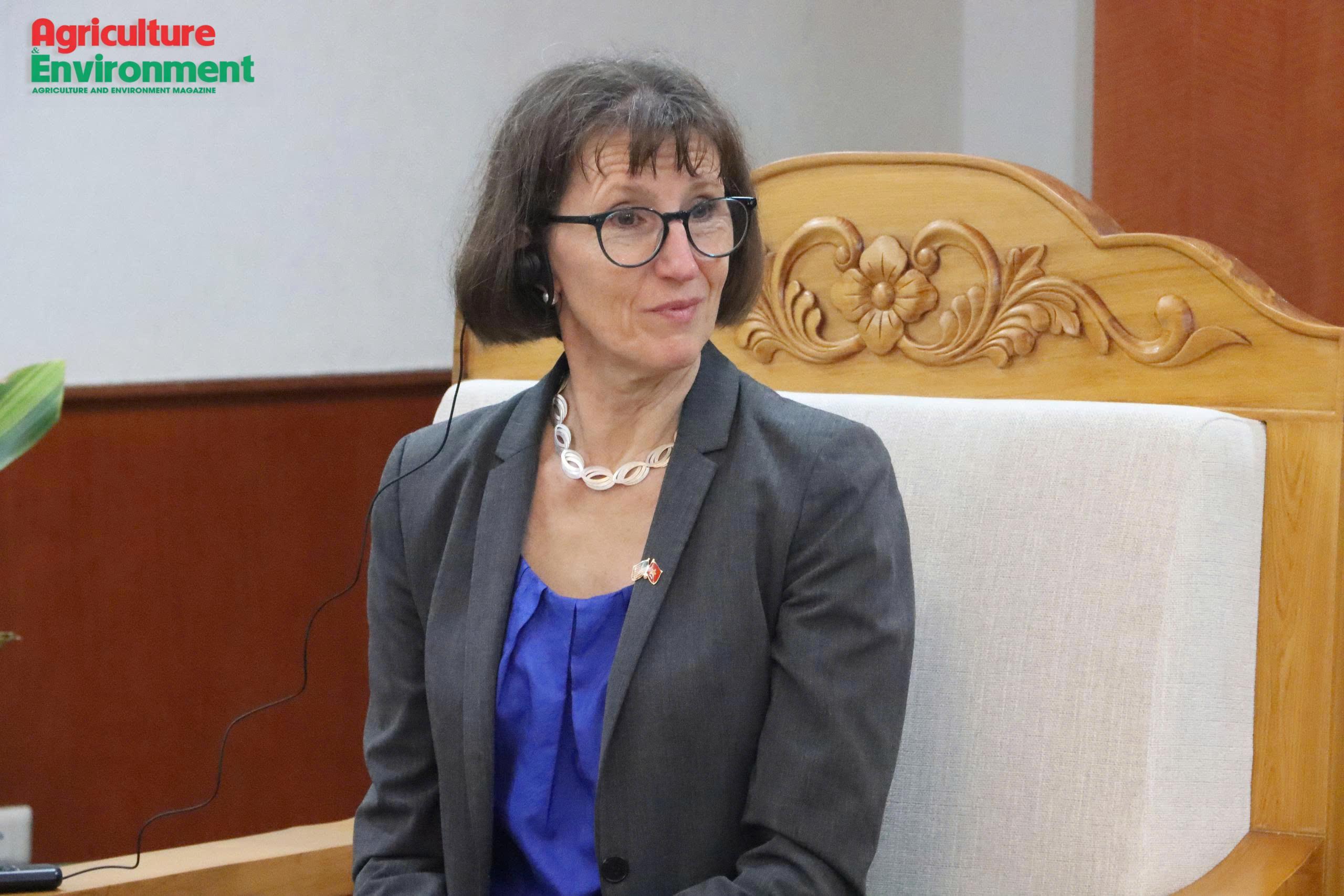
On April 14 in Hanoi, Deputy Minister of Agriculture and Environment Phung Duc Tien met with Dr. Rebecca Bunnell, Principal Deputy Assistant Secretary for Global Health Security and Diplomacy, Bureau of Global Health Security and Diplomacy, U.S. Department of State.
Boost vaccine research and disease surveillance
At the meeting, Deputy Minister Phung Duc Tien emphasized that Viet Nam highly values long-standing U.S. support, considering it an important basis for strengthening health security, controlling cross-border diseases, and advancing sustainable agriculture.
He noted that as Viet Nam has recently completed restructuring its two-tier local government system, with uneven capacity at the grassroots level, stronger international cooperation—particularly with the United States—plays a crucial role in improving management capacity, disease surveillance, and ensuring the safety of agricultural supply chains.
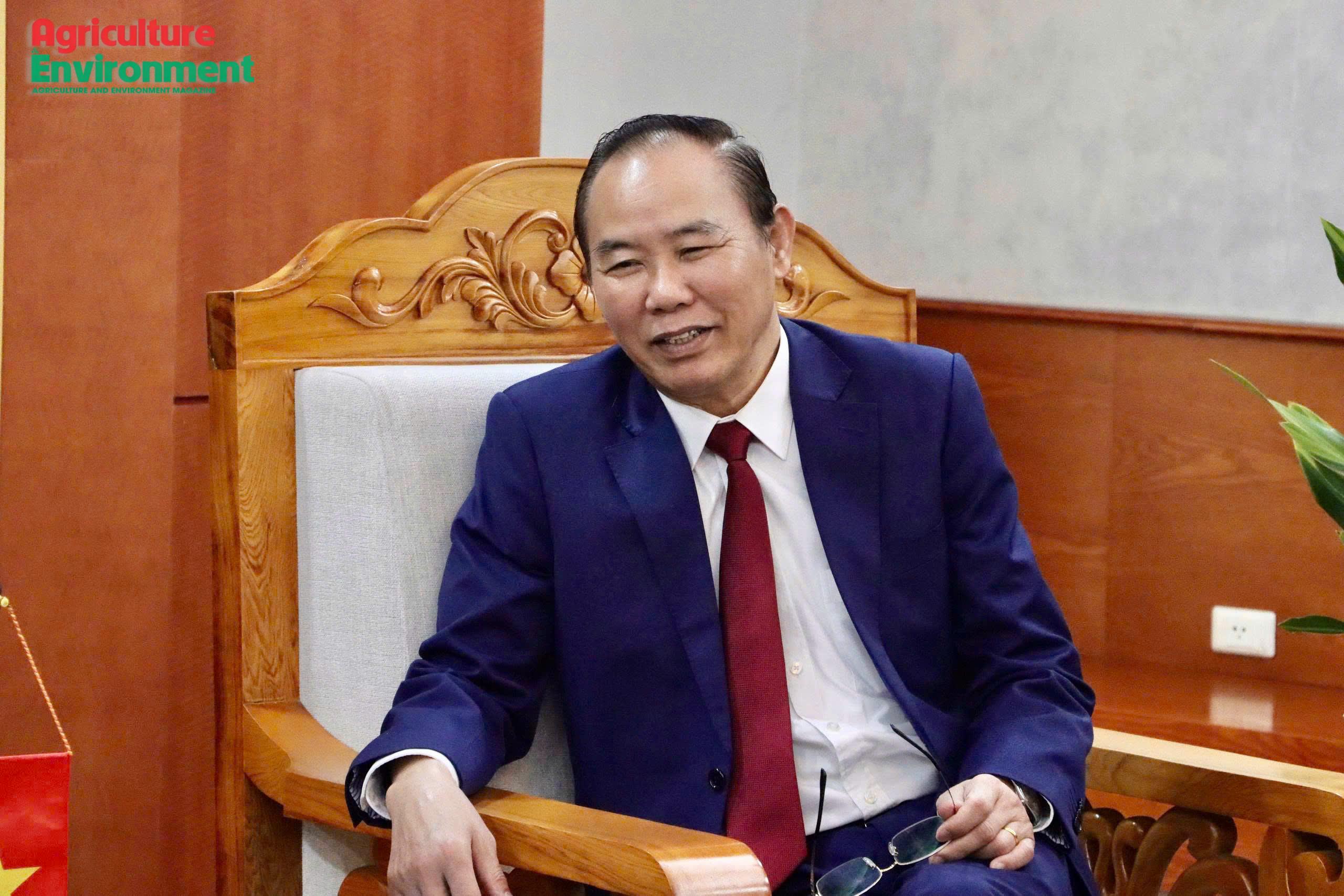
In the field of animal health, Viet Nam has worked closely with the United States on several major research programs. Since 2019, the country has collaborated on research and has initially succeeded in producing an African swine fever vaccine, while continuing to develop new generations tailored to circulating domestic virus strains.
For foot-and-mouth disease, surveillance programs monitoring circulating virus strains have also been carried out with U.S. technical support, improving forecasting and response capacity.
Viet Nam has also actively shared avian influenza virus samples and genetic resources for research, contributing to global vaccine development efforts.
Nguyen Van Long, Director of the Department of Science and Technology, said that over the past two decades Viet Nam’s animal health sector has received comprehensive support from U.S. agencies, particularly through the “One Health” approach.
The U.S. Centers for Disease Control and Prevention (CDC) and the U.S. Department of Agriculture (USDA) have provided strong support in training, laboratory equipment, disease surveillance, and early warning systems.
Viet Nam has established more than 10 laboratories capable of detecting and monitoring dangerous pathogens, including zoonotic diseases. At the same time, its disease reporting system has been strengthened, enabling regular data sharing with U.S. partners.
Deputy Minister Phung Duc Tien proposed continued support from the U.S. Government under global health security programs, particularly in enhancing local-level capacity for surveillance, early warning, and genomic sequencing.
Both sides agreed to further develop interconnected disease early warning systems and expand technical data sharing to support research, vaccine development, and emergency response to outbreaks.
Strengthen coordination under global health program
At the proposal of the U.S. Government, Viet Nam has been invited to participate in the Global Health Security Program led by the U.S. Department of State. In Vietnam, the program is expected to be coordinated by the Ministry of Health, with the participation of relevant ministries, including the Ministry of Agriculture and Environment.
The program aims to strengthen national capacity for early detection, prevention, and effective response to dangerous diseases, contributing to public health protection and reducing pandemic risks. A key focus is on controlling zoonotic diseases, which remain a major global health security challenge.
One key component is support to enhance diagnostic capacity within laboratory systems at both national and provincial levels in the human health and animal health sectors. This is expected to improve Viet Nam’s surveillance and rapid response capabilities.
Dr. Rebecca Bunnell said cooperation between Viet Nam and the United States has achieved significant results, particularly as the world faces increasingly complex global health challenges.
She commended Viet Nam’s efforts to strengthen disease prevention and control capacity and reaffirmed the U.S. commitment to supporting Viet Nam in early detection, prevention, and effective response to emerging infectious diseases and zoonotic diseases. She noted that close cooperation between the two countries contributes not only to protecting public health but also to strengthening regional and global health security.
The U.S. side expressed its interest in promoting the role of Viet Nam’s Ministry of Agriculture and Environment in signing a memorandum of understanding (MOU), which would support health diplomacy, facilitate exchanges on health security priorities, and address outstanding issues.
Dr. Bunnell also highlighted the goal of building a strong partnership in epidemic response and surveillance of zoonotic diseases and emerging infectious diseases, while enhancing cooperation under a five-year MOU framework.
She further emphasized the need to strengthen partnerships in disease surveillance under the One Health approach, clarify roles and responsibilities, and promote the sharing of biological samples and data to improve disease prevention and control at both regional and global levels.
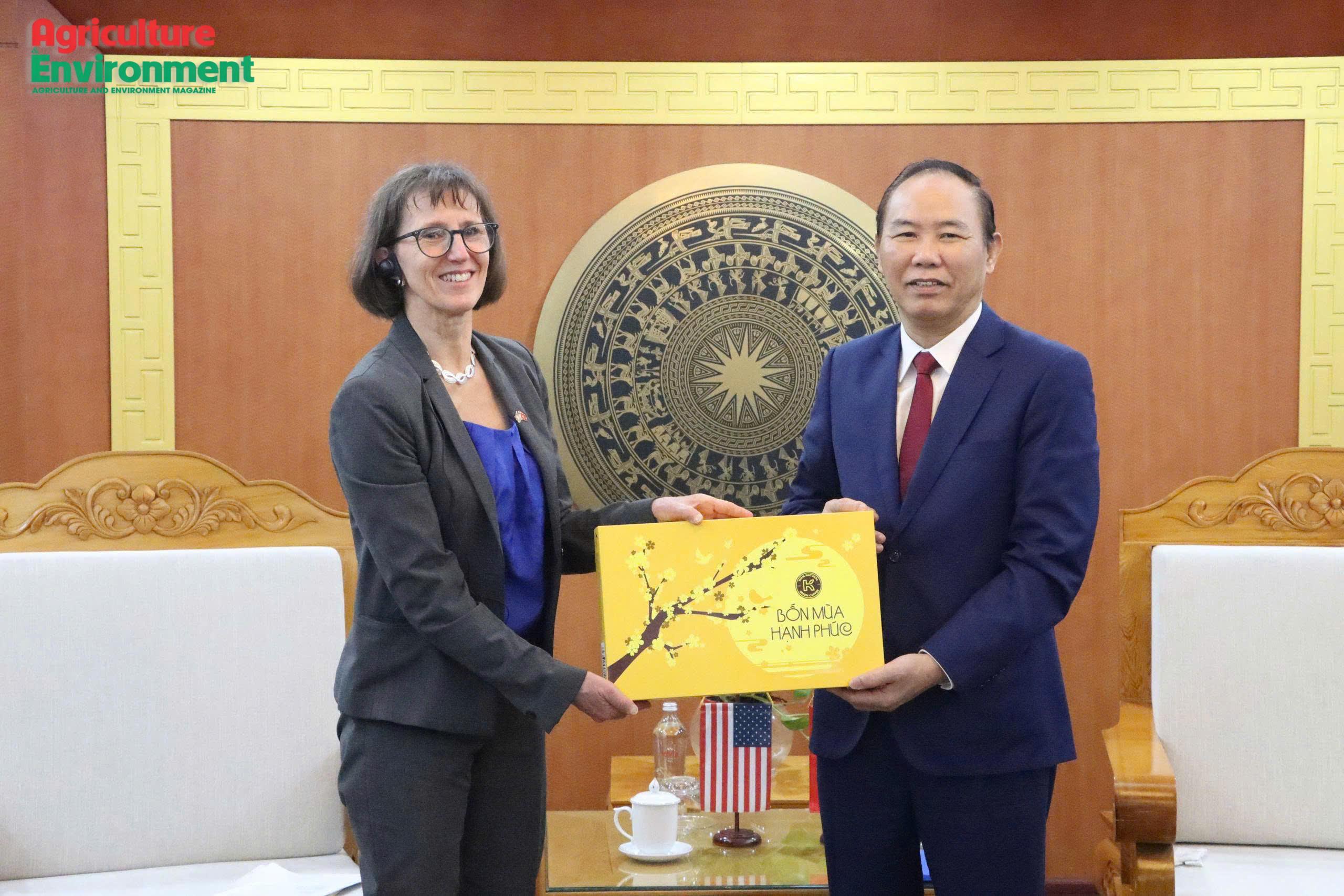
Deputy Minister Phung Duc Tien welcomed cooperation with the United States under the Global Health Security Program and called for continued prioritization of the One Health component and the animal health sector, with a focus on strengthening surveillance, early warning, testing, biosafety, and biosecurity capacity.
He stressed the importance of controlled data sharing and effective coordination between the Ministry of Health and the Ministry of Agriculture and Environment to ensure the sustainability of cooperation, while enhancing Viet Nam’s capacity for epidemic response and health security.
With the shared vision of advancing scientific research, policy communication, and promoting the role of women entrepreneurs in sustainable agriculture and environmental development, the International Women Entrepreneurs Development Institute (IWEDI) paid an official visit to the Agriculture and Environment Magazine on June 27. During the working session, both sides agreed on several concrete areas of cooperation and proposed the signing of a Memorandum of Understanding (MoU) to build a long-term strategic partnership.
On June 24, in Hanoi, the Ministry of Agriculture and Environment of Viet Nam, in collaboration with the United Nations Development Programme (UNDP) and key partners, convened a national consultation workshop on the draft Programme Implementation Plan (PIP) for the National Action Plan to transform the food system toward transparency, accountability, and sustainability by 2030. The event was held under the technical support framework of the United Nations SDG Joint Fund, and served as a key preparatory milestone for Viet Nam’s participation in the upcoming UN Food Systems Summit +4 (UNFSS+4) scheduled for July 2025 in Ethiopia.
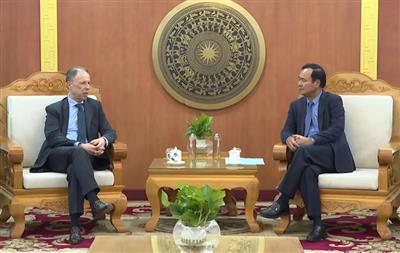
As Vietnam accelerates its shift toward sustainable and low-emission agriculture, the working session held on June 18 between Deputy Minister of Agriculture and Environment Vo Van Hung and representatives from ENI Vietnam marked a strategic turning point. The collaboration between a global bioenergy leader and Vietnam’s agricultural sector promises not only to add value to farm products but also to foster the green transition, promote circular economy models, and build a zero-emission agricultural system.
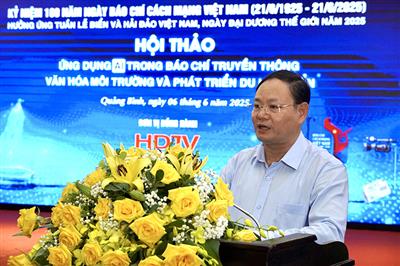
On June 6 in Dong Hoi City, Quang Binh Province, the Agriculture and Environment Magazine (under the Ministry of Agriculture and Environment), in collaboration with the Center for media development (Nhan Dan newspaper) and the Quang Binh Department of Agriculture and Environment, held a seminar titled “AI applications in journalism, cultural and environmental communication, and marine tourism development.”
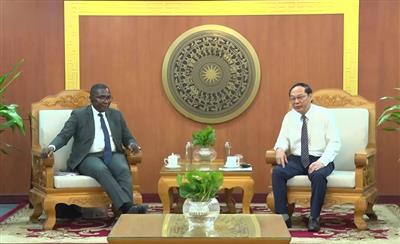
During a working session on June 5 with Deputy Minister of Agriculture and Environment Le Cong Thanh, Mr. Selwin Hart, Special adviser to the UN Secretary-General on climate action and just transition, commended Vietnam’s strong efforts in restructuring its energy system toward a greener and more equitable model. He noted that Vietnam is emerging as a regional exemplar in ASEAN for its renewable energy development, sustainable climate transition, and strong commitment to updating its Nationally Determined Contributions (NDCs) and realizing the goals of the Paris Agreement.