



 By strengthening linkages across production, processing and trade, while leveraging U.S. strengths in supply chain development and feed inputs, the “U.S.–Viet Nam aquaculture value chain partnership” is expected to bring a fundamental shift to Viet Nam’s tilapia sector. The project aims to position tilapia as a new export pillar, raise farmers’ incomes, increase value added in the fisheries sector, and reinforce Viet Nam–U.S. agricultural cooperation on a more substantive and sustainable footing.
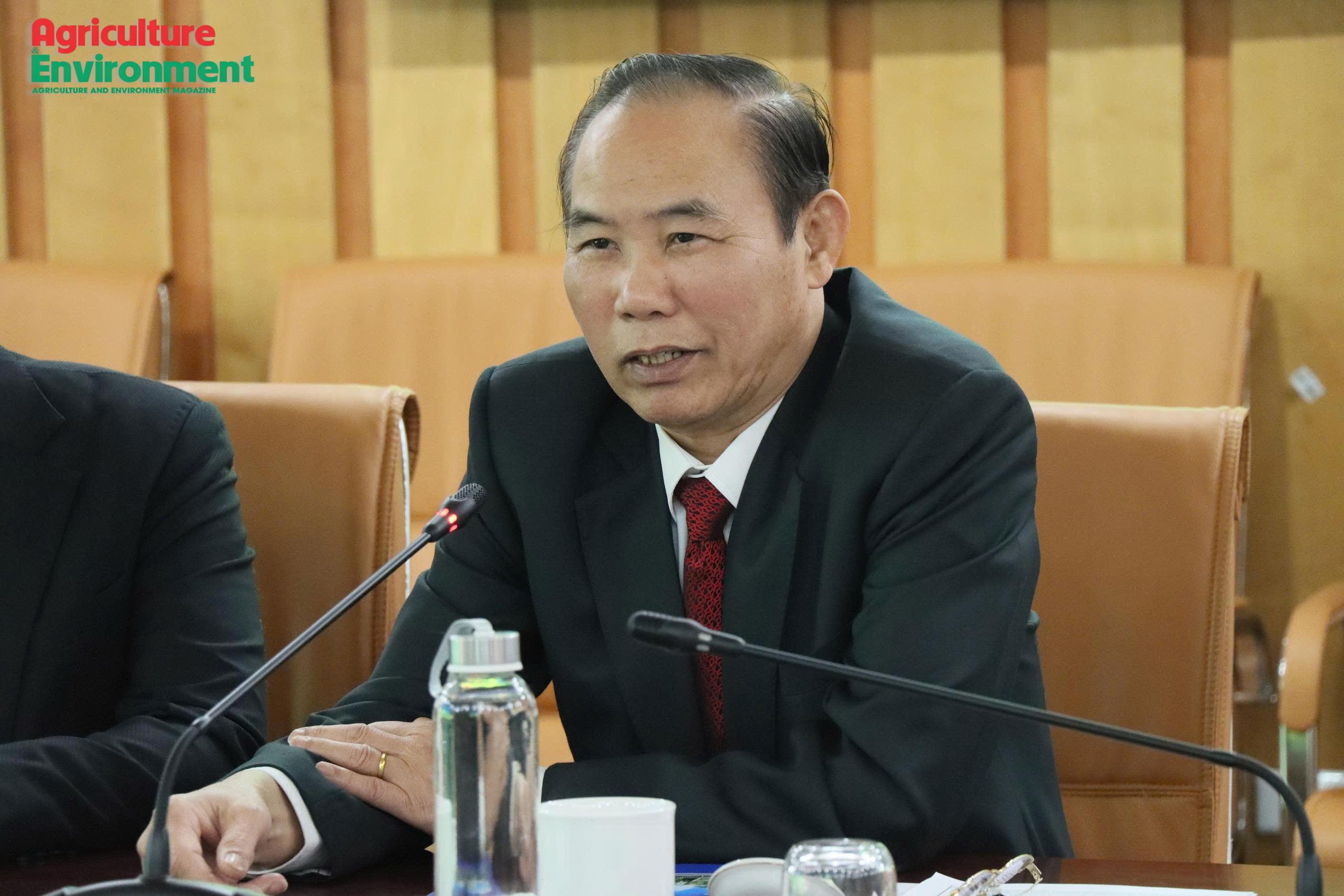
On January 13, Deputy Minister of Agriculture and Environment Phung Duc Tien held a working meeting with U.S. Agricultural Counselor Ralph Bean on the “U.S.–Viet Nam aquaculture value chain partnership”.
Viet Nam’s tilapia development potential
Speaking at the meeting, Deputy Minister Phung Duc Tien said tilapia offers several advantages, including fast growth, ease of farming, good flesh quality and adaptability to diverse ecological conditions. Vietnamese tilapia has already been exported to several markets and has received positive quality assessments, providing an important basis for the Ministry of Agriculture and Environment to prioritize tilapia in the restructuring of the fisheries sector toward sustainability and higher value.
According to the deputy minister, aquaculture restructuring is underway in many localities. In An Giang province, for example, more than 400 hectares out of about 600 hectares previously used for pangasius farming have been converted to tilapia. The shift reflects changing production strategies among farmers toward species with stronger market potential and greater medium- and long-term growth prospects.
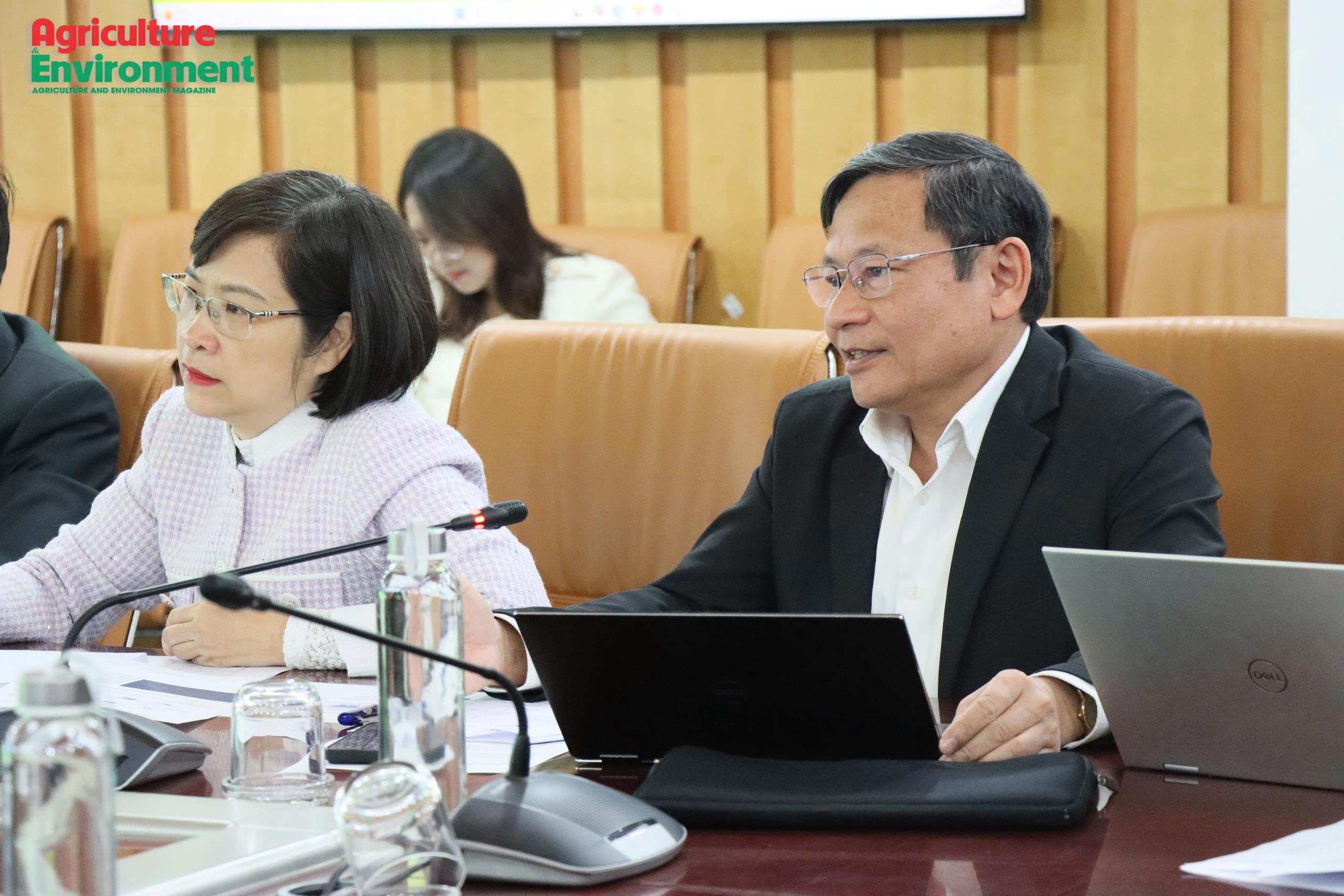
Mr. Nhu Van Can, Deputy Director of the Department of Fisheries and Fisheries Surveillance, said tilapia farming is currently concentrated mainly in the Red River Delta and the Mekong Delta. However, expansion is possible not only in freshwater areas but also in brackish and marine waters nationwide. Studies and pilot trials at the Cai Be Aquatic Seed Center in Tien Giang province show tilapia can be farmed stably in brackish and saline conditions, with potential expansion of about 300 hectares. Large reservoirs across the country are also a significant resource for future tilapia development.
A representative of the Department of Science and Technology said tilapia growth characteristics vary by ecological zone. In northern Viet Nam, growth slows in winter but accelerates during summer. Viet Nam currently focuses on two main strains—yellow tilapia and red tilapia—which offer strong potential for productivity and quality if production is properly organized.
Despite relatively high domestic output, tilapia export turnover remains modest, largely due to high production costs. Feed accounts for a major share of costs, with key inputs such as soybeans and corn imported, mainly from the United States. In addition, most feed mills are foreign-invested enterprises, limiting the scope for significant feed price reductions and directly affecting the export competitiveness of Vietnamese tilapia. Against this backdrop, the Department of Science and Technology expressed hope that participation by the U.S. Soybean Association would help optimize feed input supply chains and gradually reduce feed costs—a critical factor for expanding tilapia exports.
Tilapia value chain development
At the meeting, U.S. Agricultural Counselor Ralph Bean said that under the U.S. Department of Agriculture’s Food for Progress Program, the "U.S.–Viet Nam aquaculture value chain partnership" was designed to improve Viet Nam’s tilapia value chain and promote bilateral trade in tilapia and soybean products. The project is led by Lutheran World Relief (LWR), in coordination with Vietnamese partners and the American Soybean Association’s World Initiative for Soy in Human Health (ASA/WISHH). It is scheduled to run from September 2025 to September 2030, with an estimated total budget of more than $15.26 million.
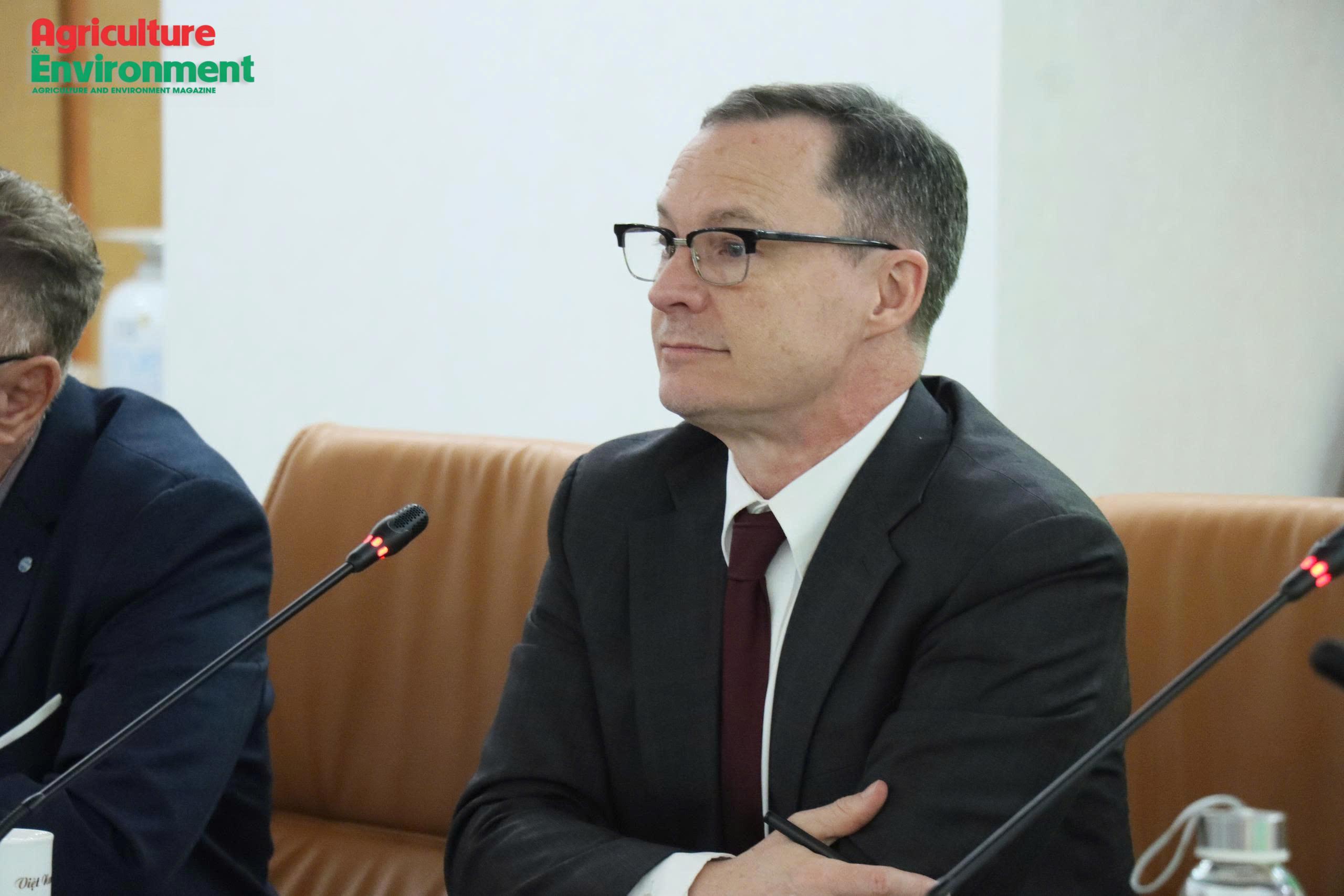
The project aims to enhance productivity, quality and competitiveness across Viet Nam’s tilapia sector through an integrated value chain approach covering broodstock, feed, farming, processing and markets. Over five years, it targets cumulative tilapia output of about 1.21 million metric tons, with estimated total sales of $1.25 billion. The project will also facilitate increased imports of high-quality U.S. soybeans for aquafeed production, helping reduce input costs and improve production efficiency.
Project Director Nick Richardson said implementation will follow a defined roadmap. From September 2025 to January 2026, activities will focus on project startup and preparation. From early 2026, the project will work with Vietnamese authorities to complete registration procedures, develop cooperation agreements, and establish offices and implementation structures. In the first year, activities will include baseline studies, value chain assessments, development of monitoring indicators, and initial technical interventions such as broodstock improvement and hatchery support. From October 2026, training programs, capacity building, and technical and financial support for value chain actors will be scaled up.
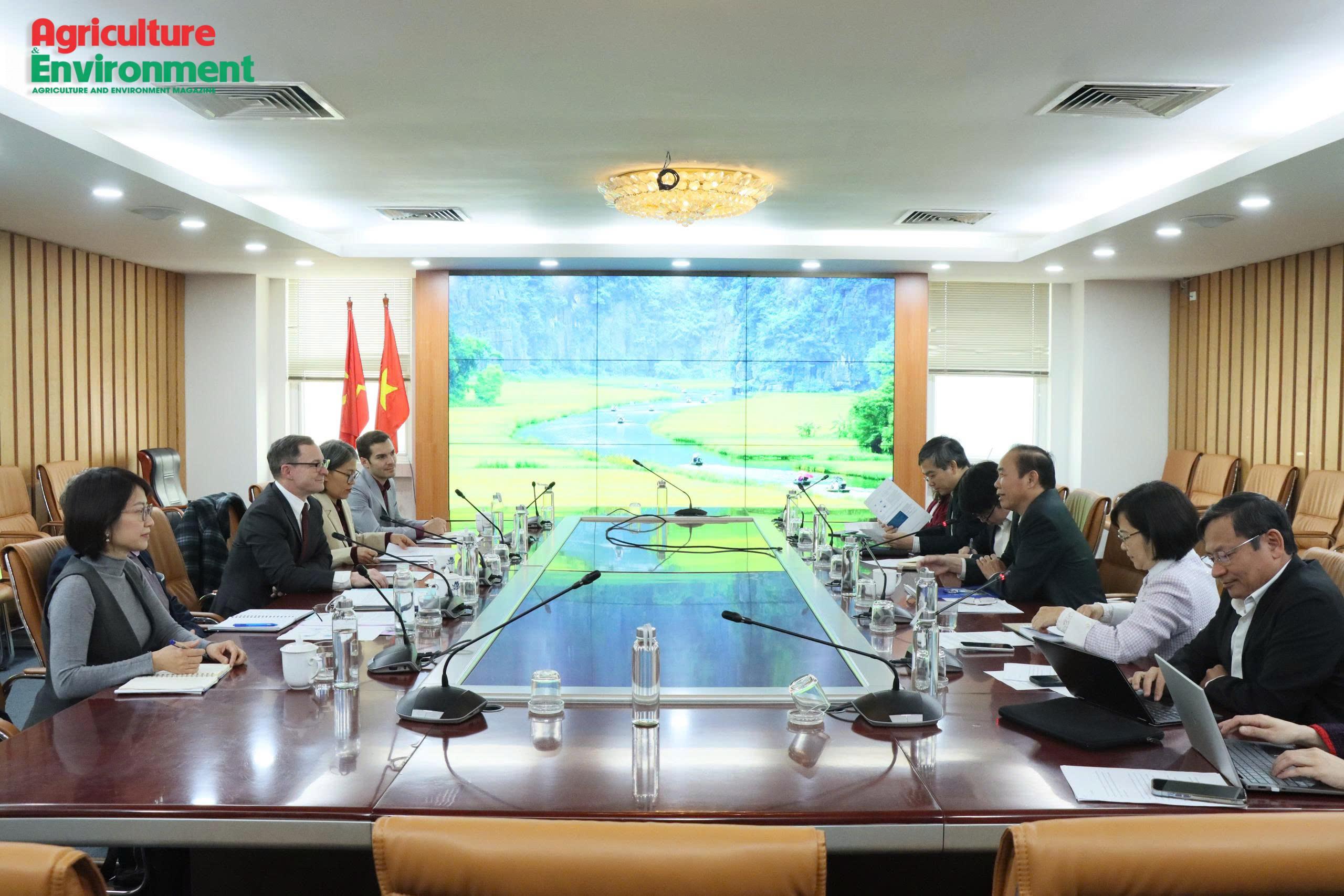
Project Director Nick Richardson emphasized the project seeks to build an integrated tilapia value chain from inputs to markets, based on the application of Best Aquaculture Practices (BAP). Key priorities include developing high-quality seed supply; increasing the use of high-quality soybean inputs in aquafeed to gradually reduce dependence on imported raw materials and lower production costs; and improving farming, processing and commercialization practices to meet export market requirements.
In parallel, the project will deliver training, establish demonstration models, strengthen the capacity of associations and small enterprises, provide technical and financial support, and facilitate supply–demand linkages. These measures aim to address persistent weaknesses in quality control across Viet Nam’s tilapia production chain. Focusing resources on a single species is expected to improve product quality while enabling more accurate assessment of the project’s economic and technical impacts, creating a basis for future replication.
With its integrated value chain approach and the participation of U.S. partners in input supply, technology and production organization, the “U.S.–Viet Nam aquaculture value chain partnership” is expected to create new momentum for tilapia development, boost export value, improve farmers’ incomes, and advance sustainable Viet Nam–U.S. agricultural cooperation.
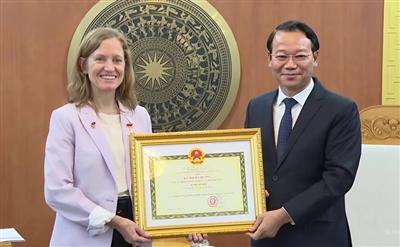
On 8 July, Minister of Agriculture and Environment Do Duc Duy received Ms. Aler Grubbs, Mission Director of the United States Agency for International Development (USAID) in Vietnam, and United States Ambassador to Vietnam Marc Knapper. The meeting took place in a warm atmosphere, marking an important milestone in more than 30 years of cooperation between Vietnam and USAID. On this occasion, the Minister expressed deep appreciation for USAID’s significant contributions to agricultural development, environmental protection, and strengthening Vietnam’s resilience to climate change.
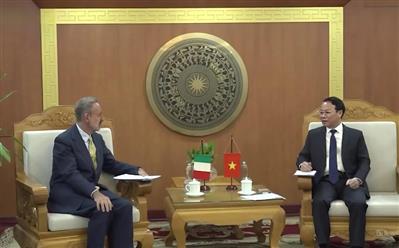
On July 7, 2025, in Hanoi, Minister of Agriculture and Environment Do Duc Duy met with Mr. Marco Della Seta, Ambassador of the Republic of Italy to Vietnam. The meeting took place in the context of rapidly strengthening Vietnam-Italy relations—particularly in agricultural trade—and marked an important step toward expanding the two countries’ strategic cooperation.
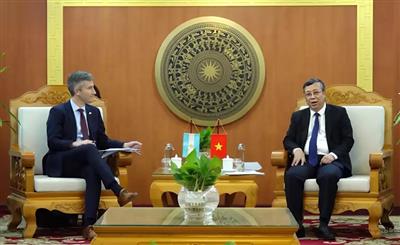
Vietnam’s Ministry of Agriculture and Environment and Argentina’s Ministry of Economy have agreed to promote comprehensive, balanced, and sustainable cooperation in agriculture, food, and environmental protection—paving the way for a future strategic partnership between the two countries.
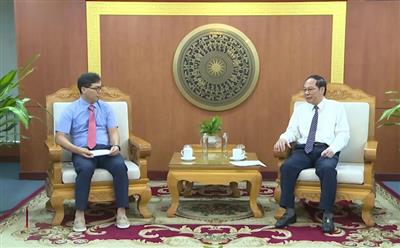
On June 27, 2025, in Hanoi, Deputy Minister of Agriculture and Environment Le Cong Thanh held a bilateral meeting with Mr. Jeon Jongsoo, Chairman of ECOEYE Group (Republic of Korea). The meeting took place as Vietnam prepares to launch a pilot phase of its carbon credit market, creating opportunities for comprehensive cooperation in environmental protection, recycling, and low-emission technologies between the two countries.
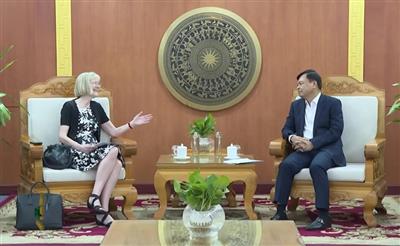
On June 27 in Hanoi, Deputy Minister of Agriculture and Environment Nguyen Hoang Hiep held a working meeting with Australian Ambassador to Vietnam Gillian Bird. Both sides reaffirmed the strength of bilateral cooperation in agriculture, environment, and climate adaptation, with a shared commitment to advancing the implementation of the MERIT Project—a climate resilience and integrated transformation initiative for the Mekong Delta, funded by the World Bank with strategic support from Australia.